8 Reasons Montenegro's Coast Belongs on Your Adriatic Shortlist
8 Reasons Montenegro's Coast Belongs on Your Adriatic Shortlist
Montenegro keeps flying under the radar while Croatia and Greece get all the Adriatic attention. That's good news for anyone who visits, because you get comparable coastline at a fraction of the price without the crowds that have made Dubrovnik and Santorini feel like theme parks.
Here are 8 reasons to put it on your shortlist.
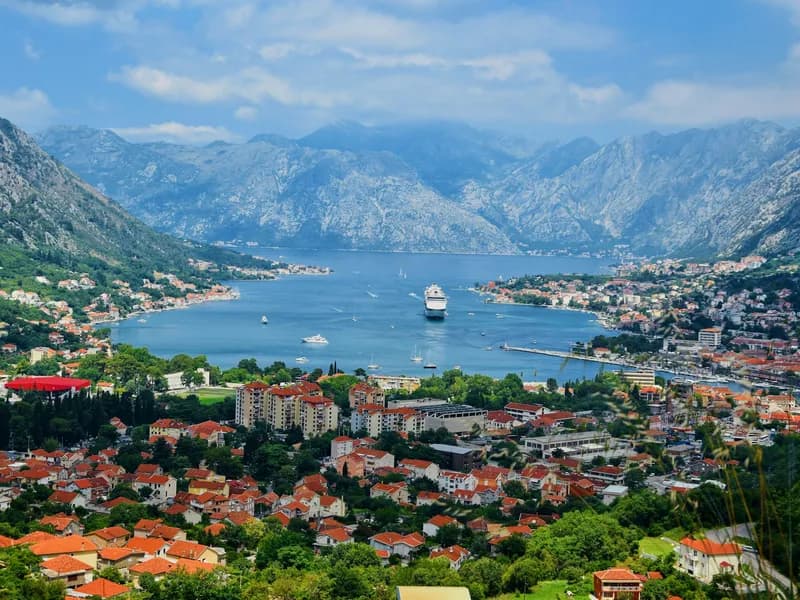
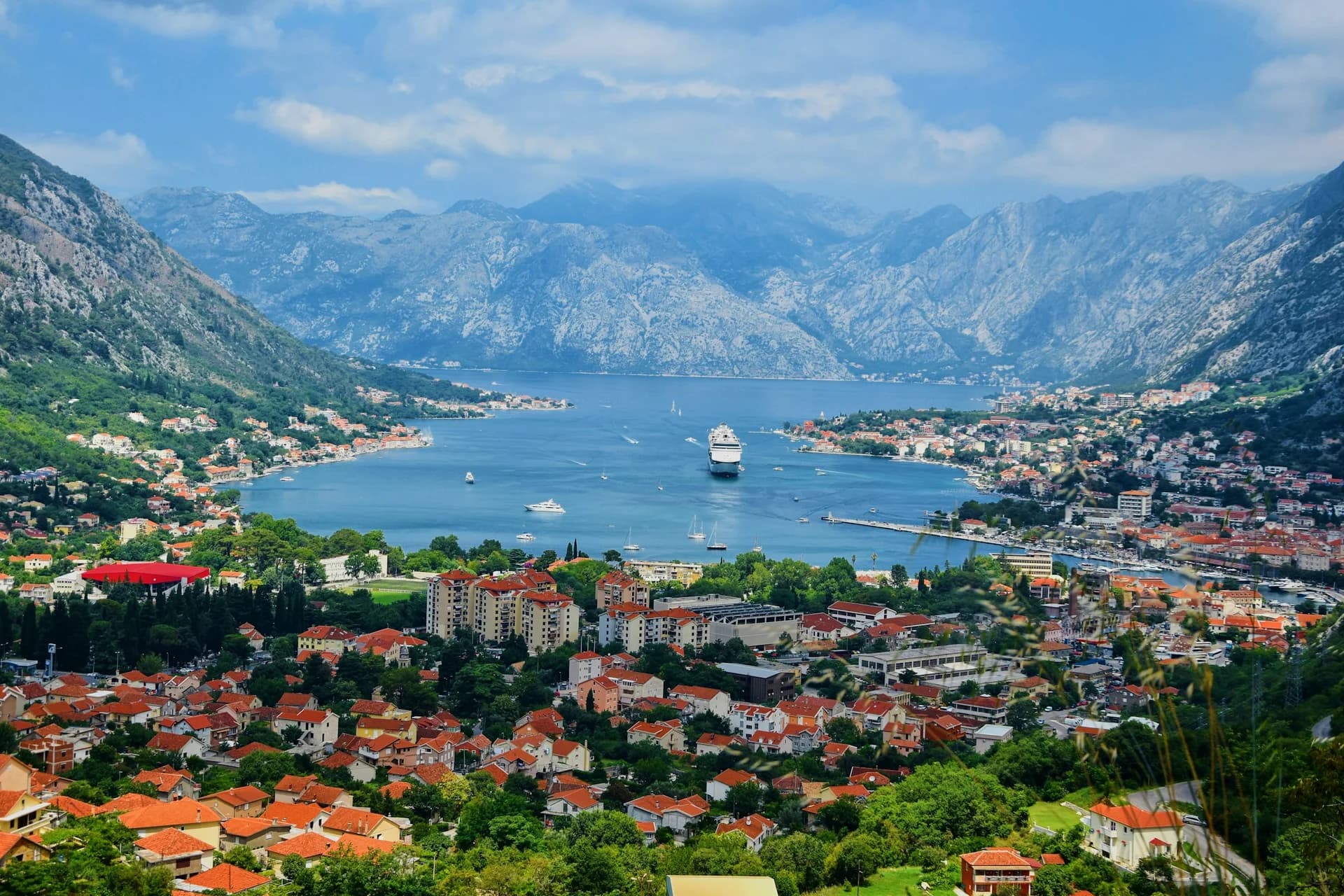
1. The Bay of Kotor Is Europe's Most Dramatic Waterway
Southern Europe's deepest fjord-like bay (technically a submerged river canyon) cuts between mountains rising 1,500+ meters directly from the water. The winding coastal road from Tivat to Kotor takes 30-45 minutes and delivers views that make you pull over every 3 minutes.
Boat tours from Kotor visit Our Lady of the Rocks — a church built on an artificial island that locals have been expanding by dropping stones into the water since 1452. Entry: 2 EUR. The story is better than any museum exhibit.
2. Kotor's Old Town Rivals Dubrovnik — Without Dubrovnik's Prices
A UNESCO-listed medieval walled town at the bay's innermost point. Venetian architecture, Romanesque churches, cats lounging in every square. Free to enter. The Maritime Museum (4 EUR) and St. Tryphon Cathedral (3 EUR) are worthwhile.
The 1,350 steps to San Giovanni Fortress (8 EUR entry) reward you with the best views in Montenegro — and legs that won't work properly the next day. Go at 8AM or after 5PM to avoid the heat.
The difference from Dubrovnik: dinner for two in Kotor costs 25-35 EUR. In Dubrovnik, the same meal runs 60-90 EUR. The medieval walls, the stone streets, the Adriatic — it's all there. The markup isn't.
3. Sveti Stefan Is the Most Photogenic Spot on the Adriatic
A fortified island village connected to the mainland by a narrow isthmus — Montenegro's most photographed landmark. It's now an exclusive Aman resort (rooms from 1,000 EUR/night), so non-guests can't walk on the island itself.
But the beaches on either side are public (sunbed: 15-20 EUR) and the photographs from the coastal road viewpoint are free. The island at sunset, silhouetted against the Adriatic, is one of those images that actually lives up to the hype.
4. Europe's Best Coastal Value
Montenegro uses the euro despite not being in the EU, which makes budgeting simple. And the prices make the rest of the Mediterranean look predatory.
A seaside dinner for two with wine: 25-40 EUR. Espresso: 1-1.50 EUR. Beer: 2-3 EUR. Hotel rooms from 40 EUR/night in Kotor, 30 EUR in Budva off-season. Apartments on Booking.com are even better value.
Cash is widely used. ATMs dispense euros but many charge 3-5 EUR withdrawal fees — take out larger amounts to minimize fees.
5. The Tara River Canyon Will Change Your Definition of "Day Trip"
Europe's deepest canyon at 1,300 meters. UNESCO World Heritage site. 2.5 hours from the coast. The Tara Bridge (Durdevica) spans 365 meters at 172 meters height — the view down is vertigo-inducing.
White-water rafting through the canyon is world-class: full-day trips run 50-70 EUR for 18 km of class III-IV rapids through emerald-green water flanked by vertical rock walls. Best in May-June when water levels are highest.
This isn't just a day trip — it's an experience that reframes what you think Montenegro is. Overnight in Zabljak to do it justice.
6. The Coastal Drive Is One of Europe's Best Road Trips
The coastal road from Herceg Novi (near the Croatian border) to Ulcinj (near the Albanian border) covers about 120 km of winding road past medieval towns, hidden coves, and mountain-backed beaches.
Rent a car from about 20 EUR/day at Tivat Airport (TIV). The roads are narrow and winding — especially the 25-hairpin-bend road from Kotor to Cetinje — but the views justify every white-knuckle moment.
Alternative: buses connect coastal towns cheaply. Kotor to Budva: about 3 EUR, 40 minutes.
7. The Nightlife in Budva Is Underrated
Budva's old town is 2,500 years old by day and a lively bar strip by night. The Riviera strip south to Becici has large sandy beaches and beach clubs. It's Montenegro's party capital — not Ibiza-level, but genuinely fun in July-August.
Mogren Beach, a 10-minute walk from the old town walls through a tunnel in the cliff, is one of the coast's most beautiful swimming spots. Two connected coves with turquoise water and dramatic cliffs.
8. Dubrovnik Is a 45-Minute Day Trip
Herceg Novi, at the mouth of the Bay of Kotor, is just 45 km from Dubrovnik. Buses run several times daily (about 10 EUR, 2 hours including the border crossing at Debeli Brijeg).
This means you can base yourself in Montenegro at Montenegro prices and still visit Dubrovnik as a day trip. In summer, border waits can exceed an hour — go early morning. Carry your passport (Montenegro is not in the Schengen Area).
Some rental cars don't allow cross-border travel — check with your agency before planning to drive.
Pro Tips for Planning
- Flights: Tivat Airport (TIV) is on the coast. Podgorica Airport (TGD) is 90 minutes inland. TIV is more convenient for the coast but has fewer routes.
- Visa: US, UK, Canadian, Australian, and EU citizens enter visa-free for 90 days. Indian citizens need a visa (apply through the embassy, about 50 EUR).
- Best time: May-June and September-October. July-August is hot (30-35°C), crowded, and cruise-ship heavy in Kotor.
- Cruise ships: Check cruisemapper.com for Kotor ship schedules. Visit on ship-free days, or arrive before 9AM / after 5PM.
- Driving hazards: The Kotor-Cetinje road has no guardrails in places. The Sozina tunnel (2.50 EUR toll) is a safer alternative to the mountain pass from Podgorica.
Montenegro isn't a secret anymore — it's been growing steadily as a destination for a decade. But it's still the Adriatic's best-value coastline by a significant margin. And the Bay of Kotor is, frankly, one of the most beautiful places in Europe.
Go before the prices catch up with Croatia's. For the full story from a local's perspective, read our conversation with Jelena from Kotor. And if the Adriatic coastline inspires island-hopping thoughts, Hvar is just a few hours north by boat.