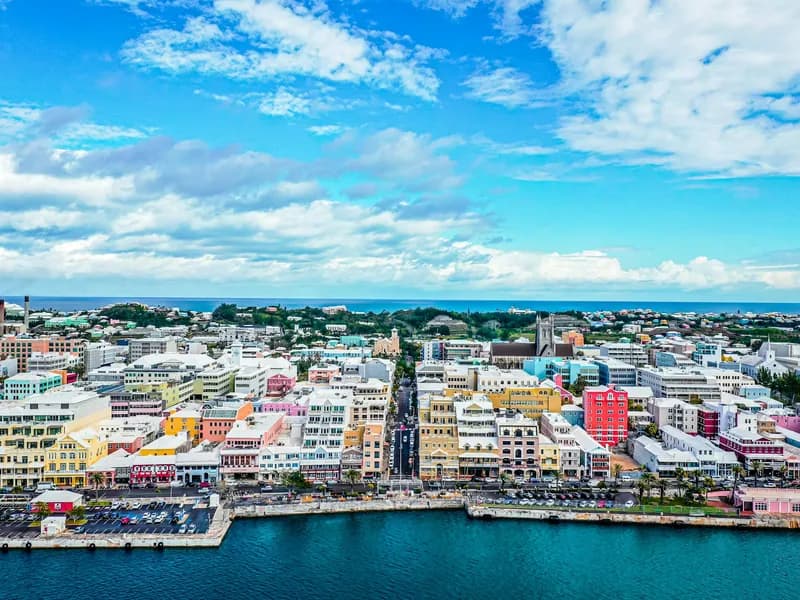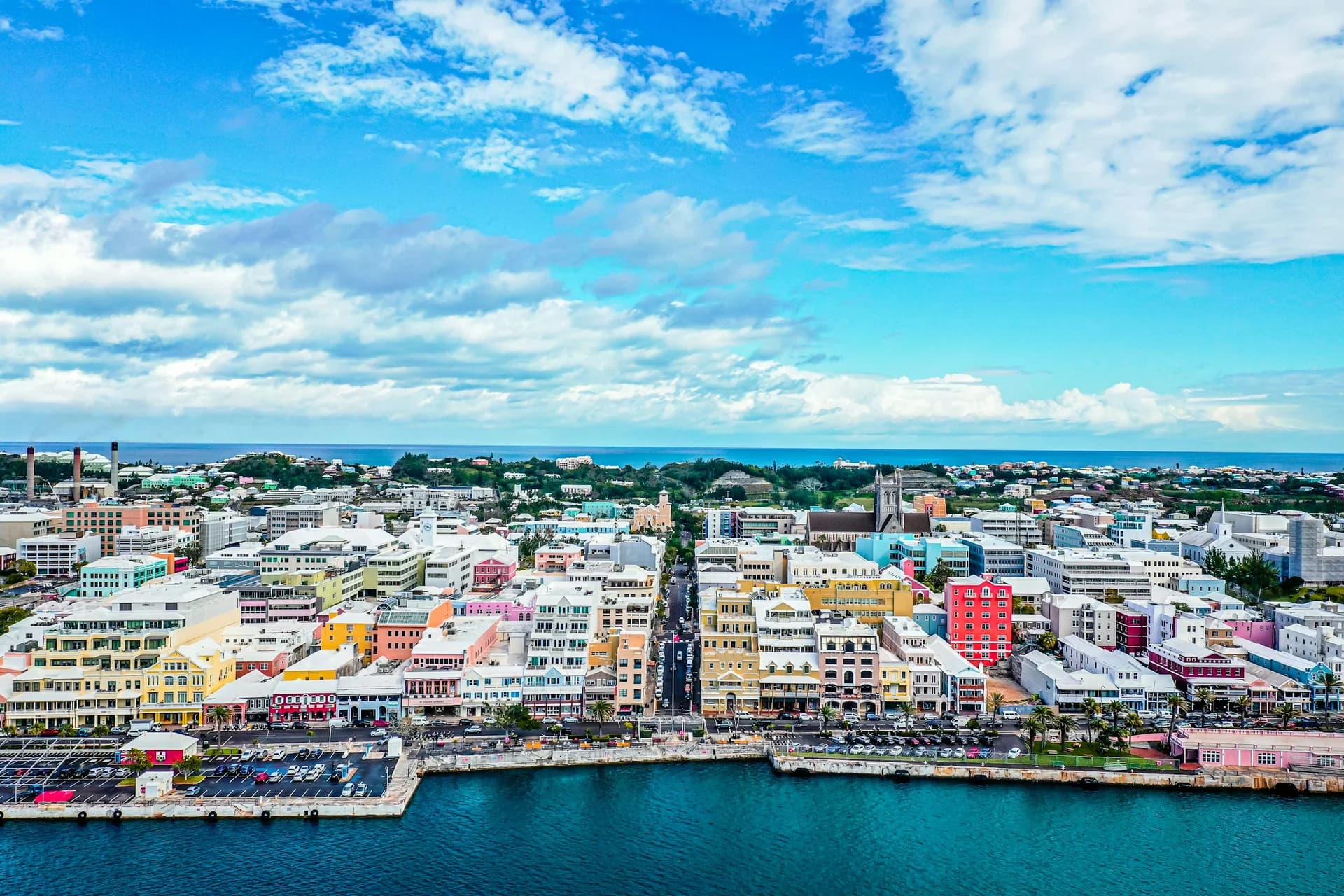
Bermuda's Maritime Soul: Shipwrecks, Caves, and 400 Years of Ocean History
Bermuda's Maritime Soul: Shipwrecks, Caves, and 400 Years of Ocean History
Bermuda exists because ships sank here. The island was uninhabited until 1609 when the Sea Venture — a British vessel bound for Jamestown, Virginia — wrecked on Bermuda's reef ring during a hurricane. The 150 survivors found a lush, empty island with abundant food and fresh water. They were supposed to build new ships and continue to Virginia. Some of them decided they'd rather stay.
Four hundred years later, the ocean is still the central character of Bermuda's story. The island sits on an extinct volcanic seamount, surrounded by a ring of reef that has claimed 300+ vessels over the centuries — more shipwrecks per square kilometer than anywhere else on Earth.
The Wrecks
Bermuda's reef ring extends up to 16 kilometers from shore, creating a submerged obstacle course that has sunk everything from Spanish galleons to British warships to modern cargo vessels. The clear, warm water (visibility 20-40 meters in summer) and shallow depths (many wrecks at 5-15 meters) make this one of the world's great diving and snorkeling destinations.
The Montana and the Kate
These two wrecks, both sitting at about 10 meters depth in the western reef, are accessible to confident snorkelers. The Montana is a Civil War-era paddle steamer — her iron hull is still intact, encrusted with coral and inhabited by schools of grunt, sergeant majors, and the occasional barracuda.
The Kate sits nearby, her boiler and engine room visible from the surface on calm days. Sea turtles are regular visitors to both sites.
No boat needed for the Montana — you can swim out from the western shore, though a guide is recommended for safety. Dive operators run snorkel trips for ~$60 per person.
The Hermes
A 1984 freighter deliberately sunk as an artificial reef at 25 meters depth. The intact hull makes for one of the best penetration dives in the Atlantic. You can swim through cargo holds, the engine room, and the bridge. Visibility is usually 20+ meters. Dive charters from $120 for a two-tank dive.
The Constellation and the Nola
These two wrecks sit near each other at 10 meters depth. The Constellation, a 1943 cargo vessel, was carrying drugs (medicinal morphine, not recreational) and other supplies when it sank. Peter Benchley visited these wrecks and was inspired to write "The Deep." The Nola sits nearby, a small steamer surrounded by enormous coral heads.
Night Dives on the Wrecks
Several operators offer night dives — the wrecks are completely different after dark. Bioluminescence trails behind your fins. Octopuses emerge from hiding spots in the hull. Eels hunt in the open. A night dive on the Hermes was the most surreal underwater experience I've had outside of cenotes.
The Caves
Bermuda's limestone bedrock is riddled with caves — over 150 documented, from tiny crevices to massive cathedral-like chambers with underground lakes.
Crystal Cave
Discovered by two boys chasing a lost cricket ball in 1907 (the most Bermudian origin story possible). A wooden pontoon walkway takes you 36 meters underground past stalactites reflected in a crystal-clear subterranean lake. The formations have been growing for 30 million years. Some hang within centimeters of the water's surface.
Entry: $22 for Crystal Cave alone, $30 for both Crystal and Fantasy Caves. Open daily. 15 minutes from Hamilton.
Fantasy Cave
Smaller than Crystal but more dramatic — deeper underground, more varied formations, and a more intimate feel. The stalactites are thinner and more delicate, some so fine they look like stone icicles. The combined ticket is worth it.
The Unfinished Church
Not a cave, but cave-adjacent in terms of atmospheric impact. In St. George's, construction began on a grand Gothic church in the 1870s but was never completed due to internal church politics and financial disputes. What remains is a roofless shell of Gothic arches open to the sky — vines growing through the windows, birds nesting in the stone tracery.
Free to visit. One of the most photogenic spots on the island.
The Lighthouse
Gibbs Hill Lighthouse, built in 1846, is one of the oldest cast-iron lighthouses in the world. It was shipped in pieces from England and assembled on Bermuda's highest point.
Climb 185 steps (the staircase spirals tightly — claustrophobes beware) for 360-degree views. On clear days, you can see the reef line 15 kilometers out — the same reef that sank those 300 ships. The light is still operational.
Entry: ~$5. Small cafe at the base. Best at sunset.
The Living Reef
Bermuda is the northernmost coral reef system in the Atlantic — the Gulf Stream's warm current allows coral to survive at a latitude where it shouldn't exist. The reef ring that sank all those ships also created one of the most diverse marine ecosystems in the open Atlantic.
The Bermuda Aquarium, Museum and Zoo (BAMZ) in Flatts Village is an excellent introduction — $12 entry, with a 560,000-liter North Rock tank replicating the local reef. But the real reef is better.
Snorkeling from the south shore beaches (Church Bay is excellent for shore entry) puts you over healthy coral, parrotfish, angelfish, and if you're lucky, a Bermuda longtail — the national bird — diving into the water beside you.
The Maritime Museum
The National Museum of Bermuda at the Royal Naval Dockyard ($15 entry) occupies the former Commissioner's House in the fortification that Britain spent 100 years building. The exhibits cover the Sea Venture wreck, the Royal Navy's Atlantic fortress period, slavery in Bermuda, and the island's WWII role as a US military base.
The upper floor of the Commissioner's House has panoramic harbor views. The lower galleries include artifacts from major wrecks and a restored water cistern system that once supplied the entire Dockyard.
Allow 2-3 hours. Take the ferry from Hamilton ($5, 20 minutes) — the approach by water, with the Dockyard's stone walls rising from the harbor, is the proper way to arrive.
Cooper's Island
Former US military base (NASA tracking station during the space program), now returned to nature as a protected reserve. Hiking trails lead to secluded beaches and clifftop viewpoints where Bermuda longtails nest from March to October.
The longtails — white-tailed tropicbirds with 40-centimeter tail streamers — are Bermuda's most beautiful creature. They ride the updrafts along the cliffs, diving and wheeling with a precision that makes gulls look clumsy. Cooper's Island is the best place to watch them.
Free entry. Eastern end of the island. Almost no tourists come here, which is exactly why you should.
The Thread
Every attraction in Bermuda connects back to the ocean. The caves were carved by water. The wrecks were claimed by reef. The lighthouse exists to prevent more wrecks. The Dockyard was built to project naval power across the Atlantic. The longtails nest on sea cliffs. Even the national dish — fish chowder — is pulled from the surrounding waters.
If you're exploring more of the region, the Bahamas offers a complementary experience worth considering.
If you're exploring more of the region, Barbados offers a complementary experience worth considering.
If you're exploring more of the region, Turks and Caicos offers a complementary experience worth considering.
Bermuda is 54 square kilometers of land surrounded by 1,000 square kilometers of reef, wreck, and open ocean. The land is charming. The ocean is the soul.
Bring a mask. Bring fins. And go down.