The Complete Bermuda Travel Guide: Pink Beaches, Shipwrecks, and No Rental Cars
The Complete Bermuda Travel Guide: Pink Beaches, Shipwrecks, and No Rental Cars
Bermuda is not in the Caribbean. This is the single most important fact that most visitors get wrong. It sits 1,000 kilometers east of North Carolina in the Atlantic Ocean, at the same latitude as Savannah, Georgia. It's cooler, breezier, and more British than any Caribbean island. And it has a law that prohibits tourists from renting cars.
Those three facts — not Caribbean, not tropical year-round, no rental cars — shape everything about visiting Bermuda. Here's the complete guide.
Overview
Bermuda is a British Overseas Territory consisting of one main island and 180 smaller islands, connected by bridges, covering a total area of about 54 square kilometers. The main island is 35 km long and never wider than 3 km. Hamilton is the capital (population ~1,000). The entire territory has about 64,000 residents.
Despite its tiny size, Bermuda packs an absurd density of attractions — pink sand beaches, crystal caves, 300+ shipwrecks, a UNESCO-listed historic town, and the oldest cast-iron lighthouse in the world.
Best Time to Visit
May to October for warm weather (25-30°C), swimmable water temperatures (22-28°C), and the best beach conditions. Peak season is June-August.
November to April is cooler (18-22°C) with water temperatures dropping to 18°C. Too cold for most swimmers. But prices drop 30-40% and the island is peaceful.
Bermuda is NOT year-round warm — unlike reliably tropical Atlantic islands like Cape Verde, which stay swimmable all year. Pack layers November through March.
Getting There
L.F. Wade International Airport (BDA) receives direct flights from:
- New York (JFK, EWR): 2 hours
- Boston: 2 hours
- Toronto: 3 hours
- London: 7 hours
- Miami: 2.5 hours
JetBlue, American, Delta, United, British Airways, and WestJet operate routes. Round-trip fares: $250-500 from the US East Coast.
Where to Stay
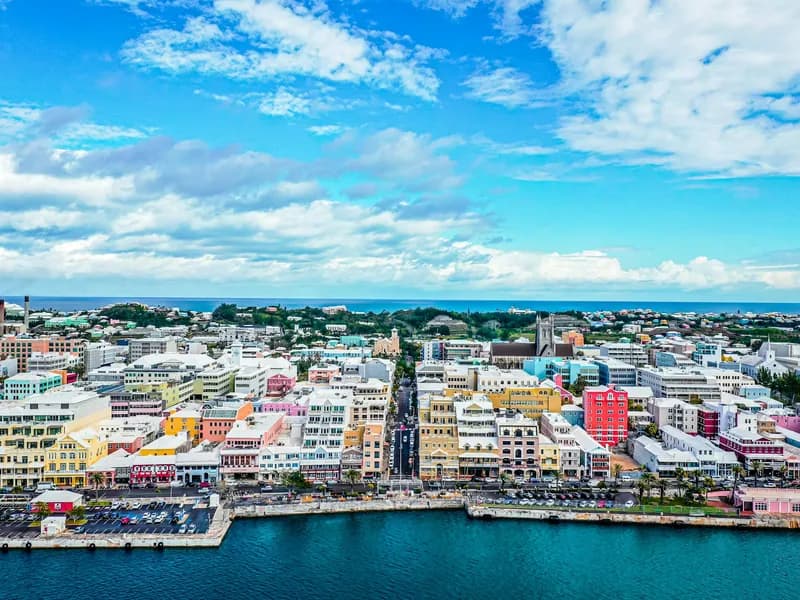
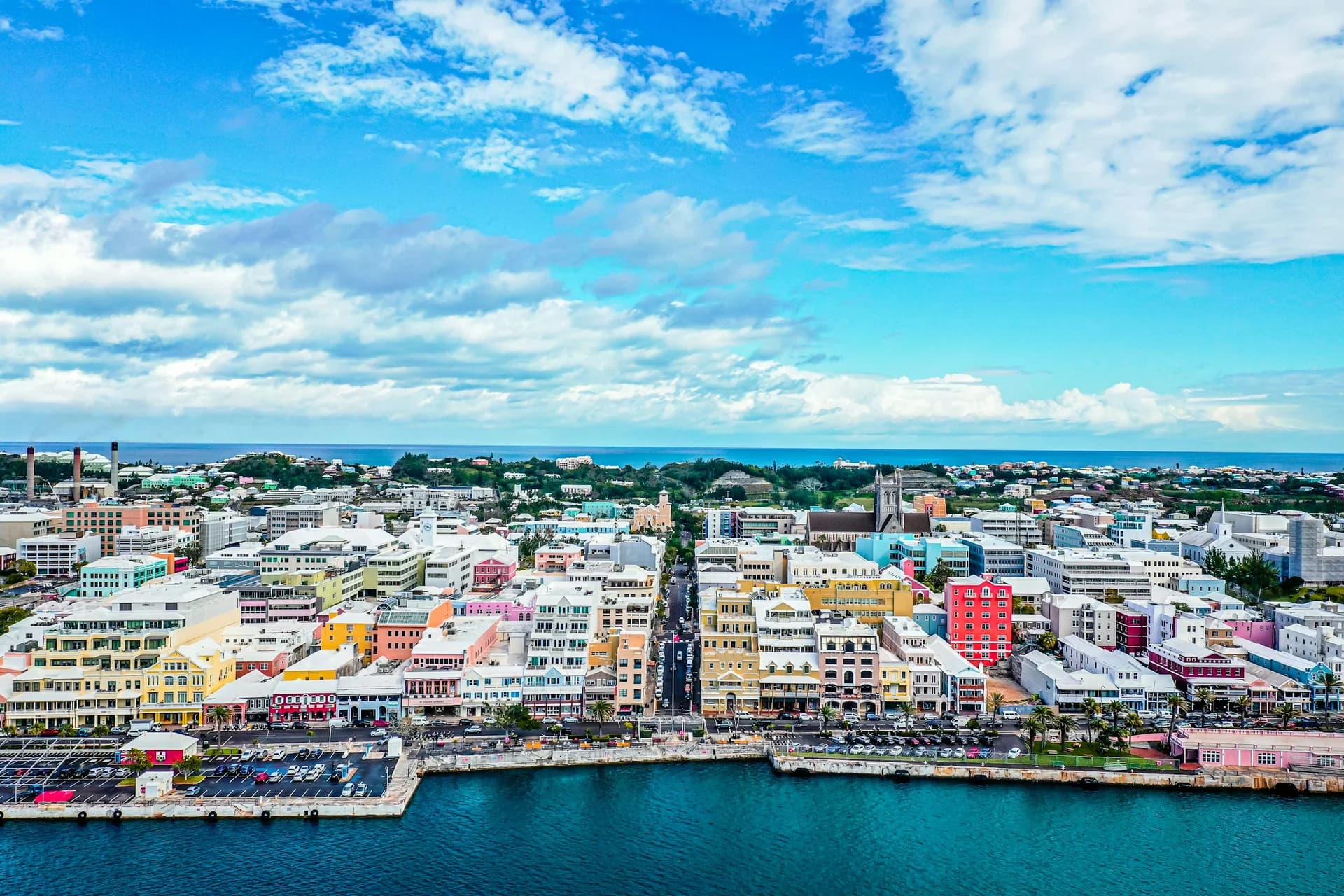
Hamilton: The capital, walkable, restaurants and shops. Good base for ferries to the western parishes.
- Budget: Nothing below $150/night exists in Bermuda. Cheapest: Robin's Nest ($150-200)
- Mid-Range: The Rosedon ($250-350), Edgehill Manor ($200-300)
- Luxury: Hamilton Princess ($400-700)
South Shore (Southampton/Warwick): Beach access, resort area.
- Mid-Range: Grotto Bay Beach Resort ($250-400)
- Luxury: The Reefs ($400-600), Rosewood Bermuda ($500-900)
Royal Naval Dockyard: Cruise port area, arts and museums.
- Fewer hotel options. Best for cruise passengers.
Getting Around (No Rental Cars!)
Bermuda prohibits tourists from renting cars. This is law, not suggestion. Your options:
Electric Scooters/Twizys: Rent from Current Vehicles or Oleander Cycles. $80-100/day. The Renault Twizy (a tiny enclosed electric vehicle) is the most popular. Drive on the LEFT.
Public Buses: Excellent network covering the entire island. $5 token per ride. Buy a transportation pass at Hamilton bus terminal or the airport: 1-day ($19), 3-day ($38), 7-day ($52). Unlimited bus AND ferry rides.
Ferries: Pink-and-blue ferries connect Hamilton to Dockyard (20 min), Somerset, and St. George's. Scenic and practical. Same pass as buses.
Taxis: Expensive. $8-10 flag drop plus per-km charges. Airport to Hamilton: ~$40. Airport to Southampton: ~$50.
My recommendation: Buy a 7-day transportation pass ($52) and supplement with a Twizy rental for 1-2 days. The buses and ferries reach everything.
What to Do
Horseshoe Bay Beach
Bermuda's most famous beach — a crescent of pink sand framed by limestone cliffs, its rosy color a striking contrast to the bone-white beaches of Nungwi and other classic island shores. The pink comes from crushed red foraminifera coral. Free public access with changing rooms and snack bar. Bus #7 from Hamilton. Gets crowded when cruise ships dock — explore the hidden coves west of the main beach for solitude.
Crystal and Fantasy Caves
Spectacular underground caverns with crystal-clear turquoise pools and dramatic stalactite/stalagmite formations on par with the karst caves of Guilin. Combination ticket ~$30 for both caves. Open daily 9AM-5PM. 15 minutes from Hamilton by bus. Allow 1.5 hours.
Royal Naval Dockyard
19th-century British naval fortress, now an arts hub. National Museum of Bermuda ($15 entry), glassblowing studios, craft market, Snorkel Park Beach. Ferry from Hamilton: $5, 20 minutes. Free to wander the grounds.
Shipwreck Snorkeling
Bermuda has 300+ wrecks in shallow, clear water. The Montana and Kate (both at 10m depth) are accessible to snorkelers. Dive charters from $120 for a two-tank dive. Visibility averages 20-40m. The Hermes and Constellation are top dive sites, and the calm, shallow conditions make this as approachable for first-time divers as the budget dive schools of Utila.
Gibbs Hill Lighthouse
Built 1846, one of the oldest cast-iron lighthouses in the world. 185 steps to panoramic 360° views. Entry ~$5. Cafe at the base. 10 minutes by scooter from Southampton.
Cooper's Island Nature Reserve
Former US military base, now a protected reserve with hiking trails, secluded beaches, and nesting Bermuda longtails. Free entry. Eastern end of the island. Almost no tourists — this is my favorite spot on the island.
Town of St. George
UNESCO World Heritage Site — the oldest continuously inhabited English settlement in the New World (founded 1612). Cobblestone streets, 17th-century buildings, the Unfinished Church. Free to explore. 45 minutes by bus from Hamilton.
Food
Bermuda is expensive to eat out. There's no way around this.
- Fish chowder: The national dish. Add Gosling's Black Seal rum and Outerbridge's sherry pepper sauce at the table. Every restaurant serves it. $8-15 per bowl.
- Dark 'n' Stormy: Gosling's Black Seal rum + ginger beer. Bermuda trademarked this cocktail. $10-14 at bars.
- Fish sandwich: A fried fish fillet on raisin bread with coleslaw and tartar sauce. The quintessential Bermuda lunch. $10-15 at most pubs.
- Art Mel's Spicy Dicy in Hamilton: local lunch spot. Fish sandwich for $12. Cash only. Tiny. Loved by locals.
- Wahoo's Bistro & Patio in St. George: waterfront seafood, $20-35 mains. Worth the splurge.
Budget Breakdown
| Category | Budget | Mid-Range | Luxury |
|---|---|---|---|
| Accommodation | $150-200 | $250-400 | $400-900 |
| Food | $40-60 | $60-100 | $100-200 |
| Transport | $7 (pass) | $25-50 | $80-100 |
| Activities | $10-30 | $50-100 | $120-250 |
| Daily Total | $207-290 | $385-650 | $700-1,450 |
Bermuda is genuinely one of the world's most expensive destinations. A pint of beer is $9-12. A basic restaurant dinner is $50-100 per person. Budget travelers: grocery stores (MarketPlace) and food trucks offer meals for $12-18.
Safety
Bermuda is very safe. Violent crime against tourists is extremely rare. The main safety concern is scooter accidents — the #1 cause of tourist injuries. Roads are narrow, hilly, and you drive on the LEFT. If uncomfortable with scooters, stick to buses and ferries.
Sun safety applies year-round. The water temperature drops significantly in winter — full wetsuit needed November through April.
Useful Facts
- Not in the Caribbean: Atlantic Ocean, 1,000 km east of North Carolina
- Currency: Bermuda Dollar (BMD), pegged 1:1 to USD. US dollars accepted everywhere.
- No sales tax: Prices include import duties, which is why everything is expensive despite no tax.
- Dress code: Bermuda is more formal than Caribbean islands. Business casual is the norm for dinners in Hamilton. Bermuda shorts with knee-high socks are actually worn by businessmen here. It's not a joke — it's the national dress.
- Bermuda Triangle: The island sits at the western point. The "mystery" is a debunked myth. Please don't ask locals about it.
The Bottom Line
Bermuda is the Caribbean trip for people who don't actually want a Caribbean trip. It's more British, more expensive, more temperate, and more restrained. The beaches are pink, the caves are crystal, the shipwrecks are everywhere, and you're not allowed to rent a car.
If you're exploring more of the region, the Bahamas offers a complementary experience worth considering.
If you're exploring more of the region, Barbados offers a complementary experience worth considering.
If you're exploring more of the region, Turks and Caicos offers a complementary experience worth considering.
It's also deeply charming in a way that more obviously flashy islands aren't. The pastel-colored houses, the Bermuda longtails soaring over cliff edges, the Dark 'n' Stormy at a pub where they know your name after one visit — it grows on you.
Just bring a thick wallet. And a helmet for the scooter.