
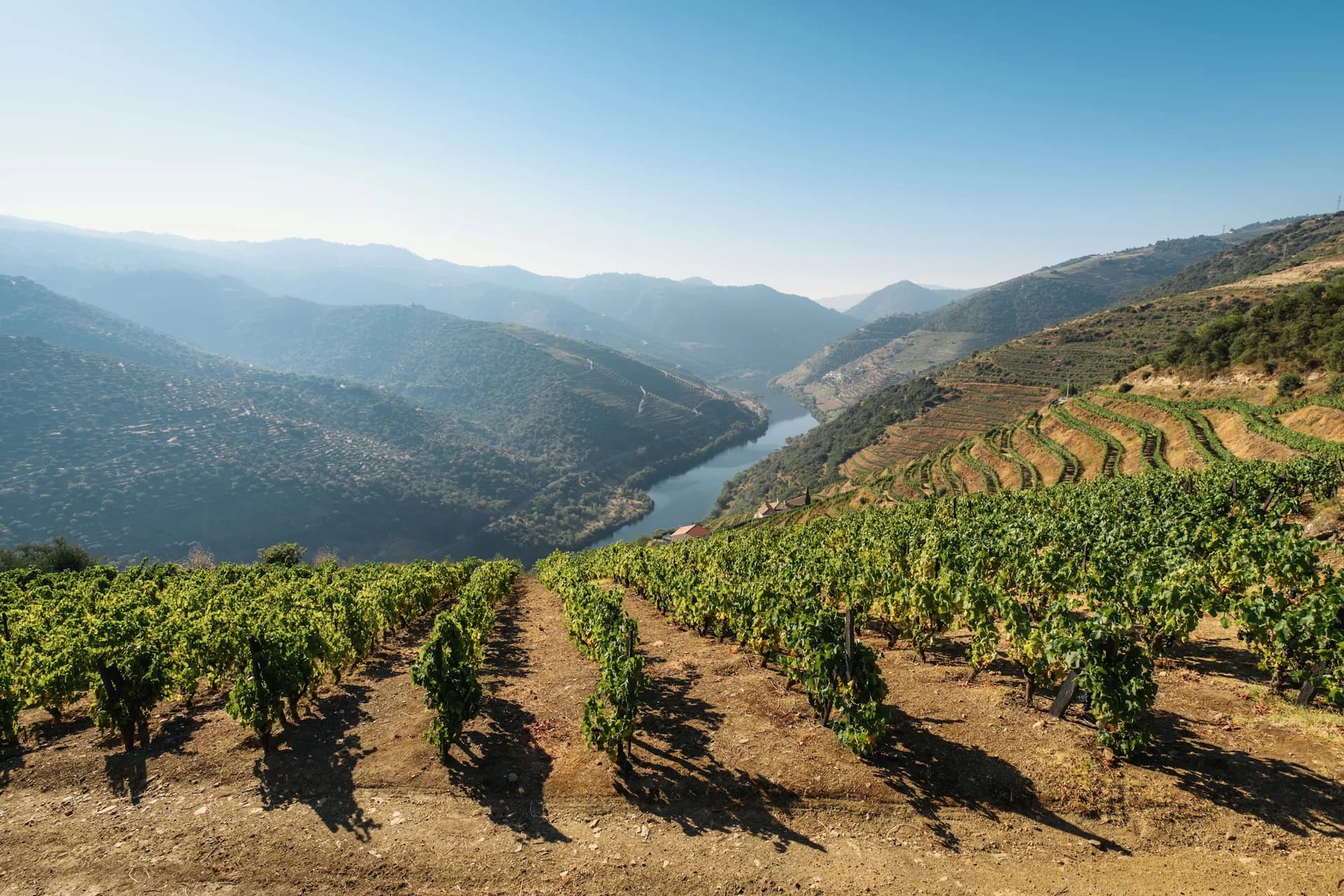
Everything You Need to Know About the Douro Valley Before Your First Wine Tasting
Everything You Need to Know About the Douro Valley Before Your First Wine Tasting
The Douro Valley is Portugal's most famous wine region and a UNESCO World Heritage Site, which means it gets both the reverence and the tourist infrastructure that designation brings. But unlike Bordeaux or Napa, the Douro is still surprisingly accessible — both in price and in welcome.
Here's everything worth knowing before your first visit.
Getting There
Q: What's the best way to get to the Douro Valley?
Rent a car from Porto airport (from ~€25/day). The drive to Pinhao takes about 2 hours via the A4 and N222. The N222 road along the river was voted the world's best driving road — and it earns the title.
Alternatively, the historic Douro Line train from Porto Sao Bento to Pinhao (3 hours, ~€15 one way) is one of Europe's most scenic rail journeys. Sit on the right side heading east.
Q: Do you need a car?
Strongly recommended. Public transport is limited in the valley. The train follows the river but quintas are on hillsides accessible only by car. The N222 is the scenic route you came for.
Wine Tastings
Q: Do you need to book quintas in advance?
Yes. Most wine estates require advance booking — these are working farms, not walk-in tasting rooms. Email or call 2-7 days ahead. Some quintas close in winter months.
Q: How much do tastings cost?
Most charge €10-30 for a guided tour and 3-5 wine tasting. Some include cheese and charcuterie pairings. A bottle of excellent Douro DOC red costs €8-15 at the estate — a fraction of export prices.
Q: Which quintas should you visit?
Quinta do Crasto — Family-owned, panoramic vineyard views, centuries-old stone lagares for foot-treading grapes. Tastings from €15-30.
Quinta do Vallado — 13th-generation family estate with a modern winery designed by Alvaro Siza Vieira alongside an 18th-century manor. Tastings from €15. Overnight stays available.
Quinta da Roeda (Croft) — One of the oldest port houses, beautiful gardens, excellent tawny port.
For a first visit, two quintas per day is plenty. Three is a stretch — the roads are winding and you need a designated driver.
Q: Port wine or Douro DOC reds?
Both. The Douro produces Portugal's finest red table wines alongside the famous port. Many estates now focus as much on their DOC reds as their ports. Try both — the reds will surprise you.
Where to Stay
Q: Pinhao or Peso da Regua?
Pinhao is the heart of wine country — smaller, quieter, with the beautiful azulejo-tiled train station and quintas within walking distance. Limited dining options.
Peso da Regua is the commercial capital — more restaurants, a riverfront promenade, and the Museu do Douro (€7). Better base if you want options at dinner.
Budget: €50-100/night for guesthouses and small hotels. €150-400+ for quinta stays with vineyard views.
The Train Journey
Q: Is the Porto-Pinhao train really worth it?
Absolutely. Three hours along the Douro River, through tunnels and past terraced vineyards. It's one of Europe's most beautiful rail journeys. Buy tickets at cp.pt or at Porto Sao Bento station.
Bring snacks — there's no dining car. Sit on the right side heading east for best river views.
Seasonal Timing
Q: When's the best time to visit?
September-October for the grape harvest. The terraces are gold and red, the estates are buzzing with activity, and some quintas let you participate in the harvest or foot-treading.
May-June for pleasant weather, green vineyards, and wildflowers.
July-August is hot — 38-42°C in the valley. Schedule vineyard visits for morning or late afternoon.
Winter (November-March) is quiet. Some quintas close. But the valley is peaceful and hotel prices drop significantly.
Budget
| Category | Range |
|---|---|
| Guesthouse/night | €50-100 |
| Quinta stay/night | €150-400 |
| Wine tasting (per quinta) | €10-30 |
| Bottle of Douro DOC red | €8-15 |
| Lunch at local restaurant | €10-15 |
| Train Porto-Pinhao | €15 one-way |
| River cruise | €25-75 |
Quick Tips
- Designated driver is essential during tastings
- The N222 is scenic but winding — don't rush
- Bring sun protection in summer — the valley is shielded by mountains and traps heat
- AC is not universal in rural accommodations
- Harvest season (September-October) is busiest and most expensive
- Wine is cheaper at the estate than anywhere else — stock up
The Douro isn't Napa or Bordeaux. It's older, wilder, and more affordable. The terraced vineyards have been here since the Romans, the port wine trade has been flowing since the 17th century, and the quintas still feel like family homes rather than corporate tasting rooms. Give it at least two days. Three is better. And bring an empty suitcase for the wine.


