Fiji Through a Local's Eyes: A Conversation with Mere, Island-Born Fijian
Fiji Through a Local's Eyes: A Conversation with Mere, Island-Born Fijian
Mere Tuilau grew up in a village on the Coral Coast of Viti Levu, Fiji's main island. She learned to swim before she could walk — or at least that's how her mother tells it. After studying marine biology in Suva, she came back to work at a dive shop in the Mamanuca Islands, where she's spent the last 12 years teaching tourists how to breathe underwater and gently correcting them when they call the country "Fiji" with a hard J.
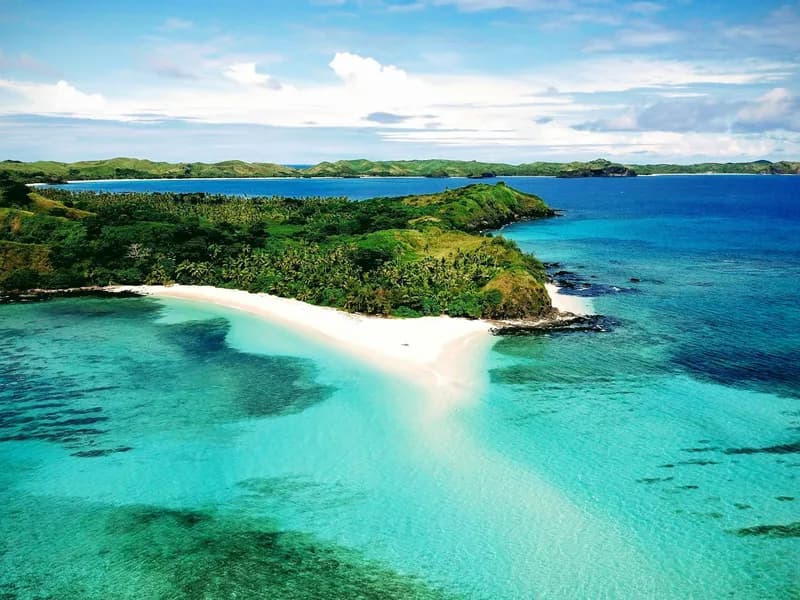
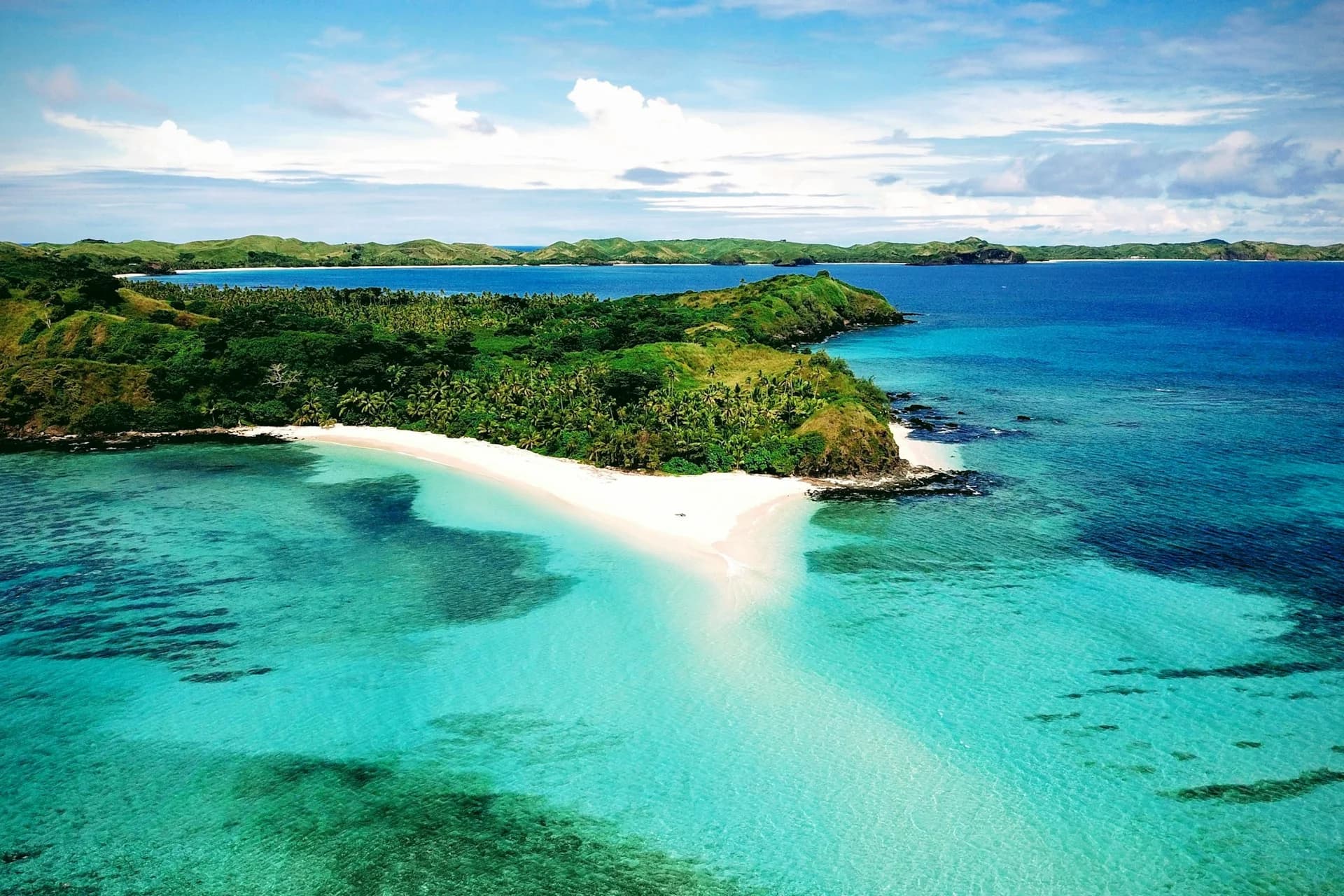
Over kava at her dive shop on Malolo Island — the late afternoon light turning the lagoon every shade of blue that exists — she laid out what she wishes every visitor understood.
What do people get most wrong about Fiji?
The biggest myth is that Fiji is just a beach destination. The beaches are, of course, ridiculous. But Fiji is a culture long before it's a postcard — a way of living called the Vanua that binds people to land and community in ways most Western visitors never quite see.
Fly in, lie on a resort beach, fly out, and you'll have missed it entirely. Visit a village. Sit through a kava ceremony. Fold yourself onto a woven mat in someone's home and eat food pulled from an earth oven. That's Fiji. The beach is simply where it happens to be.
What every visitor should know about kava
Kava — known here as yaqona, pronounced "yang-gona" — is Fiji's national drink, made from the ground root of the pepper plant mixed with water. It won't win any awards for flavor: think muddy water with a faintly numbing aftertaste. The taste isn't the point. The ceremony is.
When you visit a village, you bring a sevusevu — a gift of kava root — to present to the chief. Pick up a bundle at Nadi Market for FJD $20-40. When a bowl is offered to you, clap once before accepting it, drink the whole thing in one go (never sip), then clap three times.
The effect is gently relaxing. Your lips go a little numb. A few bowls in, you feel calm and unhurried and quietly connected to everyone around you. This isn't alcohol — nobody gets drunk on kava. It's closer to drinking a conversation: the bowl circles the mat, the talk loosens, and the evening slows down and softens.
Refuse the kava and you skip one of the best parts of Fiji. Accept it, settle in, and somewhere around the third bowl you'll catch yourself thinking, this is nice. That's the moment it clicks.
Which islands should you prioritize?
It depends on the trip you're after.
The Mamanucas are the easiest to reach — 1-2 hours by ferry from Port Denarau — and where most of the resorts cluster. Castaway Island (yes, the Tom Hanks movie), Malolo, Mana, Tokoriki. The water is almost unreasonable. Cloud 9, the floating bar, earns its day trip on novelty alone: cocktails on a platform anchored in the middle of the ocean.
The Yasawas take more effort to reach — 2-5 hours on the Yasawa Flyer catamaran — but they're the real Fiji. Less developed, fewer resorts, more village stays. The Blue Lagoon really is that blue. At the Sawa-i-Lau caves, you swim through an underwater passage into a hidden chamber with light pouring through the rock — a core memory for most visitors.
For diving, point yourself at Kadavu and the Great Astrolabe Reef: the world's fourth-largest barrier reef, visibility past 30 meters, manta rays from May to October. It's remote — a domestic flight of about 1 hour from Nadi, from FJD $300 one-way — and built for serious divers rather than casual beach-goers.
Taveuni, the "Garden Island," owns the best waterfalls. The Tavoro Waterfalls drop in three tiers, each more beautiful than the last (FJD $15 entry). The Lavena Coastal Walk (5 km, 3 hours one way) finishes at a waterfall you can swim behind. Taveuni feels like Fiji before tourism arrived.
Which customs should you know before visiting?
The big one: never touch a Fijian's head — children included. The head is sacred here, and touching it reads as deeply disrespectful, however affectionately it's meant.
In a village, dress modestly: cover your shoulders and knees. Take off hats and sunglasses — wearing them in a village setting comes across as rude. Slip off your shoes before entering a home.
Sundays are for rest. Fiji is predominantly Christian, and many communities observe Sunday strictly — some shops close, inter-island services may pause, and village activity winds down. Keep travel off your Sunday plans where you can.
And learn a few words of Fijian. "Bula" (hello, welcome, life — it carries everything positive), "Vinaka" (thank you), "Vinaka vakalevu" (thank you very much). Fijians light up when visitors try, even clumsily.
What's the biggest tourist trap in Fiji?
Overpriced resort dining on the main island. Some Nadi-area resorts charge FJD $80-100 for a dinner you'd find at a local restaurant for FJD $25. On Viti Levu, eat at local spots and Indian curry houses — Fiji has a large Indo-Fijian population and the curries are superb. A proper roti and curry in Nadi runs FJD $8-12.
On remote islands, meal plans are usually mandatory because there are no restaurants — and those prices are fair, since everything arrives by boat. But on the mainland you have options. Use them.
What about sustainability and reef protection?
This one is personal for Mere. Fiji's reefs are under real pressure from warming oceans and careless tourists. Use reef-safe sunscreen — chemical formulas with oxybenzone kill coral. Read the label. If the marketing says "reef-safe" but the ingredients list oxybenzone, it's lying.
Don't touch the coral. Don't stand on it. Don't take it home. It looks like rock, but it's alive, and a single snapped branch takes decades to grow back.
Choose operators who practice responsible tourism. Some dive shops still run shark feeding and reef walking — skip those. The better ones, like the operators certified by the Fiji Tourism Board, follow strict marine guidelines.
Want to do more? Ask about village-based conservation programs. Several communities run turtle monitoring, mangrove planting, and reef restoration projects that welcome volunteer divers. An afternoon spent planting coral fragments outlasts any resort spa treatment.
What Mere loves most about living here
The water — and not the way it looks, but the way it feels. Mere dives three or four times a week, and every time she drops below the surface the world goes quiet. The reef is alive down there — fish, coral, manta rays, turtles — a different planet entirely.
And the light. The way the afternoon sun slants through the water at 15 meters, turning everything blue-gold. She's seen it a thousand times and it still stops her.
Fiji isn't paradise because it's easy. It's paradise because it's real — the sea, the community, the kava, all of it. That's the part worth carrying home. Take off your shoes. Sit on the mat. Drink the kava. Be here.
Quick Tips from Mere
- Best time to visit: May through October (dry season, 25-28°C, less humidity)
- Must-try food: Kokoda — raw fish marinated in lemon juice and coconut cream. The Fijian ceviche.
- Best value island: Mantaray Island in the Yasawas — great snorkeling, village visits, and (in season) manta rays that come right to shore
- Worst tourist mistake: Turning up to a village visit without a sevusevu
- Insider tip: The Bula Pass (from FJD $459 for 5 days) on the Yasawa Flyer buys unlimited island-hopping flexibility
- One word for Fiji: Vanua — the land, the people, the way of life, bound together. It doesn't translate into English because English has no concept big enough.
For practical trip planning, read our complete Fiji travel guide. And run through our 17 Fiji tips to sidestep the rookie mistakes most first-timers make. If Fiji's island-hopping appeals to you, Bali and Zanzibar deliver similarly stunning tropical experiences.