Lake Malawi in the Dry Season: Why May to October Is Pure Magic
Lake Malawi in the Dry Season: Why May to October Is Pure Magic
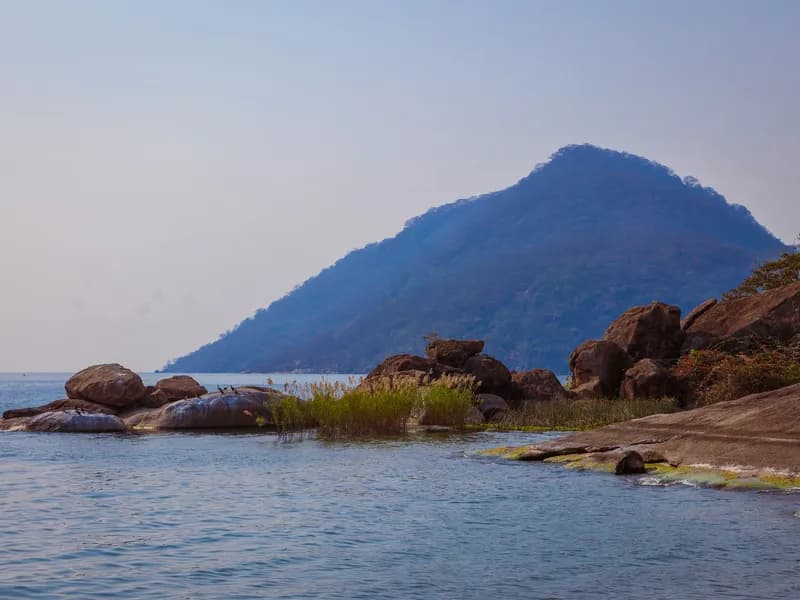
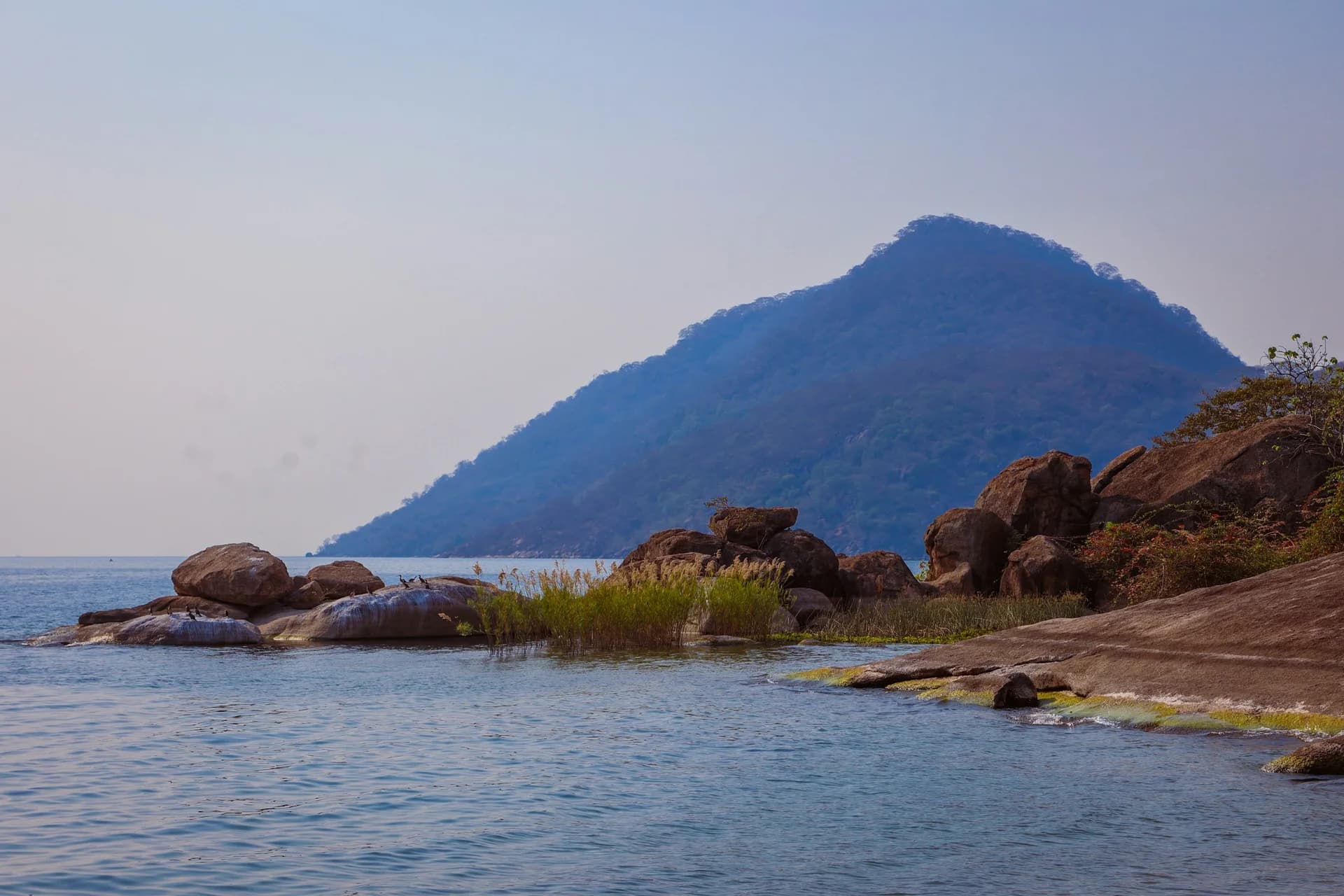
Lake Malawi wears two entirely different faces across the year. Arrive in January, during the rains, and you'll find water the color of green-grey slate, roads churned to mud, and tents that never quite dry out. Arrive in August and it's another world: crystal water, blue skies, and the very real chance of nine straight days without a single drop of rain.
Same lake. Completely different experience.
Reaching Lake Malawi takes effort — real effort — so time it for the dry season. Here's why, and exactly what to expect.
Why This Season
The dry season runs May through October. Rainfall drops to near zero. Temperatures on the lakeshore sit at a comfortable 22-28°C during the day (nights can drop to 15°C in June-July — bring a fleece, seriously). The sky is consistently clear. And the water visibility reaches its peak.
For a similar off-the-beaten-path experience with world-class snorkeling, see our Lake Malawi snorkeling guide.
But the real reason: the lake settles. Sediment from rainy season rivers stops flowing in. The water clarity goes from 5-8 meters in the wet season to 15-20 meters in the dry. Snorkeling transforms from "you can sort of make out fish" to "you can count individual scales on a cichlid from 10 meters away."
Month by Month
May: The Transition
The rains taper off. Roads start drying. The landscape is still green from the wet season — the most photogenic month. Water clarity is improving but not at its peak. Crowds: almost zero. Prices: low. This is the insiders' month.
Temperature: 23-29°C days, 17-20°C nights.
June-July: Cool and Clear
The coldest months. Yes, coldest — this is still equatorial Africa, so "cold" means 15°C at night and 22-26°C during the day. You'll want a jacket for sunrise and evening. The water is clear. The skies are deep blue. The dry season is fully established.
This is when the MV Ilala ferry runs most reliably. Book cabin class ($40-60) for the Nkhata Bay to Likoma Island leg.
August-September: Peak Visibility
The sweet spot. Water clarity peaks at 15-20 meters. The cichlid fish are at their most colorful (breeding season for many species). The air is warm (25-30°C). Zero rain. The diving and snorkeling conditions are the best they'll be all year.
Cape Maclear fills up slightly — meaning there might be 20 other travelers on the beach instead of 5. It's still empty by any normal standard.
October: The Edge
Still dry. The heat builds. Temperatures push 30-32°C. The landscape turns brown and dusty. Some people love this — it's raw, African, dramatic. The water is still clear. The rains usually start in November, but October can get late-season storms.
August-September is the standout, but October is a legitimate option — and prices run lower.
What to Do in the Dry Season
Snorkeling at Cape Maclear
Walk into the water from any rocky section of the Cape Maclear shoreline. Within seconds you're surrounded by cichlids — electric blue, orange, yellow, striped. No boat needed. Guided snorkel trips to the better reef spots cost $5 for a half-day. The guides know where the rarer species congregate.
Park entry: $10/person/day. You'll use it.
Kayak Camping on the Islands
The dry season makes multi-day kayak camping trips to Thumbi West and Domwe islands ideal. No rain means your tent stays dry. No storms mean the lake surface is calm. Two-day guided trips with camping and meals: $60-80/person. Bring your own sleeping bag.
You'll camp on uninhabited islands. At night, the stars over the lake are undimmed by any light pollution. The Milky Way reflects off the water — no exaggeration, it genuinely does.
The Ilala Ferry
The MV Ilala runs weekly (theoretically — schedules are flexible). The dry season means fewer cancellations and calmer water. The Monkey Bay to Nkhata Bay leg is the most popular: 18 hours, deck class $10-15, cabin class $40-60.
Bring snacks. Bring a mat for deck class. Bring patience. The ferry stops at remote villages where small boats ferry goods and people to shore. It's transportation as anthropology.
Diving at Nkhata Bay
Aqua Africa runs PADI courses at Nkhata Bay. Open water certification: $350 including all dives. Fun dives for certified divers: $30-40. The dry season visibility means you can see the full extent of the underwater boulder fields where the cichlids live.
The diving here is freshwater, so no coral — but the fish density is comparable to saltwater reef diving, and you're the only diver in the water.
What to Pack for the Dry Season
- Fleece or light jacket — June-July evenings are genuinely cold
- Reef shoes — the rocky shore at Cape Maclear will destroy bare feet
- Waterproof bag — for kayaking and the Ilala ferry deck
- DEET repellent — malaria is year-round, dry season doesn't eliminate mosquitoes
- Cash in USD — clean, post-2006 bills. ATMs are unreliable
- Snorkel and mask — you can rent them, but quality varies
- Sunscreen — the reflected UV off the lake is fierce. SPF 50 minimum
Sample 5-Day Dry Season Itinerary
Day 1: Arrive Cape Maclear. Settle in. Afternoon shore snorkeling. Sunset beers at Fat Monkeys Lodge.
Day 2: Full-day kayak to Thumbi West Island. Snorkeling around the island. Picnic lunch on the beach. Return by late afternoon.
Day 3: Morning diving or deep-reef snorkeling trip ($5). Afternoon at leisure — hammock, read, swim. Evening fish braai (BBQ) at your lodge ($3-5 for whole grilled chambo fish).
Day 4: Take the road to Nkhata Bay (4-5 hours by minibus, $5) or the Ilala ferry if timing works. Arrive at Mayoka Village. Evening at the bar overlooking the harbor.
Day 5: Morning rock-jumping and kayaking at Nkhata Bay. Afternoon at Chikale Beach. Sunset from the Mayoka Village deck.
The Trade-Off
The dry season has one downside: the landscape isn't green. By September-October, the hills around the lake are brown and dry. If you want lush green scenery, come in the rainy season (November-April) and accept muddier roads and cloudier water.
But for the lake itself — for the swimming, snorkeling, kayaking, and that specific quality of light that makes the water look like liquid glass — the dry season is unbeatable.
So pick your August window, pack the fleece, and go. The ferry dock will be waiting — and so will the clearest water this lake ever shows.