Montenegro vs. Croatia: The Adriatic Comparison That Saves You 40%
Montenegro vs. Croatia: The Adriatic Comparison That Saves You 40%
I spent three weeks driving the Adriatic coast — from Montenegro to Croatia — one week in Montenegro, two in Croatia — and the thing that kept hitting me wasn't the scenery (both are spectacular) or the food (both are fresh Adriatic seafood). It was the bills.
A seaside dinner for two in Kotor: 28 EUR. The same meal in Dubrovnik: 65 EUR. Same fish. Same water view. Same Adriatic.
Let's break down whether Montenegro's discount comes with compromises.
The Coastline
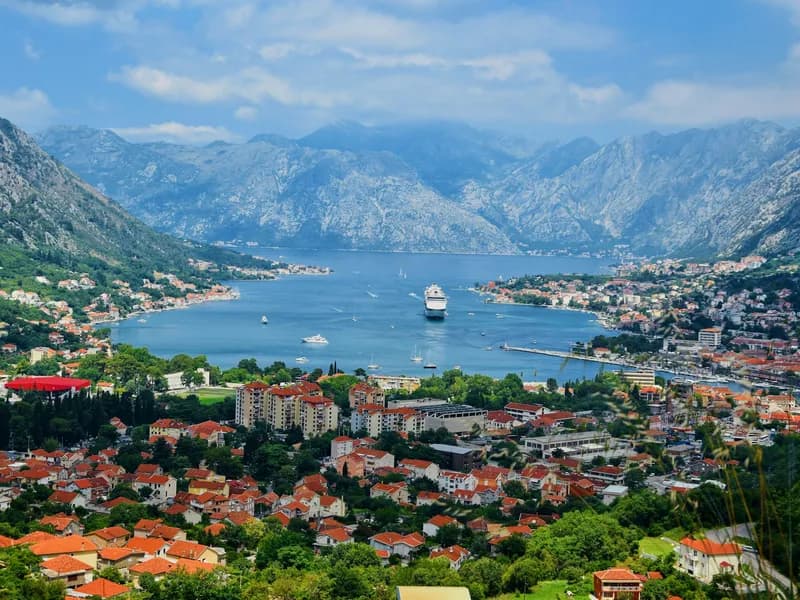
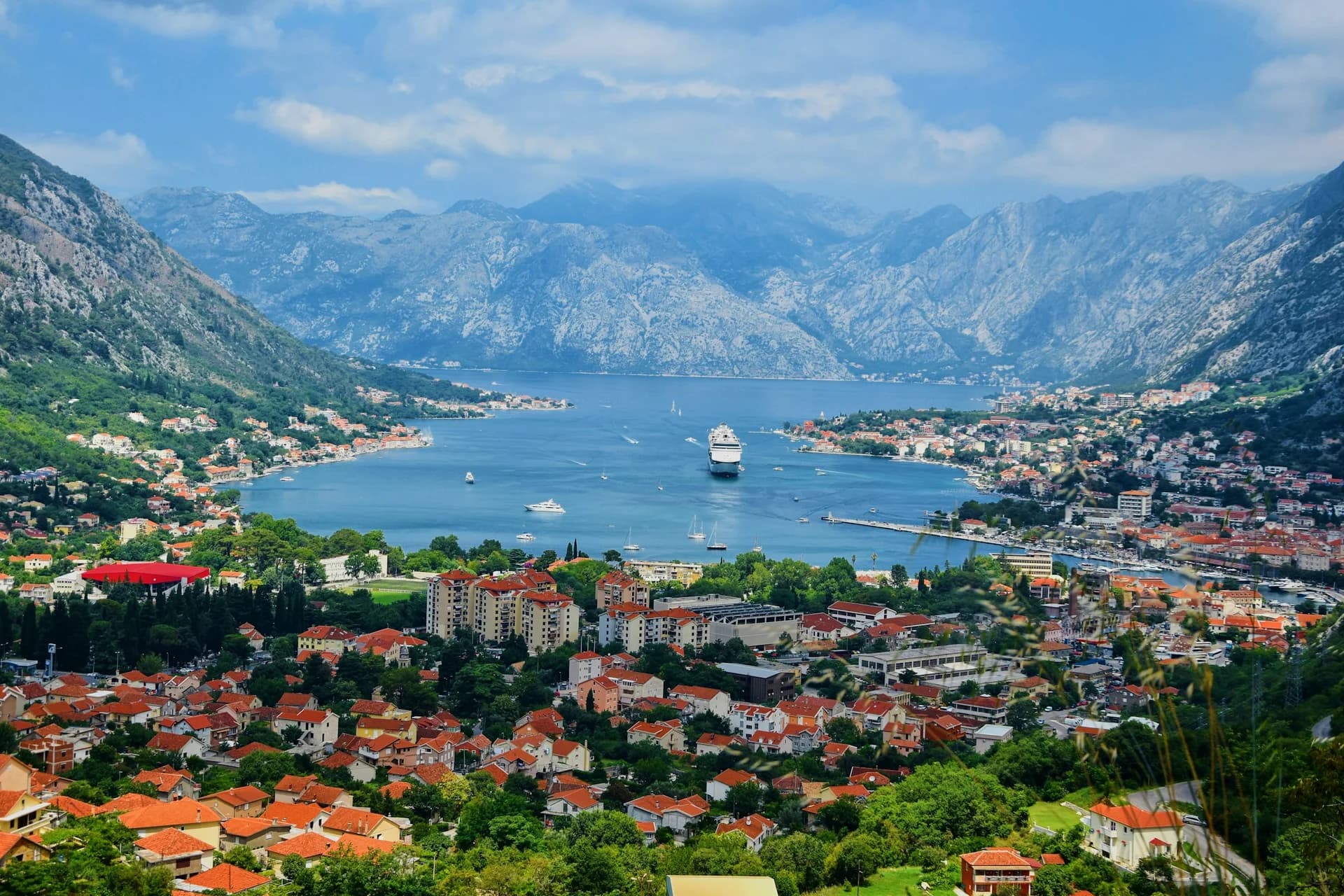
Montenegro has the Bay of Kotor — southern Europe's deepest fjord-like bay surrounded by mountains rising 1,500+ meters directly from the water. It's more dramatic than anything on Croatia's coast. The drive around the bay, with Kotor's walled old town at the innermost point, is genuinely breathtaking.
South of Kotor, the coast opens up — Budva's old town and beaches, the iconic Sveti Stefan island (now an Aman resort, rooms from 1,000 EUR/night, but the beaches alongside are public at 15-20 EUR for a sunbed), and the long sandy beaches at Becici.
Croatia has 1,200 islands versus Montenegro's zero. The island-hopping — Hvar, Korcula, Vis, Brac — is something Montenegro can't match. Croatia's coastline is longer (1,777 km vs. 294 km) and more varied. Split's Diocletian Palace, Dubrovnik's walls, and the Dalmatian island archipelago are legitimately world-class.
Montenegro: 8/10 | Croatia: 9/10
Medieval Towns
Kotor is UNESCO-listed, walled, Venetian-architecture, cat-filled, and compact. The 1,350 steps to San Giovanni Fortress (8 EUR) deliver jaw-dropping views. It's smaller than Dubrovnik but more intimate. When cruise ships aren't in port (check cruisemapper.com), it's genuinely magical.
Dubrovnik is the bigger production — the walls walk is 2 km of ramparts around the entire old city. More churches, more museums, more restaurants. But also more crowds (8,000+ cruise passengers on peak days), higher prices, and a feeling that it's been optimized for tourism.
Budva vs. Split: Budva is a compact 2,500-year-old walled town with decent nightlife but less character than Split's Diocletian Palace — a Roman emperor's retirement home converted into a living city over 1,700 years.
Montenegro: 7/10 | Croatia: 9/10
Budget
This is where Montenegro pulls ahead dramatically.
| Expense | Montenegro | Croatia |
|---|---|---|
| Seaside dinner for two with wine | 25-40 EUR | 50-90 EUR |
| Espresso | 1-1.50 EUR | 2-3 EUR |
| Beer | 2-3 EUR | 3-5 EUR |
| Hotel (mid-range) | 40-80 EUR/night | 100-200 EUR/night |
| Car rental | From 20 EUR/day | From 35 EUR/day |
| Beach sunbed | 8-15 EUR | 15-30 EUR |
Montenegro uses the euro unilaterally (despite not being in the EU), so there are no currency exchange complications. Cash is widely used — ATMs dispense euros but many charge 3-5 EUR withdrawal fees.
Montenegro: 9/10 | Croatia: 5/10
Nature & Adventure
Montenegro has Tara River Canyon — Europe's deepest canyon at 1,300 meters — 2.5 hours from the coast. White-water rafting through the canyon is world-class: full-day trips 50-70 EUR, running 18 km of rapids (class III-IV). Durmitor National Park has glacial lakes, 48 peaks over 2,000 meters, and hiking that rivals the Dolomites.
Croatia has Plitvice Lakes (a stunning UNESCO site of cascading turquoise lakes, but inland and crowded) and Krka National Park. Both are exceptional but heavily touristed. Croatia's islands offer sailing and kayaking. Mljet National Park — with saltwater lakes and a monastery on an island within an island — is extraordinary.
Montenegro: 8/10 | Croatia: 8/10
Infrastructure & Ease
Croatia joined the EU in 2013, the Schengen Area in 2023, and adopted the euro in 2023. Roads are better. The Peljesac Bridge (opened 2022) eliminated the annoying Bosnia border crossing to reach Dubrovnik from the north. Ferry networks connecting the islands are well-organized.
Montenegro is not in the EU or Schengen. Visa requirements differ (check if your nationality needs a visa — most Western passports don't). Roads are narrower and driving can be challenging — the 25-hairpin-bend road from Kotor to Cetinje is legendary for wrong reasons. But the country is small (only 13,812 km²) and distances are short.
Montenegro: 6/10 | Croatia: 8/10
The Verdict by Traveler Type
| You Are... | Go To... |
|---|---|
| Budget-conscious | Montenegro |
| First-time Adriatic visitor | Croatia |
| Island-hopping enthusiast | Croatia |
| Adventure/rafting seeker | Montenegro |
| Luxury on a budget | Montenegro |
| History and museums | Croatia |
| Avoiding crowds | Montenegro |
| Photography focused | Both |
Can You Do Both?
Easily. Dubrovnik is 45 km from the Montenegro border. Buses run from Herceg Novi to Dubrovnik several times daily (about 10 EUR, 2 hours including the border crossing). In summer, border waits can exceed an hour — go early morning.
A great itinerary: fly into Dubrovnik, rent a car, drive south to Montenegro (Kotor, Budva, Sveti Stefan), spend 3-4 days, drive back to Dubrovnik for 2-3 days, fly home. You'll see the best of both at the best value.
Some rental cars don't allow cross-border travel — always check with your agency before driving from Croatia to Montenegro or vice versa.
Infrastructure Reality Check
Montenegro is still developing its tourism infrastructure. ATMs sometimes run out of cash in small towns. Credit card acceptance is growing but cash remains king in smaller restaurants and at beach vendors. Mobile data coverage is good on the coast but patchy in the mountains.
The flip side: the lack of over-development is part of the charm. You won't find the polished tourist machine of Croatian destinations, but you also won't find the sanitized, cruise-ship-optimized experience that has made parts of Dubrovnik feel more like a theme park than a living city.
Montenegro feels like Croatia did 15 years ago — on the verge of being discovered, still rough around the edges, and significantly better value for money. That window won't last forever. Go now, while the Adriatic's best-value coast is still genuinely affordable. For a detailed look at the Croatian side, see our Dubrovnik Riviera tips or explore Hvar for Croatian island life and the restaurants still serve fish that came off a local boat that morning rather than a supply truck from the EU.