A Week in Miami: Sun, Cuban Coffee, and a City That Refuses to Sleep
A Week in Miami: Sun, Cuban Coffee, and a City That Refuses to Sleep
Day 1: Arrival and the Heat
Step off the plane at MIA and the humidity greets you like a warm, wet towel. Miami isn't just hot — it's tropical hot. The kind that has you sweating on the short walk from the terminal to the taxi line.
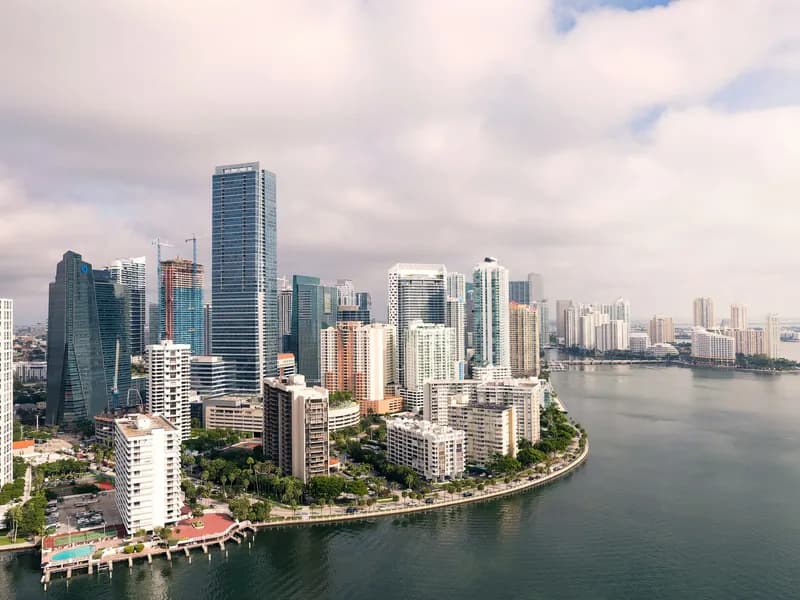
Skip the fare surge and grab the Miami Beach Airport Express bus (Route 150) from MIA to South Beach: $2.25, about 50 minutes. The bus crosses the MacArthur Causeway with Biscayne Bay spreading out on both sides, downtown Miami's skyline on the left, Star Island on the right. For $2.25, it's one of the best airport transfers in America.
Check in along Collins Avenue, then walk to Ocean Drive.
Ocean Drive at sunset is exactly what the movies promised. Art Deco buildings in pastel pink, blue, and yellow. Palm trees. Convertibles. Music pouring from every restaurant. Beautiful people doing beautiful things. Take a sidewalk table, order a mojito ($16 — South Beach prices), and watch the show unfold.
The Art Deco Historic District is the real thing — these 1930s-40s buildings are beautifully preserved and lit with neon after dark. The Art Deco Museum runs guided walking tours ($30, 90 min) that earn every penny.
Day 2: South Beach Morning, Wynwood Afternoon
South Beach at 7AM is a different world. The party people are still sleeping. The beach is empty. The water is warm, clear, and calm. Swim for half an hour, dry off, and walk the boardwalk past early-morning joggers and the occasional pelican.
Afternoon calls for Wynwood, Miami's art district. The Wynwood Walls — massive murals by internationally famous street artists — are partly free (the surrounding streets) and partly ticketed (the main Wynwood Walls complex, ~$12). The neighborhood around them hides excellent breweries: J Wakefield (sour beers that rewrite what you thought beer could be) and Veza Sur (Colombian-inspired lagers).
The murals climb entire building facades, and every visit reveals new work — artists refresh them regularly. Give yourself 2-3 hours for wandering, photographing, and drinking.
Day 3: Little Havana and the $1 Coffee
This is the day Miami stops being a beach vacation and becomes something deeper.
Little Havana. Calle Ocho (SW 8th Street). Start at Domino Park (Maximo Gomez Park) — where elderly Cuban men play dominoes with an intensity that would shame professional poker players — and walk toward Versailles, the most famous Cuban restaurant in America.
But before Versailles, stop at a ventanita (walk-up window) for a cafecito. One dollar. A tiny cup of Cuban espresso — sweet, strong, and served at roughly the temperature of lava. The woman behind the window hands it over with "cuidado, caliente" (careful, hot), and you'll understand why.
That $1 cafecito beats any $7 latte in New York. Richer, sweeter, more honest. Twenty minutes later, you'll be back for a second.
At Versailles: a Cuban sandwich ($12), croquetas de jamón ($8), and arroz con pollo. The portions are enormous. The dining room runs loud with Cuban Spanish and Celia Cruz on the speakers. Clean the plate.
For the evening, book a food tour through Little Havana ($65-80 with a guide). Hand-rolled cigars, guava pastries, more cafecitos, and a shot of rum at a family-run bar. The best guides are second-generation Cuban-American and will walk you through the exile community, the Bay of Pigs generation, and how this neighborhood preserves a Cuba that no longer exists.
Day 4: Everglades and Alligators
Drive 45 minutes west to Everglades National Park ($30 per vehicle, valid 7 days). The Anhinga Trail (0.8 miles, flat boardwalk) is the guaranteed wildlife trail — alligators sunning themselves within feet of the path, anhingas drying their wings, great blue herons hunting in the shallows.
Expect to count nine alligators in 45 minutes. One might stretch three meters long, lying across the path in no hurry. You wait. It does not care about your schedule.
Airboat tours operate outside the park ($25-50 per person). Loud, fast, and surprisingly fun. The captain will point out baby alligators tucked in the sawgrass. The Everglades run to the horizon — a river of grass flowing imperceptibly toward Florida Bay. It's one of the most unique ecosystems on Earth, and it sits 45 minutes from South Beach.
Day 5: Key Biscayne and the Quiet Side
Key Biscayne is 15 minutes from downtown but feels like another country. Bill Baggs Cape Florida State Park ($8 per vehicle) holds some of Miami's best beaches — wide, quiet, anchored by the Cape Florida Lighthouse (1825, the oldest standing structure in Miami).
Rent a bike ($20/half day) and cycle the island. The snorkeling along the rocky shore is surprisingly good — tropical fish, small reef structures, clear water. A full day here runs maybe $35 including park entry, bike rental, and a sandwich.
This is the Miami locals love and tourists skip. No velvet ropes, no $16 mojitos, no cover charges. Just water, sand, a 200-year-old lighthouse, and quiet.
Day 6: Design District and Vizcaya
Start the morning in the Design District, a luxury shopping area where free public art installations rival any gallery. The Institute of Contemporary Art (free) mounts exhibitions that will hold you for an hour. The architecture alone — Buckminster Fuller's geodesic structures, the Fly's Eye Dome — is worth the walk.
Afternoon belongs to Vizcaya Museum and Gardens ($25), an Italian Renaissance-style villa built in 1916 with 10 acres of formal gardens on Biscayne Bay. The bayside terrace is one of Miami's most photographed spots — far less crowded than South Beach and far more beautiful.
The gardens are extraordinary, European formal design meeting tropical plants. Orchids, palm trees, fountains, and grottos arranged with obsessive symmetry. Two hours slip by easily, and you could stay longer.
Day 7: Final Beach Day and Goodbye
Save the final morning for South Beach. Swim at 7AM again. Pull a cafecito from a different ventanita (still $1, still incredible). Walk the Art Deco district one more time.
Miami surprises you. You expect a party city with good beaches. You get that, plus a Cuban cultural heartbeat, an ancient subtropical wilderness with alligators, a design scene that doesn't get enough attention, and a $1 coffee that will ruin you for Starbucks permanently.
The heat is real. The humidity is real. The party reputation is earned. But the city underneath the party is richer, more layered, and more interesting than any brochure suggests.
Pack sunscreen. Find Little Havana. Order the cafecito. Miami is waiting.
Would You Go Back?
For more on Miami, check out our What Tourists Get Wrong About Miami.
Plan your return for October. Shoulder season brings 30-50% lower hotel rates, smaller crowds, and similar weather. There's more Everglades to explore, more Cuban food to eat, more ventanitas to find. The $1 cafecito is the white whale worth chasing — hunt down the best one in the city.