When to Visit Aruba: Sun, Wind, and Savings on the Hurricane-Free Island
When to Visit Aruba: Sun, Wind, and Savings on the Hurricane-Free Island
Aruba's headline selling point is year-round sun — the island sits below the hurricane belt and averages 300+ sunny days per year. But "year-round sun" doesn't mean "every month is the same." The trade winds shift in intensity, the ocean conditions change, prices swing by 30-40%, and certain festivals transform the island's energy.
Here's how to time your trip.
Why Timing Matters (Even Without Hurricanes)
Aruba doesn't have the dramatic wet/dry seasons of most Caribbean islands. Rainfall is minimal year-round (less than 500mm annually — drier than Los Angeles). But the constant trade winds that keep Aruba hurricane-free also create seasonal variations in wind speed, water conditions, and beach comfort.
More wind = better for wind/kite surfers. Less wind = better for snorkeling and beach lounging.
Peak Season: December to April
Weather
28-30°C. Trade winds at their strongest — 25-35 km/h consistently. Low humidity. Almost no rain. The wind makes it feel cooler than the temperature suggests. Water temperature: 26-27°C.
The strong winds keep the leeward (west) coast calm but can make Eagle Beach breezy enough to blow sand. The windward coast is spectacular in its violence — massive waves crashing on the rocks.
Why Come Now
- Escape winter: Aruba is 2.5 hours from Miami, 4.5 from New York. The most convenient Caribbean sun for frozen Americans.
- Best wind sports: Peak season for kitesurfing and windsurfing at Fisherman's Huts (Hadicurari Beach) near the lighthouse. Consistent, strong trade winds make this one of the world's top wind sports destinations.
- Carnival (January-March): Aruba's Carnival is a multi-week celebration with parades, music competitions, and the Grand Parade in Oranjestad. Smaller than Trinidad's but genuinely festive. The Grand Parade (usually late February/early March) is the climax — costumed bands, soca floats, and dancing until midnight.
- Dry guarantee: Near-zero chance of rain disrupting your trip.
The Catch
Peak pricing. Hotels on Palm Beach run $250-500/night. Flights from the US are at their most expensive. Restaurants are busier. Book 2-3 months ahead for the best rates.
Packing
Sunscreen SPF 50+ (the wind-cooled sun is deceptive), hat secured with a chinstrap (the wind WILL take it), light windbreaker for evening restaurant terraces, reef-safe sunscreen.
Shoulder Season: May-June and November
Weather
May-June: 30-32°C, winds easing to 15-20 km/h. Slightly more humid. Rare brief showers possible. Water temperature warms to 28°C.
November: 30°C, winds picking back up. Very occasional short rain. Water still warm.
Why Come Now
- Prices drop 20-30% from peak season
- Calmer winds mean better snorkeling conditions — the reef at Malmok and Boca Catalina is clearer and calmer
- Fewer crowds — Eagle Beach has actual space between sun loungers
- Warmer water — ideal for long swimming and snorkeling sessions
The Sweet Spot
Late May and early June are arguably the best time to visit Aruba. The wind has calmed enough for perfect beach and snorkel conditions, prices are reduced, and the weather is hot and sunny. The only downside: it's slightly more humid than peak season.
Summer/Low Season: July to October
Weather
31-33°C. Winds lighten further (15-20 km/h). Higher humidity. Occasional brief rain showers — usually 15-20 minutes in the afternoon. Water temperature peaks at 29°C. Despite being "hurricane season" elsewhere in the Caribbean, Aruba has never had a direct hurricane hit.
Why Come Now
- Lowest prices — hotel rates drop 30-40% from peak. All-inclusives that cost $300/night in January are $180 in September.
- Happy hour culture at its peak — 4-7PM specials at Bugaloe Beach Bar, Local Store, and Moomba Beach drop cocktails to $4-6 (normally $10-14)
- Calmest ocean — less wind means the leeward coast is glassy smooth. Best snorkeling visibility of the year.
- Soul Beach Music Festival (Memorial Day weekend) — a massive music festival that's become one of the Caribbean's best, with international headliners
Seasonal Food
Summer brings the best fishing — wahoo, mahi-mahi, and red snapper are abundant. Eat at Zeerovers in Savaneta — a no-frills fisherman's wharf restaurant where you pick your fresh fish, they weigh it, fry it, and serve it with plantain and funchi (polenta). Prices by weight — a full meal is $8-15.
Month-by-Month Guide
| Month | Temp | Wind | Rain | Crowds | Prices | Best For |
|---|---|---|---|---|---|---|
| Jan | 28°C | Strong | None | High | Peak | Carnival prep, kite sports |
| Feb | 28°C | Strong | None | High | Peak | Carnival Grand Parade |
| Mar | 29°C | Strong | None | High | Peak | Carnival, diving |
| Apr | 30°C | Moderate | Rare | High | Peak | Easter break |
| May | 31°C | Light | Rare | Medium | Shoulder | Best value + weather |
| Jun | 32°C | Light | Brief | Low | Low | Snorkeling, swimming |
| Jul | 32°C | Light | Brief | Low | Low | Calm seas, value |
| Aug | 33°C | Light | Brief | Low | Lowest | Budget travel |
| Sep | 33°C | Light | Brief | Very Low | Lowest | Cheapest month |
| Oct | 31°C | Building | Occasional | Low | Low | Transitioning |
| Nov | 30°C | Moderate | Rare | Medium | Shoulder | Value + nice weather |
| Dec | 29°C | Strong | None | Very High | Peak | Holiday season |
Events Calendar
- Carnival: January through March (Grand Parade usually late February)
- Soul Beach Music Festival: Memorial Day weekend (late May)
- Aruba Hi-Winds: June/July — international windsurfing and kitesurfing competition
- Bon Bini Festival: Every Wednesday evening year-round at Fort Zoutman
- Dande Festival: New Year's — Aruban tradition of musical house-to-house visits
My Recommendation
Late May for the best all-around experience — warm, calm, affordable, and uncrowded.
February for Carnival energy plus peak-season weather (accept peak-season prices).
September for the absolute cheapest trip — it's hot and humid, but the hurricane-free guarantee means no weather anxiety.
If you're exploring more of the region, Curacao offers a complementary experience worth considering.
If you're exploring more of the region, Barbados offers a complementary experience worth considering.
If you're exploring more of the region, the Bahamas offers a complementary experience worth considering.
Aruba's biggest advantage over other Caribbean islands is consistency. It's warm and sunny in every month. It doesn't flood. It doesn't get hurricanes. The only variable is wind speed and price — and both of those are in your control with good timing.
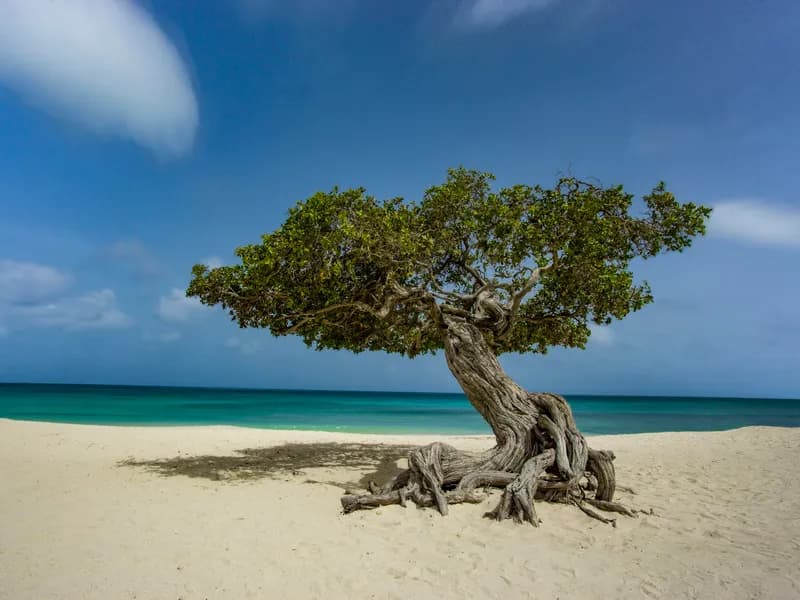
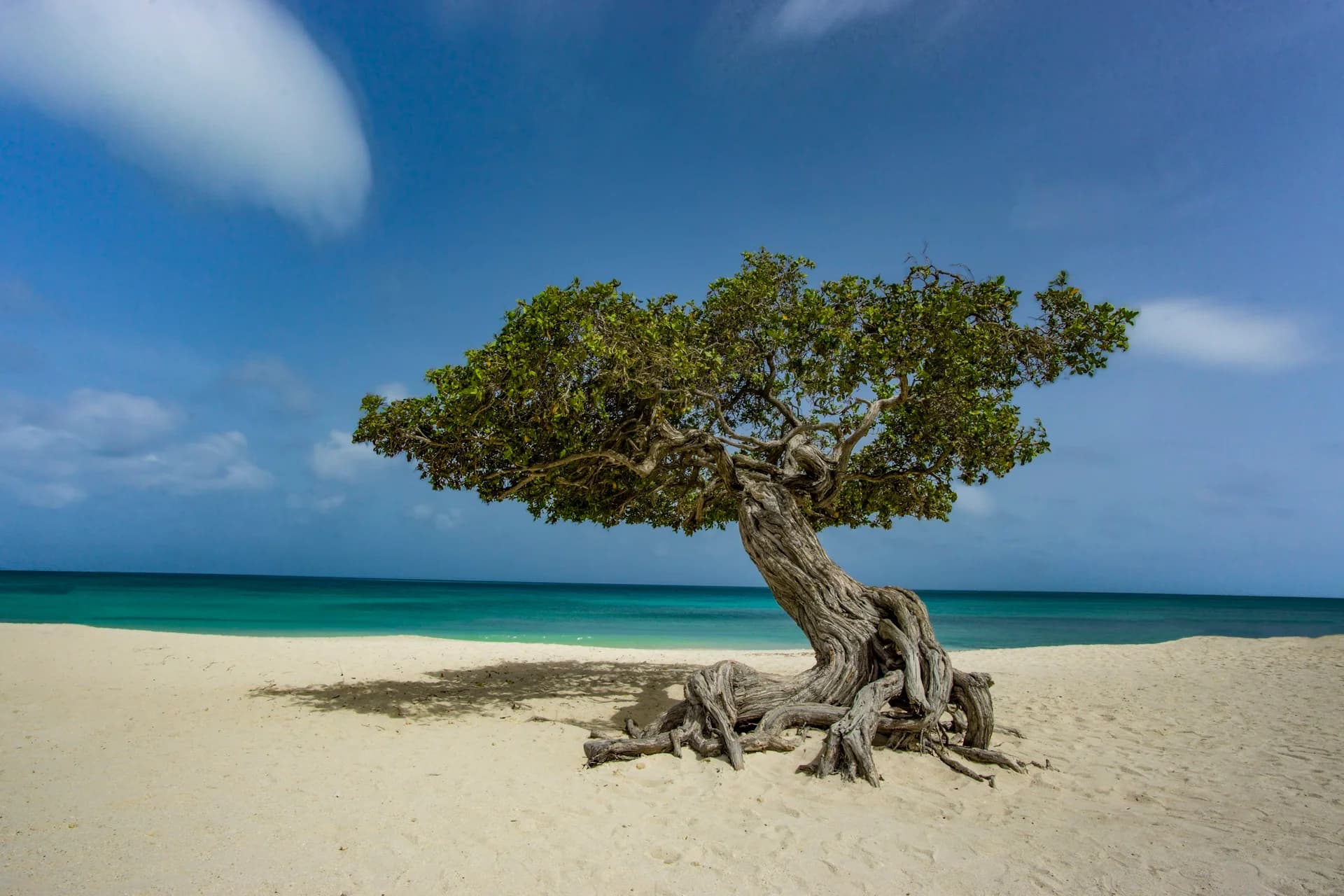
The divi-divi trees bend in the same direction year-round. The island points the same way all year too: toward the sun.