
Addis Ababa

Photo: Sintayehu Arega / Unsplash
Key Facts
Best Time to Visit
October to February (dry season, mild temperatures 15-25°C). June-September is rainy but green
Language
Amharic (official), Oromo, English widely spoken in tourism
Currency
Ethiopian Birr (ETB)
Time Zone
EAT (UTC+3). Note: Ethiopia uses a 12-hour clock starting at sunrise (6AM = 12:00) — always confirm times
Airport
Bole International Airport (ADD), 6km from city center. Ethiopian Airlines hub — largest airline in Africa
Population
5.5 million (metro area)
Climate
Subtropical highland, 10-25°C year-round. At 2,400m elevation, cooler than expected for Africa
Safety Rating
Exercise Caution (Level 2). Petty theft common — avoid displaying valuables
Altitude
2,355m (7,726ft) — third-highest capital in the world. Allow a day to acclimatize
Top Highlights
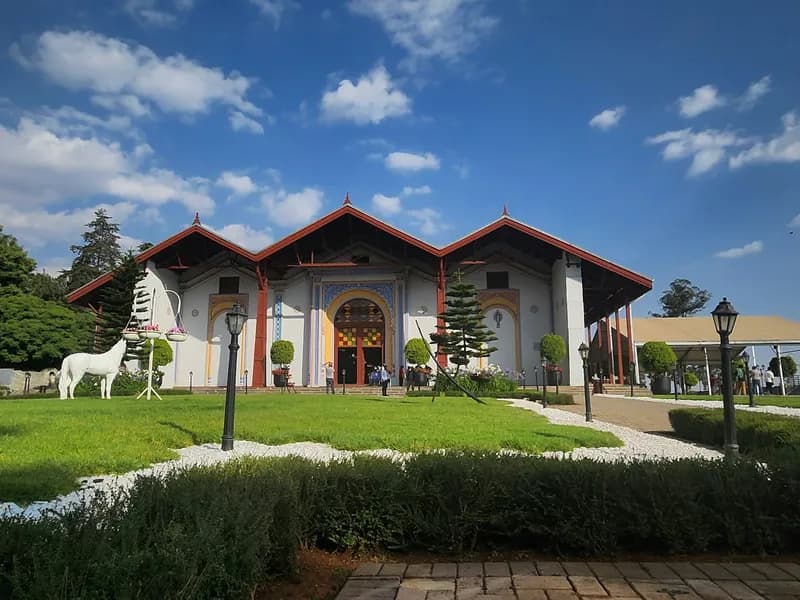
National Museum of Ethiopia (Lucy)
Home to the 3.2-million-year-old fossilized skeleton of 'Lucy' (Australopithecus afarensis), one of humanity's oldest known ancestors. The replica is on the ground floor; the real bones are in a vault. Entry: 10 ETB (~$0.20). Open 8:30AM-5:30PM, closed Mondays. Allow 2 hours. The ethnographic section upstairs is also excellent.

Ethiopian Coffee Ceremony
Coffee originated in Ethiopia, and the traditional ceremony — green beans roasted, ground by hand, brewed in a jebena clay pot, served three rounds — takes 1-2 hours. Found everywhere from roadside stalls to hotels. Tomoca Coffee on Wavel Street is the most famous café (since 1953), standing-room only, 20-40 ETB per cup. TO Garden restaurant offers full ceremony experiences.
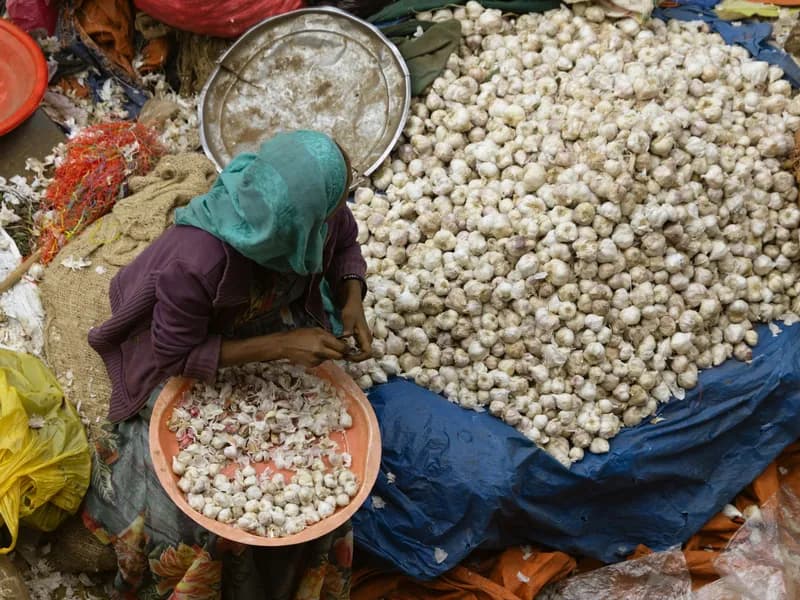
Merkato
Reputedly the largest open-air market in Africa, sprawling across several square kilometers. Sections for spices, textiles, recycled goods, livestock, and everything else. Go with a local guide ($20-30 for half day) — it's easy to get lost and pickpockets target tourists. Open daily except Sunday. Best 8-11AM. Do not bring valuables or large cameras.
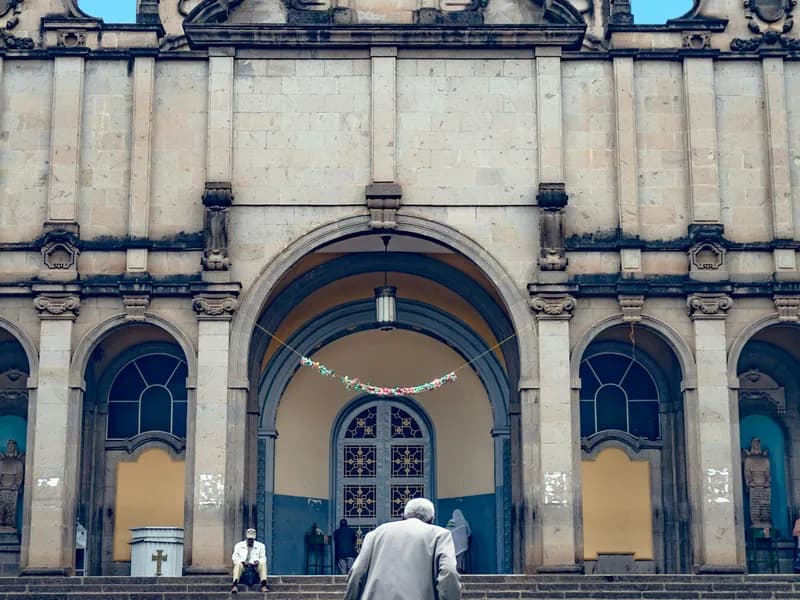
Holy Trinity Cathedral
Ethiopia's most important cathedral, built in 1941 to commemorate liberation from Italian occupation. Emperor Haile Selassie and Empress Menen are buried here. Stunning stained glass windows by Ethiopian artist Afewerk Tekle. Entry: 200 ETB (~$3.50). Open 8AM-5PM. Dress modestly (cover shoulders and knees). Allow 1 hour.
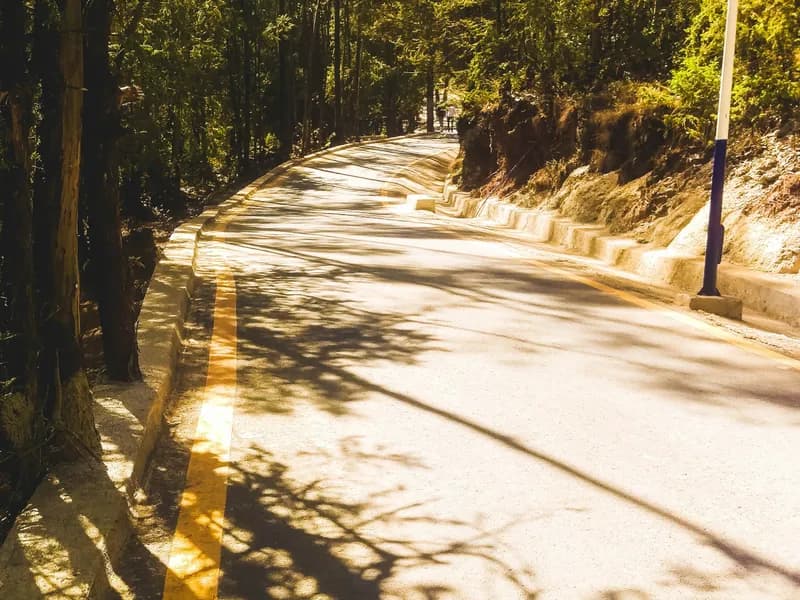
Entoto Mountains
The eucalyptus-forested hills above Addis at 3,000m with panoramic city views. Visit the Entoto Maryam Church (19th century, where Emperor Menelik II was crowned) and the Entoto Observatory & Research Center. The new Entoto Natural Park has walking trails and mountain biking. Entry: 50 ETB. 30 minutes from city center by taxi (500-800 ETB).
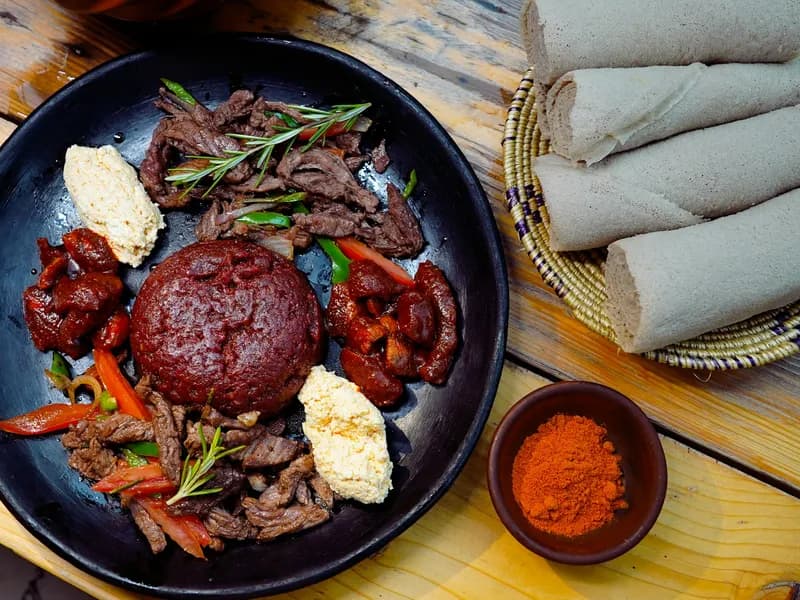
Injera & Ethiopian Cuisine
Ethiopian food centers on injera — a spongy fermented teff flatbread used as plate and utensil. Top spots: Yod Abyssinia (cultural dinner with traditional dance, 500-800 ETB per person), Kategna (local favorite, 150-300 ETB), and Four Sisters (authentic Gurage cuisine). Try doro wat (chicken stew), kitfo (raw minced beef), and shiro (chickpea stew). Always eat with your right hand.
Red Terror Martyrs' Memorial Museum
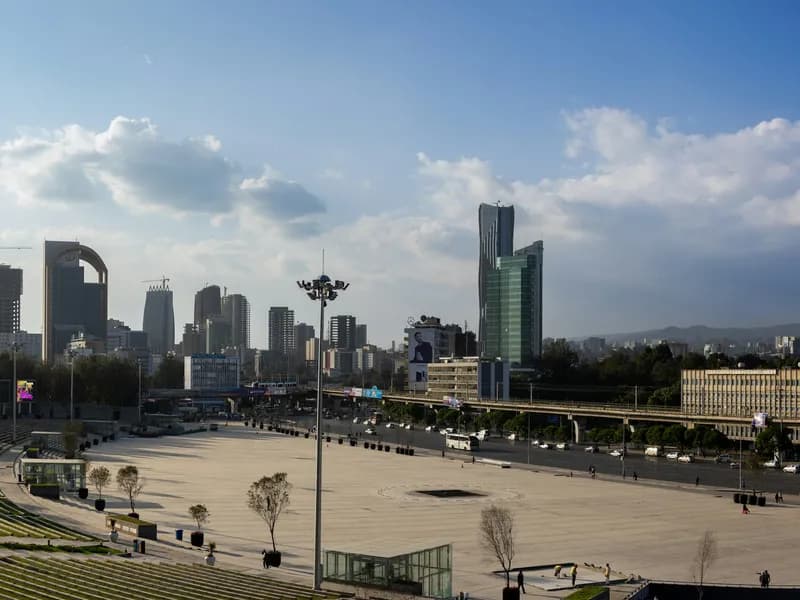
A sobering museum documenting the Derg regime's brutal reign (1974-1991) that killed an estimated 500,000 Ethiopians. Graphic but essential for understanding modern Ethiopia. Free entry (donations appreciated). Open 8:30AM-5:30PM, closed Mondays. In Meskel Square area. Allow 1-1.5 hours. Not suitable for young children.
Planned Itinerary
7-Day Addis Ababa Itinerary
Arrival & Acclimatization
Arrive at Bole International Airport (ADD). At 2,400m altitude, take it easy on day one — drink water, skip alcohol for 24 hours, and let your body adjust. The city can wait.
Airport transfer to hotel(30 minutes)
Use the Ride app (Ethiopian Uber, 200-400 ETB) or hotel pickup. Bole area hotels are closest to the airport
Check into hotel and rest(2 hours)
Stay in the Bole or Kazanchis area for easy access to restaurants. Altitude sickness may cause mild headache and fatigue — take it slow
Ethiopian coffee ceremony at hotel or TO Garden(1.5 hours)
Coffee originated here — the traditional ceremony involves roasting green beans, hand-grinding, and brewing in a jebena clay pot. Three rounds. This is how you begin Ethiopia
Dinner at Kategna(1.5 hours)
Local favorite for traditional Ethiopian food — injera platters with doro wat (chicken stew), kitfo (raw beef), and shiro. 150-300 ETB per person. On Bole Road
Lucy, Museums & Meskel Square
Visit humanity's 3.2-million-year-old ancestor at the National Museum, then explore the heart of the city around Meskel Square and the Red Terror memorial.
National Museum of Ethiopia(2 hours)
Home to Lucy (Australopithecus afarensis). Replica on ground floor, real bones in vault. Ethnographic section upstairs. Entry 10 ETB. Open 8:30AM-5:30PM, closed Mondays
Red Terror Martyrs' Memorial Museum(1.5 hours)
Documents the Derg regime's brutality (1974-1991). Graphic but essential. Free (donations). Near Meskel Square. Not for young children
Walk around Meskel Square(30 minutes)
The city's central plaza — massive open space used for festivals, protests, and the annual Meskel celebration. The new underground mall is beneath it
Lunch at Four Sisters(1 hour)
Authentic Gurage cuisine in a traditional house setting. Their fasting platter is one of Addis's best dishes. 200-400 ETB
Tomoca Coffee(30 minutes)
Standing-room-only coffee institution on Wavel Street since 1953. Macchiato 20-40 ETB. Order and drink at the bar like a local
Merkato & Ethiopian Cuisine
Morning at Africa's largest open-air market, then an afternoon immersed in Ethiopian food culture with a cooking experience.
Merkato with a guide(3 hours)
Hire a local guide ($20-30 for half day) — essential for navigation and safety. Sections for spices, textiles, recycled goods. Best 8-11AM. Do NOT bring valuables or large cameras. Go Sunday morning for the quieter experience or avoid Sunday entirely (many sections closed)
Lunch at Lucy Lounge & Restaurant(1 hour)
Near the museum. Mix of Ethiopian and international. 200-400 ETB
Ethiopian cooking class(3 hours)
Learn to make injera (the fermented teff flatbread), doro wat, and shiro from scratch. Yod Abyssinia and several guesthouses offer classes. $25-40 per person. Eat your creations for dinner
Holy Trinity Cathedral & Entoto Mountains
Morning at Ethiopia's most important cathedral, then drive up to the eucalyptus-forested hills of Entoto at 3,000m for panoramic city views.
Holy Trinity Cathedral(1 hour)
Built 1941. Haile Selassie and Empress Menen buried here. Stained glass by Afewerk Tekle. Entry 200 ETB. Dress modestly. Open 8AM-5PM
Taxi to Entoto Mountains(30 minutes)
500-800 ETB by taxi from city center
Entoto Maryam Church and Natural Park(2.5 hours)
19th-century church where Menelik II was crowned. Walk the eucalyptus trails in Entoto Natural Park. Entry 50 ETB. Panoramic views of the entire city below. Mountain biking available
Lunch at Entoto area restaurant(1 hour)
Several simple restaurants near the park serve traditional food with mountain views
Dinner and show at Yod Abyssinia(2.5 hours)
The signature Addis experience — traditional music and dance from Ethiopia's regions while eating injera platters. 500-800 ETB per person. Book ahead for a good table
Piazza & Art Galleries
Explore the Italian-influenced Piazza neighborhood — Addis's oldest commercial district — with its Art Deco buildings, galleries, and café culture.
Piazza neighborhood walk(2 hours)
The Italian colonial-era district has Art Deco buildings, old cinemas, and a different energy from Bole. Walk along Churchill Avenue. Cinema Ethiopia and Taitu Hotel (1907, Ethiopia's first) are landmarks
Addis Fine Art gallery(1 hour)
Contemporary Ethiopian art in a beautiful space near Bole. Free entry. Ethiopian artists are gaining international recognition — this gallery represents many of the best
Lunch at Taitu Hotel restaurant(1 hour)
Ethiopia's first hotel (1907). The restaurant serves traditional food in a historic setting. 150-300 ETB. The building itself is worth seeing
St. George's Cathedral and Museum(1 hour)
Octagonal cathedral (1896) celebrating the victory at Adwa. Museum has paintings by Afewerk Tekle. Entry 100 ETB
Evening at Fendika Cultural Center(2 hours)
Live traditional music and azmari (Ethiopian troubadour) performances. Small venue with authentic atmosphere. 200-500 ETB depending on the night. Near Kazanchis
Rest Day & Coffee Culture
A slow day dedicated to Ethiopia's coffee culture — the country where it all began. Visit roasteries, have a proper ceremony, and just relax.
Garden of Coffee(2 hours)
Specialty coffee shop and museum experience near Bole. Learn about Ethiopian coffee regions — Sidamo, Yirgacheffe, Harar — and taste the differences. Well-curated exhibits. 100-200 ETB entry
Lunch at Kategna(1 hour)
Return to your favorite Ethiopian food spot or try the fasting platter — Ethiopia's vegan tradition is one of the world's oldest
Free afternoon(3 hours)
Rest, journal, or explore the Bole neighborhood's modern side — malls, juice bars, and the African Union headquarters (exterior only)
Last Morning & Departure
Final morning in Addis. One last coffee, some souvenir shopping, and transfer to Bole Airport.
Morning coffee at Tomoca one last time(30 minutes)
Standing macchiato at the bar. 20-40 ETB. The proper goodbye
Souvenir shopping at Shiro Meda Market(1.5 hours)
The white cotton clothing market — buy traditional Ethiopian shawls (netela), scarves, and hand-woven fabrics. Prices are fair but bargain gently
Airport transfer(30 minutes)
Bole Airport is 6km from city center. Use Ride app (200-400 ETB) or hotel shuttle. Arrive 3 hours before international flights — Ethiopian Airlines hub is busy
14-Day Addis Ababa Itinerary
Arrival & Acclimatization
Arrive at Bole Airport. At 2,400m, take it easy — hydrate, skip alcohol, let your body adjust.
Airport transfer(30 minutes)
Ride app 200-400 ETB
Hotel check-in and rest(2 hours)
Stay in Bole or Kazanchis area
Coffee ceremony(1.5 hours)
Jebena pot, three rounds. TO Garden or hotel
Dinner at Kategna(1.5 hours)
150-300 ETB. Doro wat, kitfo, shiro
Lucy & Museums
National Museum for Lucy, Red Terror Memorial, and Meskel Square.
National Museum of Ethiopia(2 hours)
10 ETB. Lucy replica. Closed Mondays
Red Terror Memorial Museum(1.5 hours)
Free. Near Meskel Square
Lunch at Four Sisters(1 hour)
Gurage cuisine. 200-400 ETB
Tomoca Coffee(30 minutes)
20-40 ETB macchiato. Standing room since 1953
Merkato & Cooking Class
Africa's largest market in the morning, then learn to cook Ethiopian food.
Merkato with guide(3 hours)
$20-30 guide. No valuables. Best 8-11AM
Lunch at Lucy Lounge(1 hour)
200-400 ETB
Cooking class(3 hours)
Injera, doro wat, shiro. $25-40. Eat your creations
Holy Trinity & Entoto Mountains
Cathedral and the eucalyptus-forested hills at 3,000m with panoramic views.
Holy Trinity Cathedral(1 hour)
200 ETB. Haile Selassie's tomb
Entoto Mountains and Maryam Church(2.5 hours)
Taxi 500-800 ETB. Park entry 50 ETB. Mountain biking available
Dinner at Yod Abyssinia(2.5 hours)
Music, dance, injera feast. 500-800 ETB. Book ahead
Piazza & Art Galleries
Italian-influenced Piazza district — Art Deco, galleries, and Ethiopia's first hotel.
Piazza walk(2 hours)
Churchill Avenue, Cinema Ethiopia, Taitu Hotel (1907)
Addis Fine Art gallery(1 hour)
Free. Contemporary Ethiopian art
Lunch at Taitu Hotel(1 hour)
150-300 ETB
St. George's Cathedral(1 hour)
100 ETB
Fendika Cultural Center(2 hours)
Azmari music. 200-500 ETB
Rest Day & Coffee Deep Dive
Slow day dedicated to coffee culture — roasteries, ceremonies, and tasting different Ethiopian regions.
Garden of Coffee(2 hours)
Coffee museum and tasting. Sidamo, Yirgacheffe, Harar. 100-200 ETB
Lunch and fasting platter(1 hour)
Ethiopia's vegan tradition — chickpea, lentil, and vegetable dishes on injera
Debre Libanos Day Trip
Drive 2 hours north to the stunning 13th-century monastery on the edge of a dramatic gorge — one of Ethiopia's most sacred sites.
Drive to Debre Libanos Monastery(2 hours)
110km north of Addis. Hire a car and guide ($80-120 for the day). The drive passes the Blue Nile Gorge rim — stunning scenery
Debre Libanos Monastery visit(2 hours)
Founded in the 13th century. The current church was built by Haile Selassie in 1961. Museum with ancient manuscripts and crowns. Entry 100 ETB. Dress modestly. Remove shoes in church
Portuguese Bridge (16th century)(45 minutes)
A short hike from the monastery to a stone bridge over a gorge — possibly the oldest European-built bridge in Africa. Gelada baboons are often seen on the cliffs here
Dinner at Habesha 2000(1.5 hours)
Popular local restaurant in Bole. Traditional food with live music some nights. 200-400 ETB
Ethnological Museum & University
Explore the Ethnological Museum in Emperor Haile Selassie's former palace on the Addis Ababa University campus.
Ethnological Museum (IES)(2 hours)
Inside Haile Selassie's former palace on the university campus. Excellent displays on Ethiopian cultures, music instruments, and the emperor's bedroom and bathroom. Entry 100 ETB
University campus walk(45 minutes)
The campus is peaceful with eucalyptus trees and student life. The main library has murals
Lunch at Lime Tree(1 hour)
Café-restaurant near the university with good salads, juices, and Ethiopian-fusion. 200-400 ETB
African Union headquarters (exterior)(45 minutes)
The AU HQ is a striking modern building funded by China. The visitor center sometimes has exhibitions. Walk the grounds — the building symbolizes African unity
Tej (honey wine) evening(1.5 hours)
Visit a tej bet (honey wine house) in the Kazanchis area. Tej is served in flask-shaped berele glasses. A unique Ethiopian tradition. 30-60 ETB per glass
Addis Mercato & Shiro Meda Textiles
Return to the market world — Shiro Meda for the best hand-woven textiles in the city, then more neighborhood exploration.
Shiro Meda Market(2 hours)
The white cotton clothing market — hand-woven Ethiopian shawls (netela), scarves, and traditional dresses. Better quality and fairer prices than tourist shops. Bargain gently
Light rail to Piazza(30 minutes)
Take the Addis Ababa Light Rail — clean and cheap (6 ETB). A different way to see the city
Lunch at Castelli's(1 hour)
Italian restaurant since 1948 — a remnant of the Italian occupation. Pasta and meat dishes. 200-400 ETB. On Piazza
Neighborhood walk in Arat Kilo(1.5 hours)
Near the university. Art supply shops, bookstores, and the quiet residential streets that tourists rarely see
3-Day Lalibela Side Trip — Day 1
Fly to Lalibela to see the 12th-century rock-hewn churches — Ethiopia's most extraordinary sight. Ethiopian Airlines flies daily (1.5 hours).
Flight to Lalibela(1.5 hours)
Ethiopian Airlines. $150-250 USD one way. Book well ahead. Lalibela is at 2,600m — similar altitude to Addis
Check into Lalibela hotel(30 minutes)
Mountain View Hotel, Maribela Hotel, or budget Ben Abeba. Hotels range $30-200/night
Northern Group of churches(3 hours)
Entry 50 USD for all churches (valid 5 days). Bet Medhane Alem (largest rock-hewn church in the world), Bet Maryam, Bet Denagel. Remove shoes at each church. Hire a guide ($30-50 for the day) — their knowledge transforms the experience
Dinner at Ben Abeba(1.5 hours)
Eccentric architecture (designed by a Scottish woman) with panoramic mountain views. Ethiopian and international food. 200-500 ETB. Book for sunset
Lalibela — Day 2
The Southern Group including Bet Giyorgis — the most iconic cross-shaped church carved 40 feet down into solid rock.
Southern Group of churches(2.5 hours)
Bet Gabriel-Rafael, Bet Amanuel (considered the finest in execution), and the tunnel connecting them. Your 50 USD ticket covers all groups
Bet Giyorgis (Church of St. George)(1 hour)
The most famous and photogenic — a perfect cross carved 40 feet into the ground. Standing on the rim looking down is one of Ethiopia's great moments. Visit in morning or late afternoon for best light
Lunch at Seven Olives Hotel(1 hour)
Garden restaurant with views. 150-300 ETB
Asheton Maryam Monastery hike(3 hours)
Hike (or ride a mule) up the mountain behind Lalibela to a cave church at 3,100m. Panoramic views of the town and surrounding peaks. Guide required. Mule 300-500 ETB
Lalibela — Day 3 & Return
Final morning in Lalibela — revisit your favorite church at dawn when priests chant, then fly back to Addis.
Dawn visit to Bet Maryam(1.5 hours)
Churches open at 6AM. Priests chant in Ge'ez (ancient Ethiopian language) and wrap themselves in white shammas. The atmosphere at dawn is transcendent. Your ticket is still valid
Morning walk through Lalibela town(1 hour)
The town beyond the churches — stone houses, local markets, children in school uniforms
Flight back to Addis Ababa(1.5 hours)
Afternoon flight. Check in early — flights sometimes depart ahead of schedule
Dinner at Yod Abyssinia(2 hours)
Celebrate the Lalibela experience with another Ethiopian feast
Rest Day in Addis
Decompress after Lalibela. Late start, coffee, and easy afternoon in familiar Addis neighborhoods.
Brunch at Kaldi's Coffee(1 hour)
Ethiopia's best coffee chain — Yirgacheffe pour-over and pastries. Multiple locations in Bole
Free afternoon(4 hours)
Spa, pool, or walk in Bole's modern neighborhood
Farewell dinner at 2000 Habesha(1.5 hours)
Traditional food with music. 200-400 ETB
Departure Day
Final morning. Last coffee, last souvenir, then Bole Airport.
Last shopping at Shiro Meda or airport shops(1 hour)
Ethiopian coffee beans, netela shawls, carved crosses
Airport transfer(30 minutes)
Ride app 200-400 ETB. Arrive 3 hours before international flights
21-Day Addis Ababa Itinerary
Arrival & Acclimatization
Arrive at Bole Airport. At 2,400m altitude, hydrate and rest. Coffee ceremony to begin.
Airport transfer(30 minutes)
Ride app 200-400 ETB
Dinner at Kategna(1.5 hours)
150-300 ETB
Lucy & Museums
National Museum, Red Terror Memorial, Meskel Square.
National Museum(2 hours)
10 ETB. Lucy. Closed Mondays
Red Terror Memorial(1.5 hours)
Free
Lunch at Four Sisters(1 hour)
200-400 ETB
Tomoca Coffee(30 minutes)
20-40 ETB
Merkato & Cooking Class
Africa's largest market, then hands-on Ethiopian cooking.
Merkato with guide(3 hours)
$20-30 guide
Cooking class(3 hours)
$25-40. Injera, doro wat
Holy Trinity & Entoto
Cathedral and mountain views at 3,000m.
Holy Trinity Cathedral(1 hour)
200 ETB
Entoto Mountains(2.5 hours)
50 ETB. Maryam Church and park
Yod Abyssinia dinner show(2.5 hours)
500-800 ETB
Piazza & Art
Art Deco district, galleries, St. George's Cathedral.
Lunch at Taitu Hotel(1 hour)
150-300 ETB
St. George's Cathedral(1 hour)
100 ETB
Fendika Cultural Center(2 hours)
200-500 ETB
Rest Day & Coffee Culture
Sleep in. Coffee roasteries, ceremonies, and tasting.
Garden of Coffee(2 hours)
100-200 ETB
Debre Libanos Day Trip
13th-century monastery on a dramatic gorge edge, plus gelada baboons.
Drive to Debre Libanos(2 hours)
$80-120 car and guide
Monastery visit(2 hours)
100 ETB. Ancient manuscripts
Ethnological Museum & Tej
Haile Selassie's former palace, university campus, and honey wine evening.
Ethnological Museum(2 hours)
100 ETB. Emperor's palace
Lunch at Lime Tree(1 hour)
200-400 ETB
Tej bet evening(1.5 hours)
30-60 ETB/glass
3-Day Lalibela — Day 1
Fly to Lalibela for the 12th-century rock-hewn churches. Northern Group.
Flight to Lalibela(1.5 hours)
$150-250 one way
Northern Group churches(3 hours)
50 USD entry. Bet Medhane Alem, Bet Maryam. Guide $30-50/day
Dinner at Ben Abeba(1.5 hours)
200-500 ETB. Mountain views
Lalibela — Day 2
Southern Group and the iconic Bet Giyorgis cross-shaped church.
Bet Giyorgis(1 hour)
Perfect cross carved 40 feet into rock
Lunch at Seven Olives(1 hour)
150-300 ETB
Asheton Maryam hike(3 hours)
Cave church at 3,100m. Mule 300-500 ETB
Lalibela — Day 3 & Return
Dawn chanting at Bet Maryam, then fly back to Addis.
Dawn church visit(1.5 hours)
Priests chanting in Ge'ez at 6AM
Rest Day
Decompress after Lalibela. Spa, coffee, and easy wandering.
4-Day Gondar & Simien Side Trip — Day 1
Fly to Gondar — the 'Camelot of Africa' with its 17th-century castles, painted churches, and gateway to the Simien Mountains.
Flight to Gondar(1 hour)
Ethiopian Airlines. $100-200 one way
Check into Gondar hotel(30 minutes)
Goha Hotel has the best views. $40-100/night
Royal Enclosure (Fasil Ghebbi)(2.5 hours)
UNESCO World Heritage. 17th-century castles built by Emperor Fasilidas. Entry 200 ETB. The Banqueting Hall and lion house are highlights. Guide $20-30
Fasilidas Bath(1 hour)
The bathing pavilion where Timkat (Epiphany) is celebrated each January with thousands swimming. Entry 100 ETB. Peaceful setting with fig trees
Dinner at Four Sisters Gondar(1.5 hours)
Same family as the Addis location. Traditional food. 150-300 ETB
Gondar Churches & Simien Mountains — Day 2
Morning at Debre Berhan Selassie — Ethiopia's most beautiful painted church — then drive to the Simien Mountains.
Debre Berhan Selassie Church(1 hour)
The ceiling is covered with 135 angel faces — one of Africa's most photographed church interiors. Entry 150 ETB. No flash photography
Drive to Simien Mountains National Park(2.5 hours)
100km from Gondar. UNESCO site. Park entry $20/day plus scout and guide fees (~$15-20 combined). The landscape is dramatic — the 'Grand Canyon of Africa'
Afternoon trek to Sankaber(3 hours)
Moderate trek through Afro-alpine moorland with views of 1,500m escarpments. Gelada baboons are everywhere — herds of 200+. Endemic birds include the thick-billed raven and lammergeier
Overnight at Sankaber community lodge(1 hour)
Basic but functional. $20-40/night. Bring warm layers — temperatures drop to 5°C at night
Simien Mountains Trek — Day 3
Full day trekking the Simien escarpment — one of Africa's most spectacular landscapes with endemic wildlife.
Trek Sankaber to Geech(6 hours)
15km through Afro-alpine scenery. The Jinbar Waterfall (500m drop) viewpoint is the highlight. Gelada baboons accompany you along the escarpment edge. Pack lunch from lodge
Gelada baboon observation(1 hour)
Sit quietly near a troop of 300+ geladas — watch their complex social dynamics, grooming, and the 'lip-flip' threat display. Found nowhere else on Earth
Overnight at Geech camp or lodge(1 hour)
Higher and colder. Bring a warm sleeping bag. The star gazing at 3,600m is extraordinary
Simien Return & Fly to Addis — Day 4
Morning views from Geech, then drive back to Gondar for the afternoon flight to Addis.
Morning at Geech viewpoint(1 hour)
Sunrise over the escarpment. On a clear day you can see peaks above 4,000m
Dinner at Habesha 2000(1.5 hours)
200-400 ETB
Rest Day in Addis
Recovery after Simien trekking. Spa, good food, and easy afternoon.
Spa treatment(2 hours)
Kuriftu Resort spa or hotel facilities
Shiro Meda, Crafts & Art
Deep dive into Ethiopian crafts — textiles, crosses, baskets. Plus contemporary art galleries.
Shiro Meda Market(2 hours)
Hand-woven netela shawls, traditional dresses, cotton scarves
Entoto area basket weavers(1.5 hours)
Women weave colorful mesob (injera tables) and baskets on the roadside near Entoto. You can watch and buy directly. Fair prices
Lunch at Castelli's(1 hour)
Italian since 1948. 200-400 ETB
Alle School of Fine Arts gallery(1 hour)
Student and faculty exhibitions at Ethiopia's premier art school. Near Arat Kilo. Free
Lake Ziway Day Trip
Drive 2.5 hours south to the Rift Valley lakes — Lake Ziway has birdlife, hippos, and a monastery on an island.
Drive to Lake Ziway(2.5 hours)
160km south. Hire car and driver $100-150 for the day
Boat to Tulu Gudo island monastery(2 hours)
An ancient island monastery that claims to have housed the Ark of the Covenant. Boat 500-1000 ETB. Modest dress required. The boatride passes through pelican and cormorant colonies
Lunch at Lake Ziway fish restaurant(1 hour)
Fresh tilapia grilled lakeside. 100-200 ETB. Simple but perfect
Birdwatching along the lake(1 hour)
Pelicans, marabou storks, fish eagles, and if lucky, hippo sightings along the shore
Farewell Day — Last Experiences
Final full day. Morning at a local church service (if Sunday), last shopping, farewell feast.
Morning coffee ceremony at a neighborhood café(1 hour)
Skip the hotels — find a roadside jebena ceremony in Bole or Kazanchis. 20-40 ETB. The real Ethiopian experience
Last souvenir shopping(2 hours)
Ethiopian coffee beans (Yirgacheffe, 200-400 ETB/kg), carved Lalibela crosses, hand-woven scarves
Lunch at a local buna bet(1 hour)
Simple neighborhood restaurant for one last injera platter
Farewell dinner at Yod Abyssinia(2.5 hours)
Full circle — drums, dance, and the best injera feast in the city. 500-800 ETB
Departure
Final morning. Last macchiato, then Bole Airport.
Airport transfer(30 minutes)
Ride app 200-400 ETB. 3 hours before international flights
Travel Tips
Visa & Entry
E-Visa Required for Most Nationalities
Apply online at evisa.immigration.gov.et at least 3 days before travel. Single-entry 30-day visa: $52 USD. 90-day: $72 USD. Processing is usually 1-3 business days. Visa on arrival is available for some nationalities but the e-visa queue is much faster at Bole Airport.
Local Customs
Ethiopian Calendar and Clock Are Different
Ethiopia uses its own calendar — it's 7-8 years behind the Gregorian calendar (2026 Gregorian = ~2018 Ethiopian). They also use a 12-hour clock starting at sunrise: their '1 o'clock' is 7AM. Always clarify 'Ethiopian time or European time?' when making appointments. Hotels and airlines use international time.
Fasting Season Affects Restaurants
Ethiopian Orthodox Christians fast 200+ days per year (no meat, dairy, or eggs). During major fasting periods (especially the 55-day Lent), many restaurants only serve fasting food (vegan). Great if you're vegetarian — the 'fasting platter' is one of Ethiopia's best dishes. If you need meat, ask ahead or go to Muslim-owned restaurants.
transport
Addis Ababa Light Rail & Ride Apps
The Addis Ababa Light Rail has two lines crossing the city — clean, cheap (6 ETB / ~$0.10), but crowded at rush hour. For taxis, use the Ride app (Ethiopian Uber equivalent) — much cheaper than hotel taxis. A cross-city Ride trip costs 200-400 ETB ($3.50-7). Blue minibuses are cheapest (5-10 ETB) but confusing for newcomers.
Safety
Altitude Sickness Is Real
At 2,400m, Addis Ababa can cause mild altitude sickness — headache, fatigue, shortness of breath on stairs. Take it easy on day one, drink extra water, avoid alcohol for the first 24 hours. If heading to higher elevations (Entoto at 3,000m, Simien Mountains at 4,500m), acclimatize in Addis for 1-2 days first.
Budget
Cash Economy — ATMs Are Unreliable
Ethiopia is largely cash-based. Bring clean USD or EUR to exchange at banks (better rates than hotels). ATMs exist but frequently run out of cash or have low withdrawal limits (5,000-10,000 ETB / ~$85-170). Commercial Bank of Ethiopia and Dashen Bank ATMs are most reliable. Credit cards accepted only at upscale hotels. Budget $30-50 USD/day.
Related Articles
SeasonalAddis Ababa During Orthodox Fasting Season: A Vegan's Paradise You Didn't Know About
Ethiopian Orthodox Christians fast 200+ days a year. During Lent, the entire city goes vegan. And the food is extraordinary.
Travel GuidesYour Top 15 Questions About Visiting Addis Ababa, Answered by Someone Who's Actually Been
Ethiopian time, altitude sickness at the coffee shop, and why your ATM card might be useless — the real answers to what everyone Googles before booking.
StoriesThe Coffee Ceremony Changed How I See Mornings: A Week in Addis Ababa
I went to Addis for Lucy. I stayed for the injera, the altitude headaches, and the slowest, most intentional cup of coffee I've ever had.