
Bhopal

Photo: Shivam Tiwari / Unsplash
Key Facts
Best Time to Visit
October to March (pleasant 12-28°C). Avoid April-June (45°C+). Monsoon (July-September) makes the lakes and Bhimbetka lush but humid
Language
Hindi (primary), Urdu (widely spoken due to Nawabi heritage), English in tourist areas and hotels
Currency
Indian Rupee (INR). ATMs widely available throughout the city. Cards accepted at malls and larger establishments
Time Zone
IST (UTC+5:30)
Airport
Raja Bhoj International Airport (BHO), 12km from city center. Flights to Delhi, Mumbai, Hyderabad, Bangalore, and other major cities
Population
2.4 million (metro area)
Climate
Subtropical with extreme summers (48°C in May), mild winters (5-25°C), heavy monsoon rainfall July-September. The lakes moderate temperatures slightly
Safety Rating
Generally safe (Level 1). Standard city precautions. The old city (Chowk area) is congested but safe for walking during the day
Top Highlights
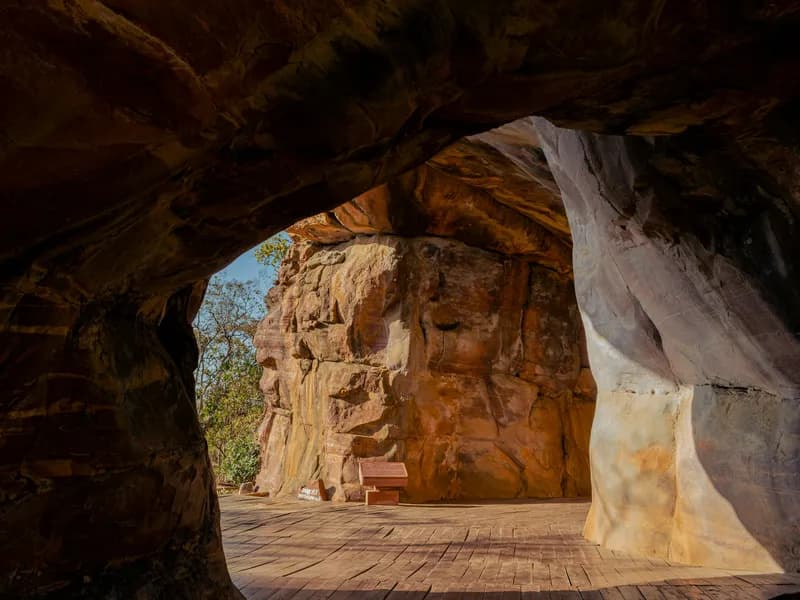
Bhimbetka Rock Shelters (UNESCO)
A UNESCO World Heritage Site with over 750 rock shelters containing prehistoric cave paintings dating back 30,000 years — one of the oldest known human habitations on Earth. Entry: 25 INR (Indians), 500 INR (foreigners). Open 7AM-6PM. Only about 15 shelters are open to visitors via a well-marked trail. The paintings show hunting scenes, animals, and community life in vivid red and white pigments. 46km south of Bhopal (1 hour drive). Allow 2-3 hours. Hire a guide at the entrance (300-500 INR) for context.
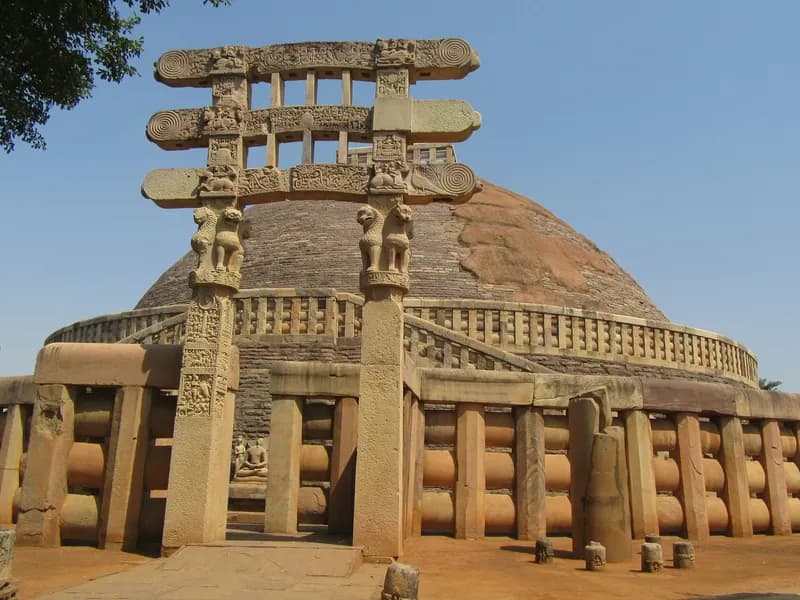
Sanchi Stupa (UNESCO)
India's oldest stone structure — a 2,300-year-old Buddhist stupa commissioned by Emperor Ashoka, with four magnificently carved gateways (toranas) depicting scenes from Buddha's life. Entry: 30 INR (Indians), 500 INR (foreigners). Open sunrise to sunset. The Great Stupa (Stupa 1) is 36m in diameter. A small on-site museum houses original carved railings and relics. 46km northeast of Bhopal (1 hour). The hilltop location offers panoramic views. Allow 2-3 hours. Combine with Bhimbetka as a full-day trip.
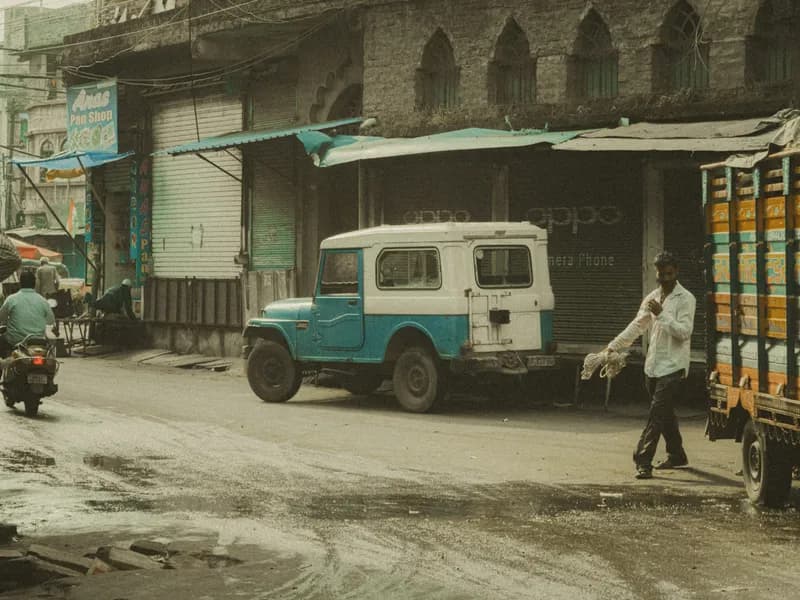
Old City & Chowk Bazaar Street Food
The heart of Nawabi Bhopal — a labyrinth of narrow lanes around the Jama Masjid (1837) and Chowk bazaar bursting with some of India's finest street food. Must-try: gosht korma from Haaji Shabrati (legendary since 1962, 150-250 INR per plate), bada pav, poha-jalebi (Bhopal's iconic breakfast combo, 30-50 INR), and kebabs at Firangi Paan. Walk through the silver jewelry bazaar and itr (perfume) shops. Best visited mornings for breakfast or evenings for dinner. Allow 3-4 hours of wandering and eating.
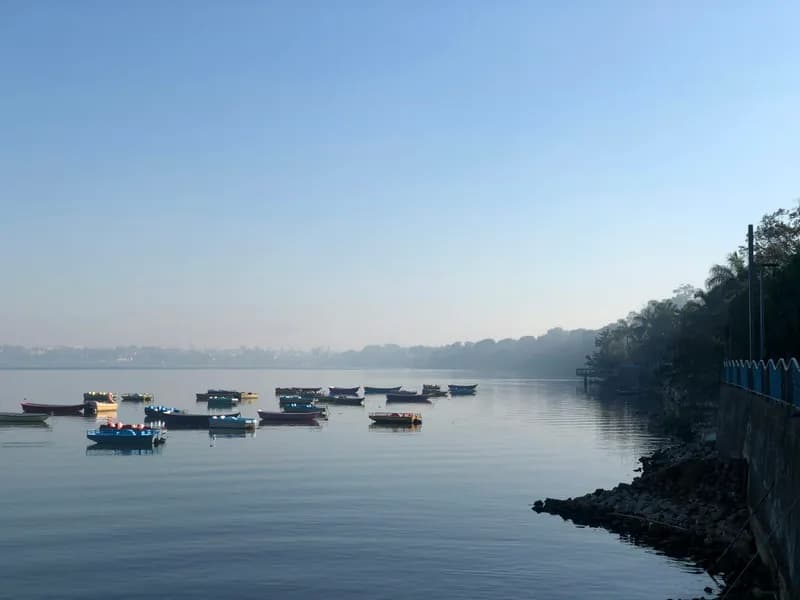
Upper Lake (Bhojtal) & Boat Club
One of Asia's largest artificial lakes — created in the 11th century by Raja Bhoj. The 31 sq km lake defines Bhopal's identity. Boat rides from the Boat Club (pedal boats 100 INR, motor boats 200-400 INR, sunset cruises 500 INR). The lakeside Van Vihar National Park (next highlight) borders the southern shore. The promenade is perfect for evening walks. Best at sunset when the lake reflects the city skyline and Taj-ul-Masajid dome.
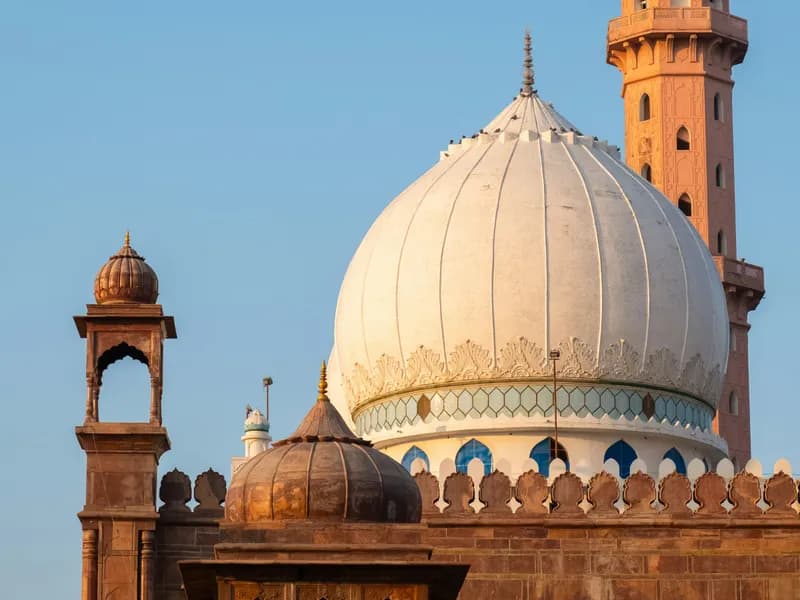
Taj-ul-Masajid
One of the largest mosques in Asia — its pink facade and twin white minarets are Bhopal's most recognizable landmark. Started by Shah Jahan Begum in the 1870s but not completed until 1985. Free entry (non-Muslims welcome outside prayer times). The vast courtyard and main prayer hall have a serene grandeur. Open 5AM-10PM. Photography allowed in the courtyard. The mosque is particularly atmospheric during Eid and Ramadan. 2km from the old city center.
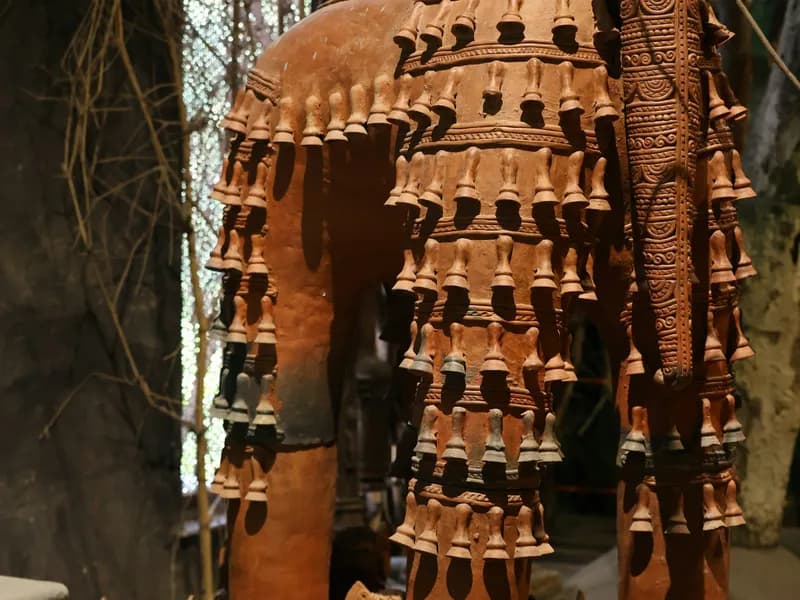
Tribal Museum (Manav Sangrahalaya)
The Indira Gandhi Rashtriya Manav Sangrahalaya (National Museum of Mankind) — a 200-acre open-air museum showcasing tribal habitats, art, and culture from across India. Entry: 10 INR. Open 10AM-5PM (closed Mondays). Full-scale replicas of tribal dwellings from 40+ indigenous communities are set on a forested hillside overlooking Upper Lake. One of the best museums in India for understanding indigenous cultures. The rock art heritage exhibit connects to Bhimbetka. Allow 2-3 hours.
Planned Itinerary
7-Day Bhopal Itinerary
Arrival & Old City Food Walk
Arrive at Bhopal Airport (BHO) or Bhopal Junction (BPL). Dive straight into one of India's finest street food scenes.
Arrival at Bhopal Airport or station(30 minutes)
Airport is 12km from center. Ola/Uber 150-300 INR. Auto 200-300 INR
Check into hotel near Upper Lake(30 minutes)
Budget 600-1,500 INR. Heritage Nawab properties 2,500-6,000 INR
Old City & Chowk Bazaar food walk(2.5 hours)
The heart of Nawabi Bhopal. Narrow lanes around Jama Masjid (1837). Gosht korma at Haaji Shabrati (legendary since 1962, 150-250 INR). Kebabs at Firangi Paan. Poha-jalebi at street stalls. Silver jewelry and itr (perfume) shops
Dinner: Nawabi cuisine at Under the Mango Tree(1 hour)
Upscale Bhopali cuisine. Rogan josh, biryani, and gosht korma. 300-600 INR
Bhimbetka Rock Shelters (UNESCO)
30,000-year-old cave paintings — one of the oldest human habitations on Earth.
Drive to Bhimbetka(1 hour)
46km south. Taxi for the day 2,500-3,500 INR
Bhimbetka Rock Shelters(2.5 hours)
UNESCO World Heritage. 750+ rock shelters with prehistoric paintings dating 30,000 years. Entry 25 INR (Indians), 500 INR (foreigners). Guide 300-500 INR. About 15 shelters open via a trail. Vivid red and white paintings of hunting, dancing, and animals
Lunch at a highway restaurant(45 minutes)
Simple meals. 100-200 INR
Evening: Upper Lake (Bhojtal) promenade walk(1 hour)
11th-century artificial lake. The sunset reflecting the Taj-ul-Masajid dome is iconic
Sanchi Stupa (UNESCO) Day Trip
India's oldest stone structure — 2,300-year-old Buddhist stupa commissioned by Emperor Ashoka.
Drive to Sanchi(1 hour)
46km northeast
Sanchi Stupa complex(2.5 hours)
UNESCO World Heritage. Entry 30 INR (Indians), 500 INR (foreigners). The Great Stupa (36m diameter) with four magnificently carved gateways. A museum houses original relics. Hilltop panoramic views. Allow 2-3 hours
Taj-ul-Masajid visit(1 hour)
One of Asia's largest mosques. Pink facade, twin white minarets. Free (non-Muslims welcome outside prayer times). Serene courtyard
Upper Lake, Tribal Museum & Van Vihar
Bhopal's lake, one of India's best tribal museums, and a national park in the city.
Boat ride on Upper Lake(1 hour)
Pedal boats 100 INR, motor boats 200-400 INR, sunset cruises 500 INR. The Boat Club area
Tribal Museum (Manav Sangrahalaya)(2.5 hours)
200-acre open-air museum — full-scale tribal dwellings from 40+ indigenous communities on a forested hillside overlooking the lake. Entry 10 INR. One of India's best museums. Rock art heritage exhibit connects to Bhimbetka
Van Vihar National Park(1.5 hours)
A national park bordering the lake with rescued big cats, bears, and deer. Entry 15 INR. Open 7AM-6PM. Safari bus available
Poha-Jalebi Breakfast & Modern Bhopal
Bhopal's iconic breakfast followed by the modern city — malls, museums, and parks.
Breakfast: Poha-jalebi at Chappan Dukan(45 minutes)
The 56 Shops street in New Market. Bhopal's iconic breakfast — flattened rice with spices and sweet jalebi. 30-50 INR. A morning institution
State Museum(1.5 hours)
Art, archaeology, and natural history of Madhya Pradesh. Entry 10 INR. Good sculpture gallery
Lunch at Manohar Dairy(1 hour)
A Bhopal institution for sweets, samosa, and chaat. 50-150 INR
Birla Museum (Birla Mandir complex)(1 hour)
A modern hilltop temple with a museum featuring Raisen-area sculptures. Panoramic city views. Free
Rest Day & Deeper Old City
Slow day in the old city — mosques, markets, and perfume shops.
Jama Masjid (1837) and surroundings(1 hour)
The red sandstone mosque anchoring the old city. The surrounding lanes have itr (perfume) shops, silver jewelry, and beadwork. Free
Lunch: Full Bhopali biryani at a Chowk restaurant(1 hour)
Bhopali biryani rivals Hyderabad and Lucknow. 150-300 INR
Departure
Final morning.
Pick up sweets from Manohar Dairy(30 minutes)
Box of Bhopal sweets and namkeen for the journey
Taxi to airport or station(30 minutes)
Ola/Uber to BHO airport (12km) or BPL station
14-Day Bhopal Itinerary
Arrival & Old City Food Walk
Arrive and dive into Bhopali street food.
Bhimbetka (UNESCO)
30,000-year-old cave paintings.
Rock Shelters(2.5 hours)
25/500 INR. Guide 300-500 INR
Sanchi Stupa (UNESCO)
2,300-year-old Buddhist stupa.
Stupa complex(2.5 hours)
30/500 INR
Lake, Tribal Museum & Van Vihar
Lake boating, tribal heritage, and city wildlife.
Tribal Museum(2.5 hours)
10 INR
Poha-Jalebi & Modern Bhopal
Iconic breakfast, museums, and modern city.
Rest & Deeper Old City
Mosques, markets, perfume shops.
Day Trip to Raisen Fort
45km northeast — a dramatic hilltop fort with 2,000 years of history.
Raisen Fort(2.5 hours)
Massive hilltop fort with Hindu and Muslim architecture. Entry free. The climb is steep but panoramic views reward. Multiple palace ruins, mosques, and temples inside. Less visited than Sanchi
Day Trip to Bhojpur Shiva Temple
30km southeast — an unfinished 11th-century Shiva temple with a massive lingam.
Bhojeshwar Temple(1.5 hours)
An incomplete but awe-inspiring temple started by Raja Bhoj (who also built the Upper Lake). The Shiva lingam inside is 2.3m tall and 5.4m in circumference — one of India's largest. Entry free. The construction ramp is still visible
Shaukat Mahal & Sadar Manzil(1 hour)
An unusual blend of European and Nawabi architecture in the old city. Shaukat Mahal has Gothic, Renaissance, and Nawabi elements. Free to view from outside
Cooking Class & Food Deep Dive
Learn to cook Bhopali cuisine and explore food markets.
Bhopali cooking class(3 hours)
Learn gosht korma, biryani, and kebab preparation. Some heritage hotels offer classes. 500-1,500 INR
Evening: Chowk food trail round 2(2 hours)
Explore stalls you missed — seekh kebabs, bada pav, and Bhopal's legendary paan
Day Trip to Pachmarhi (Optional Overnight)
200km south to Madhya Pradesh's only hill station in the Satpura Range.
Drive to Pachmarhi(4.5 hours)
Taxi for the day 4,000-5,500 INR. Consider an overnight stay
Bee Falls(1 hour)
A 35m waterfall in a forested gorge. Entry 25 INR. Swimming possible in the pool
Pandava Caves & Jatashankar Cave(1.5 hours)
Buddhist caves and a dramatic Shiva cave shrine
Recovery & Lake Life
Gentle day after Pachmarhi.
Lower Lake walk(1 hour)
The smaller lake has a walking path and Kamla Park
Sunset cruise on Upper Lake(1 hour)
500 INR
Remember Bhopal & Heritage Walk
Understanding the 1984 gas tragedy and the city's resilience.
Remember Bhopal Museum(1.5 hours)
Documents the 1984 Union Carbide gas leak — the world's worst industrial disaster. Moving and educational. Free. The city has moved forward but the legacy remains
Heritage walking tour of old Bhopal(2 hours)
Walking through the Nawabi quarters, havelis, and the old city architecture. Several organizations offer guided walks
Final Bhopal Day
Last full day — favorites and farewell.
Departure
Final morning.
21-Day Bhopal Itinerary
Arrival & Old City Food Walk
Arrive and explore Bhopali street food.
Bhimbetka (UNESCO)
30,000-year-old cave paintings.
Sanchi Stupa (UNESCO)
2,300-year-old Buddhist stupa.
Lake, Tribal Museum & Van Vihar
Lake, tribal heritage, city wildlife.
Poha-Jalebi & Modern Bhopal
Iconic breakfast, museums.
Rest & Old City
Mosques, markets, perfume.
Raisen Fort
Dramatic hilltop fort 45km northeast.
Bhojpur Temple
Unfinished 11th-century temple with massive lingam.
Cooking Class
Bhopali cuisine workshop.
Pachmarhi Day Trip
MP's only hill station, 200km south.
Recovery & Lake Life
Gentle day.
Remember Bhopal & Heritage Walk
Gas tragedy museum and old city walk.
Day Trip to Islamnagar
11km from Bhopal — a forgotten Mughal-era palace complex.
Chaman Mahal & Rani Mahal palaces(2 hours)
18th-century palace complex built by the Afghan rulers of Bhopal. Hammam (bathhouse), fountains, and frescoes. Entry 10 INR. Rarely visited — you may be the only tourist
Afternoon: Itr (perfume) shopping in old city(1.5 hours)
Bhopal's itr shops sell traditional attar perfumes — rosewater, sandalwood, and musk. 200-2,000 INR per bottle
Rest Day
True rest.
Day Trip to Udaygiri Caves
60km from Bhopal — Gupta-era cave temples from the 5th century.
Udaygiri Caves(2 hours)
20 rock-cut caves with Hindu and Jain sculptures from the Gupta period (5th century AD). The Varaha (boar) relief is one of India's finest Gupta sculptures. Entry 25/300 INR. Often combined with Sanchi
Vidisha (ancient town)(1 hour)
The ancient capital where Ashoka was governor. Heliodorus Pillar — a 2,200-year-old column erected by a Greek ambassador. Free
Day Trip to Satpura Tiger Reserve
180km south — walking safaris and boat safaris in a less-crowded tiger reserve.
Drive to Satpura (Madhai gate)(4 hours)
Taxi 4,000-5,500 INR. Consider overnight
Boat safari on Denwa River(2 hours)
One of the few reserves offering boat safaris. Crocodiles, birds, and occasional tiger sightings on the banks. 500-1,500 INR
Recovery & Art
Gentle day with art and culture.
Bharat Bhavan(2 hours)
A multi-arts complex designed by Charles Correa — contemporary art, tribal art, theater, and poetry. Entry 10 INR. One of India's premier cultural centers. On the lake edge
Day Trip to Mandu (if time allows)
280km southwest — one of India's most romantic ruined cities.
Drive to Mandu(5 hours)
Long drive but extraordinarily rewarding. Consider overnight
Mandu highlights(3 hours)
Jahaz Mahal (Ship Palace), Rani Roopmati Pavilion, and Hindola Mahal. A 15th-century ruined city on a plateau with Afghan, Mughal, and Hindu architecture. Entry 25/500 INR. One of India's most underrated heritage sites
Recovery & Local Life
Rest after Mandu.
Final Bhopal Day
Last full day — favorites and farewell.
Departure
Final morning.
Travel Tips
Visa & Entry
Standard Indian Visa — Well-Connected City
Standard Indian e-tourist visa applies. Bhopal Airport (BHO) has direct flights from Delhi (1.5 hours), Mumbai (1.5 hours), and other major cities. International visitors typically connect through Delhi or Mumbai. The airport is modern and efficient.
transport
Bhopal Is a Major Railway Hub
Bhopal Junction (BPL) is on the main Delhi-Mumbai railway line — excellent train connectivity. Shatabdi Express from Delhi: 8 hours, 1,200-2,000 INR. Within the city, Ola/Uber work well (50-200 INR per ride). Auto-rickshaws available everywhere (negotiate fares: 30-150 INR). For Bhimbetka and Sanchi day trips, hire a taxi (2,500-3,500 INR for a full day covering both). The city bus system exists but is not tourist-friendly.
Budget
Excellent Value — One of India's Most Affordable Major Cities
Budget hotels: 600-1,500 INR/night. Heritage hotels (former Nawab properties): 2,500-6,000 INR. Street food meals: 30-150 INR. Restaurant meals: 150-500 INR. Bhopal's street food alone justifies the trip — a complete breakfast of poha-jalebi costs 30-50 INR. Budget 1,200-2,500 INR/day for comfortable travel including day trips.
Street Food Strategy — Breakfast and Dinner Are the Stars
Bhopal's food scene peaks at breakfast (poha-jalebi at Chappan Dukan — 56 shops street, 30-50 INR) and dinner (gosht korma and kebabs in Chowk, 150-300 INR). The Chappan Dukan area (56 Shops) in New Market is the modern food street. For authentic Nawabi cuisine, try Under the Mango Tree or Manohar Dairy. The biryani here rivals Hyderabad and Lucknow but costs half as much.
Safety
Gotcha: The Bhopal Gas Tragedy Legacy
The 1984 Union Carbide gas leak — the world's worst industrial disaster — still affects parts of the city. The abandoned factory is in the old industrial area and not a tourist zone. Drinking water in some nearby neighborhoods may be contaminated — stick to bottled water everywhere (standard India practice). The Bhopal Memorial Hospital and Remember Bhopal Museum document the tragedy. The city has moved forward but remains sensitive about the topic.
Local Customs
Respect Mosque Etiquette in the Old City
Bhopal has a strong Islamic heritage. When visiting Taj-ul-Masajid and Jama Masjid: dress modestly (cover legs and arms), remove shoes, women should cover their head. Avoid visiting during Friday afternoon prayers (1-2:30PM). Photography is usually fine in courtyards but ask before photographing worshippers. During Ramadan (dates shift annually), many old city eateries open only after sunset — plan accordingly.
Related Articles
Travel Guides12 Things to Do in Bhopal That Prove the City of Lakes Is India's Most Underrated Stop
Two UNESCO sites, two lakes, and a street-food scene that punches way above its weight. Here's exactly how to spend two days in Bhopal.
Stories4 Days in Bhopal: The Journal of an Accidental Discovery
I stopped in Bhopal because my train was delayed. I stayed because the poha-jalebi was perfect, the cave paintings were 30,000 years old, and the lake at sunset looked like it had been waiting for me.
Travel GuidesBhopal's 30,000-Year Story: A Deep Dive Into India's Most Layered City
From prehistoric cave paintings to Mughal mosques to modern art — Bhopal has more historical layers per square kilometer than any city in India, and nobody's talking about it.
Travel GuidesBhopal vs Lucknow: India's Two Nawabi Cities Compared
Both claim Nawabi heritage. Both have legendary street food. But one has cave paintings and the other has kebabs that could start religions. Here's how to choose.