
Bonaire

Photo: Jannick Nijholt / Unsplash
Key Facts
Best Time to Visit
Year-round (outside hurricane belt); windiest March-August for windsurfing
Language
Dutch (official), Papiamentu, English, Spanish
Currency
United States Dollar (USD)
Time Zone
AST (UTC-4)
Airport
Flamingo International (BON)
Population
~22,000 (island-wide)
Climate
Arid tropical, avg 27-33°C year-round, minimal rainfall
Safety Rating
Very Safe (Level 1) — one of the safest Caribbean islands
Known For
Shore diving (80+ marked sites), flamingos, windsurfing, salt pans
Top Highlights
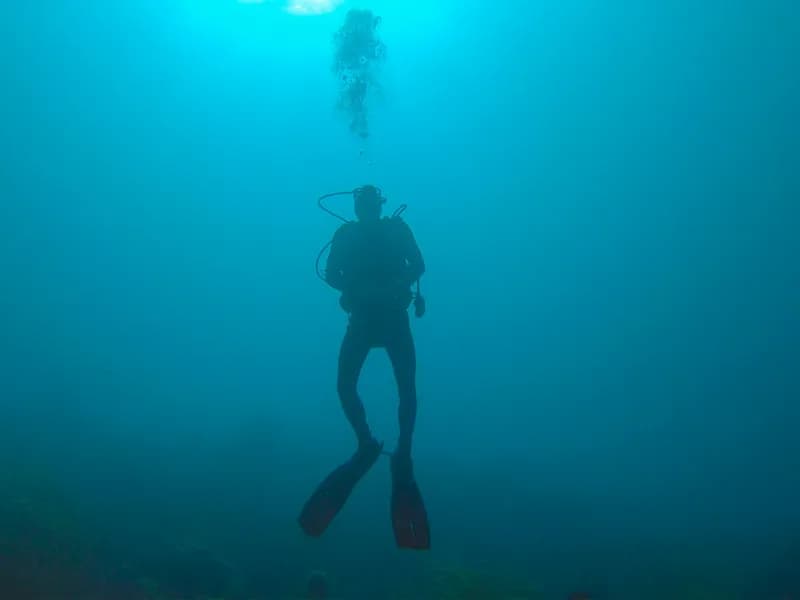
Shore Diving (80+ Sites)
Bonaire is unique — you drive to a yellow-painted stone marker, gear up from your truck, and walk into the reef. Over 80 marked sites line the coast. Marine park tag required: US$45/year (divers) or US$25 (snorkelers). 1000 Steps and Hilma Hooker wreck are legendary.
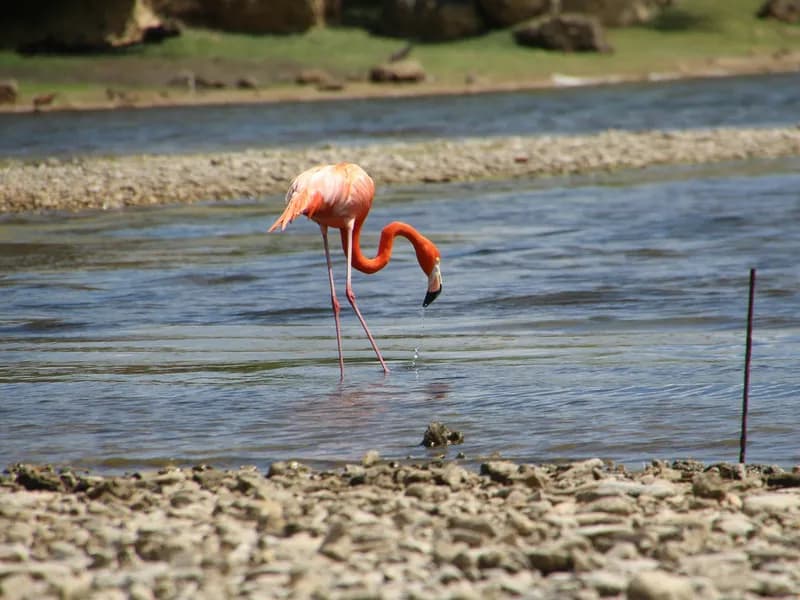
Flamingo Sanctuary & Salt Pans
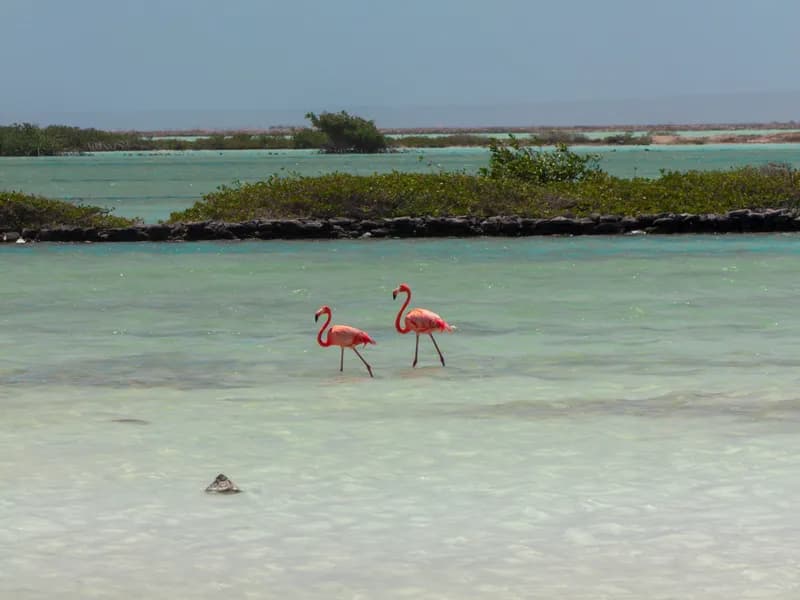
Thousands of Caribbean flamingos feed in the southern salt pans — Bonaire hosts one of the hemisphere's largest breeding colonies. View from the road (no entry to sanctuary). Best viewing at Pekelmeer. The salt pyramids are a striking photo op.
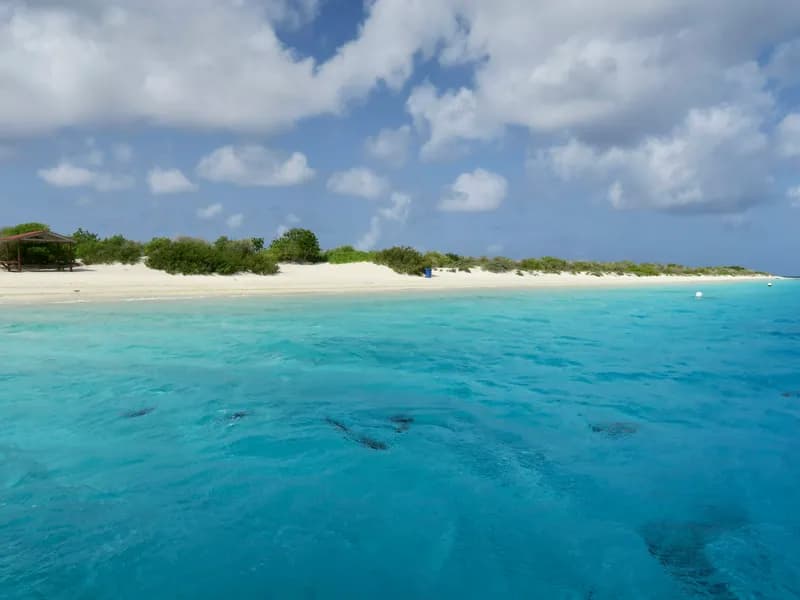
Klein Bonaire
An uninhabited island 750m offshore with pristine white-sand beaches and the best snorkeling on the island. Water taxi from Kralendijk ~US$20 round-trip. No facilities — bring water, food, and sunscreen. No Name Beach is the highlight.
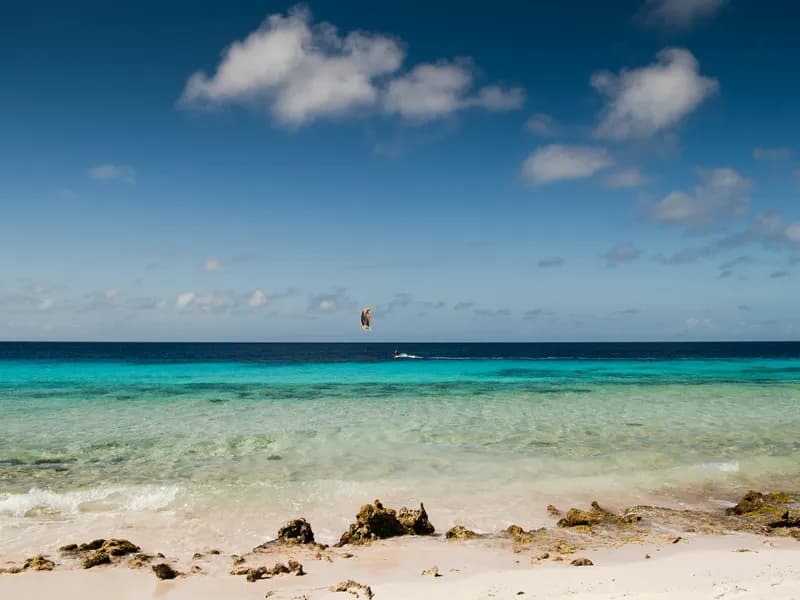
Lac Bay Windsurfing
A shallow, flat-water bay that's one of the world's best windsurfing spots. Rentals from ~US$50/half-day, lessons from ~US$60. Also excellent for kayaking through mangroves. The Sorobon area has a mellow beach bar vibe.
Donkey Sanctuary Bonaire
A rescue sanctuary for over 700 feral donkeys — descendants of colonial-era working animals. Free entry (donations welcome). Open daily 10AM-4PM. Located south of Kralendijk. Kids love it, and the donkeys are very friendly.
Washington Slagbaai National Park
A 5,600-hectare desert park covering the island's north end with hiking trails, flamingo lakes, and secluded bays like Boca Slagbaai. Entry ~US$15. Allow a full day. 4WD required — the dirt roads are rough. Bring plenty of water.
Planned Itinerary
7-Day Bonaire Itinerary
Arrival & First Shore Dive
Arrive at Flamingo International (BON). Pick up your rental truck — essential for Bonaire's shore diving culture — and do your first dive before sunset.
Airport arrival and truck rental(1 hour)
Rent a pickup truck (US$40-60/day) from the airport — this is how Bonaire works. You haul tanks in the truck bed and drive to dive sites. Buy your marine park tag at the dive shop: US$45/diver, US$25/snorkeler (annual)
Check-in(1 hour)
Dive resorts like Buddy Dive (from US$120/night, tanks included), or apartments in Kralendijk (US$80-120). A kitchen saves money
First shore dive at Town Pier(1.5 hours)
Night or twilight dive at Kralendijk's Town Pier — one of the Caribbean's best macro sites. Seahorses, frogfish, octopus hide among the pilings. Free shore entry. Dive shops rent full gear
Dinner at Capriccio(1.5 hours)
Italian-Caribbean waterfront restaurant on the Kralendijk boulevard. Wood-fired pizza and fresh seafood. Mains US$15-25
Southern Dive Sites & Flamingos
Drive south to Bonaire's best dive sites and the spectacular salt pan flamingo colony.
Morning dive at 1000 Steps(1.5 hours)
Despite the name, it's only 67 steps down to the reef. Pristine coral wall starting at 10 feet, dropping into the blue. One of Bonaire's most famous sites. Shore entry
Second dive at Hilma Hooker wreck(1.5 hours)
A 72m cargo ship sunk in 1984 (drug smuggling history) sitting upright at 30m. Encrusted with sponges and coral. Giant tarpon and groupers. One of the Caribbean's best wreck dives
Lunch at Kralendijk waterfront(1 hour)
Karel's Beach Bar — casual waterfront dining. Fish tacos and cold Amstel Bright. US$10-18
Drive to Pekelmeer Flamingo Sanctuary(1 hour)
Southern salt pans where thousands of Caribbean flamingos feed. View from the road (no entry to sanctuary). The pink birds against white salt pyramids and blue sky is unforgettable. Free
Sunset at Donkey Beach(1 hour)
Small beach on the south end. Watch the sun set over the salt pans
Klein Bonaire Island Day
Water taxi to the uninhabited island 750m offshore for pristine beaches and the best snorkeling on the island.
Water taxi to Klein Bonaire(15 minutes)
Boats from Kralendijk US$20 round-trip. No facilities on the island — bring water, food, sunscreen, and trash bags (leave nothing behind)
No Name Beach morning(3 hours)
Pristine white-sand beach with turquoise water. The snorkeling right off shore is exceptional — coral gardens, turtles, rays. Bring your own gear for the best quality
Explore other Klein Bonaire beaches(2 hours)
Walk or swim between several small beaches. The island is ringed by reef. Total solitude is possible
Dinner at At Sea(1.5 hours)
Small waterfront restaurant with excellent seafood. Catch of the day, US$18-28. Reservations recommended
Washington Slagbaai National Park
Full day exploring the 5,600-hectare desert national park in the north — hiking, flamingo lakes, and secluded bays.
Drive to Washington Slagbaai entrance(30 minutes)
Entry US$15. 4WD essential — dirt roads are rough. Bring plenty of water, food, and sunscreen. Park gates open 8 AM, must exit by 5 PM
Subi Brandaris summit hike(1.5 hours)
Bonaire's highest point (241 m). Short but steep trail with 360-degree views of the island, Klein Bonaire, and the Venezuelan coast
Goto Meer flamingo lake(30 minutes)
Inland salt lake where flamingos feed. Viewing area with binoculars. Best light in the morning
Boca Slagbaai beach and snorkeling(2 hours)
Secluded bay on the park's west coast with calm water and good snorkeling. The old plantation ruins add atmosphere. Bring your own gear
Rest Day — Lac Bay Windsurfing & Mangroves
Switch from diving to windsurfing at world-famous Lac Bay, then kayak through coastal mangroves.
Lac Bay windsurfing or kayaking(3 hours)
Shallow, flat water — one of the world's best spots. Windsurf rental from US$50/half-day, lessons from US$60. If no wind, kayak through the mangroves (US$25/hour)
Lunch at Sorobon Beach(1 hour)
Chill beach bar at Lac Bay. Seafood and cold drinks. US$10-18. Mellow vibe
Donkey Sanctuary(1 hour)
700+ rescued feral donkeys. Free entry (donations welcome). Open 10 AM-4 PM. Kids and adults love it. South of Kralendijk
North Coast Dive Marathon
Multiple shore dives on Bonaire's less-visited north coast sites for advanced divers.
Dawn dive at Karpata(1.5 hours)
Steep entry down stone steps to a dramatic wall dive. Eagle rays, turtles, and huge barrel sponges. Best in morning light
Second dive at Rappel(1.5 hours)
Named for the rappelling entry down a cliff. Deep wall with overhangs. Strong currents possible — advanced only
Third dive at Bari Reef (house reef at Sand Dollar)(1.5 hours)
Easy shore entry for a relaxing third dive. Abundant marine life in shallow water. Good for photography
Departure Day — Last Dive & Airport
One final shore dive at sunrise, then transfer to Flamingo International.
Sunrise dive at Andrea I (house reef)(1 hour)
Quick dawn dive at whichever resort you're staying at. The morning light on the reef is magical
Return rental truck and airport(45 minutes)
Return truck at the airport. BON is tiny — the whole process takes 20 minutes. Allow 2 hours before international flights
14-Day Bonaire Itinerary
Arrival & First Shore Dive
Arrive at Flamingo International (BON). Pick up your truck and do a twilight dive.
Airport and truck rental(1 hour)
Pickup truck US$40-60/day. Marine park tag US$45 (diver) or US$25 (snorkeler)
Check-in(1 hour)
Buddy Dive Resort from US$120/night or Kralendijk apartments US$80-120
Town Pier dive(1.5 hours)
Macro paradise. Seahorses, frogfish, octopus
Dinner at Capriccio(1.5 hours)
Pizza and seafood. US$15-25
Southern Sites & Flamingos
Famous dive sites and the salt pan flamingo colony.
1000 Steps dive(1.5 hours)
67 steps. Pristine wall
Hilma Hooker wreck dive(1.5 hours)
72m wreck at 30m. Giant tarpon
Pekelmeer Flamingo Sanctuary(1 hour)
Thousands of flamingos. View from road. Free
Klein Bonaire Island Day
Uninhabited island with pristine beaches and the best snorkeling.
Water taxi to Klein Bonaire(15 minutes)
US$20 round-trip. Bring everything
No Name Beach(3 hours)
White sand, turtles, reef
Return and dinner at At Sea(2 hours)
Catch of the day. US$18-28
Washington Slagbaai National Park
Desert park with hiking, flamingos, and secluded bays.
Park entrance(30 minutes)
US$15. 4WD essential
Subi Brandaris summit(1.5 hours)
241 m. 360-degree views
Boca Slagbaai beach(2 hours)
Secluded. Snorkeling. Old ruins
Rest Day — Lac Bay & Donkeys
Windsurfing or kayaking at Lac Bay, then the donkey sanctuary.
Lac Bay windsurfing/kayaking(3 hours)
Windsurf US$50/half-day, kayak US$25/hour
Donkey Sanctuary(1 hour)
700+ donkeys. Free. Donations welcome
North Coast Dive Marathon
Three dives on the less-visited north coast.
Karpata wall dive(1.5 hours)
Eagle rays, turtles, barrel sponges
Rappel dive(1.5 hours)
Cliff entry. Deep wall. Advanced
Night Dive & Kralendijk Exploration
Explore Kralendijk's small-town charm by day, then a special night dive.
Kralendijk town walk(1.5 hours)
Pastel colonial buildings, the market, and small museums. Fort Oranje has harbor views
Lunch at Brass Boer Bonaire(1.5 hours)
Fine dining by a Dutch Michelin-star chef. Tasting menu from US$65
Night dive at Town Pier(1.5 hours)
The pier transforms at night — octopus hunting, tarpon circling in torch beams, bioluminescence. US$40-50 guided
Second Klein Bonaire Trip
Return to the uninhabited island for different beaches and reef sites.
Snorkeling at Jerry's Reef(2 hours)
Different section of Klein Bonaire's reef. Excellent hard coral coverage
Deep Diving Day
Challenge dives for experienced divers at Bonaire's deepest sites.
Deep dive at Something Special(1.5 hours)
Name says it all — dramatic wall starting at 10 feet, dropping straight to 130+. Massive sponges
Second dive at Windsock(1.5 hours)
Near the airport. Easy entry, great for practice and photography
Rest Day & Free Exploration
No agenda — beach, rest, explore neighborhoods, or revisit favorite spots.
Free day(8 hours)
Te Amo Beach for easy swimming, Kralendijk shopping, or just rest. The island's pace is slow — match it
Cactus Trail Hike & Snorkeling
Explore Bonaire's desert landscape on foot, then cool off snorkeling.
Cactus fence hike near Rincon(2 hours)
Trail through the oldest settlement on Bonaire. Giant cactus fences, slave huts, and historical ruins. Free
Rincon town visit(1 hour)
The first town on Bonaire. Cadushy Distillery makes cactus liqueur — tour and tasting US$10. Local bakeries serve pasa bons (pastries)
Full Park Loop — Washington Slagbaai
Do the full 34 km driving loop through the park, hitting every bay and lookout.
Full park loop(6 hours)
The long route hits Wayaka, Playa Funchi, Boca Bartol, and more. Each bay offers snorkeling and isolation. Pack lunch, 3L water. Gate opens 8 AM
Snorkeling at Playa Funchi(1 hour)
The calmest snorkeling bay in the park. Green sea turtles are common
Final Dive Day — Favorites Revisited
Return to your favorite dive sites for farewell dives.
Last shopping in Kralendijk(1 hour)
Cactus liqueur, sea salt, local art
Departure Day
Final sunrise dive and transfer to Flamingo International.
Sunrise dive(1 hour)
Last dawn dive at the house reef
Return truck and airport(45 minutes)
Allow 2 hours before flights
21-Day Bonaire Itinerary
Arrival & First Shore Dive
Arrive at Flamingo International. Truck rental, marine tag, first dive.
Airport and truck rental(1 hour)
Pickup US$40-60/day. Marine tag US$45 diver, US$25 snorkeler
Southern Dive Sites & Flamingos
Classic dive sites and the salt pan flamingo colony.
Klein Bonaire Day
Uninhabited island beaches and pristine reefs.
Water taxi(15 minutes)
US$20 round-trip
Washington Slagbaai National Park
Desert park with Bonaire's highest point and flamingo lakes.
Park entrance(30 minutes)
US$15
Rest Day — Lac Bay
Windsurfing, kayaking, and the donkey sanctuary.
North Coast Dives
Three dives on the north coast.
Night Dive & Kralendijk
Town exploration and an after-dark pier dive.
Night dive at Town Pier(1.5 hours)
Octopus, tarpon, bioluminescence. US$40-50 guided
Second Klein Bonaire Trip
Different beaches and reefs on the uninhabited island.
Deep Diving Day
Challenge dives at the deepest sites.
Rest Day
Free day with no agenda.
Free day(8 hours)
Beach, rest, Kralendijk shopping. Match the island's slow pace
Rincon & Cactus Hike
Oldest town, cactus distillery, and desert hiking.
Cactus fence hike(2 hours)
Giant cactus, slave huts, ruins
Rincon town and Cadushy Distillery(1.5 hours)
Cactus liqueur tasting. US$10
Full Park Loop
34 km driving loop through Washington Slagbaai hitting every bay.
Full loop drive(6 hours)
Every bay, lookout, and snorkel spot. Pack lunch
Playa Funchi snorkeling(1 hour)
Green turtles common
Day Trip to Curacao
Ferry or short flight to neighboring Curacao for Willemstad's colorful Handelskade and different diving.
Ferry or flight to Curacao(1-2 hours)
Fast ferry (when operating) or 15-min flight. Day trip feasible
Handelskade and Punda walk(2 hours)
UNESCO-listed pastel Dutch colonial buildings. The floating market. Queen Emma pontoon bridge
Lunch at Marshe Bieu(1 hour)
Open-air market with home-cooked Caribbean food. Stew, rice and beans, plantain. US$5-8
Optional dive at Tugboat wreck(1.5 hours)
Easy shallow wreck dive at Caracas Bay. A Curacao classic
Rest Day & Slow Diving
Easy morning dive then rest.
Free rest of day(7 hours)
Beach, pool, reading, rest
Photography Diving Day
Focus on underwater photography with slow, macro-focused dives.
Macro dive at Cliff(1.5 hours)
Seahorses, nudibranchs, cleaning shrimp
Second macro dive at Oil Slick Leap(1.5 hours)
Named for the oily surface sheen from volcanic gases. Pristine coral
Mangrove Kayaking & Bird Watching
Explore Bonaire's mangrove ecosystem by kayak and bird watch at Goto Meer.
Lac Bay mangrove kayak tour(3 hours)
Guided kayak through mangrove channels. Herons, pelicans, juvenile reef fish. US$40-50
Bird watching at Goto Meer(2 hours)
Flamingos, yellow-shouldered parrots, Caribbean parakeets. Bring binoculars
Freediving Introduction
Try freediving as an alternative way to experience Bonaire's reefs.
Freediving course intro(4 hours)
Several Bonaire operators offer intro courses from US$100-150. Learn breath-hold techniques and gentle reef exploration without bubbles
Rest Day
Second complete rest day.
Free day(8 hours)
Te Amo Beach, reading, or light snorkeling. No pressure
Final North Coast Exploration
Revisit northern sites or try new ones.
Farewell Sunset & Dinner
Final full day — favorite dive, flamingo sunset, farewell dinner.
Departure Day
Final sunrise dive and airport transfer.
Travel Tips
Visa & Entry
Dutch Caribbean Entry Rules
Bonaire is a special municipality of the Netherlands. US, EU, UK, and Canadian citizens enter visa-free for up to 90 days. You need a passport valid for 6 months, a return ticket, and proof of accommodation. Separate from Aruba/Curacao entry.
transport
Rent a Truck — It's Essential
Shore diving culture means you haul tanks in your pickup. Most visitors rent a truck (~US$40-60/day) from the airport. The island is small (40 km long) — everything is a 30-min drive max. No public transit exists. Gas stations close early on Sundays.
Budget
Plan for Dive-Trip Costs
Accommodation runs US$80-200/night. The marine park tag (US$45/diver, US$25/snorkeler) is mandatory and funds reef protection. Tank fills cost ~US$5 each at dive shops. Restaurants are pricey (US$15-30 mains) — cooking in your apartment saves money.
Safety
Sun and Sea Are the Main Hazards
Bonaire is extremely safe — low crime, no dangerous wildlife on land. The real dangers are sun exposure (it's desert-dry, 12°N latitude), fire coral on the reef, and strong currents at a few north-shore sites. Always dive with a buddy.
Local Customs
Don't Touch the Coral — Seriously
Bonaire National Marine Park is one of the oldest and strictest in the Caribbean. Touching, standing on, or anchoring on coral means a fine up to US$500. Wear reef-safe sunscreen. The reefs are pristine because these rules are enforced.
Related Articles
Travel Guides11 Best Things to Do in Bonaire, From Shore Reefs to Salt Pans
Bonaire is famous for walk-in shore diving, but the island packs far more into 113 square miles. Here are 11 experiences worth planning your trip around.
StoriesA Week on Bonaire: Diving, Donkeys, and Desert Silence
I rented a truck, strapped on tanks, and spent seven days driving to yellow stone markers and walking into some of the best reef in the Western Hemisphere. Here's the journal.
Travel GuidesBonaire vs Curacao: Which Dutch Caribbean Island Suits You?
One is a diver's paradise with 22,000 people and zero nightlife. The other has a UNESCO capital, party scene, and beaches for days. Same region, different planets.
SeasonalDiving Bonaire in Every Season: What Changes and What Doesn't
The reef is year-round. The wind decides when you windsurf. The flamingos breed on their own schedule. Here's Bonaire broken down by month.