
Cusco & Sacred Valley

Photo: Samantha Hare / Unsplash
Key Facts
Best Time to Visit
May-September (dry season); June-August is peak but clear skies are worth it
Language
Spanish, Quechua widely spoken in the Sacred Valley
Currency
Peruvian Sol (PEN); USD accepted at some tourist businesses
Time Zone
Peru Time (UTC-5, no DST)
Airport
Alejandro Velasco Astete International (CUZ), in Cusco city; new Chinchero airport under construction
Population
430,000 (Cusco metro area)
Climate
Highland subtropical, dry season 2-20°C, wet season 7-19°C; strong sun at altitude
Safety Rating
Generally Safe (Level 2) — watch for petty theft in Cusco tourist areas
Elevation
Cusco: 3,400m (11,150ft); Sacred Valley floor: 2,800m — acclimatize before trekking
Top Highlights
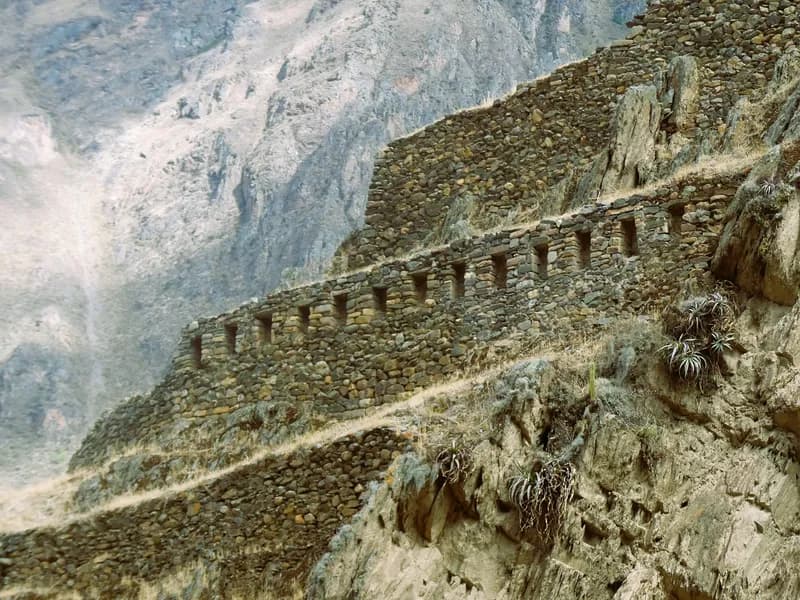
Ollantaytambo
A living Inca town with massive fortress terraces rising above narrow stone streets still inhabited since Inca times. Entry with Boleto Turístico (PEN 130/~$35 for multi-site pass). Open 7AM-5:30PM. Climb the steep 200-step stairway to the Sun Temple and unfinished Wall of the Six Monoliths. The town is also the main train departure point for Machu Picchu. Allow 2-3 hours for the ruins.
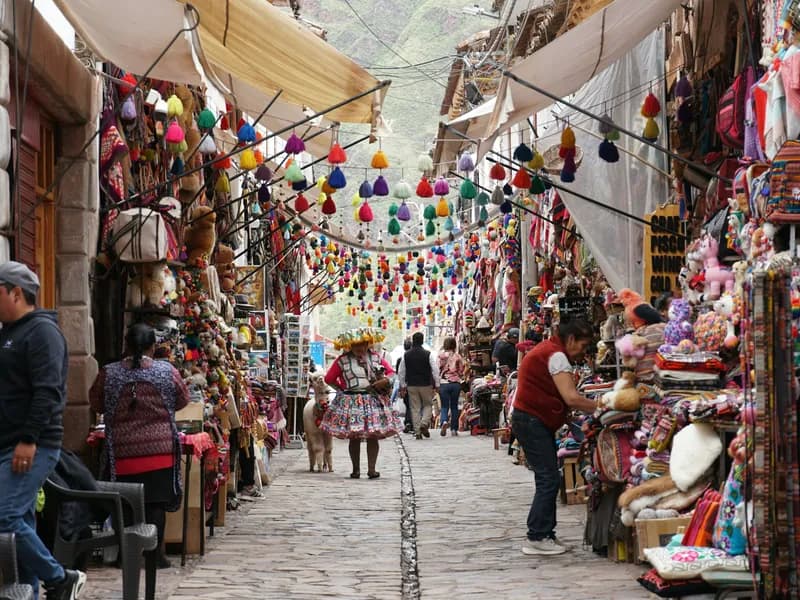
Pisac Market
A bustling open-air market in the Sacred Valley town of Pisac, held daily but most vibrant on Sundays when local Quechua communities come to trade. Textiles, alpaca wool goods, silver jewelry, ceramics, and produce. Bargaining is expected — start at 40-50% of asking price. Above the town, the Pisac Archaeological Park (included in Boleto Turístico) features impressive Inca terraces, temples, and a massive cemetery carved into the cliff.
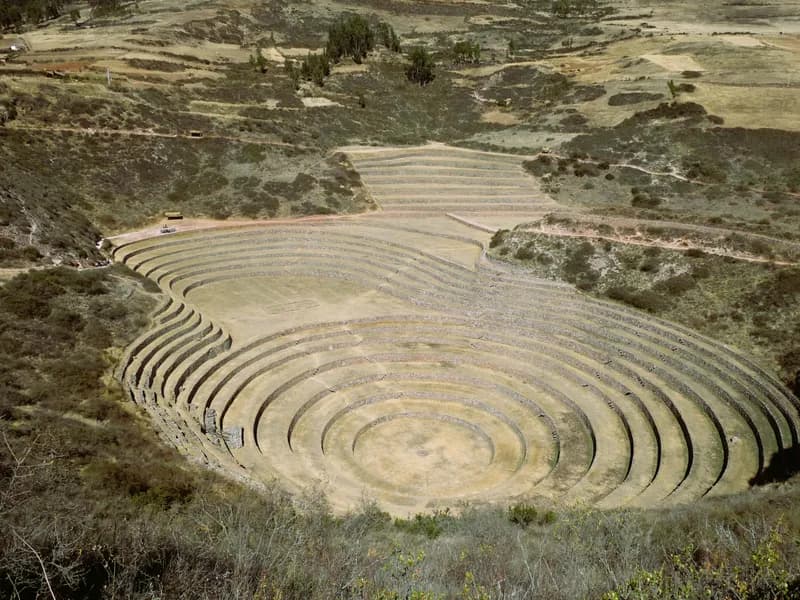
Moray Terraces
Enigmatic concentric circular terraces descending into the earth like a natural amphitheater — believed to be an Inca agricultural laboratory where different microclimates were created at each level. Entry with Boleto Turístico. Open 7AM-5:30PM. Located 50km from Cusco (1.5-hour drive). Temperature can vary 15°C between top and bottom rings. Allow 1-1.5 hours. Best combined with Maras salt mines (7km away).
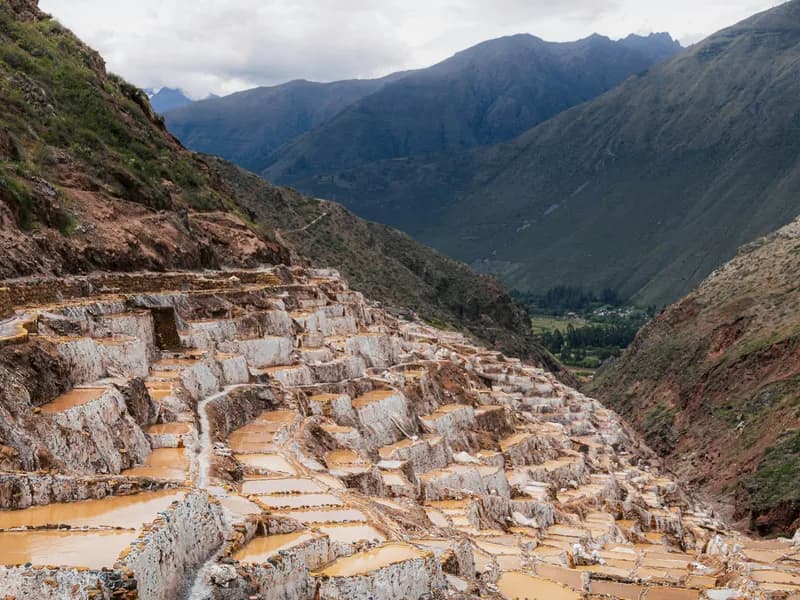
Maras Salt Mines (Salineras)
Over 3,000 small salt pans cascading down a hillside, fed by a natural saltwater spring — in continuous use since pre-Inca times. Entry: PEN 10 (~$2.70). Open 8AM-4:30PM. Now community-owned (private since 2020, no longer on the Boleto Turístico). You can buy artisanal pink salt and chocolate-salt products at the entrance shop. Don't step in the active pans. Best photographed in morning light.
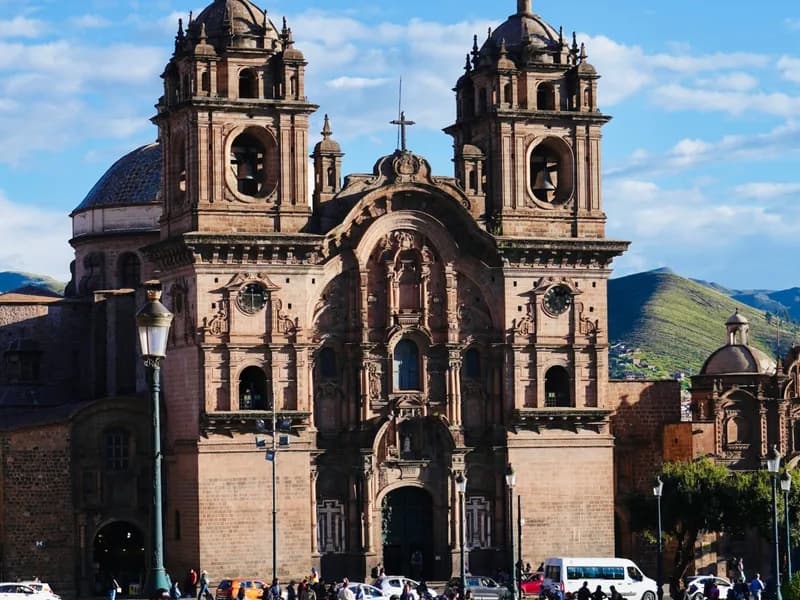
Cusco Historic Center (Plaza de Armas)
A UNESCO World Heritage Site where Inca foundations support Spanish colonial churches and mansions. The Cathedral of Santo Domingo (PEN 25, stunning interior with colonial paintings) and Qorikancha Sun Temple (PEN 15, Inca stonework beneath a church) are must-sees. Wander the San Blas artisan quarter for galleries and cafes. Free walking tours depart from the plaza daily at 10AM.
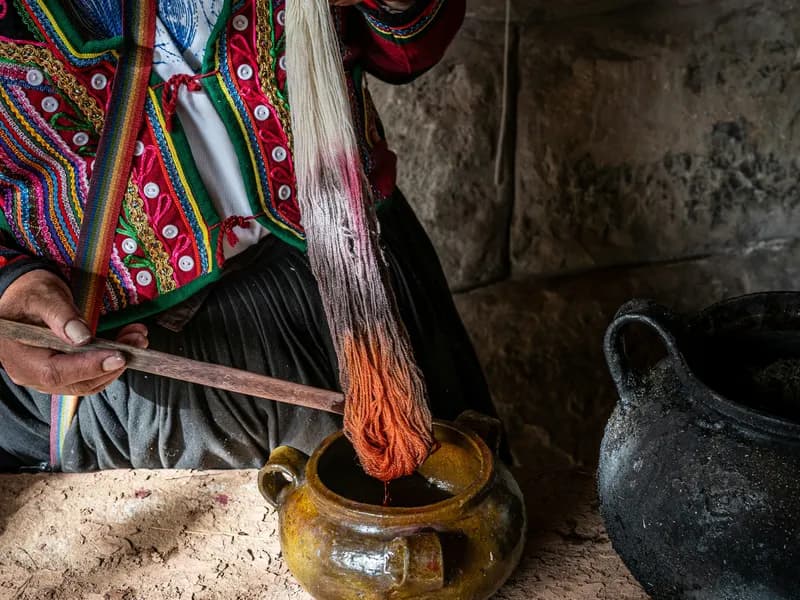
Chinchero Weaving Community
A highland village where Quechua women demonstrate traditional Inca weaving techniques using natural dyes from local plants, insects (cochineal), and minerals. Free demonstrations at community cooperatives — you'll see the full process from raw wool to finished textile. Buying directly supports families (PEN $50-300 per piece). The village also has impressive Inca ruins and a colonial church. Allow 1.5-2 hours.
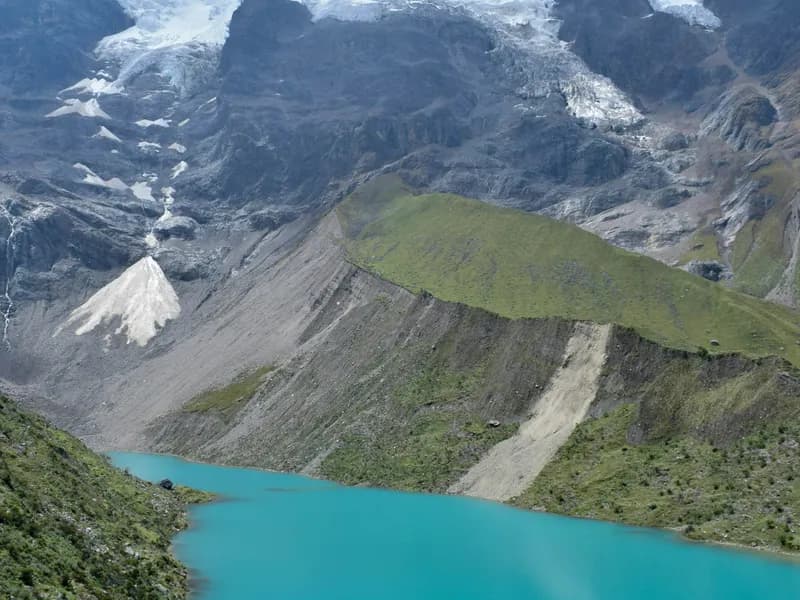
Humantay Lake
A stunning turquoise glacial lake at 4,200m, surrounded by snow-capped peaks — one of the most Instagrammed spots in Peru. Reached via a 3km hike (1.5 hours up, 45 min down) from Soraypampa. Most visitors join a day tour from Cusco (PEN 90-130/~$25-35, includes transport and breakfast). Start at 4AM for the 3-hour drive. The altitude is challenging — acclimatize 2+ days in Cusco first.
Planned Itinerary
7-Day Cusco & Sacred Valley Itinerary
Arrival & Sacred Valley Acclimatization
Fly into Cusco and immediately descend to the Sacred Valley (2,800m) to acclimatize before spending time at Cusco's higher altitude (3,400m).
Arrive at Cusco Airport (CUZ)(1 hour)
Flights from Lima (1.5h). The airport is at 3,400m — you will feel the altitude immediately. Move slowly, breathe deeply. Do not plan strenuous activity today
Transfer to Sacred Valley — Urubamba or Ollantaytambo(1.5 hours)
Colectivo from Calle Pavitos (PEN 10-15, 1.5h) or private taxi (PEN 80-150). Descending 600m to the valley floor helps acclimatization enormously. Stay here 1-2 nights before sleeping in Cusco
Check into Sacred Valley lodging(1 hour)
Budget: KB Tambo Hostel in Ollantaytambo (PEN 40-80); mid-range: Tunupa Lodge Urubamba (PEN 200-350); splurge: Sol y Luna (PEN 800-1,500). The valley air is warmer and easier to breathe
Light lunch at Puka Rumi, Ollantaytambo(1 hour)
Quinoa soup, alpaca steak (PEN 35), coca tea. The coca tea (mate de coca) is essential — drink it freely. Available free at most hotels
Gentle walk through Ollantaytambo town(1 hour)
Stroll the narrow stone streets — the only living Inca town. The irrigation channels still flow. Do not climb the ruins today — save your energy for tomorrow. Buy coca leaves and Sorojchi pills at any pharmacy if altitude is bothering you
Ollantaytambo Fortress & Pisac
Explore the massive Inca fortress of Ollantaytambo and the vibrant Pisac market and archaeological park.
Ollantaytambo Fortress(2.5 hours)
Climb the steep 200-step stairway to the Sun Temple and Wall of the Six Monoliths. Entry with Boleto Turístico (PEN 130/~$35 for multi-site pass, valid 10 days). Open 7AM-5:30PM. The quarry across the valley shows how the massive stones were transported. The town below was the site of Manco Inca's only military victory over the Spanish
Drive to Pisac(45 minutes)
30km east along the valley road. Colectivo PEN 5 or taxi PEN 30-50
Pisac Market(1.5 hours)
Daily market, most vibrant on Sundays when Quechua communities trade. Textiles, alpaca wool, silver jewelry, ceramics. Bargain — start at 40-50% of asking price. The handwoven textiles are the best souvenirs in Peru
Lunch at Mullu Restaurant, Pisac(1 hour)
Organic cafe overlooking the plaza. Quinoa burgers (PEN 25), fresh salads, excellent coffee. Popular with the Pisac expat community
Pisac Archaeological Park(2 hours)
Above the town — impressive Inca terraces, temples, and a massive cemetery carved into the cliff. Included in Boleto Turístico. The terraces seen from the valley floor are only a fraction of what is above. Drive or taxi to the upper entrance and walk down (easier than climbing up)
Moray, Maras & Chinchero
Inca engineering at its most ingenious — circular terraces, ancient salt mines, and traditional weaving.
Moray Terraces(1.5 hours)
Concentric circular terraces descending into the earth — believed to be an Inca agricultural laboratory. Entry with Boleto Turístico. Temperature varies 15°C between top and bottom rings. 50km from Cusco (1.5h drive). Best combined with Maras (7km away)
Maras Salt Mines (Salineras)(1.5 hours)
3,000+ salt pans cascading down a hillside, fed by a natural saltwater spring. In use since pre-Inca times. PEN 10/~$2.70 (separate from Boleto Turístico, now community-owned). Don't step in active pans. Buy artisanal pink salt at entrance shop. Morning light best for photos
Lunch at a local restaurant in Maras village(1 hour)
Simple set lunch (PEN 10-15) at family-run restaurants in the village. Sopa de quinoa, segundo (main dish with rice, potato, meat). Authentic and incredibly cheap
Chinchero Weaving Community(1.5 hours)
Highland village where Quechua women demonstrate traditional Inca weaving — natural dyes from plants, insects (cochineal), and minerals. Free demonstrations at cooperatives. Buying directly supports families (PEN 50-300 per piece). The village has Inca ruins and a colonial church with painted ceilings
Transfer to Cusco(45 minutes)
After 2 nights at lower altitude, you should be better acclimatized for Cusco's 3,400m. Colectivo or taxi from Chinchero
Cusco Historic Center
Explore the UNESCO-listed Inca capital — where Inca stone foundations support Spanish colonial churches and mansions.
Check into Cusco accommodation(1 hour)
Stay in or near the Plaza de Armas. Budget: Pariwana Hostel (PEN 35-60); mid-range: Tierra Viva (PEN 200-350); splurge: Belmond Palacio Nazarenas (PEN 1,500+). Take it easy — you are at 3,400m
Plaza de Armas and Cathedral(1.5 hours)
The main square with the Cathedral of Santo Domingo (PEN 25). Stunning interior with colonial paintings including a famous Last Supper featuring guinea pig. The plaza is surrounded by colonial arcades and was once the Inca ceremonial center of Haucaypata
Qorikancha (Sun Temple)(1 hour)
The most important Inca temple, once covered in gold, now with the Church of Santo Domingo built on top. PEN 15. The precision of Inca stonework — not a knife blade fits between blocks — is astounding. The juxtaposition of Inca and Spanish architecture tells the entire colonial story
Lunch at Cicciolina(1.5 hours)
Upstairs tapas bar on Triunfo street near the plaza. Lamb tapas (PEN 28), ceviche (PEN 35), Peruvian wines. Atmospheric and excellent
San Blas artisan quarter(1.5 hours)
Climb the steep streets to the bohemian neighborhood above the plaza. Art galleries, workshops, and cafes with rooftop views. The San Blas church has a carved wooden pulpit from a single tree trunk (PEN 15). Stop at Limbus Restobar for sunset drinks with panoramic city views
Sacsayhuaman & Cusco Outskirts
The massive Inca fortress above Cusco with stones weighing up to 200 tons, and the surrounding archaeological sites.
Sacsayhuaman(2 hours)
The monumental zigzag fortress walls above Cusco — some stones weigh 200 tons and are fitted without mortar. Boleto Turístico. 15-minute steep walk or taxi from the plaza. The scale is humbling. Allow 2 hours to explore the full complex including the tunnels and throne stone
Qenqo and Tambomachay(1.5 hours)
Nearby archaeological sites included in Boleto Turístico. Qenqo is a limestone rock carved with channels used for ritual purposes. Tambomachay (the Inca bath) has water channels still flowing perfectly after 600 years
Walk downhill back to Cusco(45 minutes)
The walk from Sacsayhuaman back to the plaza is all downhill through the neighborhood of San Cristóbal — stop at the viewpoint for the classic panoramic photo of Cusco's terracotta rooftops
Lunch at San Pedro Market(1 hour)
Cusco's central market. Fresh juice stalls (PEN 3-5 for any combination), soup stalls (PEN 5-8), and full meals for PEN 8-12. Try aji de gallina (creamy chicken in yellow pepper sauce). Chaotic, colorful, authentic
Free afternoon in Cusco(2 hours)
Browse the shops on Plateros street, visit the Inca Museum (PEN 10), or simply sit in the plaza with a coffee and watch the world. Rest — tomorrow may be physical
Humantay Lake Day Trip
Hike to a stunning turquoise glacial lake at 4,200m surrounded by snow-capped peaks — one of Peru's most photographed spots.
Early departure from Cusco(3 hours)
Tours depart 4-5AM (PEN 90-130/~$25-35 includes transport, breakfast, guide). 3-hour drive to Soraypampa (4,000m). Reputable operators: Alpaca Expeditions, Salkantay Trekking. The drive through the Apurímac Valley is scenic
Hike to Humantay Lake(3 hours)
3km hike up (1.5 hours), 45 min down. Altitude is challenging at 4,200m — go slowly, breathe deeply. The turquoise glacial lake beneath snow-capped Humantay peak is extraordinary. Acclimatize 2+ days in Cusco first. Optional horse rental (PEN 40) for the uphill
Late lunch at Jack's Cafe(1 hour)
Near the plaza. Hearty portions — pulled pork sandwich (PEN 28), mac and cheese (PEN 22). A backpacker institution. Good for recovery eating
Evening rest(1.5 hours)
After a 4,200m hike, rest is mandatory. Hot shower, coca tea, early bed
Departure Day
Final morning in Cusco before flying to Lima or your next destination.
Sunrise from San Cristóbal viewpoint(45 minutes)
A short steep walk above the plaza for a panoramic farewell view of Cusco as the sun hits the terracotta rooftops. The mountains glow pink at dawn
Last walk through San Blas(1 hour)
Final browse of artisan shops. Handwoven textiles, silver jewelry, and painted retablos (wooden altarpiece boxes) make excellent souvenirs. Prices are better here than at the airport
Breakfast at The Meeting Place(45 minutes)
Peruvian-international cafe in San Blas. Pancakes (PEN 18), smoothie bowls (PEN 22). Great coffee
Transfer to Cusco Airport (CUZ)(30 minutes)
Taxi PEN 15-25. Airport is in the city. Flights to Lima (1.5h) connect to international departures. Alternatively, take the train to Machu Picchu from Ollantaytambo if extending your trip
14-Day Cusco & Sacred Valley Itinerary
Arrival & Sacred Valley
Fly into Cusco and descend to the Sacred Valley (2,800m) to acclimatize.
Arrive CUZ(1 hour)
From Lima (1.5h). 3,400m — altitude hits immediately. Move slowly
Transfer to Sacred Valley(1.5 hours)
Colectivo PEN 10-15 or taxi PEN 80-150. Descending 600m helps acclimatization
Check in(1 hour)
Budget: KB Tambo Ollantaytambo (PEN 40-80). Mid: Tunupa Lodge (PEN 200-350). Splurge: Sol y Luna (PEN 800-1,500)
Light lunch and coca tea(1 hour)
Coca tea is essential. Quinoa soup, alpaca steak PEN 35
Gentle Ollantaytambo walk(1 hour)
Living Inca town. Stone streets, flowing channels. Don't climb ruins yet
Ollantaytambo & Pisac
Inca fortress and vibrant market.
Ollantaytambo Fortress(2.5 hours)
200-step stairway. Sun Temple. Boleto Turístico PEN 130. Manco Inca's victory site
Pisac Market(1.5 hours)
Textiles, silver, alpaca. Bargain at 40-50%
Mullu lunch(1 hour)
Quinoa burgers PEN 25, organic cafe
Pisac Archaeological Park(2 hours)
Terraces, temples, cliff cemetery. Boleto Turístico. Drive to upper entrance, walk down
Moray, Maras & Chinchero
Circular terraces, ancient salt mines, and traditional weaving.
Moray Terraces(1.5 hours)
Inca agricultural lab. 15°C variation between levels. Boleto Turístico
Maras Salt Mines(1.5 hours)
3,000+ pans. PEN 10. Buy pink salt. Morning light
Maras village lunch(1 hour)
Set lunch PEN 10-15
Chinchero Weaving(1.5 hours)
Natural dyes, cochineal. Free demos. Buy direct PEN 50-300
Cusco Historic Center
UNESCO Inca capital — Inca foundations beneath Spanish colonial churches.
Check into Cusco(1 hour)
Pariwana (PEN 35-60), Tierra Viva (PEN 200-350). Take it easy at 3,400m
Plaza de Armas and Cathedral(1.5 hours)
Cathedral PEN 25. Last Supper with guinea pig painting
Qorikancha(1 hour)
Sun Temple. PEN 15. Inca stonework — not a blade fits between blocks
Cicciolina lunch(1.5 hours)
Tapas bar. Lamb PEN 28, ceviche PEN 35
San Blas quarter(1.5 hours)
Art galleries, workshops. Limbus Restobar for sunset panorama
Sacsayhuaman & Ruins
Massive Inca fortress with 200-ton fitted stones.
Sacsayhuaman(2 hours)
Zigzag walls. Boleto Turístico. 15-min walk from plaza. Tunnels and throne stone
Qenqo and Tambomachay(1.5 hours)
Ritual rock channels. Inca bath with 600-year-old flowing water
Walk to San Cristóbal viewpoint(45 minutes)
Classic panoramic Cusco photo. Terracotta rooftops
San Pedro Market lunch(1 hour)
Juice PEN 3-5, aji de gallina PEN 8-12. Chaotic, authentic
Humantay Lake
Turquoise glacial lake at 4,200m beneath snow peaks.
Early departure(3 hours)
Tours 4-5AM (PEN 90-130). 3h drive to Soraypampa
Hike to Humantay Lake(3 hours)
3km up, 1.5h. Altitude challenging at 4,200m. Horse option PEN 40
Jack's Cafe lunch(1 hour)
Pulled pork PEN 28. Recovery eating
Evening rest(1.5 hours)
Hot shower, coca tea, early bed
Rest Day in Cusco
Recovery after Humantay. Explore at your own pace.
Cusco walking — Hatunrumiyoc stone(1 hour)
Find the famous 12-angled stone in an Inca wall on Hatunrumiyoc street. The precision of the 12 angles fitting perfectly is extraordinary. Free to view
Inca Museum(1 hour)
PEN 10. Excellent collection of Inca artifacts, textiles, and mummies
Lunch at Morena Peruvian Kitchen(1.5 hours)
Modern Peruvian cuisine. Causa (layered potato and seafood, PEN 30), lomo saltado (PEN 35). Creative cocktails
Dinner at Chicha by Gastón Acurio(2 hours)
Peru's most famous chef's Cusco restaurant. Regional Andean cuisine elevated: rocoto relleno (stuffed pepper, PEN 42), alpaca in mole (PEN 55). Reservations essential. Worth the splurge
Machu Picchu Day
The iconic Inca citadel — train from Ollantaytambo, guided tour of the ruins, and the experience of a lifetime.
Early train from Ollantaytambo to Aguas Calientes(2 hours)
PeruRail or IncaRail from Ollantaytambo (1.5-2h, $60-80 each way). Book well ahead at perurail.com. The 6AM departure gets you to Machu Picchu by opening. Take a taxi from Cusco to Ollantaytambo at 4AM or stay overnight near the station
Bus from Aguas Calientes to Machu Picchu(30 minutes)
$24 round trip. 25-minute winding road up the mountain. Buy tickets at consettur.com. Or walk up (1.5h, steep). The first view as you enter the citadel gate is unforgettable
Guided tour of Machu Picchu(3 hours)
Entry: PEN 152 (~$40) for adults. Must be booked with a time slot and circuit at machupicchu.gob.pe. A guide ($20-40 for group, $80-150 private) transforms the experience — they explain the Inca engineering, astronomy alignments, and the mystery of why this city was abandoned. Circuit 1 or 2 includes the iconic Sun Gate viewpoint
Lunch in Aguas Calientes(1 hour)
The town is touristy but Indio Feliz (French-Peruvian, PEN 45-65 set menu) is genuinely excellent
Return train to Ollantaytambo and taxi to Cusco(3 hours)
Afternoon trains depart 1-6PM. Arrive Ollantaytambo and taxi to Cusco (PEN 80-150, 1.5h). A very long but unforgettable day
Recovery Day
After the Machu Picchu marathon, a full rest day in Cusco.
Late brunch at The Meeting Place(1 hour)
San Blas. Pancakes PEN 18, smoothie bowls PEN 22
Afternoon wandering(2 hours)
Cusco rewards aimless walking. Duck into churches, courtyards, and chocolate shops. The Museo del Chocolate on Garcilaso street has free tastings
Evening at Paddy's Irish Pub(1.5 hours)
Plaza de Armas. The balcony has the best plaza views in Cusco. Pisco sours PEN 20. Live music most nights. A traveler institution
Rainbow Mountain
Hike to Vinicunca (Rainbow Mountain) — striped mineral deposits creating vivid bands of color at 5,200m.
Rainbow Mountain tour(12 hours)
Tours depart 3-4AM (PEN 70-120). 3h drive to trailhead. The hike is 7km round trip but at 5,200m — extremely challenging. Horse option for most of the ascent (PEN 60-80). The striped colors come from mineral deposits — the mountain was only discovered (under ice) in 2015. Go only if well-acclimatized. Bring warm layers, sunscreen, coca leaves
Early bed(1 hour)
This is the hardest physical day of the trip
Cooking Class & Market Tour
Hands-on Peruvian cooking after a guided tour of San Pedro Market.
San Pedro Market guided tour(1.5 hours)
Several cooking schools include a market tour. Learn about Peruvian ingredients — hundreds of potato varieties, aji peppers, exotic fruits. Taste as you go. The juice stalls alone are worth the visit
Peruvian cooking class(3 hours)
Learn ceviche, lomo saltado, and causa. PEN 100-200 ($27-55) including market tour, ingredients, and pisco sour cocktail class. Cusco Culinary and Marcelo Batata are well-reviewed. You eat everything you cook
Dinner at MAP Cafe(2 hours)
Inside the Museo de Arte Precolombino. Glass-ceilinged dining in a colonial courtyard. Contemporary Peruvian cuisine PEN 45-80 per dish. Artistic presentation matching the museum setting
Second Sacred Valley Day — Tipón & Pikillacta
Explore the less-visited sites east of Cusco — Inca water engineering at Tipón and a pre-Inca Wari city.
Tipón(2 hours)
Inca aqueducts and terraces with water channels still functioning perfectly after 600 years. PEN 10 or Boleto Turístico. 23km from Cusco. Far fewer visitors than Sacsayhuaman. The water engineering is the most impressive Inca hydraulics anywhere
Pikillacta(1.5 hours)
A massive pre-Inca Wari empire city (600-1000 AD). Adobe walls of a planned urban grid covering 47 hectares. Boleto Turístico. Eerie and atmospheric — the scale suggests a major administrative center. Almost no tourists
Lunch at cuy restaurant in Tipón(1.5 hours)
The road to Tipón is Cusco's cuy (guinea pig) restaurant row. Try the roasted cuy (PEN 60-80) — it is crispy-skinned and delicious, considered a delicacy. Cuyería Sumac is well-known
Farewell Cusco
Last full day — revisit favorites, shop for souvenirs, and absorb this extraordinary city.
Final San Blas shopping(1.5 hours)
Textiles, silver, retablos. Better prices than airport
Afternoon free(2 hours)
Sit in the plaza, drink pisco sours, and watch the mountain light change on the colonial facades
Farewell dinner at Chicha(2 hours)
One last Gastón Acurio meal. Alpaca, rocoto, and pisco
Departure Day
Final morning before flying to Lima.
Transfer to CUZ airport(30 minutes)
Taxi PEN 15-25. Flights to Lima connect internationally. Or train to Machu Picchu if extending
21-Day Cusco & Sacred Valley Itinerary
Arrival & Sacred Valley
Fly into Cusco, descend to Sacred Valley (2,800m) to acclimatize.
Arrive CUZ(1 hour)
From Lima 1.5h. 3,400m — move slowly. Coca tea
Transfer to valley(1.5 hours)
Colectivo PEN 10-15 or taxi PEN 80-150
Check in(1 hour)
KB Tambo (PEN 40-80), Tunupa Lodge (PEN 200-350), Sol y Luna (PEN 800-1,500)
Light lunch(1 hour)
Quinoa soup, coca tea
Gentle Ollantaytambo walk(1 hour)
Living Inca town. Don't climb ruins yet
Ollantaytambo & Pisac
Inca fortress and vibrant market.
Ollantaytambo Fortress(2.5 hours)
Boleto Turístico PEN 130. Sun Temple, Six Monoliths. 200 steps
Pisac Market(1.5 hours)
Bargain at 40-50%. Best textiles in Peru
Mullu lunch(1 hour)
Quinoa burgers PEN 25
Pisac ruins(2 hours)
Terraces, cliff cemetery. Drive to upper entrance, walk down
Moray, Maras & Chinchero
Circular terraces, salt mines, and weaving.
Moray(1.5 hours)
Inca agricultural lab. 15°C variation. Boleto Turístico
Maras Salt Mines(1.5 hours)
3,000+ pans. PEN 10. Buy pink salt
Maras village lunch(1 hour)
Set lunch PEN 10-15
Chinchero Weaving(1.5 hours)
Natural dyes. Free demos. Direct purchase PEN 50-300
Cusco Historic Center
Inca-Spanish layers in the UNESCO capital.
Check in(1 hour)
Pariwana PEN 35-60, Tierra Viva PEN 200-350
Cathedral and Plaza(1.5 hours)
PEN 25. Last Supper with guinea pig
Qorikancha(1 hour)
PEN 15. Inca stonework perfection
Cicciolina lunch(1.5 hours)
Tapas. Lamb PEN 28, ceviche PEN 35
San Blas quarter(1.5 hours)
Galleries, Limbus for sunset
Sacsayhuaman & Sites
200-ton fitted stones above Cusco.
Sacsayhuaman(2 hours)
Zigzag walls. Boleto Turístico. Tunnels, throne stone
Qenqo and Tambomachay(1.5 hours)
Ritual channels. 600-year-old flowing water
San Pedro Market lunch(1 hour)
Juice PEN 3-5, aji de gallina PEN 8-12
Humantay Lake
Turquoise glacial lake at 4,200m.
Tour departure(3 hours)
4-5AM (PEN 90-130). 3h drive
Hike to lake(3 hours)
3km up. Horse option PEN 40
Jack's Cafe(1 hour)
PEN 28. Recovery
Rest Day Cusco
Recovery and gentle exploration.
12-angled stone(1 hour)
Hatunrumiyoc street. Free. Extraordinary precision
Inca Museum(1 hour)
PEN 10. Textiles, mummies
Morena lunch(1.5 hours)
Causa PEN 30, lomo saltado PEN 35
Chicha dinner(2 hours)
Gastón Acurio. Rocoto relleno PEN 42, alpaca PEN 55. Reserve
Machu Picchu
The iconic Inca citadel — train, bus, and guided tour.
Train to Aguas Calientes(2 hours)
PeruRail from Ollantaytambo $60-80 each way. 6AM departure. Taxi from Cusco at 4AM
Bus to Machu Picchu(30 minutes)
$24 round trip. consettur.com
Guided tour(3 hours)
PEN 152 entry. Guide $20-40 group, $80-150 private. Book time slot at machupicchu.gob.pe
Indio Feliz lunch in Aguas Calientes(1 hour)
French-Peruvian. PEN 45-65 set menu
Recovery Day
Full rest after Machu Picchu.
Meeting Place brunch(1 hour)
Pancakes PEN 18
Afternoon wandering(2 hours)
Churches, chocolate shops (Museo del Chocolate — free tastings)
Paddy's Irish Pub(1.5 hours)
Best plaza balcony. Pisco sours PEN 20. Live music
Rainbow Mountain
Vinicunca at 5,200m — striped mineral colors.
Rainbow Mountain tour(12 hours)
3-4AM departure (PEN 70-120). 7km round trip at 5,200m. Horse PEN 60-80. Discovered under ice in 2015. Warm layers, sunscreen, coca leaves
Cooking Class & Market
San Pedro Market tour and Peruvian cooking class.
Market tour(1.5 hours)
Hundreds of potato varieties, aji peppers, exotic fruits
Cooking class(3 hours)
PEN 100-200. Ceviche, lomo saltado, causa, pisco sour
MAP Cafe dinner(2 hours)
In Museo de Arte Precolombino. PEN 45-80. Glass ceiling courtyard
Tipón & Pikillacta
Inca water engineering and a pre-Inca Wari city.
Tipón(2 hours)
Functioning 600-year-old aqueducts. PEN 10 or Boleto. Few visitors
Pikillacta(1.5 hours)
Wari empire city (600-1000 AD). 47-hectare grid. Boleto Turístico. Almost no tourists
Cuy lunch near Tipón(1.5 hours)
Guinea pig restaurant row. Roasted cuy PEN 60-80. Cuyería Sumac
Third Rest Day
Gentle Cusco day.
Machu Picchu — Second Day (Huayna Picchu)
Return to Machu Picchu to climb Huayna Picchu — the iconic peak behind the citadel.
Train to Aguas Calientes(2 hours)
Same route as day 8. Book separate Huayna Picchu entry ($200 total with Machu Picchu + HP. Only 400 permits/day — book months ahead at machupicchu.gob.pe)
Huayna Picchu climb(3 hours)
Steep, narrow trail with chains and ladders to the peak that looms behind Machu Picchu in every photo. 2km round trip, 360m gain. Vertigo-inducing but the view down over the citadel is the ultimate photo. Start 7AM (timed entry). Not for those afraid of heights
Explore Machu Picchu areas missed on day 8(1.5 hours)
The Inca Bridge (short walk along cliff edge), the agricultural sector, and the quarry area are often overlooked on first visits
Recovery & Textile Museum
Rest after the second Machu Picchu visit and explore Cusco's textile heritage.
Centro de Textiles Tradicionales del Cusco(1.5 hours)
Free museum and shop on Av. El Sol. Demonstrations of Andean weaving techniques. The textiles here are museum-quality and fair-trade priced. Excellent place to understand the complexity of Inca textile traditions
Lunch at Calle del Medio(1.5 hours)
Balcony restaurant on the plaza. Alpaca steak PEN 45, cocktails. The second-floor balcony view of the plaza is excellent
Afternoon at Museo de Arte Precolombino (MAP)(1.5 hours)
PEN 20. Curated collection of pre-Columbian art in a colonial mansion. The gold room and Nazca ceramics are outstanding. English audio guide available
Ollantaytambo Deep Dive
Return to Ollantaytambo for a deeper exploration — the storehouses, quarry, and surrounding villages.
Temple of the Condor and storehouses(2 hours)
Climb above the main fortress to the storehouses (qollqas) on the mountain behind. The views over the valley are extraordinary and you will likely be alone up there. The condor-shaped rock formation is impressive
Walk to the quarry across the valley(1.5 hours)
The Inca quarry at Cachicata is visible from the fortress. A 2km walk across the valley floor to see the massive stones that were being transported when the Spanish arrived — some are still on the ancient ramp. Free
Lunch at Hearts Cafe(1 hour)
Social enterprise cafe in Ollantaytambo. Profits fund community projects. Good soups, salads, and coffee (PEN 15-30)
Fourth Rest Day
Deep rest. Nearly three weeks at altitude — your body needs it.
Ausangate Trek Day — Hot Springs
Day hike in the Ausangate mountain range with natural hot springs — a taste of the multi-day Ausangate circuit.
Drive to Pacchanta(3 hours)
Join a tour (PEN 80-130) or hire a taxi (PEN 300-400). 3h drive south of Cusco through increasingly dramatic mountain scenery
Hike to Ausangate base area(3 hours)
Moderate hike at 4,300-4,600m through grasslands with Ausangate glacier (6,384m) dominating the skyline. Vicuñas, alpacas, and traditional herding communities. The landscape is vast and wild. Carry warm layers and coca leaves
Hot springs soak at Pacchanta(1.5 hours)
Natural hot springs at the base of the mountain (PEN 5-10). Soak in warm water while staring at a 6,000m glacial peak. One of Peru's most spectacular natural hot spring settings
Cusco Street Art & Local Life
Explore the less-touristed neighborhoods and Cusco's contemporary culture.
San Pedro neighborhood walk(2 hours)
The streets around San Pedro Market have vibrant street art, local markets, and a completely different vibe from the tourist center. Hardware shops, bakeries, and juice stands — the real Cusco
Chocolate Museum and tasting(1.5 hours)
The ChocoMuseo on Garcilaso offers free tastings and chocolate-making workshops (PEN 80-100 for full workshop). Peruvian cacao is world-class
Lunch at Pachapapa in San Blas(1.5 hours)
Courtyard restaurant with wood-fired oven. Cuy al horno (PEN 55), rocoto relleno (PEN 25). Traditional Cusqueño cuisine in a beautiful setting
Afternoon at Mercado de Wanchaq(1 hour)
The local market (not the tourist one). Where Cusqueños actually shop. Incredible variety of potatoes, grains, and dried goods. Zero tourists. Bring camera but ask before photographing people
Farewell Cusco
Last full day — final shopping, favorite revisits, and farewell dinner.
Final San Blas shopping(2 hours)
Last chance for textiles, silver, retablos
Afternoon at the plaza(2 hours)
Pisco sours, mountain light on colonial facades
Farewell dinner at Chicha(2 hours)
Final Gastón Acurio meal. Alpaca, pisco, and Andean flavors you will dream about
Departure Day
Final morning in Cusco.
Transfer to CUZ(30 minutes)
Taxi PEN 15-25. Flights to Lima connect internationally
Travel Tips
Safety
Altitude Sickness Is the Biggest Risk
Cusco sits at 3,400m — most visitors feel symptoms (headache, nausea, fatigue). Spend your first 1-2 days at lower altitude in the Sacred Valley (2,800m) before sleeping in Cusco. Drink coca tea (mate de coca), available everywhere for free. Avoid alcohol and heavy food on arrival. Pharmacies sell Sorojchi pills (acetazolamide) over the counter. If symptoms worsen after 48 hours, descend immediately.
Watch for Fake Tour Agencies in Cusco
Plaza de Armas is full of unlicensed tour touts offering impossibly cheap Machu Picchu and trekking packages. Some are scams, others cut corners dangerously (no emergency oxygen, inadequate gear). Only book with licensed agencies — check DIRCETUR registration. Reputable operators: Alpaca Expeditions, Salkantay Trekking, Explorandes. Pay more, trek safer.
Budget
Boleto Turístico Saves Money on Sites
The Boleto Turístico (PEN 130/~$35) is a multi-site pass covering 16 archaeological sites and museums around Cusco and the Sacred Valley, including Ollantaytambo, Pisac, Moray, and Sacsayhuaman. Valid for 10 days. There are also partial tickets (PEN 70) covering subsets. Buy at the COSITUC office on Avenida El Sol or at any included site. Some sites like Maras and Qorikancha are NOT included.
transport
Colectivos Are Cheap — Taxis Are Negotiable
Shared minivans (colectivos) run constantly between Cusco, Pisac, Urubamba, and Ollantaytambo for PEN 5-15 (~$1.50-4). Depart from Cusco's Calle Pavitos. Much cheaper than taxis (PEN 80-150 to Sacred Valley). Within Cusco, taxis are metered or negotiated — agree on price before getting in. Uber works in Cusco and is often 30% cheaper than street taxis.
Local Customs
Bargaining and Tipping Etiquette
Bargaining is expected at markets (Pisac, San Pedro in Cusco) but not in shops with fixed prices. Start at 40-50% of the asking price and negotiate cheerfully. For restaurants, a 10% tip is standard (not always included). For guides, tip PEN 30-50/day for group tours, PEN 80-150/day for private guides. Porters on treks should receive PEN 20-30/day minimum.
Visa & Entry
Most Nationalities Get 183 Days Visa-Free
US, Canadian, EU, UK, and Australian citizens enter Peru visa-free for up to 183 days. You'll receive a tourist card (TAM) at immigration — keep it for departure. No vaccination certificates are required for Cusco but yellow fever is recommended if visiting the jungle (Manu, Tambopata). Your passport must be valid for at least 6 months beyond your stay.
Ready to explore Cusco & Sacred Valley?
Get AI-powered recommendations for your trip
Plan a Trip to Cusco & Sacred ValleyRelated Articles
Travel Guides9 Unmissable Stops in Cusco & the Sacred Valley — And How to Do Each One Right
Most travelers rush through Cusco on the way to Machu Picchu. Here are the 9 Sacred Valley stops worth slowing down for — and the small moves that make each one count.
Travel GuidesThe Complete Guide to Cusco & the Sacred Valley — 2026 Edition
Inca fortresses, rainbow mountains, salt mines, and the world's best ceviche. Everything you need to plan Peru's most iconic trip.
StoriesAsk a Cusco Local: What the Tour Agencies Won't Tell You
Carmen has lived in the Sacred Valley for 28 years. She has opinions about altitude sickness, fake guides, and which ruins are worth your time.
SeasonalCusco in May: Green Valleys, Clear Skies, and the Inca Sites Without Crowds
The rains have stopped, the hillsides are emerald, and the tour buses haven't arrived yet. May is Cusco's perfect window.