
Gyeongju

Key Facts
Best Time to Visit
Late March to May (cherry blossom peak in early April) and October to November (autumn foliage, cool weather)
Language
Korean; English limited outside major tourist sites — download Papago translator app
Currency
South Korean Won (KRW)
Time Zone
KST (UTC+9)
Airport
Nearest: Gimhae International Airport (PUS) in Busan — 1 hour by bus or train to Gyeongju
Population
~250,000 (city proper)
Climate
Humid continental, avg 0-27°C; cold dry winters, warm humid summers; most comfortable in spring and autumn
Safety Rating
Very Safe (Level 1)
UNESCO Status
Gyeongju Historic Areas is a UNESCO World Heritage Site; often called 'the museum without walls' for its density of Silla-era relics
Top Highlights
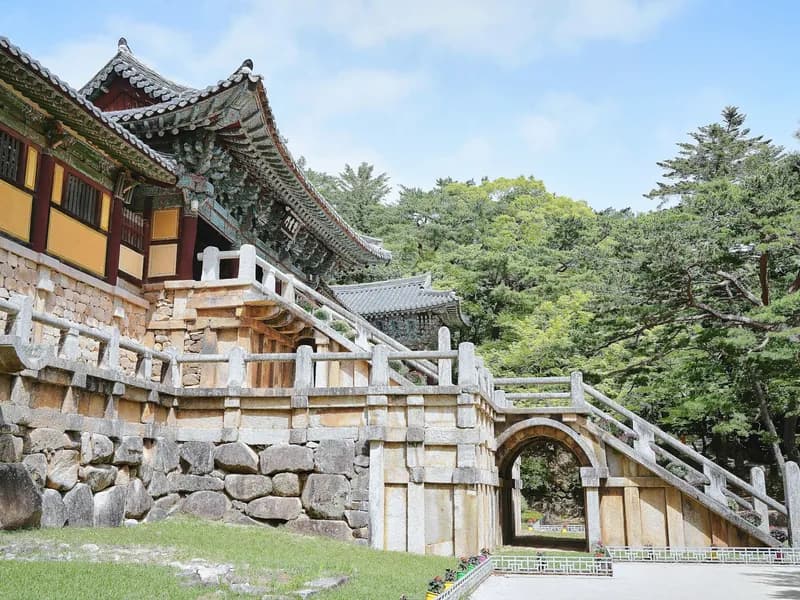
Bulguksa Temple
Korea's most celebrated Buddhist temple, built in 528 and rebuilt in 774 during the Silla dynasty's golden age. UNESCO World Heritage Site. Entry: 6,000 KRW. Open 7AM-6PM (5:30PM winter). The Dabotap and Seokgatap stone pagodas are national treasures. Autumn foliage here is extraordinary. 16km from central Gyeongju by bus 10 or 11 (40 min). Allow 1.5-2 hours.
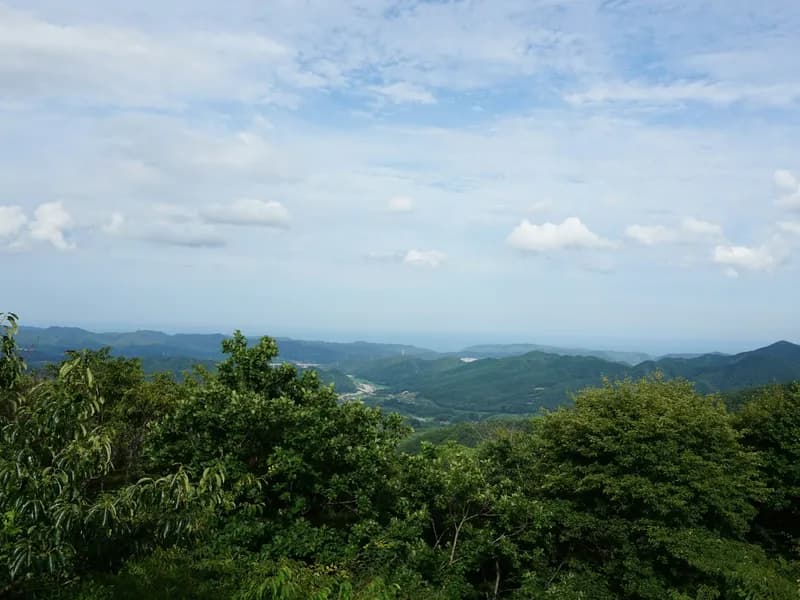
Seokguram Grotto
An 8th-century artificial stone grotto housing a 3.5m seated Buddha, considered a masterpiece of Buddhist art in East Asia. UNESCO World Heritage Site. Entry: 6,000 KRW. Open 6:30AM-6PM. Located on Mt. Tohamsan above Bulguksa — shuttle bus (3,000 KRW round trip) or 3km uphill walk from Bulguksa. Photography of the main Buddha is prohibited. Allow 1 hour.
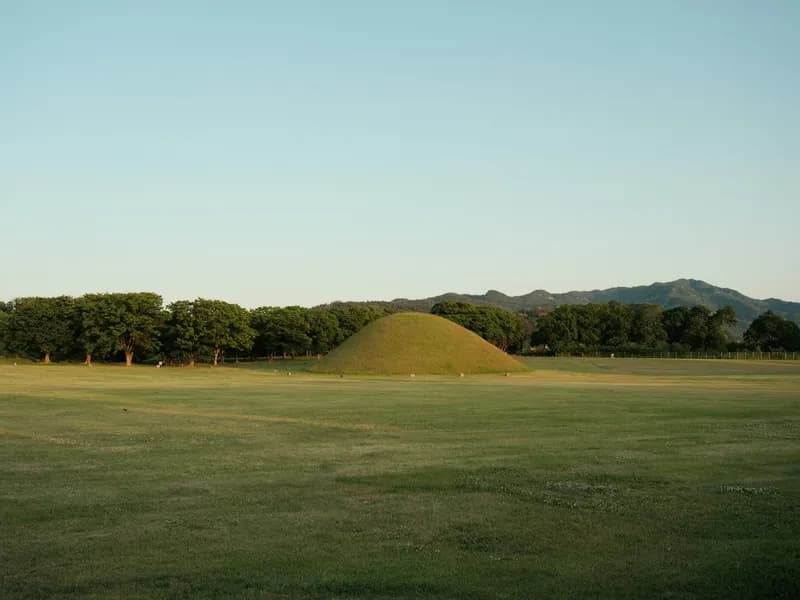
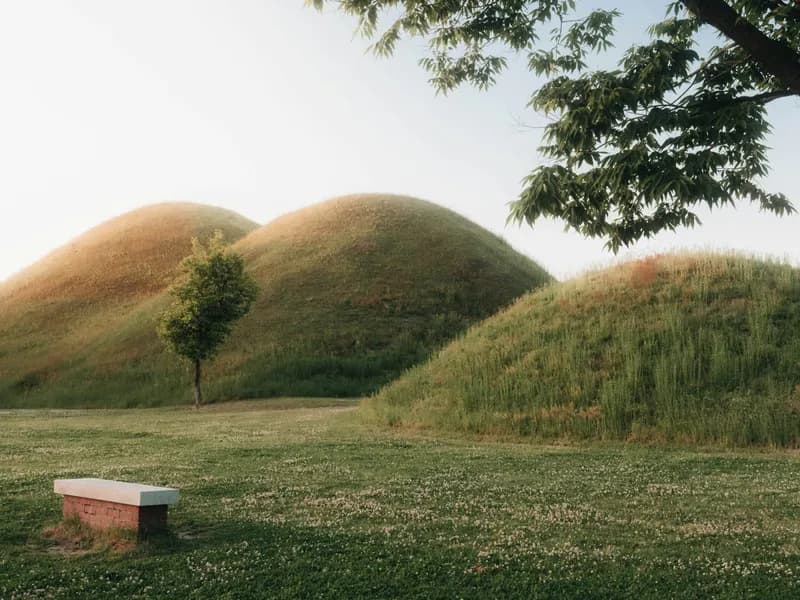
Tumuli Park (Daereungwon)
A sprawling park of 23 grass-covered royal burial mounds from the Silla dynasty, right in the city center. Entry: 3,000 KRW. Open 9AM-10PM. Cheonmachong (Heavenly Horse Tomb) is open to enter — see replicas of gold crowns and the famous painted mudguard. The mounds are beautifully lit at night. Cherry blossoms around the perimeter in April. Allow 1-1.5 hours.
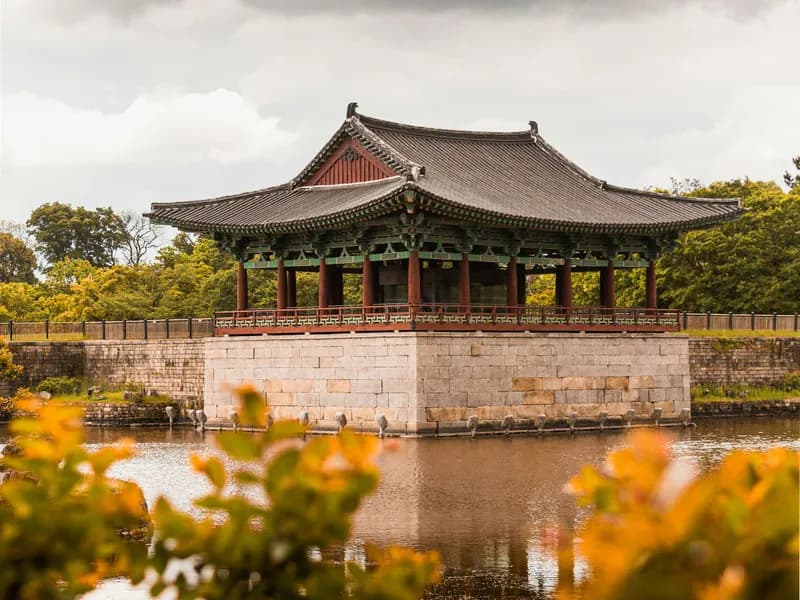
Donggung Palace & Wolji Pond (Anapji)
A reconstructed Silla royal palace with a stunning reflective lotus pond, most magical at night when the buildings are illuminated and reflected in the water. Entry: 3,000 KRW. Open 9AM-10PM (last entry 9:30PM). Night visits are far superior to daytime. Over 30,000 artifacts were recovered from the pond. 10-minute walk from Tumuli Park. Allow 45 minutes.
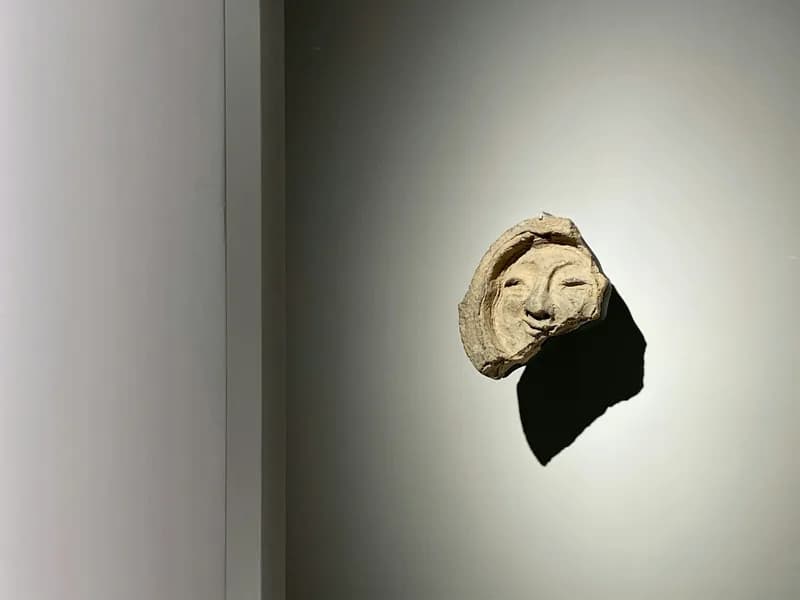
Gyeongju National Museum
Houses the finest collection of Silla-era artifacts including the legendary Emille Bell (8th century, one of Asia's largest bronze bells), gold crowns, and Buddhist art. Free admission. Open 10AM-6PM (9PM on Saturdays). Allow 1.5-2 hours. The outdoor garden has pagodas and stone sculptures. 5-minute walk from Wolji Pond.
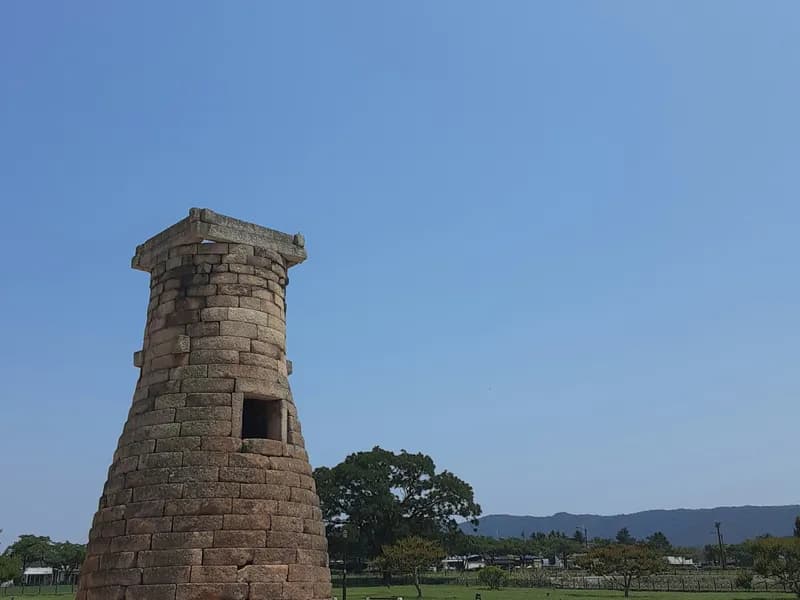
Cheomseongdae Observatory
The oldest surviving astronomical observatory in East Asia, built circa 647 during Queen Seondeok's reign. The bottle-shaped stone tower is only 9.4m tall but is a national treasure and Gyeongju's unofficial symbol. Free exterior viewing. Beautifully set in an open field surrounded by wildflowers. Best combined with a walk from Tumuli Park. Allow 20 minutes.
Namsan Mountain Hiking
A sacred mountain with over 100 Buddhist stone carvings, pagodas, and temple ruins scattered along its trails. Multiple routes from 2-4 hours. The Seoak Valley trail to the Seated Stone Buddha is the most popular (2 hours round trip). Free. Wear proper hiking shoes. Combined with Poseokjeong (ancient Silla banquet site). A full day for serious hikers.
Planned Itinerary
7-Day Gyeongju Itinerary
Arrival & Tumuli Park Evening
Arrive in the ancient Silla capital and explore the royal burial mounds at night when they're beautifully lit.
Arrive in Gyeongju(varies)
KTX from Seoul to Singyeongju (2 hrs, ~50,000 KRW) then bus 50/51 (20 min). Or Mugunghwa train from Busan (1 hr, ~6,000 KRW) direct to Gyeongju Station
Check-in near Tumuli Park area(30 minutes)
Guesthouses from 30,000 KRW, hanok stays from 50,000 KRW
Rent a bicycle(15 minutes)
5,000-10,000 KRW/day near bus terminal. Central Gyeongju is flat and compact
Tumuli Park (Daereungwon) evening visit(1 hour)
3,000 KRW. 23 grass-covered royal mounds lit beautifully at night. Open until 10PM. Enter Cheonmachong (Heavenly Horse Tomb) to see gold crown replicas
Dinner near the park(45 minutes)
Try Gyeongju-ppang (찰보리빵) barley bread from local bakeries — the signature souvenir
Bulguksa Temple & Seokguram Grotto
Korea's most celebrated temple and its masterpiece grotto Buddha — both UNESCO sites.
Bus 10/11 to Bulguksa Temple(40 minutes)
1,500 KRW. Departs from central Gyeongju
Bulguksa Temple(1.5 hours)
6,000 KRW. Built 528 CE, rebuilt 774. Dabotap and Seokgatap pagodas are national treasures. Autumn foliage extraordinary. Allow 1.5-2 hours
Shuttle bus to Seokguram Grotto(15 minutes)
3,000 KRW round trip from Bulguksa. Or 3km uphill walk
Seokguram Grotto(1 hour)
6,000 KRW. 8th-century artificial stone grotto with masterpiece 3.5m seated Buddha. Photography of main Buddha prohibited. UNESCO site
Lunch near Bulguksa(45 minutes)
Restaurants near the temple serve ssambap (wrap rice) and temple food sets from 8,000 KRW
Central Historic Sites by Bicycle
Cycle between Gyeongju's compact central sites — observatory, pond, and museum.
Cheomseongdae Observatory(20 minutes)
East Asia's oldest astronomical observatory (647 CE). 9.4m stone tower. Free exterior. In an open field with wildflowers
Donggung Palace & Wolji Pond (Anapji)(45 minutes)
3,000 KRW. Silla royal palace with reflective lotus pond. Night visits far superior — illuminated buildings reflected in water. Open until 10PM
Gyeongju National Museum(1.5 hours)
Free. Emille Bell (8th century), gold crowns, Buddhist art. Outdoor garden with pagodas. Open until 9PM on Saturdays
Lunch at a local restaurant(45 minutes)
Try Gyeongju-style ssambap or traditional Korean bibimbap from 8,000 KRW
Evening: Wolji Pond night visit(45 minutes)
Return at dusk for the magical night illumination. Last entry 9:30PM. One of Korea's most beautiful scenes
Namsan Mountain Hiking
A sacred mountain covered with Buddhist stone carvings, pagodas, and temple ruins.
Namsan Mountain hike — Seoak Valley trail(3 hours)
The most popular route to Seated Stone Buddha. 2 hours round trip. Free. Over 100 Buddhist carvings scattered on the mountain
Poseokjeong Banquet Site(30 minutes)
1,000 KRW. Ancient Silla royal garden with a curved water channel used for poetry drinking games. Small but historically significant
Afternoon free(flexible)
Rest or explore Gyeongju's quieter neighborhoods by bicycle
Dinner: Korean BBQ(1 hour)
Bulgogi or samgyeopsal at a local restaurant from 12,000 KRW per person
Rest Day — Bomun Lake & Leisure
Relaxed day at the resort lake area east of the historic center.
Cycle to Bomun Lake area(20 minutes)
4km east of center. Lakeside cycling path, hotels, and gardens
Bomun Lake walking path(1.5 hours)
Free. 8km lakeside path. Cherry blossoms in early April are spectacular. Pleasant year-round
Gyeongju World Culture Expo Park(1 hour)
Free grounds. Cultural exhibitions and Silla-themed displays. The Gyeongju Tower offers views
Yangdong Village & Oksan Academy
Visit a UNESCO-listed traditional village and Confucian academy outside the city center.
Bus to Yangdong Folk Village(30 minutes)
Free entry. UNESCO World Heritage Site. 150+ traditional houses from the Joseon period still inhabited. Authentic living heritage village — not a tourist reconstruction
Walk through the village terraces(1.5 hours)
The village sits on hillsides around a valley. The oldest house (Mucheomdang) is 500 years old. Visit in the morning for best light and fewer visitors
Lunch at Yangdong village restaurant(45 minutes)
Simple Korean meals at community restaurants. From 7,000 KRW
Oksan Seowon (Confucian Academy)(45 minutes)
UNESCO-listed Joseon-era academy in a beautiful mountain setting. Free. Peaceful gardens and study halls
Departure Day
Final morning in Gyeongju.
Last Gyeongju-ppang shopping(30 minutes)
Hwangnam Bread (red bean bread, 25,000 KRW for a box) is the classic souvenir from the bakery near Tumuli Park
Return bicycle and depart(varies)
KTX from Singyeongju to Seoul (2 hrs) or train to Busan (1 hr) for flights
14-Day Gyeongju Itinerary
Arrival & Tumuli Park Evening
Arrive in the ancient Silla capital.
Arrive in Gyeongju(varies)
KTX from Seoul (2 hrs) or train from Busan (1 hr)
Rent bicycle(15 minutes)
5,000-10,000 KRW/day
Tumuli Park night visit(1 hour)
3,000 KRW. Lit mounds until 10PM
Bulguksa & Seokguram
UNESCO temple and grotto.
Bulguksa Temple(1.5 hours)
6,000 KRW
Shuttle to Seokguram(15 minutes)
3,000 KRW
Seokguram Grotto(1 hour)
6,000 KRW
Central Sites by Bicycle
Observatory, pond, museum.
Cheomseongdae(20 minutes)
Free
Wolji Pond(45 minutes)
3,000 KRW. Night visit later
National Museum(1.5 hours)
Free
Namsan Mountain
Sacred Buddhist mountain.
Seoak Valley hike(3 hours)
Free. 100+ carvings
Poseokjeong(30 minutes)
1,000 KRW
Rest Day — Bomun Lake
Lake resort area.
Bomun Lake cycling(1.5 hours)
Free. Cherry blossoms in April
Yangdong Village
UNESCO traditional village.
Bus to Yangdong(30 minutes)
Free entry. UNESCO
Oksan Seowon(45 minutes)
Free. Confucian academy
Day Trip to Busan
Quick train to Korea's beach city.
Train to Busan(1 hour)
6,000 KRW
Gamcheon Culture Village(1.5 hours)
Colorful hillside art village. Free. Often called Korea's Santorini
Jagalchi Fish Market lunch(1 hour)
Korea's largest seafood market. Hoe (raw fish) from 20,000 KRW for a platter. Pick your fish, they prepare it fresh
Haeundae Beach walk(1 hour)
Korea's most famous beach. Walk the Dongbaek Island coastal trail (free) for ocean views
Day Trip to Ulsan — Whale Culture & Petroglyphs
Visit Korea's industrial city for surprising cultural treasures.
Bangudae Petroglyphs(1 hour)
National Treasure. Prehistoric rock carvings of whales and animals. Museum nearby. Free
Ulsan Whale Museum(1 hour)
2,000 KRW. The region was Korea's whaling center. Fascinating marine history
Lunch: Ulsan gopchang (grilled intestines)(1 hour)
Ulsan's signature dish. Gopchang Street near downtown from 12,000 KRW
Rest Day — Temple Stay
Optional overnight or day temple stay at Bulguksa area.
Temple stay program(4 hours)
Day or overnight programs at Golgulsa or Bulguksa temples. From 50,000 KRW. Tea ceremony, meditation, prayer, temple food. Book at templestay.com
Buddhist vegetarian lunch(1 hour)
Temple food is an art in Korea. Multi-course meal from temple kitchen
Girimsa Temple & Mountain Drive
Visit the grand Silla temple complex in the mountains east of Gyeongju.
Drive/bus to Girimsa Temple(40 minutes)
3,000 KRW. One of Silla's largest temple complexes, less touristy than Bulguksa. Mountain setting with old-growth forest
Girimsa temple walk(1.5 hours)
Multiple halls and pagodas. The main hall houses a massive Vairocana Buddha
Mountain trail behind the temple(1 hour)
Free. Forest walk with fewer visitors
Pottery & Crafts Day
Explore Gyeongju's artistic heritage.
Silla-era pottery workshop(2 hours)
Hands-on pottery class making Silla-style stoneware. From 15,000 KRW. Near the hanok village area
Gyeongju Arts Center(1 hour)
Rotating exhibitions of Korean art. Check schedule for performances
Traditional market browsing(1 hour)
Gyeongju Jungang Market has local produce, snacks, and souvenir shops. Try the hotteok (sweet pancakes)
Rest Day — Hot Spring
Relax at one of the area's hot springs.
Gyeongju Hilton Spa or Kolon Hotel hot springs(2 hours)
Day-use onsen from 15,000 KRW. The Bomun area has several hot spring hotels
Farewell Day — Final Explorations
Last full day in Gyeongju.
Sunrise at Tumuli Park(45 minutes)
The mounds in morning mist are ethereal
Final souvenir shopping(45 minutes)
Hwangnam Bread, Gyeongju-ppang, Silla-themed crafts
Last lunch — galbi or samgyetang(1 hour)
End with a Korean feast. Samgyetang (ginseng chicken soup) from 15,000 KRW
Departure Day
Final morning in Gyeongju.
Train to Busan or Seoul(varies)
Singyeongju KTX to Seoul (2 hrs) or Busan for flights (1 hr)
21-Day Gyeongju Itinerary
Arrival & Tumuli Park
Arrive in the Silla capital.
Tumuli Park night(1 hour)
3,000 KRW
Bulguksa & Seokguram
UNESCO temple and grotto.
Bulguksa(1.5 hours)
6,000 KRW
Seokguram(1 hour)
6,000 KRW
Central Sites
Observatory, pond, museum.
Wolji Pond(45 minutes)
3,000 KRW
National Museum(1.5 hours)
Free
Namsan Mountain
Sacred Buddhist mountain.
Poseokjeong(30 minutes)
1,000 KRW
Rest Day — Bomun Lake
Lake resort area.
Yangdong Village
UNESCO traditional village.
Yangdong walk(2 hours)
Free
Busan Day Trip
Beach city.
Ulsan Petroglyphs
Prehistoric rock carvings.
Whale Museum(1 hour)
2,000 KRW
Rest Day — Temple Stay
Buddhist temple experience.
Temple stay program(4 hours)
From 50,000 KRW
Girimsa Temple
Mountain temple complex.
Drive to Girimsa(40 minutes)
3,000 KRW
Pottery & Crafts
Silla artistic heritage.
Pottery workshop(2 hours)
From 15,000 KRW
Rest Day — Hot Springs
Relaxation.
Hot springs(2 hours)
From 15,000 KRW
Pohang Day Trip — Steel City & Coast
Visit the coastal city north of Gyeongju.
Bus to Pohang(40 minutes)
2,500 KRW
Homigot Sunrise Plaza(45 minutes)
Free. Giant bronze hand sculpture reaching from the sea. Korea's easternmost sunrise point
Jukdo Market seafood lunch(1 hour)
Pohang's famous market. Try gwamegi (semi-dried herring) and hwoe (raw fish)
Igari Anchor Way coastal walk(1 hour)
Free. Scenic coastal path with ocean views and light installations
Gyeongju Coastal Temples
Visit the seaside temples east of the city.
Gameunsaji Temple ruins(45 minutes)
Free. Ruins of a temple built by King Munmu, who wanted to be buried at sea to protect Korea as a dragon
Underwater Tomb of King Munmu(30 minutes)
Free. An offshore rock said to be the underwater tomb. Visible from shore. Moving legend and beautiful coastline
Lunch at a coastal restaurant(45 minutes)
Fresh seafood on the Gyeongju coast
Rest Day — Slow Gyeongju
Gentle exploration.
Day Trip to Andong — Hahoe Village
Visit Korea's most famous traditional village — UNESCO World Heritage.
Bus to Andong(2 hours)
Direct bus from Gyeongju terminal
Hahoe Village(2 hours)
5,000 KRW. UNESCO village still inhabited by descendants of the Ryu clan. 600+ years old. Stunning river-bend setting
Mask Dance performance (check schedule)(1 hour)
Traditional Hahoe Byeolsin-gut Tallori mask dance. Seasonal performances
Andong jjimdak lunch(1 hour)
Andong's famous braised chicken dish. From 12,000 KRW on Jjimdak Street
Namsan Full-Day Hike
Extended Namsan exploration covering multiple valleys.
Namsan eastern valleys(5 hours)
Explore Yongjang Valley and Tap Valley for less-visited carvings and pagodas. Bring lunch and water
Rest Day — Cooking & Culture
Hands-on Korean food experience.
Korean cooking class(2.5 hours)
Learn to make bibimbap and side dishes. Classes available near hanok village area. From 30,000 KRW
Traditional tea ceremony(1 hour)
Several teahouses near the historic area offer traditional experiences from 5,000 KRW
Day Trip to Daegu
Korea's third-largest city — markets and medicine.
KTX to Daegu(40 minutes)
15,000 KRW
Seomun Market(1.5 hours)
One of Korea's top 3 traditional markets. Night market food section is excellent. Try Daegu-style flat dumplings
Yangnyeongsi Traditional Medicine Market(1 hour)
Korea's largest herbal medicine market since 1658. Free. Browse herbs, ginseng, and traditional remedies
Lunch: makchang (grilled intestines)(1 hour)
Daegu's signature dish. From 12,000 KRW at Anjirang Gopchang Street
Farewell Day
Last full day.
Departure Day
Final morning.
Travel Tips
Visa & Entry
K-ETA or Visa-Free Entry
Many nationalities can enter South Korea visa-free for 30-90 days. US, UK, EU, and most Western passport holders get 90 days without K-ETA (currently waived through 2025). Verify current K-ETA requirements at k-eta.go.kr before travel. Gyeongju is domestic from Seoul or Busan.
transport
Getting to Gyeongju
KTX high-speed train from Seoul to Singyeongju Station (2 hrs, ~50,000 KRW). From Busan (Bujeon Station): Mugunghwa train to Gyeongju Station (1 hr, ~6,000 KRW). Singyeongju Station is 10km outside the city — take bus 50, 51, or 60 (20 min). From Busan Gimhae Airport: airport limousine bus direct to Gyeongju (1 hr, 7,000 KRW).
Rent a Bicycle to Explore
Central Gyeongju is flat and compact — cycling is the best way to connect Tumuli Park, Wolji Pond, Cheomseongdae, and the museum. Bike rental from 5,000-10,000 KRW/day near the bus terminal and Wolji Pond area. For Bulguksa and outlying sites, take local buses (1,500 KRW) or taxis (starting at 4,800 KRW).
Local Customs
Visit Wolji Pond at Night
Most tourists visit Wolji Pond (Anapji) during the day and miss its true magic. The night illumination transforms the pond into a mirror of lights — visit after 7PM for the best effect. Cherry blossom season (early April) plus night lighting is peak Gyeongju. Gyeongju Bread (찰보리빵, barley bread) from local bakeries is the signature souvenir.
Budget
Gyeongju is Very Affordable
Most major sites cost 3,000-6,000 KRW. The national museum is free. Budget guesthouses from 30,000 KRW/night, hanok stays from 50,000 KRW. Meals from 7,000-10,000 KRW. A 2-day trip covering all major sites costs about 60,000-80,000 KRW in entrance fees, food, and local transport (excluding intercity travel).
Safety
Cherry Blossom Crowds Can Be Intense
Bomun Lake and Tumuli Park during cherry blossom season (late March-early April) draw massive Korean domestic crowds — parking lots fill by 9AM on weekends. Visit weekdays if possible. Summer can hit 35°C with high humidity; carry water and plan outdoor sightseeing for early morning. The city is otherwise extremely safe with low crime.
Related Articles
Travel Guides10 Best Things to Do in Gyeongju: A First-Timer's Hit List
Royal tombs between coffee shops, a mountaintop grotto, and a pond that glows at night — here's exactly where to point yourself on a first trip to Korea's ancient capital.
Travel GuidesGyeongju for History Lovers: A Thematic Guide to Korea's Ancient Capital
A thousand years of Silla dynasty heritage in a city where you cycle between royal tombs, UNESCO temples, and the world's oldest observatory.
Travel GuidesGyeongju Travel FAQ: 12 Questions Answered Before You Book
How to get there, what it costs, the K-ETA situation, and whether you really need two days. Short answers to real questions.
StoriesWhat a Gyeongju Local Wants You to Know Before Visiting
A Gyeongju resident on night visits to Wolji Pond, barley bread souvenirs, and why cherry blossom weekends are a mistake.