
Isla Holbox

Photo: The Free Birds / Unsplash
Key Facts
Best Time to Visit
June-September for whale sharks, year-round for beach. November-April is driest. Avoid September-October (hurricane risk)
Language
Spanish (English spoken at tourist businesses)
Currency
Mexican Peso (MXN)
Time Zone
Eastern Time (UTC-5, no DST — Quintana Roo time)
Airport
Cancún International Airport (CUN), 140km south. Then bus/shuttle to Chiquilá port + 25min ferry
Population
2,500 (island)
Climate
Tropical, avg 25-33°C. Humid year-round. Hurricane season June-November
Safety Rating
Very Safe (Level 1). The island is small and relaxed
Island Size
42km long but only 2km wide. No cars allowed — golf carts and bicycles only
Top Highlights
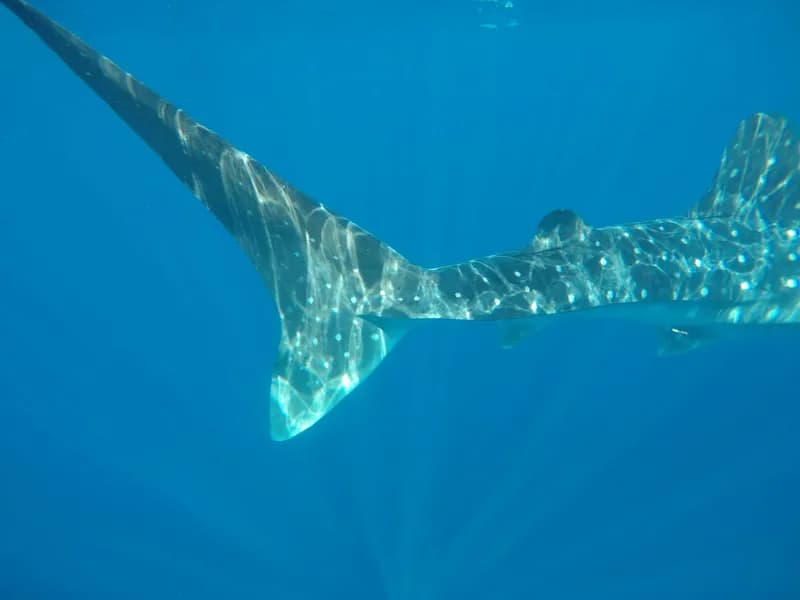
Whale Shark Swimming
The world's largest fish congregate off Holbox from mid-June to mid-September. Swimming alongside these gentle 10-15m giants is a once-in-a-lifetime experience. Tours: 2,500-3,500 MXN ($147-206) for a half-day including gear, guide, lunch, and a snorkel stop at Cabo Catoche. Only 2 swimmers per guide allowed in the water at a time. Book 1-2 days ahead. No scuba — snorkel only. No sunscreen allowed (use a UV shirt).
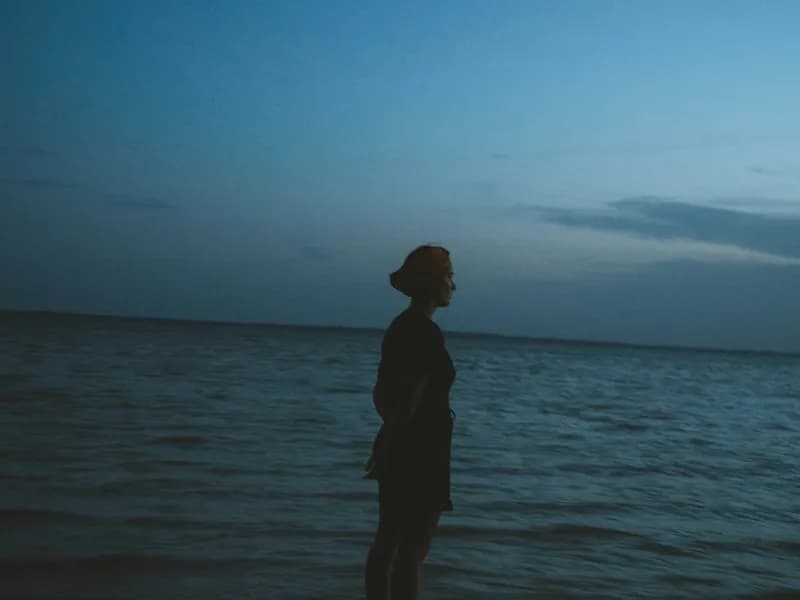
Bioluminescence
Microscopic dinoflagellates make the shallow water glow electric blue when disturbed at night. Best seen on dark, moonless nights from June to November. Some hotels have beachfront spots; boat tours cost 600-1,000 MXN ($35-59) and depart at 8-9PM. The western end of the island and Punta Mosquito have the strongest bioluminescence. Bring a waterproof bag — you'll want to swim in it.
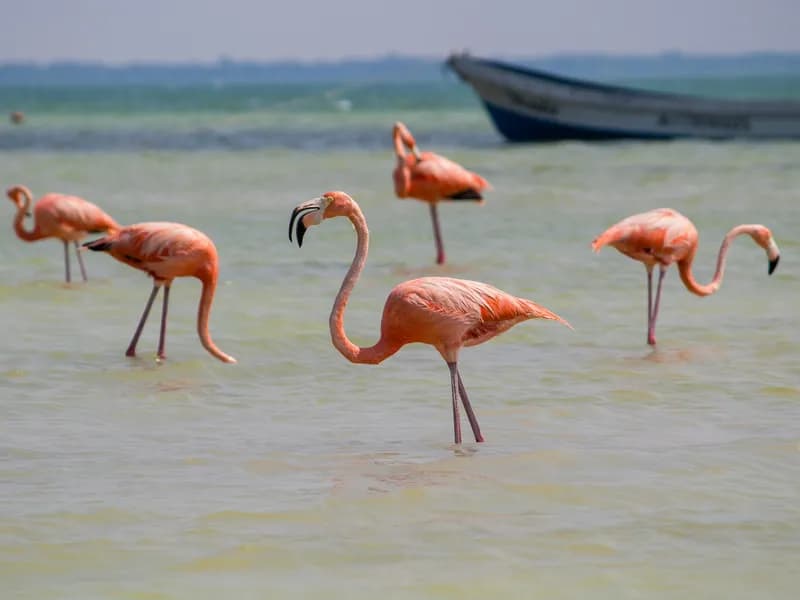
Punta Mosquito & Flamingos
A shallow sandbar peninsula on the island's north side where wild flamingos feed in the lagoons. Reached by kayak (250 MXN rental, 1-hour paddle) or boat tour (500-800 MXN). Best early morning when flamingos are most active. The shallow turquoise water extends hundreds of meters — you can walk far from shore. Peak flamingo season: April-October. Keep 30m distance from flamingos (they spook easily).
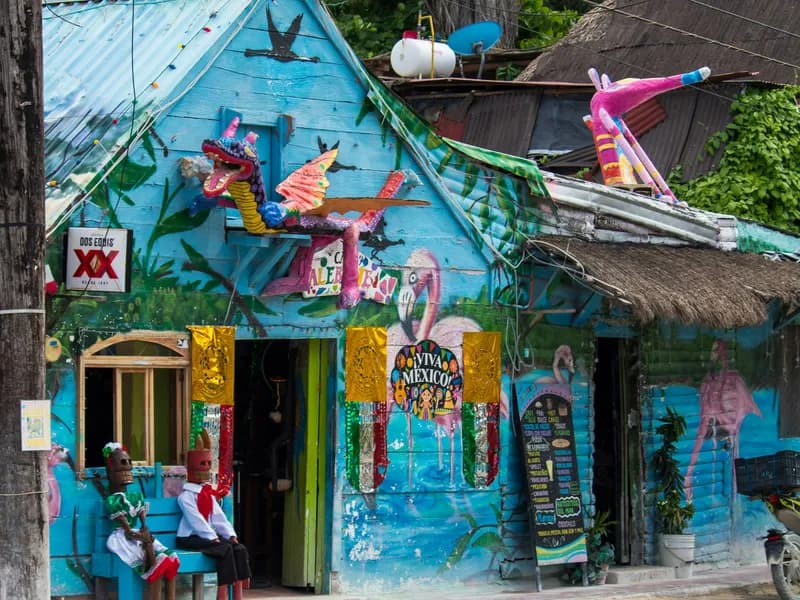
Street Art & Town Center
Holbox's sandy streets are lined with vibrant murals, many by international artists who visit for annual art festivals. The main square has a basketball court (locals play evening games), small restaurants, and the island's only church. Wander the streets at sunset when golden light hits the painted walls. Free. The town is 5 blocks in each direction — impossible to get lost.
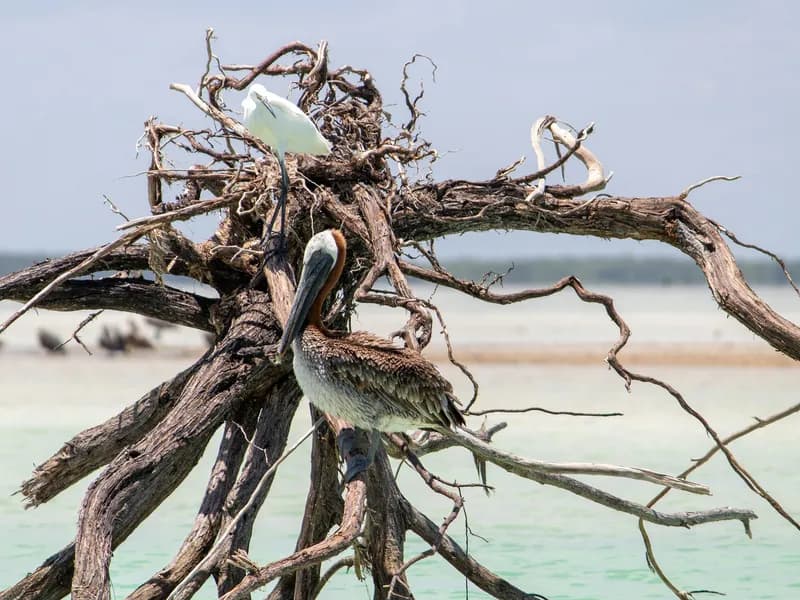
Isla Pájaros (Bird Island)
A tiny mangrove island 15 minutes by boat from Holbox that's a nesting ground for frigatebirds, cormorants, pelicans, and roseate spoonbills. Boat tours: 500-800 MXN ($29-47) combined with Cenote Yalahau (a natural freshwater spring in the mangroves where you can swim). An observation tower lets you watch nesting birds without disturbing them. Allow 3-4 hours for the combined tour.
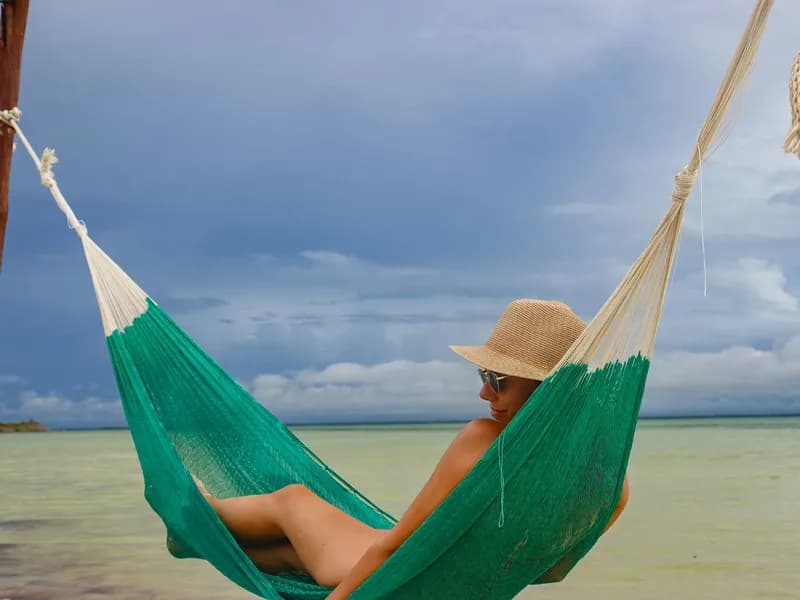
Hammock Beach Bars
Holbox's western beach is lined with palapa-style beach clubs with hammocks strung between palm trees over shallow turquoise water. Hot Corner (free entry, drinks from 120 MXN), Punta Caliza (iconic overwater hammock beds, 300 MXN minimum), and Raíces (sunset cocktails, 150 MXN). The shallow, warm Caribbean water barely reaches your waist for hundreds of meters offshore.
Planned Itinerary
7-Day Isla Holbox Itinerary
Arrival on the Island
Fly into Cancún (CUN), shuttle to Chiquilá port (2.5-3hr), then 25-minute ferry to the car-free island. Sandy streets, golf carts, and Caribbean vibes.
Shuttle from CUN airport to Chiquilá(3 hours)
ADO bus or shared shuttle 300-500 MXN. Withdraw pesos at the Chiquilá ATM before boarding — island ATMs are unreliable
Ferry to Isla Holbox(25 minutes)
9AM Express or Holbox Express, 200 MXN ($12). Runs every 30 minutes 6AM-9PM
Check into hotel(1 hour)
Hotel Casa Las Tortugas ($150-300, boutique beachfront), Tribu Hostel ($15 dorm), or Hotel Villas Flamingos ($100-200). Book ahead in whale shark season
First beach walk and sunset(2 hours)
Walk west along the beach toward the hammock beach bars. The shallow turquoise water barely reaches your waist for hundreds of meters offshore. Pick a palapa bar for your first sunset
Dinner at Roots Pizza & Bar(1 hour)
Wood-fired pizza on the sand. Margaritas and pizza 200-350 MXN per person. Live music some evenings
Whale Shark Swimming (Seasonal) or Snorkeling
June-September: swim with the world's largest fish. Other months: substitute with a snorkeling/fishing boat trip.
Whale shark tour (June-September)(5 hours)
2,500-3,500 MXN ($147-206) half-day including gear, guide, lunch, and Cabo Catoche snorkel stop. Only 2 swimmers per guide in the water at a time. No sunscreen (UV shirt only). Book 1-2 days ahead. A once-in-a-lifetime experience
Alternative (Oct-May): Three Islands boat tour(4 hours)
500-800 MXN. Visit Isla Pájaros (bird island), Cenote Yalahau (freshwater spring), and Isla de la Pasión. Snorkeling included
Afternoon hammock at beach bar(2 hours)
Hot Corner (free entry, drinks from 120 MXN) or Punta Caliza (iconic overwater hammock beds, 300 MXN minimum). Recover from the early morning
Sunset dinner at Barba Negra(1.5 hours)
Lobster pizza (350 MXN) and ceviche on the beach. One of the island's best restaurants
Punta Mosquito & Flamingos
Kayak or boat to the shallow sandbar where wild flamingos feed in the lagoons.
Early morning kayak to Punta Mosquito(2 hours)
Kayak rental 250 MXN ($15). 1-hour paddle from the main beach. Best early morning when flamingos are most active. Keep 30m distance — they spook easily
Flamingo watching and sandbar walk(1.5 hours)
Peak season April-October. The shallow turquoise water extends hundreds of meters — you can walk far from shore. Bring waterproof phone case
Explore street art and town center(1.5 hours)
Sandy streets with vibrant murals by international artists. The main square has a basketball court, small restaurants, and the island's only church. Impossible to get lost — town is 5 blocks in each direction
Bioluminescence tour (dark nights)(2 hours)
600-1,000 MXN ($35-59). Boats depart 8-9PM. Microscopic dinoflagellates make the water glow electric blue when disturbed. Best on dark moonless nights June-November. Swim in glowing water
Isla Pájaros & Cenote Yalahau
Boat trip to the bird nesting island and a freshwater spring hidden in the mangroves.
Boat tour to Isla Pájaros and Cenote Yalahau(3.5 hours)
500-800 MXN ($29-47) combined tour. The bird island has an observation tower for watching nesting frigatebirds, cormorants, and roseate spoonbills without disturbing them
Swim in Cenote Yalahau(1 hour)
A natural freshwater spring emerging in the mangroves. Cool, clear water surrounded by jungle. A surreal spot to swim
Return to island and lunch(1 hour)
Seafood on the main street. Try ceviche at any of the small restaurants (80-150 MXN)
Afternoon at beach bar(2 hours)
Raíces bar for sunset cocktails (150 MXN)
Evening at the plaza(1.5 hours)
Local basketball games, taco stands (30-40 MXN), and watching the sunset from the pier
Rest Day — Island Life
Free day to do nothing on a Caribbean island. This is the point.
Beach morning — swim, read, hammock(3 hours)
The beach is warm, shallow, and calm. Rent a SUP board (250 MXN/hour) or just float
Lunch at Taco Queto(45 minutes)
Fish tacos on the main street, 40-60 MXN each. Some of the best tacos on the island
Afternoon bike ride to the east end(2 hours)
Rent a bike (150-250 MXN/day) and ride along the beach or sandy road to the quieter eastern beaches. The island is 42km long but only 2km wide
Sunset from Punta Caliza(1.5 hours)
300 MXN minimum spend. The iconic overwater hammock beds. Arrive by 5PM for a good spot
Fishing & Foodie Day
Go fishing with local fishermen, then eat your catch at a beachfront restaurant.
Fishing trip with local fishermen(3 hours)
500-1,000 MXN. The fishermen take you trolling for barracuda, snapper, and grouper. They'll clean your catch and a restaurant will cook it for you (cooking fee 100-150 MXN)
Lunch of your own catch(1 hour)
Have your fish grilled, fried, or prepared as ceviche at any beachfront restaurant. The ultimate farm-to-table experience
Farewell sunset and mezcal(1.5 hours)
Walk the full length of the west beach one last time. Stop at each bar that looks appealing. The sunset here is addictive
Farewell dinner at Milpa(1.5 hours)
Contemporary Mexican cuisine. One of the island's finest restaurants. Entrees 250-400 MXN
Departure Day
Final morning before the ferry and shuttle to Cancún.
Sunrise beach walk(30 minutes)
The east-facing beach gets beautiful morning light
Ferry to Chiquilá(25 minutes)
Plan for the 3.5-4 hour total journey to CUN airport. Buy ferry ticket at the dock
14-Day Isla Holbox Itinerary
Arrival on the Island
CUN to Chiquilá (3hr), ferry (25min). Car-free Caribbean island.
Shuttle from CUN to Chiquilá(3 hours)
300-500 MXN. Withdraw pesos at Chiquilá ATM
Ferry to Holbox(25 minutes)
200 MXN
Whale Sharks or Snorkeling Tour
Swim with whale sharks (June-Sept) or three islands tour (Oct-May).
Whale shark tour or three islands tour(5 hours)
Whale sharks: 2,500-3,500 MXN. Three islands: 500-800 MXN
Dinner at Barba Negra(1.5 hours)
Lobster pizza 350 MXN
Flamingos at Punta Mosquito
Kayak to the flamingo sandbar, evening bioluminescence.
Kayak to Punta Mosquito(2 hours)
250 MXN rental
Flamingo watching(1.5 hours)
Peak April-October. Keep 30m distance
Bioluminescence tour(2 hours)
600-1,000 MXN. Best on dark moonless nights
Isla Pájaros & Cenote Yalahau
Bird island and freshwater jungle spring.
Boat to Isla Pájaros and Yalahau(3.5 hours)
500-800 MXN
Rest Day
Free day on the island.
Lunch at Taco Queto(45 minutes)
Fish tacos 40-60 MXN
Bike ride east(2 hours)
150-250 MXN/day
Fishing & Foodie Day
Fish with locals, eat your catch.
Fishing trip(3 hours)
500-1,000 MXN. Barracuda, snapper, grouper
Lunch of your catch(1 hour)
Restaurant cooks it for 100-150 MXN
Deep Sea Fishing & Sunset Sailing
Full-day ocean adventure.
Deep-sea fishing trip(4 hours)
1,500-2,500 MXN. Go further out for mahi-mahi, tuna, and sailfish. Catch-and-release for billfish
Sunset sailing(2 hours)
Catamaran tours 600-1,000 MXN. Sail along the coast with open bar and snacks. The sunset from the water is spectacular
Rest & Beach Bars Day
Dedicated beach bar crawl along the western shore.
Morning at Hot Corner(2 hours)
Free entry, drinks from 120 MXN. Beach hammocks
Afternoon at Punta Caliza(2 hours)
300 MXN min. Overwater hammocks
Sunset at Raíces(1.5 hours)
Cocktails 150 MXN
SUP & Yoga Day
Paddle-boarding and yoga — the island's wellness side.
Morning SUP session(1.5 hours)
250-350 MXN/hour. The calm shallow water is perfect for paddling
Yoga class on the beach(1 hour)
200-300 MXN at various beach studios. Drop-in welcome
East Island Exploration
Rent a golf cart and explore the wilder, less-visited eastern half of the island.
Rent a golf cart(15 minutes)
800-1,200 MXN/day
Drive to eastern beaches(3 hours)
The eastern shore is windier, emptier, and more wild. Bring supplies — no services. The mangrove lagoons are rich with birdlife
Second Whale Shark Trip or Snorkeling
If in season, a second whale shark swim. Otherwise, snorkeling at Cabo Catoche.
Second whale shark tour or Cabo Catoche snorkeling(5 hours)
Cabo Catoche has excellent reef snorkeling even outside whale shark season
Free Day
Unstructured island time.
Choose your own adventure(6 hours)
Swim, read, bike, SUP, snorkel, or simply hammock. After 12 days you know the island like a local
Evening at the plaza(1.5 hours)
Basketball, tacos, watching the sunset from the pier
Farewell Day — Favorites
Last full day. Revisit the best spots.
Departure Day
Final morning and ferry to mainland.
21-Day Isla Holbox Itinerary
Arrival on the Island
CUN to Chiquilá (3hr), ferry (25min). Settle into car-free island life.
Shuttle from CUN to Chiquilá, ferry to Holbox(4 hours)
Shuttle 300-500 MXN, ferry 200 MXN. Withdraw pesos at Chiquilá ATM
Whale Sharks or Snorkeling
Swim with the world's largest fish (Jun-Sep) or three islands tour.
Whale shark / snorkeling tour(5 hours)
2,500-3,500 MXN (whale sharks) or 500-800 MXN (three islands)
Flamingos & Bioluminescence
Morning flamingos, evening glowing water.
Kayak to Punta Mosquito(2 hours)
250 MXN
Bioluminescence tour(2 hours)
600-1,000 MXN
Isla Pájaros & Cenote
Bird island and jungle freshwater spring.
Boat tour(3.5 hours)
500-800 MXN
Rest Day
Free day. Beach, hammock, nothing.
Fishing Day
Fish with locals, eat your catch.
Fishing trip(3 hours)
500-1,000 MXN
Sunset Sailing & Beach Bars
Dedicated relaxation day with sailing.
Sunset catamaran sail(2 hours)
600-1,000 MXN. Open bar
SUP & Yoga
Wellness day on the water.
Morning SUP(1.5 hours)
250-350 MXN/hour
Beach yoga(1 hour)
200-300 MXN
East Island Golf Cart Adventure
Explore the wild eastern half.
Rent golf cart(15 minutes)
800-1,200 MXN/day
Second Whale Shark Trip or Deep Snorkeling
Another ocean adventure.
Rest Day
Total free day.
Day Trip to Isla de la Pasión
Visit the uninhabited island off Holbox's north coast.
Boat to Isla de la Pasión(3 hours)
400-600 MXN. A pristine sandbar island with no development. Bring everything you need
Mangrove Kayaking & Photography
Explore the mangrove channels by kayak, focus on bird photography.
Guided mangrove kayak tour(3 hours)
400-600 MXN. Paddle through mangrove channels spotting herons, egrets, cormorants, and possibly crocodiles. Bring waterproof camera
Photography walk through town murals(1.5 hours)
Best light in late afternoon. The painted walls pop in golden hour
Mainland Day Trip — Valladolid or Cenotes
Optional day trip to a Yucatán cenote or colonial town (long day).
Recovery Rest Day
After the mainland trip, pure island rest.
Deep Sea Fishing
Full day on the water for bigger fish.
Deep sea fishing trip(5 hours)
1,500-2,500 MXN. Mahi-mahi, tuna, sailfish territory
Community & Volunteering
Learn about island conservation and contribute.
Beach cleanup(2 hours)
Ask at your hotel about organized cleanups. The Yum Balam Biosphere Reserve relies on community stewardship
Visit local school or community project(1.5 hours)
Some organizations accept volunteers for English teaching or environmental education
Local comedor lunch(1 hour)
Eat at a family kitchen away from tourist spots. Full plate 60-80 MXN
Night Fishing & Stargazing
Try night fishing and enjoy the dark sky.
Night fishing trip(3 hours)
600-1,000 MXN. Different species are active at night. Squid fishing is popular
Stargazing from the beach(1 hour)
Minimal light pollution. The Milky Way is vivid. Bring a blanket
Free Day
Another unstructured day.
Your favorite activities(6 hours)
By now you have a routine — favorite café, favorite hammock bar, favorite taco spot. Enjoy it
Farewell Day
Last full day. Revisit everything.
Departure Day
Final morning, ferry out.
Travel Tips
transport
Getting to Holbox from Cancún
From CUN airport: ADO bus or shared shuttle to Chiquilá port (2.5-3 hours, 300-500 MXN). Ferry from Chiquilá: 9AM Express or Holbox Express (200 MXN/$12, 25 minutes, runs every 30 min 6AM-9PM). Leave your car in Chiquilá parking (100 MXN/day). Total travel from CUN airport: 3.5-4 hours. Alternatively, small planes fly CUN-Holbox (20 min, $100 one-way) but schedules are limited.
Golf Carts Are the Island Taxis
No cars on the island. Rent a golf cart: 800-1,200 MXN/day ($47-70). Bicycles: 150-250 MXN/day ($9-15). Most things in town are walkable (15 minutes end to end). Golf cart taxis go anywhere on the island for 50-100 MXN. The sandy streets get muddy after rain — bikes with fat tires work best.
Budget
Prices Are Rising — It's No Longer a Secret
Holbox was a backpacker secret until 2015. Prices now approach Tulum levels in high season. Hotels: $80-300/night. Meals: $8-20 at restaurants. The town market on the south side has tacos for 30 MXN. Best budget hack: visit June-August (whale shark season but lower hotel rates than December-April) and eat at local taco stands on Calle Tiburón Ballena.
Safety
Mosquitoes Are Fierce — Come Prepared
The island's name means 'black hole' in Maya, possibly referencing the mosquitoes. They're worst at dawn, dusk, and after rain. Bring high-DEET repellent, wear long sleeves at sunset, and choose accommodation with screens and fans. Mosquito coils are sold everywhere. The beach itself is usually breezy enough to keep them away.
Local Customs
Bring Cash — ATMs Are Unreliable
Holbox has 2-3 ATMs that frequently run out of cash or go offline. Bring enough pesos from the mainland for your stay (many restaurants add 5-10% surcharge for card payments). The ferry ticket counter in Chiquilá has an ATM — withdraw there as backup. Some upscale restaurants accept cards but don't count on it.
Visa & Entry
Same Mexico Entry as Mainland
180-day FMM tourist visa for US, Canadian, and EU passport holders. The Yalahau Protection Area has separate regulations for wildlife encounters — always use licensed tour operators for whale shark swimming (fines for unlicensed operators). Holbox is within the Yum Balam Biosphere Reserve — respect the protected status.
Related Articles
Travel Guides12 Best Things to Do in Isla Holbox (That Make the Ferry Worth It)
Whale sharks, glowing water, pink flamingos and pizza you eat barefoot in the sand — here are the 12 experiences that make Isla Holbox worth every minute of the journey.
StoriesThe Night the Ocean Glowed: A Story from Isla Holbox
I came to a car-free island for whale sharks. The whale sharks were gone for the season. What I found instead — bioluminescent plankton lighting up the shallows at midnight — was better.
Travel GuidesIsla Holbox vs. Tulum: An Honest Comparison of Mexico's Two Hottest Beach Destinations
One is car-free with whale sharks and bioluminescence. The other has cenotes and ruins. A data-driven comparison to help you pick — or convince you to do both.
Tips15 Tips for Visiting Isla Holbox That Nobody Tells You Until It's Too Late
The ATM situation, the mosquito reality, the whale shark booking window, and why you should never wear perfume at sunset — hard-won Holbox lessons from four visits.