
Jeonju

Key Facts
Best Time to Visit
April to May (cherry blossoms, pleasant weather) and September to November (cool autumn, festival season)
Language
Korean; English limited — hanok village has some bilingual signage and English menus at popular restaurants
Currency
South Korean Won (KRW)
Time Zone
KST (UTC+9)
Airport
Nearest: Muan International Airport (MWX) — 2 hours by bus; or Gunsan Airport seasonal; most arrive by KTX train
Population
~650,000 (city proper)
Climate
Humid continental, avg -1 to 27°C; cold winters, hot humid summers; spring and autumn are ideal
Safety Rating
Very Safe (Level 1)
UNESCO Recognition
UNESCO Creative City of Gastronomy since 2012 — the first city in Korea to receive this designation
Top Highlights
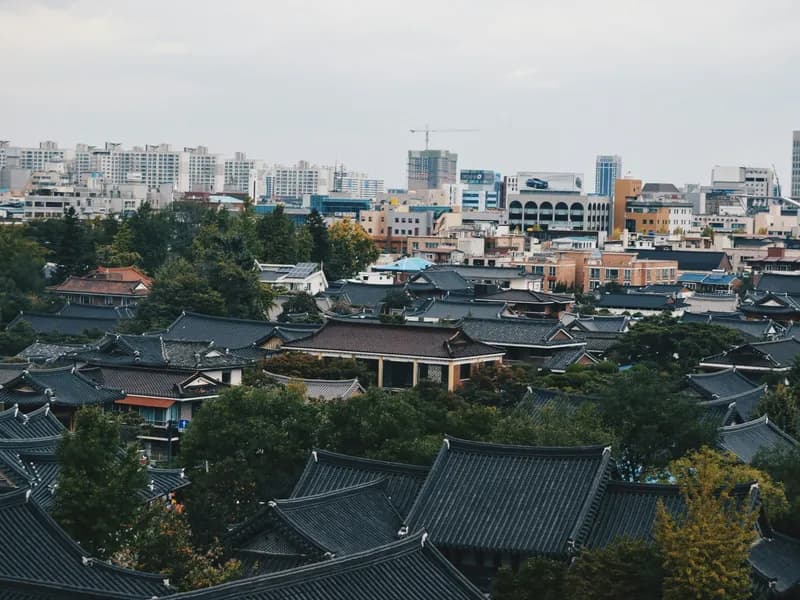
Jeonju Hanok Village
Over 700 traditional Korean hanok houses clustered on a hillside, the largest urban hanok settlement in Korea. Free to wander. Rent a hanbok (traditional dress, 15,000-30,000 KRW/2 hours) for photos — wearing one gets you free entry to several attractions. Streets are lined with cafes, craft shops, and street food vendors. Allow 3-4 hours minimum.

Jeonju Bibimbap
The city where bibimbap was perfected — Jeonju-style uses over 30 toppings with gochujang, a raw egg yolk, and bean sprout soup on the side. Gogung and Hangukjip near the hanok village are legendary (8,000-15,000 KRW). Try hwangpo-muk (mung bean jelly) and kongnamul-gukbap (bean sprout soup rice) too. Lunch lines at popular spots start by 11:30AM.
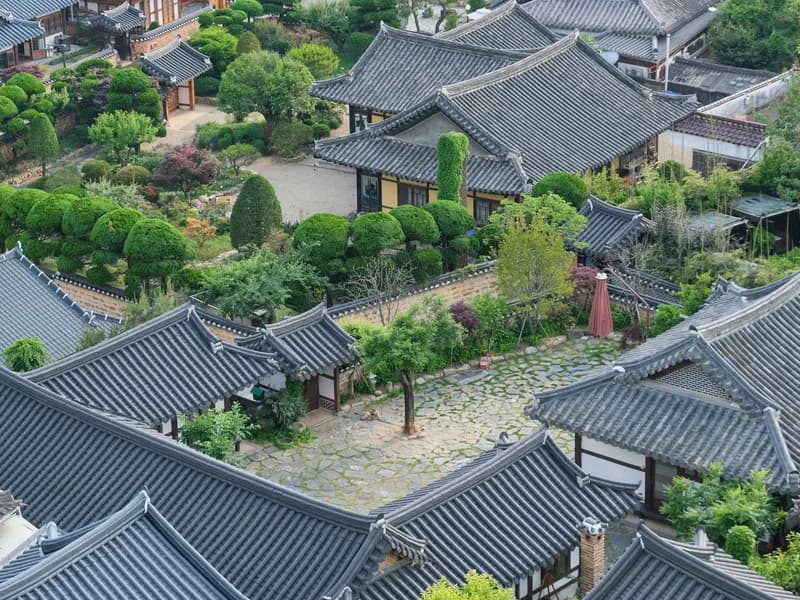
Hanji (Traditional Korean Paper) Workshop
Jeonju is Korea's center for hanji papermaking, a 1,500-year-old craft using mulberry bark. The Jeonju Hanji Museum (free) explains the process. Hands-on workshops (10,000-20,000 KRW, 1-2 hours) let you make your own paper or hanji crafts. The Hanji Culture Festival in May includes demos and exhibitions. Several workshops cluster near the hanok village.
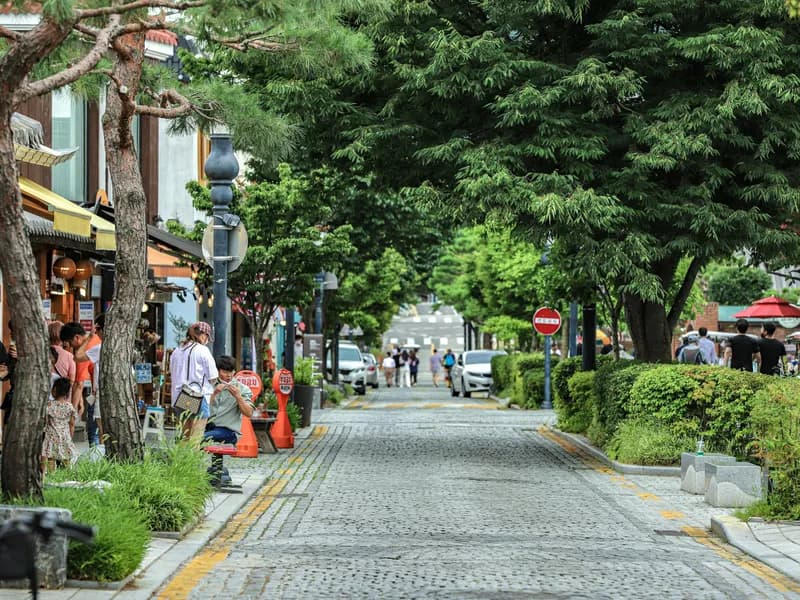
Makgeolli (Rice Wine) Tasting
Jeonju's makgeolli culture is unique — order one kettle of rice wine and receive 8-15 side dishes (anju) for free. Samcheon-dong Makgeolli Street has a row of traditional bars where 5,000 KRW buys a kettle plus a full table of food. Best experienced in the evening with friends. Local brewery tours also available at Jeonbuk Provincial Brewery.
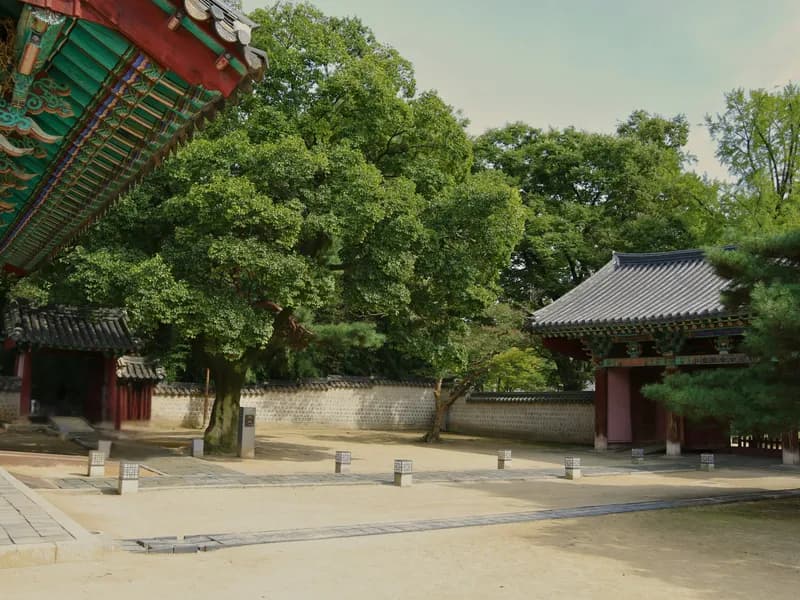
Gyeonggijeon Shrine
A shrine built in 1410 to house the portrait of King Taejo, founder of the Joseon Dynasty, who was born in Jeonju. Entry: 3,000 KRW (free in hanbok). Open 9AM-7PM (6PM winter). The bamboo grove behind the shrine is a hidden gem for photography. Also houses a museum of Joseon royal history. 5 minutes from the hanok village entrance. Allow 45 minutes.
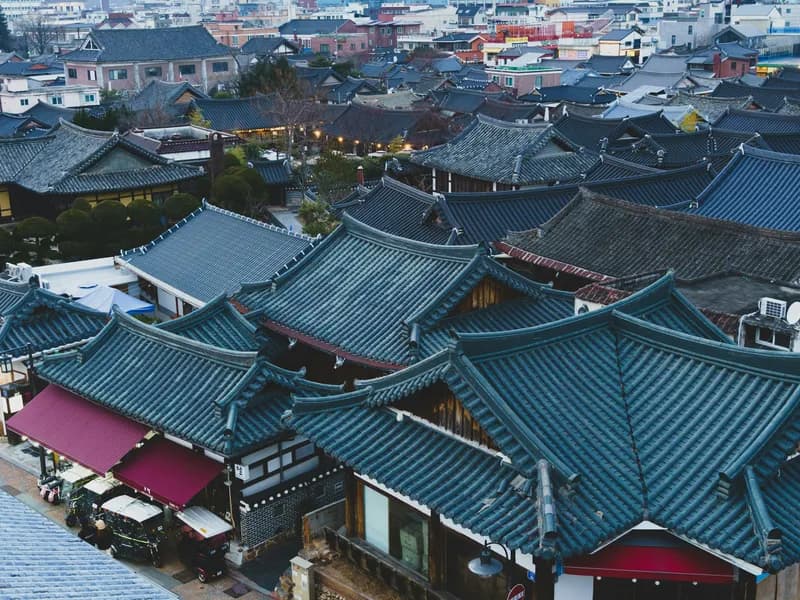
Omokdae & Imokdae Pavilions
Two hilltop pavilions offering panoramic views over the hanok village's traditional rooftops — the best viewpoint in Jeonju. Free entry. A 10-minute uphill walk from the village. Omokdae is where King Taejo celebrated a battlefield victory. Sunset from Imokdae with the village below is particularly photogenic. Allow 30 minutes.
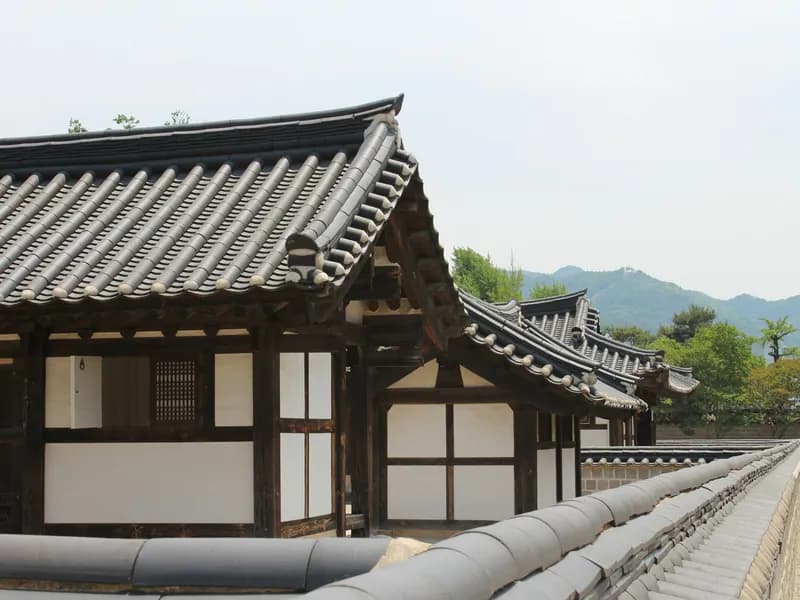
Jeonju Korean Traditional Wine Museum
A museum and tasting room dedicated to Korean traditional alcohols — not just makgeolli but also fruit wines, medicinal wines, and distilled spirits. Entry: 3,000 KRW including tastings. Open 9AM-6PM. Located inside the hanok village. The attached shop sells bottles unavailable elsewhere. A unique and educational 45-minute visit.
Planned Itinerary
7-Day Jeonju Itinerary
Arrival & Hanok Village First Steps
Arrive in Jeonju via KTX from Seoul (1 hr 40 min, ~35,000 KRW from Yongsan Station) or express bus. Check into a traditional hanok guesthouse and begin exploring the village.
KTX arrival at Jeonju Station(15 minutes)
From Jeonju Station, take bus 12 or a taxi (5,000 KRW, 10 min) to the hanok village area
Check into a hanok guesthouse(45 minutes)
Sleep on a yo mattress on heated ondol floors — the quintessential Jeonju experience. Book through Booking.com or Airbnb, 40,000-80,000 KRW/night. Some include breakfast
First walk through Jeonju Hanok Village(2 hours)
Over 700 traditional hanok houses on a hillside — the largest urban hanok settlement in Korea. Free to wander. Get your bearings along the main street lined with cafes, craft shops, and street food vendors
Dinner at Gogung (Jeonju Bibimbap)(1 hour)
Jeonju-style bibimbap with over 30 toppings, gochujang, raw egg yolk, and bean sprout soup on the side. 8,000-15,000 KRW. Gogung near the hanok village is legendary — arrive before 6PM to beat the queue
Hanok Village Deep Dive & Gyeonggijeon
Full day exploring the heart of the hanok village — rent a hanbok for free admission to shrines, visit the royal portrait hall, and discover side-alley cafes.
Rent a hanbok (traditional dress)(30 minutes)
15,000-30,000 KRW for 2-4 hours. Wearing hanbok gets you free entry to Gyeonggijeon Shrine and other attractions. Korean visitors do this too — not tourist-kitsch
Gyeonggijeon Shrine(1 hour)
Built in 1410 to house the portrait of King Taejo, founder of the Joseon Dynasty. Entry 3,000 KRW (free in hanbok). Open 9AM-7PM. The bamboo grove behind is a hidden photography gem
Lunch at Hangukjip(1 hour)
Another legendary bibimbap spot near the hanok village. Try the yukhoe bibimbap with raw beef, 10,000-15,000 KRW
Omokdae & Imokdae Pavilions(45 minutes)
Two hilltop pavilions offering panoramic views over the hanok village rooftops — the best viewpoint in Jeonju. Free entry. 10-minute uphill walk. Sunset from Imokdae is particularly photogenic
Side alley cafe exploration(1.5 hours)
Skip the tourist-packed main street. The side alleys hide Jeonju's best cafes — try a traditional Korean tea house serving ssanghwa-tang or a specialty coffee shop
Hanji Papermaking & Wine Museum
Discover Jeonju's craft heritage through hands-on workshops and tastings — hanji paper and traditional Korean wines.
Jeonju Hanji Museum(1 hour)
Free museum explaining the 1,500-year-old craft of hanji papermaking using mulberry bark. Korea's center for this tradition
Hanji papermaking workshop(1.5 hours)
Make your own paper or hanji crafts. 10,000-20,000 KRW. Several workshops cluster near the hanok village
Lunch: Kongnamul-gukbap (bean sprout soup rice)(45 minutes)
A signature Jeonju dish — hearty bean sprout and rice soup. 6,000-8,000 KRW at stalls near the village
Jeonju Korean Traditional Wine Museum(45 minutes)
Tasting room dedicated to Korean traditional alcohols — fruit wines, medicinal wines, and distilled spirits. Entry 3,000 KRW including tastings. The shop sells bottles unavailable elsewhere
Jeonju National Museum(1.5 hours)
Free admission. Excellent Joseon Dynasty and Jeolla Province cultural heritage collection. 15-minute taxi from the village
Makgeolli Street & Night Culture
Experience Jeonju's legendary rice wine tradition and the vibrant evening food scene.
Morning: Pungnammun Gate area(1.5 hours)
South Gate of the old Jeonju fortress, surrounded by a traditional market selling dried goods, banchan ingredients, and street snacks
Lunch: Hwangpo-muk (mung bean jelly)(45 minutes)
Savory mung bean jelly with soy sauce, sesame oil, and vegetables. 5,000-7,000 KRW
Afternoon rest at hanok guesthouse(1.5 hours)
Enjoy the ondol heated floors — you will need energy for the evening
Samcheon-dong Makgeolli Street(2.5 hours)
Order one kettle of rice wine (5,000 KRW) and receive 8-15 side dishes for free — essentially a full meal. The row of traditional bars is a Jeonju social institution. Best in the evening
Day Trip to Maisan Provincial Park
Head 30km south to the dramatic twin horse-ear peaks and a temple filled with thousands of hand-stacked stone towers.
Taxi or bus to Maisan Provincial Park(45 minutes)
30km south of Jeonju. Taxi 25,000-30,000 KRW one way
Tapsa Temple hike(2 hours)
Moderate 2km trail to Tapsa Temple where a monk spent 30 years stacking 80+ stone towers — some 15m tall, defying gravity. Park entrance 3,000 KRW
Lunch: Pajeon and makgeolli(1 hour)
Green onion pancake with rice wine at park entrance restaurants. 8,000-12,000 KRW
Evening stroll through illuminated hanok village(1.5 hours)
The hanok village at night — lanterns glow, tourist crowds thin. Street food stalls sell hotteok, tteokgalbi, and roasted chestnuts
Cooking Class & Free Afternoon
Learn to make Jeonju bibimbap from scratch, then enjoy a relaxed afternoon.
Jeonju bibimbap cooking class(2.5 hours)
Prepare 30+ toppings and assemble authentic Jeonju bibimbap. 30,000-50,000 KRW including your creation for lunch. Book through tourist info center
Free afternoon(2.5 hours)
Explore modern Jeonju across the bridge — the Gaeksa area has trendy cafes, boutiques, and the centuries-old Gaeksa guesthouse (free)
Farewell dinner: Hanjeongsik at Yetchon(1.5 hours)
Full Korean course meal — 15+ dishes including bibimbap, grilled fish, jeon, kimchi varieties, and dessert. 25,000-50,000 KRW
Departure
Final morning in Jeonju with last-minute shopping before heading to the station.
Breakfast: Kongnamul-gukbap(30 minutes)
One more bowl of Jeonju's famous bean sprout soup rice. 6,000-8,000 KRW
Last-minute shopping in the hanok village(1 hour)
Pick up hanji paper crafts, traditional Korean teas, makgeolli-flavored snacks, or hand-painted fans
Taxi or bus to Jeonju Station(15 minutes)
Bus 12 or taxi (5,000 KRW) for KTX back to Seoul (1 hr 40 min, ~35,000 KRW)
14-Day Jeonju Itinerary
Arrival & Hanok Village First Steps
Arrive in Jeonju via KTX from Seoul (1 hr 40 min, ~35,000 KRW from Yongsan Station). Check into a traditional hanok guesthouse and begin exploring.
KTX arrival at Jeonju Station(15 minutes)
From Jeonju Station, take bus 12 or a taxi (5,000 KRW, 10 min) to the hanok village area
Check into a hanok guesthouse(45 minutes)
Sleep on a yo mattress on heated ondol floors. 40,000-80,000 KRW/night. Book ahead for weekends
First walk through Jeonju Hanok Village(2 hours)
Over 700 traditional hanok houses — the largest urban hanok settlement in Korea. Free to wander. Explore the main street
Dinner at Gogung(1 hour)
Jeonju-style bibimbap with 30+ toppings, gochujang, raw egg yolk, bean sprout soup. 8,000-15,000 KRW
Hanok Village Deep Dive & Gyeonggijeon
Full day in hanbok exploring the village core — royal shrines, pavilions, and hidden alleys.
Rent a hanbok(30 minutes)
15,000-30,000 KRW for 2-4 hours. Wearing hanbok gets free entry to Gyeonggijeon Shrine
Gyeonggijeon Shrine(1 hour)
Built in 1410 for King Taejo's portrait. Entry 3,000 KRW (free in hanbok). Bamboo grove behind is a hidden gem
Omokdae & Imokdae Pavilions(45 minutes)
Panoramic views over hanok village rooftops. Free. 10-minute uphill walk
Lunch at Hangukjip(1 hour)
Yukhoe bibimbap with raw beef, 10,000-15,000 KRW
Jeondong Catholic Cathedral & side alley cafes(1.5 hours)
Romanesque-Byzantine church built in 1914 on the site of Korea's first Catholic martyrs. Free. The side alleys hide indie cafes
Hanji Papermaking & Wine Museum
Hands-on papermaking and Korean traditional wine tastings.
Jeonju Hanji Museum(1 hour)
Free museum on the 1,500-year-old hanji papermaking tradition
Hanji papermaking workshop(1.5 hours)
Make your own paper or hanji crafts. 10,000-20,000 KRW
Lunch: Kongnamul-gukbap(45 minutes)
Bean sprout soup rice. 6,000-8,000 KRW
Jeonju Korean Traditional Wine Museum(45 minutes)
Tasting room with Korean traditional alcohols. Entry 3,000 KRW including tastings
Jeonju National Museum(1.5 hours)
Free. Joseon Dynasty and Jeolla Province cultural heritage. 15-minute taxi from village
Makgeolli Culture & Evening Markets
Jeonju's legendary rice wine tradition followed by the night food scene.
Pungnammun Gate & traditional market(1.5 hours)
South Gate fortress area with traditional market — dried goods, banchan, and street snacks
Lunch: Hwangpo-muk(45 minutes)
Savory mung bean jelly with soy sauce and sesame oil. 5,000-7,000 KRW
Samcheon-dong Makgeolli Street(2.5 hours)
One kettle of rice wine (5,000 KRW) brings 8-15 free side dishes. A Jeonju social institution
Day Trip to Maisan Provincial Park
Twin horse-ear peaks and gravity-defying stone towers 30km south.
Taxi to Maisan(45 minutes)
30km south. Taxi 25,000-30,000 KRW one way
Tapsa Temple hike(2 hours)
Moderate 2km trail to 80+ hand-stacked stone towers, some 15m tall. Park entrance 3,000 KRW
Lunch: Pajeon and makgeolli(1 hour)
Green onion pancake with rice wine at park restaurants. 8,000-12,000 KRW
Evening hanok village stroll(1.5 hours)
Lantern-lit village at night, street food stalls selling hotteok and tteokgalbi
Bibimbap Cooking Class & Modern Jeonju
Learn to make authentic bibimbap, then explore the modern city.
Bibimbap cooking class(2.5 hours)
Prepare 30+ toppings and assemble authentic Jeonju bibimbap. 30,000-50,000 KRW including lunch
Gaeksa area(2 hours)
Modern Jeonju — trendy cafes, boutiques, and the centuries-old Gaeksa guesthouse (free)
Jeonju Hyanggyo Confucian School(45 minutes)
600-year-old Confucian academy with ginkgo trees and tranquil gardens. Free entry
Rest Day & Local Life
Slow morning and an afternoon at your own pace.
Leisurely breakfast at a local bakery(1.5 hours)
Jeonju's small bakeries serve red bean buns and walnut cakes (hodugwaja)
Walk along Jeonju Stream (Jeonjucheon)(1 hour)
Tree-lined walking path. Locals jog and cycle here. Cherry blossoms in April
Free afternoon(3 hours)
Return to a favorite cafe, browse bookshops, or nap in your hanok
Day Trip to Gochang Dolmen & Fortress
UNESCO dolmen site and one of Korea's best-preserved stone fortresses, 60km southwest.
Bus to Gochang(1 hour)
Intercity bus from Jeonju Bus Terminal (~8,000 KRW, every 30 min)
Gochang Dolmen Site (UNESCO)(1.5 hours)
Over 440 prehistoric stone tombs dating back 2,500 years. Free. Walking trail through rice paddies
Gochang Eupseong Fortress(1.5 hours)
Joseon-era stone fortress (1453). Walk the 1.7km rampart for views. Entry 3,000 KRW
Lunch: Grilled eel (jangeo-gui)(1 hour)
Gochang specialty — freshwater eel grilled over charcoal. 15,000-25,000 KRW
Jeonju Film & Art Scene
Beyond bibimbap — Jeonju's creative side through film, galleries, and workshops.
Jeonju Cinema Complex(1 hour)
Jeonju hosts one of Asia's leading indie film festivals (JIFF) each May. Year-round art film screenings
Hanok village art galleries(1.5 hours)
Small galleries with local artists — calligraphy, ink painting, contemporary mixed media. Free
Lunch: Tteokgalbi(45 minutes)
Minced short rib patties grilled Jeonju-style. 12,000-18,000 KRW
Fan-painting or calligraphy workshop(1.5 hours)
Drop-in sessions for painting traditional fans or learning calligraphy. 15,000-25,000 KRW
Day Trip to Naejangsan National Park
Korea's most famous autumn foliage destination, 40km south — stunning in every season.
Transport to Naejangsan(1 hour)
Bus to Jeongeup then local bus. Or hire taxi for the day (80,000-100,000 KRW)
Maple-lined entrance trail(1 hour)
500m tunnel of maple trees — Korea's most photographed autumn walkway
Hike and cable car viewpoint(2.5 hours)
Cable car 5,000 KRW one way to panoramic ridge. Multiple trails 1-4 hours. Park entrance 4,000 KRW
Lunch at park restaurant(45 minutes)
Mountain mushroom bibimbap and pajeon. 8,000-12,000 KRW
Food Markets & Fermentation Culture
Deep dive into the UNESCO City of Gastronomy — market foraging and fermentation traditions.
Nambu Market(2 hours)
Jeonju's largest traditional market — dried seafood, herbs, rice cakes. The 2nd floor Youth Mall has trendy food stalls. Night market Friday-Saturday
Jang (fermented paste) workshop(1.5 hours)
Learn about gochujang, doenjang, and ganjang. Tasting sessions 20,000-30,000 KRW
Lunch: PNB chocopie & street food(1 hour)
Jeonju chocopie with glutinous rice (1,500 KRW each) — vastly superior to the mass-market version. Plus hotteok and eomuk
Craft beer evening(1.5 hours)
Microbreweries near Gaeksa serve Korean craft beers with fried chicken. 5,000-8,000 KRW/glass
Day Trip to Byeonsan Peninsula
Coastal national park 70km west with sea cliffs, ancient temples, and fresh seafood.
Transport to Byeonsan(1.5 hours)
Bus to Buan then local bus. Or taxi for the day (100,000-120,000 KRW)
Naesosa Temple(1.5 hours)
1,400-year-old temple in a deep gorge, famous for fir tree-lined approach. Entry 3,000 KRW
Chaeseokgang cliff formations(1 hour)
Dramatic layered sea cliffs exposed at low tide — resembling stacked books. Check tide tables. Free
Lunch: Fresh seafood at Gyeokpo Port(1 hour)
Raw fish (hoe) platter from 30,000 KRW for 2 people at this working fishing port
Pansori Heritage & Slow Afternoon
Experience Jeonju's traditional music heritage and enjoy a final leisurely afternoon.
Jeonju Sori Cultural Center (Pansori)(1.5 hours)
Birthplace of pansori — Korean traditional narrative singing (UNESCO Intangible Heritage). Check schedule for live shows, often free or 5,000-10,000 KRW
Pottery or lacquerware workshop(1.5 hours)
Drop-in sessions at village craft studios. 15,000-25,000 KRW
Lunch: Full hanjeongsik(1.5 hours)
15+ dish Korean course meal at Yetchon. 25,000-50,000 KRW
Free afternoon(2 hours)
Revisit favorite spots, relax at your hanok, browse craft shops for souvenirs
Departure
Final morning with last-minute shopping before heading to the station.
Breakfast: Kongnamul-gukbap(30 minutes)
One more bowl of bean sprout soup rice. 6,000-8,000 KRW
Last-minute shopping(1 hour)
Hanji paper crafts, PNB chocopies, traditional teas, hand-painted fans
Taxi to Jeonju Station(15 minutes)
Bus 12 or taxi (5,000 KRW) for KTX back to Seoul (~35,000 KRW)
21-Day Jeonju Itinerary
Arrival & Hanok Village First Steps
Arrive in Jeonju via KTX from Seoul (1 hr 40 min, ~35,000 KRW). Check into a traditional hanok guesthouse.
KTX arrival at Jeonju Station(15 minutes)
Take bus 12 or taxi (5,000 KRW, 10 min) to the hanok village
Check into hanok guesthouse(45 minutes)
Ondol heated floors and yo mattress. 40,000-80,000 KRW/night
First walk through Hanok Village(2 hours)
700+ hanok houses — the largest urban hanok settlement in Korea. Free
Dinner at Gogung(1 hour)
Legendary Jeonju bibimbap with 30+ toppings. 8,000-15,000 KRW
Hanok Village Deep Dive & Gyeonggijeon
Full day in hanbok exploring shrines, pavilions, and hidden alleys.
Rent a hanbok(30 minutes)
15,000-30,000 KRW for 2-4 hours. Free entry to shrines while wearing it
Gyeonggijeon Shrine(1 hour)
1410 shrine housing King Taejo's portrait. 3,000 KRW (free in hanbok). Bamboo grove behind is a gem
Omokdae & Imokdae Pavilions(45 minutes)
Panoramic views over hanok rooftops. Free. 10-minute uphill walk
Lunch at Hangukjip(1 hour)
Yukhoe bibimbap with raw beef. 10,000-15,000 KRW
Jeondong Catholic Cathedral(45 minutes)
Romanesque-Byzantine church (1914) on the site of Korea's first Catholic martyrs. Free
Hanji Papermaking & Wine Museum
Hands-on papermaking and Korean traditional wine tastings.
Jeonju Hanji Museum(1 hour)
Free museum on 1,500-year-old hanji papermaking
Hanji workshop(1.5 hours)
Make your own paper or crafts. 10,000-20,000 KRW
Lunch: Kongnamul-gukbap(45 minutes)
Bean sprout soup rice. 6,000-8,000 KRW
Korean Traditional Wine Museum(45 minutes)
Tastings of traditional alcohols. 3,000 KRW entry
Jeonju National Museum(1.5 hours)
Free. Joseon Dynasty collection. 15-minute taxi
Makgeolli Street & Night Culture
Jeonju's legendary rice wine tradition.
Pungnammun Gate & market(1.5 hours)
South Gate fortress area with traditional market
Lunch: Hwangpo-muk(45 minutes)
Mung bean jelly with soy sauce and sesame. 5,000-7,000 KRW
Samcheon-dong Makgeolli Street(2.5 hours)
One kettle (5,000 KRW) brings 8-15 free side dishes. A social institution
Day Trip to Maisan Provincial Park
Twin horse-ear peaks and gravity-defying stone towers 30km south.
Taxi to Maisan(45 minutes)
25,000-30,000 KRW one way
Tapsa Temple hike(2 hours)
80+ hand-stacked stone towers, some 15m tall. Park entrance 3,000 KRW
Lunch: Pajeon and makgeolli(1 hour)
Green onion pancake with rice wine. 8,000-12,000 KRW
Evening hanok village stroll(1.5 hours)
Lantern-lit village, street food — hotteok, tteokgalbi
Bibimbap Cooking Class & Modern Jeonju
Learn to make authentic bibimbap, then explore modern Jeonju.
Bibimbap cooking class(2.5 hours)
Prepare 30+ toppings. 30,000-50,000 KRW including lunch
Gaeksa area(2 hours)
Modern Jeonju — cafes, boutiques, centuries-old Gaeksa guesthouse (free)
Hyanggyo Confucian School(45 minutes)
600-year-old academy with ginkgo trees. Free
Rest Day & Local Life
Slow morning and an afternoon at your own pace.
Leisurely breakfast(1.5 hours)
Local bakery — red bean buns and walnut cakes
Jeonju Stream walk(1 hour)
Tree-lined path along Jeonjucheon. Cherry blossoms in April
Free afternoon(3 hours)
Favorite cafe, bookshops, or nap in your hanok
Day Trip to Gochang Dolmen & Fortress
UNESCO dolmen site and Korea's best-preserved stone fortress, 60km southwest.
Bus to Gochang(1 hour)
~8,000 KRW, every 30 min from Jeonju Bus Terminal
Gochang Dolmen Site (UNESCO)(1.5 hours)
440+ prehistoric stone tombs from 2,500 years ago. Free
Gochang Eupseong Fortress(1.5 hours)
Joseon-era fortress (1453). 1.7km rampart walk. 3,000 KRW
Lunch: Grilled eel(1 hour)
Gochang's famous freshwater eel over charcoal. 15,000-25,000 KRW
Film, Art & Crafts
Jeonju's creative side — film, galleries, and hands-on workshops.
Jeonju Cinema Complex(1 hour)
Year-round indie and art film screenings. Home of JIFF festival each May
Hanok village art galleries(1.5 hours)
Calligraphy, ink painting, contemporary art. Free
Lunch: Tteokgalbi(45 minutes)
Minced short rib patties. 12,000-18,000 KRW
Fan-painting workshop(1.5 hours)
Paint traditional Korean fans. 15,000-25,000 KRW
Day Trip to Naejangsan National Park
Korea's most famous autumn foliage destination, 40km south.
Transport to Naejangsan(1 hour)
Bus via Jeongeup, or taxi for the day (80,000-100,000 KRW)
Maple-lined entrance trail(1 hour)
500m tunnel of maple trees — Korea's most photographed walkway
Hike and cable car(2.5 hours)
Cable car 5,000 KRW. Multiple trails 1-4 hours. Park entrance 4,000 KRW
Lunch at park restaurant(45 minutes)
Mountain mushroom bibimbap. 8,000-12,000 KRW
Food Markets & Fermentation
UNESCO City of Gastronomy deep dive — markets and fermentation traditions.
Nambu Market(2 hours)
Jeonju's largest market. Youth Mall food stalls on 2nd floor. Night market Fri-Sat
Jang workshop(1.5 hours)
Gochujang, doenjang, ganjang tasting. 20,000-30,000 KRW
Lunch: PNB chocopie & street food(1 hour)
Glutinous rice chocopie (1,500 KRW each) plus hotteok and eomuk
Craft beer evening(1.5 hours)
Microbreweries near Gaeksa. 5,000-8,000 KRW/glass with fried chicken
Day Trip to Byeonsan Peninsula
Coastal national park 70km west — sea cliffs, ancient temples, fresh seafood.
Transport to Byeonsan(1.5 hours)
Bus to Buan, or taxi for the day (100,000-120,000 KRW)
Naesosa Temple(1.5 hours)
1,400-year-old temple in a gorge with fir tree approach. 3,000 KRW
Chaeseokgang cliffs(1 hour)
Layered sea cliffs exposed at low tide. Check tide tables. Free
Lunch: Fresh hoe at Gyeokpo Port(1 hour)
Raw fish platter from 30,000 KRW for 2 at this fishing port
Pansori Heritage & Slow Day
Traditional Korean singing heritage and a leisurely afternoon.
Sori Cultural Center(1.5 hours)
Pansori performances — UNESCO Intangible Heritage. Free or 5,000-10,000 KRW
Pottery workshop(1.5 hours)
Village craft studio sessions. 15,000-25,000 KRW
Lunch: Hanjeongsik(1.5 hours)
15+ dish Korean course at Yetchon. 25,000-50,000 KRW
Day Trip to Gunsan — Japanese Colonial Heritage
50km west to the port city of Gunsan with well-preserved Japanese colonial architecture and a unique food culture.
Bus to Gunsan(1 hour)
Intercity bus from Jeonju, ~6,000 KRW, every 20 min
Gunsan Modern History Museum & Hiroshima House(1.5 hours)
Well-curated museum on the Japanese colonial period. The nearby Hiroshima House is a preserved Japanese merchant residence. Entry 500-1,000 KRW
Gunsan Sinsi Dongguk Temple precinct(1 hour)
The Dongguksa Temple is the only remaining Japanese-style Buddhist temple in Korea — a fascinating architectural hybrid
Lunch: Gunsan Jjamppong (spicy seafood noodle soup)(1 hour)
Gunsan is famous for its Chinese-Korean jjamppong — a fiery seafood noodle soup. Bokseong Restaurant is legendary. 8,000-10,000 KRW
Lee Seongdang Bakery(30 minutes)
Korea's oldest surviving bakery (since 1945). Famous for its red bean bread and vegetable bread. A piece of Korean culinary history
Day Trip to Jeonju Surroundings — Imsil Cheese Village
Korea's unlikely cheese capital — a Belgian priest taught locals cheesemaking in 1964, creating a national food phenomenon.
Bus or taxi to Imsil Cheese Village(45 minutes)
40km southeast. Bus from Jeonju to Imsil town, then taxi. Or hire a taxi for the half day (50,000-60,000 KRW)
Cheese-making experience(2 hours)
Hands-on mozzarella and ricotta-making workshop. 15,000-20,000 KRW per person. Make your own cheese and pizza. Fun and unexpected in Korea
Lunch at the cheese village(1 hour)
Cheese fondue, cheese pizza, and cheese dolsot bibimbap — all using locally made cheese. 10,000-15,000 KRW
Return to Jeonju, free evening(3 hours)
Relax at your hanok, revisit favorite cafes and food spots
Rest Day & Photography Walk
A true rest day with optional dawn and dusk photography in the village.
Early morning: Hanok village photography walk(1.5 hours)
The village before 8AM has almost no tourists — perfect light on the traditional rooftops, quiet alleys, and mist in the bamboo grove
Late breakfast and rest(3 hours)
Sleep in after the early walk. Enjoy a slow brunch at a cafe
Afternoon: Korean traditional tea ceremony experience(1.5 hours)
Several hanok tea houses offer formal tea ceremonies with seasonal Korean teas. 10,000-20,000 KRW. A meditative experience
Sunset from Imokdae pavilion(1 hour)
Return for golden hour — the village below bathed in warm light
Day Trip to Damyang Bamboo Forest
90km south to Damyang — Korea's most famous bamboo forest and the country's best tteok-galbi (grilled rice cake ribs).
Bus to Damyang(1.5 hours)
Intercity bus from Jeonju, ~12,000 KRW
Juknokwon Bamboo Forest(2 hours)
A 31-hectare bamboo forest with 8 walking trails through towering green bamboo groves. Entry 3,000 KRW. Atmospheric in any weather — misty days are magical. Korea's most photographed forest
Lunch: Damyang tteok-galbi(1 hour)
Damyang claims to be the birthplace of tteok-galbi. Minced rib meat formed on a bone and grilled. Restaurants line the road near the bamboo forest. 12,000-18,000 KRW
Metasequoia Road(45 minutes)
A 2km road lined with towering metasequoia trees — another Korea-famous photo spot. Free. 10-minute drive from the bamboo forest
Jeonju's Religious Heritage Trail
Korea's religious history concentrated — from Confucian academies to a martyrdom site to a rare Buddhist temple.
Jeonju Hyanggyo (revisit or first visit)(45 minutes)
600-year-old Confucian academy. The giant ginkgo trees are spectacular in autumn
Jeonju Catholic Martyrdom Grounds(1 hour)
Jeonju has one of Korea's most significant Catholic martyrdom histories — several sites around the hanok village mark where early Korean Christians were executed in the 1800s
Geumsan Temple (40km south)(3 hours)
A stunning Buddhist temple in a mountain setting, less visited than better-known temples. The approach through autumn forest is beautiful. Day trip taxi (60,000-80,000 KRW)
Lunch: Temple food restaurant(1 hour)
Try Korean Buddhist temple food — strictly vegetarian, beautifully presented, using foraged mountain herbs. Several restaurants in Jeonju specialize in this. 15,000-25,000 KRW
Korean Traditional Music & Performance Day
Jeonju as the spiritual home of Korean traditional music — a full day immersed in pansori, gayageum, and samulnori.
Sori Cultural Center performance(1.5 hours)
Morning pansori or traditional music performance. Check schedule. Free or 5,000-10,000 KRW
Gayageum (Korean zither) lesson(1 hour)
Some cultural centers offer short gayageum lessons for beginners. 20,000-30,000 KRW. Experience the 12-stringed Korean zither
Lunch: Dolsot bibimbap (stone pot)(45 minutes)
The sizzling stone pot version creates a crispy rice crust. A different experience from the mixed version. 9,000-12,000 KRW
Samulnori drumming workshop(1.5 hours)
Learn the basics of Korean traditional percussion — 4 instruments (kkwaenggwari, jing, janggu, buk). Workshops available at cultural centers. 15,000-25,000 KRW
Evening: Traditional music and dinner show(2 hours)
Some hanok restaurants offer traditional music dinner shows combining hanjeongsik with live performance. 40,000-60,000 KRW
Final Exploration & Farewell Makgeolli
Last full day — revisit favorites, fill in any gaps, and one final makgeolli street session.
Morning: Return to your favorite hanok village spots(2 hours)
That cafe you loved, the alley you wanted to photograph, the shop where you saw something special
Souvenir shopping(1.5 hours)
Hanji crafts, traditional fans, Korean teas, PNB chocopies, handmade pottery, calligraphy supplies
Lunch: One final Jeonju bibimbap(1 hour)
Full circle — return to Gogung or Hangukjip for one last bowl
Farewell Samcheon-dong Makgeolli Street(2.5 hours)
One last session of rice wine and free banchan. Toast to 20 days of Jeonju immersion
Departure
Final morning in Jeonju before heading home.
Breakfast: Kongnamul-gukbap(30 minutes)
One last bowl of bean sprout soup rice. 6,000-8,000 KRW
Taxi to Jeonju Station(15 minutes)
Bus 12 or taxi (5,000 KRW) for KTX back to Seoul (~35,000 KRW)
Travel Tips
Visa & Entry
K-ETA or Visa-Free Entry
Many nationalities can enter South Korea visa-free for 30-90 days. US, UK, EU, and most Western passport holders get 90 days. K-ETA requirement currently waived through 2025 — check k-eta.go.kr for updates. Jeonju is an easy domestic trip from Seoul.
transport
KTX from Seoul is Fast and Easy
KTX high-speed train from Yongsan Station in Seoul to Jeonju Station takes 1 hour 40 minutes (~35,000 KRW). Trains run hourly. From Jeonju Station, bus 12 or a taxi (5,000 KRW, 10 min) reaches the hanok village. Express buses from Seoul Express Bus Terminal run every 20-30 minutes (3 hours, ~15,000 KRW).
Local Customs
Rent a Hanbok for Free Perks
Wearing hanbok (15,000-30,000 KRW rental for 2-4 hours) gets you free admission to Gyeonggijeon Shrine and other attractions. Rental shops near the hanok village entrance offer modern twists on traditional designs. It's not tourist-kitsch — Korean visitors do it too. Most shops include hair accessories and small bags.
Budget
Best Food Value in Korea
Jeonju's makgeolli tradition means ordering one kettle of rice wine (5,000 KRW) brings a table full of free side dishes — essentially a full meal. Bibimbap from 8,000 KRW. Street food in the hanok village averages 2,000-5,000 KRW per item. Hanok guesthouse stays from 40,000 KRW/night offer a traditional sleeping-on-the-floor experience.
Stay in a Hanok Guesthouse
Sleeping on a yo (mattress) on heated ondol floors in a traditional hanok is a quintessential Jeonju experience. Book through Booking.com or Airbnb — prices from 40,000-80,000 KRW/night. Some include breakfast. The hanok village has dozens of options. Book ahead for weekends as Jeonju is Korea's top domestic food tourism destination.
Safety
Weekend Crowds in Hanok Village
The hanok village attracts millions of Korean domestic tourists annually — weekends and holidays can be uncomfortably packed, especially the main street. Visit on weekdays for a better experience. The side alleys are quieter and hide the best cafes and shops. Summer humidity can be intense — duck into air-conditioned cafes for relief.
Related Articles
StoriesThe Jeonju Turnaround: How Korea's Old Capital Wins You Over Between Dusk and Dawn
Arrive in the afternoon and Jeonju can feel like a costume party with a gift shop. Stay one night, though, and the old capital quietly rearranges everything you thought you knew about it.
StoriesA Local's Guide to Jeonju: The Korea That Tourists Miss
Minhee Park has lived in Jeonju for 38 years. She thinks tourists are doing it all wrong — and she's probably right.
Travel Guides10 Reasons Jeonju Deserves a Spot on Your Korea Itinerary
Forget what you think you know about Korean food — Jeonju will completely rewire your taste buds and steal two days of your trip in the best way possible.
SeasonalWhen to Visit Jeonju: A Season-by-Season Guide to Korea's Food Capital
Jeonju transforms with the seasons — cherry blossoms over hanok rooftops in spring, firefly festivals in summer, crimson maples in autumn, and steaming kongnamul soup on frozen winter mornings.