
Kamakura

Key Facts
Best Time to Visit
March to May (cherry blossoms, hydrangeas start in June) and November to December (autumn color)
Language
Japanese; English signage at major temples and stations
Currency
Japanese Yen (JPY)
Time Zone
JST (UTC+9)
Airport
Nearest: Tokyo Haneda (HND) or Narita (NRT) — 1-2 hours by train to Kamakura
Population
~170,000 (city proper)
Climate
Humid subtropical, avg 5-27°C; mild winters, warm summers; occasional typhoons in September
Safety Rating
Very Safe (Level 1)
Historical Significance
Japan's de facto capital during the Kamakura shogunate (1185-1333), with over 65 Buddhist temples and 19 Shinto shrines
Top Highlights
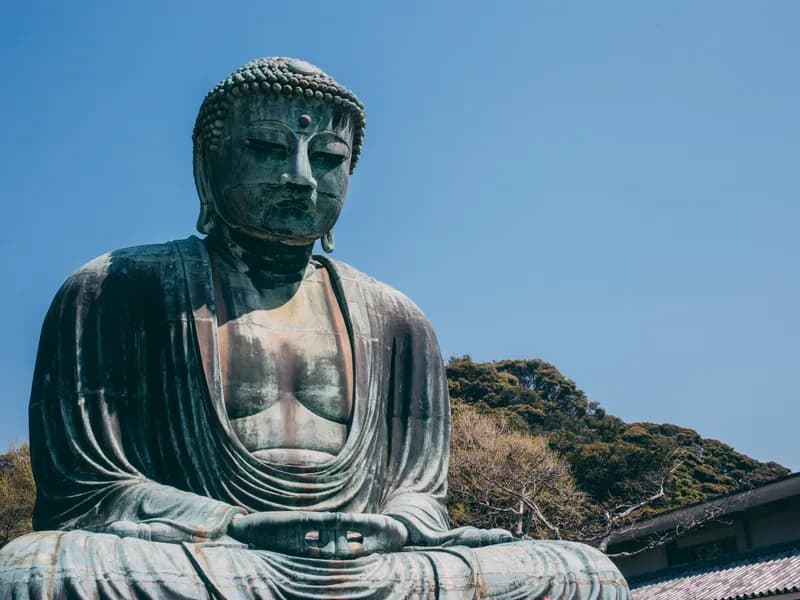
Great Buddha of Kamakura (Kotoku-in)
A 13.35m tall bronze Amida Buddha cast in 1252, one of Japan's most iconic images. Originally housed in a hall destroyed by a tsunami in 1498, it has sat in the open air ever since. Entry: 300 JPY. You can enter the hollow interior for an additional 50 JPY. Open 8AM-5:30PM. 10-minute walk from Hase Station. Allow 30-45 minutes.
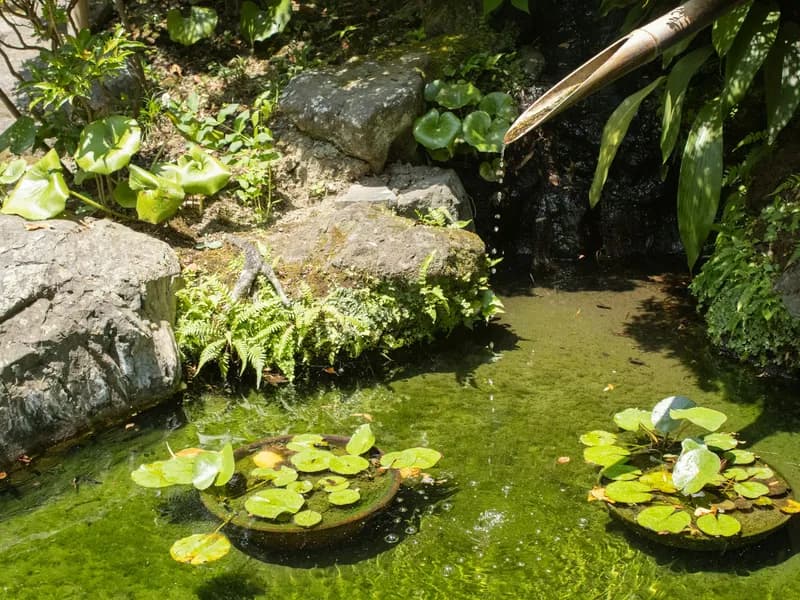
Hokokuji Temple (Bamboo Temple)
A Rinzai Zen temple famous for its grove of 2,000 moso bamboo stalks. Entry: 300 JPY including matcha tea in the bamboo garden. Open 9AM-4PM. The dappled light through the bamboo creates a magical atmosphere. Less crowded than Kyoto's Arashiyama bamboo grove. Bus from Kamakura Station (8 min) or a pleasant 30-minute walk. Allow 45 minutes.
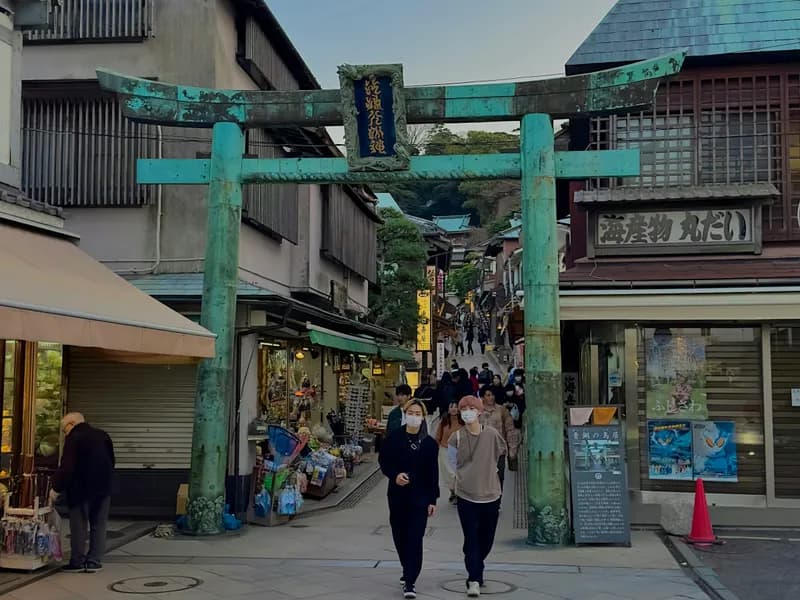
Enoshima Island
A small tidal island connected by a 600m bridge, packed with shrines, sea caves, and ocean views. Enoshima Sea Candle tower (500 JPY) gives panoramic views including Mt. Fuji on clear days. The Iwaya Caves (500 JPY) have been a pilgrimage site for centuries. Shirasu (whitebait) rice bowls are the local specialty (~1,200 JPY). Allow half a day.
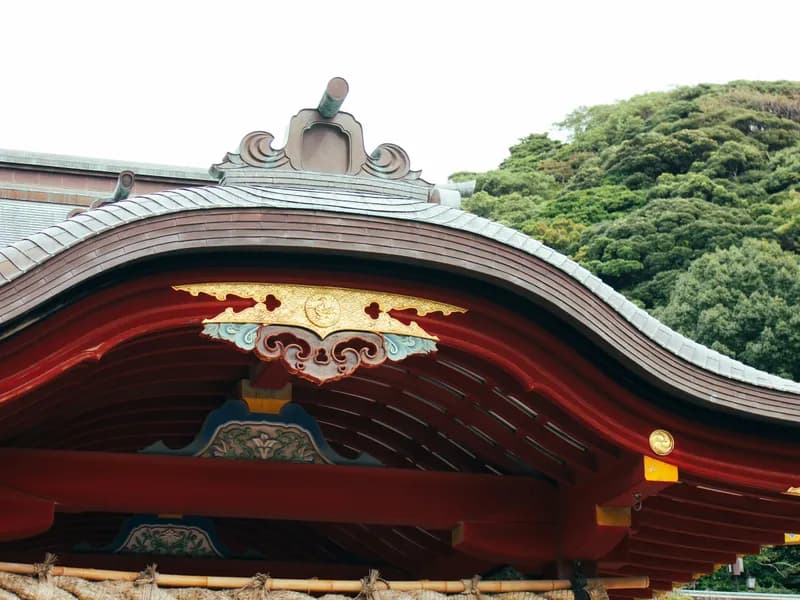
Tsurugaoka Hachimangu Shrine
Kamakura's most important Shinto shrine, founded in 1063 and moved to its current location in 1180 by Minamoto no Yoritomo. Free entry to the grounds. The approach road (Wakamiya Oji) is lined with cherry trees and shops. The museum inside costs 200 JPY. Festivals in April (Kamakura Matsuri) and September feature yabusame (horseback archery). Allow 1 hour.
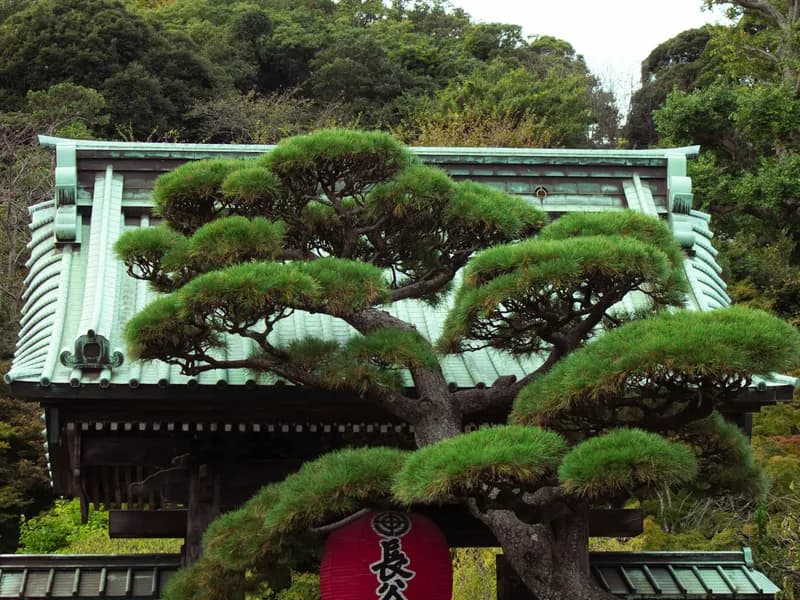
Hasedera Temple
Home to a magnificent 9.18m gilded wooden Kannon statue (the largest wooden sculpture in Japan) and beautifully terraced gardens overlooking the ocean. Entry: 400 JPY. Open 8AM-5PM (4:30PM winter). The hydrangea garden in June is spectacular (expect long lines). The Benten-kutsu cave has carved stone Buddhas. Adjacent to Hase Station. Allow 1 hour.
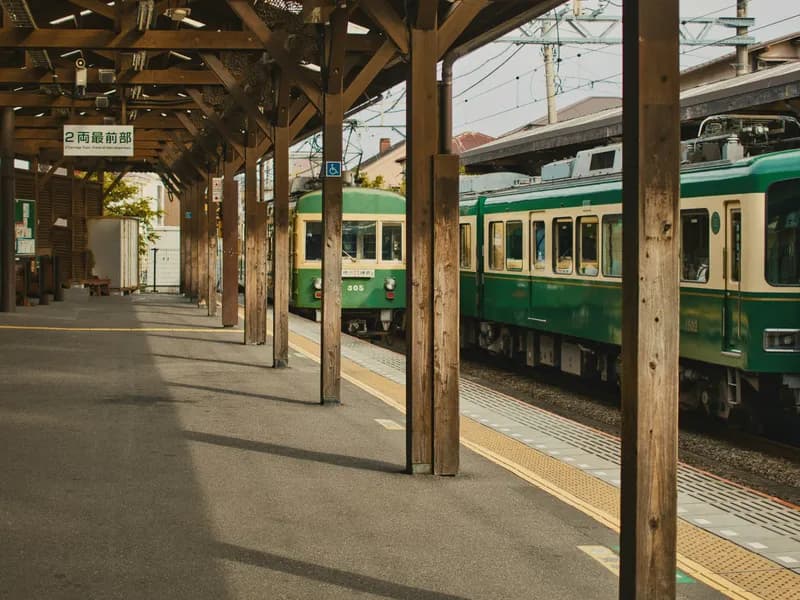
Enoden Railway Ride
A charming vintage tram running 10km from Kamakura to Fujisawa via Enoshima. The stretch between Kamakurakoko-mae and Shichirigahama hugs the coastline with Pacific Ocean views. A 1-day pass (800 JPY) is great value. The Kamakurakoko-mae crossing became famous from the anime Slam Dunk. Trains run every 12 minutes.
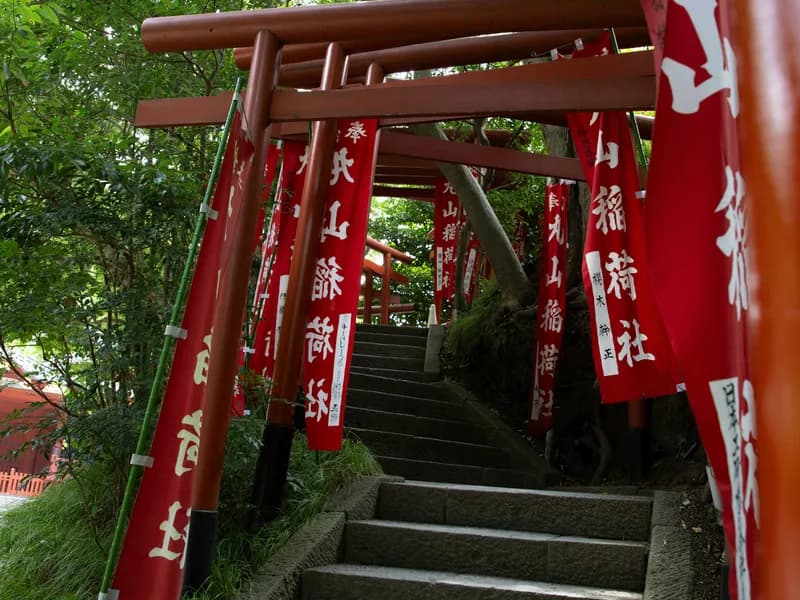
Zeniarai Benten Shrine
A hidden shrine tucked inside a cave where visitors wash money in sacred spring water — legend says it will multiply. Free entry. Follow the atmospheric tunnel entrance through rock. Located in a wooded valley 20 minutes walk from Kamakura Station (uphill). Bring coins to wash. One of Kamakura's most unique experiences. Allow 30 minutes.
Planned Itinerary
7-Day Kamakura Itinerary
Arrival & Kamakura Station Orientation
Arrive from Tokyo and settle into the coastal temple town. Get oriented with an afternoon exploring the main shrine and shopping street.
JR Yokosuka Line from Tokyo to Kamakura(56 minutes)
940 JPY from Tokyo Station direct. Or Shonan-Shinjuku Line from Shinjuku (55 min, 940 JPY). Both covered by Japan Rail Pass
Check-in near Kamakura Station(45 minutes)
Hotels and guesthouses from 6,000 JPY/night. Walking distance to temples
Tsurugaoka Hachimangu Shrine(1 hour)
Kamakura's most important shrine, founded 1063. Free grounds. The approach (Wakamiya Oji) is lined with cherry trees and shops. Museum inside 200 JPY
Dinner on Komachi-dori street(1 hour)
Kamakura's main shopping street near the station. Try shirasu-don (whitebait rice bowl, 1,000-1,500 JPY) at one of the beachside restaurants — shirasu is Kamakura's signature catch
Great Buddha, Hasedera & Hase District
Visit Kamakura's most iconic landmarks in the Hase area — the Great Buddha and the ocean-view temple.
Great Buddha at Kotoku-in(45 minutes)
13.35m bronze Amida Buddha cast in 1252. 300 JPY entry, 50 JPY to enter the hollow interior. Open 8AM-5:30PM. 10-minute walk from Hase Station. Originally inside a hall destroyed by tsunami in 1498
Hasedera Temple(1 hour)
9.18m gilded wooden Kannon — Japan's largest wooden sculpture. 400 JPY. Terraced gardens with ocean views. The Benten-kutsu cave has carved Buddhas. Hydrangea garden spectacular in June
Lunch at a Hase area restaurant(45 minutes)
Try Kamakura-bori lacquerware shop-cafes or a shirasu-don at a spot near the beach. Matcha soft serve from 350 JPY
Yuigahama Beach sunset walk(1 hour)
Kamakura's main beach, 10-minute walk from Hase. Good for a sunset stroll. Surfing and beach cafes in summer
Hokokuji Bamboo Temple & Eastern Kamakura
Explore the quieter eastern side of Kamakura with its bamboo groves and Zen temples.
Hokokuji Temple (Bamboo Temple)(45 minutes)
2,000 moso bamboo stalks. 300 JPY including matcha tea in the bamboo garden. Open 9AM-4PM. Less crowded than Kyoto's bamboo grove. Bus 8 min from Kamakura Station
Jomyo-ji Temple(30 minutes)
100 JPY. Oldest Zen temple in Kamakura with a beautiful tea garden. Matcha set 500 JPY. Adjacent to Hokokuji
Sugimoto-dera(30 minutes)
300 JPY. Kamakura's oldest temple (734), approached via moss-covered stone steps. The thatched-roof main hall is atmospheric
Lunch at a Kamakura cafe(45 minutes)
Try Bowls near the station for healthy poke bowls, or a traditional soba restaurant. Kamakura has excellent small cafes
Free afternoon(flexible)
Browse Komachi-dori shops, visit a temple you missed, or rest
Enoshima Island Adventure
Take the Enoden tram to the tidal island of Enoshima for shrines, sea caves, and ocean views.
Enoden train to Enoshima(25 minutes)
Buy Enoden 1-day pass (800 JPY). The coastal stretch between Kamakurakoko-mae and Shichirigahama is famous from Slam Dunk anime
Enoshima Island exploration(3 hours)
Cross the 600m bridge. Climb through shrine grounds, visit Iwaya Caves (500 JPY), and ascend the Sea Candle tower (500 JPY) for panoramic views including Mt. Fuji on clear days
Shirasu-don lunch on Enoshima(45 minutes)
Fresh whitebait rice bowls from 1,200 JPY at one of the island's hilltop restaurants. Enoshima's shirasu is caught daily
Sunset from Enoshima Sea Candle or beach(1 hour)
The tower or the island's west side offers spectacular Pacific sunset views
Rest Day — Zeniarai Benten & Hiking
A more relaxed day with a money-washing shrine visit and optional hiking through Kamakura's forested hills.
Zeniarai Benten Shrine(45 minutes)
Hidden shrine inside a cave where you wash money in sacred spring water — legend says it will multiply. Free. Tunnel entrance through rock. 20-minute uphill walk from station. Bring coins
Daibutsu Hiking Trail (optional)(1.5 hours)
Forest trail from Kita-Kamakura to the Great Buddha. Exposed roots and rocks — wear proper shoes, not sandals. No vending machines on trail. Carry water
Lunch in Kita-Kamakura(45 minutes)
Quieter area with traditional restaurants. Try shojin ryori (Buddhist vegetarian cuisine) at Hachinoki from 3,300 JPY
Free afternoon to explore or rest(flexible)
Visit Engaku-ji or Kencho-ji temples in Kita-Kamakura, or simply relax at a beach cafe
Kita-Kamakura Zen Temples
Explore the serene Zen temples of northern Kamakura — quieter and more contemplative than the southern sites.
Engaku-ji Temple(1 hour)
500 JPY. One of Kamakura's Five Great Zen Temples. Founded 1282. The shariden (relic hall) is a National Treasure. Zazen meditation sessions available
Kencho-ji Temple(1 hour)
500 JPY. The first of Kamakura's Five Zen Temples (1253). The juniper trees were supposedly planted by the founder. The hiking trail behind leads to Hansobo shrine with panoramic views
Meigetsuin Temple(30 minutes)
500 JPY. Famous for its circular 'window of enlightenment' framing the garden. June hydrangeas draw huge crowds. Quieter other months
Lunch near Kita-Kamakura Station(45 minutes)
Small soba and udon shops. Try handmade soba with tempura from 1,200 JPY
Evening beach walk at Shichirigahama(1 hour)
Take the Enoden to this surf beach. Mt. Fuji visible on clear evenings. Free
Departure Day
Final morning in Kamakura for last shopping and one more temple before returning to Tokyo.
Morning walk on Wakamiya Oji(30 minutes)
The cherry-tree-lined approach to Hachimangu is beautiful in any season. Pick up souvenirs — Kamakura-bori lacquerware and hato sabure (dove cookies)
Last temple visit(45 minutes)
Visit any temple you missed, or return to your favorite for a quiet morning moment
JR train back to Tokyo(56 minutes)
Direct JR Yokosuka Line to Tokyo Station (940 JPY). Or Enoden to Fujisawa then Odakyu to Shinjuku for a different scenic route
14-Day Kamakura Itinerary
Arrival & Tsurugaoka Hachimangu
Arrive from Tokyo and explore Kamakura's main shrine and shopping street.
JR train from Tokyo to Kamakura(56 minutes)
940 JPY from Tokyo Station. Covered by Japan Rail Pass
Tsurugaoka Hachimangu Shrine(1 hour)
Founded 1063. Free grounds. Approach lined with cherry trees
Dinner on Komachi-dori(1 hour)
Shirasu-don (1,000-1,500 JPY). Kamakura's signature whitebait
Great Buddha & Hasedera Temple
Kamakura's two most iconic sites in the Hase district.
Great Buddha at Kotoku-in(45 minutes)
300 JPY. 13.35m bronze Buddha. 50 JPY interior. Open 8AM
Hasedera Temple(1 hour)
400 JPY. Gilded Kannon, ocean views, Benten cave
Lunch in Hase(45 minutes)
Shirasu-don or matcha sweets
Hokokuji Bamboo & Eastern Temples
Quieter eastern Kamakura with bamboo groves and Zen temples.
Hokokuji Temple(45 minutes)
300 JPY with matcha. 2,000 bamboo stalks
Jomyo-ji Temple(30 minutes)
100 JPY. Tea garden with matcha set 500 JPY
Sugimoto-dera(30 minutes)
300 JPY. Kamakura's oldest temple (734). Moss-covered steps
Enoshima Island
Tidal island with shrines, sea caves, and Mt. Fuji views.
Enoden to Enoshima(25 minutes)
1-day pass 800 JPY. Slam Dunk crossing photo op
Enoshima exploration(3 hours)
Shrines, Iwaya Caves (500 JPY), Sea Candle tower (500 JPY)
Shirasu-don lunch(45 minutes)
Fresh whitebait from 1,200 JPY
Rest Day — Zeniarai Benten & Hiking
Money-washing shrine and optional forest hiking.
Zeniarai Benten Shrine(45 minutes)
Cave shrine. Wash money in sacred springs. Free. 20-min uphill walk
Daibutsu Hiking Trail(1.5 hours)
Forest trail Kita-Kamakura to Great Buddha. Proper shoes needed
Shojin ryori lunch at Hachinoki(1 hour)
Buddhist vegetarian cuisine from 3,300 JPY
Kita-Kamakura Zen Temples
Serene northern Kamakura temples.
Engaku-ji Temple(1 hour)
500 JPY. Five Great Zen Temples. National Treasure relic hall
Kencho-ji Temple(1 hour)
500 JPY. First of Five Zen Temples (1253). Hiking trail to Hansobo
Meigetsuin Temple(30 minutes)
500 JPY. Circular window of enlightenment
Soba lunch near Kita-Kamakura(45 minutes)
Handmade soba with tempura from 1,200 JPY
Day Trip to Yokohama Chinatown & Waterfront
Short train ride to Japan's biggest Chinatown and the modern Minato Mirai waterfront.
JR to Yokohama(25 minutes)
340 JPY from Kamakura. Quick transfer
Yokohama Chinatown(2 hours)
Japan's largest Chinatown. 500+ shops and restaurants. Nikuman (pork buns) from 300 JPY, dim sum from 800 JPY. Free to walk
Lunch in Chinatown(1 hour)
Heichinrou or Manchinrou for dim sum. Set menus from 1,500 JPY
Minato Mirai and Red Brick Warehouse(1.5 hours)
Waterfront shopping and views. Free to walk. Cup Noodles Museum (500 JPY) if interested
Surfing & Beach Culture Day
Experience Kamakura's beach side — Shonan coast surfing culture and coastal walks.
Morning surf lesson at Shichirigahama(2 hours)
Multiple surf schools on Shonan coast. Beginner lessons from 5,000 JPY including board and wetsuit. The waves are gentle, perfect for beginners
Lunch at Pacific Drive-In(45 minutes)
Hawaiian-style beachside cafe at Shichirigahama. Acai bowls and burgers with ocean views. Trendy local spot
Enoden coastal ride(30 minutes)
Ride the tram along the coast enjoying the views
Rest Day — Kamakura Arts & Crafts
Relaxed day exploring Kamakura's artisan culture.
Kamakura Museum of National Treasures(1 hour)
400 JPY. Buddhist art from Kamakura temples
Kamakura-bori lacquerware workshop(2 hours)
Traditional carved lacquerware unique to Kamakura. Workshop from 3,000 JPY. Studios near Tsurugaoka Hachimangu
Lunch at a garden cafe(1 hour)
Kamakura has lovely hidden cafes with gardens. Try Kissa Kamakura or similar
Day Trip to Hakone — Fuji Views & Hot Springs
Day trip to the famous hot spring resort area with Mt. Fuji views.
Train to Odawara then Hakone(1.5 hours)
JR to Odawara (35 min) then Hakone Tozan Railway. Buy Hakone Free Pass (6,100 JPY from Odawara) for unlimited transport
Hakone Ropeway and Owakudani volcanic valley(1.5 hours)
Ride over steaming volcanic vents. Try the famous black eggs (500 JPY for 5) — said to add 7 years to your life
Lake Ashi pirate ship cruise(30 minutes)
Included in Hakone Free Pass. Mt. Fuji views on clear days
Hakone Open-Air Museum(1.5 hours)
1,600 JPY. Outdoor sculptures by Picasso, Moore, and Japanese artists in a mountain setting
Hidden Temples & Local Neighborhoods
Explore the temples and neighborhoods most tourists miss.
Zuisen-ji Temple(45 minutes)
200 JPY. Rock garden carved into the cliff face. Plum blossoms in February, hydrangeas in June. Quiet and uncrowded
Egara Tenjin Shrine(20 minutes)
Free. Dedicated to learning, with beautiful plum blossoms in spring
Walk through Juniso neighborhood(1 hour)
Residential area with hidden shrines and old houses. A different side of Kamakura
Lunch at a local ramen shop(45 minutes)
Kamakura has good ramen spots. Try Kohmen near the station (800 JPY)
Afternoon at Inamuragasaki beach(1 hour)
Quiet beach between Kamakura and Enoshima. Mt. Fuji visible on clear days. Free
Rest Day — Spiritual Retreat
A contemplative day with Zen meditation and temple gardens.
Zazen meditation at Engaku-ji or Kencho-ji(1.5 hours)
Free or donation. Morning sessions available on certain days. Check schedule. A profound experience in these ancient halls
Temple garden contemplation(1 hour)
Simply sit in a Zen garden. Meigetsuin or Hokokuji are especially peaceful
Free afternoon(flexible)
Read, walk, or revisit a favorite beach
Farewell Day — Last Explorations
Final full day to revisit favorites and find last-minute treasures.
Hato sabure shopping at Toshimaya(30 minutes)
Kamakura's famous butter dove cookies (810 JPY for a box). The original shop is near the station
Departure Day
Final morning in Kamakura.
Last souvenir stop(30 minutes)
Kamakura-bori lacquerware, hato sabure cookies, and local crafts
JR train to Tokyo(56 minutes)
940 JPY to Tokyo Station or Shinjuku via Shonan-Shinjuku Line
21-Day Kamakura Itinerary
Arrival & Tsurugaoka Hachimangu
Arrive from Tokyo and explore Kamakura's main shrine and Komachi-dori street.
JR train from Tokyo(56 minutes)
940 JPY. Covered by Japan Rail Pass
Tsurugaoka Hachimangu Shrine(1 hour)
Free grounds. Cherry-tree-lined approach. Museum 200 JPY
Dinner on Komachi-dori(1 hour)
Shirasu-don (1,000-1,500 JPY)
Great Buddha & Hasedera
Kamakura's iconic sites in the Hase district.
Great Buddha at Kotoku-in(45 minutes)
300 JPY. 13.35m bronze Buddha. Interior 50 JPY
Hasedera Temple(1 hour)
400 JPY. Gilded Kannon, ocean views, Benten cave
Hokokuji Bamboo & Eastern Temples
Quieter eastern Kamakura temples.
Hokokuji Temple(45 minutes)
300 JPY with matcha. 2,000 bamboo stalks
Jomyo-ji Temple(30 minutes)
100 JPY. Matcha set 500 JPY
Sugimoto-dera(30 minutes)
300 JPY. Oldest temple (734). Moss steps
Enoshima Island
Tidal island with shrines, caves, and ocean views.
Enoden to Enoshima(25 minutes)
1-day pass 800 JPY
Enoshima exploration(3 hours)
Shrines, Iwaya Caves (500 JPY), Sea Candle (500 JPY)
Shirasu-don lunch(45 minutes)
From 1,200 JPY
Rest Day — Zeniarai Benten & Forest Trail
Money-washing shrine and forest hiking.
Zeniarai Benten Shrine(45 minutes)
Cave shrine with sacred spring. Free. 20-min uphill walk
Daibutsu Hiking Trail(1.5 hours)
Forest trail. Proper shoes needed. Carry water
Shojin ryori lunch at Hachinoki(1 hour)
Buddhist vegetarian from 3,300 JPY
Kita-Kamakura Zen Temples
Serene northern Zen temples.
Engaku-ji Temple(1 hour)
500 JPY. National Treasure relic hall
Kencho-ji Temple(1 hour)
500 JPY. First Five Zen Temple. Hansobo hiking trail
Meigetsuin Temple(30 minutes)
500 JPY. Window of enlightenment
Day Trip to Yokohama
Japan's biggest Chinatown and modern waterfront.
JR to Yokohama(25 minutes)
340 JPY
Yokohama Chinatown(2 hours)
500+ shops. Nikuman from 300 JPY
Surfing & Beach Culture
Shonan coast surfing and coastal walks.
Surf lesson at Shichirigahama(2 hours)
From 5,000 JPY. Gentle beginner waves
Lunch at Pacific Drive-In(45 minutes)
Hawaiian-style beachside cafe
Rest Day — Arts & Crafts
Kamakura's artisan culture.
Museum of National Treasures(1 hour)
400 JPY. Buddhist art
Kamakura-bori lacquerware workshop(2 hours)
From 3,000 JPY
Day Trip to Hakone
Hot springs, Mt. Fuji views, and outdoor art.
Train to Hakone(1.5 hours)
Hakone Free Pass 6,100 JPY from Odawara
Owakudani volcanic valley and ropeway(1.5 hours)
Black eggs 500 JPY for 5
Lake Ashi pirate ship(30 minutes)
Included in pass. Fuji views
Hakone Open-Air Museum(1.5 hours)
1,600 JPY. Picasso, Moore, outdoor sculptures
Hidden Temples & Neighborhoods
Sites most tourists miss.
Zuisen-ji Temple rock garden(45 minutes)
200 JPY. Cliff-carved garden
Egara Tenjin Shrine(20 minutes)
Free. Plum blossoms in spring
Inamuragasaki beach(1 hour)
Fuji visible on clear days
Rest Day — Zen Meditation
Contemplative day with Zen practice.
Zazen at Engaku-ji or Kencho-ji(1.5 hours)
Free/donation. Check schedule
Day Trip to Shonan Coast
Explore the wider Shonan coastline beyond Kamakura.
Terrace Mall Shonan and Tsujido Beach(1.5 hours)
Wide sandy beach popular with locals. Free
Lunch at a Shonan seafood restaurant(1 hour)
Shirasu, sazae (turban shell), and fresh catches from Sagami Bay
Chigasaki surf culture area(1.5 hours)
The birthplace of Japanese surf culture. Beach walk and local shops
Day Trip to Zushi & Hayama
Quieter coastal towns south of Kamakura favored by the Japanese imperial family.
JR to Zushi(5 minutes)
150 JPY. One stop from Kamakura
Zushi Beach morning walk(1 hour)
Calm beach. Less crowded than Kamakura's beaches
Bus to Hayama(15 minutes)
Charming seaside town. The Imperial Villa is nearby (grounds occasionally open). Local fish restaurants
Lunch at a Hayama seaside restaurant(1 hour)
Fresh fish with ocean views. Sashimi sets from 1,500 JPY
Isshiki Beach(1 hour)
Hayama's main beach with Mt. Fuji views on clear days. Free
Rest Day — Onsen & Slow Pace
Hot spring relaxation near Kamakura.
Morning at Enoshima Spa(2 hours)
Enospa with ocean-view hot springs and heated pools. 2,700 JPY. Relaxing
Free afternoon(flexible)
Beach, reading, or revisit temples
Day Trip to Nikko
Long but rewarding day trip to the lavish Toshogu Shrine in the mountains north of Tokyo.
Train via Tokyo to Nikko(3 hours)
JR to Tokyo then Shinkansen+local to Nikko. Or Tobu Line from Asakusa. Allow early start
Toshogu Shrine(2 hours)
1,600 JPY. Japan's most ornately decorated shrine. UNESCO site. See-hear-speak-no-evil monkeys and sleeping cat carving
Yuba tofu lunch in Nikko(45 minutes)
Nikko's specialty — thin tofu skin served multiple ways. From 1,500 JPY
Kamakura Festival & Seasonal Events
Explore whatever seasonal offerings are happening — festivals, flowers, or seasonal food.
Seasonal temple visit(1.5 hours)
Cherry blossoms (March-April) at Tsurugaoka, hydrangeas (June) at Meigetsuin, autumn leaves (November-December) at Engaku-ji
Komachi-dori seasonal treats(1 hour)
Matcha soft serve, seasonal mochi, and limited-edition sweets change with the seasons
Lunch at a seasonal kaiseki restaurant(1.5 hours)
Kamakura's kaiseki restaurants emphasize seasonal ingredients. From 4,000 JPY
Rest & Photography Day
Camera-focused exploration of Kamakura's photogenic corners.
Sunrise at Yuigahama Beach(1 hour)
The morning light on the ocean is beautiful year-round
Photography walk through Kita-Kamakura(2 hours)
Morning light through temple gates and forest paths
Day Trip to Odawara Castle
Visit the well-preserved castle town just south of Kamakura.
JR to Odawara(35 minutes)
590 JPY. Quick ride
Odawara Castle(1.5 hours)
510 JPY. Well-restored castle with city and ocean views. Samurai and ninja museum inside
Kamaboko (fish cake) Street(1 hour)
Odawara is Japan's fish cake capital. Try at Suzuhiro or Kagohei. Hands-on kamaboko making class available
Farewell Day — Last Explorations
Final full day in Kamakura.
Hato sabure and souvenir shopping(45 minutes)
Toshimaya's dove cookies (810 JPY)
Farewell sunset at Shichirigahama(1.5 hours)
Mt. Fuji silhouette against the sunset if skies are clear
Departure Day
Final morning in Kamakura.
JR train to Tokyo(56 minutes)
940 JPY to Tokyo Station
Travel Tips
Visa & Entry
Japan Visa-Free Entry
Most Western passport holders receive 90-day visa-free entry. Complete Visit Japan Web registration before arrival. Kamakura is a day trip from Tokyo — no separate visa requirements.
transport
Getting to Kamakura from Tokyo
JR Yokosuka Line from Tokyo Station direct to Kamakura Station (56 min, 940 JPY). From Shinjuku, take the Shonan-Shinjuku Line (55 min, 940 JPY). Both covered by Japan Rail Pass. Alternatively, the Odakyu Line from Shinjuku to Fujisawa (550 JPY) then Enoden to Kamakura gives a scenic coastal entry.
Kamakura-Enoshima Pass Saves Money
The Kamakura-Enoshima Pass (800 JPY from JR Ofuna, 700 JPY from Kamakura) covers JR between Ofuna-Kamakura, the Enoden line, and Shonan Monorail. Walking is the best way to explore central Kamakura — most temples are within 15-25 minutes walk from the station.
Local Customs
Avoid Weekends and Holidays
Kamakura gets extremely crowded on weekends and public holidays — the small streets around the station become packed. Visit on weekdays if possible. Arrive before 9AM to beat crowds at the Great Buddha and Hokokuji. The hydrangea season (mid-June) at Hasedera can have 1-2 hour waits.
Budget
Temple Entry Fees Add Up Fast
Most temples charge 200-400 JPY each, and visiting 5-6 in a day adds up to 1,500-2,500 JPY. Tsurugaoka Hachimangu grounds are free. Budget 3,000-4,000 JPY for a day trip including transport, temple entries, and a shirasu-don lunch (1,000-1,500 JPY) at one of the beachside restaurants.
Safety
Hiking Trails Can Be Slippery
The Daibutsu hiking trail connecting Kita-Kamakura to the Great Buddha passes through forested hills — it's scenic but has exposed roots and rocks that become slippery when wet. Wear proper shoes, not sandals. The trail takes about 1.5 hours. Carry water as there are no vending machines on the trail.
Related Articles
Travel Guides12 Unmissable Things to Do in Kamakura (That Aren't Just the Great Buddha)
The Great Buddha is only the start. From a quiet bamboo temple and a rickety coastal train to money-washing shrines and whitebait rice bowls, here are 12 things worth your time in Kamakura — barely an hour from Tokyo.
Tips15 Kamakura Tips for the Perfect Day Trip from Tokyo
Temple entry fees add up fast, weekends are chaos, and the hiking trail has no vending machines. Here's what to know.
StoriesOne Day in Kamakura: Temples, Bamboo, and a Train Ride I'll Never Forget
I went for the Buddha. I stayed for the bamboo. And the Enoden railway ride along the coast sealed the deal.
Travel GuidesKamakura for Temple and Zen Enthusiasts: A Thematic Deep Dive
Seven centuries of Zen Buddhism, a money-washing cave shrine, and bamboo forests — Kamakura's spiritual side decoded.