
Kutch

Photo: Hari Nandakumar / Unsplash
Key Facts
Best Time to Visit
November to February (cool 12-28°C, Rann is dry and accessible). The Rann Utsav festival runs November-February with tent city accommodation. Avoid June-September (monsoon floods the Rann). March-May is extremely hot (45°C+)
Language
Gujarati (primary), Kutchi (local language), Hindi, basic English in tourist areas and Bhuj
Currency
Indian Rupee (INR). ATMs available in Bhuj city. Very limited banking in rural villages — carry cash
Time Zone
IST (UTC+5:30)
Airport
Bhuj Airport (BHJ), 5km from Bhuj city center. Daily flights to Mumbai on IndiGo and Air India. Ahmedabad (AMD) is 330km away (5 hours by road) with more flight options
Population
2.1 million (Kutch district). Bhuj city: 200,000
Climate
Hot arid desert. Summer 40-48°C, winter 10-28°C with cold desert nights. Monsoon (July-September) floods the Rann. Minimal rainfall (35cm annually). Dust storms possible March-June
Safety Rating
Safe (Level 1). Gujarat is a dry state (alcohol prohibited). Border areas near Pakistan require permits. The 2001 earthquake devastated Bhuj but the city is fully rebuilt
Top Highlights
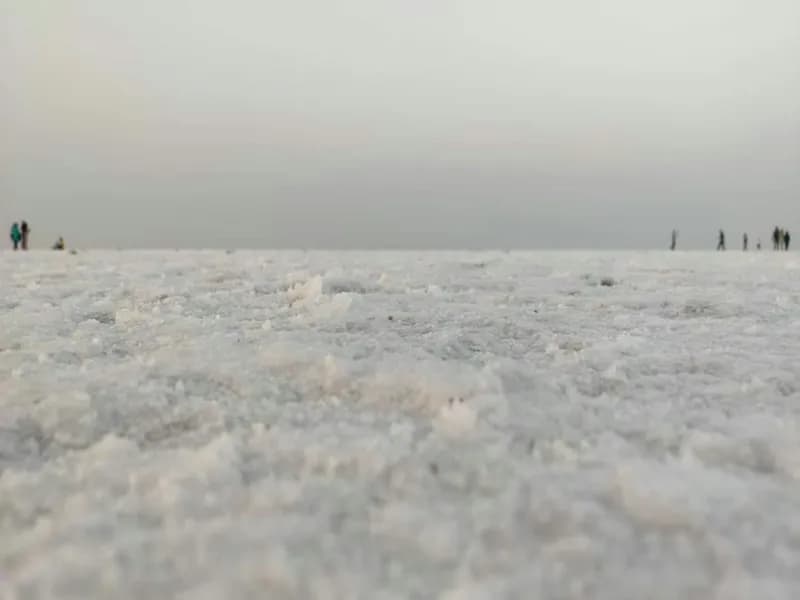
White Rann of Kutch
An otherworldly expanse of white salt desert stretching 7,500 sq km — the largest salt flat in Asia. On full moon nights, the landscape glows white to the horizon. Entry: 100 INR (Indians), 200 INR (foreigners) at the Dhordo check post. The Rann Utsav (November-February) offers luxury tent accommodation (3,000-15,000 INR/night) with cultural performances, camel rides, and handicraft shopping. Independent visits possible — drive from Bhuj to Dhordo (80km, 2 hours). The sunset over the white expanse is surreal. Allow half a day minimum.
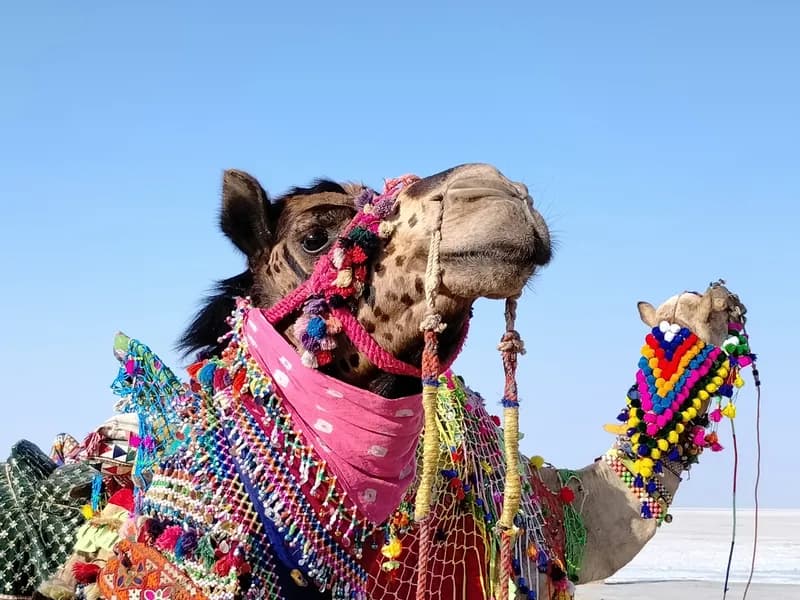
Handicraft Villages (Nirona, Bhujodi, Ajrakhpur)
Kutch's villages preserve India's richest living craft traditions. Nirona: Rogan art (oil-based painting on fabric — only one family in the world does this, free demo). Bhujodi: handloom weaving (Vankar community, shawls 500-5,000 INR). Ajrakhpur: block printing (Dr. Ismail Khatri's workshop is world-famous, demonstrations free). Each village is 30-60km from Bhuj. Hire a guide who knows the artisans (1,500-2,500 INR/day). Buy directly from artisans — prices are fair and every rupee supports the family. Allow a full day for 3-4 villages.
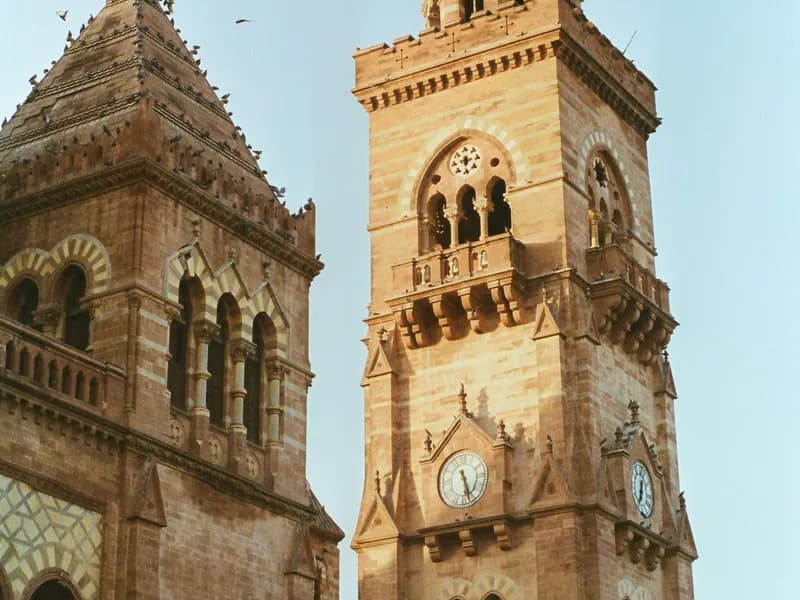
Bhuj — Walled City & Aina Mahal
The cultural capital of Kutch — a historic walled city with narrow lanes, ornate merchant houses, and the 18th-century Aina Mahal (Hall of Mirrors, entry 40 INR, open 9AM-12PM and 3PM-6PM, closed Wednesdays) with Venetian glass inlay and Dutch tile work. The adjacent Prag Mahal (entry 30 INR) has a stunning Italian Gothic palace. The Kutch Museum (India's oldest, entry 10 INR) has excellent tribal artifact collections. The old bazaar sells Kutchi embroidery, lacquerware, and silverwork. Allow a full day for Bhuj.
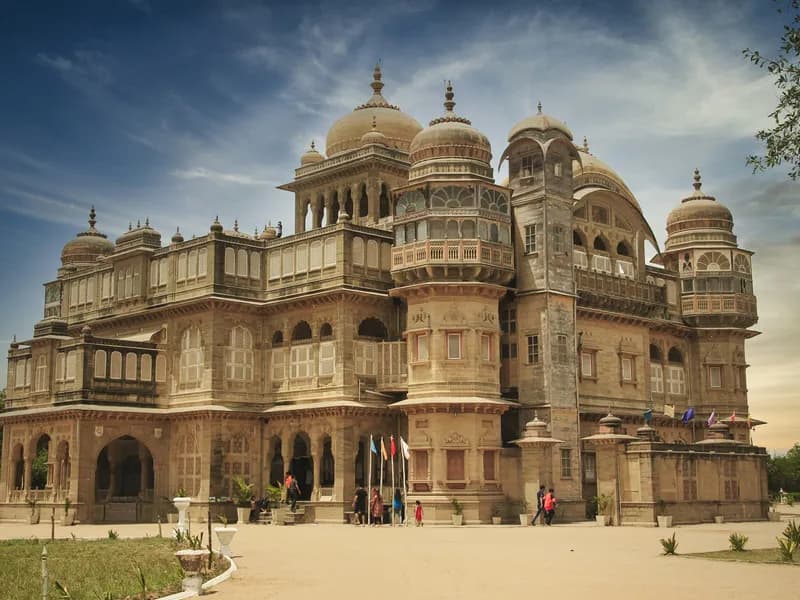
Mandvi Beach & Vijay Vilas Palace
A surprisingly beautiful 6km stretch of golden beach 60km south of Bhuj — uncrowded, clean, with camel rides (200-400 INR) and fresh seafood shacks. The Vijay Vilas Palace (entry 30 INR, open 9AM-6PM) is a stunning red sandstone palace with carved stone jali screens, used as a Bollywood filming location. A private beach section behind the palace is the most scenic spot. Wind farms on the coast create a dramatic backdrop. The shipbuilding yard at Mandvi port still makes traditional wooden dhows by hand.
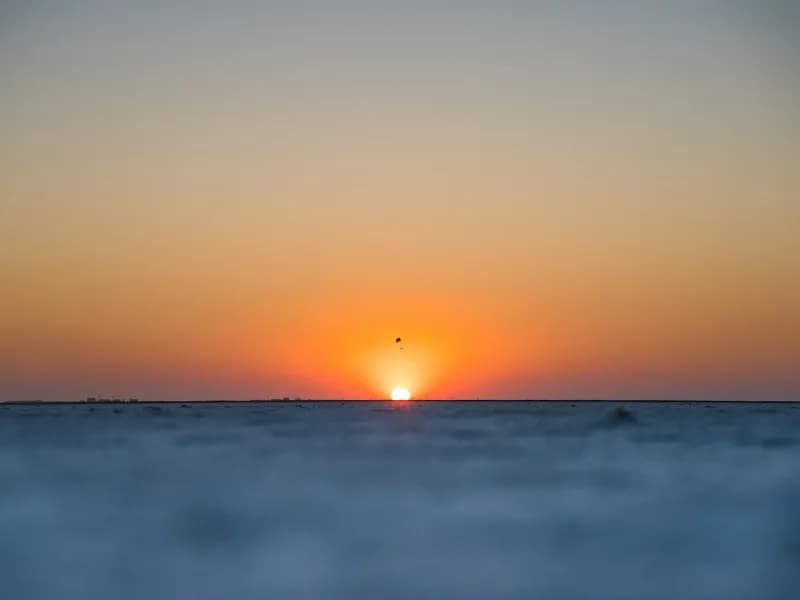
Kala Dungar (Black Hill) Viewpoint
The highest point in Kutch at 462m — offering panoramic views of the Great Rann salt desert stretching into Pakistan. Free entry. A Dattatreya temple at the summit has a legend about jackals fed by the monks. 97km from Bhuj (2.5 hours via desert road). On clear days, the white expanse and the curvature of the horizon create a surreal vista. Visit at sunset for golden light on the salt flats. The drive through the barren landscape is part of the experience. Near the India-Pakistan border — carry ID.
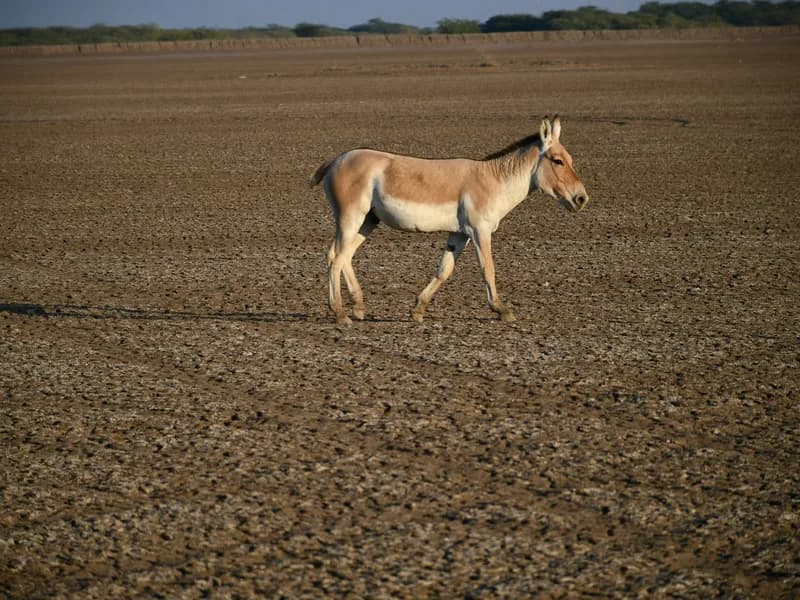
Wild Ass Sanctuary (Little Rann of Kutch)
The only place on Earth where the Indian wild ass (khur) survives in the wild — a unique ecosystem in the Little Rann where salt desert meets seasonal wetlands. Jeep safaris: 2,000-3,500 INR per person (3-4 hours). Entry: 100 INR (Indians), 500 INR (foreigners). Also home to flamingos, pelicans, wolves, and desert foxes. Based out of Dasada or Zainabad (130-180km from Bhuj). The Camp Zainabad eco-resort (5,000-8,000 INR/night) pioneered responsible tourism here. Best: November-March.
Planned Itinerary
7-Day Kutch Itinerary
Arrival in Bhuj
Fly into Bhuj Airport (BHJ) from Mumbai (1.5 hrs) or arrive by train from Ahmedabad (7-8 hrs). Explore the walled city.
Arrival at Bhuj Airport or station(30 minutes)
Auto-rickshaw to hotel 50-100 INR
Check into hotel in Bhuj(30 minutes)
Budget 600-1,500 INR. Mid-range 1,500-3,500 INR
Aina Mahal (Hall of Mirrors)(1 hour)
18th-century palace with Venetian glass inlay and Dutch tile work. Entry 40 INR. Open 9AM-12PM and 3-6PM. Closed Wednesdays
Prag Mahal(45 minutes)
Italian Gothic palace adjacent to Aina Mahal. Entry 30 INR. Climb the clock tower for city views
Dinner: Gujarati thali in Bhuj(1 hour)
Unlimited servings — dal, kadhi, rotla, vegetables, pickles, and sweets. 100-250 INR. Gujarat's food is outstanding
White Rann of Kutch
Asia's largest salt flat — 7,500 sq km of blinding white stretching to the horizon.
Drive to Dhordo (White Rann)(2 hours)
80km north of Bhuj. Hire a driver for the day (1,500-2,500 INR)
Walk on the White Rann(2 hours)
Entry 100 INR (Indians), 200 INR (foreigners) at Dhordo check post. The vast white expanse is surreal — especially around sunset and full moon when the landscape glows
Camel ride on the Rann(30 minutes)
200-400 INR. A traditional way to experience the salt flat
Lunch at Dhordo village(1 hour)
Simple Kutchi food. During Rann Utsav (Nov-Feb) the tent city offers full dining
Sunset on the White Rann(1 hour)
The white salt flat reflecting orange and pink sky — one of India's most extraordinary sunsets
Handicraft Villages
Kutch's living craft traditions — Rogan art, handloom weaving, and block printing.
Hire a guide who knows the artisans(15 minutes)
KALA (Kutch Living Artists' Association) in Bhuj can arrange guided craft tours. 1,500-2,500 INR/day
Nirona village — Rogan Art(1.5 hours)
Only one family in the world practices this oil-based fabric painting. Free demonstration. Buy directly from the artisan — pieces from 500-5,000 INR
Bhujodi village — Handloom Weaving(1.5 hours)
Vankar community weavers creating stunning shawls and textiles. Watch the looms in action. Shawls 500-5,000 INR
Lunch at a village or roadside dhaba(45 minutes)
Bajra rotla with ghee and vegetables. 50-100 INR
Ajrakhpur — Block Printing(1.5 hours)
Dr. Ismail Khatri's workshop is world-famous. Watch the multi-step printing process using wooden blocks and natural dyes. Free demonstration. Buy directly
Mandvi Beach & Vijay Vilas Palace
Golden beach and a stunning sandstone palace 60km south of Bhuj.
Vijay Vilas Palace(1 hour)
Red sandstone palace with carved jali screens. Entry 30 INR. Bollywood filming location. Private beach behind the palace is gorgeous
Mandvi Beach(2 hours)
6km of golden sand — uncrowded and clean. Camel rides 200-400 INR. Fresh seafood shacks along the beach
Mandvi Shipbuilding Yard(45 minutes)
Traditional wooden dhows still built by hand. Watch craftsmen at work — a living heritage
Lunch: Fresh seafood at Mandvi(1 hour)
Grilled fish and prawns at a beach shack. 150-300 INR
Kala Dungar & Great Rann Views
The highest point in Kutch with panoramic views of the Great Rann stretching into Pakistan.
Drive to Kala Dungar(2.5 hours)
97km from Bhuj via desert road. Carry water and ID (border area)
Kala Dungar viewpoint(1 hour)
462m — panoramic views of the Great Rann stretching to Pakistan. Dattatreya temple at summit. On clear days, the horizon curves visibly. Best at sunset
Lunch: Packed from Bhuj(30 minutes)
Limited facilities on the road
Return via Banni Grasslands(2.5 hours)
The Banni grasslands are home to the Maldhari pastoral communities with distinctive circular mud houses (bhungas)
Bhuj Old City & Rest
Deeper exploration of Bhuj's walled city and the old bazaar.
Kutch Museum(1 hour)
India's oldest museum (1877). Entry 10 INR. Tribal artifacts, textiles, and Kutchi embroidery collection
Old bazaar walk(1.5 hours)
Narrow lanes with embroidery shops, lacquerware, and silverwork. Bargaining expected but be fair — these are handmade
Lunch: Dabeli and khakra at a street stall(30 minutes)
Dabeli (spiced potato in a bun) is a Kutch invention. 20-30 INR. Khakra (thin crispy flatbread) is the Gujarati snack staple
Free afternoon rest(2 hours)
Gujarat is a dry state — relax with lassi or buttermilk instead
Departure
Final morning before departure.
Breakfast: Poha-jalebi(30 minutes)
Flattened rice with spices and sweet jalebi. A Gujarati morning staple. 30-50 INR
Final handicraft purchases(45 minutes)
Embroidered bags, mirror-work textiles, lacquerware, and block-printed fabrics
Taxi to Bhuj Airport(15 minutes)
Airport is 5km from city center. Or train to Ahmedabad (7-8 hrs)
14-Day Kutch Itinerary
Arrival in Bhuj
Fly from Mumbai or train from Ahmedabad. Explore the walled city.
Aina Mahal(1 hour)
40 INR
Prag Mahal(45 minutes)
30 INR
White Rann of Kutch
Asia's largest salt flat.
Walk on the Rann(2 hours)
100/200 INR
Handicraft Villages
Rogan art, weaving, block printing.
Hire craft guide(15 minutes)
1,500-2,500 INR/day via KALA
Mandvi Beach & Palace
Golden beach and red sandstone palace.
Vijay Vilas Palace(1 hour)
30 INR
Kala Dungar
Highest point in Kutch — Great Rann views.
Bhuj Old City & Rest
Museum, bazaar, and rest.
Wild Ass Sanctuary (Little Rann)
The only home of the Indian wild ass on Earth.
Drive to Dasada/Zainabad(3.5 hours)
130-180km from Bhuj. Taxi for the day 3,500-4,500 INR
Jeep safari(3 hours)
2,000-3,500 INR. Indian wild ass, flamingos, pelicans, wolves, desert foxes. Entry 100/500 INR
More Craft Villages — Embroidery Focus
Deeper into Kutch's embroidery traditions.
Hodka village (Meghwal community)(2 hours)
Famous for intricate mirror-work embroidery. Community-run guesthouse and craft demonstrations. 60km from Bhuj
Dhaneti or Sumrasar Sheikh village(1.5 hours)
Ahir and Rabari embroidery communities. Each has a distinctive style — geometric patterns, chain stitch, and mirror work
Lunch: Village home(1 hour)
Some villages offer home-cooked meals. Simple and delicious
Rest & Bhuj Food Tour
Eating through Gujarat's unique cuisine.
Late breakfast: Fafda and jalebi(30 minutes)
Crispy gram flour strips with sweet jalebi. A Sunday morning Gujarat tradition. 30-50 INR
Bhuj food walk(2 hours)
Dabeli, khaman, dhokla, khakra, and lassi. Every stall has specialties. 100-200 INR for a full food walk
Lunch: Bajra rotla with white butter(1 hour)
Pearl millet flatbread with ghee and green garlic chutney. A Kutchi staple
Dholavira Archaeological Site
UNESCO World Heritage Harappan (Indus Valley) city ruins, 250km from Bhuj.
Drive to Dholavira(5 hours)
Long but rewarding drive through the Rann. Start early. Taxi for the day 4,000-5,500 INR
Dholavira excavation site(2 hours)
One of the largest and best-preserved Harappan cities — 4,500 years old. UNESCO World Heritage since 2021. Entry 25 INR (Indians), 300 INR (foreigners). The stadium, water reservoir, and signboard are highlights
Recovery & Sunset at White Rann
Recovery from Dholavira and a second Rann visit for different light.
Mandvi Port & Coastal Villages
Return to the coast for deeper exploration.
Mandvi Port — traditional dhow building(1.5 hours)
Watch the full construction process of traditional sailing vessels
Wind farm beach walk(1 hour)
The wind farms along the coast create a dramatic modern-meets-ancient landscape
Final Craft Shopping & Bhuj
Last full day — final purchases and exploration.
Return to favorite craft villages(3 hours)
Commission a custom piece from your favorite artisan if you have time
Bhuj Swaminarayan Temple(45 minutes)
Beautifully carved temple in the old city. Free
Departure
Final morning.
21-Day Kutch Itinerary
Arrival in Bhuj
Fly from Mumbai or train from Ahmedabad.
White Rann of Kutch
Asia's largest salt flat.
Handicraft Villages Day 1
Rogan art, weaving, block printing.
Mandvi Beach & Palace
Golden beach and palace.
Kala Dungar
Highest point — Great Rann views.
Bhuj Old City & Rest
Museum, bazaar, rest.
Wild Ass Sanctuary
Indian wild ass — only on Earth.
Embroidery Villages
Hodka, Dhaneti — mirror-work and chain stitch.
Rest & Food Tour
Gujarat cuisine deep dive.
Dholavira (UNESCO)
4,500-year-old Harappan city.
Excavation site(2 hours)
25/300 INR
Recovery & Second Rann Visit
Different light on the salt flat.
Mandvi Port Deep Dive
Traditional dhow building and coastal villages.
Lakhpat Fort & Western Border
A deserted walled city at the India-Pakistan border, 150km from Bhuj.
Drive to Lakhpat(3 hours)
On the western edge of Kutch. Carry ID
Lakhpat Fort walk(1.5 hours)
Once a prosperous port city, now a ghostly walled town with Sikh and Hindu temples inside crumbling walls. The Rann stretches to Pakistan from the ramparts. Free
Narayan Sarovar Temple(1 hour)
One of Hinduism's five sacred lakes. Ancient temple complex. Free
Rest Day
True rest.
Day Trip to Mundra Port & Beaches
60km south — India's largest private port and quiet beaches.
Mundra Beach(1.5 hours)
A quiet, uncrowded beach. The port in the distance creates an industrial-meets-natural landscape
Old Mundra town walk(1 hour)
Historic trading town with merchant houses and old mosques
Banni Grasslands & Pastoral Life
Full day with the Maldhari pastoral communities in the grasslands.
Visit Maldhari bhungas (circular mud houses)(2 hours)
The Maldhari people build distinctive round mud houses decorated with intricate white clay designs. Arrange through KALA or your hotel
Lunch: Maldhari home(1 hour)
Simple meals — millet rotla, buttermilk, and vegetables
Birdwatching in Banni wetlands (seasonal)(1.5 hours)
During monsoon and post-monsoon, the grasslands attract flamingos and cranes
Textile Workshop Day
Hands-on craft experience — learn to block print or embroider.
Block printing workshop at Ajrakhpur(3 hours)
Some workshops offer hands-on sessions — carve a small block and print your own fabric. 500-1,500 INR. Full day workshops also available
Embroidery lesson at a village(2 hours)
Learn basic mirror-work or chain stitch from a village artisan. 300-800 INR
Day Trip to Ahmedabad
5 hours east to Gujarat's cultural capital — UNESCO Old City, Sabarmati Ashram, and textiles.
Early train to Ahmedabad(5 hours)
300-800 INR
Sabarmati Ashram(1 hour)
Gandhi's headquarters for 12 years. Free. The museum is moving. Riverside location
Lunch: Manek Chowk (night market area)(1 hour)
Street food — khaman, dabeli, and the famous ice cream sandwiches
Old City heritage walk(2 hours)
UNESCO World Heritage — carved wooden havelis, stepwells, and pol (neighborhood gates)
Recovery & Photography
Gentle day after Ahmedabad.
Final Kutch Day
Last full day — favorites and farewell.
Departure
Final morning.
Travel Tips
Visa & Entry
Standard Indian Visa — Border Permits for Some Areas
Standard Indian e-tourist visa applies. The Rann of Kutch is a border area with Pakistan — the main tourist route via Dhordo does NOT require a special permit. However, Kala Dungar and areas near the border may require a permit obtainable at Bhuj police office (free, bring passport copy and photos). Foreign nationals should check with the Bhuj Superintendent of Police office for current restrictions.
transport
Bhuj Is the Base — Hire a Driver
Fly to Bhuj (BHJ) from Mumbai (daily flights, 1.5 hours). Alternatively, train from Ahmedabad (7-8 hours, 300-800 INR). From Bhuj, attractions are spread across a vast district — you need a car. Hire a driver for 2-3 days (1,500-2,500 INR/day including fuel). This is the most efficient way to cover the Rann, handicraft villages, Mandvi, and Kala Dungar. Within Bhuj, auto-rickshaws (30-100 INR) work for local sightseeing.
Budget
Affordable Except During Rann Utsav
Budget hotels in Bhuj: 600-1,500 INR/night. Mid-range: 1,500-3,500 INR. Meals: 80-200 INR (Gujarati thali is the standard — unlimited servings). During Rann Utsav (November-February), the tent city at Dhordo ranges 3,000-15,000 INR/night — book at rannutsav.net months ahead. Budget 1,500-2,500 INR/day excluding accommodation. Handicrafts can range from 200 INR for small items to 15,000+ INR for elaborate shawls — everything is handmade and worth it.
Local Customs
Gotcha: Gujarat Is a Dry State
Alcohol is completely banned in Gujarat — no bars, no liquor shops, no drinking in hotels. Foreigners can obtain a temporary liquor permit from the Excise Department (valid 30 days) but finding alcohol is still difficult outside 5-star hotels. Don't try to smuggle alcohol in — penalties are severe. The upside: Gujarat's food culture compensates brilliantly. Kutchi cuisine (dabeli, khakra, bajra rotla with ghee, and lassi) is outstanding.
Buying Handicrafts Responsibly
Kutch's craft traditions are endangered — many artisan communities have only a few practitioners left. Buy directly from artisans in villages rather than city shops to ensure fair prices. Don't bargain aggressively — these are handmade products taking weeks to create. The Rogan art family in Nirona has a visitors' book signed by international dignitaries. KALA (Kutch Living Artists' Association) in Bhuj can arrange guided craft tours with legitimate artisan connections.
Safety
Desert Heat and Sun Protection
From March to June, temperatures exceed 45°C in the desert. Even in winter, midday sun is intense on the white Rann (snow-blindness-like glare). Carry sunglasses, sunscreen SPF50+, and a hat. On the Rann, there's zero shade — carry 2+ liters of water. If driving in rural areas, carry extra water and fuel as services are sparse. The border area near Pakistan has BSF checkpoints — cooperate politely and carry ID.
Related Articles
Travel GuidesHow to Plan a Trip to Kutch: The Complete Visitor's Guide
When to go, how to get to Bhuj, where to sleep near the White Rann, and what a Kutch trip actually costs — everything you need to plan Gujarat's most extraordinary desert journey.
StoriesThe Night the White Rann Glowed: A Kutch Travel Story
I drove two hours through desert darkness to stand on a salt flat under a full moon. What I found there was the most disorienting and beautiful landscape I've ever seen.
Travel Guides10 Reasons the Rann of Kutch Is India's Most Otherworldly Destination
A white salt desert that glows under a full moon, villages where one family in the world practices an ancient art, and a beach nobody knows about. Kutch defies every expectation.
StoriesA Kutch Local on Craft, the Rann, and What Tourists Should Really See
Lakha Rabari is a craft guide from Bhuj. His grandmother embroiders mirrors into fabric. His advice: skip the Rann Utsav tent city and visit her village instead.