
Nagasaki

Key Facts
Best Time to Visit
March to May (cherry blossoms, mild) and October to November (comfortable autumn weather)
Language
Japanese; English signage at major tourist sites and transportation
Currency
Japanese Yen (JPY)
Time Zone
JST (UTC+9)
Airport
Nagasaki Airport (NGS) — 45 minutes by bus from city center
Population
~400,000 (city proper)
Climate
Humid subtropical, avg 7-28°C; mild winters, warm humid summers; typhoon risk August-October
Safety Rating
Very Safe (Level 1)
Historical Significance
Japan's sole trading port during 200+ years of isolation (1641-1853); site of the second atomic bombing on August 9, 1945
Top Highlights
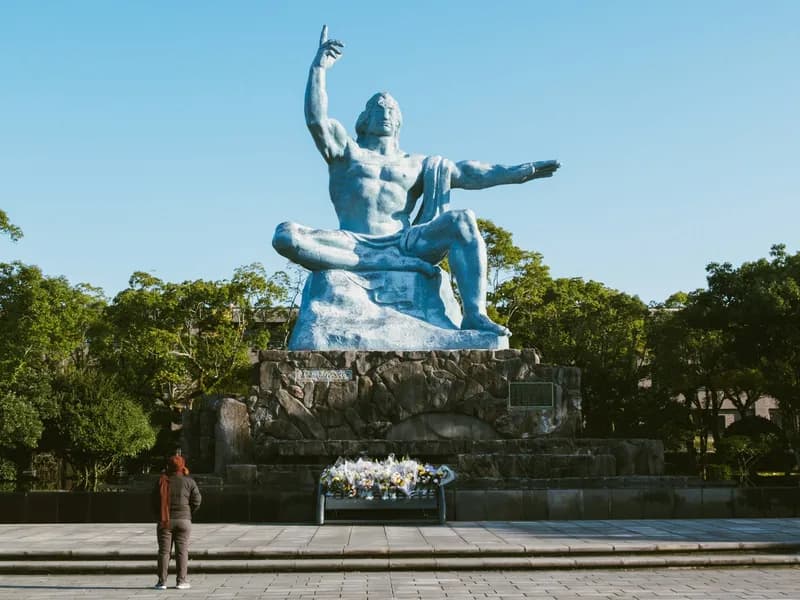
Nagasaki Peace Park & Atomic Bomb Museum
The park features the iconic 10m Peace Statue and memorial fountains. The museum (200 JPY adults) chronicles the bombing with artifacts and survivor testimonies. Open 8:30AM-5:30PM (6:30PM summer). Allow 2-3 hours. The hypocenter monument is a 5-minute walk south. Annual peace ceremony held August 9 at 11:02AM.
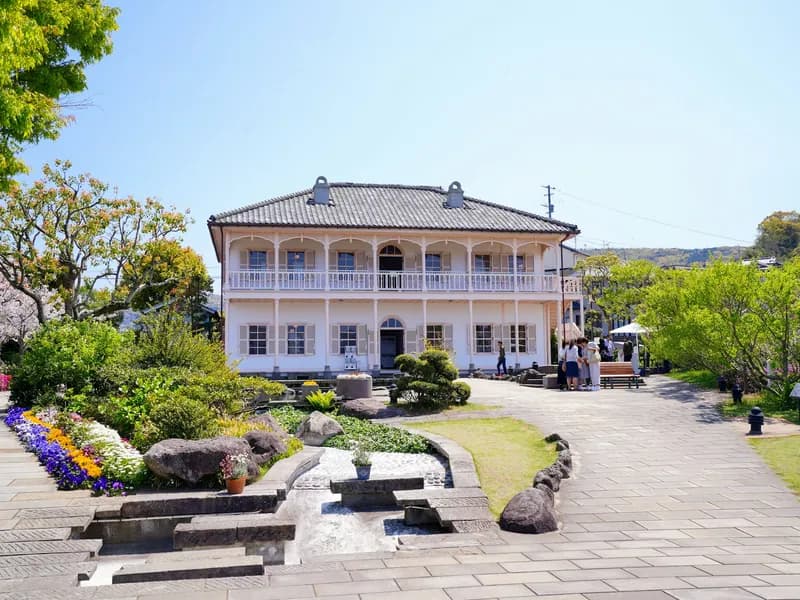
Glover Garden
An open-air museum of Western-style mansions on a hillside overlooking the harbor. The oldest Western building in Japan (1863) is here. Entry: 620 JPY. Open 8AM-6PM. Moving walkways carry you uphill. The garden inspired Puccini's Madama Butterfly — look for the statue. Sunset views of the harbor are stunning. Allow 1.5-2 hours.
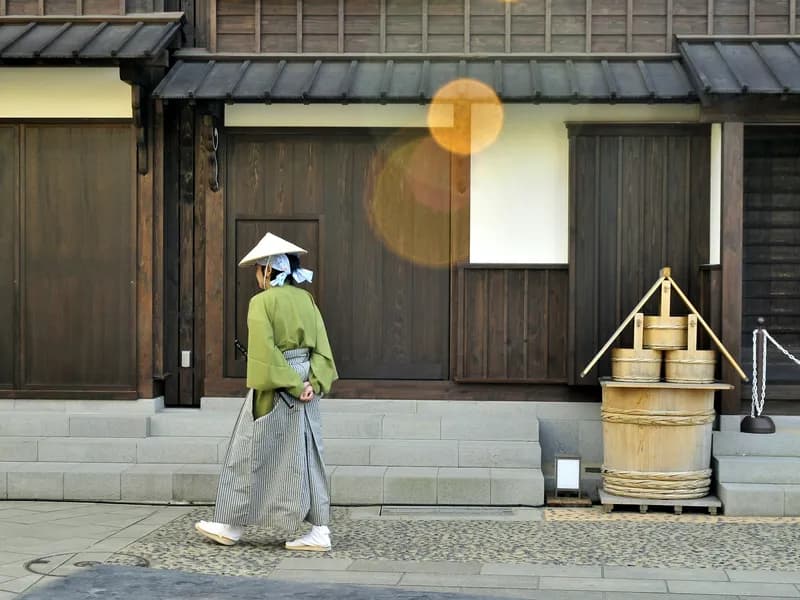
Dejima
A reconstructed fan-shaped artificial island that was Japan's only point of Western contact for over 200 years (Dutch East India Company). Entry: 520 JPY. Open 8AM-6PM. Faithfully restored buildings house period furniture, trading goods, and interactive exhibits. 10-minute walk from Nagasaki Station. Allow 1-1.5 hours.
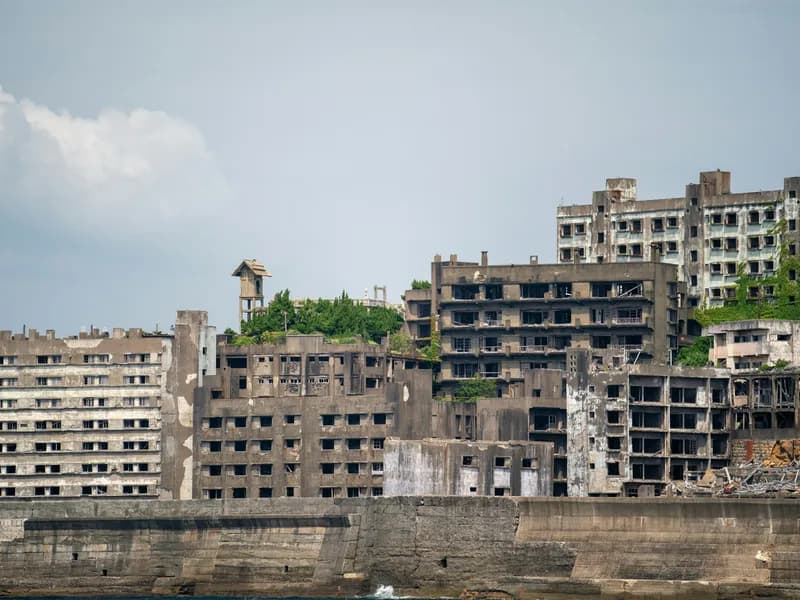
Hashima Island (Gunkanjima)
An abandoned concrete island 18km offshore, once the world's most densely populated place (coal mining community). UNESCO World Heritage Site since 2015. Boat tours from Nagasaki Port (4,000-5,000 JPY, 3 hours round trip). Tours cancel in rough seas — book multiple days for flexibility. Only a small section is walkable. Haunting and unforgettable.
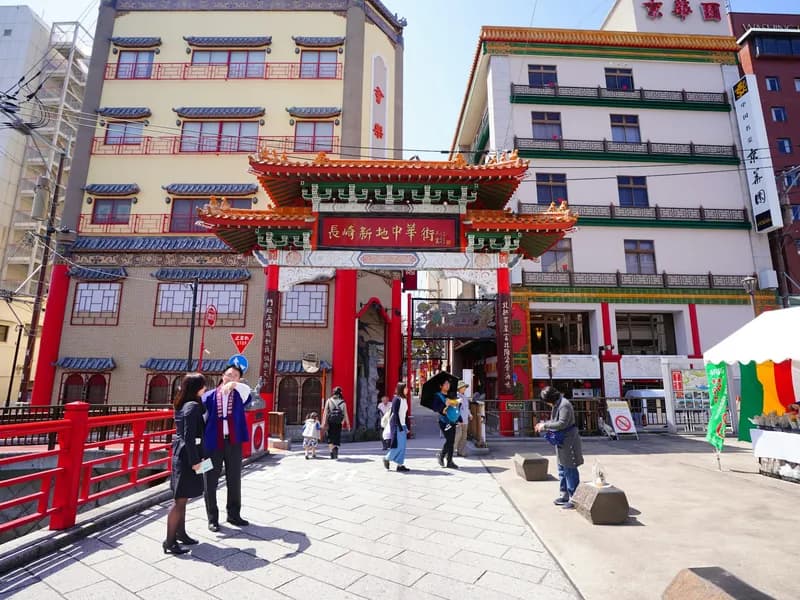
Nagasaki Chinatown (Shinchi)
Japan's oldest Chinatown, dating to the 17th century. Smaller but more authentic than Yokohama's. Famous for champon noodles (a Nagasaki-original dish, ~900 JPY) and sara udon (crispy noodles). The Chinese New Year Lantern Festival (Jan-Feb) fills the area with 15,000 lanterns. Free to walk; 5-minute walk from Dejima. Allow 1 hour.
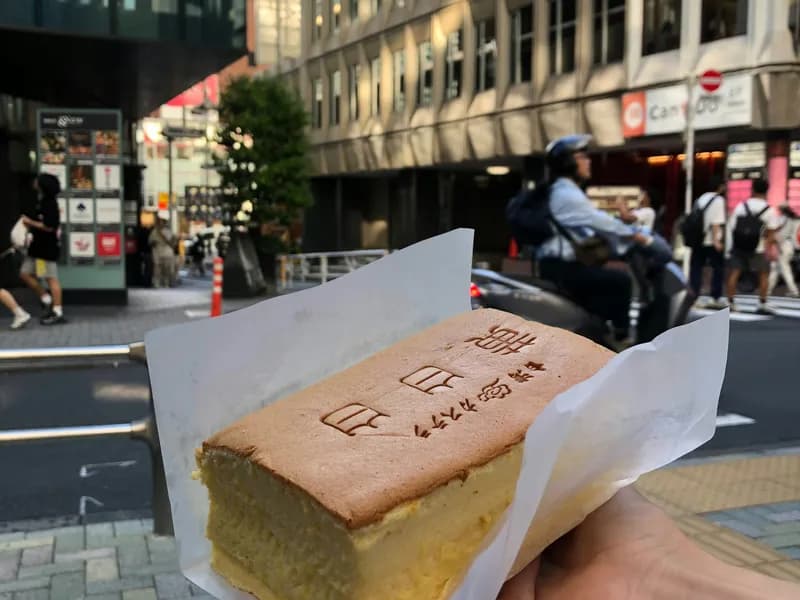
Castella Cake at Fukusaya
Nagasaki's signature sweet — a moist sponge cake brought by Portuguese missionaries in the 16th century. Fukusaya (since 1624) on the main shopping street is the most famous bakery. A standard loaf costs 1,620 JPY. The bottom has a caramelized sugar crust. Also try at Bunmeido. Makes an excellent souvenir — vacuum-sealed for travel.
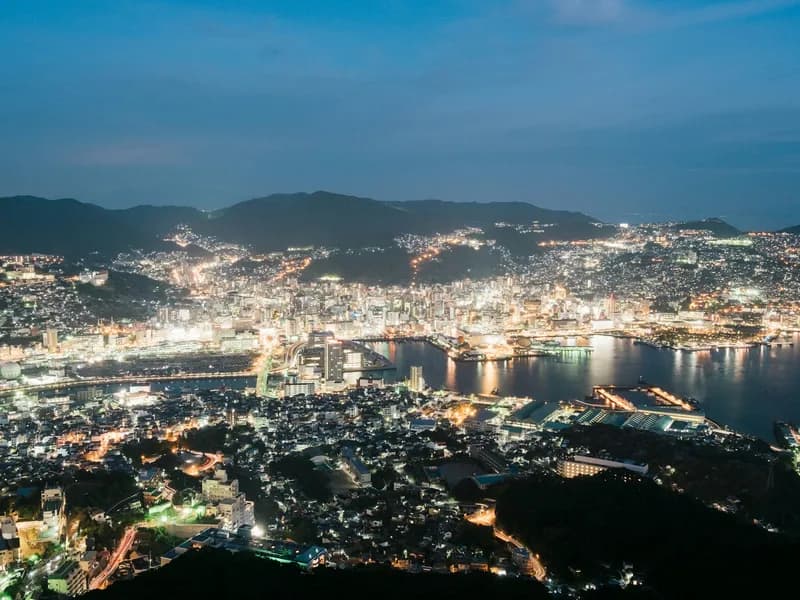
Mount Inasa Night View
Rated one of Japan's top 3 night views alongside Hakodate and Kobe. The ropeway (1,250 JPY round trip) runs to the 333m summit. Operating hours until 10PM. The panoramic view of Nagasaki's harbor and hills draped in lights is called '10 million dollar night view.' Go on a clear night. Free shuttle bus from Nagasaki Station to ropeway station.
Planned Itinerary
7-Day Nagasaki Itinerary
Arrival & Nagasaki Harbor Orientation
Arrive in Nagasaki — a city built on steep hills around a stunning harbor. Get oriented with the tram system and explore the waterfront area.
Arrive at Nagasaki Station(varies)
Fly to Nagasaki Airport (NGS, 45 min bus to city, 1,000 JPY) or take the Kamome Shinkansen from Hakata (1 hr 25 min). The electric tramway starts right outside the station
Check-in near Shinchi or Shianbashi(1 hour)
Hotels from 4,500 JPY/night. Central Nagasaki puts you walking distance to Chinatown, Dejima, and Glover Garden
Buy a tram 1-day pass(5 minutes)
600 JPY from the tourist info center at the station. Flat 140 JPY per ride otherwise. Four lines cover all major sights
Evening stroll along Nagasaki harbor(1 hour)
Walk from the station toward Dejima Wharf — waterfront restaurants with harbor views. Try sara udon (crispy noodles) at Kozanrou from 900 JPY
Peace Park, Atomic Bomb Museum & Remembrance
A solemn and powerful day dedicated to Nagasaki's wartime history and its message of peace.
Nagasaki Peace Park(45 minutes)
The iconic 10m Peace Statue and memorial fountains. Free. The park is serene in the morning. Tram to Matsuyamamachi stop
Atomic Bomb Museum(2 hours)
200 JPY. Artifacts, survivor testimonies, and the full story of August 9, 1945 at 11:02AM. Photography restricted in some areas. Deeply moving
Hypocenter monument(20 minutes)
A 5-minute walk south of the museum. A black stone pillar marks the exact epicenter of the blast. Free
Urakami Cathedral(30 minutes)
Rebuilt Catholic cathedral near the hypocenter — the original was the largest in Asia before the bombing. Free. Somber and beautiful
Lunch at a local shokudo(45 minutes)
Try champon noodles near the Peace Park area — Shikairou's Nagasaki champon (1,100 JPY) is said to be the original
Evening reflection at the Peace Park illumination(30 minutes)
The Peace Statue is illuminated at night. A quiet, reflective way to end this day
Glover Garden, Dutch Slopes & Harbor Heritage
Explore Nagasaki's unique international heritage — Western mansions, Dutch trading history, and the Madama Butterfly connection.
Glover Garden(1.5 hours)
Open-air museum of Western mansions on a hillside (620 JPY). Moving walkways carry you uphill. Oldest Western building in Japan (1863). Look for the Madama Butterfly statue. Stunning harbor views at sunset
Dutch Slopes (Oranda-zaka)(30 minutes)
Steep stone-paved streets lined with wooden buildings from the Dutch era. Free. Atmospheric but steep — good walking shoes essential
Dejima Dutch Trading Post(1.5 hours)
Reconstructed fan-shaped island — Japan's only point of Western contact for over 200 years. 520 JPY. Faithfully restored buildings with period furniture and trading goods
Lunch in Nagasaki Chinatown (Shinchi)(1 hour)
Japan's oldest Chinatown. Champon at Kairakuen (900 JPY) or try sara udon. Walk the compact grid of 100+ shops
Oura Catholic Church(30 minutes)
Japan's oldest surviving Christian church (1864), now a UNESCO World Heritage Site. 1,000 JPY. The discovery of hidden Christians here shocked the world
Hashima Island (Gunkanjima) Day Trip
Boat trip to the haunting abandoned island — once the world's most densely populated place, now a UNESCO site.
Hashima Island boat tour(3 hours)
Depart from Nagasaki Port (4,000-5,000 JPY, 3 hours round trip). Book with Gunkanjima Concierge or Yamasa Shipping 2-3 weeks ahead. Tours cancel in rough seas. Only a small section is walkable but it's unforgettable
Lunch near Nagasaki Port(1 hour)
Dejima Wharf has several restaurants with harbor views. Try Turkish rice (toruko raisu) — a Nagasaki-original dish combining pilaf, spaghetti, and tonkatsu (900-1,200 JPY)
Nagasaki Museum of History and Culture(1 hour)
600 JPY. Learn about Nagasaki's role as Japan's gateway to the world. Excellent English exhibits
Free evening to explore(flexible)
Try the Hamano-machi shopping arcade — Nagasaki's main covered shopping street
Rest Day — Megane Bridge, Castella & Cafes
A relaxed day exploring Nagasaki's charming details — its iconic spectacles bridge, legendary cake, and hidden cafes.
Megane-bashi (Spectacles Bridge)(30 minutes)
Japan's oldest stone arch bridge (1634) — its reflection creates a 'spectacles' shape. Free. Hunt for the heart-shaped stones in the river wall nearby for good luck
Castella tasting at Fukusaya(30 minutes)
Nagasaki's signature Portuguese-origin sponge cake since 1624. A standard loaf costs 1,620 JPY. The caramelized sugar crust on the bottom is the mark of quality. Also try Bunmeido
Sofuku-ji Zen Temple(45 minutes)
300 JPY. Chinese-style temple built in 1629 with the largest Buddhist cauldron in Japan. Atmospheric red-painted buildings
Late lunch at Yossou(1 hour)
Famous for shippoku ryori — Nagasaki's fusion banquet cuisine blending Japanese, Chinese, and Western elements (courses from 5,000 JPY). A unique culinary experience
Free afternoon(flexible)
Browse the approach to Suwa Shrine, visit the Confucius Shrine (660 JPY), or simply rest. Nagasaki's hills earn their rest days
Mount Inasa Night View & Final Explorations
Explore remaining highlights during the day and end with Nagasaki's legendary '10 million dollar night view' from Mount Inasa.
Suwa Shrine(45 minutes)
Nagasaki's most important shrine, host of the spectacular Kunchi Festival each October. Free. Climb the 277 stone steps for the exercise and views
Nagasaki Penguin Aquarium(1 hour)
520 JPY. The world's most penguin species (9) in one facility. Surprisingly charming. 30 minutes south by bus
Lunch: castella French toast at Café Olympique(45 minutes)
Creative twist on Nagasaki's famous cake — thick slices soaked and grilled. Near Hamano-machi
Mount Inasa ropeway for night view(2 hours)
Ropeway 1,250 JPY round trip to the 333m summit. Free shuttle from Nagasaki Station. One of Japan's top 3 night views — the harbor and hills draped in lights is called '10 million dollar night view.' Go on a clear night. Operating until 10PM
Departure Day
Final morning in Nagasaki for last souvenirs and goodbyes to this remarkable city.
Morning walk along the harbor(30 minutes)
One last look at the harbor that shaped this city's extraordinary history
Souvenir shopping: castella and champon(1 hour)
Buy castella from Fukusaya (vacuum-sealed for travel), dried champon noodle sets, and Nagasaki stained glass crafts. Shops near the station and Hamano-machi
Transfer to Nagasaki Airport or train station(45 minutes)
Airport bus from downtown (1,000 JPY, 45 min) or Shinkansen from Nagasaki Station to Hakata for connections
14-Day Nagasaki Itinerary
Arrival & Nagasaki Harbor Orientation
Arrive in Nagasaki and get oriented with the tram system. Explore the waterfront area for your first evening.
Arrive at Nagasaki(varies)
Fly to NGS (45 min bus, 1,000 JPY) or Shinkansen from Hakata (1 hr 25 min)
Check-in near Shinchi or Shianbashi(1 hour)
Hotels from 4,500 JPY/night
Buy tram 1-day pass(5 minutes)
600 JPY. Four tram lines cover all major sights
Evening at Dejima Wharf(1 hour)
Waterfront restaurants with harbor views. Try sara udon (crispy noodles) from 900 JPY
Peace Park & Atomic Bomb Museum
A solemn day dedicated to Nagasaki's wartime history and message of peace.
Nagasaki Peace Park(45 minutes)
10m Peace Statue, memorial fountains. Free. Tram to Matsuyamamachi
Atomic Bomb Museum(2 hours)
200 JPY. Artifacts and survivor testimonies. Deeply moving
Hypocenter monument(20 minutes)
Black stone pillar at the exact epicenter. Free
Urakami Cathedral(30 minutes)
Rebuilt Catholic cathedral near hypocenter. Free
Champon lunch at Shikairou(45 minutes)
Said to be the original champon restaurant (1,100 JPY)
Glover Garden & Harbor Heritage
Nagasaki's unique international heritage — Western mansions, Dutch history, and Madama Butterfly.
Glover Garden(1.5 hours)
Western mansions on hillside (620 JPY). Moving walkways. Oldest Western building in Japan (1863). Madama Butterfly statue
Dutch Slopes(30 minutes)
Steep stone-paved streets. Free. Good walking shoes essential
Dejima Dutch Trading Post(1.5 hours)
Japan's only Western contact point for 200+ years. 520 JPY
Lunch in Chinatown (Shinchi)(1 hour)
Japan's oldest Chinatown. Champon at Kairakuen (900 JPY)
Oura Catholic Church(30 minutes)
Japan's oldest surviving church (1864). UNESCO site. 1,000 JPY
Hashima Island (Gunkanjima)
Boat trip to the haunting abandoned island — once the world's most densely populated place.
Hashima Island boat tour(3 hours)
4,000-5,000 JPY from Nagasaki Port. Book 2-3 weeks ahead. Cancels in rough seas
Turkish rice lunch(1 hour)
Nagasaki-original toruko raisu: pilaf, spaghetti, tonkatsu (900-1,200 JPY) at Dejima Wharf
Nagasaki Museum of History and Culture(1 hour)
600 JPY. Nagasaki as Japan's gateway to the world
Rest Day — Castella, Bridges & Hidden Cafes
Relaxed day exploring Nagasaki's charming details.
Megane-bashi (Spectacles Bridge)(30 minutes)
Japan's oldest stone arch bridge (1634). Find the heart-shaped stones in the river wall
Castella tasting at Fukusaya(30 minutes)
Since 1624. Standard loaf 1,620 JPY. Also try Bunmeido
Sofuku-ji Temple(45 minutes)
Chinese-style Zen temple (300 JPY). Largest Buddhist cauldron in Japan
Free afternoon(flexible)
Explore Suwa Shrine approach or Confucius Shrine (660 JPY)
Mount Inasa Night View
Final city explorations capped by Nagasaki's legendary night view.
Suwa Shrine(45 minutes)
277 stone steps. Host of October's Kunchi Festival. Free
Lunch: shippoku ryori fusion cuisine(1.5 hours)
At Yossou — Japanese/Chinese/Western fusion banquet from 5,000 JPY
Afternoon shopping(1 hour)
Stained glass crafts and castella at Hamano-machi arcade
Mount Inasa ropeway(2 hours)
1,250 JPY round trip. '10 million dollar night view.' Free shuttle from station. Go on a clear night
Day Trip to Shimabara Peninsula
Head east to the volcanic peninsula with its samurai district, spring water town, and Unzen hot springs.
Shimabara Railway from Isahaya(1 hour 30 minutes)
JR to Isahaya then Shimabara Railway (combined ~2,000 JPY). Scenic route along the coast
Shimabara Castle(45 minutes)
540 JPY. White castle with Christian history museum. Views of Ariake Sea and Unzen volcano
Carp swimming in Shimabara's spring water streets(30 minutes)
The town's canals are so clean that koi swim in the gutters. Free to walk. Taste fresh spring water at public fountains
Lunch: guzoni soup(45 minutes)
Shimabara's hearty rice cake vegetable soup. Himematsuya near the castle from 800 JPY
Goto Islands Day Excursion
Explore the remote Goto Islands — home to hidden Christian heritage sites and pristine beaches.
High-speed ferry to Fukue Island(1 hour 25 minutes)
From Nagasaki Port (from 5,160 JPY one-way). First ferry departs early morning. The Goto Islands are part of the Hidden Christian UNESCO heritage
Dozaki Church(30 minutes)
Red-brick Gothic church built by hidden Christians after the ban was lifted. Free. Atmospheric and moving
Takahama Beach(1 hour)
One of Japan's most beautiful beaches — white sand and crystal-clear turquoise water. Free
Goto udon lunch(45 minutes)
Hand-pulled udon unique to the islands, served with a special dipping broth and flying fish. From 700 JPY
Return ferry to Nagasaki(1 hour 25 minutes)
Afternoon ferry back. Check schedule — ferries are limited
Rest Day — Onsen at Unzen
Recovery day at the mountain hot spring resort of Unzen, with steaming jigoku (hell) vents.
Bus to Unzen Onsen(1 hour 40 minutes)
Direct bus from Nagasaki (1,550 JPY). The mountain road is scenic. Unzen is a small town at 700m elevation
Unzen Jigoku (Hot Spring Hells)(1 hour)
Free. Steaming sulfur vents, boiling pools, and walkways through the volcanic landscape. Eggs boiled in hot springs 500 JPY
Day-use onsen soak(1.5 hours)
Several ryokan offer day-use baths from 700 JPY. Unzen's sulfuric waters are famous for skin health
Hidden Christians & Sotome Coast
Drive the scenic Sotome coast north of Nagasaki — remote fishing villages where Christians hid their faith for 250 years.
Rent a car or join a guided tour(30 minutes)
Car rental from 5,000 JPY/day. The Sotome coast is 30-40 min north of central Nagasaki
Shitsu Church(30 minutes)
White wooden church on a cliff above the sea. Part of the Hidden Christian Sites UNESCO heritage. Free
Endo Shusaku Literary Museum(45 minutes)
360 JPY. Dedicated to the author of 'Silence' (adapted by Scorsese). The museum overlooks the coast where the novel is set
Lunch at a Sotome seafood restaurant(1 hour)
Fresh-caught fish at coastal restaurants. Sashimi sets from 1,200 JPY
Oura area walk(1 hour)
Return to the Oura district for any missed sites. Browse the bijutsu-kan (art galleries)
Huis Ten Bosch Theme Park
Visit the massive Dutch-themed park — Nagasaki's nod to its Holland connection, with real-scale replicas of Dutch buildings.
JR train to Huis Ten Bosch(1 hour 30 minutes)
JR Seaside Liner from Nagasaki (1,500 JPY). Direct train
Full day at Huis Ten Bosch(6 hours)
7,000 JPY 1-day passport. Canals, windmills, tulip gardens, cheese shops, and a beer brewery. Surprisingly charming. Night illumination is spectacular. Allow a full day
Lunch inside the park(1 hour)
Dutch-style restaurants serving cheese fondue, croquettes, and surprisingly good craft beer brewed on-site
Nishi-zaka Martyrs & Christian Heritage Deep Dive
Explore Nagasaki's layered Christian history — from persecution to survival to celebration.
26 Martyrs Museum and Monument(1 hour)
500 JPY. Memorial to 26 Christians executed in 1597 — the first martyrs of Japan. The hilltop bronze relief is powerful
St. Philip's Church(20 minutes)
Modern church built at the martyrs' site. Free
Walk through Nakamachi district(1 hour)
Old merchant quarter with remnants of international trading era. Quiet streets, old shopfronts, and hidden temples
Lunch: Nagasaki sara udon(45 minutes)
Crispy thin noodles topped with thick seafood sauce at a local shokudo. From 800 JPY
Free afternoon — local neighborhood(flexible)
Explore the Teramachi temple street (5 temples in a row) or relax at a cafe
Farewell Day — Final Explorations
Last full day to revisit favorites and find last-minute surprises.
Morning revisit to a favorite spot(1.5 hours)
Return to Glover Garden at sunset timing, or revisit Chinatown
Nagasaki Penguin Aquarium(1 hour)
520 JPY. 9 penguin species in one facility. 30 min south by bus
Last castella shopping(30 minutes)
Buy vacuum-sealed castella from Fukusaya for gifts
Farewell dinner: kaiseki with Nagasaki flavors(2 hours)
Multi-course meal blending Nagasaki's unique Japanese-Chinese-Western culinary heritage. Restaurants near Shianbashi from 6,000 JPY
Departure Day
Final morning in Nagasaki.
Morning harbor walk(30 minutes)
One last look at the harbor that shaped this extraordinary city
Souvenir shopping(45 minutes)
Castella, champon sets, stained glass crafts near the station
Transfer to airport or train station(45 minutes)
Airport bus (1,000 JPY, 45 min) or Shinkansen from Nagasaki Station
21-Day Nagasaki Itinerary
Arrival & Harbor Orientation
Arrive in Nagasaki and explore the waterfront district.
Arrive at Nagasaki(varies)
NGS airport (45 min bus) or Shinkansen from Hakata (1 hr 25 min)
Check-in and tram pass(1 hour)
Hotels from 4,500 JPY. Tram 1-day pass 600 JPY
Evening at Dejima Wharf(1 hour)
Harbor restaurants. Sara udon from 900 JPY
Peace Park & Atomic Bomb Museum
Solemn day dedicated to Nagasaki's wartime history.
Peace Park(45 minutes)
10m Peace Statue. Free
Atomic Bomb Museum(2 hours)
200 JPY. Artifacts and survivor testimonies
Urakami Cathedral(30 minutes)
Rebuilt cathedral near hypocenter. Free
Champon lunch at Shikairou(45 minutes)
Original champon restaurant (1,100 JPY)
Glover Garden & Dutch Heritage
Western mansions, Dutch trading history, and the Madama Butterfly connection.
Glover Garden(1.5 hours)
620 JPY. Moving walkways. Oldest Western building in Japan
Dutch Slopes(30 minutes)
Stone-paved streets. Free
Dejima(1.5 hours)
520 JPY. Japan's only Western contact for 200+ years
Chinatown lunch(1 hour)
Japan's oldest Chinatown. Champon from 900 JPY
Oura Catholic Church(30 minutes)
UNESCO site. 1,000 JPY. Japan's oldest church (1864)
Hashima Island (Gunkanjima)
Boat trip to the abandoned island — UNESCO World Heritage Site.
Hashima Island boat tour(3 hours)
4,000-5,000 JPY. Book 2-3 weeks ahead
Turkish rice lunch(1 hour)
Nagasaki-original dish (900-1,200 JPY)
History and Culture Museum(1 hour)
600 JPY
Rest Day — Bridges, Castella & Temples
Relaxed day exploring charming details.
Megane-bashi(30 minutes)
Japan's oldest stone arch bridge (1634). Find the heart stones
Fukusaya castella tasting(30 minutes)
Since 1624. Loaf 1,620 JPY
Sofuku-ji Temple(45 minutes)
Chinese-style (300 JPY). Largest Buddhist cauldron
Mount Inasa Night View
Daytime explorations capped by the legendary night view.
Suwa Shrine(45 minutes)
277 stone steps. Free
Shippoku ryori lunch(1.5 hours)
At Yossou — fusion cuisine from 5,000 JPY
Mount Inasa ropeway(2 hours)
1,250 JPY. '10 million dollar night view.' Until 10PM
Shimabara Peninsula
Volcanic peninsula with samurai district and spring water town.
Train to Shimabara(1 hour 30 minutes)
~2,000 JPY combined
Shimabara Castle(45 minutes)
540 JPY. Christian history museum
Spring water streets(30 minutes)
Koi swim in pristine canal gutters. Free
Guzoni soup lunch(45 minutes)
Rice cake vegetable soup from 800 JPY
Goto Islands Day Trip
Hidden Christian heritage and pristine beaches on remote islands.
High-speed ferry to Fukue Island(1 hour 25 minutes)
From 5,160 JPY one-way
Dozaki Church(30 minutes)
Red-brick Gothic. Hidden Christian UNESCO heritage. Free
Takahama Beach(1 hour)
White sand, turquoise water. Free
Goto udon lunch(45 minutes)
Hand-pulled with flying fish broth. From 700 JPY
Rest Day — Unzen Onsen
Mountain hot springs and volcanic jigoku (hell) vents.
Bus to Unzen(1 hour 40 minutes)
1,550 JPY. Mountain road
Unzen Jigoku(1 hour)
Free. Steaming sulfur vents. Hot spring eggs 500 JPY
Day-use onsen(1.5 hours)
From 700 JPY. Famous sulfuric waters
Sotome Coast & Hidden Christians
Scenic coast with remote villages where Christians hid their faith for 250 years.
Rent a car(30 minutes)
From 5,000 JPY/day. Sotome is 30-40 min north
Shitsu Church(30 minutes)
White cliff church. UNESCO Hidden Christian site. Free
Endo Shusaku Literary Museum(45 minutes)
360 JPY. Author of 'Silence.' Overlooks the coast
Sotome seafood lunch(1 hour)
Fresh sashimi sets from 1,200 JPY
Huis Ten Bosch Theme Park
Massive Dutch-themed park — Nagasaki's tribute to its Holland connection.
Train to Huis Ten Bosch(1 hour 30 minutes)
JR Seaside Liner (1,500 JPY)
Full day at the park(6 hours)
7,000 JPY. Canals, windmills, tulips, cheese, brewery. Night illumination spectacular
Lunch in the park(1 hour)
Dutch-style restaurants with on-site craft beer
Christian Martyrs & Teramachi
Deep dive into Nagasaki's layered Christian and Buddhist heritage.
26 Martyrs Museum(1 hour)
500 JPY. First martyrs of Japan (1597)
Walk Teramachi temple street(1.5 hours)
Five temples in a row. Free. Peaceful walking
Sara udon lunch at a local shokudo(45 minutes)
From 800 JPY
Overnight to Hirado Island
Journey to the island that was Japan's first international trading port, before even Nagasaki.
Bus to Hirado(3 hours)
Direct bus from Nagasaki (2,300 JPY) or via Sasebo
Hirado Castle(45 minutes)
520 JPY. Hilltop castle with views of the strait. Dutch and English traders arrived here in the 1600s
Hirado Dutch Trading House(45 minutes)
310 JPY. Reconstructed warehouse from 1639
Lunch: Hirado chanpon and kasutera(1 hour)
Local versions of Nagasaki favorites. Try agodashi (flying fish stock) ramen
Overnight in Hirado(overnight)
Stay at a ryokan near the harbor. From 8,000 JPY with dinner
Hirado Churches & Return
Explore Hirado's unique landscape where churches and temples share the same hillside.
Temple-and-Church View spot(30 minutes)
The iconic view of St. Francis Xavier Church aligned with three Buddhist temples. Free. Quintessential Nagasaki region photograph
Tabira Church(30 minutes)
Romanesque church near Hirado. Part of Hidden Christian heritage
Morning walk through Hirado old town(1 hour)
Quiet streets with old merchant houses and harbor views
Return to Nagasaki(3 hours)
Bus back via Sasebo
Rest Day — Slow Nagasaki
Recovery day after Hirado. Gentle exploration at your own pace.
Nagasaki Prefectural Art Museum(1.5 hours)
420 JPY. Spanish art collection and waterfront building by Kengo Kuma
Café lunch near Oura(1 hour)
The Oura district has charming cafes in renovated Western buildings
Free afternoon(flexible)
Revisit favorites or explore new backstreets
Cooking Class & Local Crafts
Hands-on day learning to make Nagasaki's unique fusion cuisine and visiting craft workshops.
Champon or castella cooking class(2.5 hours)
Local cooking schools offer classes in Nagasaki specialties (4,000-6,000 JPY). Book through tourism office
Nagasaki bead glass (biidoro) workshop(1 hour)
Traditional glass blowing demonstration. The Nagasaki pop-pop glass toy is a classic souvenir. From 1,500 JPY for a workshop
Afternoon walk: Nakashima River bridges(1 hour)
Walk along the river visiting multiple historic bridges. Megane-bashi is the star, but there are 10+ stone bridges
Day Trip to Sasebo & Kujukushima Islands
Visit the port city of Sasebo for its famous burger and cruise past 208 islands.
Train to Sasebo(1 hour 45 minutes)
JR Seaside Liner (1,680 JPY)
Kujukushima Pearl Sea Resort cruise(1 hour)
Cruise among 208 islands in Saikai National Park. From 1,800 JPY. Stunning island-dotted seascape
Sasebo Burger lunch(45 minutes)
Handmade burgers started by US Navy influence. Hikari or Big Man are the originals. From 500 JPY
Tenkaiho Observation Deck(45 minutes)
Free. Panoramic view of the 99 islands. Best at sunset
Omura Bay & Cherry Blossom Heritage
Visit the bay area east of Nagasaki for castle ruins and the airport-adjacent coastal park.
Train to Omura(30 minutes)
JR from Nagasaki (480 JPY)
Omura Castle ruins and park(1 hour)
Free. Famous for cherry blossoms (spring) and irises (summer). Peaceful moat walk
Omura Sushi Street(1 hour)
Omura-zushi (pressed sushi) is the local specialty. Try at restaurants near the station from 1,000 JPY
Afternoon exploration of Omura Bay coast(1.5 hours)
Scenic coastal walk and local shops
Rest & Photography Day
Slow day with a photography focus on Nagasaki's photogenic hillside neighborhoods.
Morning photography walk: Higashi-yamate(2 hours)
The eastern hill district has quiet lanes, old Western houses, and panoramic harbor views. Best light in the morning
Lunch at a hidden local restaurant(1 hour)
Ask your hotel for their favorite neighborhood spot. Nagasaki's best food is often in unmarked shops
Nagasaki Penguin Aquarium(1 hour)
520 JPY. 9 penguin species. Surprisingly charming
Final Full Day — Farewell Feast
Last explorations and a grand farewell dinner combining everything you loved about Nagasaki.
Morning revisit(1.5 hours)
Return to your favorite spot — Peace Park, Glover Garden, or Chinatown
Final souvenir shopping(1 hour)
Castella, champon sets, biidoro glass, stained glass crafts
Farewell shippoku dinner(2.5 hours)
Full shippoku ryori banquet at a traditional restaurant — the ultimate Nagasaki meal combining all the city's influences. From 8,000 JPY
Departure Day
Final morning in Nagasaki.
Last harbor walk(30 minutes)
One final look at the harbor that wrote 400 years of history
Transfer to airport or station(45 minutes)
Airport bus (1,000 JPY, 45 min) or Shinkansen from Nagasaki Station to Hakata
Travel Tips
Visa & Entry
Japan Visa-Free Entry
Most Western passport holders receive 90-day visa-free entry. Complete Visit Japan Web registration before arrival. Nagasaki is reachable by domestic flight to NGS or Shinkansen to Hakata then limited express Kamome train (1 hr 25 min).
transport
Nagasaki Streetcar is the Best Way Around
The Nagasaki Electric Tramway covers all major sights for a flat 140 JPY per ride (pay when exiting). A 1-day pass (600 JPY) is excellent value and sold at tourist info centers. Four lines crisscross the narrow valley. IC cards accepted. Trams run every 5-8 minutes.
Book Hashima Island Tours in Advance
Gunkanjima boat tours sell out quickly, especially on weekends and holidays. Book 2-3 weeks ahead online. Tours cancel in rough seas (common in winter and typhoon season). Gunkanjima Concierge and Yamasa Shipping are the two licensed operators departing from Nagasaki Port. Carry motion sickness medication if prone.
Local Customs
Peace Park Etiquette
The Peace Park and Atomic Bomb Museum are places of mourning — maintain respectful silence. Photography is allowed in the park but restricted in some museum areas. The August 9 ceremony at 11:02AM (the exact bombing time) is open to all. Nagasaki's peace message focuses on nuclear abolition, not blame.
Budget
Nagasaki is Very Affordable
Champon noodles from 800 JPY, castella loaf from 1,000 JPY, business hotels from 4,500 JPY/night. Major attractions are inexpensive (200-620 JPY). A full day of sightseeing costs under 4,000 JPY in entrance fees. The Hashima Island boat tour is the biggest single expense at 4,000-5,000 JPY.
Safety
Steep Hills and Narrow Streets
Nagasaki is built on steep hillsides — wear comfortable walking shoes. Some areas have no sidewalks, and cars share narrow streets with pedestrians. The Dutch Slopes (Oranda-zaka) area is particularly steep. In summer, carry water as the hills combined with humidity are tiring. Escalators and moving walkways exist at Glover Garden.
Related Articles
SeasonalNagasaki's Lantern Festival: Why Winter Is the Best Time to Visit
15,000 lanterns transform Chinatown and the harbor every January-February. It's the most photogenic event in Kyushu, and nobody outside Japan seems to know about it.
Travel GuidesNagasaki vs Hiroshima: Two Cities, Two Histories, One Essential Trip
Both were devastated. Both rebuilt. But the way each city processes its history, feeds its visitors, and faces the future couldn't be more different.
Travel GuidesThe Complete Nagasaki Travel Guide for 2026
From Dejima's Dutch trading post to Hashima's ghost island, champon noodles to million-dollar night views. Everything for planning a Nagasaki trip.