
Ngorongoro

Photo: Patricia (Trisha) Berberat / Unsplash
Key Facts
Best Time to Visit
June to October (dry season, best visibility); December to March for calving season on nearby Serengeti short-grass plains
Language
Swahili, English (official); Maa in Maasai communities
Currency
Tanzanian Shilling (TZS)
Time Zone
EAT (UTC+3)
Airport
Kilimanjaro International Airport (JRO), 190 km east; Lake Manyara Airstrip (LKY) is closer for charter flights
Population
~87,000 Maasai pastoralists live within the conservation area (no permanent settlements on crater floor)
Climate
Cool highland, crater rim avg 10-20°C; crater floor 15-28°C; rain peaks Mar-May and Nov
Safety Rating
Generally Safe (Level 1) — wildlife risk on crater floor, follow guide instructions
UNESCO Status
World Heritage Site since 1979; also a UNESCO Biosphere Reserve
Top Highlights
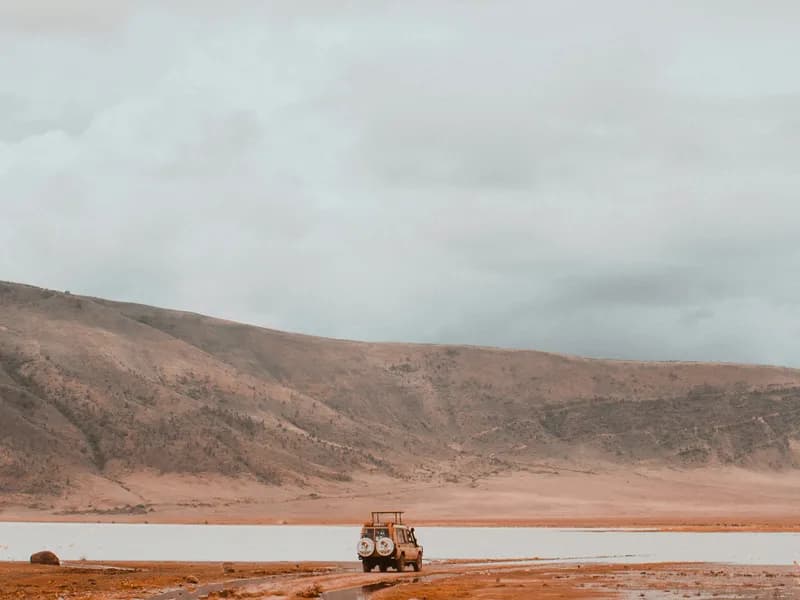
Crater Floor Game Drive
Descend 600 m into the caldera for a half-day drive among 25,000+ large animals including all Big Five. The floor is only 260 km² so wildlife density is extraordinary. Vehicles enter at 6 AM via Seneto or Lemala descent roads. Crater service fee: $295/vehicle + $71/person (2025 rates).
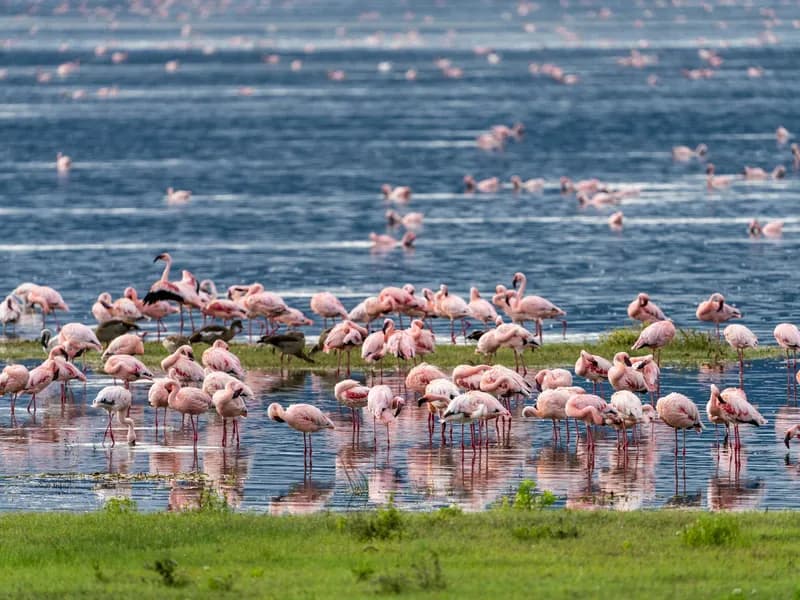
Lake Magadi Flamingo Spectacle
A shallow soda lake on the crater floor that draws thousands of lesser flamingos, turning the water pink. Best viewed January to March. The alkaline waters also attract hippos. Bring binoculars — vehicles cannot drive to the shore; viewpoints are 200-300 m away.
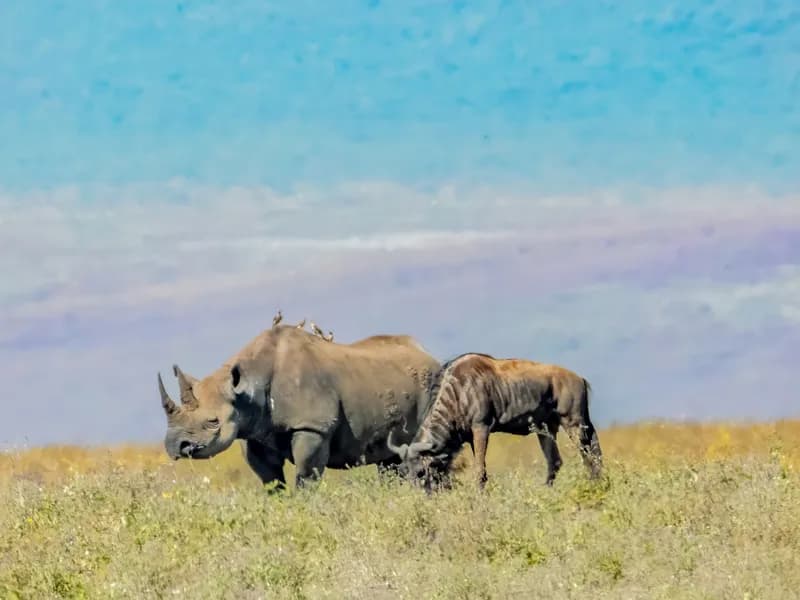
Black Rhino Tracking
Ngorongoro is one of the best places in East Africa to spot critically endangered black rhinos — around 26 reside on the crater floor. Guides know favored grazing areas near the Lerai Forest. Early morning (6-8 AM) offers the best odds. Sightings are never guaranteed but occur on ~60% of drives.

Olduvai Gorge Museum
The 'Cradle of Mankind' where Louis and Mary Leakey discovered 1.8-million-year-old Homo habilis fossils. The small museum sits between Ngorongoro and Serengeti (45 min drive from crater rim). Entry ~$35 includes a guided talk and gorge viewpoint. Allow 1-2 hours.
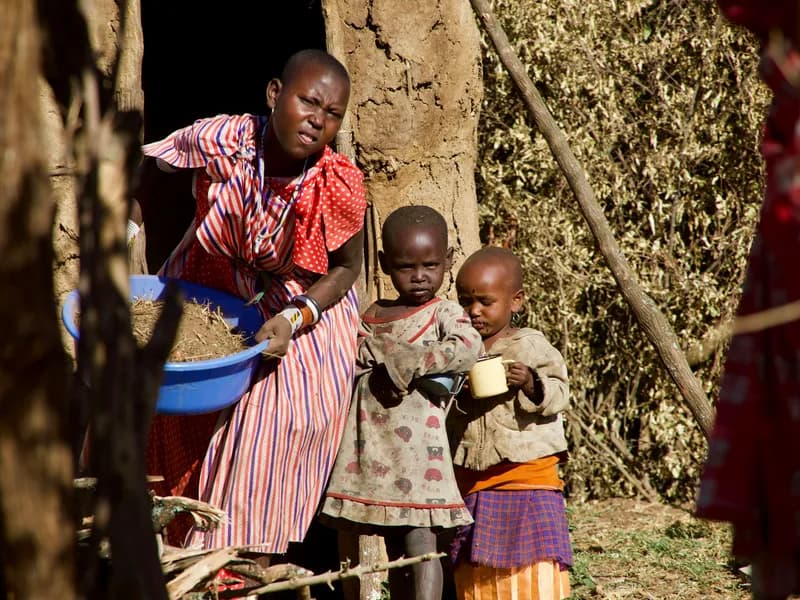
Maasai Boma Cultural Visit
Maasai communities on the crater rim welcome visitors for traditional dance performances, hut tours, and beaded jewelry shopping. Visits cost $20-30 per person, arranged through lodges. Revenue funds community schools. The singing and jumping ceremony is a highlight.
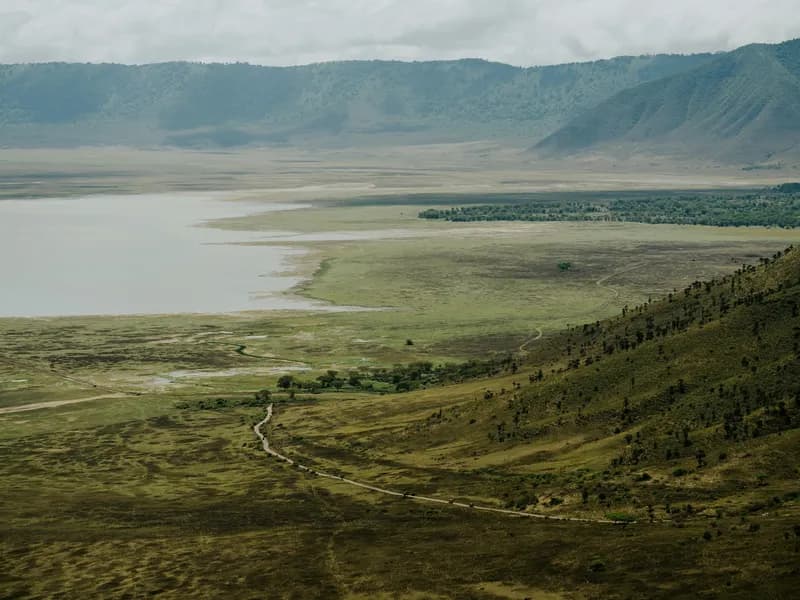
Crater Rim Sunrise Viewpoint
The viewpoint near Simba A campsite on the eastern rim offers a staggering panorama of the entire caldera at dawn. Free access for those staying on the rim. Temperatures drop to 5°C at sunrise — bring layers. Clear skies are most common June to September.
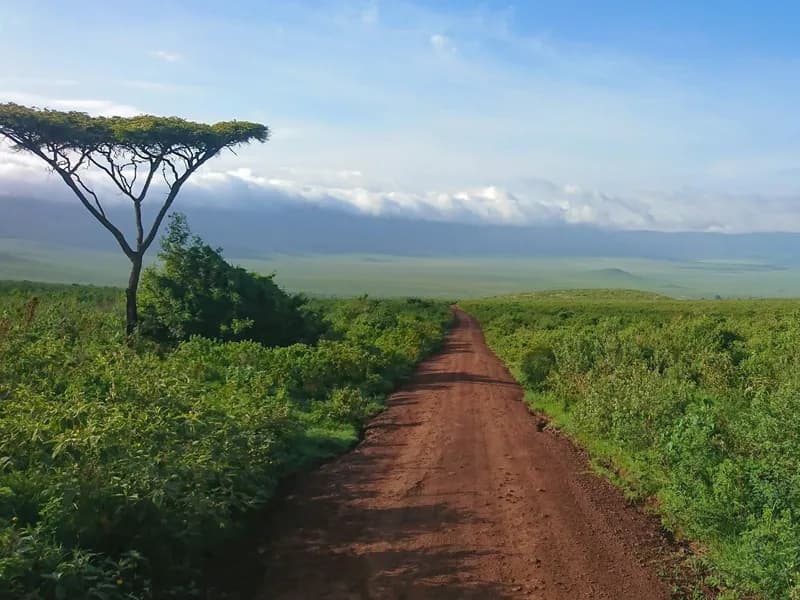
Empakaai Crater Hike
A lesser-visited crater 30 km northeast with a deep emerald lake and flamingos. The 2-3 hour guided hike descends 300 m to the lake shore through montane forest. Armed ranger required ($30). Far fewer tourists than the main crater — often just your group.
Planned Itinerary
7-Day Ngorongoro Itinerary
Arrival in Arusha — Safari Gateway
Arrive at Kilimanjaro International Airport (JRO) and transfer to Arusha, the starting point for the northern safari circuit.
Airport transfer to Arusha(1 hour)
JRO is 46 km east. Pre-arranged hotel transfers $30-50. Shared Impala Hotel shuttles $10. The drive takes 45-60 minutes
Check-in at Arusha Coffee Lodge or African Tulip(1 hour)
Mid-range $80-150/night. Arusha Coffee Lodge sits on a working plantation. African Tulip is central and well-run
Lunch at Africafe(1 hour)
Popular spot near the Clock Tower. Wood-fired pizza (TZS 18,000/$7), fresh juices, strong Tanzanian coffee. Good for meeting other safari-goers
Evening briefing with safari operator(1 hour)
Meet your guide and review the itinerary. Legitimate operators are TATO members. Expect 6-7 AM departure tomorrow
Drive to Ngorongoro — Crater Rim Sunset
Drive west from Arusha through Maasai country to the crater rim. The first glimpse of the caldera is breathtaking.
Drive from Arusha to Ngorongoro(3.5 hours)
190 km via Karatu. The tarmac road passes through Maasai villages and farmland. Stop at Karatu for fuel and cash — ATMs available here, not at the crater
Ngorongoro Conservation Area gate entry(30 minutes)
Entry fees: $71/person/day + $295/vehicle crater service fee. Payable by Visa/Mastercard or crisp USD cash (post-2006 bills)
Lunch at Ngorongoro Wildlife Lodge or camp(1 hour)
Rim lodges have staggering caldera views from the dining terrace. Budget lodges start at $150/person/night; &Beyond Ngorongoro Crater Lodge is $1,500+
Crater rim sunset viewpoint(1 hour)
Walk to the viewpoint near your lodge or the Simba A campsite on the eastern rim. The 600 m deep caldera stretches below — 260 km² of wildlife-packed savanna. Bring warm layers — rim temperatures drop to 5°C at sunset
Crater Floor Game Drive — Big Five
Descend 600 m into the caldera for a half-day drive among 25,000+ large animals. The wildlife density is extraordinary.
Descent into the crater at 6 AM(30 minutes)
Vehicles enter via the Seneto or Lemala descent roads. The winding road down reveals the scale of the caldera. Maximum 6 hours allowed on the floor
Crater floor game drive(5 hours)
All Big Five in 260 km². Black rhinos near Lerai Forest (26 reside here, ~60% sighting rate). Lion prides, elephant herds, buffalo, and leopards in the fever tree forest. The concentration is unlike anywhere else in Africa
Hippo pool stop(30 minutes)
A permanent pool on the crater floor with a large hippo pod. Good for photography — the hippos are habituated to vehicles
Lake Magadi flamingos(30 minutes)
Shallow soda lake that turns pink with lesser flamingos, especially January to March. Binoculars needed — vehicles can't reach the shore
Ascend and lunch at the rim(1 hour)
Mandatory ascent by the time limit. Lunch at your lodge with caldera views. Decompress from an extraordinary morning
Maasai Village & Olduvai Gorge
Cultural morning at a Maasai boma, then visit the 'Cradle of Mankind' — one of the world's most important archaeological sites.
Maasai boma village visit(1.5 hours)
Communities on the crater rim welcome visitors. Traditional jumping dances, fire-making, hut tours, beaded jewelry. $20-30/person. Revenue funds schools. The singing ceremony is the highlight
Drive to Olduvai Gorge(45 minutes)
Located between Ngorongoro and Serengeti. The gorge where Louis and Mary Leakey discovered 1.8-million-year-old Homo habilis fossils
Olduvai Gorge Museum(1.5 hours)
~$35 entry includes guided talk and gorge viewpoint. Small but profoundly significant museum. The cast of Homo habilis skull is remarkable
Evening at the rim(1.5 hours)
Warm drinks by the fireplace. The crater rim is chilly but atmospheric. Stars are exceptional at 2,300 m
Rest Morning & Empakaai Crater Hike
Sleep in, then trek into a lesser-visited volcanic crater with an emerald lake and flamingos — often just your group.
Late breakfast at the rim(1.5 hours)
Watch the morning mist clear from the caldera below while eating
Drive to Empakaai Crater(1 hour)
30 km northeast. Far fewer tourists than the main crater
Empakaai Crater hike(3 hours)
Guided descent 300 m through montane forest to an emerald lake with flamingos. Armed ranger required ($30). 2-3 hours round trip. The isolation is a stark contrast to the main crater's vehicles
Second Crater Descent — Dawn Drive
A second, earlier crater floor visit to catch the dawn light and different animal behavior.
Pre-dawn descent at first light(30 minutes)
Enter at gate opening. The crater floor at dawn is quieter and cooler — predators are active, herbivores are grazing
Dawn crater floor drive(5 hours)
Focus on areas you missed: the Lerai Forest for leopards, the Gorigor Swamp for elephants and waterfowl, and the open grasslands for cheetahs. Your second visit is better — you know the layout
Afternoon drive to Karatu for farewell dinner(1.5 hours)
Karatu has excellent restaurants. Gibbs Farm ($25-40 set menu) serves organic farm-to-table in a gorgeous highland setting. Or Lilac Cafe in town for simpler fare ($8-12)
Departure — Drive to Arusha & Flight
Drive back to Arusha with a stop at Lake Manyara viewpoint, then fly out from JRO.
Drive from Ngorongoro to Arusha(3 hours)
Stop at the Lake Manyara escarpment viewpoint — the lake stretches below with flamingo-pink shores. Free viewpoint. 15 minutes off the main road
Lunch in Arusha before the airport(1 hour)
The Blue Heron at Arusha Coffee Lodge for a farewell meal, or grab quick Indian food at Khan's BBQ on the Moshi highway ($5-8)
Transfer to JRO airport(45 minutes)
46 km east. Allow 3 hours before international flights. The drive passes Mount Meru on a clear day
14-Day Ngorongoro Itinerary
Arrival in Arusha
Arrive at JRO and transfer to Arusha — the safari capital of East Africa.
Airport transfer to Arusha(1 hour)
JRO is 46 km east. Hotel transfers $30-50. Shared shuttles $10
Check-in at Arusha Coffee Lodge(1 hour)
On a working coffee plantation. $100-200/night
Lunch at Africafe(1 hour)
Wood-fired pizza (TZS 18,000), Tanzanian coffee near the Clock Tower
Arusha Exploration Day
Full day in Arusha — coffee plantations, culture, and Kilimanjaro views.
Coffee plantation tour at Shamba Estate(3 hours)
Bean-to-cup processing, roasting, and cupping. ~$40 including lunch. Mount Meru slopes produce Tanzania's finest Arabica
Kilimanjaro viewpoint at Moshi Road(30 minutes)
Clear mornings (6-8 AM) offer snow-capped Kili from eastern Arusha. Free. Cloud rolls in by 10 AM
Maasai Market shopping(1.5 hours)
Beadwork, Tingatinga paintings, Tanzanite, kangas. Bargain from 40% of asking. Busiest Wed and Sat
Dinner at Fifi's(1.5 hours)
Upscale Indian-Tanzanian fusion on the Old Moshi Road. Butter chicken (TZS 22,000), tandoori prawns. Popular pre-safari splurge
Drive to Tarangire National Park
Begin the northern circuit at Tarangire — famous for massive elephant herds and ancient baobab trees.
Drive to Tarangire(2.5 hours)
120 km southwest. Park entry $53/person. Dry season (Jun-Oct) concentrates wildlife along the Tarangire River
Game drive through baobab woodland(4 hours)
Enormous elephant herds (200+ groups), tree-climbing pythons, and 550 bird species. The ancient baobabs are 2,000+ years old. The park has the highest density of elephants in Tanzania
Overnight at Tarangire Safari Lodge(1 hour)
Perched on a ridge overlooking the river. $150-300/night. Watch elephants drink below at sunset
Tarangire to Lake Manyara
Morning drive in Tarangire, then continue to Lake Manyara — known for tree-climbing lions.
Sunrise game drive in Tarangire(3 hours)
Early morning at the river. Predators returning from night hunts, elephants moving to water
Drive to Lake Manyara National Park(1.5 hours)
75 km northwest. Park entry $53/person
Lake Manyara game drive(3 hours)
Groundwater forest along the escarpment base, tree-climbing lions (one of only two populations in Africa), hippo pools, and flamingos on the soda lake
Overnight at Kirurumu Manyara Lodge(1 hour)
Eco-lodge on the escarpment with lake views. $120-250/night
Drive to Ngorongoro — Crater Rim
Continue west to the crater. The first glimpse of the caldera is always breathtaking.
Drive from Manyara to Ngorongoro(1.5 hours)
Via Karatu. Last ATMs and fuel in Karatu
NCA gate entry(30 minutes)
$71/person/day + $295/vehicle. Visa/Mastercard or crisp USD
Lunch at crater rim lodge(1 hour)
Staggering caldera views from the dining terrace
Crater rim sunset viewpoint(1 hour)
Eastern rim viewpoint. The 260 km² caldera stretches below. Bring warm layers — 5°C at sunset
Crater Floor Game Drive
Descend 600 m into the caldera for a half-day among 25,000+ animals.
Descent at 6 AM(30 minutes)
Seneto or Lemala descent roads. Max 6 hours on the floor
Crater floor drive(5 hours)
All Big Five. Black rhinos near Lerai Forest (~60% sighting rate). Extraordinary wildlife density
Hippo pool and Lake Magadi flamingos(1 hour)
Permanent hippo pool and pink soda lake
Maasai Village & Olduvai Gorge
Cultural morning at a Maasai boma, then the 'Cradle of Mankind.'
Maasai boma visit(1.5 hours)
$20-30/person. Jumping dances, fire-making, hut tours, beadwork shopping
Olduvai Gorge Museum(1.5 hours)
~$35. Guided talk and gorge viewpoint. 1.8-million-year-old Homo habilis discoveries
Rest Day on the Rim
A full rest day at 2,300 m. Read, breathe, and watch the caldera.
Short nature walk on the rim(1.5 hours)
Guided walks along the crater rim through montane forest. Buffalo and bushbuck inhabit the rim forests. $20-30 with a ranger
Warm drinks by the lodge fireplace(1.5 hours)
The evening chill makes a fireplace irresistible. Stars are brilliant at this elevation
Empakaai Crater Hike
Trek into a lesser-visited crater with an emerald lake — often just your group.
Drive to Empakaai(1 hour)
30 km northeast. Far fewer tourists
Empakaai Crater descent hike(3 hours)
300 m descent through montane forest to emerald lake with flamingos. Armed ranger $30. Stunning isolation
Second Crater Descent — Dawn Drive
Second caldera visit at dawn for different animal behavior and light.
Dawn crater floor drive(5 hours)
Focus on Lerai Forest leopards, Gorigor Swamp elephants, and open grassland cheetahs
Afternoon drive toward Serengeti gate(2 hours)
Position for tomorrow's Serengeti visit
Serengeti National Park — Day 1
Enter the Serengeti — the endless plains that define African safari.
Drive from Ngorongoro to Central Serengeti(3 hours)
Via Naabi Hill Gate. Park entry $71/person. The transition from highland forest to open savanna is dramatic
Game drive across the Seronera area(4 hours)
Central Serengeti has the highest year-round wildlife concentration. Big cats around the Seronera River. Hippo pools, kopjes (rocky outcrops) where lions rest
Check-in at Seronera Wildlife Lodge or camp(1 hour)
Built around a kopje. $150-400/night. The rock hyraxes on the kopje are entertaining
Serengeti Full Day — Migration & Kopjes
Full-day exploring the Serengeti's varied habitats.
Sunrise game drive(5 hours)
Drive toward the migration herds (location varies by month). The scale of the Serengeti is humbling — 14,763 km² of grassland
Simba Kopjes picnic lunch(1 hour)
Rocky outcrops where lion prides rest and survey their territory. Pack lunch in the shade of ancient boulders
Afternoon drive to the Moru Kopjes(3 hours)
Moru Kopjes have San rock paintings and black rhino territory. Gong Rock produces a metallic sound when struck — guides will demonstrate
Serengeti to Karatu — Farewell Drive
Morning game drive, then begin the journey back east toward Arusha.
Final Serengeti sunrise drive(2.5 hours)
Last chance for sightings. Golden morning light on the plains
Drive from Serengeti through Ngorongoro to Karatu(4 hours)
Exit via Naabi Hill, through the conservation area, to Karatu
Farewell dinner at Gibbs Farm(2 hours)
Organic farm-to-table in a gorgeous highland setting. Set menu $25-40. Coffee from their own plantation. A beautiful end to a safari
Drive to Arusha & Departure
Final drive back to Arusha and JRO airport.
Drive Karatu to Arusha(2.5 hours)
Stop at Lake Manyara escarpment viewpoint — flamingo-pink lake below. Free
Lunch in Arusha(1 hour)
Khan's BBQ on Moshi highway for quick Indian food ($5-8)
Transfer to JRO airport(45 minutes)
46 km east. Allow 3 hours for international flights
21-Day Ngorongoro Itinerary
Arrival in Arusha
Arrive at JRO and settle into the safari capital for three weeks of northern Tanzania exploration.
Airport transfer to Arusha(1 hour)
Hotel transfers $30-50. Shared shuttles $10
Check-in at Arusha Coffee Lodge(1 hour)
Working coffee plantation. $100-200/night
Lunch at Africafe(1 hour)
Pizza (TZS 18,000), Tanzanian coffee
Arusha — Coffee, Culture & Kilimanjaro
Full day in Arusha before the safari circuit begins.
Coffee plantation tour(3 hours)
Shamba Estate. ~$40 including lunch. Bean-to-cup on Mount Meru slopes
Kilimanjaro viewpoint(30 minutes)
Clear mornings 6-8 AM from eastern Arusha. Free
Cultural Heritage Centre(2 hours)
Makonde carvings, Tanzanite showrooms, snake park ($10). Free galleries
Maasai Market(1.5 hours)
Beadwork, paintings, Tanzanite. Bargain from 40%
Arusha National Park
The compact park with Mount Meru, lakes, and a rare walking safari.
Arusha National Park game drive(4 hours)
25 km from city. $53 park fee. Colobus monkeys, giraffes, flamingos at Momella Lakes. Walking safaris with armed rangers — rare in Tanzania
Walking safari(2 hours)
Guided walk through montane forest. Colobus monkeys overhead, buffalo at a distance. $20/person ranger fee
Drive to Tarangire — Elephant Country
Begin the circuit at Tarangire — enormous elephant herds and ancient baobab trees.
Drive to Tarangire(2.5 hours)
120 km southwest. $53 entry
Game drive in baobab woodland(4 hours)
200+ elephant herds, tree-climbing pythons, 550 bird species. Ancient 2,000-year-old baobabs
Overnight at Tarangire Safari Lodge(1 hour)
Ridge overlooking the river. $150-300/night. Elephants at sunset
Tarangire to Lake Manyara
Morning elephants, then tree-climbing lions and flamingos at Lake Manyara.
Drive to Lake Manyara(1.5 hours)
75 km northwest. $53 entry
Lake Manyara game drive(3 hours)
Groundwater forest, tree-climbing lions, hippo pools, flamingos
Overnight on the escarpment(1 hour)
Kirurumu Lodge. $120-250/night. Lake views
Drive to Ngorongoro — First Rim Views
Continue west to the crater. The first caldera view never disappoints.
Drive to Ngorongoro(1.5 hours)
Via Karatu. Last ATMs here
NCA gate entry(30 minutes)
$71/person/day + $295/vehicle
Sunset viewpoint(1 hour)
Eastern rim. 260 km² caldera below. Bring warm layers
Crater Floor — First Descent
Descend 600 m for a half-day among 25,000+ large animals.
Crater floor drive(5 hours)
All Big Five. Black rhinos near Lerai Forest. Extraordinary density
Rest Day on the Rim
Full rest at 2,300 m elevation.
Rim nature walk(1.5 hours)
Guided walk through montane forest. Buffalo and bushbuck. $20-30 with ranger
Maasai Village & Olduvai Gorge
Cultural experiences — Maasai boma and the Cradle of Mankind.
Maasai boma visit(1.5 hours)
$20-30/person. Dances, fire-making, hut tours
Olduvai Gorge Museum(1.5 hours)
~$35. 1.8-million-year-old fossils
Empakaai Crater Hike
Trek into the lesser-visited volcanic crater.
Crater descent hike(3 hours)
300 m descent to emerald lake with flamingos. Armed ranger $30. Often just your group
Second Crater Descent — Dawn
Second caldera visit at dawn for different conditions.
Dawn crater drive(5 hours)
Lerai Forest leopards, Gorigor Swamp elephants, grassland cheetahs
Drive to the Serengeti
Enter the endless plains — Africa's most famous national park.
Drive to Central Serengeti(3 hours)
Via Naabi Hill Gate. $71/person entry. Highland forest to open savanna
Seronera area game drive(4 hours)
Highest year-round wildlife. Big cats around Seronera River, hippo pools, kopjes
Check-in at Seronera camp(1 hour)
$150-400/night
Serengeti — Migration & Kopjes
Full day exploring varied habitats and tracking the migration.
Sunrise game drive toward migration(5 hours)
Location varies by month. 14,763 km² of grassland
Simba Kopjes picnic(1 hour)
Lion prides on rocky outcrops
Moru Kopjes drive(3 hours)
San rock paintings, black rhino territory, Gong Rock
Serengeti — Rest & Photography
Slower day focused on photography and camp relaxation.
Photography sunrise drive(3 hours)
Position for best light. Side-lit animals on the plains
Afternoon birding drive(2 hours)
500+ species. Secretary birds, kori bustards, African fish eagles
Northern Serengeti — Mara River
Drive north to the Mara River area for migration crossings (Jul-Oct).
Drive to Northern Serengeti(3 hours)
The Kogatende area near the Mara River. Less visited than the central zone
River crossing stakeout(4 hours)
Wildebeest mass on the banks before plunging into crocodile-filled water. Unpredictable but extraordinary when it happens
Overnight at Lamai Serengeti camp(1 hour)
Remote camps in the north: $300-600/night. Far fewer vehicles than central Serengeti
Northern Serengeti — Full Day
Second day in the remote north for more river action and leopards.
Full-day game drive(7 hours)
The northern Serengeti has excellent leopard and lion sightings. Fewer vehicles mean more intimate encounters. The landscape is hillier and greener than the south
Picnic by the river(1 hour)
Watch hippos and crocodiles from a safe distance while eating
Return South & Serengeti Walking Safari
Drive back to central Serengeti and try a walking safari in a concession area.
Walking safari in a concession(2.5 hours)
Private concessions around the Serengeti allow walking safaris. An armed ranger and guide lead you through the bush. The perspective on foot is completely different — you're part of the ecosystem, not watching from a vehicle
Serengeti to Ngorongoro — Farewell
Last morning in the Serengeti, then drive back through the conservation area.
Final crater rim sunset(1 hour)
One last caldera view. The light changes every time
Drive to Karatu — Slow Day
Descend from the highlands to Karatu for a gentle day.
Gibbs Farm organic tour and lunch(3 hours)
Tour the organic gardens, coffee plantation, and have the farm-to-table set menu ($25-40). A beautiful highland property
Iraqw cultural walk(1.5 hours)
The Iraqw people pre-date the Maasai in this area. Community walks explore their underground houses and farming traditions. $15-20/person through local guides
Return to Arusha — Final Day
Drive back to Arusha for final shopping and a farewell dinner.
Drive Karatu to Arusha(2.5 hours)
Lake Manyara escarpment viewpoint stop
Tanzanite shopping(1.5 hours)
Certified dealers at Cultural Heritage Centre or Goliondoi Road. Insist on certificate. $50-500+/carat depending on grade
Farewell lunch at Khan's BBQ(1 hour)
Quick Indian food on Moshi highway. $5-8
Final dinner at Arusha Hotel(1.5 hours)
Historic colonial-era hotel. Set menu with Tanzanian and continental options. $20-30/person
Departure from JRO
Head to Kilimanjaro International Airport for your flight home.
Transfer to JRO(45 minutes)
46 km east. Allow 3 hours for international flights. Mount Meru visible on clear mornings
Travel Tips
Visa & Entry
Tanzania e-Visa Required
Apply online at visa.immigration.go.tz at least 10 business days before travel. Single-entry tourist visa costs $50 for most nationalities ($100 for US citizens). Processing takes 5-10 days. You can also get a visa on arrival at JRO airport but queues can be 1-2 hours.
transport
Part of the Northern Circuit
Ngorongoro is typically combined with Serengeti (3 hours west), Lake Manyara (1.5 hours east), and Tarangire (2.5 hours east) in a 5-7 day safari. Most tours start from Arusha (3 hours east). Internal flights from Arusha to Manyara airstrip save half a day.
Road Conditions Vary
The tarmac road from Arusha to the Lodoare gate is decent. Inside the conservation area, roads are murram (laterite) and can be muddy in the rainy season (March-May). A 4x4 with experienced driver is mandatory — self-drive is allowed but not recommended for first-timers.
Budget
Fees Add Up Fast
Ngorongoro Conservation Area fees are steep: $71/person/day entrance + $295/vehicle crater service fee. A couple on a 2-day visit pays ~$730 in fees alone before accommodation. Budget lodges on the rim start at $150/person/night; luxury lodges like &Beyond Ngorongoro Crater Lodge run $1,500+/person.
USD Cash for Park Fees
Park fees at TANAPA and NCAA gates are payable by Visa/Mastercard or USD cash. Older-series USD bills (pre-2006) are not accepted. Carry crisp, recent bills. ATMs are in Karatu town (30 min from the gate) but not at the crater itself.
Local Customs
Gotcha: 6-Hour Crater Floor Limit
Vehicles are only allowed on the crater floor for a maximum of 6 hours per visit. The descent gates open at 6 AM and you must ascend by noon (or by 6 PM for afternoon entries). Plan your game drive accordingly — most guides recommend the full morning slot for best wildlife activity.
Safety
Cold at the Rim
The crater rim sits at 2,300 m elevation. Nighttime temperatures drop to 5-10°C and can reach freezing in June-August. Pack warm layers, a fleece jacket, and a beanie even if you are coming from hot Serengeti. Lodges provide blankets but campsite sleeping bags should be rated to 0°C.
Related Articles
Travel GuidesThe Complete Ngorongoro Crater Safari Guide for 2026
Crater floor logistics, Big Five odds, flamingo seasons, and why the rim sunrise alone justifies the trip. Everything for your first Ngorongoro visit.
StoriesThe Sunrise That Made Me Understand Why People Come to Ngorongoro
5:30 AM on the crater rim, 5°C, a blanket around my shoulders, and then the sun broke the horizon and lit up 260 square kilometers of African wilderness below.
Tips12 Ngorongoro Crater Tips for First-Time Visitors
The fees nobody warns you about, why you need binoculars not a telephoto, and what to wear when it's 5°C at sunrise and 28°C by 10 AM.