
Osaka

Photo: Juliana Barquero / Unsplash
Key Facts
Best Time to Visit
March to May (cherry blossoms) and October to November (autumn foliage, mild weather)
Language
Japanese (Osaka dialect — Osaka-ben)
Currency
Japanese Yen (JPY)
Time Zone
JST (UTC+9)
Airport
Kansai International Airport (KIX), 50 min from city center by Nankai Rapi:t
Population
2.75 million (city proper), 19.3 million (Keihanshin metro area)
Climate
Humid subtropical, avg 3-33°C across seasons, hot and humid summers
Safety Rating
Very Safe (Level 1)
Famous For
Street food culture — known as 'Japan's Kitchen' (tenka no daidokoro)
Top Highlights

Dotonbori
Osaka's iconic neon-lit canal strip packed with restaurants, street food stalls, and the famous Glico Running Man sign. Free to explore. Try takoyaki at Wanaka (~600 JPY / ~$4) and kushikatsu at Daruma. Best visited after dark for the full neon experience. Allow 2-3 hours.

Osaka Castle
16th-century castle rebuilt in concrete with an 8-floor museum inside tracing Toyotomi Hideyoshi's legacy. Entry: 600 JPY (~$4). Open 9AM-5PM daily. The surrounding Nishinomaru Garden is stunning during cherry blossom season (350 JPY extra). Allow 2 hours.

Shinsekai & Tsutenkaku Tower
Retro entertainment district from the early 1900s centered around Tsutenkaku Tower (entry: 900 JPY / ~$6). Famous for kushikatsu (deep-fried skewers) — never double-dip the sauce. The area has a gritty, old-school Osaka charm. Allow 1.5-2 hours.

Kuromon Market
Known as 'Osaka's Kitchen,' this 600-meter covered market has 170+ stalls selling fresh seafood, wagyu beef skewers (~1,000 JPY / ~$7), and seasonal fruits. Open 9AM-5PM daily. Go hungry and graze your way through. Allow 1.5 hours.
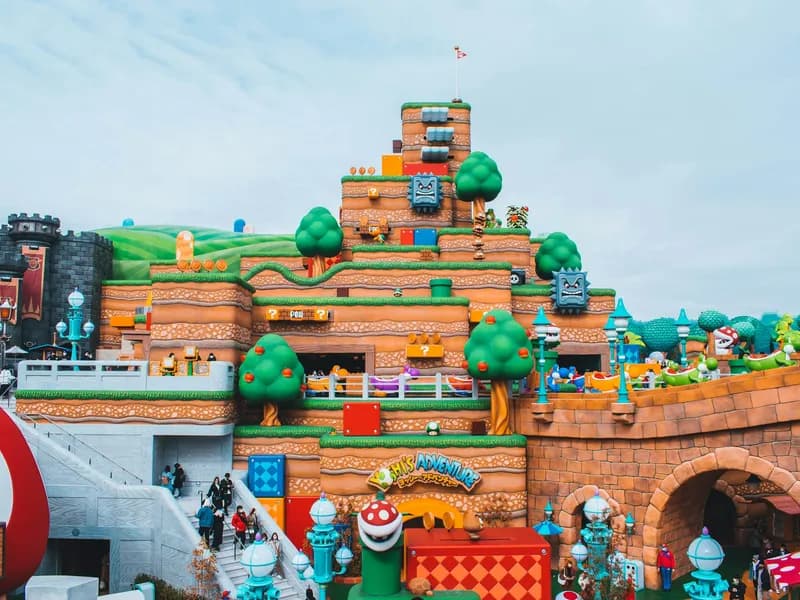
Universal Studios Japan
Major theme park featuring the Wizarding World of Harry Potter, Super Nintendo World, and seasonal events. Day pass: ~8,600 JPY (~$57) adults. Open 9AM-9PM (varies). Buy Express Pass to skip queues (~4,500-10,000 JPY extra). Allow full day.

Sumiyoshi Taisha
One of Japan's oldest Shinto shrines (founded 211 AD) with a distinctive architectural style predating Chinese Buddhist influence. Free entry. The arched Taikobashi bridge is photogenic. Less touristy than Kyoto shrines. Open 6AM-5PM. Allow 1 hour.
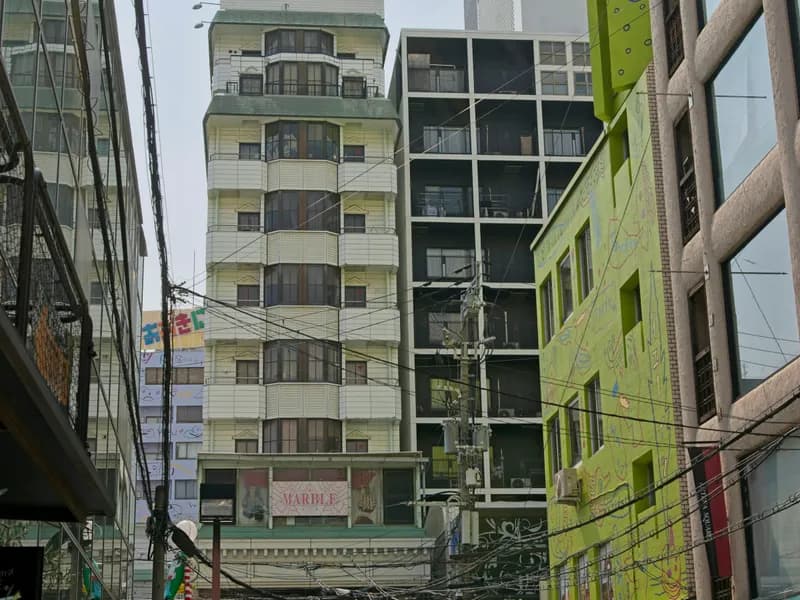
Amerikamura (American Village)
Osaka's youth culture hub in the Shinsaibashi area, filled with vintage clothing shops, quirky cafes, street art, and independent boutiques. Free to explore. The Triangle Park is the social epicenter. Great for people-watching and finding unique souvenirs. Allow 1-2 hours.
Planned Itinerary
7-Day Osaka Itinerary
Arrival & Dotonbori Night Feast
Arrive at Kansai International Airport (KIX). Take the Nankai Rapi:t express to Namba (1,290 JPY, 34 min). Check into your hotel in the Namba/Shinsaibashi area — walking distance to everything. Ease into Osaka's legendary food scene tonight.
Nankai Rapi:t express to Namba(34 minutes)
Buy tickets at the Nankai counter in the airport arrivals hall. The retro-futuristic blue train is an experience itself. Grab an ICOCA card from the machine (2,000 JPY including 500 JPY deposit) for all future transit
Dotonbori canal evening walk(2 hours)
Start at the Glico Running Man sign on Ebisubashi bridge. The neon-lit strip explodes with energy after dark. Try takoyaki at Wanaka (~600 JPY for 8 balls) and gyoza at Chao Chao (~450 JPY for 6). The canal reflections make for great photos
Kushikatsu dinner at Daruma Shinsekai-style(1 hour)
Dotonbori branch of the famous Shinsekai chain. Deep-fried skewers from 100-200 JPY each. Never double-dip in the communal sauce — use the cabbage leaves. Order 10-15 sticks and a cold Asahi draft (500 JPY)
Osaka Castle & Kuromon Market
Explore Osaka's historical heart in the morning, then eat your way through the city's most famous food market.
Osaka Castle(2 hours)
Take the Osaka Metro to Tanimachi 4-chome station. Entry: 600 JPY. 8-floor museum tracing Toyotomi Hideyoshi's rise. The panoramic view from the top floor is excellent. If visiting March-April, the Nishinomaru Garden (350 JPY) has 600 cherry trees
Walk through Osaka Castle Park(30 minutes)
Stroll south through the park toward Morinomiya station. The moats and stone walls are impressive
Kuromon Market grazing lunch(1.5 hours)
Take the metro to Nippombashi. Osaka's Kitchen has 170+ stalls. Must-eats: wagyu beef skewer at Kuromon Sanpei (~1,000 JPY), fresh uni (sea urchin) sashimi (~800 JPY), and grilled scallops (~500 JPY). Go hungry
Den Den Town exploration(1.5 hours)
Osaka's Akihabara equivalent, 5 minutes south of Kuromon. Retro game shops, anime figures, and manga stores line Sakaisuji. Super Potato retro game store is a highlight. Free to browse
Dinner at Ajinoya in Namba(1 hour)
Legendary okonomiyaki restaurant since 1965. The pork and squid mix (~1,200 JPY) cooked on a teppan in front of you is Osaka comfort food at its finest. Short queue typical — worth it
Shinsekai, Tsutenkaku & Sumiyoshi Taisha
Dive into Osaka's retro soul in Shinsekai, climb the tower, then visit one of Japan's oldest shrines.
Shinsekai morning walk(1.5 hours)
This early-1900s entertainment district has a gritty, old-school Osaka charm with colorful signage and blowfish lanterns. Walk the main drag of Janjan Yokocho alley. Less crowded before 11AM
Tsutenkaku Tower(45 minutes)
Entry: 900 JPY. The 108m tower offers 360-degree views and a lucky Billiken statue — rub his feet for good fortune. The observation deck is retro-kitschy in the best way
Lunch at Janjan Yokocho kushikatsu alley(1 hour)
The original kushikatsu strip. Try Yaekatsu (less touristy than Daruma) — their shiso-wrapped cheese skewer is excellent. 10-15 sticks plus beer: ~2,000 JPY
Sumiyoshi Taisha shrine(1 hour)
Take the Nankai line south (10 min from Shinsekai). One of Japan's oldest Shinto shrines (founded 211 AD) with a unique pre-Buddhist architectural style. The arched Taikobashi bridge is photogenic. Free entry. Open 6AM-5PM. Much quieter than Kyoto shrines
Evening at Shinsaibashi-suji shopping arcade(1.5 hours)
600m covered shopping street connecting Shinsaibashi to Namba. Mix of international brands and Japanese shops. Grab taiyaki (fish-shaped cake, ~200 JPY) and window-shop
Universal Studios Japan
A full day at USJ. If you're not a theme park person, swap this for a day trip to Kyoto or Nara instead.
Universal Studios Japan full day(10 hours)
Take JR Yumesaki line to Universal City station (15 min from Namba). Day pass: ~8,600 JPY adults. Arrive at 8:30AM (opens 9AM). Hit Super Nintendo World first — the interactive Mario Kart ride and Power-Up Band experience are incredible. Wizarding World of Harry Potter is best after 3PM when crowds thin
Lunch at Three Broomsticks(45 minutes)
Inside the Harry Potter area. Fish and chips (~1,400 JPY) and frozen Butterbeer (~700 JPY). Themed and atmospheric
Rest Morning & Amerikamura Culture
Sleep in after the USJ marathon. Explore Osaka's youth culture hub and indie side at your own pace.
Late breakfast at a kissaten (retro coffee shop)(1 hour)
Try Marufuku Coffee in Shinsaibashi for hand-dripped coffee and thick toast (morning set ~700 JPY). These old-school cafes are a disappearing part of Japanese culture
Amerikamura (American Village) exploration(2 hours)
Osaka's Harajuku. Vintage clothing shops, street art, and independent boutiques fill the blocks around Triangle Park. The 2nd-hand shops on the upper floors have treasures. Free to explore
Lunch at Pablo cheesecake cafe(45 minutes)
Famous for their freshly baked cheese tarts (280 JPY) with a melty, custard-like center. The original shop is in Shinsaibashi
Namba Yasaka Shrine(30 minutes)
A neighborhood shrine with a giant lion-head stage (Ema-den) — 12m tall with eyes that light up. Free entry. Great photo op. 5 minutes from Namba station
Evening bar hopping in Ura-Namba(2 hours)
The backstreets behind Namba station hide dozens of tiny standing bars (tachinomiya). Toyo Suisan for cheap sake, or Bar Nayuta for craft cocktails. Most drinks 400-700 JPY. The vibe is authentic working-class Osaka
Day Trip to Nara — Deer Park & Ancient Temples
45 minutes by train to Japan's first permanent capital, where 1,200 sacred deer roam freely among UNESCO World Heritage temples.
Train to Nara(45 minutes)
Take the Kintetsu Nara line from Osaka-Namba (680 JPY, 40 min direct). Exit at Kintetsu Nara station — Nara Park is a 5-minute walk
Nara Park and deer feeding(1 hour)
1,200 semi-wild sika deer roam freely. Buy shika senbei (deer crackers, 200 JPY per bundle) and bow to them — they bow back. Watch for aggressive bucks during rutting season (October-November)
Todai-ji Temple(1.5 hours)
Entry: 600 JPY. Houses the world's largest bronze Buddha (15m tall) inside the world's largest wooden building. The pillar with a hole at the base is said to grant enlightenment to anyone who squeezes through it. Built in 752 AD
Lunch at Kakinoha Sushi Tanaka(45 minutes)
Nara's specialty — mackerel sushi wrapped in persimmon leaves (kakinoha-zushi). A set of 8 pieces costs ~1,100 JPY. Unique to the region and surprisingly delicious
Kasuga Taisha shrine(1 hour)
Entry: 500 JPY for inner sanctuary. Famous for its 3,000 stone and bronze lanterns. The approach through the forest is atmospheric. All lanterns are lit during the Mantoro festivals in February and August
Return to Osaka and farewell dinner at Zuboraya in Dotonbori(1.5 hours)
Famous fugu (pufferfish) restaurant with the giant pufferfish lantern outside. Fugu course from ~4,000 JPY. Perfectly safe — chefs are licensed. A memorable last dinner
Departure Day — Morning Market & Airport
Final morning soaking up Osaka's food culture before heading to KIX.
Breakfast at Kuromon Market(1 hour)
Return for one last graze. Try the things you missed — fresh mochi (200 JPY), tamago-yaki (sweet omelet on a stick, 300 JPY), or seasonal fruit
Last-minute shopping at Namba Walk underground mall(1 hour)
Underground shopping arcade connected to Namba station. Great for snack souvenirs — Tokyo Banana equivalents, matcha Kit-Kats, and Osaka-exclusive treats at Don Quijote
Nankai Rapi:t to Kansai Airport(45 minutes)
1,290 JPY from Namba. Allow 3 hours before international flights. Tax-free shopping available at KIX duty-free
14-Day Osaka Itinerary
Arrival & Dotonbori Night Feast
Arrive at Kansai International Airport (KIX). Take the Nankai Rapi:t express to Namba (1,290 JPY, 34 min). Check into your hotel in the Namba/Shinsaibashi area. Ease into Osaka's legendary food scene tonight.
Nankai Rapi:t express to Namba(34 minutes)
Buy tickets at the Nankai counter in arrivals. Grab an ICOCA card (2,000 JPY including 500 JPY deposit) from the machine for all transit
Dotonbori canal evening walk(2 hours)
Start at the Glico Running Man sign on Ebisubashi bridge. Try takoyaki at Wanaka (~600 JPY for 8 balls) and gyoza at Chao Chao (~450 JPY for 6)
Kushikatsu dinner at Daruma(1 hour)
Deep-fried skewers from 100-200 JPY each. Never double-dip in the communal sauce. Order 10-15 sticks plus draft beer (500 JPY)
Osaka Castle & Kuromon Market
Osaka's historical landmarks paired with the city's best food market.
Osaka Castle(2 hours)
Metro to Tanimachi 4-chome. Entry: 600 JPY. 8-floor museum. Panoramic views from the top. Nishinomaru Garden (350 JPY extra) has 600 cherry trees if visiting March-April
Kuromon Market grazing lunch(1.5 hours)
Metro to Nippombashi. Must-eats: wagyu skewer at Kuromon Sanpei (~1,000 JPY), fresh uni sashimi (~800 JPY), grilled scallops (~500 JPY)
Den Den Town retro gaming(1.5 hours)
Osaka's Akihabara. Super Potato for retro games, Mandarake for manga and figures. Free to browse, dangerous for your wallet
Dinner — okonomiyaki at Ajinoya(1 hour)
Since 1965. Pork and squid mix (~1,200 JPY) cooked on the teppan in front of you. Quintessential Osaka comfort food
Shinsekai, Tsutenkaku & Sumiyoshi Taisha
Osaka's retro entertainment district, its tower landmark, and one of Japan's oldest Shinto shrines.
Shinsekai morning walk(1 hour)
Early-1900s entertainment district with colorful signage and blowfish lanterns. Janjan Yokocho alley is atmospheric
Tsutenkaku Tower(45 minutes)
Entry: 900 JPY. 108m tower with retro observation deck. Rub the Billiken statue's feet for good luck
Kushikatsu lunch at Yaekatsu(1 hour)
Less touristy than Daruma. Shiso-wrapped cheese skewer is a standout. 10-15 sticks plus beer: ~2,000 JPY
Sumiyoshi Taisha shrine(1 hour)
Nankai line south (10 min). Founded 211 AD. Pre-Buddhist architectural style. Arched Taikobashi bridge. Free entry
Evening at Shinsaibashi-suji arcade(1.5 hours)
600m covered shopping street. Grab taiyaki (~200 JPY) while window-shopping
Universal Studios Japan
Full day at USJ. Hit Super Nintendo World first, Harry Potter area after 3PM when crowds thin.
Universal Studios Japan full day(10 hours)
JR Yumesaki line to Universal City (15 min). Day pass: ~8,600 JPY. Arrive 8:30AM. Express Pass (~4,500-10,000 JPY extra) recommended for weekends
Lunch at Three Broomsticks(45 minutes)
Inside Harry Potter area. Fish and chips ~1,400 JPY, frozen Butterbeer ~700 JPY
Rest Morning & Amerikamura Culture
Sleep in after USJ. Explore Osaka's youth culture and indie scene at your pace.
Late breakfast at Marufuku Coffee(1 hour)
Kissaten (retro coffee shop) in Shinsaibashi. Hand-dripped coffee and thick toast morning set ~700 JPY
Amerikamura exploration(2 hours)
Vintage clothing, street art, independent boutiques around Triangle Park. 2nd-hand shops on upper floors have treasures
Namba Yasaka Shrine(30 minutes)
Giant 12m lion-head stage with lit-up eyes. Free entry. Great photo op near Namba station
Evening bar hopping in Ura-Namba(2 hours)
Backstreet standing bars (tachinomiya). Toyo Suisan for cheap sake. Most drinks 400-700 JPY
Day Trip to Nara — Deer, Temples & Ancient History
Japan's first permanent capital where 1,200 sacred deer roam freely among UNESCO temples.
Kintetsu train to Nara(45 minutes)
From Osaka-Namba, 680 JPY direct. Nara Park is a 5-minute walk from Kintetsu Nara station
Nara Park deer feeding(1 hour)
Buy shika senbei (200 JPY). Bow to the deer — they bow back
Todai-ji Temple(1.5 hours)
600 JPY entry. World's largest bronze Buddha (15m) inside world's largest wooden building. Built 752 AD
Kakinoha sushi lunch at Tanaka(45 minutes)
Nara specialty — mackerel sushi in persimmon leaves. Set of 8: ~1,100 JPY
Kasuga Taisha shrine(1 hour)
500 JPY inner sanctuary. 3,000 stone and bronze lanterns along the forest approach
Day Trip to Kyoto — Fushimi Inari & Gion
30 minutes to Japan's cultural capital for the iconic vermillion torii gates and geisha district.
JR train to Kyoto(30 minutes)
JR Special Rapid from Osaka Station to Kyoto Station (580 JPY). Then JR Nara line 2 stops to Inari station
Fushimi Inari Taisha(2.5 hours)
Free entry. The 10,000+ vermillion torii gates climbing Mt. Inari. Start by 8AM to beat tour groups. The full loop hike takes 2 hours. The gates thin out after the Yotsutsuji intersection — most tourists turn back here
Lunch in Nishiki Market(1 hour)
Kyoto's Kitchen — 400m covered market. Grilled mochi (200 JPY), matcha soft serve (350 JPY), fresh yuba (tofu skin, ~500 JPY). 5 blocks from Kawaramachi station
Gion district walking tour(2 hours)
Walk the 2.5km loop from Yasaka Shrine through Hanamikoji Street. Arrive by 4PM to spot geiko heading to evening appointments. The stone-paved backstreets are atmospheric
Kiyomizu-dera Temple(1.5 hours)
400 JPY entry. Iconic wooden terrace jutting out over the hillside. The approach through Higashiyama's pottery lanes is beautiful at dusk
Kyoto Day 2 — Golden Pavilion & Arashiyama Bamboo
The other essential Kyoto sights — gilded temples and a bamboo forest that feels otherworldly.
Kinkaku-ji (Golden Pavilion)(1 hour)
Bus 205 from Kyoto Station (25 min). Entry: 500 JPY. The gold-leaf covered pavilion reflected in the mirror pond is Japan's most photographed sight. Arrive by 9AM for calm water reflections
Ryoan-ji Temple zen garden(45 minutes)
500 JPY. Japan's most famous rock garden — 15 stones in raked white gravel. 10-minute walk from Kinkaku-ji
Arashiyama Bamboo Grove(1 hour)
JR Sagano line to Saga-Arashiyama (15 min from Kyoto). Free. The towering bamboo stalks create a surreal green corridor. Early morning is magical — by 10AM it's crowded
Lunch at Yoshimura soba near Togetsukyo Bridge(45 minutes)
Handmade soba noodles with river views. Tempura soba set ~1,500 JPY. The bridge itself is beautiful with mountains behind
Monkey Park Iwatayama(1 hour)
550 JPY. Hike 15 minutes up the hill for panoramic views and 120 wild macaques. You can feed them from inside a cage (ironic — you're in the cage, they're free)
Osaka Food Deep-Dive — Cooking Class & Local Markets
Go beyond eating — learn to make Osaka's signature dishes and explore markets tourists miss.
Osaka cooking class at Eat Osaka(3 hours)
Morning class ~7,000-9,000 JPY. Learn to make takoyaki, okonomiyaki, and gyoza from scratch. Small groups of 6-8. You eat everything you make. Near Nipponbashi station. Book online in advance
Tenjinbashisuji Shopping Street(1.5 hours)
Japan's longest shopping arcade at 2.6 km. More local than Shinsaibashi — vintage kimono shops, old bookstores, and neighborhood eateries. Try korokke (croquette, ~150 JPY) from any corner shop
Lunch at Hokkyokusei in Shinsaibashi(1 hour)
The restaurant that invented omurice (omelet rice) in 1925. The original omurice costs ~1,000 JPY. Historic, simple, satisfying
Spa World Osaka(2 hours)
1,500 JPY entry (weekdays). Massive onsen complex in Shinsekai with themed floors — European zone and Asian zone rotate by gender monthly. Bring a small towel; tattoos are generally accepted here unlike most onsen
Day Trip to Kobe — Beef, Harbor & Sake
30 minutes west to the cosmopolitan port city famous for its marbled beef and sake breweries.
JR train to Sannomiya, Kobe(25 minutes)
JR Special Rapid from Osaka Station (420 JPY). Sannomiya is Kobe's central hub
Kobe beef lunch at Mouriya(1.5 hours)
Teppanyaki-style Kobe beef grilled in front of you. Lunch sets from ~6,000 JPY for certified A5 Kobe beef (150g). Dinner is 2-3x more. Book 2-3 days ahead. The marbling is absurd
Kitano-cho foreign houses district(1.5 hours)
Hillside neighborhood of preserved Western-style houses from the 19th century. Several open as museums (300-500 JPY each, or combo pass ~2,000 JPY). The Weathercock House is the icon of Kobe
Nada sake brewery district(1.5 hours)
Kobe's Nada district produces 30% of Japan's sake. Visit Hakutsuru Sake Brewery Museum (free entry, free tasting). Or Kiku-Masamune for a deeper tasting experience. 15 min by train from Sannomiya
Kobe Harborland sunset walk(1 hour)
The waterfront area with Kobe Port Tower (700 JPY) and Mosaic shopping mall. The harbor with mountains behind is scenic at golden hour
Osaka Bay & Tempozan Area
Osaka's waterfront with the world-class aquarium and harbor views.
Osaka Aquarium Kaiyukan(2.5 hours)
Metro to Osakako station. Entry: 2,700 JPY. One of Asia's best aquariums — the central tank houses whale sharks. The Pacific Rim galleries spiral down 8 floors. Go when it opens at 10AM for thinner crowds
Tempozan Giant Ferris Wheel(30 minutes)
800 JPY. 112.5m tall with clear-floor gondolas (extra, no additional cost — just join the shorter queue). 15-minute ride with Osaka Bay panoramas
Lunch at Naniwa Kuishinbo Yokocho(1 hour)
Retro-themed food court inside Tempozan Marketplace recreating 1960s Osaka. Multiple stalls serving takoyaki, okonomiyaki, and ramen. Meals 700-1,200 JPY
Free afternoon — rest or explore(3 hours)
Return to the hotel for a rest, or explore the Tennoji area and its zoo (500 JPY) and Abeno Harukas observation deck (1,500 JPY — tallest building in Osaka at 300m)
Day Trip to Himeji Castle
Japan's most magnificent original castle — a UNESCO World Heritage masterpiece nicknamed 'White Heron Castle.'
JR train to Himeji(1 hour)
JR Special Rapid from Osaka Station (1,530 JPY). If you have a JR Pass, it's covered on Shinkansen (30 min) or local trains
Himeji Castle(2.5 hours)
Entry: 1,050 JPY (combo with Koko-en garden: 1,090 JPY). Japan's finest surviving original castle — never destroyed in war or earthquake. The 6-story keep has steep wooden stairs and defensive features. Allow time to explore all baileys. The approach from the station is a straight 1km walk
Koko-en Garden lunch(1.5 hours)
Nine separate walled gardens in Edo-period style next to the castle. The tea house serves matcha and wagashi (sweet) for 500 JPY with garden views. Have lunch at the restaurant inside the garden — anago (conger eel) is Himeji's specialty (~1,500 JPY)
Return to Osaka(1 hour)
Late afternoon train back. Relax or explore Tenma area for dinner — the backstreet izakayas near Tenjimbashisuji-Rokuchome station are local favorites
Osaka's Hidden Side — Nakazakicho & Night Culture
Explore Osaka's hipster café district and dive into the city's legendary nightlife scene.
Nakazakicho vintage cafes(2 hours)
Metro to Nakazakicho station. A quiet residential area with renovated machiya (traditional townhouses) turned into cafes, galleries, and zakka shops. Salon de Amanto for coffee in a 100-year-old building. Free to wander
Lunch at Wanaka Honten (original takoyaki shop)(45 minutes)
The original Wanaka in Sennichimae. Their classic set (8 pieces, 600 JPY) with toppings variations lets you compare flavors
Afternoon at Osaka Museum of Housing and Living(1.5 hours)
600 JPY. Walk through a full-scale recreation of an Edo-period Osaka neighborhood — complete with shops, houses, and weather effects. You can rent a kimono to wear through the exhibit (500 JPY extra). Near Tenjimbashisuji-Rokuchome station
Dinner and nightlife in Dotonbori/Namba(3 hours)
Final night out. Start with ramen at Ichiran (980 JPY for classic tonkotsu) in their solo booths, then head to the backstreets. Misono Building's underground bars or rooftop bars above Dotonbori for a last look at the neon
Departure Day — Last Morning & Airport
Final morning in Osaka before heading to KIX.
Early morning Kuromon Market farewell visit(1 hour)
One last graze — fresh mochi (200 JPY), tamago-yaki (300 JPY), seasonal fruit
Souvenir shopping at Don Quijote Dotonbori(1 hour)
The 24-hour mega store has 5 floors. Matcha Kit-Kats, Japanese cosmetics, and quirky gadgets. Tax-free for purchases over 5,000 JPY
Nankai Rapi:t to Kansai Airport(45 minutes)
1,290 JPY from Namba. Allow 3 hours before international flights
21-Day Osaka Itinerary
Arrival & Dotonbori Night Feast
Arrive at Kansai International Airport (KIX). Take the Nankai Rapi:t express to Namba (1,290 JPY, 34 min). Check into your hotel in the Namba/Shinsaibashi area.
Nankai Rapi:t express to Namba(34 minutes)
Buy tickets at the Nankai counter. Grab an ICOCA card (2,000 JPY including 500 JPY deposit) for all transit
Dotonbori canal evening walk(2 hours)
Glico Running Man sign, takoyaki at Wanaka (~600 JPY), gyoza at Chao Chao (~450 JPY)
Kushikatsu dinner at Daruma(1 hour)
Deep-fried skewers 100-200 JPY each. Never double-dip. Draft beer 500 JPY
Osaka Castle & Kuromon Market
Historical landmarks and Osaka's most famous food market.
Osaka Castle(2 hours)
Entry: 600 JPY. 8-floor museum with panoramic top-floor views. Nishinomaru Garden (350 JPY) for cherry blossoms
Kuromon Market grazing lunch(1.5 hours)
Wagyu skewer ~1,000 JPY, fresh uni ~800 JPY, grilled scallops ~500 JPY
Den Den Town(1.5 hours)
Retro gaming and anime district. Super Potato and Mandarake stores
Okonomiyaki dinner at Ajinoya(1 hour)
Since 1965. Pork and squid mix ~1,200 JPY on the teppan
Shinsekai, Tsutenkaku & Sumiyoshi Taisha
Retro Osaka, the iconic tower, and one of Japan's oldest shrines.
Shinsekai morning walk and Tsutenkaku Tower(2 hours)
Tower entry: 900 JPY. Rub Billiken's feet for luck. The district has old-school Osaka charm
Kushikatsu lunch at Yaekatsu(1 hour)
Shiso-wrapped cheese skewer standout. ~2,000 JPY for 10-15 sticks plus beer
Sumiyoshi Taisha shrine(1 hour)
Founded 211 AD. Unique pre-Buddhist style. Arched Taikobashi bridge. Free entry
Shinsaibashi-suji evening shopping(1.5 hours)
600m covered arcade. Taiyaki snack (~200 JPY) while browsing
Universal Studios Japan
Full day at USJ — Super Nintendo World and Harry Potter.
Universal Studios Japan full day(10 hours)
Day pass ~8,600 JPY. Express Pass 4,500-10,000 JPY extra. Super Nintendo World first, Harry Potter after 3PM
Lunch at Three Broomsticks(45 minutes)
Fish and chips ~1,400 JPY, Butterbeer ~700 JPY
Rest Day — Amerikamura & Ura-Namba
Sleep in. Explore Osaka's youth culture and nightlife at your pace.
Late breakfast at Marufuku Coffee(1 hour)
Hand-dripped coffee and thick toast set ~700 JPY in this kissaten
Amerikamura exploration(2 hours)
Vintage shops, street art, Triangle Park people-watching
Namba Yasaka Shrine(30 minutes)
12m lion-head stage. Free. Great photo op
Bar hopping in Ura-Namba(2 hours)
Standing bars (tachinomiya). Drinks 400-700 JPY
Day Trip to Nara
Sacred deer, giant Buddhas, and Japan's first permanent capital.
Kintetsu train to Nara(45 minutes)
680 JPY from Osaka-Namba. Nara Park 5 min from station
Deer feeding in Nara Park(1 hour)
Senbei crackers 200 JPY. Bow to the deer — they bow back
Todai-ji Temple(1.5 hours)
600 JPY. World's largest bronze Buddha in world's largest wooden building
Kakinoha sushi lunch at Tanaka(45 minutes)
Mackerel sushi in persimmon leaves. Set of 8: ~1,100 JPY
Kasuga Taisha and Naramachi(2 hours)
Shrine (500 JPY) with 3,000 lanterns, then stroll the preserved merchant district of Naramachi with its machiya townhouses
Kyoto Day 1 — Fushimi Inari & Eastern Kyoto
Vermillion torii gates, Gion's geisha district, and hilltop temples.
JR train to Kyoto and Inari(40 minutes)
JR Special Rapid to Kyoto (580 JPY), then JR Nara line to Inari
Fushimi Inari Taisha(2.5 hours)
Free. 10,000+ vermillion torii. Start by 8AM. Full loop hike 2 hours
Nishiki Market lunch(1 hour)
Grilled mochi, matcha soft serve, fresh yuba. 400m covered market
Gion district walk(2 hours)
Yasaka Shrine to Hanamikoji Street. Arrive by 4PM to spot geiko
Kiyomizu-dera Temple at dusk(1.5 hours)
400 JPY. Iconic wooden terrace. Higashiyama pottery lanes approach
Kyoto Day 2 — Golden Pavilion & Bamboo Grove
Kinkaku-ji, zen gardens, and the otherworldly Arashiyama bamboo forest.
Kinkaku-ji (Golden Pavilion)(1 hour)
Bus 205 from Kyoto Station. Entry: 500 JPY. Arrive by 9AM for calm reflections
Ryoan-ji zen garden(45 minutes)
500 JPY. 15 stones in raked gravel. 10-min walk from Kinkaku-ji
Arashiyama Bamboo Grove(1 hour)
Free. Towering bamboo corridor. Best before 10AM
Soba lunch at Yoshimura(45 minutes)
Handmade soba with river views near Togetsukyo Bridge. Tempura set ~1,500 JPY
Monkey Park Iwatayama(1 hour)
550 JPY. 120 wild macaques and panoramic views. 15-min hike up
Kyoto Day 3 — Deep Kyoto
Beyond the highlights — a philosopher's path walk, tea ceremony, and the silver pavilion.
Ginkaku-ji (Silver Pavilion)(1 hour)
500 JPY. The moss garden and sand cone are more subtle than Kinkaku-ji but equally beautiful. Less crowded
Philosopher's Path walk(1 hour)
Free. 2km stone path along a canal lined with cherry and maple trees connecting Ginkaku-ji to Nanzen-ji. Atmospheric in any season
Tea ceremony experience at Camellia Garden(1.5 hours)
~2,500 JPY. An intimate English-language tea ceremony in a traditional machiya near Gion. Learn the ritual of matcha preparation and enjoy wagashi sweets
Lunch at Omen Kodai-ji(1 hour)
Famous udon restaurant near Kodai-ji temple. Their signature omen udon with seasonal vegetables (~1,200 JPY) is served with dipping sauce and condiments
Nijo Castle(1.5 hours)
800 JPY. The 'nightingale floors' that chirp when walked on (an intruder alarm), plus ornate screen paintings. Shogun's Kyoto residence from 1603
Day Trip to Kobe
The port city famous for its marbled beef, sake breweries, and cosmopolitan charm.
JR train to Sannomiya, Kobe(25 minutes)
420 JPY from Osaka Station
Kobe beef lunch at Mouriya(1.5 hours)
Teppanyaki A5 Kobe beef. Lunch sets from ~6,000 JPY (150g). Book 2-3 days ahead
Kitano-cho foreign houses(1.5 hours)
Preserved Western-style houses. Combo museum pass ~2,000 JPY. Weathercock House is iconic
Nada sake brewery district(1.5 hours)
Hakutsuru Sake Brewery Museum: free entry, free tasting
Kobe Harborland sunset(1 hour)
Port Tower (700 JPY). Harbor with mountain backdrop at golden hour
Rest Day — Onsen & Slow Osaka
A gentle day of soaking, strolling, and enjoying Osaka without an agenda.
Morning at Spa World(2.5 hours)
1,500 JPY (weekdays). Massive onsen in Shinsekai with European and Asian themed floors. Tattoos generally accepted here
Lunch in Tenma backstreets(1 hour)
The area near Tenjimbashisuji-Rokuchome station has tiny izakayas and family-run restaurants. Try the local favorite — doteyaki (stewed beef tendon, ~500 JPY)
Free afternoon(3 hours)
Read in a cafe, explore a neighborhood you haven't visited, or catch a baseball game at Kyocera Dome if the Orix Buffaloes are playing (~2,000-4,000 JPY)
Sunset from Abeno Harukas(1 hour)
1,500 JPY. 300m tall — Osaka's tallest building. The 360-degree view at sunset is spectacular
Day Trip to Himeji Castle
Japan's most magnificent original castle — the White Heron.
JR train to Himeji(1 hour)
JR Special Rapid from Osaka Station, 1,530 JPY
Himeji Castle(2.5 hours)
Entry: 1,050 JPY (combo with Koko-en: 1,090 JPY). Japan's finest surviving original castle. 6-story keep with steep stairs and defensive features
Koko-en Garden and lunch(1.5 hours)
Nine walled Edo-period gardens. Matcha and wagashi 500 JPY. Restaurant inside serves anago (conger eel) — Himeji's specialty (~1,500 JPY)
Return to Osaka for evening in Tenma(2 hours)
The backstreet izakayas near Tenjimbashisuji-Rokuchome are where locals drink
Osaka Aquarium & Tempozan Bay
World-class aquarium, ferris wheel views, and waterfront exploration.
Osaka Aquarium Kaiyukan(2.5 hours)
Metro to Osakako. Entry: 2,700 JPY. Whale sharks in the central tank. 8-floor Pacific Rim galleries
Tempozan Giant Ferris Wheel(30 minutes)
800 JPY. Clear-floor gondolas available. 15-minute ride with bay panoramas
Lunch at Naniwa Kuishinbo Yokocho(1 hour)
1960s-themed food court. Multiple Osaka food stalls. Meals 700-1,200 JPY
Santa Maria harbour cruise(45 minutes)
1,600 JPY. A replica of Columbus' Santa Maria cruises Osaka Bay. Departs from Tempozan. Good views of the skyline from the water
Cooking Class & Nakazakicho
Hands-on Osaka food skills and the city's hipster cafe neighborhood.
Osaka cooking class at Eat Osaka(3 hours)
Morning class ~7,000-9,000 JPY. Make takoyaki, okonomiyaki, and gyoza. Small groups. Book ahead
Nakazakicho vintage cafes(2 hours)
Renovated machiya townhouses turned cafes and galleries. Salon de Amanto for coffee in a 100-year-old building
Lunch at Hokkyokusei(1 hour)
Invented omurice in 1925. Original omurice ~1,000 JPY
Free evening(3 hours)
Your choice — revisit a favorite spot or explore the Shitennoji temple area (Japan's oldest Buddhist temple, founded 593 AD, free grounds)
Side Trip — Mount Koya (Koyasan) Day 1
Journey 2 hours south to the sacred mountain-top monastery complex founded in 816 AD. Stay overnight in a Buddhist temple.
Nankai train to Gokurakubashi + cable car to Koyasan(2 hours)
Nankai limited express from Namba (2,860 JPY reserved seat). Then cable car (400 JPY) up the mountain. Koyasan World Heritage ticket (2,860 JPY) covers round-trip and local bus
Okunoin Cemetery walk(2 hours)
Free. Japan's most atmospheric cemetery — 200,000 tombstones line a 2km path through towering cedar trees to Kobo Daishi's mausoleum. The Lantern Hall with 10,000 burning lanterns is haunting. This is among Japan's most spiritual experiences
Temple lodging (shukubo) check-in(1 hour)
Stay at Ekoin temple (~12,000-15,000 JPY per person including dinner and breakfast). Tatami rooms, communal baths, and an optional fire ceremony at 6AM. No air conditioning — bring layers. Book well in advance
Shojin ryori dinner at your temple(1 hour)
Buddhist vegetarian cuisine — multiple tiny dishes of tofu, mountain vegetables, pickles, and rice. Beautifully presented on lacquerware. Included in your shukubo stay. No meat, fish, garlic, or onion — surprisingly delicious
Side Trip — Mount Koya Day 2 & Return
Morning fire ceremony, temple exploration, and return to Osaka.
Goma fire ceremony at Ekoin(1 hour)
6AM. Monks chant sutras while feeding wooden prayer sticks into a sacred fire. Guests are welcome to participate. A powerful start to the day
Shojin ryori breakfast(45 minutes)
Simple, beautiful Buddhist breakfast included with your temple stay
Kongobu-ji Head Temple(1 hour)
1,000 JPY. Headquarters of Shingon Buddhism. The Banryutei rock garden is Japan's largest at 2,340 sq meters. The painted sliding screens inside are masterpieces
Danjo Garan temple complex(1 hour)
Free grounds (Konpon Daito pagoda 500 JPY). The vermillion Konpon Daito pagoda houses a 3D mandala of Buddhist statues — architecturally unique in Japan
Return to Osaka(2 hours)
Reverse the cable car + Nankai train journey. Arrive back in Namba by late afternoon
Light dinner at Ichiran Ramen(45 minutes)
Solo booths for focused ramen eating. Classic tonkotsu 980 JPY. Order extra noodles for 210 JPY (kaedama)
Rest Day — Free Exploration
No agenda. Recharge after Koyasan and explore whatever catches your interest.
Sleep in and late brunch(2 hours)
Try a hotel breakfast buffet or find a morning set at any Komeda Coffee (~700 JPY for coffee, toast, and egg)
Explore Osaka Museum of Housing and Living(1.5 hours)
600 JPY. Walk through a full-scale Edo-period Osaka neighborhood. Rent a kimono for the exhibit (500 JPY extra)
Free afternoon(4 hours)
Visit Shitennoji temple (Japan's oldest, founded 593 AD), browse the flea market at Shitennoji (21st of each month), or just cafe-hop in Horie — Osaka's quieter design district
Evening yakiniku at Hozenji Yokocho(1.5 hours)
Atmospheric stone-paved alley behind Dotonbori with tiny restaurants. Hozenji temple's moss-covered Buddha is just steps away. Yakiniku (Japanese BBQ) from ~3,000 JPY per person
Osaka's Craft & Culture Side
Explore Osaka's creative traditions — from pottery to textiles.
Tenjinbashisuji Shopping Street(1.5 hours)
Japan's longest arcade at 2.6km. Vintage kimono shops, old bookstores, neighborhood eateries. Korokke (croquette) from corner shops ~150 JPY
Osaka Museum of History(1.5 hours)
600 JPY. Located next to Osaka Castle with views from the upper floors. Full-scale recreations of historical Osaka through the ages. The Naniwa Palace archaeological dig is visible from the building
Lunch at Fujiya 1935(2 hours)
If splurging: this Michelin-starred Spanish-Japanese fusion restaurant offers a lunch course from ~8,000 JPY. Chef Fujiwara trained in Spain. Reservation required
Horie design district afternoon(2 hours)
West of Shinsaibashi. Independent furniture shops, sneaker boutiques, and specialty coffee at LiLo Coffee Roasters (~500 JPY pour-over). Quieter, more local feel
Dinner at Toyo Suisan standing sushi bar(1 hour)
Near Osaka station. Standing sushi bars offer top-quality nigiri at lower prices than sit-down spots. Omakase selection from ~2,500 JPY
Day Trip to Wakayama & Kada
An off-the-beaten-path seaside day trip to a castle town and a shrine on the water.
JR train to Wakayama(1.5 hours)
JR Hanwa line rapid from Tennoji (870 JPY). Or Nankai line to Wakayamashi station
Wakayama Castle(1 hour)
410 JPY. A reconstructed hilltop castle with nice views and a beautiful Nishinomaru Garden. Much less crowded than Osaka or Himeji castles
Ramen lunch at Ide Shoten(1 hour)
Wakayama's famous tonkotsu-shoyu ramen. Queue likely but moves fast. A bowl costs ~800 JPY. The early sushi (hayazushi) on the counter is local tradition — take it and pay at the end
Kada town and Awashima Shrine(2 hours)
Nankai Kada line to the coast (30 min from Wakayama). This small fishing town has a unique shrine filled with thousands of donated dolls and figurines. The seaside walk is peaceful. Free entry to shrine
Photography Walk & Farewell Feast
Capture Osaka's best angles and have one final legendary food night.
Morning light at Osaka Castle moats(1 hour)
Return for photography in golden morning light. The moats and stone walls are most photogenic 7-8AM with fewer people
Shinsekai retro photography(1 hour)
The neon signs and colorful storefronts are incredibly photogenic. Morning is quieter and the light catches the signage beautifully
Lunch at Rikuro's cheesecake + snack crawl(1.5 hours)
Watch the jiggly cheesecakes come out of the oven at Rikuro Ojisan (965 JPY whole cake). Then snack your way through Namba: 551 Horai nikuman (steamed pork bun, 200 JPY) is another Osaka icon
Farewell omakase dinner(2 hours)
Splurge on a counter omakase at a neighborhood sushi spot. Sushi Harasho in Fukushima ward offers lunch-priced omakase from ~5,000 JPY. Or Harukoma in Tenma for excellent revolving sushi at local prices
Final Dotonbori night walk(1 hour)
One last look at the neon reflections on the canal. Maybe one more takoyaki for the road
Departure Day
Final morning and transfer to Kansai Airport.
Last convenience store breakfast(30 minutes)
Onigiri (~150 JPY), egg sandwich (~200 JPY), and a Boss canned coffee. Japanese convenience store food is an experience in itself
Nankai Rapi:t to Kansai Airport(45 minutes)
1,290 JPY from Namba. Return your ICOCA card at the station for 500 JPY deposit refund. Allow 3 hours before international flights
Travel Tips
Visa & Entry
Visa-Free for Most Western Nationals
US, UK, EU, Canadian, and Australian citizens get 90-day visa-free entry to Japan. Indian citizens need a tourist visa from the Japanese embassy (5-7 business days processing). Always carry your passport as police may request ID.
transport
Get an IC Card Immediately
Buy a Suica or ICOCA card at any station (500 JPY deposit) for seamless travel on all trains, subways, and buses. The Osaka Amazing Pass (2,800 JPY / ~$19 for 1 day) includes unlimited metro rides plus free entry to 50+ attractions including Osaka Castle.
Kansai Airport to City Center
Take the Nankai Rapi:t express (1,290 JPY / ~$9, 34 min to Namba) for the best value. The JR Haruka express goes to Shin-Osaka and Tennoji (1,800 JPY / ~$12). Never take a taxi — it costs 15,000+ JPY. Airport limousine buses (~1,600 JPY) serve major hotels.
Budget
Street Food Is the Main Event
Osaka's street food is world-class and cheap. Budget 2,000-4,000 JPY/day for food. Must-tries: takoyaki (octopus balls, ~500 JPY), okonomiyaki (savory pancake, ~800 JPY), and kushikatsu (fried skewers, ~100-200 JPY each). Convenience store onigiri (~150 JPY) makes a perfect cheap breakfast.
Local Customs
Never Double-Dip the Kushikatsu Sauce
In Shinsekai's kushikatsu restaurants, the communal dipping sauce pot is sacred. Dip your skewer only ONCE before eating. If you want more sauce, use the cabbage leaves provided to scoop extra. Signs everywhere will remind you — this is Osaka's most serious food rule.
Cash Is Still Essential
Many street food stalls, small restaurants, and older shops are cash-only. Withdraw JPY at 7-Eleven or Japan Post ATMs (they accept foreign cards). Carry 10,000-15,000 JPY in cash daily. Never tip — it's considered rude in Japan.
Safety
Walk on the Right Side
Unlike Tokyo where people stand on the left side of escalators, Osaka stands on the right. Walk on the left. This seems trivial but locals take it seriously. Osaka is extremely safe — violent crime is virtually nonexistent, but watch for bicycle traffic on sidewalks.
Related Articles
Travel GuidesOsaka vs Tokyo: Which Japanese City Actually Deserves Your Time?
Two megacities, two completely different vibes. Here's the honest breakdown from someone who's lived in both.
StoriesA Local's Take on Osaka: 12 Questions Answered by Someone Who's Lived Here 15 Years
Kenji runs a tiny yakitori bar in Shinsekai. He's brutally honest about what tourists get wrong and what they should actually do.
SeasonalWhy You Should Visit Osaka in Autumn (October-November)
The crowds thin out, the maples catch fire, and the street food hits different in the crisp fall air.