
Plovdiv

Photo: Anton Atanasov / Unsplash
Key Facts
Best Time to Visit
May to June and September to October (20-28°C, festival season); July-August hot (35°C+); winter mild for Europe
Language
Bulgarian (Cyrillic script); English spoken by younger generation and in tourist areas
Currency
Bulgarian Lev (BGN), pegged to EUR at 1.96 BGN = 1 EUR
Time Zone
EET (UTC+2), EEST (UTC+3) in summer
Airport
Plovdiv Airport (PDV) with limited flights; Sofia Airport (SOF) 1.5h drive with far more connections
Population
~346,000 (city proper), Bulgaria's second-largest city
Climate
Transitional continental-Mediterranean, hot summers 30-38°C, mild winters 0-7°C, low rainfall
Safety Rating
Very Safe (Level 1) — low crime, friendly locals, safe to walk at night
Cultural Title
European Capital of Culture 2019; claims to be the oldest continuously inhabited city in Europe (6000+ years)
Top Highlights
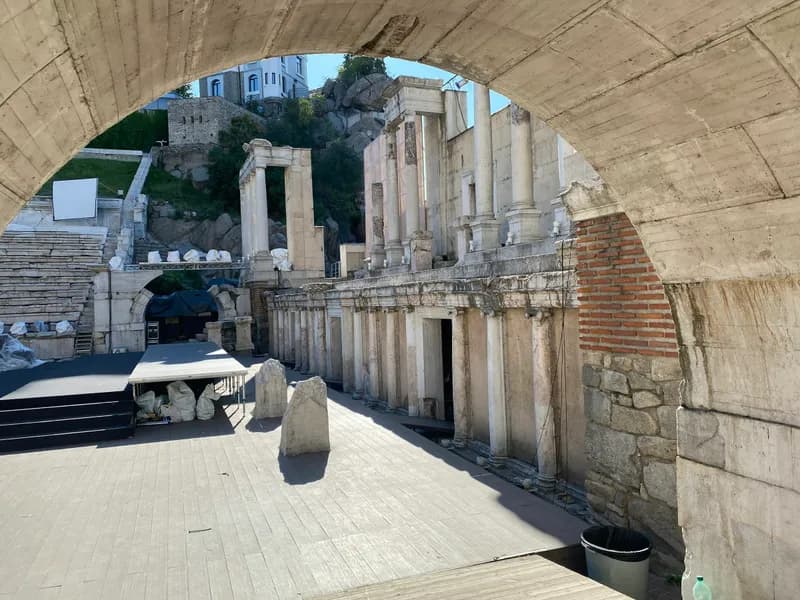
Ancient Roman Amphitheatre
A remarkably preserved 2nd-century AD Roman theatre seating 6,000, still hosting live opera, concerts, and drama against a backdrop of the Rhodope Mountains. Entry: 5 BGN (~2.50 EUR) for daytime visits. Open 9AM-5:30PM. During the Verdi Festival (June) and Opera Open (August), performance tickets start at 20-40 BGN. The acoustics are extraordinary. Allow 1 hour.
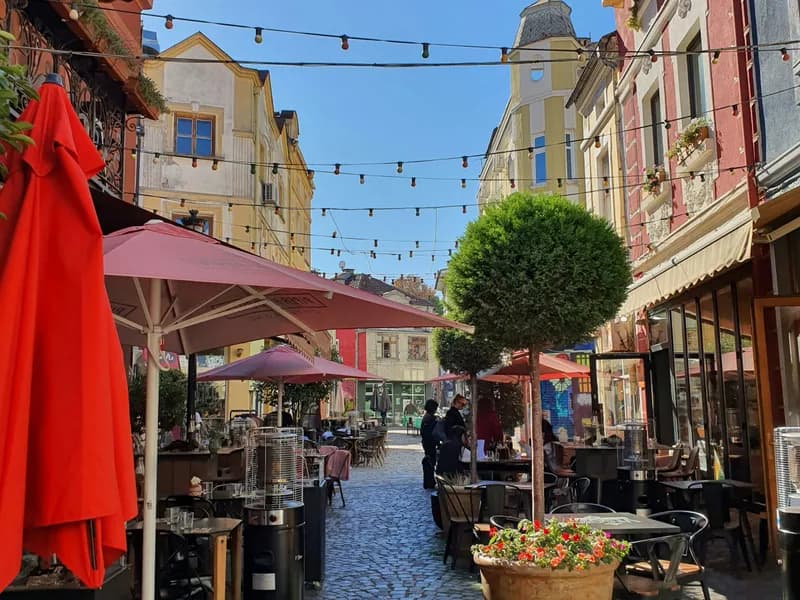
Kapana Arts District
A hidden gem of narrow streets transformed from a neglected crafts quarter into Plovdiv's creative heart. Colorful street art murals, independent galleries, craft breweries (try Kamenitza or Rhombus Craft), and trendy restaurants packed into a few blocks. Kapana Fest (September) brings live music and food trucks. No entry fee — just wander. Best in the evening. Allow 2-3 hours.
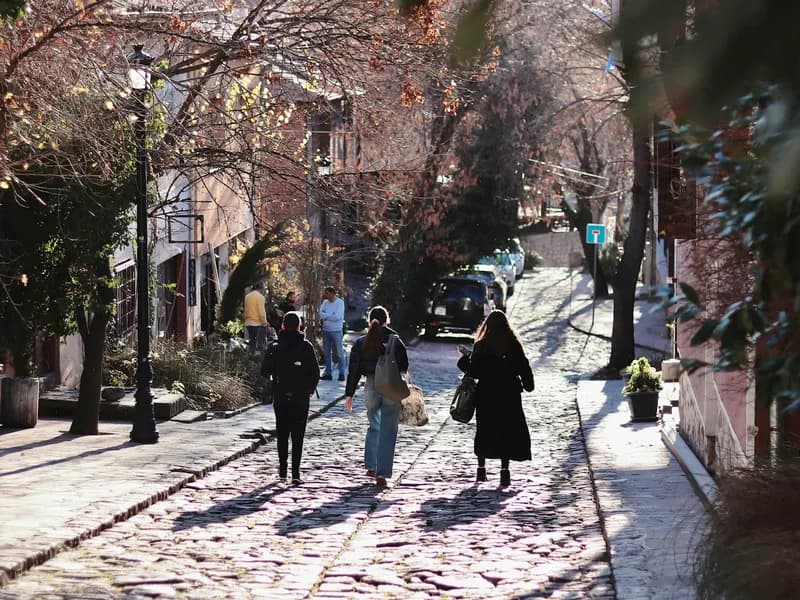
Old Town (Stariat Grad)
A hilltop quarter of cobblestoned lanes and 19th-century Bulgarian Revival mansions with ornate facades. Key stops: Balabanov House (3 BGN), Ethnographic Museum in the Kuyumdzhioglu House (5 BGN, with the finest carved ceiling in Bulgaria), and Nebet Tepe — the 6,000-year-old Thracian hilltop with panoramic city views (free). Allow 2-3 hours.
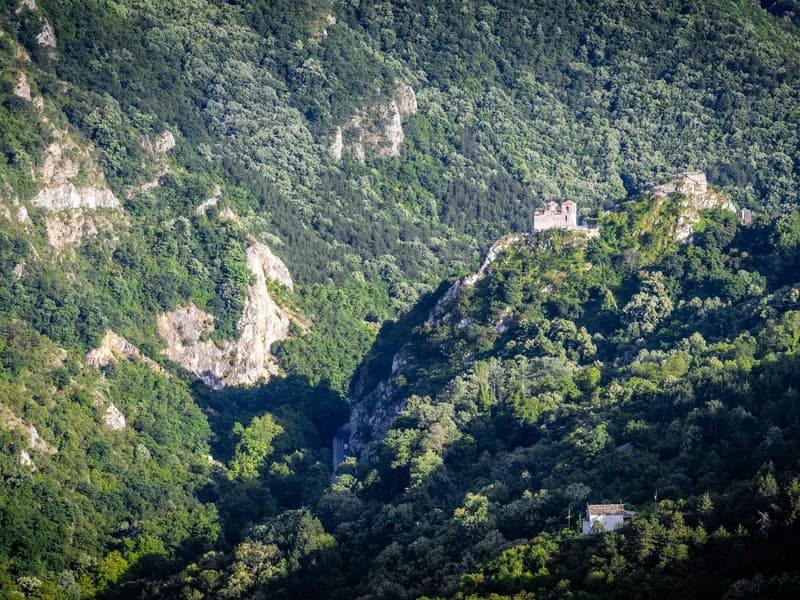
Bachkovo Monastery
Bulgaria's second-largest monastery, founded in 1083, set in a forested gorge 28km south of Plovdiv. Free entry. The 17th-century refectory frescoes and the miracle-working icon of the Virgin Mary are highlights. A 1-hour trail leads to the Asen's Fortress above. Reach by bus from Plovdiv (4 BGN, 45 min) or car. The monastery restaurant serves excellent monastic-style food. Allow half a day.
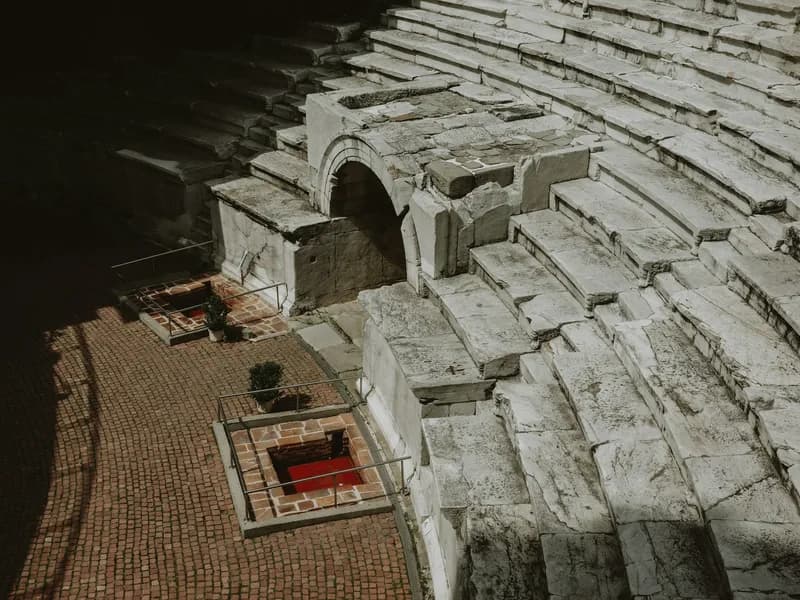
Roman Forum and Stadium
A 2nd-century Roman stadium (30,000-seat capacity) sits partially exposed beneath the main pedestrian street — you can see 12 rows of marble seats through a glass floor panel on Dzhumaya Square. Free to view from above. The underground museum (5 BGN) lets you walk through the vaulted tunnels. Nearby, the Dzhumaya Mosque (1364) stands on Roman forum foundations.
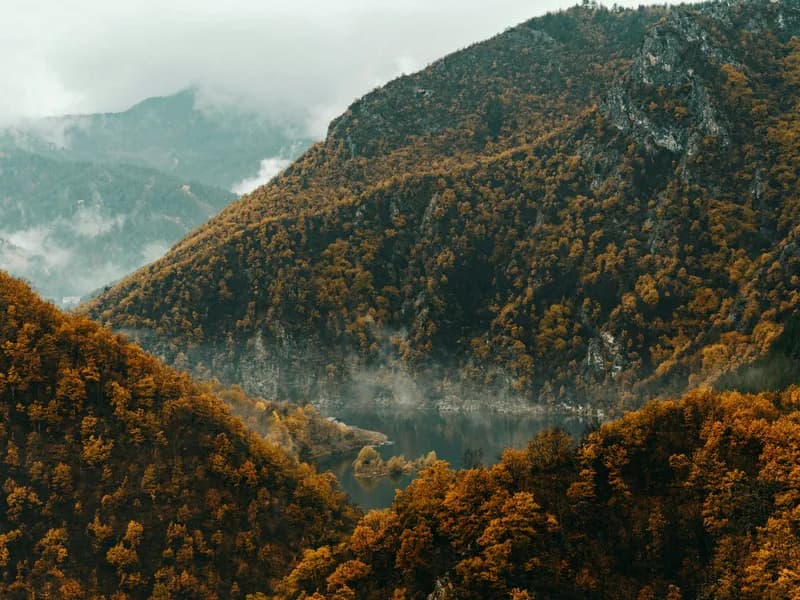
Rhodope Mountains Day Trip
The Rhodope range south of Plovdiv offers dramatic scenery: the Devil's Bridge (Dyavolski Most, a 16th-century Ottoman stone arch, free), Yagodina Cave (8 BGN, 45-min guided tour), and the ancient Thracian Perperikon rock city (6 BGN). Best as a day trip or overnight. 1.5-2 hours drive from Plovdiv. The village of Shiroka Laka has traditional Rhodope architecture and yogurt culture.
Planned Itinerary
7-Day Plovdiv Itinerary
Arrival in Plovdiv
Arrive via Sofia Airport (SOF, 1.5h drive) or Plovdiv Airport (PDV). Settle into Bulgaria's cultural capital built on seven hills.
Transfer to Plovdiv center(1.5 hours from Sofia or 20 minutes from PDV)
Train from Sofia: 15-20 BGN, 2.5 hours. Taxi from PDV: 15 BGN. Bus from Sofia: 14 BGN, 2 hours
Check in to Hotel Old Plovdiv in the Old Town(30 minutes)
Boutique hotel in a Revival-era house. Doubles from 80 BGN (~40 EUR). Cobblestone streets, hilltop location
Walk the main pedestrian street to Dzhumaya Square(1.5 hours)
See the Roman Stadium through the glass floor panels — 12 exposed marble rows of a 30,000-seat arena beneath the modern street. Free to view from above. The Dzhumaya Mosque (1364) stands nearby
Dinner at Pavaj in the Old Town(1.5 hours)
Modern Bulgarian cuisine in a Revival house. Shopska salad 6 BGN, grilled kebapche with lyutenitsa 12 BGN. Excellent local wine list (glass from 5 BGN)
Old Town, Roman Theatre & Nebet Tepe
Full day exploring Plovdiv's hilltop Old Town with its painted Revival houses, Roman amphitheatre, and 6,000-year-old Thracian settlement.
Ancient Roman Amphitheatre(1 hour)
2nd-century theatre seating 6,000. Entry 5 BGN (~2.50 EUR). Still hosts live opera and concerts against the Rhodope Mountains backdrop. The acoustics are extraordinary
Old Town Revival houses walk(2 hours)
Cobblestoned lanes past ornate 19th-century mansions. Visit Balabanov House (3 BGN) and Ethnographic Museum in Kuyumdzhioglu House (5 BGN — finest carved ceiling in Bulgaria)
Nebet Tepe hilltop(45 minutes)
The 6,000-year-old Thracian hilltop — one of Europe's oldest continuously inhabited places. Free. Panoramic city views. Best in late afternoon light
Lunch at Rahat Tepe(1 hour)
Traditional Bulgarian in the Old Town. Kavarma (slow-cooked meat and vegetables, 12 BGN), tarator cold soup (4 BGN)
Sunset drinks at Kapana rooftop bar(1.5 hours)
Craft cocktails from 8 BGN at a rooftop terrace overlooking the Old Town and mountains
Kapana Arts District & Street Art
Explore Plovdiv's creative heart — narrow streets transformed from a neglected crafts quarter into galleries, street art, and craft breweries.
Kapana Arts District walk(2 hours)
Colorful murals, independent galleries, artisan shops. The neighborhood is small but packed with creativity. No entry fee — just wander. Best in the evening
Craft beer tasting at Rhombus Craft Brewery(1 hour)
Plovdiv's best craft brewery in Kapana. Beer flights from 8 BGN. Try the Stout and the local Grape Ale
Lunch at Dali Bistro(1 hour)
Fusion cuisine in Kapana. Truffle pasta 15 BGN, sharing plates from 8 BGN. Intimate space with rotating art
Roman Forum underground museum(1 hour)
Walk through vaulted tunnels of the Roman stadium beneath Dzhumaya Square. 5 BGN. The scale of the buried stadium is astonishing
Dinner at Hemingway bar and restaurant(1.5 hours)
Kapana institution. Cocktails 10 BGN, burgers 14 BGN. Live music some evenings
Bachkovo Monastery & Asen's Fortress Day Trip
Day trip south to Bulgaria's second-largest monastery in a forested gorge, then climb to a medieval cliff fortress.
Drive or bus to Bachkovo Monastery(45 minutes)
28km south. Bus from Plovdiv Rhodopi station: 4 BGN. Or rental car. Beautiful gorge road
Bachkovo Monastery visit(1.5 hours)
Founded 1083. Free entry. 17th-century refectory frescoes and the miracle-working icon of the Virgin Mary. The monastery restaurant serves excellent monastic-style food
Lunch at monastery restaurant(1 hour)
Bean soup, grilled trout, monastery bread. Simple and delicious. Under 10 BGN for a full meal
Hike to Asen's Fortress(2 hours)
1-hour trail from Bachkovo to the medieval fortress perched on a cliff above the gorge. Free entry. Panoramic views of the Rhodope foothills. The fortress church has preserved frescoes
Return to Plovdiv for dinner(45 minutes)
Dinner at Philippopolis restaurant in the Old Town — upscale Bulgarian. Mains from 18 BGN
Rest Day — Cafe Culture & Bulgarian Food
A gentle day immersed in Plovdiv's remarkable cafe culture, food scene, and everyday rhythms.
Late breakfast at Central Coffee(1 hour)
Specialty coffee shop on the pedestrian street. Flat white 5 BGN, banitsa (filo pastry with cheese) from the bakery next door 2 BGN
Free morning — walk or shop(2 hours)
Rest day component. Browse antique shops on Saborna street, or revisit a favorite viewpoint
Bulgarian yogurt tasting(30 minutes)
Buy kiselo mlyako (Bulgarian yogurt) from a supermarket or dairy shop. Made with the unique Lactobacillus bulgaricus strain. Try with honey and walnuts
Cooking class or food tour(3 hours)
Plovdiv Food Tours (from 60 BGN) or a cooking class at a local home (from 80 BGN). Learn to make banitsa, shopska salad, and kavarma
Dinner at Smokini in the Old Town(1.5 hours)
Garden dining under fig trees. Wild mushroom risotto 14 BGN, local Mavrud wine (the Plovdiv grape) 6 BGN/glass
Rhodope Mountains Day Trip
Drive into the Rhodope Mountains for dramatic scenery, ancient Thracian sites, and traditional village life.
Drive to Devil's Bridge (Dyavolski Most)(1.5 hours)
16th-century Ottoman stone arch bridge in a mountain gorge. Free. One of Bulgaria's most dramatic bridges. 1.5 hours south of Plovdiv
Shiroka Laka village(1 hour)
Traditional Rhodope architecture with stone houses and a folk museum. The village is famous for its yogurt culture and bagpipe music. A genuine hidden gem
Lunch at a Shiroka Laka mehana(1 hour)
Traditional tavern. Rhodope-style potatoes (patatnik) 6 BGN, grilled lamb 12 BGN. Hearty mountain food
Perperikon ancient Thracian city (optional extension)(2 hours including drive)
A massive rock-hewn Thracian temple-city. 6 BGN entry. 2 hours east of the Devil's Bridge. Only if you have a car and long daylight
Return to Plovdiv(1.5 hours)
Evening dinner at Kapana or your regular spot
Departure from Plovdiv
Final morning in Europe's oldest continuously inhabited city.
Morning walk to a favorite viewpoint(1 hour)
Nebet Tepe or the Old Town lanes one last time. Plovdiv is best in morning light
Breakfast at bakery(30 minutes)
Last banitsa (2-3 BGN) and Bulgarian coffee. A perfect 3-minute street food breakfast
Transfer to Sofia Airport or Plovdiv Airport(1.5 hours to SOF or 20 minutes to PDV)
Train to Sofia: 15 BGN, 2.5 hours. Allow 2 hours before international flights. Buy rose oil, yogurt products, or Bulgarian wine at duty-free
14-Day Plovdiv Itinerary
Arrival in Plovdiv
Arrive from Sofia (SOF) or Plovdiv (PDV) airport.
Transfer to Plovdiv(1.5 hours from Sofia)
Train 15-20 BGN or bus 14 BGN
Check in to Old Town hotel(30 minutes)
From 80 BGN (~40 EUR)
Dzhumaya Square and Roman Stadium(1.5 hours)
Glass floor panels showing 30,000-seat arena. Free above; underground museum 5 BGN
Dinner at Pavaj(1.5 hours)
Shopska salad 6 BGN, kebapche 12 BGN
Old Town & Roman Theatre
Hilltop Old Town, Revival houses, and the stunning amphitheatre.
Roman Amphitheatre(1 hour)
5 BGN. 2nd century. Still hosts performances
Revival houses walk(2 hours)
Balabanov House 3 BGN, Ethnographic Museum 5 BGN
Nebet Tepe(45 minutes)
6,000-year-old hilltop. Free. Panoramic views
Lunch at Rahat Tepe(1 hour)
Kavarma 12 BGN, tarator 4 BGN
Sunset at Kapana rooftop(1.5 hours)
Cocktails from 8 BGN
Kapana Arts District
Street art, galleries, and craft beer in Plovdiv's creative quarter.
Kapana walk(2 hours)
Murals, galleries, artisan shops. Free
Rhombus Craft Brewery(1 hour)
Beer flights from 8 BGN
Lunch at Dali Bistro(1 hour)
Truffle pasta 15 BGN
Roman Forum underground(1 hour)
5 BGN. Vaulted tunnels beneath the street
Dinner at Hemingway(1.5 hours)
Cocktails 10 BGN. Live music
Bachkovo Monastery & Asen's Fortress
Bulgaria's second-largest monastery and a cliff fortress.
Bus or drive to Bachkovo(45 minutes)
Bus 4 BGN. 28km south
Bachkovo Monastery(1.5 hours)
Founded 1083. Free. Frescoes and miracle icon
Monastery lunch(1 hour)
Bean soup, trout, bread. Under 10 BGN
Hike to Asen's Fortress(2 hours)
Cliff fortress above the gorge. Free. Panoramic views
Return for dinner at Philippopolis(45 minutes + dinner)
Upscale Bulgarian. Mains from 18 BGN
Rest Day — Cafe Culture
Gentle day in Plovdiv's cafes and food scene.
Late breakfast at Central Coffee(1 hour)
Flat white 5 BGN, banitsa 2 BGN
Free morning(2 hours)
Rest day component
Bulgarian cooking class(3 hours)
From 80 BGN. Learn banitsa, shopska, kavarma
Dinner at Smokini(1.5 hours)
Under fig trees. Mavrud wine 6 BGN/glass
Rhodope Mountains
Devil's Bridge, traditional villages, and mountain landscapes.
Drive to Devil's Bridge(1.5 hours)
16th-century Ottoman arch. Free
Shiroka Laka village(1 hour)
Stone houses, folk museum, yogurt culture
Mountain lunch at mehana(1 hour)
Patatnik 6 BGN, lamb 12 BGN
Yagodina Cave(1.5 hours)
8 BGN. 45-minute guided tour. Dramatic formations
Day Trip to Sofia
Train to the capital for its cathedral, museum, and contrast with Plovdiv.
Train to Sofia(2.5 hours)
15-20 BGN. Comfortable InterCity trains
Alexander Nevsky Cathedral(45 minutes)
Massive Neo-Byzantine cathedral. Free. The gold-domed icon of Sofia. The crypt has Bulgaria's best icon collection (6 BGN)
Walk Vitosha Boulevard and Serdica ruins(1.5 hours)
Open-air Roman ruins at the metro station. Free. Then walk the pedestrian shopping boulevard
Lunch at Made in Home(1 hour)
Cozy cafe-restaurant. Homemade Bulgarian dishes 10-16 BGN
National History Museum (optional)(1.5 hours)
10 BGN. Thracian gold treasures are extraordinary
Wine Day — Thracian Valley
Day trip to the Thracian wine region south of Plovdiv.
Drive to Brestovitsa wine village(30 minutes)
The Thracian Valley is Bulgaria's premier wine region. Mavrud and Rubin grapes
Todoroff Wine Estate tour and tasting(2 hours)
Tour the cellar, taste 4-6 wines. From 30 BGN per person. Excellent Mavrud and Merlot
Lunch at the winery(1.5 hours)
Paired with wines. Grilled meats and salads. 25-40 BGN
Second winery: Villa Yustina or Bessa Valley(1.5 hours)
20-40 BGN for a tasting. Different styles and grapes
Return to Plovdiv(30 minutes)
Evening walk in Kapana
Koprivshtitsa Day Trip
Train to the perfectly preserved Revival-era mountain town where Bulgaria's 1876 uprising began.
Train to Koprivshtitsa(2 hours)
Via Karlovo line. The train through the mountains is scenic. ~10 BGN
Koprivshtitsa Revival houses(3 hours)
Six museum-houses (combined ticket 12 BGN) with painted facades and period furnishings. The town is a living museum of 19th-century Bulgarian life
Lunch at a Koprivshtitsa mehana(1 hour)
Mountain town traditional food. Grilled meats, bean soup. 8-14 BGN
Walk along the river and stone bridges(1 hour)
The town sits in a valley. Cobblestone lanes, stone bridges, and mountain air
Rest Day
Second rest day. Plovdiv at your own pace.
Late morning(2 hours)
Sleep in. Bakery breakfast when ready
Revisit favorite spot(2 hours)
Old Town, Kapana, or a hill viewpoint
Afternoon rest(2 hours)
Rest day component
Dinner at a new restaurant(1.5 hours)
Try Hebros restaurant (Old Town fine dining, mains 20-30 BGN) or Memory (fusion)
Perperikon Thracian City
Full day trip to the massive rock-hewn Thracian temple-city in the eastern Rhodopes.
Drive to Perperikon(2 hours)
East through the Rhodope foothills. Beautiful drive
Perperikon archaeological site(2 hours)
6 BGN. A massive Thracian rock city carved into a mountain — temples, palaces, and wine presses cut into solid rock. Potentially the Temple of Dionysus
Lunch in Kardzhali town(1 hour)
Regional town with excellent kebab restaurants. Doner kebab 5 BGN. Strong Turkish influence in this region
Stone Mushrooms (Kamennite Gabi) near Beli Plast(45 minutes)
Natural rock formations shaped like mushrooms. Free. A quirky geological oddity
Plovdiv Hidden Gems
Seek out the spots most tourists miss.
Art Gallery of Plovdiv(1 hour)
In a beautiful Revival house. 5 BGN. Bulgarian art from medieval icons to contemporary work
Walk the Three Hills trail(2 hours)
Walk up all three accessible hills (Nebet, Dzhambaz, and Taxim tepe) for different panoramas. Free
Lunch at Dayana in the Roma quarter(1 hour)
A local-only spot for authentic mekitsi (fried dough, 1 BGN) and grilled meats. Off the tourist trail
Antique and vintage shopping on Saborna(1 hour)
Old Town antique shops sell vintage Bulgarian pottery, communist-era memorabilia, and Ottoman artifacts
Final dinner at Pavaj or Smokini(1.5 hours)
Return to your favorite. The staff will recognize you by now
Last Full Day — Farewell Tour
Final day revisiting the places and flavors of Plovdiv.
Morning at the Roman Theatre(1 hour)
If there's a performance during your visit, a concert in the amphitheatre is unforgettable. Check schedule at plovdiv-tour.info
Final Old Town walk(1.5 hours)
One last stroll through the cobblestones
Farewell lunch(1.5 hours)
Your favorite restaurant one more time
Souvenir shopping(1 hour)
Rose oil, Bulgarian wine, pottery, yogurt products
Sunset from Nebet Tepe(1 hour)
Final panoramic view of the city
Departure from Plovdiv
Morning transfer to Sofia or Plovdiv airport.
Last banitsa and coffee(30 minutes)
Bakery farewell. 2-3 BGN for the best breakfast in Europe
Transfer to airport(1.5 hours to SOF or 20 min to PDV)
Train or bus to Sofia. Allow 2 hours before flights
21-Day Plovdiv Itinerary
Arrival in Plovdiv
Arrive from Sofia or Plovdiv airport.
Transfer to Plovdiv(1.5 hours from Sofia)
Train 15-20 BGN or bus 14 BGN
Check in to apartment in Old Town(30 minutes)
Self-catering for 3 weeks. From 60 BGN/night
Walk to Dzhumaya Square(1.5 hours)
Roman Stadium glass floor. Free
Dinner at Pavaj(1.5 hours)
Shopska salad 6 BGN, kebapche 12 BGN
Old Town & Roman Theatre
Revival houses and the amphitheatre.
Roman Amphitheatre(1 hour)
5 BGN
Revival houses(2 hours)
Balabanov 3 BGN, Ethnographic Museum 5 BGN
Nebet Tepe(45 minutes)
Free. Panoramic
Lunch at Rahat Tepe(1 hour)
Kavarma 12 BGN
Kapana Arts District
Street art, galleries, craft beer.
Rhombus Craft Brewery(1 hour)
Flights from 8 BGN
Roman Forum underground(1 hour)
5 BGN
Bachkovo & Asen's Fortress
Monastery and cliff fortress day trip.
Bus to Bachkovo(45 minutes)
4 BGN
Bachkovo Monastery(1.5 hours)
Free. Founded 1083
Monastery lunch(1 hour)
Under 10 BGN
Asen's Fortress hike(2 hours)
Free. Panoramic
Rest Day
Cafes, food, and relaxation.
Late breakfast(1.5 hours)
Central Coffee. Banitsa 2 BGN
Free morning(2 hours)
Rest day component
Cooking class(3 hours)
From 80 BGN
Rhodope Mountains
Devil's Bridge, villages, caves.
Drive to Devil's Bridge(1.5 hours)
Free
Shiroka Laka(1 hour)
Stone houses, folk museum
Lunch at mehana(1 hour)
Patatnik 6 BGN
Yagodina Cave(1.5 hours)
8 BGN
Sofia Day Trip
Train to the capital.
Train to Sofia(2.5 hours)
15-20 BGN
Alexander Nevsky Cathedral(45 minutes)
Free. Crypt 6 BGN
Lunch at Made in Home(1 hour)
10-16 BGN
National History Museum(1.5 hours)
10 BGN. Thracian gold
Thracian Wine Day
Wine estates south of Plovdiv.
Todoroff Wine Estate(2 hours)
From 30 BGN. Mavrud and Merlot
Winery lunch(1.5 hours)
Paired wines. 25-40 BGN
Villa Yustina(1.5 hours)
20-40 BGN tasting
Koprivshtitsa
Revival mountain town.
Train to Koprivshtitsa(2 hours)
~10 BGN
Museum houses(3 hours)
Combined ticket 12 BGN
Perperikon Thracian City
Rock-hewn temple-city in the eastern Rhodopes.
Perperikon(2 hours)
6 BGN. Thracian temple-city
Lunch in Kardzhali(1 hour)
Doner kebab 5 BGN
Stone Mushrooms(45 minutes)
Free
Rest Day
Second rest day.
Afternoon rest(2 hours)
Rest day component
Dinner at Hebros(1.5 hours)
Fine dining 20-30 BGN
Veliko Tarnovo Day Trip
Train to Bulgaria's medieval capital with the spectacular Tsarevets fortress.
Train to Veliko Tarnovo(4 hours)
20-25 BGN. Scenic route through the Balkans
Tsarevets Fortress(1.5 hours)
6 BGN. Medieval Bulgarian capital. Dramatic hilltop with restored walls and churches
Old Town (Samovodska Charshiya)(1 hour)
Craft street with copperwork, pottery, and woodcarving workshops. Free
Lunch at Shtastliveca(1 hour)
Traditional Bulgarian in a Revival house. Mains 10-16 BGN
Rila Monastery Day Trip
Bulgaria's most famous monastery — a UNESCO masterpiece of frescoes in a mountain setting.
Drive to Rila Monastery(3 hours from Plovdiv)
Via Sofia ring road. The approach through pine forest is beautiful
Rila Monastery visit(2 hours)
Free entry. The courtyard frescoes are Bulgaria's greatest artistic achievement. Founded 10th century. The Hrelyo Tower (5 BGN) has original 14th-century murals
Lunch at monastery complex(1 hour)
Simple monastic food — bean soup, bread, grilled trout. Under 10 BGN
Seven Rila Lakes hike (optional)(3 hours)
If time allows, the chair lift and hike to the glacial lakes is extraordinary. Chair lift 12 BGN. 2-3 hour circuit
Plovdiv Hidden Gems
Seek out what most visitors miss.
Art Gallery of Plovdiv(1 hour)
5 BGN
Three Hills trail(2 hours)
Walk Nebet, Dzhambaz, Taxim tepe. Free
Lunch at Dayana(1 hour)
Local-only. Mekitsi 1 BGN
Black Sea Coast — Nessebar
Drive to the Black Sea for the UNESCO old town of Nessebar.
Drive to Nessebar(3.5 hours)
East across the Thracian Plain to the coast
Check in to Nessebar or Sunny Beach hotel(30 minutes)
From 60 BGN in Nessebar Old Town
Nessebar UNESCO Old Town walk(2 hours)
3,000-year-old peninsula with 40+ churches from different eras. Free to walk. Some churches 2-4 BGN. Cobblestoned lanes above the Black Sea
Swim in the Black Sea(1.5 hours)
Warm water (24-26°C in summer). Sandy beaches south of the old town. Free
Dinner at Neptun in Nessebar(1.5 hours)
Waterfront. Fresh Black Sea fish 12-18 BGN
Sozopol & Black Sea
Drive south to the charming artists' town of Sozopol.
Drive to Sozopol(45 minutes)
Southern Black Sea coast town. Less touristy than Nessebar
Sozopol Old Town walk(1.5 hours)
Wooden houses on a rocky peninsula. The old town is atmospheric with narrow lanes and sea views. Free
Beach time(2 hours)
Harmani Beach or the town beach. Sandy, warm, and less crowded than Sunny Beach
Lunch at Chez les Artistes(1 hour)
Art-filled restaurant. Fresh fish 12-16 BGN. Popular with Sozopol's artist community
Drive back to Plovdiv(3.5 hours)
Or stay a second night on the coast
Rest Day in Plovdiv
Third rest day. By now you know the city like a local.
Morning at your own pace(3 hours)
Cook breakfast. Market for fresh produce. Routine
Long cafe session(2 hours)
Your regular cafe. They know your order
Afternoon rest(2 hours)
Rest day component
Dinner at a new spot(1.5 hours)
Try Memory restaurant (fusion, 15-22 BGN) or Trato Trattoria (Italian-Bulgarian)
Volunteering or Community Day
Give back to the city that hosted you.
Community volunteering(3 hours)
Check with the tourist office for cleanup events or cultural organizations that welcome help. Or visit a local school to talk about your home country
Lunch with locals(1 hour)
Share a meal with people you met. Bulgarian hospitality is genuine
Cook at home with market ingredients(2 hours)
Make shopska salad and try your hand at banitsa
Photography & Creative Day
Capture Plovdiv through photos, sketches, or writing.
Morning light at Old Town(2 hours)
The cobblestones and painted facades in early light
Kapana murals documentation(1.5 hours)
Photograph every mural. They change regularly
Sunset from each of the three hills(2 hours)
Chase the light across the hilltops
Farewell Tour
Last full day. Revisit favorites.
Souvenir shopping(1 hour)
Rose oil, wine, pottery, yogurt
Departure from Plovdiv
Morning departure.
Travel Tips
Visa & Entry
EU Member — Standard Entry Rules
Bulgaria is an EU member but joined the Schengen air zone in 2024. US, UK, Canadian, and Australian citizens enter visa-free for up to 90 days. Indian citizens need a Schengen or Bulgarian visa — a valid multi-entry Schengen visa now allows entry. Check the latest Schengen integration status as land border rules may still differ.
transport
Train or Bus from Sofia
Trains from Sofia to Plovdiv run every 1-2 hours (15-20 BGN / ~8-10 EUR, 2.5 hours). Buses are faster (2 hours, 14 BGN). Within Plovdiv, the center is compact and walkable. Taxis are cheap (1 BGN base + 0.80 BGN/km) — use the Taxime or Yellow Taxi apps to avoid overcharging. No Uber, but Bolt operates in Plovdiv.
Budget
Exceptional Value — One of Europe's Cheapest Cities
Plovdiv is absurdly affordable. Restaurant mains: 10-20 BGN (5-10 EUR). A craft beer: 4-7 BGN. Boutique hotel: 60-120 BGN (30-60 EUR). A full day of sightseeing, eating out, and drinking well can cost under 50 EUR. The main attractions (amphitheatre, museums) are all under 5 EUR each. Street food like banitsa (filo pastry, 2-3 BGN) is excellent.
Local Customs
Bulgarian Yogurt Is a National Treasure
Bulgarian yogurt (kiselo mlyako) is made with the Lactobacillus bulgaricus strain found nowhere else naturally. It is thicker, tangier, and more probiotic than Greek yogurt. Try it at breakfast (often served with honey and walnuts) or in the cold soup tarator (cucumber, garlic, dill, walnuts). Supermarket brands are good; village dairy versions are extraordinary.
Learn a Few Cyrillic Letters
Bulgaria uses the Cyrillic alphabet — street signs, menus, and bus destinations may not have Latin transliterations outside the city center. Learning a few key letters helps enormously: P = R, H = N, C = S, B = V. Google Translate's camera mode works well for menus. Most restaurant staff in the center speak English, but having Google Translate ready helps in markets and buses.
Safety
Nodding Means No in Bulgaria
The biggest mistake tourists make: misreading body language. In Bulgaria, nodding your head means NO and shaking your head means YES — the opposite of most countries. This catches everyone off guard and causes real confusion when ordering food or asking questions. Younger Bulgarians may use the Western convention, making it even more confusing. When in doubt, use words.
Related Articles
Travel GuidesPlovdiv for History Lovers: 6,000 Years in Three Days
Thracian fortifications, Roman theatres, Ottoman mosques, Bulgarian Revival mansions — one city, six millennia of layers.
Travel Guides10 Reasons Plovdiv Is Europe's Most Underrated City Break
A 2nd-century Roman theatre hosting live opera. Craft beer for 2 EUR. And a neighborhood that makes Brooklyn look late to the party.
StoriesWhat a Plovdiv Local Wants You to Know About Europe's Oldest City
Dimitar has watched travelers discover his city for 20 years. He has strong opinions about the amphitheatre, the yogurt, and why you should learn to nod correctly.