
Rann of Kutch

Photo: Faisal Khatri / Unsplash
Key Facts
Best Time to Visit
November to February (cool, dry, salt flats fully accessible). Rann Utsav runs Nov-Feb. Monsoon floods the desert
Language
Gujarati, Kutchi, Hindi, some English in tourist areas
Currency
Indian Rupee (INR)
Time Zone
IST (UTC+5:30)
Airport
Bhuj Airport (BHJ), 80km from the White Rann; Ahmedabad Airport (AMD), 330km away
Population
Bhuj city: 190,000. The Rann itself is uninhabited desert
Climate
Arid, extreme summers (45°C+), pleasant winters (10-28°C), monsoon flooding Jun-Sep
Safety Rating
Generally Safe (Level 1) — border area requires permits in some zones
Permit
Indian nationals need a free permit from Bhuj DSP office. Foreign nationals need an Inner Line Permit — arrange through tour operators
Top Highlights
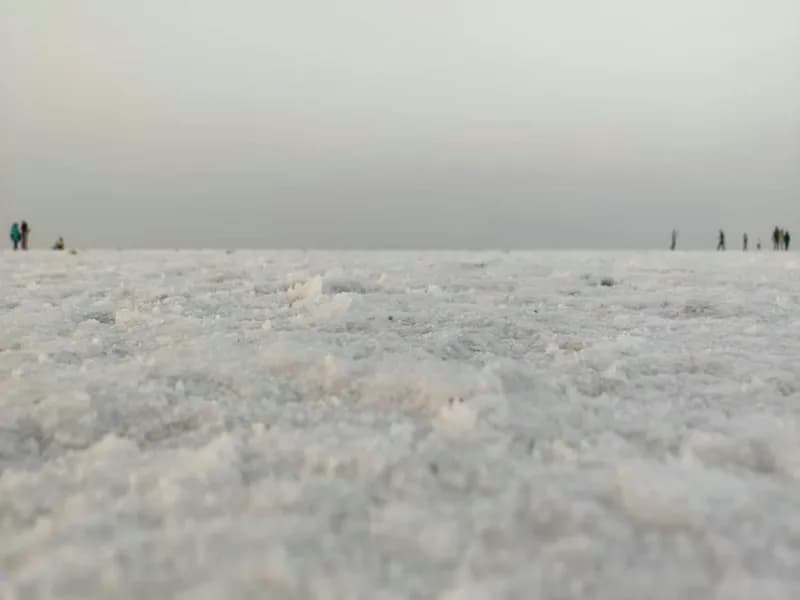
White Rann (Great Rann of Kutch)
An endless expanse of white salt marsh stretching over 7,500 sq km — the largest salt desert in Asia. Best visited on a full moon night when the entire landscape glows white. Entry: 100 INR at Dhordo checkpoint. Open November to February only (flooded rest of year). Bring sunglasses — the glare is intense. Allow 2-3 hours.
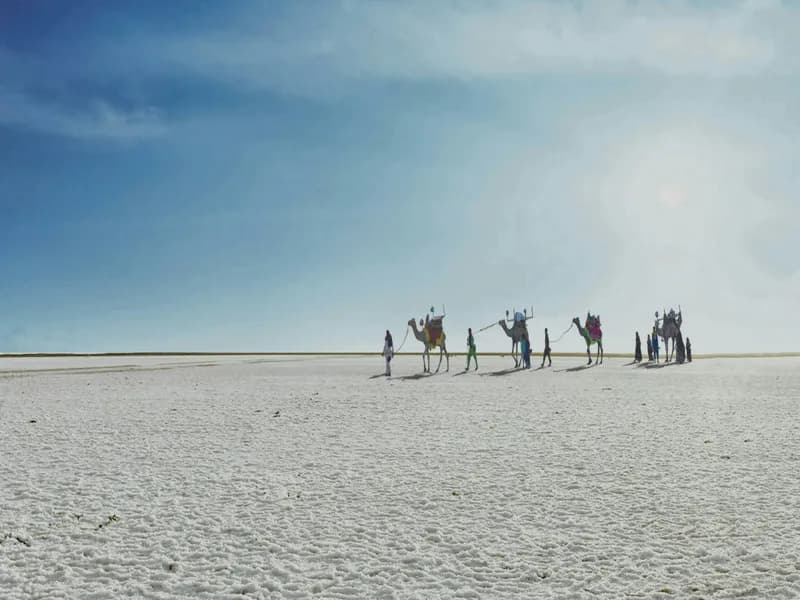
Rann Utsav Festival
Gujarat Tourism's flagship festival (November-February) at Dhordo village with luxury tent city, folk performances, handicraft exhibitions, and full moon desert excursions. Tent packages: 3,000-15,000 INR/night including meals and activities. Book via rannutsav.com months in advance — sells out quickly. The opening ceremony features national-level performers.
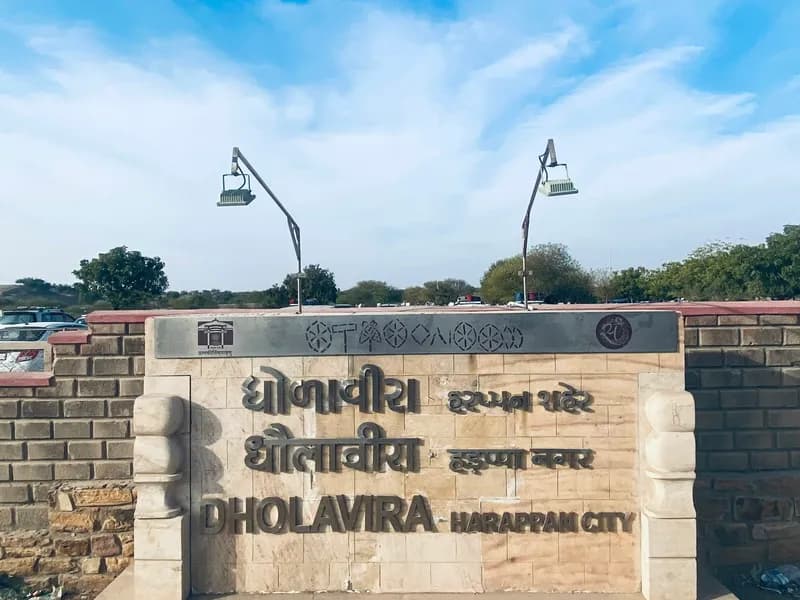
Dholavira — Harappan Ruins
A UNESCO World Heritage Site (2021) — one of the five largest Indus Valley Civilization cities, dating to 3000 BCE. Entry: 40 INR Indians, 600 INR foreigners. Open 9AM-5PM. The on-site museum displays seals, pottery, and the world's earliest known signboard. Located 250km from Bhuj — plan a full day. Allow 2-3 hours at the site.
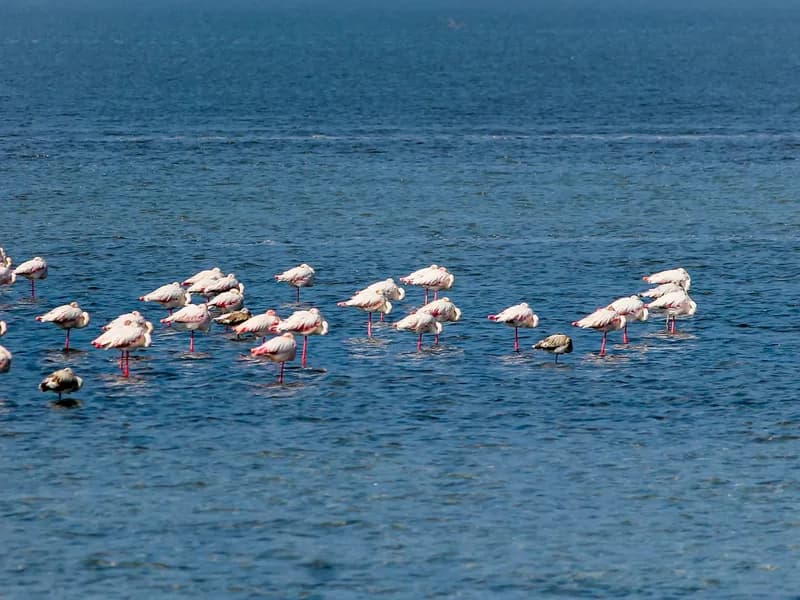
Flamingo Sanctuary at Chhari Dhand
Seasonal wetlands that attract thousands of greater flamingos, pelicans, cranes, and other migratory birds from November to March. Free to visit. Located 60km from Bhuj near the Rann edge. Early morning (6-7AM) is best for sightings. Bring binoculars and a telephoto lens. Hire a local guide in nearby villages (300-500 INR).
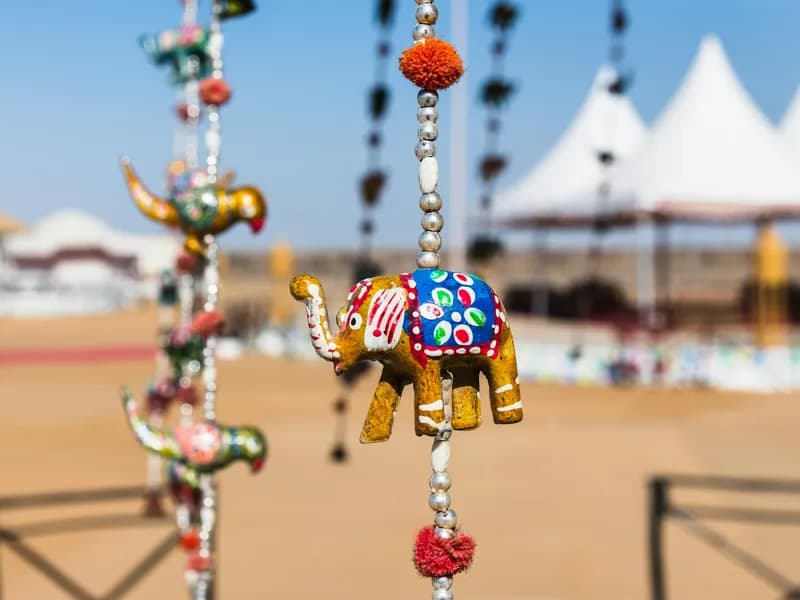
Kutch Handicraft Villages
Villages like Bhujodi (weaving), Ajrakhpur (block printing), and Nirona (Rogan art, lacquer work) are living workshops where you can watch and buy directly from artisans. Free to visit, but buying is the courteous exchange. Bhujodi is 8km from Bhuj. A full handicraft circuit with taxi takes a full day (1,500-2,000 INR for car). Prices are 30-50% lower than city shops.
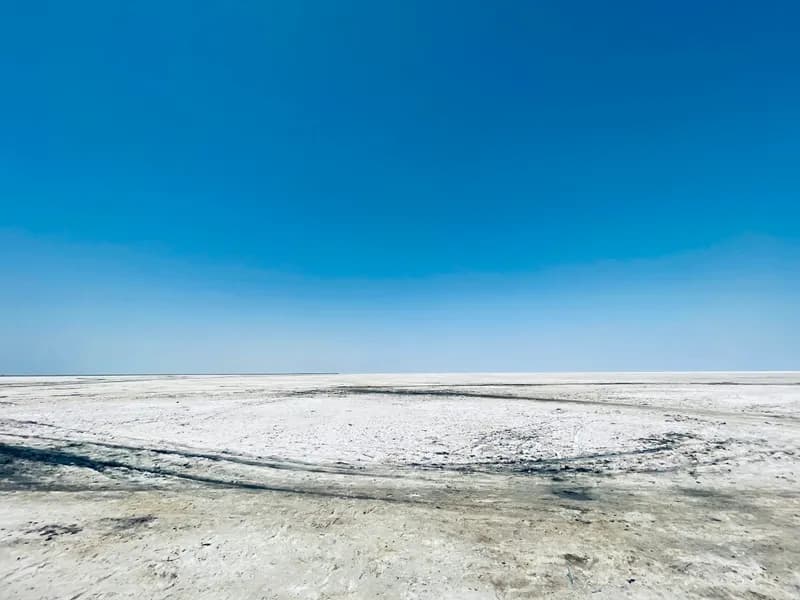
Kala Dungar (Black Hill)
The highest point in Kutch at 462m, offering panoramic views of the Great Rann. 97km from Bhuj. Free entry. A small Dattatreya temple at the summit is believed to attract wild jackals for a daily feeding ritual. Best visited at sunset for dramatic desert light. The drive itself through arid Kutch landscape is half the experience.
Planned Itinerary
7-Day Rann of Kutch Itinerary
Arrival in Bhuj — Gateway to the Rann
Fly into Bhuj, the base city for exploring the Rann of Kutch. Get oriented and begin exploring the old city.
Flight to Bhuj (BHJ)(1.5 hours from Mumbai)
3,000-6,000 INR one-way. Alternative: fly to Ahmedabad (AMD) then 5-hour drive (bus 500-800 INR, taxi 4,000-5,000 INR)
Check-in and arrange car hire(1 hour)
Hotels in Bhuj from 1,000-3,000 INR/night. Rent car with driver for remaining days: 2,000-3,000 INR/day — distances are large and public transport sparse
Bhuj old town walk(2 hours)
Explore Prag Mahal Palace (80 INR) and Aina Mahal (mirror palace, 40 INR). The old walled city was rebuilt after the 2001 earthquake
Dinner at Hotel Prince, Bhuj(1 hour)
Gujarati thali 200-300 INR. The all-you-can-eat thali tradition means unlimited refills
Kutch Handicraft Village Circuit
Full-day tour of artisan villages where centuries-old crafts are still practiced by master artisans.
Bhujodi village — weaving(1.5 hours)
8km from Bhuj. Watch master weavers create shawls and blankets on traditional looms. Buy directly: shawls 500-5,000 INR, 30-50% cheaper than city shops
Ajrakhpur — block printing(1.5 hours)
Visit Dr. Ismail Khatri's workshop, one of India's most famous block printers. Watch the natural dye process using pomegranate, indigo, and iron rust. Scarves from 300 INR
Lunch at Ajrakhpur(45 minutes)
Simple home-cooked Kutchi food at a village homestay. 150-200 INR
Nirona village — Rogan art & lacquer work(1.5 hours)
Rogan art is practiced by only one family in the world — watch Abdul Gafur Khatri paint with a needle dipped in castor oil paint. Art pieces from 500-5,000 INR
White Rann & Dhordo
Drive to the Great Rann of Kutch — Asia's largest salt desert stretching to the horizon in white infinity.
Drive to Dhordo(2 hours from Bhuj)
80km. Stop at the permit checkpoint (Indian nationals: free permit from Bhuj DSP office. Foreigners: Inner Line Permit via tour operator)
White Rann exploration(3 hours)
Walk onto the endless white salt marsh. Entry 100 INR at Dhordo checkpoint. The glare is intense — bring sunglasses and sunscreen. Full moon nights when the landscape glows white are extraordinary
Lunch at Rann Utsav tent city (if in season)(1 hour)
Nov-Feb: Rann Utsav serves Kutchi food. Off-season: pack lunch from Bhuj
Sunset on the White Rann(1.5 hours)
The salt flats shift from white to gold to purple as the sun sets. The reflection effect creates a mirror landscape. Carry water — 3-4 liters minimum
Kala Dungar & Flamingo Sanctuary
Visit Kutch's highest point for Rann panoramas, then spot flamingos at seasonal wetlands.
Drive to Kala Dungar (Black Hill)(2 hours from Bhuj)
97km. The drive through arid Kutch is half the experience
Kala Dungar summit(1 hour)
462m — highest point in Kutch. Panoramic Great Rann views. Dattatreya temple at summit with jackals fed daily. Free entry. Best at sunset but worth visiting anytime
Drive to Chhari Dhand flamingo area(1.5 hours)
60km from Bhuj. Seasonal wetlands Nov-March
Flamingo sanctuary birding(1.5 hours)
Thousands of greater flamingos, pelicans, cranes. Free. Early morning best (6-7AM) but afternoon works too. Binoculars essential. Hire local guide 300-500 INR
Dholavira — Harappan Civilization Day Trip
Drive to the UNESCO World Heritage Indus Valley city dating to 3000 BCE — one of civilization's oldest urban settlements.
Drive to Dholavira(5 hours from Bhuj)
250km. Long but worth it. Start at 5AM. The drive crosses salt flats and passes through remote villages
Dholavira archaeological site(2-3 hours)
One of five largest Harappan cities. 40 INR Indians, 600 INR foreigners. Open 9AM-5PM. On-site museum with seals, pottery, and the world's earliest known signboard. Guide recommended (300-500 INR)
Lunch packed from Bhuj(30 minutes)
No restaurants near the site. Pack parathas and water
Rest Day & Bhuj Exploration
Recover from yesterday's drive and explore Bhuj's museums, markets, and earthquake memorial.
Kutch Museum(1.5 hours)
Gujarat's oldest museum. Tribal artifacts, textiles, and inscriptions. 20 INR. Open 10AM-1PM and 2:30PM-5:30PM. Closed Wednesdays
Bhuj market shopping(2 hours)
Bandhani (tie-dye) fabric from 200-2,000 INR, Kutchi embroidery, mirror work. The main market near Shroff Bazaar is vibrant
Lunch at Sankalp, Bhuj(1 hour)
South Indian restaurant. Dosa 100-200 INR. Good vegetarian options
Smritivan Earthquake Museum(1.5 hours)
World-class museum on Bhujia Hill commemorating the 2001 earthquake (20,000 lives lost). 100 INR. The immersive exhibits are deeply moving
Departure from Bhuj
Final morning and departure from Kutch.
Last-minute handicraft shopping(1 hour)
Ajrakh prints, Kutchi embroidery, and Rogan art pieces. Pack carefully — some are delicate
Transfer to airport(30 minutes)
Bhuj Airport (BHJ) is 5km from city. Flight to Mumbai 1.5 hours. Or taxi to Ahmedabad airport (5 hours, 4,000-5,000 INR)
14-Day Rann of Kutch Itinerary
Arrival in Bhuj
Fly into Bhuj and begin exploring the old city.
Flight to Bhuj(1.5 hours from Mumbai)
3,000-6,000 INR. Or Ahmedabad then 5-hour drive
Check-in and car hire arrangement(1 hour)
Hotels 1,000-3,000 INR/night. Car with driver 2,000-3,000 INR/day
Bhuj old town — Prag Mahal & Aina Mahal(2 hours)
80 INR and 40 INR respectively
Gujarati thali dinner(1 hour)
200-300 INR with unlimited refills
Handicraft Village Circuit
Bhujodi weaving, Ajrakhpur block printing, and Nirona Rogan art.
Bhujodi village(1.5 hours)
Weaving. Shawls 500-5,000 INR
Ajrakhpur block printing(1.5 hours)
Natural dye process. Scarves from 300 INR
Nirona Rogan art(1.5 hours)
Practiced by one family worldwide. 500-5,000 INR
White Rann & Dhordo
Asia's largest salt desert. Walk into white infinity.
Drive to Dhordo(2 hours)
Permits required
White Rann exploration(3 hours)
100 INR entry. Sunglasses essential
Kala Dungar & Flamingos
Kutch's highest point and seasonal flamingo wetlands.
Summit views(1 hour)
462m. Great Rann panorama. Dattatreya temple
Chhari Dhand flamingos(1.5 hours)
Nov-March. Guide 300-500 INR
Dholavira UNESCO Day Trip
5,000-year-old Indus Valley Civilization city.
Drive to Dholavira(5 hours)
250km. Start 5AM
Archaeological site(2-3 hours)
600 INR foreigners. Museum. Guide 300-500 INR
Rest Day — Bhuj Museums & Markets
Recovery day exploring Bhuj's museums and markets.
Kutch Museum(1.5 hours)
20 INR. Gujarat's oldest
Bhuj market shopping(2 hours)
Bandhani fabric, Kutchi embroidery
Smritivan Earthquake Museum(1.5 hours)
100 INR. 2001 earthquake memorial
Mandvi Beach & Vijay Vilas Palace
Drive 60km south to Mandvi for its stunning beach and a royal palace from a Bollywood film.
Vijay Vilas Palace(1 hour)
Stunning seaside palace used in the film Hum Dil De Chuke Sanam. 30 INR. Beautiful Rajput architecture with sea views
Mandvi Beach(2 hours)
Private beach section at the palace (50 INR). One of Gujarat's finest beaches. The dhow shipyard nearby builds traditional wooden sailing ships
Lunch at Mandvi beach shack(1 hour)
Fresh seafood 200-400 INR. Pomfret fry is the local specialty
Little Rann of Kutch — Wild Ass Sanctuary
Drive to the Little Rann (260km east) for the endangered Indian wild ass and a different salt desert landscape.
Drive to Little Rann (Dasada/Zainabad)(5 hours)
Via Ahmedabad road. Stay overnight at Desert Coursers or Camp Zainabad (2,000-5,000 INR)
Afternoon jeep safari(3 hours)
Wild Ass Sanctuary safari. 2,000-3,500 INR per jeep. Spot Indian wild ass (khur), desert fox, nilgai, and flamingos. The flat salt plains create surreal mirages
Overnight at Dasada camp(Evening)
Traditional Kutchi dinner under stars. The camps are comfortable with hot water and good food
Little Rann Sunrise Safari & Return
Early morning safari for the best wildlife sightings, then return to Bhuj.
Sunrise safari in Little Rann(2.5 hours)
5:30AM start. Morning light on the salt flats is extraordinary. Better chance of wild ass sightings
Return drive to Bhuj(5 hours)
Stop at Dasada village for potters and weavers en route
Lakhpat — Ghost Town on the Pakistan Border
Drive to the abandoned walled city of Lakhpat at the edge of India, where the Indus once flowed.
Drive to Lakhpat(3 hours from Bhuj)
140km northwest. Border area — carry ID
Lakhpat walled city exploration(2 hours)
Once a thriving port of 15,000, abandoned when the Indus changed course in the 1819 earthquake. Crumbling walls, Sikh and Hindu temples, and a Sufi shrine. Free entry. Eerie and atmospheric
Lunch packed from Bhuj(30 minutes)
No restaurants in Lakhpat
Narayan Sarovar(1 hour)
Sacred lake nearby, one of five holy lakes in Hinduism. Ancient Shiva temple. Few visitors
Banni Grasslands & Tribal Villages
Explore the vast Banni grasslands and their unique pastoral communities near the Rann.
Hodka village(2 hours)
A Banni grassland village with distinctive circular mud huts (bhungas) decorated with mirror work. Stay or visit Shaam-e-Sarhad resort (run by the community). See their unique embroidery style
Banni grassland walk(1.5 hours)
The vast grasslands are home to the Banni buffalo breed and migratory birds. A guide from the village (300-500 INR) shows the best spots
Lunch at community kitchen(1 hour)
Traditional Banni food — bajra rotla (millet bread) with buttermilk and pickle. 150-200 INR
Bhuj Heritage Deep Dive
Deeper exploration of Bhuj's post-earthquake rebirth, its textile heritage, and the unique Kutchi culture.
Bhuj textile tour with expert(3 hours)
Some hotels arrange guided textile tours with historians. 1,000-2,000 INR. Understanding Kutchi embroidery styles (Rabari, Ahir, Suf, Jat) transforms your shopping
Hamirsar Lake walk(45 minutes)
Central lake with temples and the Swaminarayan Mandir on one shore. Peaceful morning walk
Lunch at Toran Dining Hall(1 hour)
Gujarat Tourism restaurant. Kutchi thali 150-250 INR
Bhujia Hill sunset(1 hour)
Hilltop fort overlooking Bhuj. Free. The sunset view over the old city is the best in town
Second Rann Visit — Full Moon Night
Return to the White Rann, ideally timed for a full moon night when the salt desert glows white.
White Rann at sunset and moonrise(3 hours)
The transition from sunset to full moon on the white salt marsh is otherworldly. The ground glows. Carry warm clothes — desert nights are cold (5-10°C)
Dinner at Rann camp or Dhordo homestay(1.5 hours)
500-1,500 INR including accommodation if staying overnight
Departure from Bhuj
Final morning and departure from Kutch.
Final handicraft shopping(1.5 hours)
Ajrakh, embroidery, Rogan art. Pack delicate textiles carefully
Transfer to airport(30 minutes)
Bhuj Airport (BHJ). Or drive to Ahmedabad (5 hours) for more flight options
21-Day Rann of Kutch Itinerary
Arrival in Bhuj
Fly into Bhuj, the gateway to Kutch.
Flight to Bhuj(1.5 hours from Mumbai)
3,000-6,000 INR
Check-in and car hire(1 hour)
Hotels 1,000-3,000 INR. Car with driver 2,000-3,000 INR/day
Handicraft Village Circuit
Bhujodi, Ajrakhpur, and Nirona artisan villages.
White Rann & Dhordo
Walk onto Asia's largest salt desert.
White Rann exploration(3 hours)
100 INR entry
Kala Dungar & Flamingos
Kutch's highest point and seasonal flamingo wetlands.
Kala Dungar(3 hours including drive)
462m. Rann panorama
Dholavira UNESCO Site
5,000-year-old Indus Valley city.
Archaeological site & museum(2-3 hours)
600 INR foreigners
Rest Day — Bhuj Museums
Recovery and Bhuj exploration.
Mandvi Beach & Palace
Gujarat's finest beach and a royal seaside palace.
Vijay Vilas Palace(1 hour)
30 INR. Sea-view Rajput palace
Little Rann — Wild Ass Safari
Drive to the Little Rann for the endangered Indian wild ass.
Afternoon jeep safari(3 hours)
Wild ass, desert fox, flamingos. 2,000-3,500 INR per jeep
Overnight at camp(Evening)
2,000-5,000 INR. Dinner under stars
Little Rann Sunrise & Return
Early morning safari and return.
Lakhpat Ghost Town
Abandoned walled city at the Pakistan border.
Lakhpat exploration(2 hours)
Abandoned port city. Free
Banni Grasslands & Tribal Villages
Pastoral communities in vast grasslands near the Rann.
Bhuj Textile Deep Dive
Expert-guided textile tour understanding Kutch's embroidery traditions.
Guided textile tour(3 hours)
1,000-2,000 INR. Learn Rabari, Ahir, Suf, Jat styles
Full Moon Rann Night
Return to the White Rann for a full moon experience.
White Rann sunset and moonrise(3 hours)
Otherworldly glowing salt landscape
Overnight at Dhordo homestay(Evening)
500-1,500 INR
Rest Day
Free day in Bhuj for rest, last shopping, or revisiting favorites.
Day Trip to Ahmedabad — Heritage City
Drive to the UNESCO-listed old city of Ahmedabad (330km) for a different Gujarat perspective.
Drive to Ahmedabad(5 hours)
Start early. Or take morning flight from Bhuj (45 min, 3,000-5,000 INR)
Sabarmati Ashram(1 hour)
Gandhi's home for 12 years. Free. The museum traces the independence movement
Old city heritage walk(2 hours)
UNESCO World Heritage walled city. Pol houses, carved wooden facades, and hidden courtyards. Guided walks from 300-500 INR
Lunch at Manek Chowk(1 hour)
Ahmedabad's street food capital. Dabeli 20 INR, khaman dhokla 30 INR, fafda-jalebi 40 INR
Stay overnight in Ahmedabad(Evening)
Hotels from 1,500-4,000 INR near the old city
Ahmedabad — Stepwell & Architecture
Explore Ahmedabad's architectural masterpieces.
Adalaj Stepwell(1.5 hours)
20km from city. Stunning 5-story stepwell with carved pillars. Free. One of India's finest
Calico Museum of Textiles(2 hours)
World-class textile museum. Free but by guided tour only (10:30AM and 2:45PM). Book in advance
Return drive to Bhuj(5 hours)
Or evening flight
Mundra & Kutch Coastline
Explore the less-visited southern Kutch coast — ports, mangroves, and fishing villages.
Mundra port and old town(1.5 hours)
Historic trading port. Merchant havelis and a Jain temple cluster. Free
Coastal mangrove walk(1.5 hours)
Mangrove forests along the coast support crabs, mudskippers, and migratory birds
Lunch at fishing village(1 hour)
Fresh seafood 150-300 INR
Extended Craft Villages — Ludiya & Dhaneti
Visit villages beyond the tourist circuit for deeper artisan encounters.
Ludiya village(2 hours)
Near Dhordo. Community-run tourism with decorated mud houses (bhungas), folk performances, and embroidery demonstrations. 300-500 INR entry
Dhaneti village metalwork(1.5 hours)
Copper bell-making tradition. Watch artisans craft bells for cattle. Buy directly — 200-1,000 INR
Fossil Park & Geological Kutch
Kutch is one of India's richest fossil sites — explore the geological heritage.
Fossil Park(1.5 hours)
160-million-year-old Jurassic fossils including ammonites, petrified wood, and marine fossils. 20 INR. The landscape itself looks prehistoric
Geological formations drive(2 hours)
The drive through Kutch reveals sedimentary layers, volcanic formations, and the dramatic transition from desert to salt flats
Farewell Kutch — Photography & Goodbyes
Final full day for photography, last shopping, and farewell to this extraordinary landscape.
Final craft shopping with expert eye(2 hours)
After 20 days, you know quality. Focus on the best pieces
Lunch at Hotel Prince(1 hour)
Where it all started. Full circle thali
Departure from Bhuj
Final morning and departure from Kutch.
Transfer to airport(30 minutes)
Bhuj Airport (BHJ) or drive to Ahmedabad (5 hours)
Travel Tips
Visa & Entry
E-Visa Plus Special Permits for Border Area
Standard Indian e-Tourist Visa applies (30-day: $25, 1-year: $40, 5-year: $80). However, the Rann is a restricted border zone near Pakistan. Foreign nationals need an Inner Line Permit — arrange through a registered tour operator in Bhuj at least 3-5 days in advance. Indians need a free permit from the Bhuj DSP office.
transport
Bhuj Is Your Base — Hire a Car
Fly to Bhuj (BHJ) from Mumbai (1.5 hours, 3,000-6,000 INR one-way). Alternatively, Ahmedabad (AMD) has more flights — then 5-hour drive to Bhuj (bus 500-800 INR or taxi 4,000-5,000 INR). From Bhuj, rent a car with driver (2,000-3,000 INR/day) — distances between sites are large (50-250km) and public transport is sparse.
Timing Is Everything — Monsoon Closes the Rann
The Rann floods completely during monsoon (June-September) and is physically inaccessible. Even in October, some roads may still be waterlogged. The season runs strictly November to February. Plan visits around the full moon for the most dramatic white desert experience.
Budget
Rann Utsav vs. Independent Visit
Rann Utsav tent packages (3,000-15,000 INR/night) include meals and activities but sell out fast. For budget travelers, stay in Bhuj (hotels 1,000-3,000 INR/night) and visit the Rann as a day trip. Dhordo village homestays (500-1,500 INR/night) are a middle option. Handicrafts directly from artisan villages save 30-50% versus city shops.
Safety
Desert Conditions Require Preparation
Carry 3-4 liters of water per person on desert excursions. Sunscreen and hat are mandatory — the white salt amplifies UV reflection. Mobile signal is patchy beyond Bhuj. Do not wander off marked paths in the Rann — the salt crust can conceal soft marshy ground. Carry a fully charged power bank.
Local Customs
Ask Before Photographing Artisans and Villagers
Kutch's tribal and artisan communities are welcoming but photography-sensitive. Always ask before shooting portraits, especially of women. Buying something (even small, 100-200 INR) is a respectful exchange when visiting workshop villages. Some communities charge a photography fee (50-100 INR per person).
Ready to explore Rann of Kutch?
Get AI-powered recommendations for your trip
Plan a Trip to Rann of KutchRelated Articles
StoriesWhat the Rann of Kutch Artisans Want You to Know
Seven generations of Rogan art. A block printer who trained in his grandfather's workshop at age eight. The craft communities of Kutch speak for themselves.
Travel Guides9 Unmissable Experiences in the Rann of Kutch
Full moon on the white salt desert, flamingo flocks at dawn, 5,000-year-old ruins, and textile workshops that predate the Mughal Empire. The Rann of Kutch is India's most underrated destination.
Travel GuidesComplete Guide to the Rann of Kutch: India's White Desert
A salt desert that stretches to the horizon, a 5,000-year-old Harappan city, flamingo flocks, and the most extraordinary craft villages in India. Here's everything for planning a Kutch trip.