
Sicily

Photo: Casey Lovegrove / Unsplash
Key Facts
Best Time to Visit
April to June and September to October (20-28°C, fewer crowds, lower prices)
Language
Italian (Sicilian dialect widely spoken locally)
Currency
Euro (EUR)
Time Zone
CET (UTC+1), CEST (UTC+2) in summer
Airport
Catania-Fontanarossa (CTA) and Palermo Falcone-Borsellino (PMO)
Population
5 million (island), 680,000 (Palermo city proper)
Climate
Mediterranean, hot dry summers (30-35°C), mild winters (10-15°C)
Safety Rating
Generally Safe (Level 1) — petty theft in busy tourist areas
UNESCO Sites
7 UNESCO sites including Valley of the Temples, Mount Etna, and Arab-Norman Palermo
Top Highlights
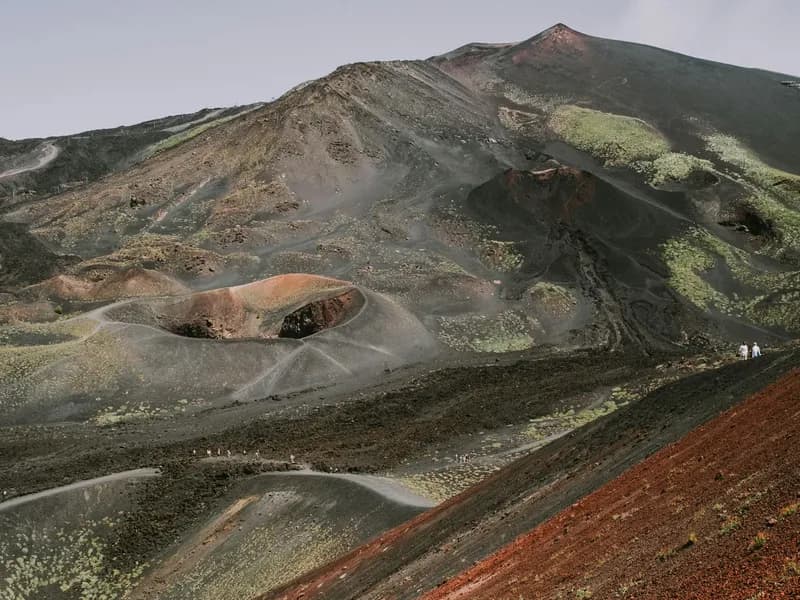
Mount Etna
Europe's most active volcano at 3,357 meters. Cable car from Rifugio Sapienza to 2,500m: ~35 EUR, then 4x4 jeep + guide to summit craters: ~65 EUR. Half-day excursions from Catania from ~55 EUR. Eruptions are frequent but monitored — the lava flows and fumaroles are extraordinary. Bring warm layers; it's 15-20°C cooler at the top.
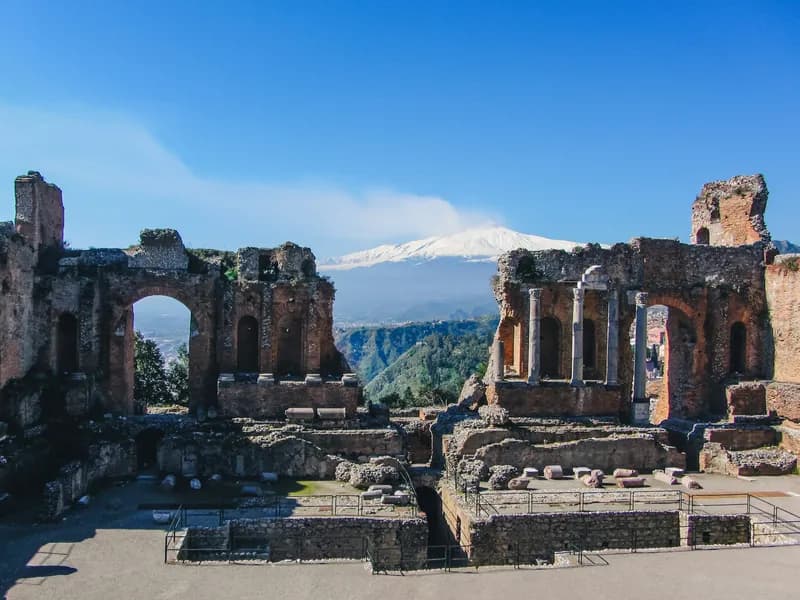
Taormina & Greek Theatre
Sicily's most glamorous hilltop town with a 3rd-century BC Greek Theatre (entry: 10 EUR) framing Etna and the Ionian Sea. Corso Umberto is the main pedestrian promenade with cafes, boutiques, and gelaterias. Beach access via cable car to Isola Bella (3 EUR round trip). Allow a full day. Gets very crowded July-August.
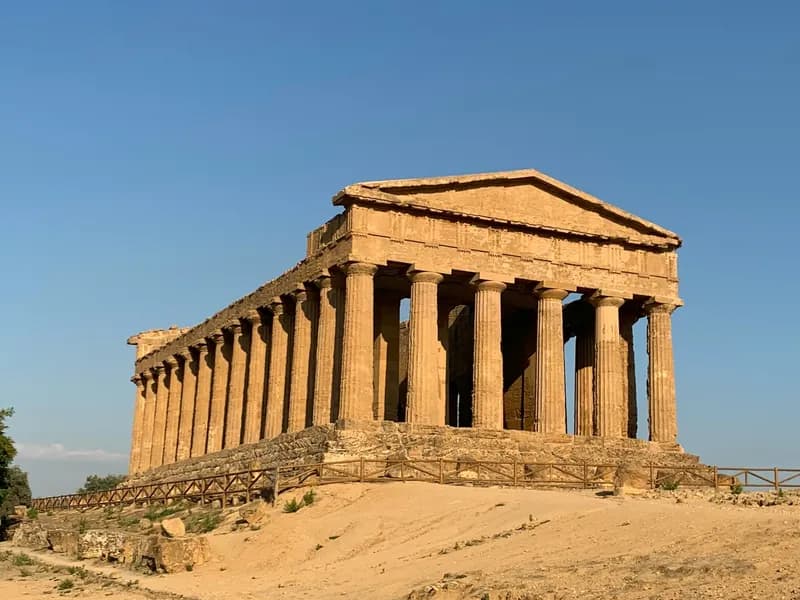
Valley of the Temples, Agrigento
UNESCO-listed archaeological park with 7 remarkably preserved Doric temples from the 5th century BC — rivals the Acropolis. Entry: 12 EUR, combo with museum: 15.50 EUR. Open 8:30AM-7PM (summer), 8:30AM-5PM (winter). Visit early morning or late afternoon for golden light and fewer crowds. Allow 3-4 hours.
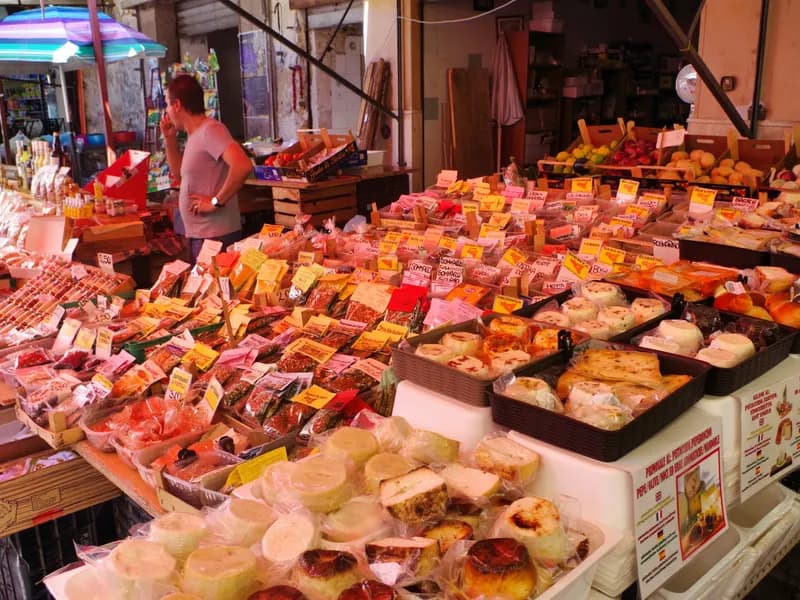
Palermo Markets
Three historic street markets — Ballaro, Vucciria, and Capo — are chaotic, colorful, and essential. Try street food: arancini (2-3 EUR), panelle (chickpea fritters, 1-2 EUR), and sfincione (Sicilian pizza, 2 EUR). Ballaro is the largest and most authentic. Best visited morning to early afternoon. Free to wander.
Cefalù
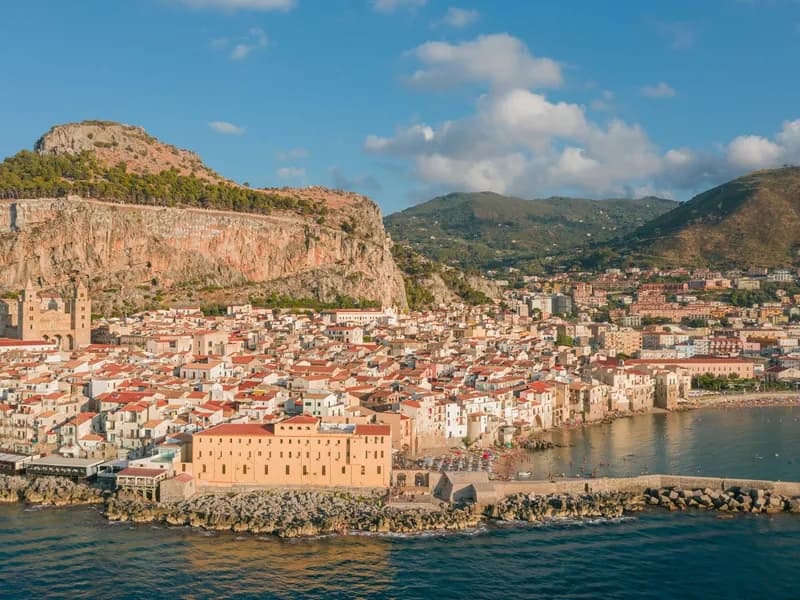
A hidden gem fishing village 70 km east of Palermo with a stunning Norman cathedral (free entry) featuring golden Byzantine mosaics rivaling Monreale. Climb La Rocca fortress (4 EUR) for panoramic views — 45-minute steep ascent. Beautiful crescent beach right in town. Easy day trip by train from Palermo (50 min, ~7 EUR).
Baroque Towns of Val di Noto
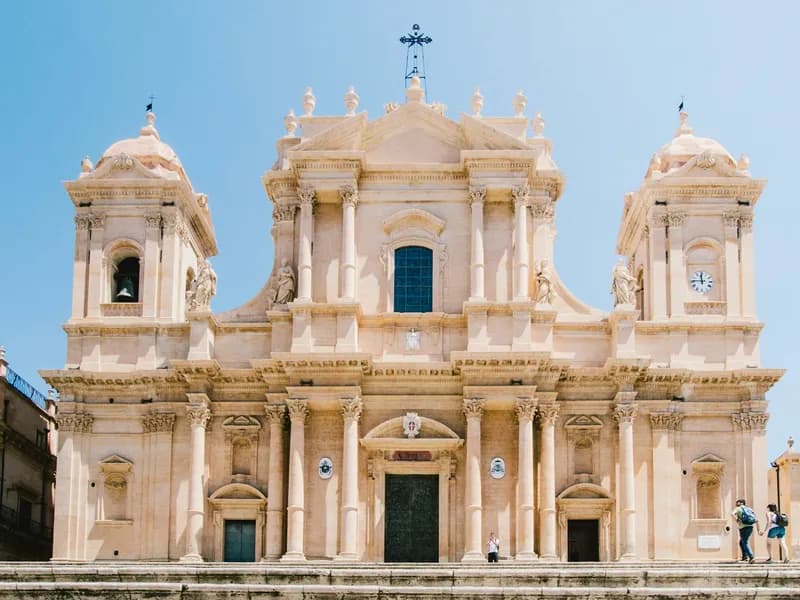
UNESCO cluster of late-baroque towns rebuilt after the 1693 earthquake: Noto (the showpiece), Ragusa Ibla, Modica, and Scicli. Free to explore the honey-colored limestone streets. Don't miss Modica's famous chocolate shops or Ragusa Ibla's panoramic staircase. Allow 2-3 days to see all four towns by car.
Syracuse & Ortigia Island
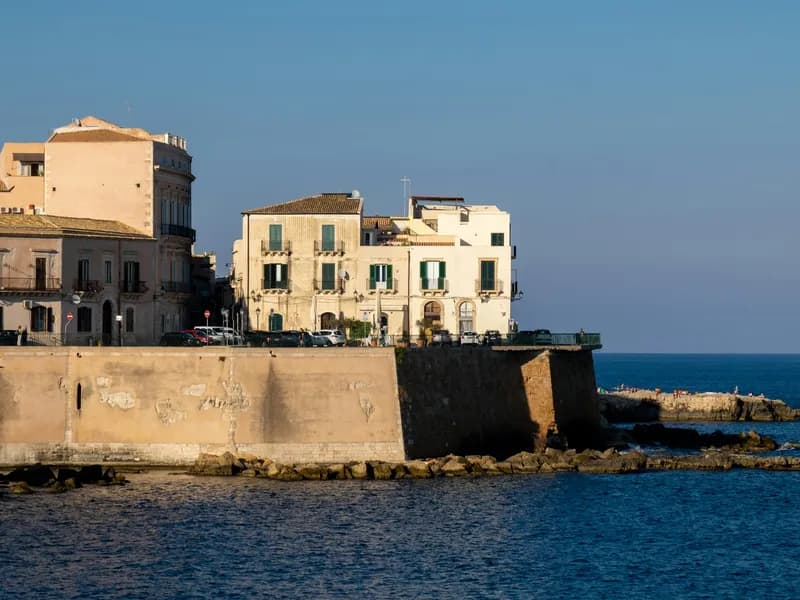
Ancient Greek powerhouse with an island old town (Ortigia) connected by bridge. The Greek Archaeological Park (entry: 13.50 EUR) has a 15,000-seat theatre still used for summer performances. Ortigia's Piazza Duomo is one of Italy's most beautiful squares. The daily market near the Temple of Apollo is excellent for fresh seafood. Allow a full day.
Planned Itinerary
7-Day Sicily Itinerary
Arrival in Palermo & Market Immersion
Fly into Palermo Falcone-Borsellino Airport (PMO). Transfer to your hotel in the historic center near the Quattro Canti intersection (taxi ~35 EUR, 30 minutes). Spend the afternoon diving into Palermo's legendary street food scene.
Airport transfer and hotel check-in(1 hour)
Taxi or pre-booked transfer to central Palermo. Stay near Via Maqueda or Quattro Canti for walkability to all major sights
Ballaro Market street food lunch(1.5 hours)
Palermo's largest and most authentic market — follow the noise from Piazza del Carmine. Try arancini (2-3 EUR), panelle with crocche in a roll (2 EUR), and sfincione (Sicilian pizza, 2 EUR). The stalls past the main tourist entrance have better prices
Walk through Kalsa Quarter(1.5 hours)
Palermo's oldest Arab quarter, now a hip neighborhood with galleries, piazzas, and crumbling palazzi. Stop at Piazza Pretoria (the 'Square of Shame' for its nude fountain statues) and the Martorana Church (free, stunning gold Byzantine mosaics)
Dinner at Trattoria Ai Cascinari(1.5 hours)
Old-school Palermitano trattoria near Ballaro. Pasta con le sarde (10 EUR), caponata, and house wine (3 EUR/glass). Cash preferred. Arrive by 8PM — locals eat late but this place fills up
Palermo's Arab-Norman Heritage & Monreale
Explore Palermo's UNESCO Arab-Norman churches and make the essential side trip to Monreale Cathedral, one of the world's greatest mosaics.
Palazzo dei Normanni & Cappella Palatina(2 hours)
Entry: 14 EUR. The Palatine Chapel is covered floor-to-ceiling in 12th-century gold mosaics — arguably the finest Byzantine art outside Istanbul. Arrive at 8:15AM opening to beat tour groups. The Royal Apartments are also included
Monreale Cathedral(2 hours)
Bus 389 from Piazza Indipendenza (1.50 EUR, 30 minutes). The cathedral's 6,340 square meters of gold mosaics depicting Biblical scenes are jaw-dropping. Cathedral free; cloister 6 EUR (don't skip it — 228 columns, each with unique carvings). Rooftop terrace: 4 EUR for panoramic views
Lunch at Monreale(1 hour)
Eat at Taverna del Pavone on Via Pensiero, 1 block from the cathedral — pasta alla Norma (10 EUR), local Nero d'Avola wine (4 EUR/glass). Much better value than the restaurants directly facing the cathedral
Vucciria Market & La Cala harbor evening(2 hours)
Return to Palermo and wander the Vucciria market area as it transforms from daytime market to evening aperitivo spot. Walk to La Cala harbor for sunset views of fishing boats and the Palermo skyline
Cefalù Day Trip — Beach, Cathedral & La Rocca
Train to the postcard-perfect fishing village of Cefalù, 70 km east of Palermo. Its Norman cathedral rivals Monreale, and the beach is one of Sicily's best.
Train Palermo to Cefalù(50 minutes)
Trenitalia regional train from Palermo Centrale, ~7 EUR one-way. Departs roughly every hour. The coastal ride is scenic — sit on the right side
Cefalù Cathedral(45 minutes)
Free entry. The massive Christ Pantocrator mosaic in the apse rivals Monreale in artistry if not scale. The Arab-Norman exterior with twin towers is stunning against the La Rocca cliff backdrop. Cloister: 4 EUR
Climb La Rocca(1.5 hours)
Entry: 4 EUR. A steep 20-minute ascent through pine trees to the ruined fortress at the summit (268m). Panoramic views over the town, coast, and Madonie mountains. Bring water — no shade on the upper section. Best before noon to avoid peak heat
Beach time and lunch(2.5 hours)
Cefalù's crescent beach is right in town — free sandy stretch or loungers (8-10 EUR). Lunch at La Brace on Via XXV Novembre — grilled swordfish (14 EUR) and fresh caponata. Return train to Palermo in the late afternoon
Catania & Mount Etna
Pick up a rental car and drive 3 hours east along the A19 motorway to Catania, then head up Europe's most active volcano. Stay in the Catania area for the next few nights.
Drive Palermo to Catania via A19(2.5 hours)
Pick up rental car at Palermo (from ~25 EUR/day). The motorway crosses Sicily's mountainous interior — stop at the Enna viewpoint for dramatic central Sicily views. Drop luggage at your hotel near Catania's Via Etnea or in the seaside town of Acireale
Mount Etna excursion(4 hours)
Drive to Rifugio Sapienza (1,900m) on Etna's south side (1 hour from Catania). Cable car to 2,500m: ~35 EUR return. Optional 4x4 jeep + volcanologist guide to summit craters (~65 EUR). Even without the jeep, the cable car station area has lunar landscapes, fumaroles, and extraordinary views. Bring a warm jacket — 15-20°C cooler than the coast
Dinner in Catania at Trattoria de Fiore(1.5 hours)
Near Piazza del Duomo. Try pasta alla Norma (Catania's signature dish with fried eggplant and ricotta salata, 10 EUR), and horse-meat stew if you're adventurous. The Pescheria fish market area has great seafood restaurants — Osteria Antica Marina for the full experience (book ahead, mains 14-20 EUR)
Taormina & Isola Bella
Head north along the coast to Sicily's most glamorous hilltop town. The combination of the ancient Greek Theatre, Etna views, and the turquoise bay below is unforgettable.
Drive Catania to Taormina(1 hour)
Take the A18 motorway north. Park at the Lumbi car park (3 EUR/hour, free shuttle to center) — the old town is entirely pedestrian. Alternatively, park at the Porta Catania end
Greek Theatre of Taormina(1.5 hours)
Entry: 10 EUR. A 3rd-century BC theatre cut into the hillside with Etna framed perfectly between the stage columns and the Ionian Sea below. Open 9AM-7PM. Come at opening to photograph without crowds — tour buses arrive by 10AM
Corso Umberto stroll and lunch(1.5 hours)
Taormina's main pedestrian promenade lined with boutiques, cafes, and gelaterias. Lunch at Bam Bar on Via di Giovanni — their granita (almond, pistachio, or mulberry) with brioche (4-5 EUR) is legendary. For a sit-down meal, try Trattoria Don Ciccio (pasta with pistachio pesto, 12 EUR)
Isola Bella beach(2 hours)
Take the cable car from Taormina down to Mazzaro beach (3 EUR return). Walk across the sandbar to Isola Bella nature reserve (4 EUR). Crystal-clear water, rocky coves for snorkeling. Bring water shoes for the pebbly beach. Return to Catania for the evening
Syracuse, Ortigia & the Baroque South
Drive south to the ancient Greek powerhouse of Syracuse. The island old town of Ortigia is one of Italy's most beautiful historic centers.
Drive Catania to Syracuse(1 hour)
Take the E45 motorway south (70 km). Park near the Archaeological Park or on Ortigia island (limited spots — try Talete parking garage, 1.50 EUR/hour)
Neapolis Archaeological Park(2 hours)
Entry: 13.50 EUR. The 15,000-seat Greek Theatre (still used for summer performances May-July), the Ear of Dionysius cave (a 23m-high limestone quarry with extraordinary acoustics), and the Roman Amphitheatre. Allow 2 hours minimum. Audio guide recommended (5 EUR)
Ortigia Island exploration and lunch(3 hours)
Cross the bridge to Ortigia — wander Piazza Duomo (one of Italy's most beautiful squares, cathedral entry 2 EUR built inside a Greek temple), the Arethusa Fountain (freshwater spring by the sea), and the daily market near the Temple of Apollo. Lunch at Caseificio Borderi for the most famous sandwich in Sicily (5-8 EUR, expect a queue)
Sunset aperitivo on Ortigia waterfront(1 hour)
Grab a spritz (6-8 EUR) at one of the bars along the Lungomare di Levante. The sunset over the Grand Harbour is spectacular. Drive back to Catania or stay overnight in Syracuse
Departure — Valley of the Temples & Farewell
If flying from Catania, spend a final morning at the Valley of the Temples in Agrigento (2.5 hours west) before heading to the airport. If flying from Palermo, the Valley is conveniently en route.
Drive to Agrigento's Valley of the Temples(2.5 hours)
Early departure from Catania via the SS640 (or 2 hours from Syracuse). The UNESCO site opens at 8:30AM — arrive early for golden light and thin crowds
Valley of the Temples visit(2.5 hours)
Entry: 12 EUR (combo with museum: 15.50 EUR). Seven remarkably preserved Doric temples from the 5th century BC spread along a ridge — the Temple of Concordia is one of the best-preserved Greek temples anywhere. The almond trees bloom in February. Allow at least 2 hours for the main path
Last Sicilian lunch and airport transfer(2 hours)
Lunch at Trattoria dei Templi just outside the archaeological park — pasta with sardines and breadcrumbs (10 EUR), cannoli for dessert (3 EUR). Drive to CTA or PMO airport (2-2.5 hours from Agrigento). Return rental car and allow 2 hours before flight
14-Day Sicily Itinerary
Arrival in Palermo & Market Immersion
Fly into Palermo Falcone-Borsellino Airport (PMO). Transfer to your hotel in the historic center near the Quattro Canti intersection. Dive straight into the city's legendary street food scene.
Airport transfer and hotel check-in(1 hour)
Taxi ~35 EUR or Prestia e Comande shuttle bus (7 EUR, 45 min) to central Palermo. Stay near Via Maqueda or Kalsa for walkability
Ballaro Market street food lunch(1.5 hours)
Palermo's largest and most authentic market — follow the noise from Piazza del Carmine. Arancini (2-3 EUR), panelle e crocche in a roll (2 EUR), sfincione (2 EUR), and stigghiola (grilled lamb intestines, 3 EUR) for the brave
Walk through Kalsa Quarter to Piazza Pretoria(1.5 hours)
Palermo's oldest Arab quarter with galleries, crumbling palazzi, and the Piazza Pretoria fountain (the 'Square of Shame' for its nude statues). Visit the Martorana Church — free entry, stunning gold Byzantine mosaics
Dinner at Trattoria Ai Cascinari(1.5 hours)
Near Ballaro market. Pasta con le sarde (10 EUR), caponata, and house Nero d'Avola wine (3 EUR/glass). Cash preferred
Palermo's Arab-Norman Heritage & Monreale
Explore Palermo's UNESCO Arab-Norman circuit and make the essential side trip to Monreale Cathedral for some of the world's greatest mosaics.
Palazzo dei Normanni & Cappella Palatina(2 hours)
Entry: 14 EUR. The Palatine Chapel's 12th-century gold mosaics are arguably the finest Byzantine art outside Istanbul. Arrive at 8:15AM opening. Royal Apartments included
Monreale Cathedral and cloister(2 hours)
Bus 389 from Piazza Indipendenza (1.50 EUR, 30 min). 6,340 sq meters of gold mosaics. Cathedral free, cloister 6 EUR (228 uniquely carved columns), rooftop terrace 4 EUR
Lunch in Monreale(1 hour)
Taverna del Pavone on Via Pensiero — pasta alla Norma (10 EUR), better value than cathedral-facing restaurants
Catacombe dei Cappuccini(1 hour)
Entry: 3 EUR. 8,000 mummified bodies displayed in underground corridors arranged by profession. Macabre but fascinating — the 2-year-old Rosalia Lombardo ('Sleeping Beauty') looks astonishingly lifelike. Open 9AM-1PM, 3-6PM. Not for the squeamish
Cefalù Day Trip — Beach, Cathedral & La Rocca
Train to the postcard-perfect fishing village of Cefalù. Its Norman cathedral, dramatic fortress climb, and crescent beach make a perfect day trip.
Train Palermo to Cefalù(50 minutes)
Trenitalia regional from Palermo Centrale, ~7 EUR. Roughly hourly. Sit on the right for coastal views
Cefalù Cathedral(45 minutes)
Free entry. Christ Pantocrator mosaic in the apse rivals Monreale. Cloister: 4 EUR
Climb La Rocca fortress(1.5 hours)
Entry: 4 EUR. Steep 20-minute ascent to 268m summit with panoramic views. Bring water — no shade on the upper section
Beach time and seafood lunch(3 hours)
Cefalù's sandy beach is right in town. Lunch at La Brace — grilled swordfish (14 EUR). Return train late afternoon
Segesta Temple & Erice Hill Town
Pick up a rental car and explore western Sicily — the magnificently isolated Greek temple at Segesta and the medieval hill town of Erice perched at 750 meters.
Pick up rental car in Palermo(30 minutes)
Rental from ~25 EUR/day. Automatic transmission costs more but saves stress on narrow Sicilian roads
Segesta Temple and theatre(1.5 hours)
Entry: 6 EUR. A solitary, unfinished 5th-century BC Doric temple in a vast green valley — no city around it, utterly atmospheric. The Greek theatre (shuttle bus up, 2 EUR) has views to the sea. 75 km west of Palermo on the A29
Erice old town(2.5 hours)
A medieval walled town at 750m altitude with fog-shrouded cobblestone streets, Norman castle, and extraordinary views. Try the famous almond pastries at Maria Grammatico pastry shop (3-5 EUR). The Venus Castle (Castello di Venere, 6 EUR) sits on the site of an ancient temple. Drive or take the Trapani cable car (9 EUR return)
Dinner and overnight in Trapani(1.5 hours)
Stay in Trapani's old town. Dinner at Cantina Siciliana — couscous alla trapanese (fish couscous, 14 EUR), Sicily's most unique dish with North African roots
Rest Morning & Drive to Agrigento
A slower morning exploring Trapani's salt flats before driving south along the coast to Agrigento for the Valley of the Temples at golden hour.
Trapani salt flats (Saline di Trapani)(1.5 hours)
Free to view from the road between Trapani and Marsala. Windmills and salt pans reflect pink and orange at sunrise/sunset. The Museo del Sale (salt museum, 4 EUR) explains centuries of salt harvesting. Best in late afternoon light but morning works too
Drive Trapani to Agrigento(2.5 hours)
Scenic coastal route via Sciacca (SS115) or faster A29/SS189 inland. Stop at Sciacca for a quick walk through the thermal spa town if taking the coast road
Valley of the Temples late afternoon visit(2.5 hours)
Entry: 12 EUR (combo with museum: 15.50 EUR). Seven Doric temples from the 5th century BC along a ridge. Late afternoon light turns the sandstone gold. Temple of Concordia is the highlight. Open until 7PM in summer — the last 2 hours are the best for photography
Dinner with temple views(1.5 hours)
Trattoria dei Templi just outside the park — spaghetti with sea urchin (15 EUR), cannoli for dessert (3 EUR). Some restaurants have illuminated temple views at night
Baroque Towns — Noto, Modica & Ragusa Ibla
Drive southeast into the UNESCO Val di Noto to explore the cluster of honey-colored baroque towns rebuilt after the 1693 earthquake. Each has its own personality.
Drive Agrigento to Noto(2 hours)
Take the SS115 east. Noto is the showpiece baroque town — rebuilt entirely in golden limestone after 1693
Noto old town walk(1.5 hours)
Free to wander Corso Vittorio Emanuele past the cathedral (rebuilt after its 1996 dome collapse), Palazzo Nicolaci (3 EUR, carved balconies of mermaids and lions), and the Municipio. Cafe Sicilia on Corso Vittorio is famous for its granita and cannoli (4-5 EUR)
Modica chocolate tasting(1 hour)
Drive 35 minutes to Modica, famous for its grainy Aztec-style chocolate made with cold-processed cacao. Antica Dolceria Bonajuto (est. 1880) is the most renowned chocolatier — free tastings, bars from 5 EUR. The town cascades down a gorge with a dramatic baroque cathedral at the bottom
Ragusa Ibla evening(2 hours)
Drive 20 minutes to Ragusa Ibla — the most atmospheric of the baroque towns, especially at dusk when the golden limestone glows. The 250-step staircase connects upper and lower Ragusa. Dinner at Il Duomo (Michelin-starred, tasting menu ~80 EUR) or budget at Trattoria La Bettola (pasta 8-12 EUR) on the main piazza. Stay overnight in Ragusa
Syracuse & Ortigia Island
Drive northeast to the ancient Greek powerhouse of Syracuse. The island old town of Ortigia is one of Italy's most beautiful historic centers.
Drive Ragusa to Syracuse(1.5 hours)
Take the SP5 and SS115. Park near the Neapolis Archaeological Park or in Ortigia (Talete garage, 1.50 EUR/hour)
Neapolis Archaeological Park(2 hours)
Entry: 13.50 EUR. The 15,000-seat Greek Theatre, the Ear of Dionysius cave with extraordinary acoustics, and the Roman Amphitheatre. Audio guide: 5 EUR
Ortigia Island walk and lunch(3 hours)
Piazza Duomo (cathedral entry 2 EUR — built inside a Greek temple), the Arethusa Fountain, and the morning market near Temple of Apollo. Lunch at Caseificio Borderi — most famous sandwich in Sicily (5-8 EUR, expect a queue)
Evening passeggiata on Ortigia(1.5 hours)
Join the locals for the evening stroll along the Lungomare. Aperitivo at Solaria near Fonte Aretusa with sunset views. Stay overnight in Syracuse
Mount Etna Full Day
Drive north to Europe's most active volcano. A full day allows the summit excursion plus exploring the lava fields and vineyards on Etna's slopes.
Drive Syracuse to Etna (Rifugio Sapienza)(1.5 hours)
Take the E45 north to Catania then follow signs for Etna Sud. The drive up through lava fields and birch forests is dramatic
Cable car and 4x4 summit excursion(4 hours)
Cable car to 2,500m (~35 EUR return), then 4x4 jeep with volcanologist guide to summit craters at 2,900m (~65 EUR). The fumaroles, lava tubes, and panoramic views are extraordinary. Bring warm layers — 15-20°C cooler than the coast. Alternatively, hike independently from the cable car station
Etna DOC winery visit(1.5 hours)
The volcanic slopes produce excellent wines from the Nerello Mascalese grape. Visit Benanti or Planeta on the east side — tastings from 15 EUR for 3-4 wines with local cheese. The terroir gives these wines a distinctive minerality
Dinner and overnight in Catania(1.5 hours)
Check into a hotel near Via Etnea. Dinner at Osteria Antica Marina in the Pescheria district — the daily catch prepared simply (mains 14-20 EUR). Book ahead
Taormina — Theatre, Town & Beach
A full day in Sicily's most glamorous hilltop town. The combination of ancient Greek theatre, Etna views, and turquoise bay is iconic.
Drive Catania to Taormina(1 hour)
A18 motorway north. Park at Lumbi car park (3 EUR/hour, free shuttle to center)
Greek Theatre of Taormina(1.5 hours)
Entry: 10 EUR. 3rd-century BC theatre with Etna framed between the stage columns. Open 9AM-7PM. Arrive at opening
Corso Umberto and granita at Bam Bar(1.5 hours)
Main pedestrian promenade with boutiques and gelaterias. Bam Bar's granita with brioche (4-5 EUR) is legendary — pistachio and almond are the classic flavors
Isola Bella and cable car(2.5 hours)
Cable car down to Mazzaro beach (3 EUR return). Walk the sandbar to Isola Bella nature reserve (4 EUR). Crystal-clear snorkeling, bring water shoes. Return to Catania evening
Rest Day — Catania at Leisure
A slower day exploring Catania's underrated baroque center and volcanic-stone streets. This is Sicily's grittiest, most authentic city.
La Pescheria fish market morning(1.5 hours)
Catania's spectacular open-air fish market below Piazza del Duomo operates weekday mornings. Tuna steaks, swordfish, sea urchins, and octopus displayed on ice. The surrounding streets have fritto misto stands (5 EUR) and raw seafood bars
Piazza del Duomo and Via Etnea walk(1 hour)
The elephant fountain (Catania's symbol), the baroque Duomo (free), and a stroll up Via Etnea — the main street aimed directly at Mount Etna. Stop at Prestipino for arancini (2.50 EUR)
Free afternoon — beach or relax(3 hours)
Head to La Plaia beach south of town (free, 15-minute bus ride) or relax at your hotel. Alternatively, explore the San Berillo neighborhood emerging as Catania's creative quarter
Dinner at FuD Bottega Sicula(1.5 hours)
Modern Sicilian kitchen on Via Santa Filomena. Creative takes on street food classics — gourmet arancini, panelle sliders (mains 10-15 EUR). Good Etna wines by the glass (5-7 EUR)
Aeolian Islands Day Trip — Lipari & Vulcano
Take a hydrofoil from Milazzo to the Aeolian Islands. Visit the main town of Lipari and swim in Vulcano's volcanic mud baths.
Drive Catania to Milazzo port(1.5 hours)
Take the A18 motorway north to Milazzo. Park at the port (8-10 EUR/day). Liberty Lines hydrofoils depart from 7AM (book at libertylines.it)
Hydrofoil to Vulcano(1 hour)
Round trip ~25-30 EUR. Vulcano is the first stop. The sulfurous mud baths near the port are a unique (if smelly) experience — free but the sulfur stains swimwear. The crater rim hike (1 hour up) has views of all seven islands
Hydrofoil to Lipari and old town exploration(3 hours)
10-minute hop from Vulcano. Lipari Town has a dramatic clifftop castle with an archaeological museum (6 EUR), pastel-colored Marina Corta, and pumice beaches. Lunch at Il Filippino — grilled calamari and pasta (mains 12-18 EUR)
Return hydrofoil and drive back(2.5 hours)
Last hydrofoils to Milazzo typically leave around 5-6PM. Check schedules. Drive back to Catania for the evening
Sicilian Cooking Class & Catania Culture
A hands-on day learning to make classic Sicilian dishes, followed by deeper exploration of Catania's lesser-known sights.
Morning market shopping and cooking class(4 hours)
Several Catania operators offer market-to-table classes (~60-80 EUR). Shop at La Pescheria, then learn to make caponata, arancini, and cannoli from scratch. The class typically includes a full meal with wine. Book at cookingcatania.com or through Airbnb Experiences
Monastero dei Benedettini(1.5 hours)
Entry: 6 EUR with guided tour. One of the largest Benedictine monasteries in Europe, now a university. The cloisters, underground Roman ruins, and rooftop terrace are fascinating. Guided tours depart hourly
Aci Trezza fishing village(2 hours)
Drive 15 minutes north to this charming fishing village. The Faraglioni (sea stacks) were supposedly thrown by the Cyclops at Odysseus in Homer's epic. Dinner at Da Federico — fresh catch displayed on ice, you choose your fish (priced per kg, expect 15-20 EUR for a meal)
Piazza Armerina & Interior Sicily
Drive inland to see the finest Roman mosaics in the world at the Villa Romana del Casale, then explore the authentic heart of rural Sicily.
Drive Catania to Piazza Armerina(1.5 hours)
Take the SS417 and SS117bis west through rolling hills. The interior feels like a different world from the coast
Villa Romana del Casale(2.5 hours)
Entry: 10 EUR. A 4th-century Roman villa with 3,500 square meters of floor mosaics — the most extensive Roman mosaics ever discovered. The bikini girls, hunting scenes, and mythological panels are extraordinary. UNESCO World Heritage. Allow at least 2 hours. Covered walkways protect the mosaics but it still gets hot
Lunch in Piazza Armerina(1 hour)
Al Fogher on Contrada Bellia — rustic Sicilian interior cuisine: hand-rolled busiate pasta with pork ragu (10 EUR), local caciocavallo cheese. Much cheaper than coastal towns
Return to Catania via Caltagirone(2 hours)
Optional stop at Caltagirone, Sicily's ceramics capital. The Scala di Santa Maria del Monte — 142 steps each decorated with different hand-painted ceramic tiles — is unique. Ceramic shops line the stairs
Departure from Catania
Final morning for last-minute Sicilian pleasures before heading to the airport.
Morning granita and brioche(45 minutes)
The perfect Sicilian breakfast. Savia on Via Etnea does excellent granita (almond is the classic) with warm brioche — 4 EUR total. A ritual you'll miss when you leave
Last-minute shopping(1 hour)
Pick up ceramics from Santo Stefano di Camastra, pistachios from Bronte (Catania's central market sells them), or Marsala wine. The airport duty-free is limited — buy in town
Airport transfer and departure(45 minutes)
CTA airport is just 7 km south of the city center. Alibus from Via Etnea (4 EUR, 20 min) or taxi (~20 EUR). Allow 2 hours before international flights. Return rental car at the airport
21-Day Sicily Itinerary
Arrival in Palermo & Market Immersion
Fly into Palermo Falcone-Borsellino Airport (PMO). Transfer to your hotel in the historic center. Dive into the legendary street food scene.
Airport transfer and hotel check-in(1 hour)
Taxi ~35 EUR or Prestia e Comande bus (7 EUR, 45 min) to central Palermo. Stay near Via Maqueda or Kalsa
Ballaro Market street food tour(2 hours)
Palermo's largest market. Arancini (2-3 EUR), panelle e crocche (2 EUR), sfincione (2 EUR), stigghiola (3 EUR). The stalls past the main entrance have better prices and more locals
Kalsa Quarter walk to Piazza Pretoria(1.5 hours)
Arab quarter, now hip with galleries. Piazza Pretoria ('Square of Shame'), Martorana Church (free, gold Byzantine mosaics)
Dinner at Trattoria Ai Cascinari(1.5 hours)
Near Ballaro. Pasta con le sarde (10 EUR), caponata, house wine (3 EUR/glass). Cash preferred
Palermo's Arab-Norman Heritage & Monreale
UNESCO Arab-Norman circuit and the essential side trip to Monreale for some of the world's greatest mosaics.
Palazzo dei Normanni & Cappella Palatina(2 hours)
Entry: 14 EUR. 12th-century gold mosaics — finest Byzantine art outside Istanbul. Arrive at 8:15AM
Monreale Cathedral and cloister(2 hours)
Bus 389 (1.50 EUR, 30 min). 6,340 sq m gold mosaics. Cathedral free, cloister 6 EUR, rooftop 4 EUR
Lunch at Taverna del Pavone, Monreale(1 hour)
Pasta alla Norma (10 EUR), Nero d'Avola wine (4 EUR). Better value than cathedral-facing spots
Catacombe dei Cappuccini(1 hour)
Entry: 3 EUR. 8,000 mummies in underground corridors. Macabre but fascinating. Open 9AM-1PM, 3-6PM
Cefalù Day Trip
Train to the postcard-perfect fishing village with its Norman cathedral, dramatic rock fortress, and crescent beach.
Train Palermo to Cefalù(50 minutes)
Trenitalia regional, ~7 EUR. Sit right side for coastal views
Cefalù Cathedral(45 minutes)
Free entry. Christ Pantocrator mosaic rivals Monreale. Cloister 4 EUR
La Rocca fortress climb(1.5 hours)
Entry: 4 EUR. Steep 20-min ascent to 268m. Panoramic views. Bring water
Beach time and seafood lunch(3 hours)
Sandy beach in town, loungers 8-10 EUR. La Brace — grilled swordfish (14 EUR). Return train afternoon
Segesta, Erice & Western Sicily
Pick up a rental car and explore western Sicily — the isolated Greek temple at Segesta and the medieval hill town of Erice at 750 meters.
Pick up rental car(30 minutes)
From ~25 EUR/day. Automatic costs more but worth it on narrow roads
Segesta Temple and theatre(1.5 hours)
Entry: 6 EUR. Solitary 5th-century BC Doric temple in a green valley. Theatre shuttle 2 EUR. 75 km from Palermo on A29
Erice old town and almond pastries(2.5 hours)
Medieval walled town at 750m. Maria Grammatico pastry shop (3-5 EUR). Venus Castle (6 EUR). Cable car from Trapani (9 EUR return)
Dinner and overnight in Trapani(1.5 hours)
Cantina Siciliana — couscous alla trapanese (14 EUR), Sicily's North African-influenced signature
Marsala, Salt Flats & Mothia Island
Explore the western tip of Sicily — Marsala wine country, photogenic salt pans, and the tiny Phoenician island of Mothia.
Trapani salt flats morning(1.5 hours)
Free to view between Trapani and Marsala. Windmills and salt pans. Museo del Sale (4 EUR) for context
Mothia (San Pantaleo) island(2 hours)
Boat from the salt road (5 EUR return, 10 min). A tiny island with Phoenician ruins from 800 BC. The Whitaker Museum (9 EUR) houses the Giovinetto di Mozia — an extraordinary Greek marble statue found underwater. Allow 1.5 hours on the island
Marsala wine tasting(1.5 hours)
Visit Florio or Donnafugata winery. Florio offers tours and tastings from 12 EUR. Marsala wine ranges from dry (vergine) to sweet (dolce). The cellars are atmospheric
Drive to Agrigento(2 hours)
Coastal SS115 through Sciacca. Check into hotel near the Valley of the Temples
Valley of the Temples & Agrigento
Spend a full morning at the UNESCO Valley of the Temples, then explore Agrigento's old town in the afternoon.
Valley of the Temples early morning(3 hours)
Entry: 12 EUR (combo with museum 15.50 EUR). Opens 8:30AM. Seven Doric temples from the 5th century BC. Temple of Concordia is the highlight. Morning light is golden and crowds thin
Museo Archeologico Regionale(1 hour)
Included in combo ticket. Telamon (giant Atlas figure) from the Temple of Zeus and extensive Greek pottery collection. Air-conditioned — welcome after the temples
Lunch at Kalos in Agrigento old town(1 hour)
Near Piazza Pirandello. Couscous trapanese (12 EUR), fresh seafood pasta. The old town is often overlooked but has character
Free afternoon — rest or Scala dei Turchi(2.5 hours)
Optional drive to Scala dei Turchi (20 min west) — dramatic white marl cliffs stepping into turquoise sea. Free but crowded in summer. Or rest at hotel
Baroque Val di Noto — Noto & Modica
Drive southeast into the UNESCO baroque towns rebuilt in honey-colored limestone after the 1693 earthquake.
Drive Agrigento to Noto(2 hours)
SS115 east through rolling countryside
Noto old town(1.5 hours)
Free to wander Corso Vittorio Emanuele. Cathedral, Palazzo Nicolaci (3 EUR, carved balconies). Cafe Sicilia for granita and cannoli (4-5 EUR)
Modica chocolate and old town(2 hours)
Drive 35 min. Antica Dolceria Bonajuto (est. 1880) for Aztec-style chocolate (free tastings, bars 5 EUR). Town cascades down a gorge with dramatic baroque cathedral
Dinner and overnight in Ragusa Ibla(2 hours)
20 min from Modica. Most atmospheric baroque town at dusk. Trattoria La Bettola on the piazza (pasta 8-12 EUR). Stay overnight
Ragusa Ibla & Scicli
A slower morning exploring Ragusa Ibla's golden streets, then visit Scicli — the least touristy and perhaps most beautiful of the baroque towns.
Ragusa Ibla morning walk(2 hours)
The Duomo di San Giorgio, the 250 steps between upper and lower Ragusa, and the Giardino Ibleo public gardens with valley views. Free to wander — the labyrinthine streets reward aimless exploration
Drive to Scicli(30 minutes)
The most unspoiled baroque town — used as the filming location for Inspector Montalbano (Vigata). Via Francesco Mormina Penna is the main baroque street
Scicli exploration and lunch(2 hours)
Church of San Bartolomeo set dramatically in a gorge. Lunch at Satra on Via Duca d'Aosta — creative Sicilian dishes (mains 10-14 EUR). Far cheaper than tourist towns
Beach at Sampieri or Donnalucata(2.5 hours)
Drive 15 minutes to the coast. Sampieri has a wild, undeveloped beach with the ruins of an old brick factory. Donnalucata is a quiet fishing village with a sandy beach. Free, virtually no tourists
Syracuse & Ortigia Island
Drive to the ancient Greek powerhouse. Ortigia island is one of Italy's most beautiful historic centers.
Drive Ragusa to Syracuse(1.5 hours)
SP5 and SS115 northeast. Park at Talete garage on Ortigia (1.50 EUR/hour)
Neapolis Archaeological Park(2 hours)
Entry: 13.50 EUR. Greek Theatre, Ear of Dionysius, Roman Amphitheatre. Audio guide 5 EUR
Ortigia Island walk and lunch(3 hours)
Piazza Duomo (cathedral 2 EUR), Arethusa Fountain, morning market. Caseificio Borderi for the famous sandwich (5-8 EUR)
Evening passeggiata and dinner(2 hours)
Stroll the Lungomare. Dinner at Don Camillo — Sicilian fine dining in a cave-like setting (tasting menu ~50 EUR, or a la carte pasta 14-18 EUR). Stay in Syracuse 2 nights
Rest Day — Syracuse at Leisure
A slow day to soak in Ortigia's atmosphere, swim in clear water, and enjoy the pace of a Sicilian city without rushing.
Morning swim at Ortigia rocks(1.5 hours)
The rocky shore along Lungomare di Levante has ladder access to crystal-clear swimming. Locals gather at the Solarium near Forte Vigliena. Free, bring a towel
Puppet museum and market browsing(1.5 hours)
Museo dei Pupi (3 EUR) — Sicilian puppet theatre is UNESCO-listed. Then browse the Ortigia market for spices, sun-dried tomatoes, and local honey
Long lunch at Sicilia in Tavola(2 hours)
Hands-on cooking experience or set-menu lunch in a home-like setting on Via Cavour. Traditional recipes, 4 courses with wine ~35 EUR
Free afternoon and evening(3 hours)
Explore side streets, visit the Galleria Regionale (6 EUR, Caravaggio's Burial of St. Lucy), or simply sit in Piazza Duomo with a gelato and watch the world go by
Mount Etna Full Day
Drive north to Europe's most active volcano. Full day for the summit excursion plus vineyards on Etna's slopes.
Drive Syracuse to Etna (Rifugio Sapienza)(1.5 hours)
E45 north to Catania, follow signs to Etna Sud. Dramatic drive through lava fields
Cable car and summit excursion(4 hours)
Cable car to 2,500m (~35 EUR return), 4x4 with volcanologist to 2,900m (~65 EUR). Fumaroles, lava tubes, panoramic views. Warm jacket essential
Etna DOC winery(1.5 hours)
Benanti or Planeta on the east slope. Tastings from 15 EUR. Nerello Mascalese with volcanic minerality
Dinner and check-in Catania(1.5 hours)
Osteria Antica Marina in the Pescheria — daily catch, mains 14-20 EUR. Book ahead. Stay in Catania 3 nights
Taormina & Castelmola
Sicily's most glamorous hilltop town plus the tiny village of Castelmola perched even higher with extraordinary views.
Drive to Taormina(1 hour)
A18 north. Park at Lumbi (3 EUR/hour, free shuttle)
Greek Theatre of Taormina(1.5 hours)
Entry: 10 EUR. 3rd-century BC with Etna framed in the stage. Arrive at opening
Castelmola hilltop village(1.5 hours)
Drive or hike 20 minutes above Taormina to this tiny village at 529m. Bar Turrisi is famous (and infamous) for its phallic decor and almond wine (4 EUR). Views down to Taormina and along the coast are spectacular
Isola Bella and Corso Umberto(3 hours)
Cable car to Mazzaro (3 EUR return), swim at Isola Bella (4 EUR). Back up for granita at Bam Bar (pistachio, 4-5 EUR) and a Corso Umberto stroll
Aeolian Islands — Lipari & Vulcano
Hydrofoil from Milazzo to the volcanic Aeolian archipelago. Swim in sulfur mud baths and explore the charming main town of Lipari.
Drive Catania to Milazzo port(1.5 hours)
A18 north. Port parking 8-10 EUR/day. Liberty Lines hydrofoils from 7AM (book at libertylines.it)
Vulcano mud baths and crater(2.5 hours)
Round trip ~25-30 EUR. Sulfurous mud baths near the port (free, stains swimwear). Crater rim hike (1 hour) for views of all seven islands
Lipari old town and museum(3 hours)
10-min hop from Vulcano. Clifftop castle, archaeological museum (6 EUR), pastel Marina Corta. Lunch at Il Filippino (grilled calamari, 12-18 EUR)
Return and dinner(2.5 hours)
Last hydrofoils around 5-6PM. Drive to Catania. Light dinner at Savia on Via Etnea — their arancini (2.50 EUR) are a Catania institution
Catania Rest & Cooking Class
A relaxed day in Catania with a hands-on cooking class and exploration of the city's lesser-known baroque treasures.
Morning market shopping and cooking class(4 hours)
Market-to-table class (~60-80 EUR). Shop at La Pescheria, make caponata, arancini, and cannoli from scratch. Includes lunch with wine
Monastero dei Benedettini(1.5 hours)
Entry: 6 EUR with guided tour. Largest Benedictine monastery in Europe, now a university. Cloisters, Roman ruins underground, rooftop views
Free afternoon(2 hours)
La Plaia beach (free, 15-min bus), or explore the emerging San Berillo creative quarter
Dinner at FuD Bottega Sicula(1.5 hours)
Modern Sicilian on Via Santa Filomena. Gourmet arancini, creative street food (10-15 EUR). Etna wines by glass (5-7 EUR)
Stromboli — Night Eruption Hike
An overnight trip to Stromboli for the unforgettable experience of watching volcanic eruptions at night from the summit.
Hydrofoil from Milazzo to Stromboli(2.5 hours)
Liberty Lines, ~30-35 EUR one-way. Morning departure. Book well ahead in summer. The approach reveals the volcano's dramatic cone
Afternoon in Stromboli village(3 hours)
Tiny whitewashed village with black sand beaches. Swim at Ficogrande beach, lunch at Osservatorio (fresh fish, 15-18 EUR). Rest before the evening hike
Guided summit hike for eruptions(5 hours)
Depart ~5PM with licensed guide (~25 EUR, mandatory above 400m). Reach the 924m summit by sunset. Watch eruptions hurl lava from the Sciara del Fuoco — explosions every 15-20 minutes. Headlamp, warm layers, and good boots essential. Descend by 10PM. Stay overnight in Stromboli
Return from Stromboli & Milazzo Castle
Morning on Stromboli before the hydrofoil back. Explore the underrated castle town of Milazzo.
Morning on Stromboli(2 hours)
Watch the Sciara del Fuoco lava trail from the beach observation point. Breakfast pastries at Bar Ingrid on the main lane (3-4 EUR)
Hydrofoil Stromboli to Milazzo(2.5 hours)
Midday departure. Sit on deck for island views
Milazzo Castle(1.5 hours)
Entry: 5 EUR. An enormous fortified citadel on a dramatic promontory overlooking the Tyrrhenian Sea. Norman, Swabian, and Spanish layers. Almost no tourists
Drive to Catania and dinner(2 hours)
A18 south. Dinner at Le Tre Bocche near Via Crociferi — Catania's most baroque street (pasta alla Norma 10 EUR)
Piazza Armerina & Villa Romana del Casale
Drive inland to see the world's finest Roman mosaics, then visit the ceramics capital of Caltagirone.
Drive to Piazza Armerina(1.5 hours)
SS417 and SS117bis west through rolling agricultural hills
Villa Romana del Casale(2.5 hours)
Entry: 10 EUR. 4th-century Roman villa with 3,500 sq m floor mosaics — bikini girls, hunting scenes, mythological panels. UNESCO World Heritage. At least 2 hours needed
Lunch in Piazza Armerina(1 hour)
Al Fogher — hand-rolled busiate pasta with pork ragu (10 EUR), caciocavallo cheese
Caltagirone ceramics town(1.5 hours)
En route back to Catania. 142-step Scala di Santa Maria del Monte, each step with unique painted ceramic tiles. Ceramic shops line the stairs. Buy hand-painted pieces (from 10 EUR)
Catania to Palermo — North Coast Drive
Drive back across Sicily along the spectacular north coast, stopping at lesser-known gems along the way.
Drive east along the A20 coast road(1 hour)
Head west along the Tyrrhenian coast. The motorway passes through dramatic tunnels and coastal viaducts
Tindari — Greek ruins and Black Madonna(1.5 hours)
Hilltop site with a Greek theatre (entry: 6 EUR) overlooking the Laghetti di Marinello — surreal sandbar formations in turquoise lagoons below. The Black Madonna sanctuary (free) is a major pilgrimage site
Lunch in Santo Stefano di Camastra(1 hour)
Sicily's other ceramics town — more rustic than Caltagirone. Browse the Corso Vittorio Emanuele shops for colorful Sicilian tiles. Simple lunch at any trattoria (pasta 8-10 EUR)
Arrive Palermo and evening in Mondello(2 hours)
Check into Palermo hotel. Drive to Mondello beach (8 km north) — Palermo's beach suburb with Art Nouveau villas and a sandy bay. Dinner at Bye Bye Blues (creative Sicilian, mains 15-22 EUR) or a seafood shack on the beach
Palermo Deep Dive — Markets, Museums & Street Art
Return to Palermo for the things you missed on days 1-3. This time go deeper into the neighborhoods beyond the tourist trail.
Capo Market morning(1.5 hours)
Palermo's third great market — more neighborhood-focused than Ballaro. Try pani ca meusa (spleen sandwich, 3 EUR) from a street cart near Porta Carini. An acquired taste but authentically Palermitano
Palazzo Abatellis regional gallery(1.5 hours)
Entry: 8 EUR. The Triumph of Death fresco and Antonello da Messina's Annunciation are masterworks. Beautifully restored 15th-century palace in the Kalsa
Zen district street art walk(1 hour)
The once-notorious ZEN housing project now features vibrant murals by international artists. Self-guided — walk from Via Cataldo through the blocks. A fascinating contrast to the tourist center
Farewell dinner at Gagini Social Restaurant(2 hours)
Contemporary Sicilian in a converted sculptor's workshop near Piazza Olivella. Tasting menu ~55 EUR, or a la carte (pasta 14-16 EUR). Excellent Sicilian wine list
Ustica Island Day Trip
Hydrofoil to the tiny volcanic island of Ustica — a marine reserve with some of the clearest water in the Mediterranean.
Hydrofoil Palermo to Ustica(1.5 hours)
Liberty Lines from Palermo port (~32 EUR return). Morning departure. The island has only 1,300 residents
Snorkeling in the marine reserve(3 hours)
Ustica's marine protected area has extraordinary visibility (40m+). Rent snorkel gear on the harbor (10 EUR). The best spots are at Punta Gavazzi and Cala Sidoti. Diving excursions available (~50 EUR for 2 dives)
Village exploration and lunch(2 hours)
Tiny main village with colorful painted buildings. Lunch at Giulia on Via San Francesco — spaghetti ai ricci (sea urchin pasta, 14 EUR). Walk to the Bourbon-era Torre di Santa Maria
Return to Palermo(1.5 hours)
Afternoon hydrofoil back. Last evening in Palermo — one final passeggiata and gelato at Cappadonia on Via Colonna Rotta
Departure from Palermo
Final morning for last Sicilian pleasures before heading to the airport.
Final morning granita and brioche(45 minutes)
Ciccio Adelfio near La Cala — granita di mandorla with warm brioche (4 EUR). The perfect Sicilian ritual to close the trip
Return rental car and last shopping(1 hour)
Pick up any final purchases: pistachios from Bronte, Marsala wine, marzipan fruits (frutta di Martorana), or ceramic tiles. Supermarkets stock vacuum-packed cannoli shells for home
Airport transfer and departure(45 minutes)
PMO airport is 30 km from central Palermo. Taxi ~35 EUR or Prestia e Comande bus (7 EUR). Return rental car at airport. Allow 2 hours before international flights
Travel Tips
Visa & Entry
Schengen Zone Entry
US, UK, Canadian, and Australian citizens enter Italy visa-free for up to 90 days within 180 days. Indian citizens need a Schengen visa via VFS Global (processing: 2-4 weeks, ~80 EUR). ETIAS authorization may be required for non-EU visitors starting 2025 (7 EUR, 3-year validity).
transport
Rent a Car for Flexibility
Sicily's train network connects major cities (Palermo, Catania, Syracuse, Messina) but buses and rental cars are essential for the interior, baroque towns, and coastal drives. Rental from ~25 EUR/day at CTA or PMO airports. Roads are narrow and driving can be aggressive — an automatic transmission costs more but saves stress. Fuel is ~1.80 EUR/liter.
Island Hopping to Aeolian Islands
The Aeolian Islands (Lipari, Vulcano, Stromboli) are reachable by hydrofoil from Milazzo (1.5 hours north of Catania). Liberty Lines runs services year-round: ~20-30 EUR one-way, 1-2 hours depending on island. Stromboli's nighttime eruption hike is unforgettable but requires booking a guide (~25 EUR). Summer ferries fill fast — book ahead.
Budget
Eat Street Food, Not Restaurants
Sicily has Italy's best street food scene. A filling lunch of arancini, panelle, and a cannolo runs 5-8 EUR total from market stalls or friggitorie. Sit-down restaurant meals cost 25-45 EUR per person. For dinner, look for 'trattoria' (family-run) rather than 'ristorante' (tourist-priced). House wine is typically 3-5 EUR per glass.
Shoulder Season Saves 40%
Hotel prices in July-August are double those in May-June or September-October, and many places are uncomfortably hot and crowded. Late September offers warm seas (25°C), lower prices, and local wine harvest festivals (vendemmia). Avoid August 15 (Ferragosto) when all of Italy is on holiday and everything books out.
Local Customs
Afternoon Shutdown Is Real
The biggest mistake tourists make: planning activities between 1-4PM. Most shops, churches, and smaller attractions close for riposo (afternoon rest), especially in summer. Museums and major sites stay open, but small towns shut down completely. Plan beach time or long lunches for these hours.
Safety
Beach and Sun Safety
Summer temperatures regularly exceed 35°C with intense UV. Always carry water (tap water is safe in most areas but not everywhere — check locally). Free public beaches exist alongside stabilimenti (private beach clubs, 10-20 EUR/day for umbrella and lounger). Watch for sea urchins when swimming off rocks — water shoes are recommended.
Related Articles
StoriesWhat Tourists Get Wrong About Sicily: A Conversation with Maria from Palermo
A Palermo local of 32 years on why you should skip Taormina at lunch, why riposo isn't laziness, and the street food order that separates tourists from everyone else.
Travel GuidesSicily vs. Sardinia: Which Italian Island Deserves Your Vacation?
Both are Italian, both are islands, both have insane beaches. But they're wildly different trips. Here's how to pick.
SeasonalWhy Autumn in Sicily Might Be the Best-Kept Secret in European Travel
Forget the scorching August crowds. September and October deliver warm seas, wine harvest festivals, and prices that actually make sense.