
Takayama

Photo: Rogério Toledo / Unsplash
Key Facts
Best Time to Visit
April (spring festival & cherry blossoms) or October (autumn festival & foliage), winter for snow and onsen
Language
Japanese (limited English, some tourist materials in English)
Currency
Japanese Yen (JPY)
Time Zone
JST (UTC+9)
Airport
Nearest major airport: Chubu Centrair International (NGO) — 3 hrs by bus; Toyama Airport (TOY) — 1.5 hrs
Population
~86,000 (city proper, largest municipality by area in Japan)
Climate
Mountain climate, warm summers (25-30°C), cold snowy winters (-5 to 3°C), heavy snowfall Dec-Feb
Safety Rating
Very Safe (Level 1)
Famous Festivals
Takayama Festival (Apr 14-15 spring, Oct 9-10 autumn) — one of Japan's three most beautiful festivals
Top Highlights
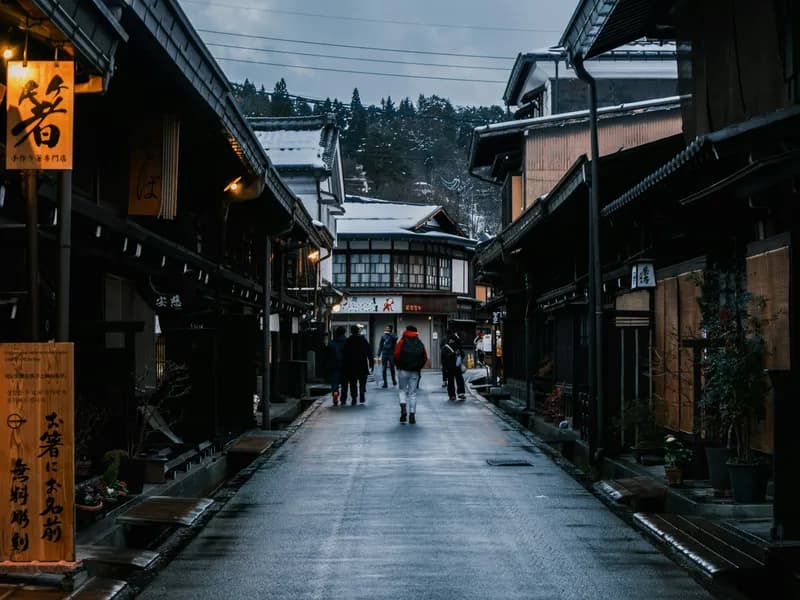
Sanmachi Suji (Old Town)
Three narrow streets of beautifully preserved Edo-era merchant houses with dark wooden lattice facades, now housing sake shops, craft galleries, and cafes. Free to walk. Try Hida beef sushi on rice crackers (JPY 600-800) from street vendors. Busiest 10AM-3PM — visit early morning for peaceful photos.
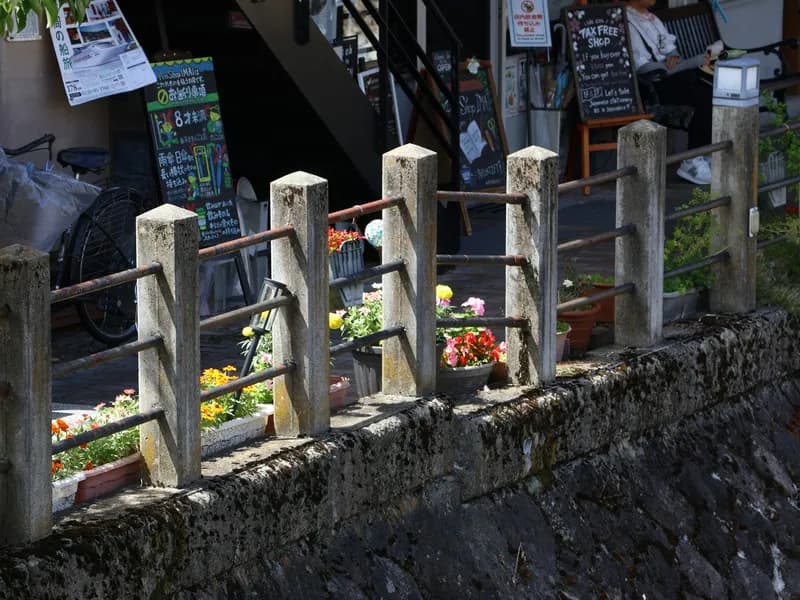
Miyagawa Morning Market
One of Takayama's two daily morning markets (the other is Jinya-mae) running along the Miyagawa River since the Edo period. Local farmers sell pickles, miso, crafts, and Hida folk art. Open 6AM-12PM daily (7AM in winter). Free to browse. Pick up sarubobo charm dolls — Takayama's signature souvenir.
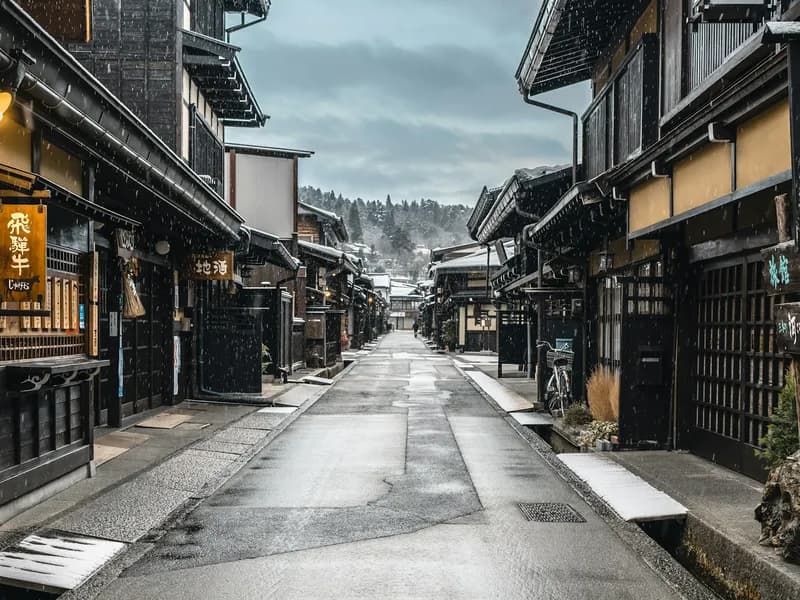
Hida Beef Dining
Hida beef (Hida-gyu) is one of Japan's top wagyu brands — intensely marbled and melt-on-tongue tender. Try it as steak at Maruaki (from JPY 4,000), sushi at street vendors (JPY 600-1,000), or in a ho-ba miso grill (served on a magnolia leaf over charcoal). Restaurants line Sanmachi Suji and the station area.
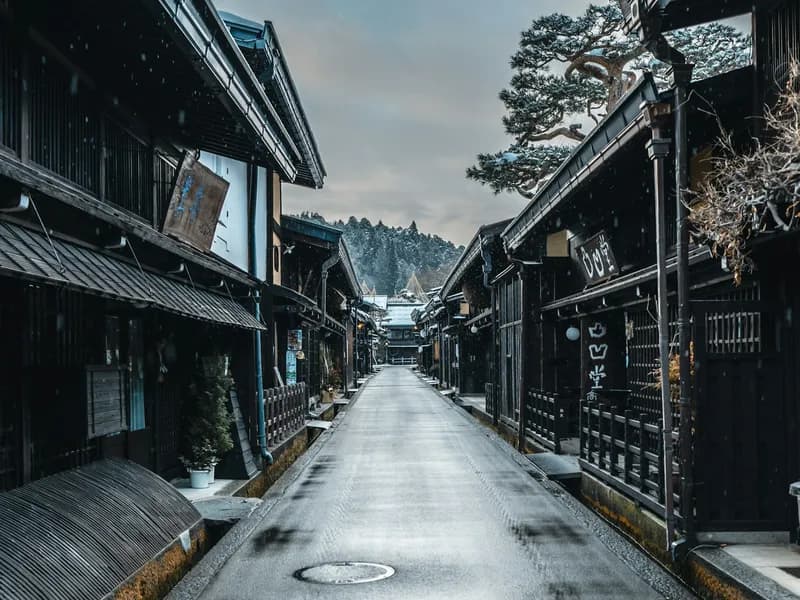
Sake Brewery Tastings
Takayama has seven sake breweries clustered in the old town — look for cedar ball (sugidama) signs above doorways. Funasaka Sake Brewery and Harada Sake Brewery offer free tastings of 5-10 varieties. Most are open 9AM-4:30PM. Winter (Nov-Mar) is brewing season when the freshest sake is available.
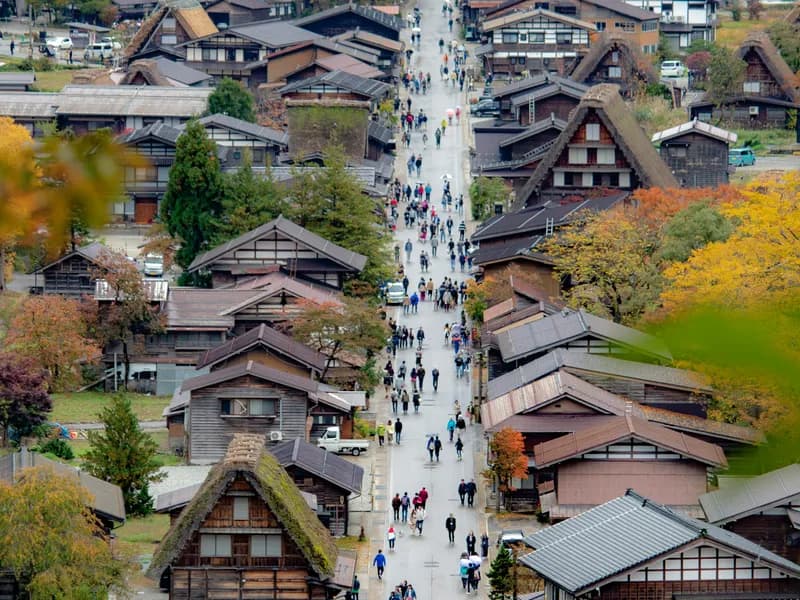
Shirakawa-go Day Trip
The UNESCO World Heritage village of steep thatched-roof farmhouses (gassho-zukuri) is a 50-minute bus ride from Takayama. Nohi Bus runs 8 daily services (JPY 2,600 one-way). Visit Wada House (JPY 300) for interior viewing. The Shiroyama viewpoint offers the classic panorama. Allow 3-4 hours on-site.
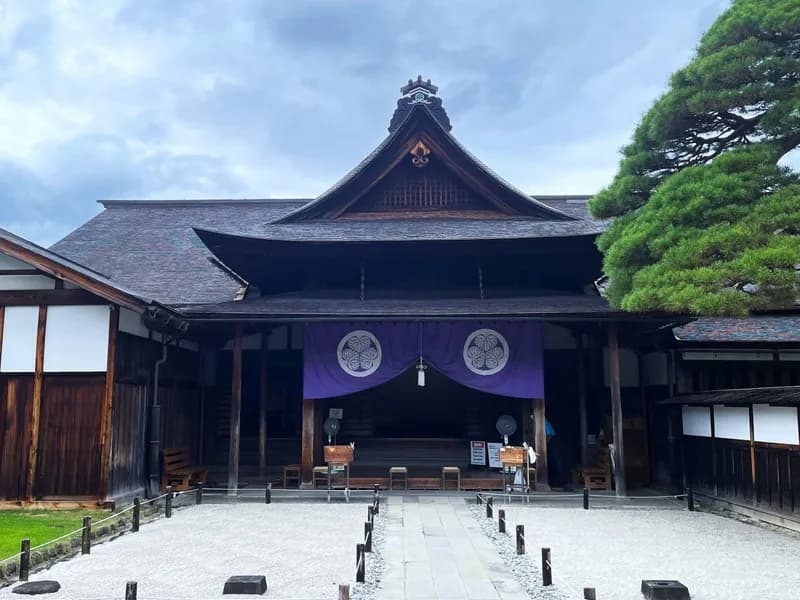
Takayama Jinya (Historic Magistrate Office)
The only remaining Edo-period government building in Japan, beautifully restored with tatami meeting rooms, a rice granary, and an interrogation room with original torture devices. JPY 440 adults. Open 8:45AM-5PM. English audio guide available. Allow 45 min-1 hour. 5 min walk from old town.
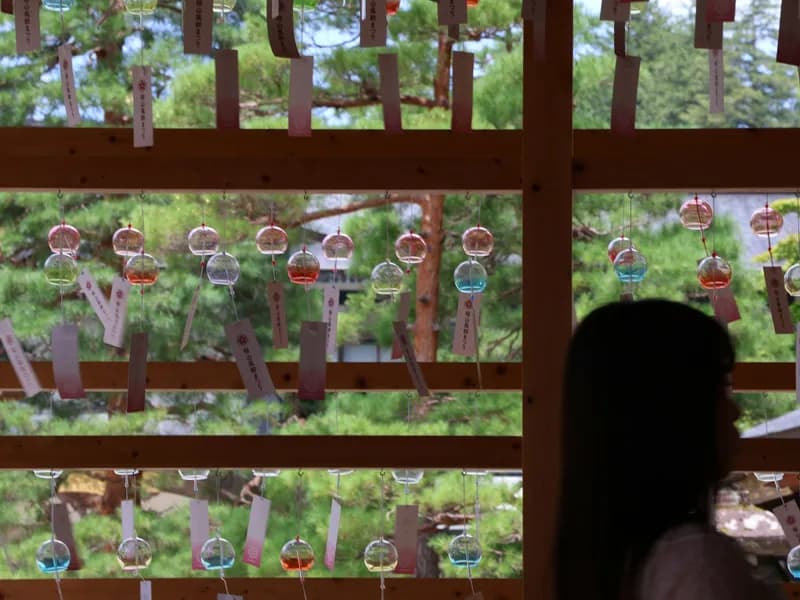
Takayama Festival Floats Exhibition Hall
If you miss the famous Takayama Festival (Apr & Oct), this hall displays four of the eleven ornate yatai festival floats year-round, with their intricate karakuri puppet mechanisms. JPY 900 adults. In the same compound as the Sakurayama Hachimangu Shrine. Allow 30-45 min.
Planned Itinerary
7-Day Takayama Itinerary
Arrival & Sanmachi Suji Old Town
Arrive at Takayama Station via JR Wide View Hida limited express from Nagoya (2.5 hours, JPY 5,610). The town is compact and walkable — most sights are within 15 minutes of the station.
Arrive at Takayama Station(30 minutes)
JR Pass covers the limited express from Nagoya. Highway buses from Tokyo (5.5 hrs, JPY 6,500) and Osaka (4.5 hrs) are budget alternatives
Check-in at hotel or ryokan(45 minutes)
Honjin Hiranoya or Tanabe Ryokan for ryokan experience (JPY 15,000-30,000 pp with meals). Hotels near station from JPY 8,000
Walk Sanmachi Suji (Old Town)(1.5 hours)
Three narrow streets of Edo-era merchant houses with dark wooden facades. Sake shops, craft galleries, cafes. Try Hida beef sushi on rice crackers from street vendors (JPY 600-800). Busiest 10AM-3PM
Hida beef sushi from street vendor(20 minutes)
Multiple vendors along Sanmachi Suji. Two pieces of wagyu sushi on a rice cracker for JPY 600-1,000. The A5 version melts instantly
Dinner at Maruaki(1.5 hours)
Hida beef steak restaurant. A5 Hida-gyu steak from JPY 4,000. The marbling is extraordinary. Near the old town
Morning Markets, Jinya & Sake Breweries
Experience Takayama's famous morning markets, explore the only surviving Edo-period magistrate's office, and taste sake at centuries-old breweries.
Miyagawa Morning Market(1 hour)
Along the Miyagawa River since the Edo period. Local farmers sell pickles, miso, crafts, sarubobo charm dolls. Open 6AM-12PM (7AM winter). Free to browse
Jinya-mae Morning Market(30 minutes)
The second morning market, in front of the Jinya. Smaller but more local. Pickled vegetables and Hida folk toys
Takayama Jinya(1 hour)
Japan's only remaining Edo-period government building. Tatami meeting rooms, rice granary, interrogation room with original torture devices. JPY 440. English audio guide. Open 8:45AM-5PM
Sake brewery tastings(1.5 hours)
Seven breweries in the old town — look for cedar ball (sugidama) signs. Funasaka and Harada offer free tastings of 5-10 varieties. Winter (Nov-Mar) is brewing season
Lunch — ho-ba miso(1 hour)
Hida beef and vegetables grilled with miso paste on a magnolia leaf over charcoal. Kyoya restaurant near the old town (JPY 1,500-2,500). Utterly unique to Takayama
Day Trip to Shirakawa-go
Visit the UNESCO World Heritage thatched-roof village — a 50-minute bus ride through mountain scenery.
Nohi Bus to Shirakawa-go(50 minutes)
8 daily services (JPY 2,600 one-way). Reserve online at nouhibus.co.jp — sells out in peak season. Take the 8AM bus
Shiroyama viewpoint(30 minutes)
10-min walk uphill for the classic panoramic photo. Free
Wada House(45 minutes)
One of the largest gassho-zukuri farmhouses. JPY 300. Silk-worm attic, irori hearth
Lunch at Irori(1 hour)
Dishes cooked over charcoal hearth. Hida beef set JPY 2,500
Village exploration(1.5 hours)
Back lanes, rice paddies, streams with carp. Less crowded away from the main road
Rest Day — Onsen & Festival Floats
A gentler day. See the magnificent festival floats, then soak in an onsen.
Takayama Festival Floats Exhibition Hall(45 minutes)
Four ornate yatai floats with karakuri puppet mechanisms. JPY 900. In the Sakurayama Hachimangu Shrine compound
Sakurayama Hachimangu Shrine(30 minutes)
The shrine hosting the famous October festival. Peaceful forest setting. Free
Lunch at Jizaiya(1 hour)
Traditional Hida cuisine. Mountain vegetable tempura, grilled river fish, tofu. Set from JPY 1,500
Hida no Sato open-air folk museum(1.5 hours)
30+ traditional farmhouses relocated to a hillside setting. JPY 700. Try hands-on crafts (straw weaving, woodworking). Beautiful in any season
Onsen at hotel or public bath(1 hour)
Many Takayama hotels have onsen. Public baths from JPY 400. Yu no Sato is a popular day-use facility
Okuhida Onsen & Mountain Scenery
Day trip east to the Okuhida hot spring valley in the Japanese Alps — outdoor rotenburo baths with mountain views.
Bus to Shin-Hotaka Ropeway(1.5 hours)
Nohi Bus from Takayama (JPY 1,570 one-way). The road follows a deep gorge through the Northern Alps
Shin-Hotaka Ropeway(1.5 hours)
Japan's only double-decker gondola. JPY 3,300 round trip. Ascend to 2,156m for 360° alpine panorama. The Hotakadake peak view is spectacular in clear weather
Rotenburo (outdoor onsen) at Hirayu(1.5 hours)
Stop at Hirayu Onsen on the way back. Hirayu no Mori (JPY 500) has a large outdoor bath with forest views. The milky mineral water is said to be healing
Late lunch at Hirayu(45 minutes)
Hirayu Shokudo near the bus terminal. Mountain soba and grilled sweetfish (ayu). JPY 1,000-1,500
Temples, Craft Workshops & Farewell Dinner
Explore Takayama's hillside temple district, try traditional crafts, and enjoy a farewell Hida beef dinner.
Higashiyama Walking Trail(1.5 hours)
A 3.5 km path connecting 13 temples and 5 shrines on the east hillside. Quiet, shaded, beautiful. Start from Shiroyama Park. Free. Allow 1.5 hours for the full loop
Kusakabe Folk Museum(45 minutes)
A wealthy merchant's house from 1879 with original furnishings. Impressive post-and-beam construction. JPY 500. Near Sanmachi Suji
Ichii Itto-bori wood carving shop(30 minutes)
Takayama is famous for yew wood carving (ichii itto-bori). Watch artisans at work and buy small pieces (from JPY 1,000). Several shops along Sanmachi Suji
Lunch at Ebisu Honten(1 hour)
Chinese-influenced Takayama ramen (chuka soba) — thin curly noodles in soy-based broth. JPY 800. The local fast-food specialty
Farewell dinner at Ajikura Tengoku(1.5 hours)
Hida beef yakiniku (DIY grilling). Choose your grade — premium A5 sets from JPY 5,000. Grill over charcoal at your table. The perfect farewell meal
Departure — Final Morning Market
One last morning market visit, final Hida beef street food, and departure.
Miyagawa Morning Market final visit(45 minutes)
Pick up sarubobo charm dolls, pickles, and miso as souvenirs. The morning river light is lovely
Last Hida beef sushi from a street vendor(15 minutes)
One more A5 wagyu sushi on a rice cracker. You'll miss this
Depart Takayama Station(30 minutes)
JR Wide View Hida to Nagoya (2.5 hrs) or Nohi Bus to Kanazawa via Shirakawa-go (2.5 hrs). Both scenic routes
14-Day Takayama Itinerary
Arrival & Sanmachi Suji Old Town
Arrive at Takayama Station. Explore the Edo-era merchant streets and try Hida beef.
Arrive at Takayama Station(30 minutes)
JR Wide View Hida from Nagoya (2.5 hrs, JPY 5,610). Or highway bus from Tokyo (5.5 hrs, JPY 6,500)
Check-in(45 minutes)
Ryokan: Honjin Hiranoya (JPY 15,000-30,000 pp with meals). Hotels from JPY 8,000
Walk Sanmachi Suji(1.5 hours)
Edo-era streets. Hida beef sushi on rice crackers (JPY 600-800) from vendors
Dinner at Maruaki(1.5 hours)
A5 Hida beef steak from JPY 4,000
Morning Markets, Jinya & Sake
Two morning markets, the Edo-period magistrate's office, and seven sake breweries.
Miyagawa Morning Market(1 hour)
6AM-12PM along the river. Pickles, miso, sarubobo charms
Takayama Jinya(1 hour)
JPY 440. Tatami rooms, rice granary, interrogation room
Sake brewery tastings(1.5 hours)
Funasaka and Harada — free tastings of 5-10 varieties
Lunch — ho-ba miso at Kyoya(1 hour)
Beef and miso on magnolia leaf over charcoal. JPY 1,500-2,500
Day Trip to Shirakawa-go
UNESCO thatched-roof village.
Nohi Bus(50 minutes)
JPY 2,600. Reserve online
Wada House(45 minutes)
JPY 300
Lunch at Irori(1 hour)
Hida beef set JPY 2,500
Rest Day — Festival Floats & Onsen
Festival floats exhibition, folk museum, and hot springs.
Festival Floats Exhibition(45 minutes)
Four yatai floats with karakuri puppets. JPY 900
Hida no Sato folk museum(1.5 hours)
30+ traditional farmhouses. JPY 700. Hands-on crafts
Lunch at Jizaiya(1 hour)
Mountain cuisine set from JPY 1,500
Onsen soak(1 hour)
Hotel onsen or public bath from JPY 400
Okuhida Onsen & Ropeway
Double-decker gondola to 2,156m and outdoor onsen with mountain views.
Bus to Shin-Hotaka(1.5 hours)
JPY 1,570 one-way
Shin-Hotaka Ropeway(1.5 hours)
JPY 3,300 return. 360° alpine panorama at 2,156m
Rotenburo at Hirayu(1.5 hours)
Hirayu no Mori. JPY 500. Outdoor bath with forest
Lunch at Hirayu Shokudo(45 minutes)
Mountain soba, grilled ayu. JPY 1,000-1,500
Temples & Craft Workshops
Hillside temple trail, wood carving, and traditional Hida crafts.
Higashiyama Walking Trail(1.5 hours)
3.5 km connecting 13 temples and 5 shrines. Free
Kusakabe Folk Museum(45 minutes)
1879 merchant house. JPY 500
Wood carving shops(30 minutes)
Ichii itto-bori yew carvings from JPY 1,000
Lunch — Takayama ramen(45 minutes)
Ebisu Honten. Thin curly noodles. JPY 800
Kamikochi Alpine Day Trip
Day trip to the pristine Kamikochi valley — crystal-clear rivers, alpine scenery, and easy hiking surrounded by 3,000m peaks.
Bus to Kamikochi via Hirayu(1.5 hours)
Private cars banned. Nohi Bus from Takayama (JPY 2,600 one-way, seasonal Apr-Nov). Transfer at Hirayu
Kappa Bridge(30 minutes)
The iconic suspension bridge over the crystal-clear Azusa River. Backdrop of Hotaka peaks. Free. The most photographed spot in the Japanese Alps
Taisho Pond walk(1 hour)
Easy 20-min walk from Kappa Bridge. Dead trees standing in turquoise water with mountain reflections. Boardwalk path
Myojin Pond hike(2 hours)
3 km walk upstream through old-growth forest. The pond at Hotaka Shrine is emerald green and sacred. Small shrine toll JPY 300
Lunch at Kamikochi Imperial Hotel dining(1 hour)
The historic hotel's cafe serves curry rice (JPY 1,800) and apple pie. Or bring a bento from Takayama
Rest Day — Ryokan Experience
Check into a ryokan for kaiseki dinner, onsen, and tatami sleeping.
Ryokan check-in(1 hour)
Tanabe Ryokan or Honjin Hiranoya. JPY 15,000-30,000 pp with meals
Private onsen(1 hour)
Yukata provided. Evening soak is traditional
Kaiseki dinner(2 hours)
Multi-course Hida cuisine. Local river fish, Hida beef, mountain vegetables
Gero Onsen Day Trip
One of Japan's three great hot springs, an hour south of Takayama. Known for its silky alkaline waters.
JR train to Gero(50 minutes)
Wide View Hida (JPY 1,690, JR Pass covered)
Gero Onsen public baths(1.5 hours)
Sarubobo Onsen (free, riverbank outdoor bath — co-ed, swimsuit OK). Or Yunomeguri Tegata pass (JPY 1,300) covers 3 ryokan baths
Walk Gero hot spring town(1 hour)
Small-town Japan at its best. Footbaths along the river (free), hot spring egg cooking, old wooden ryokans
Lunch at a Gero restaurant(1 hour)
Gero Pudding (famous local custard, JPY 380) and a noodle lunch
Cooking Class & Local Crafts
Hands-on Hida cuisine cooking class and deeper exploration of Takayama's artisan traditions.
Hida cooking class(3 hours)
Book through your hotel or Takayama Tourist Info. Learn to make ho-ba miso, mountain vegetable dishes, and keichan (chicken with cabbage in miso). From JPY 4,000 pp. Includes lunch
Yoshijima Heritage House(45 minutes)
Another stunning Meiji-era merchant house (1907). The sunlight through the lattice atrium is architectural perfection. JPY 500
Sashi-ko embroidery at a craft shop(1 hour)
Traditional Hida running-stitch embroidery on indigo cloth. Try a small piece at a workshop (JPY 1,500-3,000) or buy finished goods
Rest Day — Slow Takayama
Revisit favorites, slow walk along the river, catch a different morning market.
River walk along Miyagawa(1 hour)
Follow the river upstream beyond the market area. Quiet residential streets, small bridges, mountain views
Furukawa — Hida's Hidden Gem
Just 15 minutes by train, the small town of Furukawa has the same Edo atmosphere as Takayama without any crowds.
Train to Hida-Furukawa(15 minutes)
JR Takayama line. JPY 240
White-walled warehouse district(1 hour)
Seto River canal lined with white-walled storehouses and swimming koi. Even more photogenic than Takayama — and empty. Free
Hida Furukawa Festival Museum(45 minutes)
Furukawa's festival (April) is as dramatic as Takayama's. The museum shows the giant taiko drum procession. JPY 300
Lunch at Hida Furukawa soba shop(45 minutes)
Handmade soba from local buckwheat. JPY 900-1,200. Simple, excellent
Sake brewery visit(45 minutes)
Watanabe Sake Brewery (Hourai brand) in Furukawa. Free tasting. Their Junmai Daiginjo is award-winning
Last Day in Takayama — Farewell Feast
Final shopping, last market visit, and a splurge farewell dinner.
Final souvenir shopping(1.5 hours)
Sarubobo dolls, Hida woodwork, pickles, miso, sake. Station shops have curated selections
Farewell dinner at Ajikura Tengoku(1.5 hours)
A5 Hida beef yakiniku. Premium sets from JPY 5,000. Grill at your table
Departure Day
Final morning in Takayama and departure.
Depart Takayama Station(30 minutes)
JR Wide View Hida to Nagoya (2.5 hrs) or Nohi Bus to Kanazawa (2.5 hrs via Shirakawa-go)
21-Day Takayama Itinerary
Arrival & Sanmachi Suji Old Town
Arrive at Takayama Station. Explore the Edo-era merchant streets.
Arrive at Takayama Station(30 minutes)
JR Wide View Hida from Nagoya (2.5 hrs, JPY 5,610)
Walk Sanmachi Suji(1.5 hours)
Hida beef sushi on rice crackers (JPY 600-800)
Dinner at Maruaki(1.5 hours)
A5 Hida beef steak from JPY 4,000
Morning Markets, Jinya & Sake
Two morning markets, Edo-period magistrate's office, sake breweries.
Miyagawa Morning Market(1 hour)
6AM-12PM. Pickles, miso, sarubobo charms
Takayama Jinya(1 hour)
JPY 440. Tatami rooms, rice granary
Sake brewery tastings(1.5 hours)
Funasaka and Harada — free tastings
Lunch — ho-ba miso at Kyoya(1 hour)
JPY 1,500-2,500
Day Trip to Shirakawa-go
UNESCO thatched-roof village.
Nohi Bus(50 minutes)
JPY 2,600. Reserve online
Wada House(45 minutes)
JPY 300
Rest Day — Festival Floats & Folk Museum
Festival floats, open-air museum, and onsen.
Festival Floats Exhibition(45 minutes)
JPY 900. Karakuri puppet mechanisms
Hida no Sato folk museum(1.5 hours)
30+ farmhouses. JPY 700
Okuhida Onsen & Alpine Ropeway
Double-decker gondola and outdoor onsen in the Northern Alps.
Shin-Hotaka Ropeway(1.5 hours)
JPY 3,300 return. 2,156m summit
Rotenburo at Hirayu no Mori(1.5 hours)
JPY 500. Outdoor bath, forest views
Temples & Craft Workshops
Hillside temple trail and traditional Hida crafts.
Higashiyama Walking Trail(1.5 hours)
13 temples, 5 shrines. Free
Kusakabe Folk Museum(45 minutes)
JPY 500
Lunch — Takayama ramen at Ebisu Honten(45 minutes)
JPY 800
Kamikochi Alpine Valley
Pristine mountain valley with crystal rivers and 3,000m peaks.
Bus to Kamikochi(1.5 hours)
Via Hirayu. JPY 2,600. Seasonal Apr-Nov
Kappa Bridge(30 minutes)
Suspension bridge over Azusa River. Hotaka peaks backdrop
Taisho Pond walk(1 hour)
Dead trees in turquoise water. Boardwalk
Myojin Pond hike(2 hours)
3 km through old-growth forest. Emerald pond. JPY 300
Rest Day — Ryokan Experience
Traditional ryokan: kaiseki, onsen, tatami.
Ryokan check-in(1 hour)
JPY 15,000-30,000 pp with meals
Kaiseki dinner(2 hours)
Multi-course Hida cuisine
Gero Onsen Day Trip
One of Japan's three great hot springs.
Public baths and Yunomeguri pass(2 hours)
JPY 1,300 covers 3 ryokan baths
Walk Gero town(1 hour)
Free footbaths, hot spring eggs
Cooking Class & Heritage Houses
Hands-on Hida cooking and merchant house architecture.
Hida cooking class(3 hours)
Ho-ba miso, keichan, mountain vegetables. From JPY 4,000 with lunch
Yoshijima Heritage House(45 minutes)
1907 merchant house. JPY 500. Lattice atrium
Sashi-ko embroidery workshop(1 hour)
Running-stitch on indigo. From JPY 1,500
Furukawa — Hidden Gem
15 minutes away, same atmosphere, zero crowds.
Train to Furukawa(15 minutes)
JPY 240
White-walled warehouse district(1 hour)
Seto River canal with koi. Empty and photogenic
Festival Museum(45 minutes)
JPY 300. Giant taiko drum procession
Lunch — soba(45 minutes)
Local buckwheat noodles. JPY 900-1,200
Watanabe Sake Brewery(45 minutes)
Hourai brand. Free tasting. Award-winning Junmai Daiginjo
Rest Day — Slow Takayama
Revisit favorites, river walk, no agenda.
Gokayama — Intimate Thatched Villages
Twin UNESCO villages even more authentic than Shirakawa-go.
Ainokura village(2 hours)
20 thatched houses still lived in. Folk Museum JPY 300. Far fewer tourists
Suganuma village(1 hour)
9 gassho-zukuri houses. Gunpowder museum. JPY 300
Lunch at village guesthouse(1 hour)
Mountain food — wild vegetables, tofu, river fish. JPY 1,500
Norikura Kogen Highland
Bus ride to the Norikura plateau — alpine meadows, hiking, and star-filled skies at 1,500m.
Bus to Norikura Kogen(1 hour)
Nohi Bus from Takayama. Seasonal. JPY 1,600
Easy hiking around Ichinose(2 hours)
Flat trails through subalpine meadows. Wildflowers in summer, golden larch in autumn. Free
Lunch at a mountain lodge(1 hour)
Simple curry or soba at a hiking lodge. JPY 1,000-1,500
Zengoro Falls(45 minutes)
Short walk from Ichinose. Beautiful three-tiered falls in the forest. Free
Rest Day — Onsen & Photography
Hot springs and a photography walk through Takayama's side streets.
Photography walk — back streets of old town(2 hours)
Away from Sanmachi Suji, the residential lanes have their own beauty — wooden fences, small gardens, mountain glimpses
Takayama to Kanazawa via Shirakawa-go (Multi-Day)
Travel to Kanazawa via Shirakawa-go for a 2-night side trip to another of Japan's great cultural cities.
Nohi Bus to Kanazawa via Shirakawa-go(2.5 hours)
JPY 3,600 direct to Kanazawa. Stop briefly at Shirakawa-go if you haven't had enough
Omicho Market lunch(1 hour)
Kaisendon from JPY 1,500. Sea of Japan seafood capital
Higashi Chaya district(1.5 hours)
1820s geisha district. Kaikaro teahouse JPY 750
Gold leaf ice cream at Hakuichi(20 minutes)
JPY 891
Kanazawa — Garden, Castle & Museum
Full day in Kanazawa: Kenroku-en Garden, Castle Park, contemporary art museum.
Kenroku-en Garden(2 hours)
One of Japan's three great gardens. JPY 320. Arrive at opening
Kanazawa Castle Park(1 hour)
Free grounds
21st Century Museum(1.5 hours)
Swimming Pool installation. Free zones; exhibitions JPY 450-1,200
Nagamachi Samurai District(1 hour)
Nomura-ke residence JPY 550
Return to Takayama
Morning in Kanazawa, then return to Takayama base.
Kanazawa morning shopping(1.5 hours)
Kutani pottery, gold leaf items at Hyakubangai station mall
Rest Day — Free Time
Final rest day. Return to favorites or discover something new.
Farewell Takayama — Last Feast
Final shopping, last sake tasting, and farewell Hida beef dinner.
Final souvenir shopping(1.5 hours)
Sarubobo dolls, pickles, miso, sake, woodwork
Farewell dinner at Ajikura Tengoku(1.5 hours)
A5 Hida beef yakiniku from JPY 5,000
Departure Day
Final morning in Takayama.
Depart Takayama Station(30 minutes)
JR to Nagoya (2.5 hrs) or bus to Kanazawa (2.5 hrs)
Travel Tips
Visa & Entry
Visa-Free for Many Nationalities
US, UK, EU, Australian, and Canadian citizens can enter Japan visa-free for up to 90 days. Register on Visit Japan Web before arrival for faster customs processing.
transport
Getting to Takayama
JR Wide View Hida limited express from Nagoya takes 2.5 hours (JPY 5,610, covered by JR Pass). From Tokyo, take the shinkansen to Nagoya then transfer. Direct highway buses from Tokyo (5.5 hrs, JPY 6,500) and Osaka (4.5 hrs) are budget alternatives. Nohi Bus also connects to Kanazawa via Shirakawa-go.
Budget
Most Sights Are Free or Cheap
Walking the old town, morning markets, and sake tastings are all free. Most museums are under JPY 1,000. Budget JPY 2,000-3,000/day for entry fees and snacks. The big splurge is Hida beef — a proper steak dinner runs JPY 5,000-10,000 but is worth every yen.
Stay in a Ryokan with Onsen
Takayama's ryokans range from JPY 10,000-40,000 per person with kaiseki dinner and breakfast. Many include private onsen. Honjin Hiranoya and Tanabe Ryokan are excellent mid-range options. Even budget travellers should splurge on one ryokan night — it's the quintessential Hida experience.
Local Customs
Book Shirakawa-go Bus in Advance
The Nohi Bus to Shirakawa-go sells out in peak season (golden week, autumn foliage, winter illumination nights). Reserve online at nouhibus.co.jp up to a month ahead. If driving, note that Shirakawa-go parking (JPY 1,000) fills by 10AM on weekends.
Safety
Heavy Snow in Winter
Takayama gets 1-2 metres of snow in winter. Wear waterproof boots with grip. Roads to Shirakawa-go require snow tyres or chains. The upside: winter onsen (hot springs), snow-covered old town, and Shirakawa-go illumination nights (Jan-Feb, reservation lottery only) are magical.
Related Articles
Travel GuidesThe Complete Takayama Travel Guide: Edo Streets, Wagyu Beef, and Shirakawa-go
A mountain town where morning markets run like clockwork, sake breweries pour for free, and the beef rivals Kobe at half the price.
Travel GuidesTakayama vs Kanazawa: Which Japanese Alps City Should You Visit?
Both preserve Edo-era Japan, both have incredible food, but they reward very different kinds of travelers.
StoriesThe Morning I Stood Alone in Sanmachi Suji: A Takayama Story
At 6:30 AM, Japan's best-preserved Edo street belongs to the shopkeepers, the river, and one confused foreigner with a camera.