
Zanskar

Photo: Sudeshna Golder / Unsplash
Key Facts
Best Time to Visit
June to September for road access and trekking. January-February for the legendary Chadar frozen river trek. Roads are closed November-May due to heavy snow
Language
Zanskari (Tibeto-Burman), Ladakhi, Hindi. Very limited English
Currency
Indian Rupee (INR). No ATMs in Zanskar — carry all cash from Leh or Kargil
Time Zone
IST (UTC+5:30)
Airport
Nearest: Kushok Bakula Rimpochee Airport, Leh (IXL), 250km away. From Leh, it is a 12-16 hour drive to Padum
Population
15,000 (Zanskar sub-division). Padum town: ~1,500
Climate
Extreme alpine, altitude 3,500-5,000m. Summer days 15-25°C, nights 0-5°C. Winter plunges to -35°C. Annual rainfall under 10cm — one of the driest places in India
Safety Rating
Safe but extremely remote (Level 2). Altitude sickness, road conditions, and total isolation are the main risks. No medical facilities in the valley — evacuation to Leh required for emergencies
Top Highlights
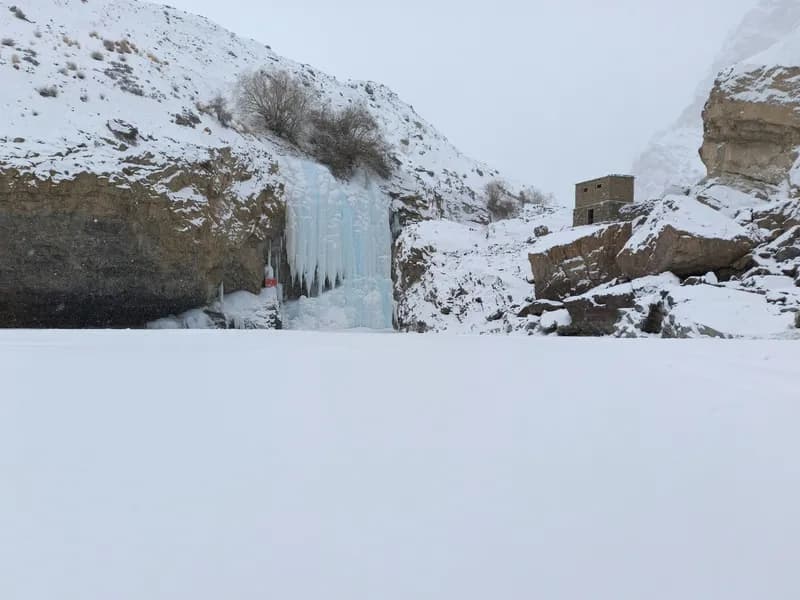
Chadar Trek (Frozen River Trek)
The most legendary trek in India — walking on the frozen surface of the Zanskar River through a narrow gorge for 62km over 7-9 days in January-February. The ice sheet ('chadar') forms at -25°C and you camp in riverside caves. Cost: 25,000-45,000 INR with a licensed operator including guide, food, and camping gear. Requires extreme fitness and cold tolerance. Permits mandatory — arranged by trek operators. Limited to about 2,500 trekkers per season.
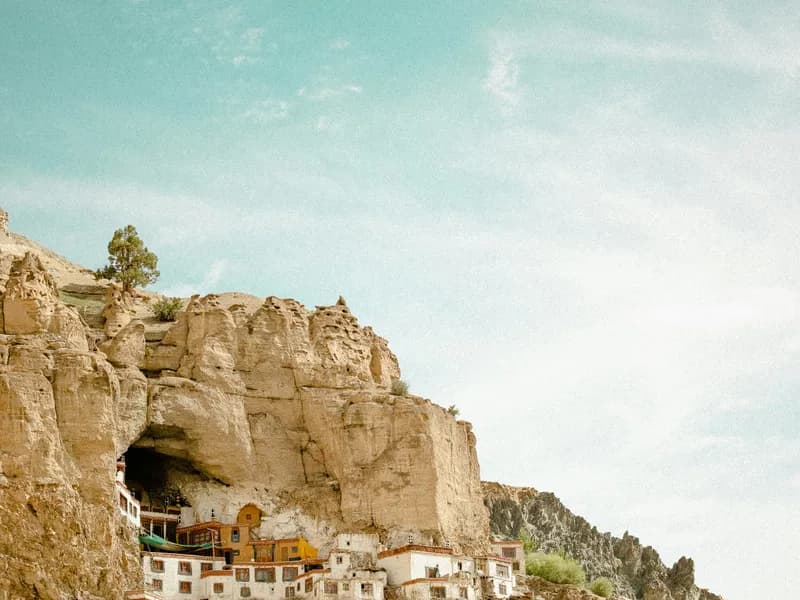
Phuktal Monastery
A jaw-dropping 2,500-year-old monastery built into a natural limestone cave on a sheer cliff face above the Tsarap River — accessible only by a full-day trek from Purne village (24km round trip). Free entry, donations welcome. About 70 monks reside here. The monastery has a sacred spring inside the cave that's never run dry. No road access — this is one of the most remote inhabited monasteries in the world. Allow a full day; most visitors camp overnight in Purne.
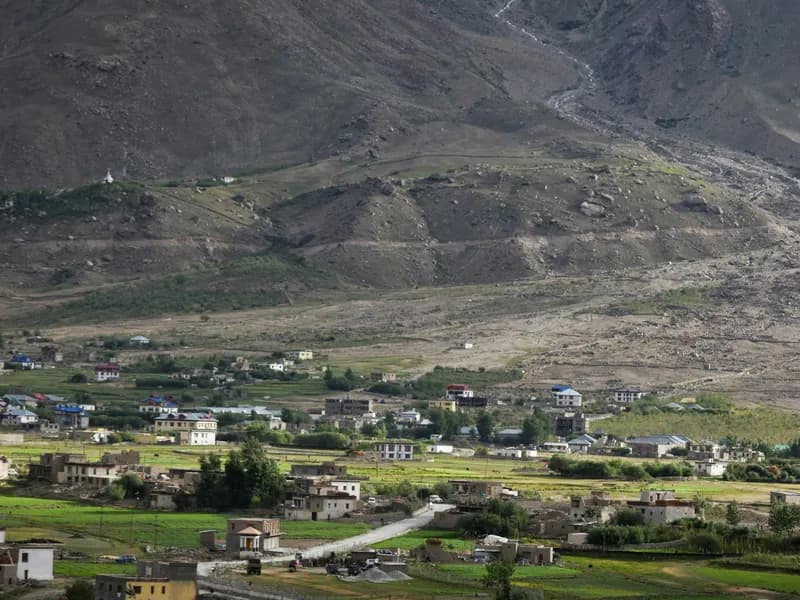
Padum — Heart of Zanskar
The only town in Zanskar, sitting at 3,657m at the confluence of the Stod and Lungnak rivers. It serves as the base for all Zanskar exploration. The 7th-century Karsha Monastery sits on a hillside across the valley with 150 monks — the largest in Zanskar. Basic guesthouses: 500-1,200 INR/night. The Gustor festival (July) features masked cham dances. A small bazaar sells essentials but stock up in Leh or Kargil before arriving.
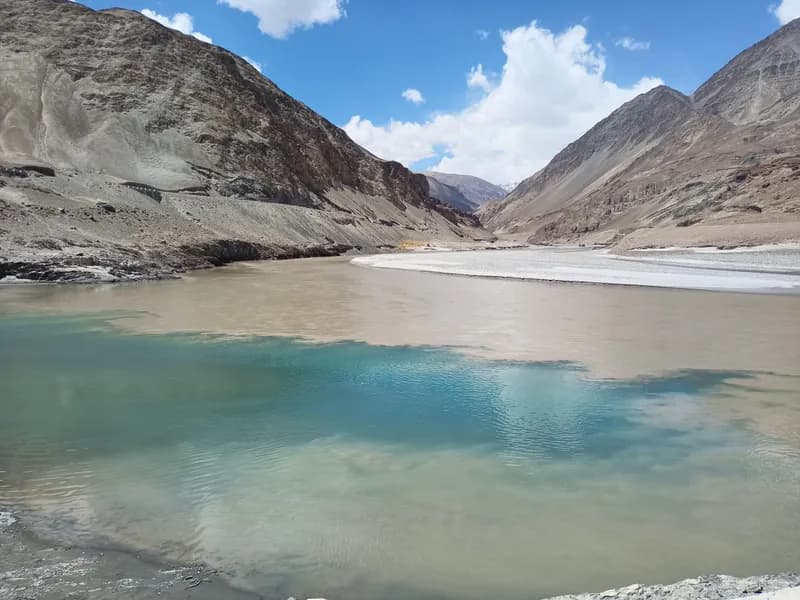
Zanskar River Rafting
One of the world's great whitewater rafting experiences — a 3-5 day expedition through the Zanskar Gorge (Grade III-IV rapids) from Padum to Nimmu where it meets the Indus River. The gorge walls rise 600m on either side. Cost: 15,000-30,000 INR per person for a multi-day trip with camping, meals, and professional guides. Best season: July-August when water levels are ideal. Operators run out of Leh — book in advance.
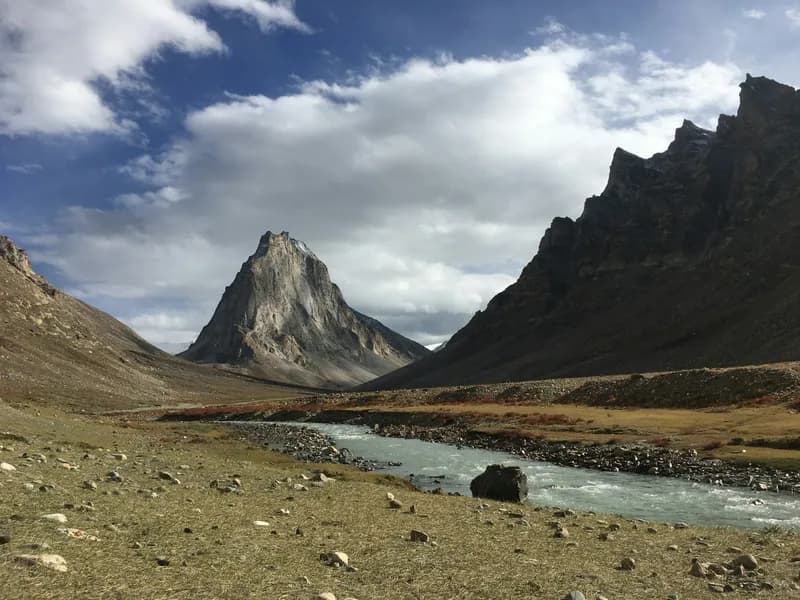
Stongdey Monastery
A 1,000-year-old Gelugpa monastery on a hilltop overlooking the Zanskar Valley, home to about 60 monks. Entry free. The prayer hall contains ancient murals and a large collection of Kangyur and Tengyur texts. Less visited than Karsha, giving a more intimate experience. The annual Gustor festival features elaborate masked dances. 18km from Padum, reachable by road. Allow 2-3 hours. The sunrise view from the monastery roof is extraordinary.
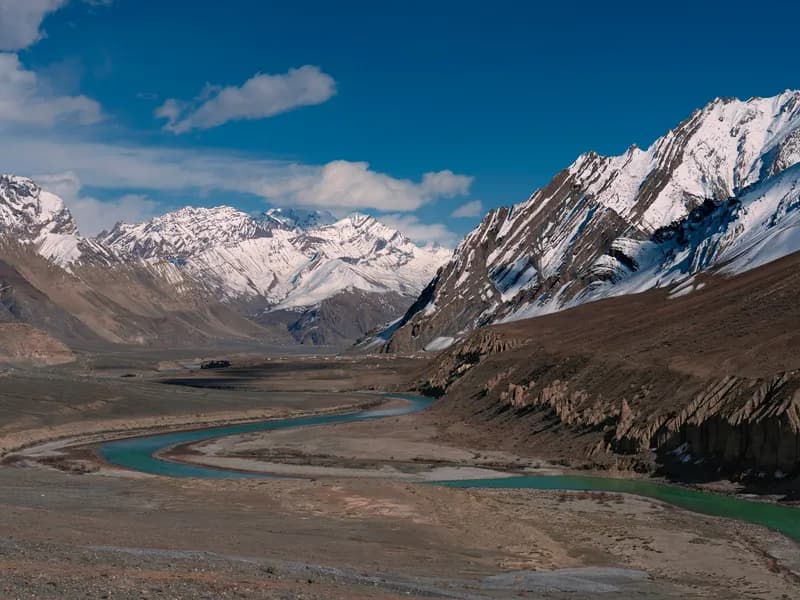
Pensi La Pass & Drang Drung Glacier
The gateway to Zanskar at 4,400m — Pensi La offers views of the massive Drang Drung Glacier, one of the longest in Ladakh at 23km. The glacier is visible right from the road. Stop for 30-60 minutes to photograph and acclimatize. The pass is on the Kargil-Padum road and is typically open June-October. Hot chai is available from seasonal tent shops. The descent into Zanskar from here reveals the dramatic shift into the isolated valley.
Planned Itinerary
7-Day Zanskar Itinerary
Arrival in Leh & Acclimatization
Fly into Kushok Bakula Rimpochee Airport in Leh (3,500m). The first day is strictly for acclimatization — altitude sickness is serious at this elevation and you will feel it if you rush.
Arrive in Leh and transfer to hotel(45 minutes)
Pre-book a taxi (300-500 INR) to your hotel. Stay in the old town area — The Grand Dragon Ladakh (4,000-8,000 INR) or Padma Guesthouse (800-1,500 INR) are well-located
Rest and hydrate(3 hours)
Do NOT explore today. Lie down, drink 3-4 liters of water, eat light meals. Many travelers get headaches on day 1 — this is normal at 3,500m. Take Diamox if prescribed
Gentle walk on Main Bazaar Road(30 minutes)
A very short stroll along Leh's main street in the late afternoon. Buy snacks, water, and warm clothing if needed. Don't climb any hills
Early dinner at Chopsticks Noodle Bar(1 hour)
Light Tibetan food — momos and thukpa (150-300 INR). Avoid heavy meals on day 1. The restaurant is centrally located near the Main Bazaar
Leh Exploration Day
A gentle day in Leh to continue acclimatizing. Explore the old town, the palace, and Leh's vibrant food scene at a relaxed pace.
Leh Palace (Namgyal Tsemo)(1.5 hours)
A nine-story 17th-century palace modeled on the Potala Palace in Lhasa. Entry 100 INR. The rooftop offers panoramic views of the Stok Range and Indus Valley. The climb is steep — go slow at altitude
Shanti Stupa(1.5 hours)
A white Japanese-built peace pagoda above Leh with sweeping 360-degree views. 500 steps to the top (or drive). Sunset from here is extraordinary. Free entry
Lunch at The Tibetan Kitchen(1 hour)
The best momos in Leh — pork, chicken, or veg. Try the tingmo (steamed bread) with spicy sauce. Meals 150-350 INR
Walk through Leh Old Town(1.5 hours)
Narrow lanes with traditional Ladakhi mud-brick houses. Many are being restored by heritage organizations. The Jama Masjid and several small gompas are tucked in the lanes
Arrange Zanskar logistics(1 hour)
Visit a Leh travel agent (Rimo Expeditions, Ibex Expeditions) to arrange the Zanskar journey — shared jeep or private taxi to Padum via Kargil. Stock up on all supplies: cash, medication, snacks, power banks
Leh to Kargil
Begin the two-day drive to Zanskar via Kargil. The Leh-Kargil highway follows the Indus River, passes the famous Magnetic Hill and the confluence of the Indus and Zanskar rivers, and crosses Fotu La pass at 4,108m.
Early departure from Leh to Kargil(6 hours)
230km on the Srinagar-Leh highway. Hire a private taxi (5,000-7,000 INR one way) or take the JKSRTC bus (500 INR). Leave by 7AM to arrive with daylight
Photo stop at Magnetic Hill(20 minutes)
45km from Leh. A gravity hill optical illusion where vehicles appear to roll uphill. The real attraction is the landscape — stark desert mountains on both sides
Stop at Sangam (Indus-Zanskar confluence)(30 minutes)
Where the blue Indus meets the muddy green Zanskar River. The color contrast is dramatic. Rafting operators offer short rides here (500-1,000 INR)
Lunch at Mulbekh or Lamayuru(45 minutes)
Roadside dhabas serve rice, dal, and momos (100-200 INR). Lamayuru Monastery is visible from the road — stop for a quick look if time allows
Arrive in Kargil and check in(1 hour)
Kargil is a Muslim-majority town at the halfway point. Hotel D'Zojila or Greenland Guesthouse (800-2,000 INR). Fill up on fuel here — there is no fuel station in all of Zanskar. Stock up on supplies
Kargil to Padum — Into Zanskar
The epic 240km drive from Kargil to Padum — crossing Pensi La pass (4,400m) with views of the massive Drang Drung Glacier, and descending into the isolated Zanskar Valley.
Early departure from Kargil(1 hour)
Leave by 6AM. The Kargil-Padum road takes 10-14 hours on unpaved mountain tracks. Carry food, water, and warm layers. Shared jeep: 1,500-2,000 INR. Private taxi: 12,000-18,000 INR
Cross Pensi La pass (4,400m)(30 minutes)
The gateway to Zanskar. Stop for photos of the massive Drang Drung Glacier — 23km long, visible right from the road. Hot chai from seasonal tent shops. The descent into Zanskar reveals the dramatic isolation of the valley
Lunch at Rangdum(45 minutes)
A tiny settlement with a hilltop monastery in a vast plain surrounded by mountains. Basic dhabas serve Maggi and rice (80-150 INR). The monastery is worth a 30-minute detour
Continue through the Zanskar valley to Padum(5 hours)
The road follows river valleys and crosses high plateaus. The isolation is total — no phone signal, no villages for long stretches. The landscape is spectacular
Arrive in Padum and check in(1 hour)
Padum is Zanskar's only town (population 1,500). Basic guesthouses: 500-1,200 INR/night. The relief of arriving after the journey is immense
Karsha Monastery & Padum Exploration
Explore Zanskar's largest monastery on the hillside across the valley, and get oriented in Padum — the base for all Zanskar exploration.
Visit Karsha Monastery(3 hours)
The largest monastery in Zanskar with 150 monks, built on a hillside across the valley from Padum. The climb up reveals prayer halls with ancient murals. The Gustor festival (July) features masked cham dances. Taxi from Padum: 300-500 INR round trip, or walk (6km, 1.5 hours)
Walk through Padum bazaar(1 hour)
Stock up on any remaining essentials. The bazaar is tiny but has basic supplies. Everything here has been trucked in during the 4-month road season
Lunch at a Padum restaurant(1 hour)
Simple dal-rice, momos, or Maggi at the few eateries (80-200 INR). Food variety is extremely limited
Visit the Padum monastery and old palace ruins(1.5 hours)
Small monastery in the center of Padum with a rock carving of Maitreya Buddha on the cliff behind town. Free entry
Walk to the confluence of Stod and Lungnak rivers(1 hour)
Where the two rivers meet to form the Zanskar River. The bridge here marks the edge of Padum. Sunset views of the surrounding mountains are stunning
Stongdey Monastery & Zangla Fort
Visit the hilltop Stongdey Monastery and the ruined royal fort at Zangla — a day exploring the quieter reaches of the Zanskar Valley that most visitors miss.
Drive to Stongdey Monastery(45 minutes)
18km from Padum. A 1,000-year-old Gelugpa monastery on a hilltop with 60 monks. Hire a taxi for the day (1,500-2,500 INR) to cover both Stongdey and Zangla
Explore Stongdey Monastery(2 hours)
Less visited than Karsha, giving a more intimate experience. The prayer hall has ancient murals and a large collection of sacred texts. The sunrise from the monastery roof is extraordinary. The annual Gustor festival has elaborate masked dances
Drive to Zangla village(1 hour)
25km further from Stongdey. Zangla was once the capital of a small kingdom. The ruined fort on the hilltop is atmospheric
Explore Zangla Fort and nunnery(1.5 hours)
The crumbling fort offers panoramic valley views. Below it, a small nunnery houses female monks — rare in this region. Donations welcome
Lunch at a Zangla homestay(1 hour)
Home-cooked food in a traditional Zanskari kitchen. Butter tea, tsampa (roasted barley flour), and dal. 100-200 INR. The warmth of the hospitality contrasts with the harsh landscape
Return to Padum(1 hour)
Evening rest. Pack for departure the next day
Departure from Zanskar
Begin the long journey back to Leh via Kargil. The return drive is just as spectacular in reverse — and just as demanding. Allow the full day.
Very early departure from Padum(30 minutes)
Leave by 5-6AM. The 460km drive back to Leh via Kargil takes 2 days. Today's target is Kargil (240km, 10-14 hours)
Drive through the Zanskar Valley and over Pensi La(6 hours)
Retrace the route through the isolated valley. A last look at Drang Drung Glacier from Pensi La. Carry enough food and water for the full day
Lunch stop at Rangdum(45 minutes)
Basic meals at the tent dhabas (80-150 INR). The Rangdum monastery on its hilltop is worth a photo stop
Continue to Kargil(5 hours)
The descent from Pensi La to Kargil. Road conditions vary with weather and landslides. Arrive by evening
Overnight in Kargil or continue to Leh(1 hour)
If energy allows, continue the 6-hour drive to Leh. Otherwise, overnight in Kargil and drive to Leh the next morning. The Zanskar experience lingers long after you leave the valley
14-Day Zanskar Itinerary
Arrival in Leh & Acclimatization
Fly into Leh (3,500m). Strict rest day — altitude sickness is the biggest risk for this trip. Hydrate aggressively and sleep as much as possible.
Arrive in Leh and transfer to hotel(45 minutes)
Pre-book a taxi to your hotel. Stay centrally — Padma Guesthouse (800-1,500 INR) or The Grand Dragon (4,000-8,000 INR)
Rest and hydrate for acclimatization(4 hours)
Stay in bed, drink 3-4 liters of water, eat light meals. Take Diamox if prescribed. Do NOT explore or climb any hills today
Gentle evening walk to Main Bazaar(30 minutes)
A very short stroll to buy supplies. Carry cash — stock up enough for the entire Zanskar trip. No ATMs exist in Zanskar
Early dinner at Chopsticks Noodle Bar(1 hour)
Light Tibetan food — momos and thukpa (150-300 INR). Sleep by 8PM
Leh Heritage Day
Explore Leh's Buddhist heritage at a gentle pace while continuing to acclimatize. Tomorrow you begin the long drive toward Zanskar.
Leh Palace(1.5 hours)
9-story 17th-century palace. Entry 100 INR. Panoramic rooftop views of the Indus Valley and Stok Range. Go slow on the climb
Shanti Stupa sunset(1.5 hours)
White peace pagoda with 360-degree Leh views. 500 steps or drive up. Free entry
Lunch at The Tibetan Kitchen(1 hour)
Best momos in Leh. Try the tingmo with spicy sauce. 150-350 INR
Old Town heritage walk(1.5 hours)
Narrow lanes with traditional Ladakhi mud-brick houses, small gompas, and the Jama Masjid. Heritage restoration projects are ongoing
Arrange Zanskar logistics(1.5 hours)
Book transport to Padum via Kargil (shared jeep or private taxi). Stock up: cash (budget 3,000-5,000 INR/day for Zanskar), medication, power banks, warm layers, dry snacks. There are NO shops, ATMs, or fuel in Zanskar
Leh to Lamayuru Monastery
Begin the westward journey along the Leh-Srinagar highway. Stop at Lamayuru — Ladakh's oldest monastery, built on a moonscape of eroded cliffs.
Drive from Leh toward Lamayuru(4 hours)
125km on the highway. Pass Magnetic Hill, Sangam (Indus-Zanskar confluence), and the spectacular Moonland formations. Private taxi for the full trip (arrange multi-day hire: 3,000-4,000 INR/day)
Photo stop at Sangam confluence(20 minutes)
Blue Indus meets green Zanskar River. The color contrast is vivid. Rafting operators offer short rides (500-1,000 INR)
Explore Lamayuru Monastery(2 hours)
Founded in the 10th century — Ladakh's oldest monastery. The Yung Drung Gompa sits on surreal lunar-like terrain. The prayer hall has ancient Buddhist art. Entry 50 INR. The annual Hemis festival features masked dances
Lunch at a Lamayuru guesthouse(1 hour)
Simple meals at the few establishments (100-200 INR). The views from the restaurant terraces are extraordinary
Overnight in Lamayuru(1 hour)
Dragon Guesthouse or Moonland Hotel (500-1,500 INR). The moonscape at sunset is otherworldly
Lamayuru to Kargil
Continue to Kargil — the last major town before Zanskar. Cross Fotu La (4,108m) and Namika La (3,700m) passes, with dramatic mountain scenery throughout.
Drive from Lamayuru to Kargil(5 hours)
105km of mountain road crossing two passes. The landscape shifts from Buddhist Ladakh to Muslim Kargil
Cross Fotu La pass (4,108m)(20 minutes)
The highest point on the Leh-Srinagar highway. Prayer flags, mountain views. Brief stop for photos
Visit Mulbekh Chamba (rock-carved Buddha)(30 minutes)
A 9m-tall Maitreya Buddha carved into a cliff face, dating to the 8th century. Visible from the road. Free. The transition from Buddhist to Islamic culture happens visually here
Arrive in Kargil — final supply stop(2 hours)
Fill vehicle fuel tank completely. Buy all supplies for Zanskar: snacks, water purification, batteries. Hotel D'Zojila or Greenland (800-2,000 INR)
Dinner in Kargil bazaar(1 hour)
Kargil's restaurants serve excellent Balti-style mutton and rice dishes (150-300 INR). The bazaar has a Central Asian atmosphere
Kargil to Rangdum — Gateway to Zanskar
Drive into the wilderness toward Zanskar, stopping at the dramatically situated Rangdum Monastery. The road follows rivers through increasingly isolated valleys.
Drive from Kargil to Rangdum(6 hours)
130km on unpaved roads. The Suru Valley is initially green with barley fields, then opens into vast plains surrounded by glaciated peaks
Rangdum Monastery(1.5 hours)
A hilltop monastery rising from a vast empty plain — one of the most dramatically sited gompas in Ladakh. Small, intimate, with welcoming monks. Donations appreciated
Lunch at Rangdum tent dhaba(45 minutes)
Seasonal dhabas serve Maggi, rice, and dal (80-150 INR). The isolation here is total — no phone signal, no village, just mountains and silence
Walk around the Rangdum plains(1.5 hours)
The flat grassland surrounded by glaciated peaks feels like Tibet. Look for marmots and birds of prey. The light at sunset turns the mountains pink
Overnight at Rangdum(1 hour)
Very basic tent accommodation or the Nun-Kun view campsite (500-1,000 INR). The Milky Way from here is spectacular
Rangdum to Padum via Pensi La
Cross the 4,400m Pensi La pass with views of the massive Drang Drung Glacier and descend into the isolated Zanskar Valley. The sense of entering a hidden world is powerful.
Early drive from Rangdum to Pensi La(2 hours)
60km of climbing to the pass. The road is rough but the scenery is extraordinary — glaciers on both sides
Pensi La pass (4,400m) and Drang Drung Glacier(45 minutes)
The gateway to Zanskar. The 23km Drang Drung Glacier is visible right from the road — one of the longest in Ladakh. Hot chai from seasonal tent shops. Prayer flags mark the pass
Descend into the Zanskar Valley(4 hours)
The road drops into a different world — isolated villages, ancient monasteries, and a valley cut off for 8 months of the year. 110km from Pensi La to Padum on rough roads
Arrive in Padum(1 hour)
Zanskar's only town (population 1,500). Check into a guesthouse (500-1,200 INR). The relief of arriving is immense
Evening walk to the Padum stupa and Maitreya rock carving(45 minutes)
An ancient rock carving of Maitreya Buddha on the cliff behind town. The evening light on the surrounding mountains is golden
Karsha Monastery & Padum Base
Explore Zanskar's largest monastery on the hillside across the valley. Afternoon familiarizing yourself with Padum and preparing for deeper exploration.
Visit Karsha Monastery(3 hours)
The largest monastery in Zanskar — 150 monks, built on a hillside. Multiple prayer halls with ancient murals. The climb through the complex reveals increasingly beautiful views. Taxi: 300-500 INR round trip. Donations welcome
Watch morning prayers at Karsha(45 minutes)
If you arrive early enough, the monks' morning chanting in the main prayer hall is deeply atmospheric. Sit quietly at the back
Lunch in Padum(1 hour)
Simple dal-rice and momos at the few eateries (80-200 INR). Food variety is extremely limited
Walk around Padum(1.5 hours)
The small bazaar, the old mosque, and the palace ruins. Buy any last supplies. Everything here has been trucked in during the 4-month road season
Sunset at the Stod-Lungnak river confluence(1 hour)
Where two rivers meet to form the Zanskar River. The bridge marks Padum's edge. Mountain reflections in the water at golden hour
Stongdey Monastery & Zangla Fort
Drive deeper into the valley to visit the hilltop Stongdey Monastery and the atmospheric ruins of Zangla Fort — the seat of a former Zanskari kingdom.
Drive to Stongdey Monastery(45 minutes)
18km from Padum. Hire a taxi for the day (1,500-2,500 INR)
Explore Stongdey Monastery(2 hours)
1,000-year-old Gelugpa monastery with 60 monks. Less visited than Karsha — more intimate. Ancient murals, sacred texts, and a stunning hilltop location. The roof offers extraordinary sunrise views
Drive to Zangla(1 hour)
25km further. Former capital of a small Zanskari kingdom
Explore Zangla Fort and nunnery(1.5 hours)
The crumbling hilltop fort offers panoramic valley views. A small nunnery below houses female monks — rare in this region
Homestay lunch in Zangla(1.5 hours)
Butter tea, tsampa, and dal in a traditional Zanskari kitchen. 100-200 INR. The hospitality is humbling
Return to Padum(1 hour)
Evening rest at your guesthouse
Trek to Phuktal Monastery — Day 1
Begin the trek to the jaw-dropping Phuktal Monastery — built into a cliff cave and accessible only on foot. Today, trek from Purne to Phuktal (12km one way).
Drive from Padum to Purne village(2.5 hours)
The road to Purne is rough and ends abruptly. Shared jeep or hired vehicle (1,500-2,500 INR). Purne is the trailhead for Phuktal
Trek from Purne to Phuktal Monastery(5 hours)
12km along the Tsarap River valley. The trail is well-worn but remote — carry water, snacks, sunscreen, and warm layers. The first glimpse of Phuktal clinging to its cliff cave above the river is one of India's most astonishing sights
Explore Phuktal Monastery(2 hours)
A 2,500-year-old monastery built into a natural limestone cave on a sheer cliff. 70 monks reside here. The sacred spring inside has never run dry. Free entry, donations essential — this is one of the most remote monasteries in the world. The main prayer hall, library, and kitchen are all carved into the cave
Overnight in Purne or Phuktal(1 hour)
Homestays in Purne (500-800 INR with meals) or very basic accommodation near Phuktal. The trek back in one day is brutal — highly recommended to stay overnight
Phuktal Sunrise & Return to Padum
Wake early for sunrise at Phuktal — the monastery glows orange against the cliff. Trek back to Purne and drive to Padum.
Sunrise at Phuktal Monastery(1 hour)
The morning light hitting the monastery and cliff face is extraordinary. Walk to the viewpoint across the river for the full panorama. Photography from this angle is the defining image of Zanskar
Trek from Phuktal back to Purne(4 hours)
The return trek is slightly easier (more downhill). Start by 8AM. The morning light on the Tsarap valley is different from the afternoon approach
Lunch at Purne village(1 hour)
Homestay meal of dal, rice, and butter tea (100-200 INR). Thank your hosts — their hospitality in this remote setting is remarkable
Drive back to Padum(2.5 hours)
Arrive by late afternoon. Rest and recuperate from the trek
Evening in Padum(1 hour)
Light dinner and rest. You have earned it after the Phuktal trek
Rest Day in Padum
A well-earned rest day after the Phuktal trek. Explore Padum's immediate surroundings and enjoy the slow pace of Zanskar life.
Sleep in and late breakfast(2.5 hours)
No alarm. Your body needs recovery after the trek. Breakfast at your guesthouse (included or 100-150 INR)
Visit Padum monastery and Pibiting Gompa(2 hours)
Padum's own small monastery. Nearby Pibiting Gompa on a rock outcrop has ancient murals and a peaceful atmosphere
Walk to nearby Pipiting village(1.5 hours)
A gentle walk through barley fields to a traditional village. See traditional Zanskari mud-brick houses with their distinctive flat roofs and woodwork
Lunch at a Padum restaurant(1 hour)
The few eateries serve repetitive but sustaining meals — dal-rice, momos, Maggi (80-200 INR)
Journaling and photography in the valley(2 hours)
Sit by the river confluence, photograph the light, write about the journey. Zanskar rewards contemplation
Early dinner and stargazing(1.5 hours)
After dark, walk away from Padum's few lights. The Milky Way here is as bright as anywhere on Earth. Zero light pollution, zero humidity, high altitude — perfect conditions
Sani Monastery & Village Day
Visit the ancient Sani Monastery with its Kanika Stupa — one of the oldest Buddhist structures in Ladakh — and explore the farming villages around Padum.
Visit Sani Monastery(2 hours)
6km from Padum. Houses the Kanika Stupa — dating to the 2nd century, one of the oldest Buddhist structures in Ladakh. The monastery also has a sacred grove of ancient poplars. The Naropa festival (July-August) draws visitors from across Ladakh
Walk through farming villages near Padum(2.5 hours)
Stroll through the barley and pea fields of villages surrounding Padum. Watch traditional farming methods — everything done by hand at this altitude. Interact with farmers (they are incredibly welcoming)
Lunch at a village homestay(1.5 hours)
Accept an invitation to eat with a local family — butter tea, tsampa, and dal. 100-200 INR. The communal kitchen with its butter churn and wood stove is timeless
Afternoon cooking lesson(2 hours)
Ask your homestay host to teach you to make momos or thukpa. Zanskari cooking is simple but warming — perfect for the cold climate. This is the kind of experience that makes Zanskar unforgettable
Return to Padum for final evening(1 hour)
Pack for departure. Last sunset over the Zanskar Valley
Padum to Kargil — The Return Journey
Begin the long drive back over Pensi La to Kargil. The return journey offers different light and perspectives on the spectacular road.
Early departure from Padum(30 minutes)
Leave by 5-6AM for the 240km, 10-14 hour drive to Kargil. Carry food and water for the full day
Drive through the Zanskar Valley(4 hours)
A last look at the isolated valley. The morning light creates different shadows and colors than the outbound journey
Cross Pensi La and farewell Drang Drung Glacier(30 minutes)
Last views of the glacier from the 4,400m pass. Prayer flags snapping in the wind
Lunch at Rangdum(45 minutes)
Tent dhaba stop (80-150 INR). A last look at the hilltop monastery
Arrive in Kargil(4 hours)
Check into a hotel (800-2,000 INR). Hot shower, varied food, phone signal — the return to civilization is always disorienting after Zanskar
Kargil to Leh & Departure
The final 230km drive back to Leh. If you have a flight the same day, leave very early. Otherwise, enjoy a last evening in Leh.
Drive from Kargil to Leh(6 hours)
230km on the highway. Reverse the outbound journey — Mulbekh, Lamayuru, Sangam. The landscape feels familiar but the perspective has changed
Photo stops at Lamayuru Moonland(20 minutes)
The lunar landscape around Lamayuru is worth a second look
Lunch at a highway dhaba(45 minutes)
Dhabas at Khalsi or Nimmu serve rice, dal, and momos (100-200 INR)
Arrive in Leh(1 hour)
Check into a hotel or head to the airport for departure. The 2-week Zanskar journey has taken you to one of the most remote and beautiful places on Earth
Farewell dinner on Main Bazaar(1 hour)
If staying the night, dinner at The Tibetan Kitchen or Gesmo (200-400 INR). Reflect on the extraordinary isolation and beauty of Zanskar
21-Day Zanskar Itinerary
Arrival in Leh & Acclimatization
Fly into Leh (3,500m). The first day is strictly for altitude adjustment — rest, hydrate, and resist the urge to explore. Your Zanskar expedition depends on proper acclimatization.
Arrive in Leh and transfer to hotel(45 minutes)
Pre-book taxi to your hotel. Stay centrally — Padma Guesthouse (800-1,500 INR) or The Grand Dragon (4,000-8,000 INR)
Rest and hydrate(4 hours)
Lie down, drink 3-4 liters of water. Take Diamox if prescribed. No sightseeing today
Gentle evening walk to Main Bazaar(30 minutes)
Buy supplies: cash (carry enough for entire Zanskar trip — no ATMs), snacks, medication, power banks
Light dinner at Chopsticks Noodle Bar(1 hour)
Momos and thukpa (150-300 INR). Sleep by 8PM
Leh Heritage & Acclimatization
A gentle day exploring Leh's Buddhist heritage while continuing to adjust to 3,500m. The palace, Shanti Stupa, and old town provide enough without overexertion.
Leh Palace(1.5 hours)
9-story 17th-century palace. Entry 100 INR. Rooftop views of the Indus Valley. Climb slowly
Lunch at The Tibetan Kitchen(1 hour)
Best momos in Leh. Tingmo with spicy sauce. 150-350 INR
Shanti Stupa(1.5 hours)
White peace pagoda with 360-degree views. 500 steps or drive. Sunset from here is stunning. Free entry
Old Town walk(1.5 hours)
Narrow lanes with traditional houses, small gompas, Jama Masjid. Heritage restoration projects visible
Arrange Zanskar logistics with travel agent(1 hour)
Book multi-day vehicle hire. Stock up on all supplies for the remote trip ahead
Leh Monastery Circuit
Visit Ladakh's most impressive monasteries on a day trip from Leh — further acclimatization while absorbing the Buddhist culture that defines the region.
Thiksey Monastery(2 hours)
19km from Leh. 12-story monastery resembling the Potala Palace. The 15m Maitreya Buddha statue is Ladakh's largest. Entry 50 INR. Morning prayers at 6AM are extraordinary. Allow time for the climb
Hemis Monastery(1.5 hours)
45km from Leh. Ladakh's wealthiest and largest monastery, famous for the annual Hemis festival (June-July) with masked cham dances. Entry 50 INR. Museum has an impressive collection of thangkas and artifacts
Lunch at a Thiksey cafe(45 minutes)
Small cafes near the monastery serve momos and thukpa (100-200 INR)
Shey Palace(1 hour)
The former royal palace with a massive copper-gilt seated Buddha. Entry 30 INR. The ruins and surrounding stupa field are atmospheric
Return to Leh(1 hour)
Evening rest and final packing for the Zanskar journey
Leh to Lamayuru — Moonland Monastery
Begin the westward journey to Zanskar. Today covers the first section along the Leh-Srinagar highway to the ancient Lamayuru Monastery, set on surreal lunar terrain.
Drive from Leh to Lamayuru(4 hours)
125km on the highway. Pass Magnetic Hill, Sangam (Indus-Zanskar confluence), and the Moonland formations. Private vehicle recommended for multi-day journey
Photo stop at Sangam confluence(20 minutes)
Blue Indus meets green Zanskar. Dramatic color contrast. Rafting available (500-1,000 INR)
Explore Lamayuru Monastery(2 hours)
Founded 10th century — Ladakh's oldest monastery on lunar-like terrain. Ancient prayer halls, butter lamp ceremonies. Entry 50 INR
Lunch at Lamayuru(45 minutes)
Guesthouse restaurants with views (100-200 INR)
Sunset walk on the moonscape(1 hour)
The eroded rock formations around Lamayuru glow orange-pink at sunset. Extraordinary photography conditions
Overnight at Lamayuru(1 hour)
Dragon Guesthouse or Moonland Hotel (500-1,500 INR)
Lamayuru to Kargil
Continue to Kargil, crossing two high passes. Kargil is the last major town before Zanskar — your final chance for varied food, fuel, and supplies.
Drive from Lamayuru to Kargil(5 hours)
105km crossing Fotu La (4,108m) and Namika La (3,700m)
Mulbekh Chamba rock-carved Buddha(30 minutes)
8th-century 9m Maitreya Buddha carved into a cliff. Free. The cultural shift from Buddhist to Muslim happens here
Arrive in Kargil — final supply stop(2 hours)
Fill fuel tank completely. Buy all remaining supplies for Zanskar. Last reliable ATMs and shops
Lunch in Kargil bazaar(1 hour)
Excellent Balti-style mutton dishes (150-300 INR). Central Asian atmosphere
Visit the Kargil War Memorial(1 hour)
If interested — the 1999 Kargil War was fought in the mountains visible from town. The memorial tells the story. Free entry
Dinner and early rest(1 hour)
Pack efficiently for Zanskar. Tomorrow begins the real adventure
Kargil to Rangdum — Into the Wilderness
Leave civilization behind. The Suru Valley gives way to vast empty plains surrounding the dramatically sited Rangdum Monastery. Phone signal disappears here.
Drive from Kargil into the Suru Valley(3 hours)
The initial section follows a green valley with barley fields and Balti villages. Nun and Kun peaks (7,135m and 7,077m) are visible on clear days
Stop at Kartse Khar rock carvings(30 minutes)
Ancient Buddhist rock carvings on a boulder near the road. Easy to miss — ask your driver. Dating to the 7th-8th century
Arrive at Rangdum(3 hours)
The green valley gives way to a vast brown plain surrounded by glaciated peaks. Rangdum feels like Tibet
Explore Rangdum Monastery(1.5 hours)
Hilltop monastery rising from an empty plain. Small, intimate, with welcoming monks. Donations appreciated
Walk on the Rangdum plains(1 hour)
The flat grassland stretches to glaciated peaks in every direction. Marmots whistle, birds of prey circle overhead
Overnight at Rangdum camp(1 hour)
Tent accommodation (500-1,000 INR). Milky Way viewing is spectacular from here
Rangdum to Padum via Pensi La
Cross the 4,400m Pensi La pass — the official gateway to Zanskar. The massive Drang Drung Glacier and the descent into the hidden valley are the day's highlights.
Drive from Rangdum to Pensi La(2 hours)
60km of climbing to 4,400m. Glaciers visible on both sides of the road
Pensi La pass and Drang Drung Glacier(45 minutes)
The 23km Drang Drung Glacier is right beside the road. Prayer flags mark the pass. Chai from seasonal tent shops. The descent into Zanskar begins here
Descend into the Zanskar Valley(4 hours)
110km of rough road to Padum. The landscape becomes increasingly arid and dramatic. Scattered villages appear — each a community surviving in extreme isolation
Arrive in Padum(1 hour)
Check into guesthouse (500-1,200 INR). Relief and excitement at reaching Zanskar
Evening walk to the river confluence(45 minutes)
Where the Stod and Lungnak rivers meet to form the Zanskar. Golden light on the mountains
Karsha Monastery — Zanskar's Largest
A full morning at the impressive Karsha Monastery across the valley from Padum. Afternoon rest and acclimatization to the Zanskar environment.
Cross the valley to Karsha Monastery(1 hour)
Taxi: 300-500 INR round trip, or walk 6km. The monastery is visible on the hillside from Padum
Explore Karsha Monastery(3 hours)
Zanskar's largest monastery with 150 monks. Multiple prayer halls with ancient murals. The climb through the complex reveals increasingly beautiful views and older, more intimate chapels at the top
Attend morning prayers(45 minutes)
If you arrive early, the monks' chanting in the main hall is profoundly atmospheric. Sit quietly at the back
Lunch in Padum(1 hour)
Dal-rice and momos (80-200 INR)
Afternoon rest(2 hours)
Read, write, or simply sit by the river. Zanskar's slow pace is part of the experience
Sunset photography(1 hour)
The surrounding mountains turn orange-pink-purple in sequence as the sun sets. Best viewed from the bridge at Padum's edge
Stongdey & Zangla — Deep Valley
Drive deeper into the valley to the hilltop Stongdey Monastery and the former royal seat at Zangla with its crumbling fort.
Drive to Stongdey Monastery(45 minutes)
18km from Padum. Hire a taxi for the day (1,500-2,500 INR)
Explore Stongdey Monastery(2 hours)
1,000-year-old monastery with 60 monks. Less visited than Karsha — more intimate atmosphere. Ancient murals and texts
Drive to Zangla village(1 hour)
Former capital of a small kingdom. The crumbling hilltop fort is atmospheric
Zangla Fort and nunnery(1.5 hours)
Panoramic valley views from the fort. The small nunnery houses female monks — rare in this male-dominated monastic tradition
Homestay lunch in Zangla(1.5 hours)
Butter tea, tsampa, dal in a traditional kitchen. 100-200 INR
Return to Padum(1 hour)
Evening rest
Phuktal Monastery Trek — Day 1
The pinnacle of the Zanskar trip. Trek to the jaw-dropping Phuktal Monastery — built into a cliff cave and accessible only on foot. Today: drive to Purne, trek to Phuktal.
Drive from Padum to Purne village(2.5 hours)
Rough road that ends abruptly. Vehicle hire: 1,500-2,500 INR. Purne is the Phuktal trailhead
Trek from Purne to Phuktal Monastery(5 hours)
12km along the Tsarap River. The trail is remote — carry water, snacks, sun protection. The first glimpse of Phuktal clinging to its cliff is one of India's most astonishing sights
Explore Phuktal Monastery(2 hours)
2,500-year-old monastery in a natural limestone cave on a sheer cliff. 70 monks. Sacred spring inside that has never run dry. Prayer halls, library, and kitchen carved into the rock. Free entry, donations essential
Overnight near Phuktal or Purne(1 hour)
Homestays in Purne (500-800 INR with meals). Staying overnight avoids the brutal same-day return
Phuktal Sunrise & Return Trek
Wake before dawn for sunrise at Phuktal — the monastery glows against the cliff. Trek back to Purne and return to Padum.
Sunrise at Phuktal(1 hour)
The morning light hitting the monastery and cliff face is extraordinary. Cross the river for the panoramic viewpoint — this is the defining image of Zanskar
Trek back to Purne(4 hours)
The return is slightly easier. Start by 8AM for the best morning light on the valley
Lunch at Purne homestay(1 hour)
Dal, rice, butter tea. 100-200 INR. Thank your hosts — their hospitality in this remoteness is remarkable
Drive back to Padum(2.5 hours)
Arrive by late afternoon. Rest and recovery
Evening in Padum(1 hour)
Light dinner and early rest after the demanding trek
Rest Day in Padum
Full rest day after the Phuktal trek. Gentle exploration of Padum's immediate surroundings and slow immersion in Zanskari daily life.
Sleep in and late breakfast(2.5 hours)
Your body needs recovery. No alarm. Guesthouse breakfast included or 100-150 INR
Visit Pibiting Gompa(1.5 hours)
Small monastery on a rock outcrop near Padum with ancient murals. Peaceful atmosphere with few visitors
Walk through barley fields(1.5 hours)
The farming villages around Padum cultivate barley, peas, and buckwheat at extreme altitude. Watch traditional methods unchanged for centuries
Lunch at guesthouse(1 hour)
Simple but sustaining meals (80-200 INR)
Afternoon journaling and photography(2 hours)
Sit by the river, write, photograph the light. The silence and isolation of Zanskar demand reflection
Stargazing after dinner(1 hour)
Walk away from Padum's few lights. The Milky Way is a thick bright band. Zero light pollution at 3,657m
Sani Monastery & Village Immersion
Visit the ancient Sani Monastery with its 2nd-century stupa, then spend the afternoon deeply embedded in village life — cooking, farming, and conversation.
Visit Sani Monastery(2 hours)
6km from Padum. Houses the Kanika Stupa — dating to the 2nd century, one of the oldest Buddhist structures in Ladakh. Sacred poplar grove. The Naropa festival (July-August) is a major event
Village farming experience(2.5 hours)
Join a local family in their daily work — harvesting barley, threshing, or tending pea fields. Everything is manual labor at this altitude. A humbling perspective on food production
Cooking class in a Zanskari kitchen(2 hours)
Learn to make momos, thukpa, or butter tea in a traditional kitchen with mud walls and a wood stove. Your host teaches the techniques passed through generations. 200-300 INR including the meal
Afternoon walk to a village gompa(1.5 hours)
Many tiny villages have their own small prayer rooms. The village lama (priest) may offer a blessing. Carry white scarves (khata) as offerings
Farewell evening in Padum(1 hour)
Last dinner in Zanskar. Pack for the return journey
Zanskar River Rafting — Day 1
Begin a 2-day rafting expedition on the Zanskar River — one of the world's great whitewater experiences. The gorge walls rise 600m on either side as you navigate Grade III-IV rapids.
Meet your rafting team at Padum put-in point(1 hour)
Professional operators run out of Leh — book 2-4 weeks ahead (15,000-30,000 INR per person for multi-day trip including camping, meals, and guide). Safety briefing and equipment check
Raft through the Zanskar Gorge(6 hours)
Grade III-IV rapids with calm stretches in between. The gorge walls tower 600m on either side. Riverside beaches for breaks. The guides know every rapid name and story
Riverside camp(2 hours)
Camp on a beach inside the gorge. The rafting team sets up tents and cooks dinner. The gorge walls frame a thin strip of stars above. The isolation inside the gorge is absolute
Campfire dinner(1.5 hours)
Hot food cooked by the river crew — dal, rice, chapati, and tea. Swap stories with your guides about the Chadar trek and life in Zanskar
Zanskar River Rafting — Day 2
Second day of rafting through the Zanskar Gorge to the confluence with the Indus River at Nimmu. The landscape opens up as you approach Ladakh's main valley.
Morning in the gorge(1 hour)
Wake to the sound of the river echoing off canyon walls. Breakfast by the water. Pack up camp
Raft through remaining rapids(5 hours)
The second day has some of the biggest rapids. The gorge gradually widens. Watch for wildlife on the cliffs — blue sheep and birds of prey are common
Arrive at Nimmu (Zanskar-Indus confluence)(30 minutes)
The rafting ends where the Zanskar meets the Indus. This is the same Sangam you saw on Day 4 — but arriving by raft is a completely different experience
Transfer from Nimmu to Leh(1 hour)
35km to Leh by road. Your rafting operator arranges transport. Check into a Leh hotel (800-3,000 INR)
Dinner at Bon Appetit or Gesmo(1.5 hours)
Celebrate the rafting adventure. Varied food after weeks of dal-rice feels luxurious (300-500 INR)
Rest Day in Leh
A full rest day in Leh after the intense Zanskar adventure. Hot showers, varied food, Wi-Fi, and the comforts of a town that feels like a metropolis after Zanskar.
Sleep in at your Leh hotel(3 hours)
Hot shower. Proper bed. Breakfast at the hotel. Reconnect with the outside world
Laundry and logistics(1.5 hours)
Get clothes washed (most hotels offer laundry service). Recharge all devices. Back up photos
Lunch at Open Hand Cafe(1.5 hours)
Cafe run by a women's cooperative — excellent cakes, coffee, and light meals (200-400 INR). The terrace has mountain views
Walk through Leh bazaar(1.5 hours)
Buy souvenirs — Tibetan prayer wheels, turquoise jewelry, pashmina shawls (bargain firmly — starting prices are 3x fair value)
Sunset at Shanti Stupa(1.5 hours)
Revisit for sunset — the views hit differently after weeks in the wild
Dinner at The Tibetan Kitchen(1 hour)
A proper farewell meal in Leh (200-400 INR)
Pangong Lake Day Trip
A long day trip to the iconic Pangong Tso — a 134km-long lake at 4,350m that changes between shades of blue, green, and turquoise depending on the light and season.
Drive from Leh to Pangong Lake(5 hours)
160km via Chang La pass (5,360m — one of the world's highest motorable passes). Shared taxi: 1,500-2,500 INR per person. Private: 5,000-8,000 INR return. Indian nationals need a permit (arranged in Leh, 100-200 INR)
Chang La pass(30 minutes)
At 5,360m, one of the highest motorable passes. Quick photo stop — don't linger at this altitude. Hot chai from army canteen
Arrive at Pangong Lake(2 hours)
The first glimpse of the impossibly blue water is breathtaking. The lake stretches 134km into Tibet. Walk along the shore — the colors shift constantly. Yak rides available (300-500 INR)
Lunch at lakeside camp(1 hour)
Tent cafes serve Maggi, momos, and rice (100-250 INR). The setting is extraordinary
Return drive to Leh(5 hours)
Arrive by evening. The drive back crosses Chang La again at sunset
Nubra Valley — Sand Dunes & Diskit
Drive to the Nubra Valley over the world's highest motorable pass (Khardung La, 5,359m) to see Ladakh's surreal desert — sand dunes with double-humped camels.
Drive from Leh to Nubra Valley via Khardung La(4.5 hours)
120km. Khardung La at 5,359m — one of the world's highest motorable roads. The descent into the green Nubra Valley is spectacular. Permit required (same as Pangong, arranged in Leh)
Khardung La pass(30 minutes)
Photo stop at the world's highest motorable pass sign. Don't spend more than 20 minutes — the altitude is genuinely dangerous. Hot chai from the army canteen
Diskit Monastery and giant Maitreya Buddha(1.5 hours)
The 32m Maitreya Buddha statue overlooking the Shyok River valley is visible from kilometers away. The 350-year-old monastery below has dramatic views. Entry 30 INR
Lunch at Diskit(1 hour)
Restaurants in Diskit town serve momos and thali (100-250 INR)
Hunder sand dunes and Bactrian camels(2 hours)
Surreal sand dunes in a Himalayan valley. Double-humped Bactrian camels (from the Silk Road era) offer rides: 300-500 INR for 30 minutes. The landscape feels like the Sahara transplanted to the Himalayas
Overnight in Nubra Valley(1 hour)
Guesthouses or camps in Hunder (800-2,500 INR). The stars from the desert are extraordinary
Nubra Valley to Leh — Hot Springs
Return to Leh via Panamik hot springs. The drive back over Khardung La offers different morning light and perspectives on the highest pass.
Morning at Panamik hot springs(1.5 hours)
Natural hot sulfur springs in Panamik village, 25km beyond Hunder. Separate bathing areas for men and women. A blissful soak after weeks of cold mountain travel. Free
Drive from Nubra to Leh via Khardung La(5 hours)
120km return over the highest pass. Morning crossing means clearer weather. The descent into Leh Valley is scenic
Lunch at a Khardung Village dhaba(45 minutes)
Roadside eateries on the Leh side of Khardung La (100-200 INR)
Arrive in Leh(1 hour)
Afternoon rest at your hotel. Last evening in Ladakh
Farewell shopping on Main Bazaar(1.5 hours)
Final souvenir purchases — pashmina shawls, singing bowls, turquoise jewelry, thangka paintings
Last dinner at Alchi Kitchen(1.5 hours)
Upscale Ladakhi cuisine with modern presentation (400-700 INR). A fitting farewell to 3 weeks in this extraordinary region
Alchi Monastery & Likir — Cultural Finale
A final day of monastery visits — the 1,000-year-old Alchi Monastery with its unique Indo-Kashmiri art, and the whitewashed Likir Monastery with its giant Buddha.
Drive from Leh to Alchi(1.5 hours)
68km on the Leh-Srinagar highway, then a short detour. Hire a taxi for the day (2,500-3,500 INR)
Explore Alchi Monastery(2 hours)
The jewel of Ladakhi Buddhist art — 1,000-year-old murals in a unique Indo-Kashmiri style found nowhere else. Three temples with extraordinary paintings. Entry 50 INR. No photography inside (strictly enforced). The level of detail in the murals is staggering
Lunch at Alchi village(1 hour)
Small cafes with apricot orchards and river views (100-250 INR). Alchi is quieter than most tourist spots
Likir Monastery(1.5 hours)
A whitewashed monastery with a 23m gold-covered Maitreya Buddha visible for miles. The museum has an excellent collection of thangkas, old weapons, and ceremonial masks. Entry 30 INR
Return to Leh(1.5 hours)
Final evening. Pack for departure. Reflect on three extraordinary weeks in Ladakh and Zanskar
Farewell dinner(1 hour)
One last meal at your favorite Leh restaurant
Departure from Leh
Fly out of Kushok Bakula Rimpochee Airport. Morning flights offer spectacular aerial views of the Himalayan and Karakoram ranges. The journey from Zanskar's isolation to the outside world feels like crossing centuries.
Early morning preparation(1 hour)
Leh flights depart early (typically 6-8AM). Airlines recommend checking in 2 hours before. Book a morning taxi (300-500 INR to airport)
Last walk around Leh(30 minutes)
If time allows, a final walk through the quiet dawn streets. The mountains glow pink at sunrise
Fly out of Leh(1.5 hours)
Direct flights to Delhi (1.5 hours). Window seat on the left side for views of the Karakoram and Himalayan ranges. The aerial perspective of the landscape you just spent 3 weeks exploring is breathtaking
Arrive at destination(Varies)
Connect in Delhi for onward travel. The return to plains-level civilization after 3 weeks above 3,500m takes adjustment — give yourself a day to decompress
Travel Tips
Visa & Entry
Indian Visa and No Special Permits Needed
Foreign nationals need a valid Indian visa (e-tourist visa available at indianvisaonline.gov.in). No special Inner Line Permit is required for Zanskar since it falls under Ladakh UT. However, if you plan to trek near the Line of Control or visit restricted areas, check with the Leh DC office. Carry passport and visa copies at all military checkpoints on the road.
transport
Getting to Padum Is an Adventure Itself
Fly to Leh (IXL), acclimatize for 2 days, then drive to Padum via Kargil (2-day journey, 460km). The Kargil-Padum road (240km) is open June-October and takes 10-14 hours on unpaved mountain tracks. Shared jeeps from Kargil: 1,500-2,000 INR. Private taxi: 12,000-18,000 INR. JKSRTC bus runs twice weekly (800 INR). Alternatively, trek in from Darcha (Himachal Pradesh) via Shingo La pass — a 7-day trek. There is no fuel station in Zanskar.
Safety
Gotcha: Total Isolation Means Total Self-Reliance
There is no hospital, no pharmacy, no ATM, no reliable phone network, and no fuel station in all of Zanskar. The nearest medical facility is in Kargil (10-14 hours away). Carry: all medication you might need (including altitude sickness pills), a comprehensive first-aid kit, enough cash for the entire stay, power banks (electricity is solar/generator, intermittent), and warm layers even in summer (nights drop to freezing).
Chadar Trek Requires Professional Guides
Never attempt the Chadar frozen river trek independently. The ice is unpredictable — sections can break without warning. Licensed operators provide ice-reading expertise, emergency evacuation plans, and proper camping equipment rated for -30°C. Book 3-6 months in advance as permits are limited. You must be fit enough to walk 10-15km/day on ice in extreme cold. Previous high-altitude trekking experience is strongly recommended.
Budget
Simple and Affordable but Bring Everything
Basic guesthouses in Padum: 500-1,200 INR/night. Home-cooked meals: 100-300 INR. Prices increase as you move further from Padum due to supply difficulties. Everything is carried in by truck during the 4-month road season, so supplies are limited and sometimes expensive. Bring snacks, sunscreen, and toiletries from Leh. Budget 2,000-3,500 INR/day. No credit cards accepted anywhere.
Local Customs
Buddhist Culture and Sustainable Travel
Zanskar is deeply Buddhist — follow monastery etiquette (clockwise circumambulation, shoes off, ask before photography). Homestays are the primary accommodation and the best way to support locals directly. Carry all trash out — there is no waste management system. Plastic bags are banned in Ladakh UT. Bring a reusable water bottle and purification tablets. The isolation means every resource is precious.
Related Articles
Travel GuidesThe Complete Guide to Zanskar: India's Most Isolated Valley
How to reach the end of the road, what to do when you get there, and why Zanskar's frozen river highway is disappearing faster than we'd like.
Travel Guides8 Unforgettable Experiences in Zanskar: Frozen Rivers, Cliff Monasteries, and the End of the Road
Zanskar is where the road literally ends and the river becomes the highway. A listicle for people who think they've seen remote India.
Travel GuidesZanskar vs Spiti: India's Two Most Remote Valleys Compared
Both are cold desert Himalayan valleys with ancient monasteries and terrible roads. But the access, the culture, and the difficulty level are worlds apart.