
15 Gorilla Trekking Tips That Will Make Your $1,500 Permit Worth Every Penny
15 Gorilla Trekking Tips That Will Make Your $1,500 Permit Worth Every Penny
A gorilla trekking permit at Volcanoes National Park costs $1,500 USD. That buys one hour with a gorilla family. One hour. It's the most expensive wildlife encounter on Earth — and, make no mistake, the most valuable.
But the hour itself is only the climax. The trek to reach the gorillas runs anywhere from 30 minutes to 7 hours through steep bamboo forest at 2,500-4,000m altitude. Your preparation decides whether you savor the full experience or arrive at the gorillas gasping, cramping, and too spent to appreciate what's in front of you.
Before You Go
1. Book Permits 3-6 Months in Advance
Rwanda issues 96 gorilla permits per day (8 permits per habituated family, 12 families). Peak season (June-September, December-February) sells out months ahead. Book through the Rwanda Development Board (RDB) website directly or through a licensed tour operator. The permit is non-refundable but can be rescheduled once.
2. Train Your Legs, Not Your Arms
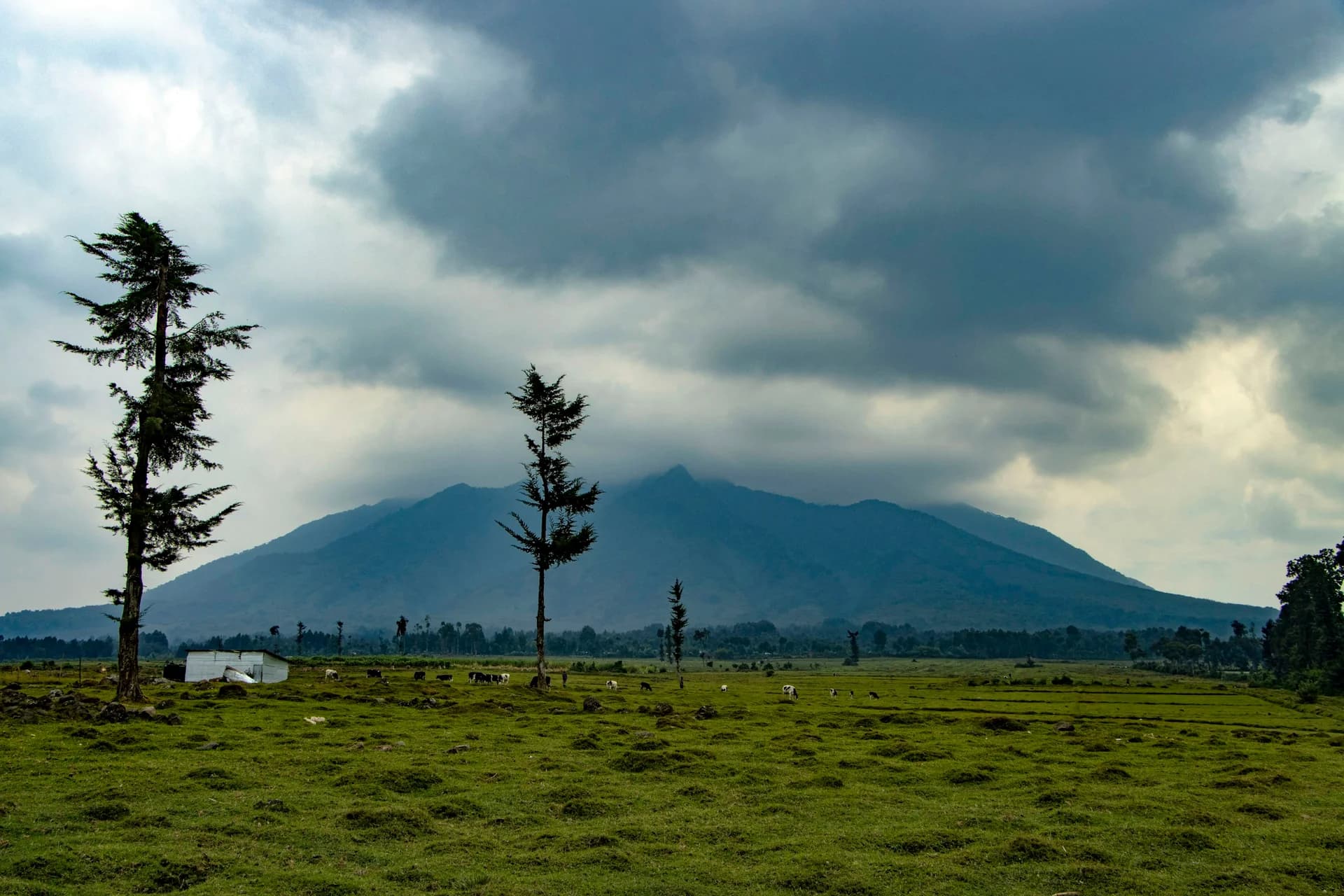
The trek is uphill. Relentlessly uphill. Through dense bamboo, over fallen trees, across streams, on trails that are more mud than path. The altitude sharpens the challenge — even the lowest trailheads sit at 2,500m.
Start a leg-focused fitness routine 6-8 weeks before the trip. Stair climbing, hiking with a daypack, squats. Cardio matters, but leg strength matters more. Marathon runners have been known to struggle here while a stocky trekker who climbs stairs every day walks through it.
3. Hire a Porter. Skip the Pride.
Porters (RWF 20,000, about $17) carry your daypack and steady you up the steep sections. They're local community members, and their fees flow directly into gorilla conservation funding. Hiring a porter isn't lazy — it's smart conservation economics, and it frees you to focus on the trek instead of your burning shoulders.
4. Diamox If You're Coming from Low Altitude
Park headquarters sits at about 2,500m. Gorilla families range between 2,700-4,000m. Fly into Kigali (1,567m) the day before, drive up the same morning, and the altitude can hit hard. Diamox helps. Drink plenty of water. You do not want to be the person who vomits 20 meters from a silverback.
The Trek
5. Start at 7AM. Not 7:15.
Briefing begins at 7AM at park headquarters in Kinigi. Late arrivals slow the entire group of 8. The earlier you start trekking, the cooler the temperature — and the better your odds of reaching the gorillas before midday heat drives them into thicker cover.
6. Wear Gardening Gloves
Seriously. The bamboo forest bristles with stinging nettles, thorny vines, and sharp plant edges. Hiking gloves or thick gardening gloves protect your hands when you grab plants for balance on steep sections. Skip them and you're looking at blistered, nettle-stung hands for days.
7. Gaiters Are Not Optional
Tuck your pants into your socks or wear proper gaiters. The forest floor is alive with safari ants that bite, and leeches turn up during wet season. Gaiters also keep mud out of your boots. Available for rent at park headquarters (RWF 5,000, about $4).
8. Waterproof Everything
The Virunga mountains brew their own weather. Rain can arrive with zero warning, even in "dry" season. A rain jacket, waterproof pants, and a dry bag for your camera are essential. A sudden 20-minute downpour can turn the trail into a river in minutes — without waterproofing, a camera doesn't survive it.
9. The Difficulty Varies Enormously
Some gorilla families stay close to the trail (30 minutes trek). Others move deep into the forest (4-7 hours round trip). The trackers who find the gorillas radio ahead, so the guides know roughly how far you'll go. If you have mobility concerns, tell the RDB when booking — they can assign you to a closer family.
The Hour
10. Don't Stand Behind the Photographer
You get exactly 60 minutes with the gorillas. That's 60 minutes shared with 7 other permit holders. Position yourself where the guide directs. Move slowly. Crouch low. And whatever you do, don't get stuck behind the person with the giant telephoto lens who won't budge.
A phone with a good camera honestly works fine. The gorillas are close — sometimes 2-3 meters away. You don't need a 600mm lens. What you need is to put the camera down for at least 10 of those 60 minutes and simply look.
11. Make Eye Contact with the Silverback (Briefly)
The silverback — the dominant male — will look at you. When he does, hold his gaze for a moment, then look away. Direct, prolonged staring reads as a dominance challenge. A brief acknowledgment reads as curiosity.
The moment a 200kg silverback looks into your eyes from 3 meters away is the moment you understand what primates share. It's unsettling and deeply moving in equal measure.
12. Watch the Babies
The adults are impressive. The babies are the show. Baby gorillas play, tumble, wrestle, and swing from bamboo with exactly the same energy and clumsiness as human toddlers. Mothers nurse while watching you with mild disinterest. Juveniles show off for the humans.
The baby interactions are what stay with you 10 years later. Not the silverback's size. The baby's curiosity.
13. Cough Away from the Gorillas
Mountain gorillas can catch human respiratory diseases. If you're sick — even a mild cold — don't trek. You'll be turned away at the briefing (no refund), and rightly so. A common cold can kill a gorilla.
If you sneeze or cough during the encounter, turn away and cover your mouth. Maintain the 7-meter minimum distance (though gorillas sometimes approach closer — if they come to you, stay still).
After the Trek
14. The Certificate Photo Is Free
At park headquarters afterward, you'll receive a gorilla trekking certificate and a group photo. Both are included in your permit. Some operators charge for additional photos — the official one is free.
15. Tip Your Guide and Trackers
Guides and trackers make the experience. Standard tip: $20-40 per person to the lead guide, $10-20 split among the trackers and porters. The trackers wake at 4AM to locate the gorillas before your group arrives. Their skill is extraordinary — they follow gorilla trails through dense forest that looks identical in every direction.
The Practical Details
| Item | Cost |
|---|---|
| Gorilla permit | $1,500 USD |
| Porter | RWF 20,000 (~$17) |
| Gaiter rental | RWF 5,000 (~$4) |
| Walking stick rental | RWF 2,000 (~$1.70) |
| Guide tip | $20-40 |
| Tracker tip | $10-20 (group) |
| Hotel near park (mid-range) | $80-200/night |
| Hotel near park (luxury) | $500-2,000/night |
The $1,500 permit funds gorilla conservation, community development, and anti-poaching patrols. It's expensive because it works — Rwanda's mountain gorilla population has grown from 620 in 2005 to over 1,000 today.
That hour in the forest isn't just a wildlife encounter. It's proof that conservation economics can pull a species back from extinction.
Bring the gloves. Hire the porter. Put the camera down for 10 minutes.
You won't regret a single dollar of that $1,500.


