Charleston vs Savannah: The Southern Showdown
Charleston vs Savannah: The Southern Showdown
They're only 108 miles apart. They share Spanish moss, antebellum architecture, humidity, and sweet tea. Every year, millions of travelers agonize over which one to visit — or in what order.
I've spent serious time in both. Here's the honest breakdown.
The Basics
| Factor | Charleston | Savannah |
|---|---|---|
| Population | 150,000 (800K metro) | 147,000 (404K metro) |
| Founded | 1670 | 1733 |
| Airport | CHS | SAV |
| Walkability | Good (historic peninsula) | Excellent (square grid) |
| Vibe | Refined, polished | Quirky, laid-back |
Architecture
Charleston wins on grandeur.
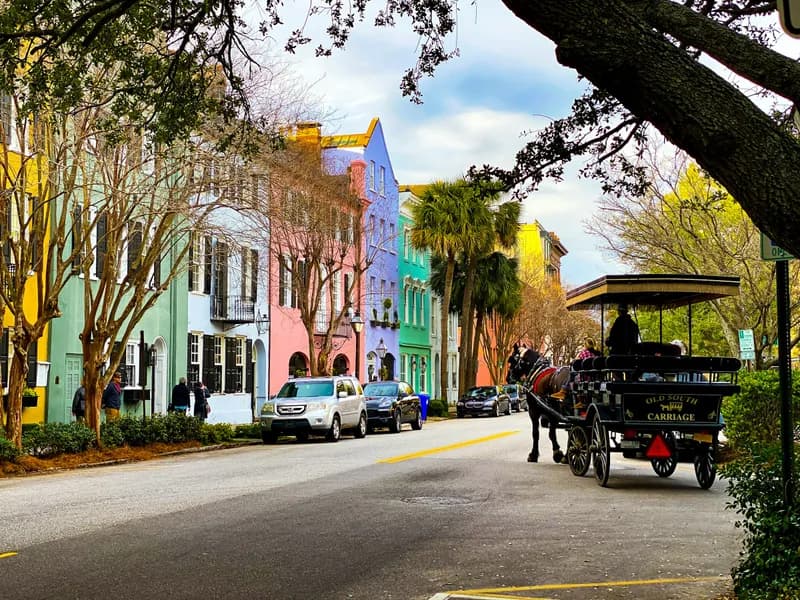
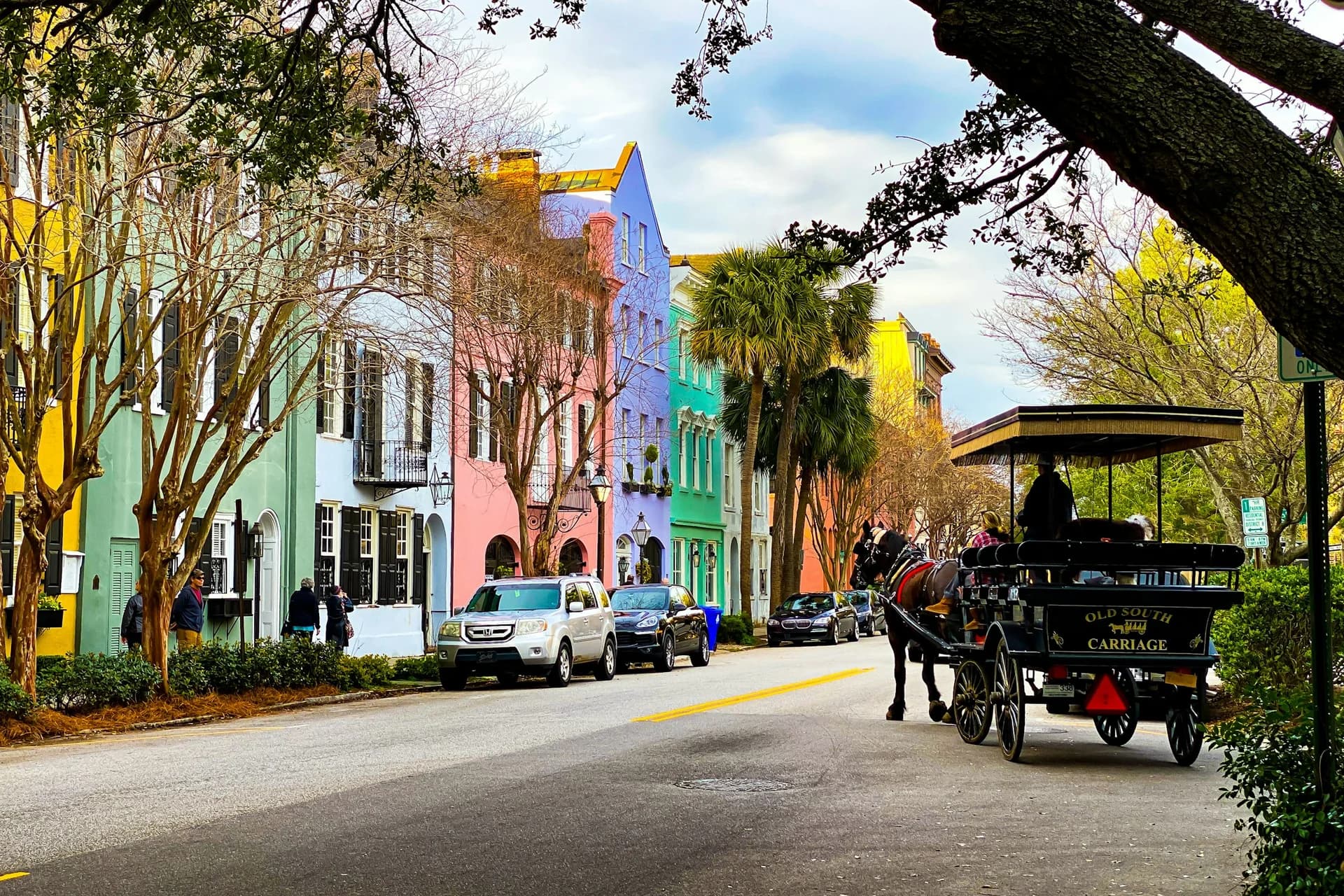
Rainbow Row — 13 pastel Georgian houses on East Bay Street — is the most photographed residential street in the South. The Battery promenade along the harbor has mansions that look like they belong in a period film. Church spires dominate the skyline (it's called the "Holy City").
Charleston's architecture is more varied: Georgian, Federal, Greek Revival, Italianate, Queen Anne. Walking the historic district is an architecture survey course.
Savannah wins on atmosphere.
Savannah's 22 surviving park-like squares create a rhythm to walking that no other American city matches. Every few blocks, you enter a small park with live oaks, benches, and monuments. It's meditative. The Oglethorpe city plan — that original grid of squares — is a masterpiece of urban design.
The Spanish moss is thicker in Savannah. The live oaks are larger. The atmosphere is more Southern Gothic than Charleston's Southern Elegance. Wormsloe's 1.5-mile avenue of 400+ moss-draped oaks is the single most dramatic sight in either city.
Food
Charleston wins — and it's not close on the fine dining.
Charleston has Husk, FIG, The Ordinary, Edmund's Oast, and more James Beard Award winners than any Southern city outside New Orleans. The food scene is creative, farm-driven, and nationally recognized.
Savannah's food is excellent but less elevated. Mrs. Wilkes' Dining Room (family-style soul food, $25, cash only) is legendary. The Grey (in a restored Greyhound bus station) does refined Southern cooking. Leopold's Ice Cream has been scooping since 1919.
But Charleston has depth. From Rodney Scott's whole-hog BBQ to Bertha's Gullah-Geechee soul food to Callie's Hot Little Biscuit — every price point has standout options.
Savannah's advantage: you can eat well for less. Restaurant prices are 15-25% lower than Charleston across the board.
Walkability
Savannah wins.
Savannah's historic district is a 2.5-square-mile grid with free DOT shuttle buses. The square system means every walk has a destination — you're never more than two blocks from a shaded park. The entire tourist experience happens on foot.
Charleston's historic peninsula is walkable but elongated — about a mile from end to end. Some attractions (Magnolia Plantation, Fort Sumter ferry) require a car or ride-share. The cobblestones are uneven and can be tough on feet.
Nightlife and Drinking
Savannah wins — because of one rule.
Savannah has an open container district. You can get a to-go cup (plastic, 16 oz max) from any bar and walk the squares with your drink. This transforms evening exploration. You stroll from square to square, drink in hand, with no boundaries between bar and city.
Charleston doesn't allow this. You drink inside bars or on patios. It's fine — the cocktail bars are excellent — but Savannah's open-container policy creates a completely different (and more enjoyable) evening experience.
River Street in Savannah has converted cotton warehouses with bars and restaurants overlooking the Savannah River. Watching container ships pass at eye level while drinking a frozen daiquiri from Wet Willie's ($8-12) is uniquely Savannah.
History and Museums
Tie — different strengths.
Charleston has Fort Sumter (where the Civil War began, ferry + entry $30), the International African American Museum (opened 2023, $25, essential), and 300+ years of architectural history.
Savannah has the "Midnight in the Garden of Good and Evil" literary tourism, Bonaventure Cemetery (hauntingly beautiful Victorian cemetery, free), and the distinction of being the city Sherman refused to burn during his March to the Sea.
Both cities are confronting their histories of slavery with increasing directness. Charleston's African American Museum is a landmark institution. Savannah's history is told through sites like First African Baptist Church (one of the oldest Black churches in North America).
Ghost Tours
Savannah wins.
Savannah is called "America's Most Haunted City," and whether or not you believe in ghosts, the tours are genuinely fun. Hearse Ghost Tours (ride in a converted hearse, $25) and Ghost City Tours (walking, $25-35) cover Colonial Park Cemetery, the Mercer-Williams House, and various haunted inns.
Charleston has ghost tours too, but Savannah's combination of open containers, atmospheric squares at night, and Southern Gothic storytelling makes them superior.
Day Trips
Charleston wins.
From Charleston: Folly Beach (20 min), Sullivan's Island (20 min), plantation gardens (15 min), Fort Sumter (30 min by boat), Kiawah Island (45 min).
From Savannah: Tybee Island beach (20 min), Hilton Head Island (45 min). Fewer options and less variety.
Cost Comparison
| Category | Charleston | Savannah |
|---|---|---|
| Hotel (historic district) | $180-350/night | $120-250/night |
| Nice dinner | $40-75/person | $30-55/person |
| Walking tour | $25-35 | $25-35 |
| Ghost tour | $25-30 | $25-35 |
| Drinks (evening) | $12-16/cocktail | $8-12/cocktail |
Savannah is 20-30% cheaper than Charleston across the board. Similar charm, lower price tag.
The Verdict
| You are... | Go to... |
|---|---|
| A food-obsessed traveler | Charleston |
| A budget-conscious couple | Savannah |
| A history and architecture lover | Charleston |
| Someone who wants to walk and drink | Savannah |
| A family with kids | Charleston (more activities) |
| A ghost/literary fan | Savannah |
| On a weekend getaway | Savannah (more compact) |
| On a week-long trip | Both (2 hrs apart by car) |
The Real Answer
Do both. They're 2 hours apart by car. Drive from Charleston to Savannah (or vice versa) along US-17, which passes through the Lowcountry landscape of marshes, live oaks, and tidal creeks. For more insights, check out our seasonal guide. For more insights, check out our Charleston's Food Culture.
Spend 3 days in Charleston for the food and history. Spend 2 days in Savannah for the atmosphere and walking. You'll see why they're compared and why the comparison ultimately doesn't matter — they're both essential stops in the American South.