The Complete Ibiza Guide: Clubs, Calas, and Everything In Between
The Complete Ibiza Guide: Clubs, Calas, and Everything In Between
Ibiza is a 40x20 km island in the Balearic Sea that somehow contains multitudes: the world's most famous superclubs, a UNESCO World Heritage fortress, hidden coves with water clearer than a swimming pool, and a lingering hippie culture that started in the 1960s and never quite left.
This guide covers all of it.
Overview
Population: 150,000 year-round, doubling in summer. The island has three main areas: Ibiza Town (Eivissa) in the southeast, San Antonio in the west, and the quieter north around Portinatx and San Juan. The central interior is rural — white-washed fincas among pine forests and red earth.
Languages: Spanish and Catalan (Ibizan dialect). English is universal in tourist areas.
Best Time to Visit
- Late May-June: Warm (24-28°C), clubs opening for the season, beaches not yet packed, 30-40% cheaper than peak.
- September-October: Similar to June, slightly warmer seas, closing parties at clubs, fewer crowds.
- July-August: Peak everything. 28-33°C. Maximum nightlife. Maximum prices. Maximum crowds. The full Ibiza experience — for better and worse.
- Winter: The island mostly shuts down. Many restaurants and clubs close November through April. Peaceful but limited.
Getting There
Ibiza Airport (IBZ) is 7 km from Ibiza Town. Budget airlines (Ryanair, easyJet, Vueling) fly from across Europe. Peak season flights are pricier — book early.
Where to Stay
Ibiza Town (Eivissa): Central, walkable to Dalt Vila and the marina. Best for culture, dining, and moderate nightlife. Mid-range: 120-200 EUR/night.
Playa d'en Bossa: The party strip. Ushuaia and Hi are here. Loud, beach-focused, young crowd. Budget to mid-range: 80-180 EUR/night.
San Antonio: Western coast, sunset strip, more affordable. Good budget option with hostel-style accommodation from 30-50 EUR/night.
Santa Eulalia: East coast, family-friendly, quieter. Restaurants, a marina, a decent beach. 80-150 EUR/night.
North (Portinatx/San Juan): Rural, quiet, yoga-retreat territory. Ideal for the "other Ibiza" experience. 60-120 EUR/night.
What to Do
The Clubs
Ibiza's superclub season runs late June through September.
- Pacha: Operating since 1973, Ibiza's most iconic venue. Cherry logo. Sophisticated crowd. Entry: 30-60 EUR.
- Ushuaia: Open-air poolside format that changed clubbing. Daytime/early evening events. Entry: 40-80 EUR.
- Amnesia: Legendary foam parties. Massive venue. Entry: 30-60 EUR.
- Hi (formerly Space): Massive capacity, rotating residencies. Entry: 30-70 EUR.
- DC-10: The underground favorite. Monday Circoloco parties. Smaller, grittier, beloved by purists.
Book tickets at ibiza-spotlight.com — many events sell out. No re-entry at most venues. Dress code: smart-casual (no sportswear, no flip-flops).
Beaches and Calas
The south and west coasts have the biggest beaches (Playa d'en Bossa, Cala Comte, Cala Bassa). The east and north have hidden coves (Cala Mastella, Cala Xuclar, Pou des Lleo).
Top picks:
- Cala Comte: West coast, turquoise water, sunset views, busy. Sunbed: 10-15 EUR.
- Cala Salada: Near San Antonio, pine-backed, gorgeous. Arrive early.
- Ses Salines: Long sandy beach, natural park, salt flats. Day-long DJ sets at beachside restaurants.
- Aguas Blancas: North coast, nudist-friendly, dramatic cliffs, wild feel.
Culture
- Dalt Vila: UNESCO-listed fortified old town. Cathedral (4 EUR), Archaeological Museum (3 EUR). Free to wander. Best at sunset.
- Las Dalias Market: Saturday hippie market in San Carlos. 200+ stalls, live music. Free entry.
- Sa Caleta: Phoenician ruins (7th century BC), UNESCO-listed. Free.
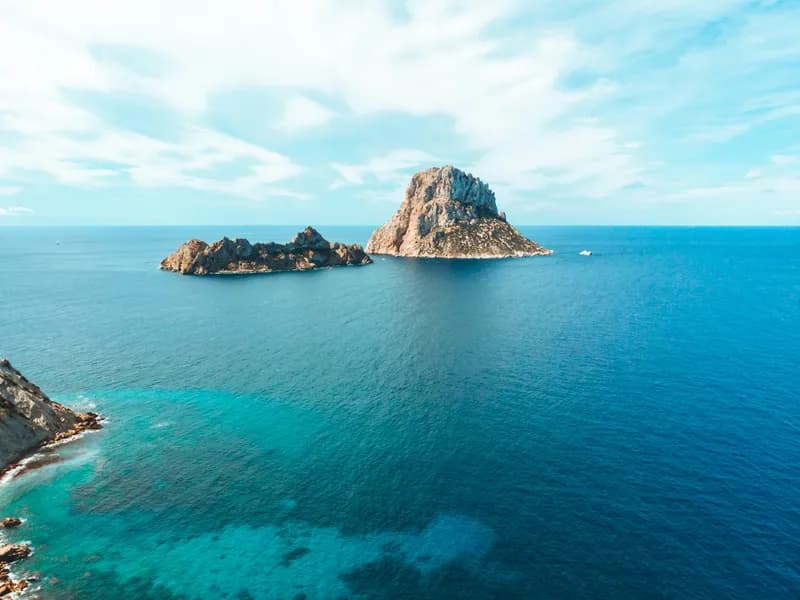
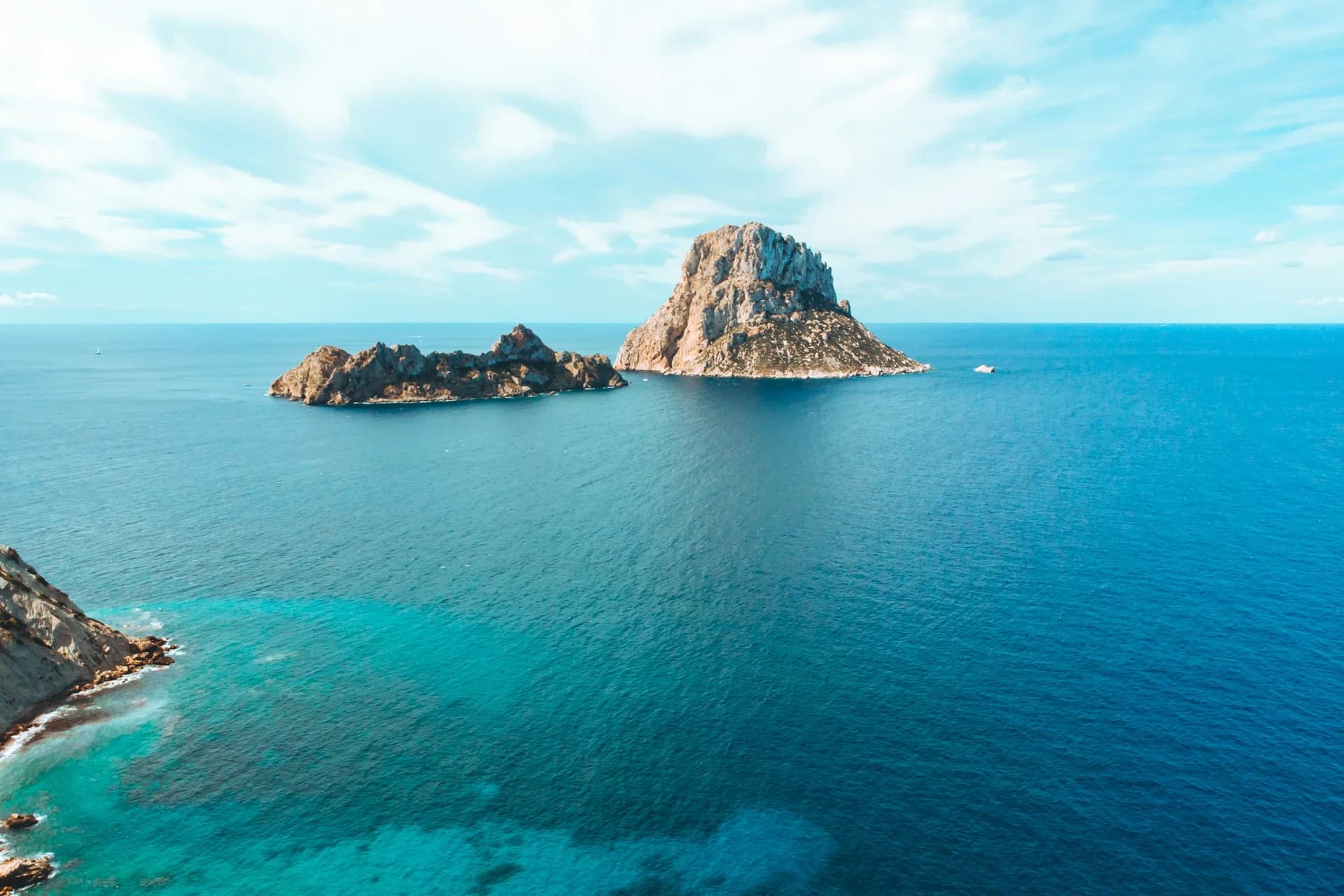
- Es Vedra: Mystical 382m rock island off the southwest. Viewpoint near Torre des Savinar. Free.
Day Trip: Formentera
Ferry from Ibiza Town: 25 minutes, about 20-30 EUR round trip. Ses Illetes beach. Rent a bike (15-20 EUR/day). Crystal-clear water. Minimal development.
Food
Ibiza dining splits between overpriced beach restaurants and genuinely excellent inland spots.
- Inland villages (Santa Gertrudis, San Rafael, San Juan): 30-40% cheaper than beachfront. Farm-to-table cuisine.
- Cala Mastella: El Bigotes fish restaurant — cash only, no menu, no reservations, no sign. Grilled fish and salad, about 15-18 EUR. Wait for a table. Worth it.
- Ibiza Town Marina: Upscale dining with harbor views. 25-40 EUR mains.
- Budget: Supermarkets (Hipercentro, Eroski) for self-catering. Bocadillos (sandwiches) at local bars: 4-6 EUR.
Budget
| Category | Budget | Mid-Range | Luxury |
|---|---|---|---|
| Accommodation | 30-80 EUR | 100-200 EUR | 300+ EUR |
| Dinner | 12-20 EUR | 25-45 EUR | 60+ EUR |
| Club entry | 30 EUR (guest list) | 50-60 EUR | 80+ EUR (VIP) |
| Car rental/day | 35 EUR | 45 EUR | 80+ EUR |
| Daily total | 80-120 EUR | 180-300 EUR | 500+ EUR |
Guest lists for clubs: sign up online at ibiza-spotlight.com or through PR workers on the streets for free or discounted entry.
Getting Around
The island is small (40x20 km) but the best calas require a car or scooter. Car rental: from 35 EUR/day (book 2-3 months ahead for summer). Scooter: 25-40 EUR/day. Bus network covers main routes but not hidden beaches.
Taxi apps: Ibiza Taxi and Cabify. Late-night taxis after clubs are scarce — plan ahead.
Safety
- Watch drinks at clubs (spiking occurs)
- Use licensed taxis at night
- Car break-ins at remote beach parking lots — don't leave valuables
- Sun protection is essential — combine all-day beach with all-night clubbing carefully
- Drug purchases from strangers: undercover police are active
The Two Ibizas
South + West = party, beaches, sunset bars, clubs, internationalism. North + Interior = quiet, bohemian, rural, yoga, hippie markets, empty coves.
Both are real. Both are excellent. The magic of Ibiza is that they coexist on an island you can drive across in 40 minutes.
Useful Phrases
English is spoken everywhere in tourist areas. But a few Spanish/Catalan words help:
- Buenos dias / Bon dia (good morning)
- Gracias / Gracies (thank you)
- La cuenta, por favor (the bill, please)
- Una cerveza (a beer)
- Cala (cove/beach)
The Bottom Line
Ibiza is expensive but manageable with strategy. Eat inland. Pre-game before clubs. Use guest lists for entry. Stay in San Antonio if budget matters. Stay in Ibiza Town if culture matters. Stay in the north if peace matters.
The island has been reinventing itself for 2,600 years — from Phoenician trading post to hippie commune to clubbing capital to UNESCO World Heritage site. It'll reinvent itself again. But right now, in 2026, it's all of these things simultaneously, and that's precisely what makes it extraordinary. For more on the non-clubbing side, read our 10 things to do in Ibiza beyond clubbing. And for a local's take on how the island has changed, our conversation with Carlos offers a perspective you won't find in guidebooks.