
The Day I Walked Dubrovnik's Walls and Understood Why They Call It the Pearl
Walk Dubrovnik's Walls and You'll Understand Why They Call It the Pearl
Dubrovnik has a nickname problem. "Pearl of the Adriatic" sounds like something a tourism board invented over cocktails. It sounds exaggerated, marketing-speak, the kind of label that sets you up for disappointment.
The skepticism doesn't survive the first look.
The Approach
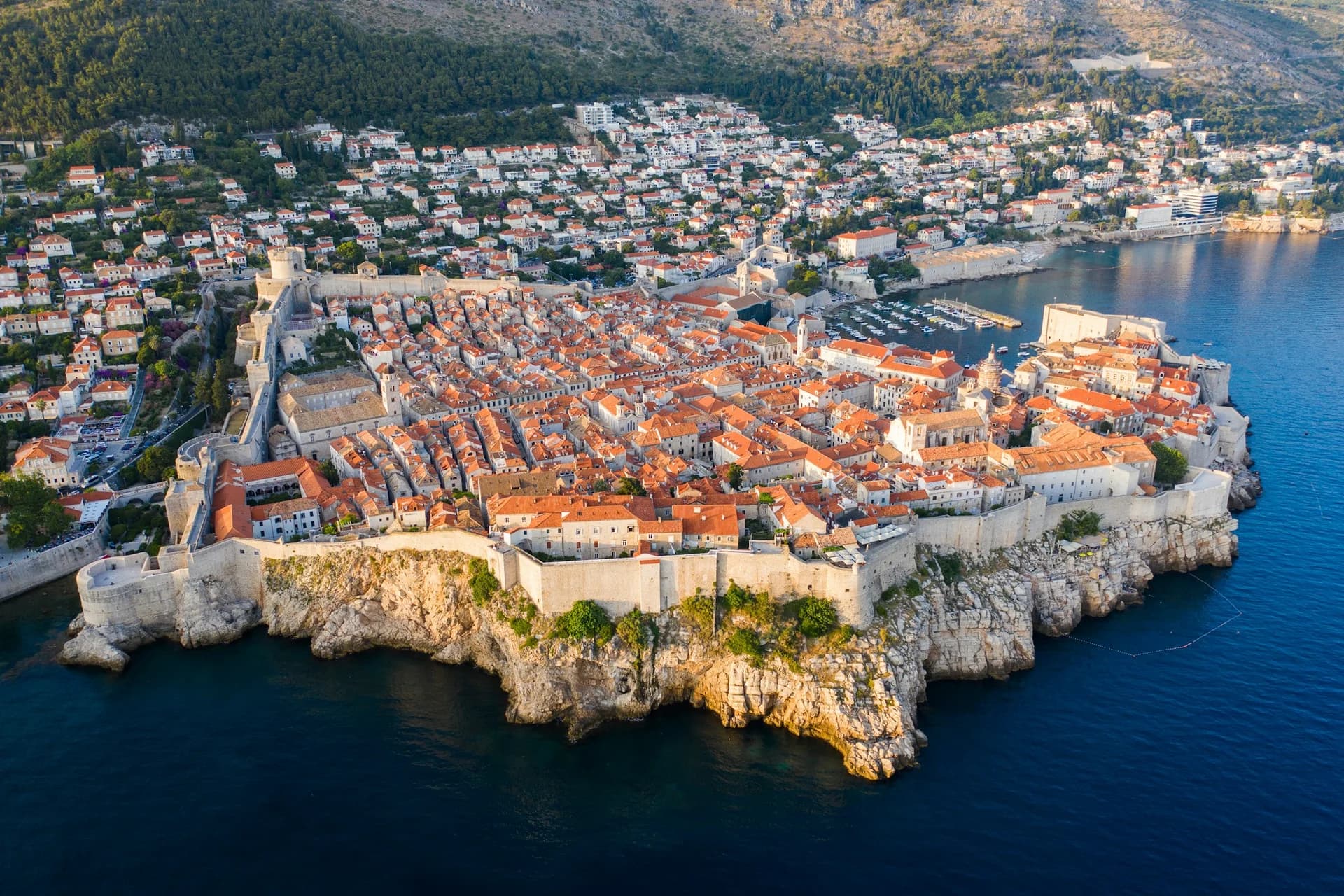
Take the Atlas shuttle bus from DBV airport (~€9, timed to flight arrivals). The airport sits 20 km south, and the drive hands you glimpses of the Adriatic between rocky hillsides. Then the bus rounds a corner and there it is — a walled medieval city perched on a rocky peninsula, terracotta rooftops cascading toward turquoise water, fortress towers catching the afternoon sun.
It's the kind of view that pulls an involuntary "oh" out of a whole busload of strangers at once.
Entering Through Pile Gate
Drop your bag at the hotel first — book outside the walls, because Old Town hotels run expensive and have no vehicle access — then walk to the Pile Gate, the main western entrance. You cross a drawbridge, pass under a stone arch, and suddenly you're inside a city that hasn't fundamentally changed since the 14th century.
The Stradun — the main limestone-paved street — stretches ahead, polished to a mirror shine by centuries of foot traffic. Baroque buildings line both sides. At the far end, the Clock Tower. The air smells like salt and stone and the sea you can hear but can't yet see.
Time your arrival for 5PM, and this is crucial. The cruise ships have left. Ten thousand day-trippers have departed with them. The Old Town reclaims itself — locals emerging, restaurant staff setting up outdoor tables, the evening light turning the stone walls golden.
The Wall Walk
Be at the Ploce Gate entrance to the city walls by 8AM. Entry: ~€35 (includes Lovrijenac Fortress). And before you wince at that price — it's worth every cent.
The wall walk runs 2 km around the entire perimeter of Old Town. You're walking on top of medieval fortifications with the Adriatic on one side and the terracotta rooftops of Old Town on the other. The views change every 50 meters — harbor, fortress, sea cliffs, islands, the mountains of the Dalmatian coast.
There is no shade. That cannot be stressed enough. In summer, the walls turn into a sun-bleached oven. Even September at 8AM runs hot. Bring 2 liters of water minimum, sunscreen, a hat, and good shoes. The stone surface is uneven and there are steps everywhere.
Plan on roughly 1.5 hours with frequent stops to stare and photograph. At the highest point on the north side, you can see the island of Lokrum, the cable car climbing Mount Srd, and the Adriatic stretching to the horizon.
Buza Bar: The Cliff That Serves Drinks
After the walls, go looking for Buza Bar — a bar built into the cliffs outside the city walls. There is no sign. Just a hole in the wall with the words "Cold Drinks" and an arrow painted on the stone.
Push through and you emerge onto a series of rock platforms above the Adriatic. No seats — you sit on rocks. Drinks from €6. Below you: turquoise water, waves crashing against the base of the city walls, and a 5-meter cliff that people jump from into the sea.
Take the jump. The water runs crystal clear and shockingly cold for September. Swim around the base of the fortress walls, looking up at the same fortifications you walked on top of two hours earlier. Then climb back up, order a beer, and sit on a warm rock watching other people work up the nerve.
There are two Buza bars — Buza II is the better one (more rock platforms, better views, easier to find). Look for it on the south wall between the Jesuit Stairs and St. Stephen's church.
The Food
Here's the thing about eating in Dubrovnik: inside the Old Town walls, prices run 30-50% higher than outside. A seafood dinner inside: €30-50 per person. The same quality outside the walls in Lapad or Gruz: €15-25.
But one Old Town restaurant justifies the premium: Konoba Dalmatino on Miha Pracata street. Octopus salad, black risotto (squid ink), and grilled branzino. €35 for two courses with wine. The octopus arrives tender, slightly charred, dressed with olive oil and lemon and nothing else — the kind of plate that ruins every octopus you order afterward.
For budget eating outside the walls: Pantarul in Lapad does creative Dalmatian cuisine at reasonable prices (€20-30 per person). Shizuku for Japanese-Croatian fusion sushi — not what you'd expect, but excellent and affordable.
Lokrum Island
Take the 15-minute ferry from the Old Town harbor (€15 return, runs every 30 min in summer). Lokrum is a car-free nature island with a botanical garden, a ruined Benedictine monastery, a Dead Sea saltwater lake (warm, salty, perfect for floating), and a Game of Thrones Iron Throne photo-op.
The island is peaceful in a way that the Old Town — especially during cruise ship hours — isn't. Peacocks roam the gardens. The swimming spots along the rocky shore hold crystal-clear water. Give it half a day and it may turn out to be your favorite Dubrovnik experience.
Cable Car at Sunset
Mount Srd cable car: €27 return, 4 minutes to 412 meters above sea level. The view at the top is the postcard shot of Dubrovnik — the entire walled city below, Lokrum Island, and the Adriatic stretching to the Elafiti Islands.
Go at sunset. The restaurant at the top is overpriced (pack your own snacks), but the terrace viewpoint is free with your cable car ticket. The Old Town's terracotta roofs glow orange, then pink, then purple as the sun drops behind the mountains.
For more on Dubrovnik, check out our 19 Dubrovnik Tips That'll Save You From Cruise Ship Crowds and Tourist Trap Prices.
That view is why they call it the Pearl. And for once, the nickname isn't exaggerating.


