
17 Douro Valley Tips From Someone Who Drank Too Much Port on the First Day
17 Douro Valley Tips From Someone Who Drank Too Much Port on the First Day
I arrived in the Douro Valley from Porto, visited two quintas before lunch, and by 3 PM had consumed enough port wine to make the N222's hairpin turns feel genuinely dangerous. My designated driver (hired from Porto, €100/day) earned every cent.
Here's what I learned, mostly the hard way.
Planning
1. Book Quintas 2-7 Days Ahead
Most estates require advance booking. They're working farms. Walk-ups are sometimes possible at larger quintas (Quinta da Roeda) but smaller family estates will turn you away politely.
2. Two Quintas Per Day, Maximum
Each visit takes 1.5-2 hours with tour and tasting. Add driving time on winding roads. Three quintas is technically possible but you'll be tasting 15+ wines and driving switchbacks. Two is the sweet spot.
3. Designated Driver or Guided Tour
The N222 is gorgeous but the curves are real and the wine hits harder than you expect. Options: hire a driver from Porto (€100/day), book a guided wine tour (€80-150/person), or take turns being sober.
4. Rent a Car Regardless
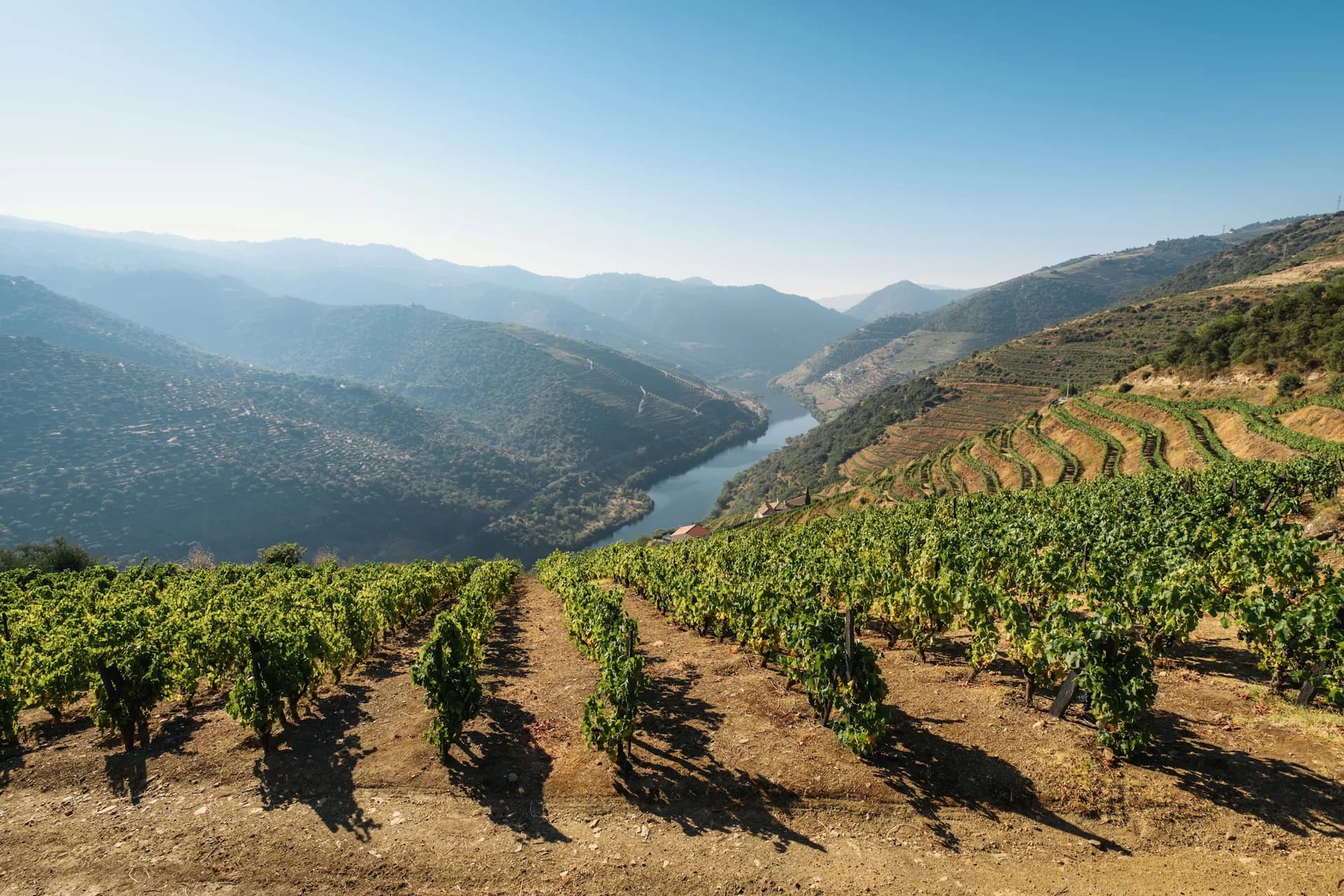
Even with a guide for wine days, having your own car gives you freedom for the N222 drive, viewpoints, and restaurant choices. Rent from Porto airport, ~€25/day.
Wine
5. Try the DOC Reds, Not Just Port
Everyone comes for port. The Douro DOC table reds are Portugal's best and criminally underpriced. A bottle that would cost €30-40 in a London wine shop costs €8-15 at the quinta. Stock up.
6. Tawny Port Is the Douro's Secret Weapon
Most tourists focus on vintage ports and rubies. But aged tawny ports (10, 20, 30-year) are the sommeliers' choice. The 20-year tawnies at Quinta do Vallado are extraordinary.
7. Buy at the Quinta, Not Porto
Wine prices at estate shops are 30-50% lower than tourist shops in Porto's Vila Nova de Gaia cellars. Bring an empty suitcase.
Accommodation
8. Pinhao for Charm, Regua for Convenience
Pinhao is tiny and beautiful — the train station tiles alone are worth the trip. But dining options are limited. Peso da Regua has more restaurants and the Douro Museum.
9. A Quinta Stay Is Worth the Splurge
Sleeping in a 300-year-old manor surrounded by vineyards, waking up to valley mist burning off the river — this is why people come to wine country. From €150/night at Quinta do Vallado.
The Journey
10. Take the Train One Way
Drive to the Douro, take the train back to Porto (or vice versa). The Porto-Pinhao train (3 hours, ~€15) is one of Europe's best rail journeys. Sit on the right heading east.
11. The N222 Is the Main Attraction
The road between Regua and Pinhao along the river's north bank was voted the world's best driving road. Every bend is a viewpoint. Allow 2 hours for what should be a 40-minute drive.
12. Sao Leonardo da Galafura at Sunset
Free viewpoint. Best panorama of the terraced valley. Plan to be there 30-45 minutes before sunset. Bring a bottle of wine from the day's tastings.
Food
13. Lunch Is Better Value Than Dinner
Quinta restaurants and local eateries serve full lunches for €10-15 — grilled meats, salads, rice, and wine. Dinner at the same places costs €20-30.
14. Try Posta Mirandesa
Thick-cut grilled beef from Mirandesa cattle — a Douro specialty. Best at rural restaurants rather than hotel dining rooms.
Practical
15. Summer Heat Is Real
July-August regularly hits 38-42°C. The valley traps heat. Schedule vineyard visits for morning or late afternoon. Carry water. Not all rural accommodations have AC.
16. Harvest Season Is Peak
September-October is the busiest and most expensive time, but also the most atmospheric — workers in the vineyards, grapes being sorted, and some quintas offer foot-treading experiences.
17. The River Cruise Is Worth One Day
Rabelo boat cruises from Pinhao (€25-40 with lunch and wine) give you the river-level view of the terraces. The perspective is completely different from the road.
Packing
- Comfortable shoes for vineyard walks
- Sun protection (hat, SPF50+)
- Light layers for cool evenings
- Empty space in luggage for wine
- Corkscrew (you'll want to open that bottle at the viewpoint)
The Douro isn't trying to impress you with sleek tasting rooms and luxury tours. It's a working landscape where families have been growing grapes and making wine for centuries, and they're happy to share a glass if you show up respectfully and on time. Just pace yourself. The port is stronger than it tastes, the views are more intoxicating than the wine, and the N222 has more curves than you remember.


