
When to Visit Punta Cana: The Dry-Season Window Worth Booking
When to Visit Punta Cana: The Dry-Season Window Worth Booking
Punta Cana never really gets cold. The Caribbean keeps the air sitting between 26 and 31°C twelve months a year, trade winds doing the cooling work. So the question isn't whether it'll be warm. It's how much rain, how much humidity, and how much sargassum you're willing to negotiate.
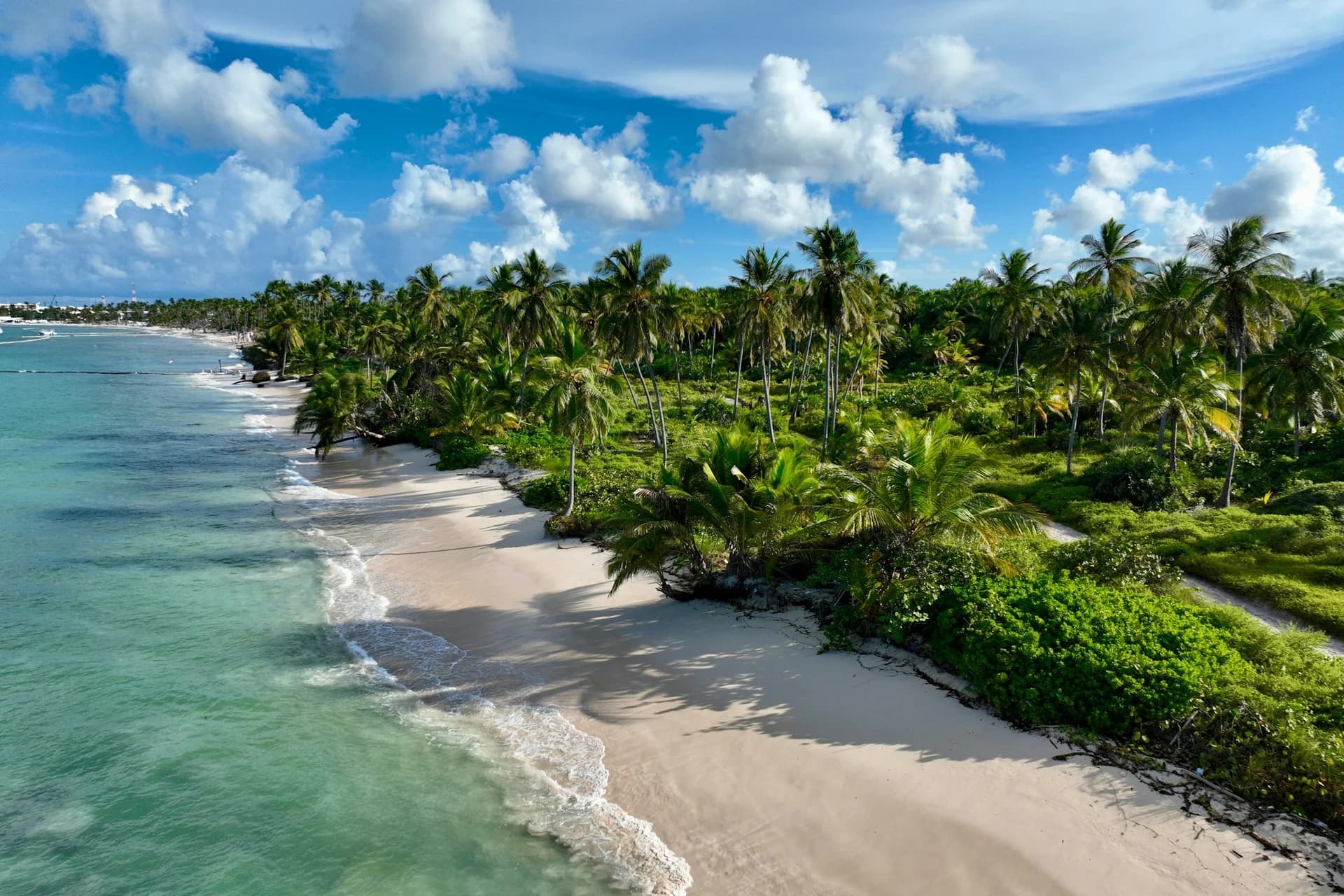
The answer that wins almost every time: December to April. This is the dry season. Least rain, lowest humidity, calmest seas, cleanest beaches. Book this window and Bávaro Beach delivers exactly the postcard you paid for.
Why this season beats the rest
Hurricane season runs June through November and peaks brutally in August, September, and October. You can still get a perfectly sunny week in July. Plenty of people do. But you're rolling dice with afternoon downpours, higher humidity, and brown sargassum seaweed drifting ashore in the warmer months.
Resorts rake sargassum off the sand daily. It's seasonal, it's beyond anyone's control, and the dry months see far less of it. That alone makes December-April the smart call if you've got one shot at the trip.
And here's the thing the brochures bury: the dry season is also when the Caribbean shallows go glassy. Calm, bath-warm, turquoise water with barely a ripple before midday. Snorkel trips run smoother. The Saona catamaran sails flatter. Everything water-based gets better — the same calm-water draw you'll find on the calm beaches of Aruba.
Weather and sea, month by month
December opens cooler and breezier — trade winds can pick up, so a windy beach day is possible, but the rain stays away. January and February are the sweet spot: dry, sunny, sea temperatures still bath-warm, fewer mosquitoes. March and April warm up steadily and stay reliably dry right up until the rains return in May.
Midday heat peaks around 31°C even in winter. That's not a complaint — it's a planning cue. Front-load your active hours. Do the buggy tour, the cenote, the early catamaran pickup in the morning, then retreat to shade or a swim-up bar when the sun's overhead.
Events worth timing your trip around
Carnival runs through February across the Dominican Republic, building to a roar at the end of the month. The big parades happen in Santo Domingo and La Vega, but the merengue energy bleeds into resort entertainment all over the east coast.
Whale watching in Samaná is the dry season's wildcard draw. From mid-January to mid-March, thousands of humpback whales gather in Samaná Bay to breed and calve. It's a long day trip from Punta Cana — a real commitment, several hours each way — but seeing a 40-tonne humpback breach is the kind of thing that rewrites a holiday. If you're traveling in that window and you've seen enough beach, this is where to point the day.
February 27 is Dominican Independence Day, woven straight into Carnival season, so late February stacks celebration on celebration.
What to pack for the dry months
Light, breathable clothes. The heat is constant even in "winter." Pack for sun first.
- Reef-safe sunscreen — non-negotiable at cenotes and reefs, and many tours now require it
- Water shoes — the rocks at Hoyo Azul and reef snorkel sites are unkind to bare feet
- A light layer for breezy December evenings and over-air-conditioned restaurants
- A dry bag for the catamaran return leg (that's the party leg — phones get splashed)
- Small US-dollar bills for tips; US dollars are accepted everywhere in the tourist zone, but keep singles for bartenders and housekeeping
- Bug spray for inland trips to jungle and lagoons
Skip the heavy raincoat. In the dry season you won't need it, and it just eats luggage space.
Seasonal food and drink
Dry season is mango and citrus season as it ramps up toward spring. Fresh juices everywhere. Order a morir soñando — orange juice and milk, the name translates to "to die dreaming" — and you'll understand the poetry.
The national plate, la bandera (rice, beans, and stewed meat), is on every table year-round. So is sancocho, the hearty stew that locals swear by. At a Macao beach shack, fresh-caught fish gets fried with tostones (smashed green plantains) and a cold Presidente beer for a few hundred pesos. That meal beats most resort à-la-carte plates, and it costs a fraction.
Skip buying mamajuana off the beach vendors. The spiced rum gets pushed hard by roadside and beach sellers along with cigars and jewellery. Buy bottled spirits from a reputable shop instead — you'll get a real product at a fair price instead of haggling under the sun.
Crowds and prices: read the calendar
The dry season's downside is everyone else figured it out too. Christmas, New Year, and the February-March US/Canada school breaks are peak. Resorts fill, rates jump, and the popular à-la-carte restaurants book out days ahead. Reserve your dinner slots the day you check in — sort the whole week on day one.
The shoulder pockets are gold. Early December (before the holiday crush) and late April (before the rains) give you dry-season weather at lower prices and thinner crowds. If you can travel mid-week and dodge the school holidays, you'll get the best of the season without the peak premium.
A sample dry-season week
Here's a week that plays to the season's strengths — calm seas early, shade at midday, cool inland escapes.
Day 1 — Arrival. Pre-book your transfer from Punta Cana International (PUJ); skip the fixed-rate airport taxi line (US$35-60 to most hotels). Settle into a Bávaro all-inclusive. Sunset stroll on Bávaro Beach, walking north or south of the resort cluster for quieter sand. Presidente at dinner.
Day 2 — Acclimatize. A deliberate slow day. Glassy morning water means it's the time for the included kayak or paddleboard. Poolside lunch, afternoon siesta through the heat, evening merengue show.
Day 3 — Saona Island. The signature full-day catamaran trip into Cotubanamá National Park (~US$75-110 with lunch and open bar). Early 7am pickup, drive to the Bayahibe dock. The natural pool stop — anchoring mid-sea over a waist-deep sandbar full of starfish — is the highlight. Book a smaller-group operator rather than the big party boats; the dry-season calm makes the sail glorious either way.
Day 4 — Hoyo Azul. Trade coast for jungle at Scape Park in Cap Cana. Passes run ~US$45 for the Hoyo Azul cenote trail up to ~US$160 with zip-lines and caves — buy online for a discount. The cool spring-fed water is a perfect midday escape from the heat. Lunch at calm Juanillo Beach after.
Day 5 — Indigenous Eyes. The 1,500-acre reserve with a dozen swimmable freshwater lagoons and shaded trails (entry ~US$50). Cool, quiet, educational. Lunch at La Yola on the Cap Cana marina, over the water with yacht views.
Day 6 — Macao buggy day. A muddy half-day on the wild Atlantic coast (~US$50-90 per person). Real surf, beginner lessons (~US$30), fresh fish at a beach shack. Heed the flag warnings — Macao's currents are stronger than the sheltered resort beaches.
Day 7 — Last morning. A final swim in the warm turquoise, souvenir shopping (larimar jewellery, Dominican cacao, bottled rum from a real shop), then the transfer back to PUJ. Re-complete the free DR E-Ticket QR form before you head to the airport.
That's the dry season working for you — calm water when you want it, shade and cool springs when the sun bites, and not a raincoat in sight.


