The Slow Caribbean: A Day on Utila, Honduras's Barefoot Dive Island
The Slow Caribbean: A Day on Utila, Honduras's Barefoot Dive Island
The ferry gives it away before the island does. Forty minutes out of La Ceiba, the Utila Princess pitches through the swell — the locals call it the vomit comet, and they are not joking — and then the water changes. Mainland brown gives way to a blue so clean it looks lit from below — the same impossible Caribbean clarity that makes islands like Bonaire famous. Take the Dramamine, sit low and central toward the back, and watch for that moment the colour shifts. That is Utila announcing itself, long before you can see the dock.
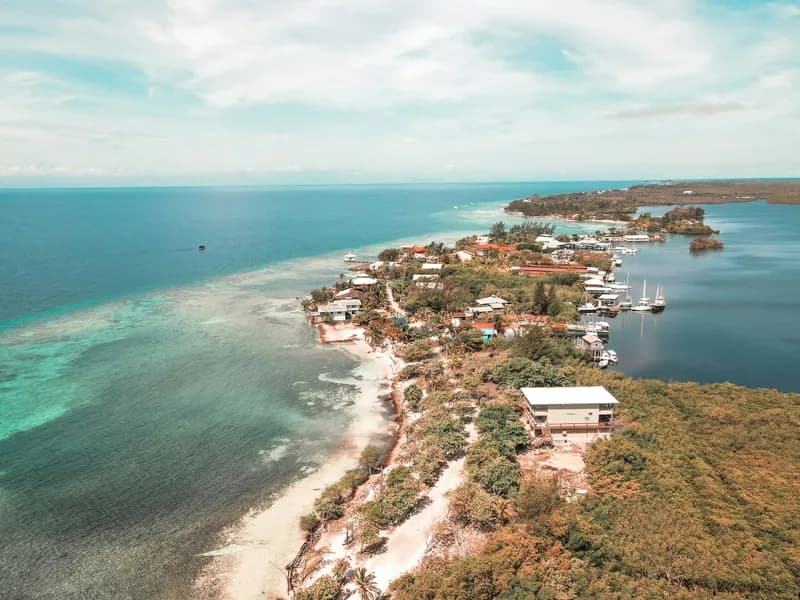
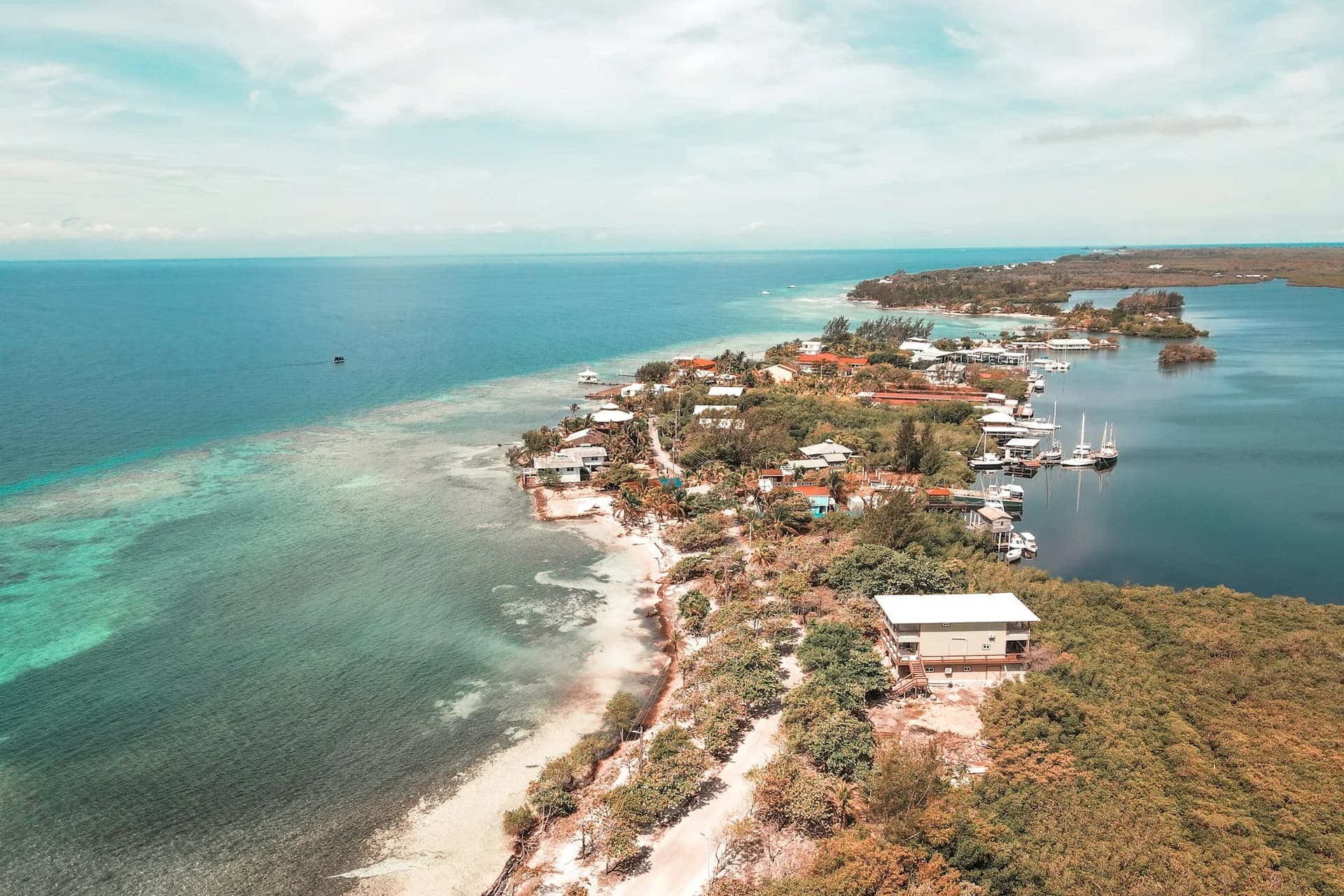
Step off at the municipal pier and the whole town is right there. There is essentially one road. It curves along the harbour, lined with wooden dive shops on stilts, paint-peeled clapboard houses, a couple of supermarkets, and bars built straight out over the water. No traffic lights. Barely any cars. A tuk-tuk rattles past, a dog trots down the centre line like it owns the place, and a kid pedals by balancing a tank of dive air on the handlebars. You can walk end to end in fifteen minutes. By the second afternoon you will know half the faces.
Morning belongs to the boats
By 7:30AM the main street has already had its first act. The dive boats are loading — tanks clanking, instructors counting heads, the smell of diesel and salt and yesterday's sunscreen. Utila exists for what is underwater. It sits on the Mesoamerican Barrier Reef, the second-largest reef system on the planet — the same coral chain that runs north past the cayes of Belize — and the wall starts close enough that you are dropping into 25-metre visibility within minutes of leaving the dock.
This is the part nobody warns you about properly: how fast the island sells you on diving. You arrive thinking you will snorkel a bit. Four days later you are a certified diver who can recite the depth of the Halliburton wreck (it sank in 1998, sits upright at 30 metres, full of barracuda) and has opinions about which seamount holds the better chance of a whale shark. Black Hills or Duppy Waters — ask three divemasters and you will get three answers.
A two-tank fun dive runs about $50 to $70. The famous open-water course — the reason Utila shows up on every backpacker's spreadsheet — costs around $300 to $350 for three or four days, often bundled with a few free nights in the shop's dorm. It is one of the cheapest scuba certifications on Earth, and the reef you learn on would cost triple to dive almost anywhere else in the Caribbean — off the Cayman Islands, say, where the wall diving is world-class and the bill matches.
A word of brand-honest advice: do not chase the rock-bottom price. Walk into three shops before you pay. The good operators — Utila Dive Centre, Alton's, Bay Islands College of Diving — keep small groups, oxygen on the boat, and instructors who do not rush. Confirm your shop pays into the island's recompression chamber. That single question tells you everything.
The whale shark question
Here is what makes Utila genuinely rare. Whale sharks — the largest fish in the ocean, up to twelve metres of polka-dotted slow-motion grace — cruise the seamounts off the north side all year. Not on a schedule. Not in a pen. You go out, the crew scans the horizon for a boil of feeding bonito churning the surface, and when they find one they cut the engine and you slide in.
Sometimes nothing. Sometimes a shadow the size of a bus glides up out of the blue and your whole sense of scale rearranges. No touching, keep three metres back, those are the rules and they exist for a reason. A half-day trip runs $50 to $80, and the odds tilt your way in March and April and again in August and September. Go with WSORC, the local research centre, and your fee feeds the science protecting them.
Afternoon drifts
After the morning dives the island exhales. You cannot dive within 18 to 24 hours of flying, and surface intervals are sacred, so the afternoons turn loose and slow. Rent a bike for ten dollars and pedal the rough flat road out to Pumpkin Hill — Utila's grand 74-metre summit, ringed by black volcanic rock, sea caves you can poke around at low tide, and a freshwater swimming hole the locals just call the pool.
Or take a water taxi southwest to the Utila Cays, where a tight fishing community lives shoulder to shoulder on Jewel Cay and Pigeon Cay, two coral islets stitched together by a short causeway. No cars, painted clapboard lanes, the day's catch grilled at Neptune's. Push on to uninhabited Water Cay for a five-dollar landing fee and you get the castaway postcard — palms, coral off the sand, nobody selling you anything, the kind of barefoot island scene that has made Bocas del Toro a backpacker fixture further down the same Caribbean coast. Bring your own water. Bring shade.
A practical truth that earns the island trust: the real menace here is not the sharks. It is the sandfly, the no-see-um, a biting midge that ambushes the beaches at dawn and dusk. Locals swear by a mix of baby oil and coconut oil that smothers them better than DEET. Cover up at sunset, pick a breezy spot, and pack reef-safe sunscreen — the regular kind is banned around the coral here, and rightly so.
And then the night
Sundown is a ritual. Claim a stool at Tranquila Bar, built on stilts over the south end of the harbour, order a cold Salva Vida for about two dollars, and watch the sky do its thing over the water. Later, the strange magic of the Treetanic Bar at the Jade Seahorse — a hand-built mosaic treehouse of bottle glass and tilework, equal parts Gaudí and fever dream. One cocktail there is mandatory.
Then, if the night has momentum, Skid Row. The island's legendary dive bar runs a guifiti challenge — a shot of local herbal rum that, if you survive it, earns your name on the wall. It is loud, it is sticky, it is the social heart of Utila when the boats are docked.
Baleadas at Che Pancho for three dollars on the walk home. Flour tortilla, refried beans, cheese, egg. The whole island reduced to one warm, cheap, perfect handful.
Why it sticks
You come for the cheap certification and the chance at a whale shark. You stay an extra week because the island has quietly reset your clock. Boats leave when they are ready. The ATM might be empty, so you carry cash and stop checking the time. Somewhere between the dawn dive boats and the stilted sunset bars, Utila stops being a stop on the route and becomes the reason you slowed down. Give it four days. It will ask for more.