
Three Mornings on Dorp Street: A Slow Love Letter to Stellenbosch
Three Mornings on Dorp Street: A Slow Love Letter to Stellenbosch
Stellenbosch sells itself on wine — 200+ estates, the oldest wine route in South Africa (established 1971), Pinotage that people argue about like religion. The wine is genuinely excellent. But the town is what holds you.
Specifically: Dorp Street.
The First Morning
Dorp Street runs through the heart of Stellenbosch, lined with 300-year-old oak trees that arch overhead to form a canopy. At 7:30AM, before the tasting rooms open, the street is quiet. Students from Stellenbosch University cycle past. A man sweeps the steps of a Cape Dutch building that's been standing since the 1690s.
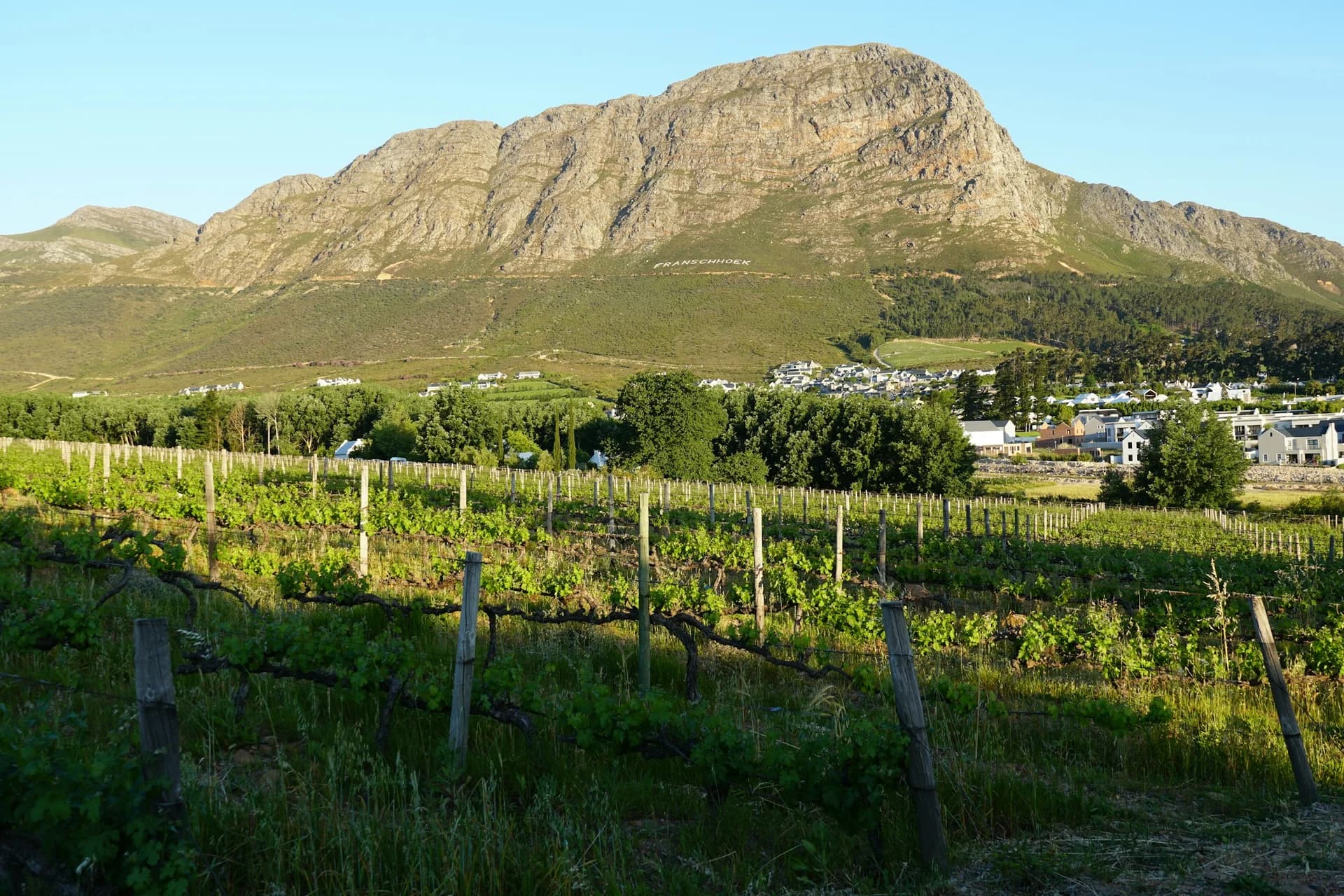
Find a coffee shop — one of those places with a chalkboard menu and a barista who nods instead of smiling — and sit outside with a flat white. R30. About $1.70. The coffee is good. Not extraordinary. But the setting — oak shade, whitewashed buildings, the Simonsberg mountain rising behind town — makes it taste better than it has any right to.
Stellenbosch was founded in 1679 by Simon van der Stel, the Dutch governor. The Cape Dutch architecture — whitewashed walls, ornamental gables, thatched roofs — dates from the 1680s to 1800s, the highest concentration of these buildings in South Africa. Vergelegen (1700), Lanzerac (1692), and Boschendal (1685) are working wine estates you can visit.
But Dorp Street isn't a museum. It's a living street with restaurants, galleries, a university bookshop, and locals who use it daily. The oak trees were planted in the early 1700s. They've been shading this same cobblestone for three centuries.
The Wine
Give the tasting rooms three days and you can comfortably work through 11 estates — use the spit bucket at most of them (the legal limit is 0.05%, and police roadblocks are common).
The standouts:
Kanonkop — Pinotage specialists. The estate Pinotage (R250-400) is dense, smoky, and unlike anything grown outside South Africa. Tasting R80 in a room that's been pouring wine for decades.
Rust en Vrede — Red blends in a 17th-century setting. The estate blend is sophisticated. Tasting R60. The on-site restaurant was once South Africa's best — it's closed for renovation, but the wines speak for themselves.
Jordan — Hilltop setting with valley views. The Chardonnay is the surprise here: cool-climate elegance from a warm-climate region. Tasting R90.
Delaire Graff — The luxury option. Panoramic views, a contemporary art collection, tasting R150. The Botmaskop blend is the trophy wine. The terrace is where the word "breathtaking" finally earns itself in the Winelands.
But the revelation is Chenin Blanc. South Africa has the world's oldest Chenin vines, and the old-vine bottlings — guava, honey, tropical fruit, but with acidity that keeps everything sharp — stand alongside anything from the Loire at a quarter of the price. Ken Forrester's FMC (R300 at the cellar door) will rewire your understanding of white wine.
The Second Morning
Walk from Dorp Street to Jonkershoek Nature Reserve — a mountain valley with fynbos vegetation, waterfalls, and hiking trails right behind Stellenbosch. Entry R55 (~$3). The Panorama Trail (9km, 3-4 hours) follows the valley with mountain and vineyard views. The Swartboskloof Trail (6km) passes through indigenous forest and swimming pools.
Take the shorter trail and you'll likely catch the fynbos — South Africa's unique shrubland with thousands of plant species found nowhere else — in bloom. Proteas, ericas, restios. The air smells like wild rosemary and damp earth.
Back in Stellenbosch by noon, showered and at Overture by 12:30 for lunch. Chef Bertus Basson's seasonal South African menu is one of the best in the Winelands — winter dishes might include slow-braised lamb neck with root vegetables, paired with a Stellenbosch Syrah. Mains R180-280.
Afternoon: the Franschhoek Wine Tram. For the best off-season experience, read our winter Cape Winelands guide (R280). The vintage tram and open-air bus circuit visits 6-8 estates across the Franschhoek Valley. La Motte's Shiraz is a highlight. Boschendal's grounds — one of the oldest Cape Dutch estates (1685) — stop you cold. The building looks like it was painted into the landscape by a Dutch master.
The Food
The Winelands aren't just wine. The food scene has exploded.
Babylonstoren in Paarl — 3.5 hectares of edible gardens (entry R20), farm-to-table restaurant Babel (mains R180-280). The slow-roasted heritage tomato dish is so simple and so perfect it's worth writing the description down on a napkin.
Fairview — also in Paarl — is famous for the goat tower (goats climbing a spiral ramp) and wine-and-cheese pairings (R100). The cheeses are made on-site from their own goats. The aged goat Gouda is world-class, and that holds up even against the cheese counters of France, Italy, and the Netherlands.
Spice Route in Paarl combines wine, craft beer (CBC Brewery), artisan chocolate (De Villiers), and charcuterie on a single estate. It's a grazing afternoon.
And then there's The Tasting Room at Le Quartier Francais in Franschhoek — ranked among Africa's best restaurants. R1,200+ per person for a multi-course tasting menu. Even just reading the menu in the window makes the wallet wince. Save it for next time.
The Third Morning
Same coffee shop. Same flat white. Same oak-shaded table on Dorp Street.
By now the barista recognizes you. Still doesn't smile. But the flat white arrives before you order.
Sit for an hour and watch Stellenbosch wake up. Students on bicycles. A delivery van backing into a 300-year-old alley. A woman arranging flowers outside a gallery.
The Winelands at their best aren't about the wine. They're about the pace. The wine is the excuse — the reason you sit down, slow down, and notice things. The gable on the building across the street. The way the morning light catches the oak leaves. The sound of ice in a glass of Chenin Blanc at 11AM on a Tuesday.
You leave Stellenbosch with six bottles wrapped in hoodies (none broken), a Fairview cheese that may not survive the flight home, and a feeling that's hard to name.
It feels like Dorp Street has been there for 300 years, waiting to pour you a R30 coffee and show you the mountain behind the oaks.
It has. And it will be.


