Utila Travel Questions Answered: Diving, Ferries, Whale Sharks and Sandflies
Utila Travel Questions Answered: Diving, Ferries, Whale Sharks and Sandflies
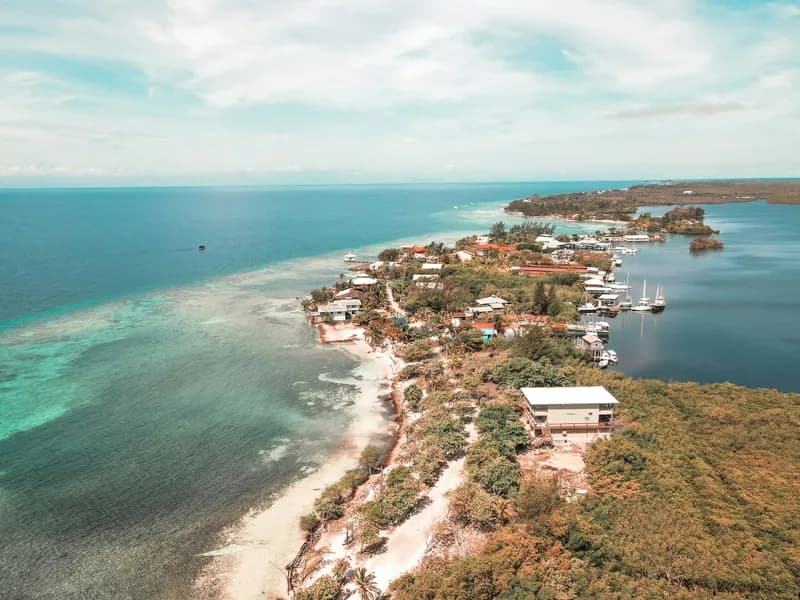
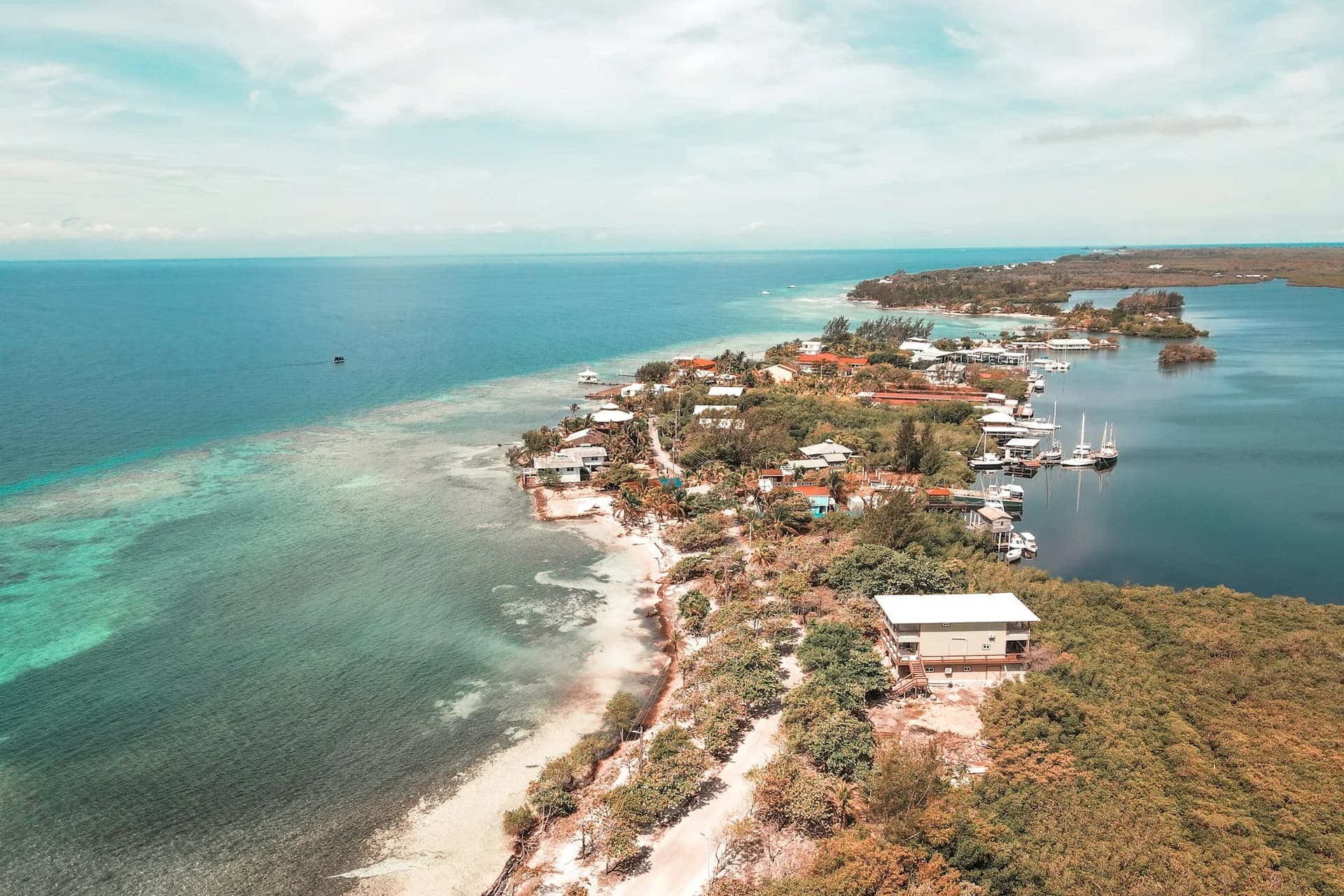
Utila is the smallest and most easygoing of Honduras's Bay Islands — a barefoot dive town on the Mesoamerican Barrier Reef, the same coral chain that runs north through Belize, where the open-water course is among the cheapest on the planet and whale sharks patrol the offshore seamounts year-round. It is also genuinely confusing to plan, because half the practical information online contradicts the other half. Here are the questions travelers ask most, answered straight.
Getting There
How do you actually get to Utila?
Most travelers fly internationally into San Pedro Sula (SAP), then reach the coastal town of La Ceiba (LCE). From La Ceiba, the Utila Princess ferry runs twice daily, takes about an hour, and costs roughly $28 each way. There are also small CM Airlines flights into Utila Airport (UII) if you would rather skip the boat. There is no direct international airport on the island itself.
Is the ferry really as bad as people say?
It can be. The Utila Princess has earned the nickname the vomit comet honestly — the crossing gets rough, especially in the afternoon when the wind picks up. Take a motion-sickness tablet before boarding, sit low and central toward the back where the pitching is gentlest, and keep your eyes on the horizon. In high season, buy your ticket the day before, because the popular departures sell out.
Do you need a visa for Honduras?
Citizens of the US, UK, EU, Canada, Australia and most Western countries enter visa-free for up to 90 days. One catch trips people up: Honduras belongs to the CA-4 agreement with Guatemala, El Salvador and Nicaragua, and those 90 days are shared across all four countries combined — they do not reset when you cross a border. Track your entry date, because overstaying means fines, and extensions are only handled on the mainland in La Ceiba, not on Utila.
Diving and the Reef
Why is Utila famous for diving?
It sits on the Mesoamerican Barrier Reef, the second-largest reef system in the world, with 80-plus dive sites — walls, swim-throughs, seamounts, and the wreck of the Halliburton, a cargo ship sunk in 1998 that rests upright at 30 metres. Visibility runs a typical 20 to 30 metres. Expect eagle rays, turtles, seahorses, and the occasional reef shark — the kind of healthy-reef cast that draws divers to Bonaire at several times the price. Standout sites include Black Hills seamount, CJ's Drop-off, and Duppy Waters.
How much does it cost to get certified?
This is the headline. A PADI Open Water course runs about $300 to $350 for three to four days, and many dive shops throw in free or discounted dorm nights while you train. That makes Utila one of the cheapest places on Earth to learn. A two-tank fun dive for already-certified divers costs roughly $50 to $70 with gear.
How do you pick a good dive shop?
The cheap prices attract a few operators who cut corners, so do not just chase the lowest number. Walk into a shop in person before paying. Look for well-maintained gear, small group sizes, oxygen and first-aid on the boat, and instructors who do not rush the course. Read recent reviews. Reputable names include Utila Dive Centre, Alton's Dive Center, and Bay Islands College of Diving. Confirm your operator pays into the island's recompression chamber — that question alone separates the serious shops from the rest.
Any diving safety rules people forget?
Never dive within 18 to 24 hours before a flight, and respect your surface intervals — the nearest advanced hospital is on the mainland. Use reef-safe sunscreen only; the standard kind is banned around the reef because it harms coral.
Whale Sharks
When can you see whale sharks?
Utila is one of very few places where whale sharks — up to twelve metres long — appear year-round, feeding on plankton at the north-side seamounts. Sightings peak in March-April and August-September. A half-day snorkel trip runs $50 to $80. Boats look for boils of feeding bonito that signal a shark below, then you slip in to snorkel alongside.
Is a sighting guaranteed?
No — these are wild animals, not a show. Some trips come up empty, others deliver the encounter of a lifetime. Booking with WSORC, the local research centre, puts your money toward protecting them. The rules are firm: no touching, keep three metres away.
Money, Bugs and Daily Life
What is the deal with cash and ATMs?
Bring cash. Utila has only a couple of ATMs — BAC is the most reliable for foreign cards — and they regularly run dry on weekends and around dive-course pay periods. Many guesthouses, dive shops and cheaper restaurants are cash-only and may add 3 to 5 percent for cards. US dollars are widely accepted, but you will often get change in lempiras at a poor rate. Withdraw early in the week.
What is the real safety risk?
Not sharks. Sandflies. These tiny no-see-um midges swarm the beaches and mangroves at dawn and dusk and leave itchy welts. Locals swear by a homemade baby-oil-and-coconut-oil mix that smothers them better than DEET. Cover up at sunset, avoid sitting directly on the sand, and pick breezy spots — sandflies hate wind. As for crime, the Bay Islands are far safer than mainland Honduras (a US Travel Advisory Level 2 zone), and Utila in particular runs relaxed.
How do you get around the island?
Walk, mostly. Utila is tiny, with essentially one main road, and town takes 15 to 20 minutes end to end. For Pumpkin Hill or the far beaches, rent a bicycle or scooter ($10 to $15 a day), grab a shared tuk-tuk (20 to 30 HNL for short hops), or rent a golf cart. No traffic lights, few cars. Carry a flashlight after dark — the roads beyond the centre are rough and unlit.
What is there to do besides dive?
Plenty. Bike to Pumpkin Hill for caves and a freshwater swimming hole. Take a water taxi to the Utila Cays and castaway-perfect Water Cay — the kind of empty, palm-fringed islet you would normally have to reach the out islands of the Bahamas to find. Visit the Iguana Research and Breeding Station, home to the critically endangered swamper iguana found nowhere else on Earth (entry around $5 to $6). Kayak the inland mangrove canal at dawn. Swim at Chepes Beach (free) or Bando Beach (small fee, includes a freshwater pool).
Quick Reference
| Question | Short Answer |
|---|---|
| Getting there | Fly to SAP, bus to La Ceiba, ferry (~$28) or CM Airlines flight |
| Ferry duration | ~1 hour; take a motion-sickness pill |
| Visa | 90 days visa-free, shared across the CA-4 countries |
| Open Water course | ~$300-350, 3-4 days, dorm often included |
| Two-tank fun dive | ~$50-70 with gear |
| Whale shark trip | ~$50-80; peak Mar-Apr and Aug-Sep |
| Currency | Lempira (HNL); USD widely accepted, bring cash |
| Biggest hazard | Sandflies — bring repellent |
| Getting around | Walk, bike/scooter ($10-15/day), or tuk-tuk |
| Best time to visit | March to September (calmest seas) |
Plan for at least four days if you want to certify, longer if the island works its usual trick and convinces you to stay.