
Colonia del Sacramento

Photo: Marcela Laskoski / Unsplash
Key Facts
Best Time to Visit
October-March (spring/summer); December-February warmest but busiest with Argentine visitors
Language
Spanish (Rioplatense dialect, similar to Argentine Spanish)
Currency
Uruguayan Peso (UYU); USD and Argentine Pesos widely accepted
Time Zone
Uruguay Time (UTC-3, no DST)
Airport
Montevideo Carrasco International (MVD), 180km east; most visitors arrive by ferry from Buenos Aires (BUE)
Population
27,000 (city proper)
Climate
Humid subtropical, summers 18-30°C, winters 5-14°C, moderate rainfall year-round
Safety Rating
Very Safe (Level 1) — Uruguay is South America's safest country
UNESCO Status
Historic Quarter inscribed as World Heritage Site in 1995 — oldest town in Uruguay (founded 1680)
Top Highlights
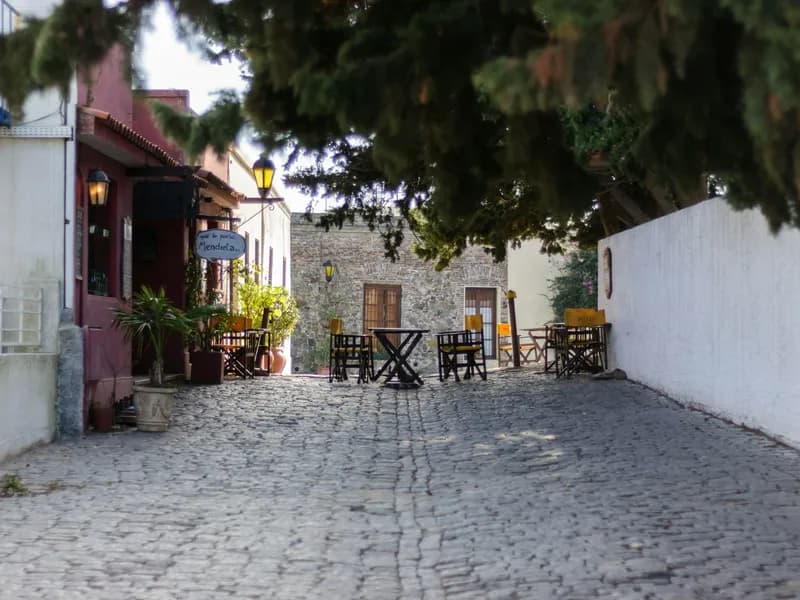
Barrio Histórico (UNESCO Old Quarter)
A beautifully preserved colonial quarter founded by the Portuguese in 1680, with cobblestone streets (Calle de los Suspiros is the most photographed), thick stone walls, and a blend of Portuguese and Spanish architecture. Free to wander. The Portón de Campo (city gate) marks the entrance. Flower-covered ruins, art galleries, and hidden courtyards around every corner. Allow 2-3 hours to explore on foot.
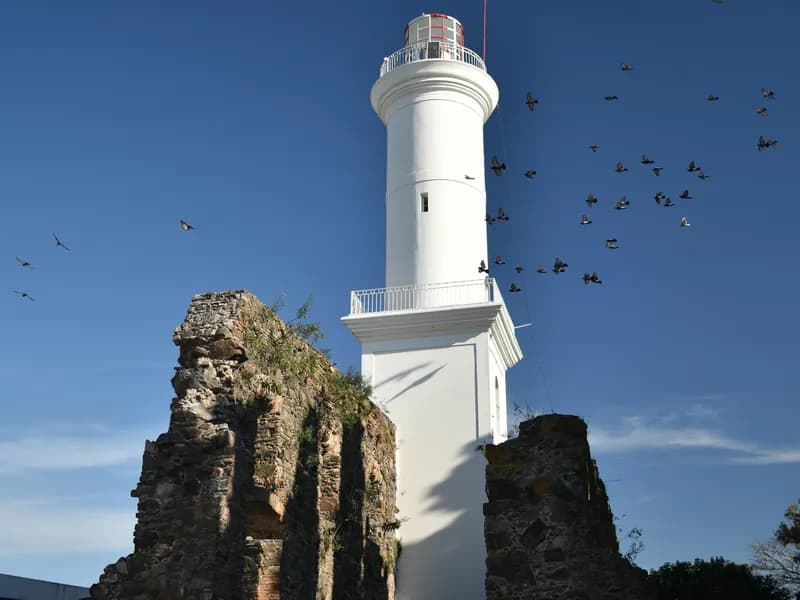
Faro de Colonia (Lighthouse)
A 19th-century lighthouse built atop the ruins of the Convento de San Francisco, offering panoramic views of the old town and the Rio de la Plata (on clear days you can see Buenos Aires). Entry: UYU $50 (~$1.20). Climb the narrow spiral staircase — it's tight but worth it. Open daily 11AM-sunset. Best at golden hour for photography. The convent ruins below are atmospheric and free to explore.
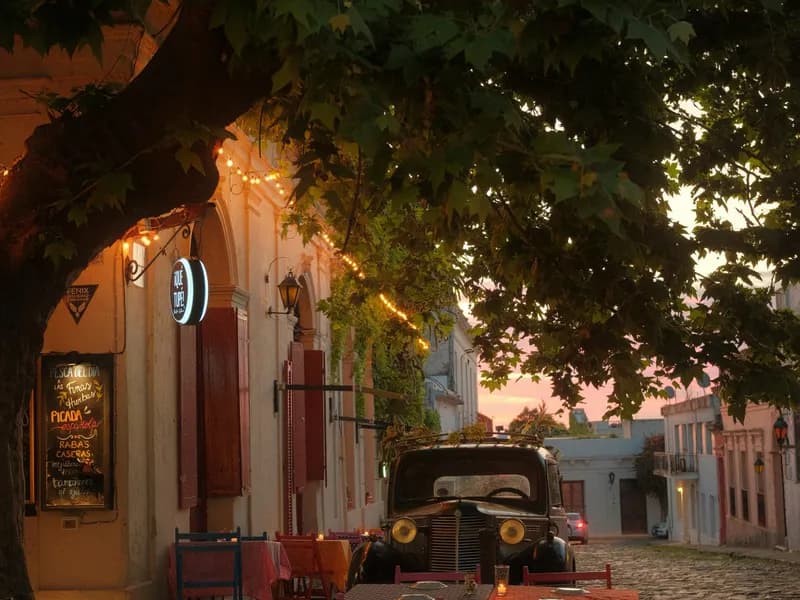
Vintage Cars of Colonia
Dozens of beautifully preserved vintage cars from the 1920s-1960s are parked as permanent displays throughout the old quarter — a photographer's dream against the colonial backdrops. Free to photograph. The Museo del Automóvil (UYU $60/~$1.50) has a curated collection of classic cars. Many are actual registered vehicles still driven by locals. The 1930s Fords along Calle de los Suspiros are iconic.
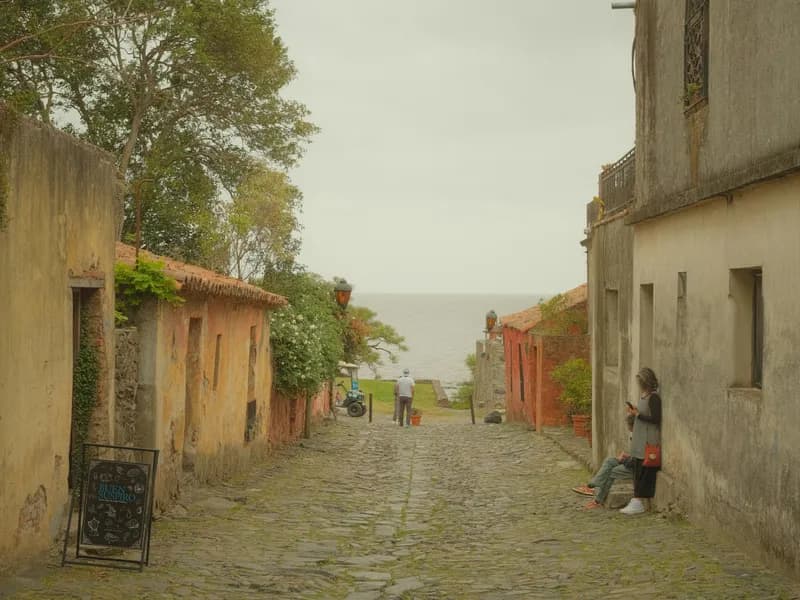
Calle de los Suspiros (Street of Sighs)
Colonia's most famous street — a short, narrow cobblestone lane flanked by Portuguese colonial houses painted in faded pastels. The name's origin is debated: romantic sighs, prisoners' sighs, or the sound of the river breeze. Free. At the end, the street opens to a river view. Busiest midday when day-trippers arrive — visit early morning or at sunset for atmospheric photos without crowds.
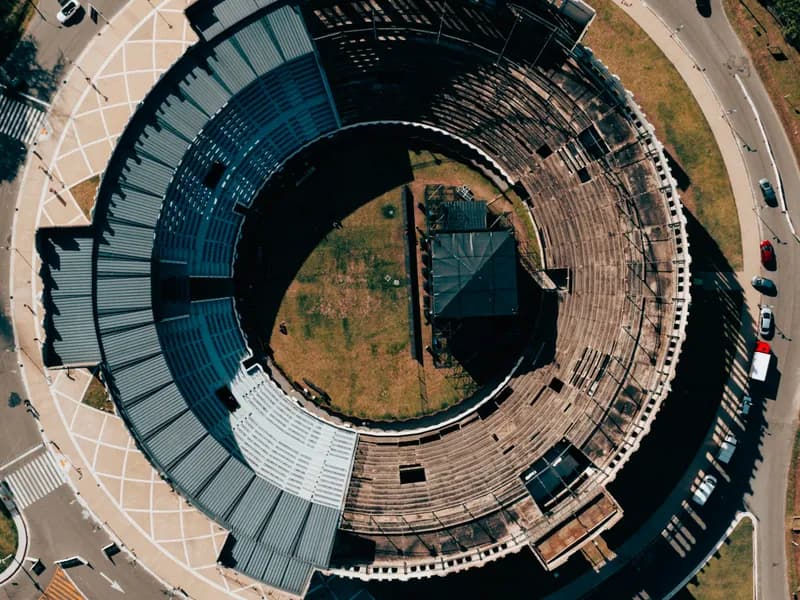
Plaza de Toros Real de San Carlos
A crumbling 10,000-seat bullring built in 1910 by Argentine entrepreneur Nicolás Mihanovich — it was used for only two years before Uruguay banned bullfighting. Now a hauntingly photogenic ruin 5km from the old town. Free exterior access. The adjacent area includes the remains of a racecourse and jai alai court from the same era. Best visited by rented scooter or bicycle.
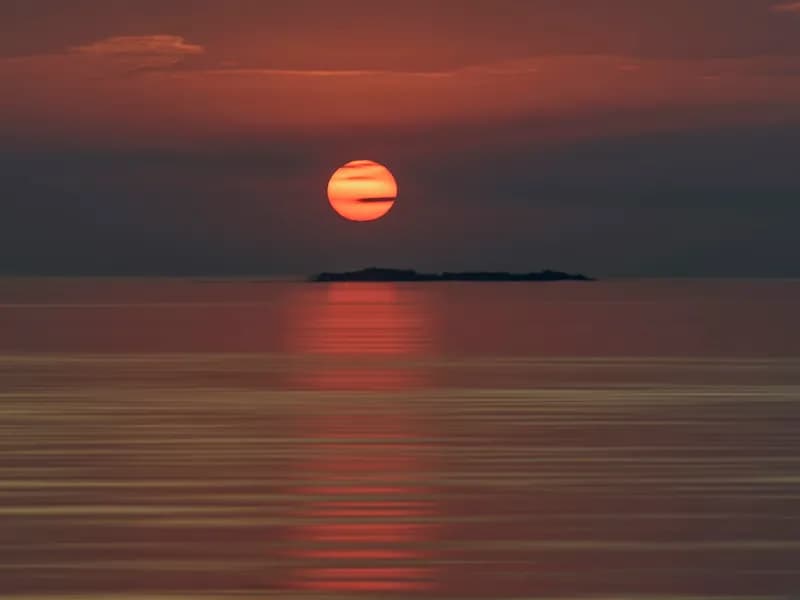
Sunset over the Rio de la Plata
The western-facing waterfront delivers spectacular sunsets over the world's widest river. Best viewpoints: the rocks behind the Bastion del Carmen hotel (free), the lighthouse area, or the beach at Playa Ferrando. Grab a bottle of Tannat wine (Uruguay's signature grape, from UYU $200/~$5 at any wine shop) and join locals on the waterfront wall. The light turns the colonial buildings golden.
Planned Itinerary
7-Day Colonia del Sacramento Itinerary
Arrival by Ferry from Buenos Aires
Take the high-speed ferry across the Rio de la Plata from Buenos Aires and step back three centuries into Colonia's cobblestone streets.
Ferry from Buenos Aires to Colonia(1 hour)
Buquebus or Colonia Express high-speed ferry (1 hour, $40-80 USD roundtrip). Book online — walk-up prices are higher. Buquebus from Puerto Madero; Colonia Express nearby. Pack light — luggage goes through security screening. The ferry terminal in Colonia is a 10-minute walk from the old quarter
Check into old town hotel(1 hour)
Budget: El Viajero Hostel (UYU $1,200/~$30). Mid-range: Posada del Gobernador (UYU $3,500/~$87). Splurge: Charco Hotel (UYU $6,000/~$150). Stay inside the Barrio Histórico for atmosphere — day-trippers leave by 5PM and the streets are yours
Lunch at El Drugstore(1.5 hours)
Quirky restaurant at the Portón de Campo (city gate) with eclectic decor and river views. Chivito (Uruguay's national sandwich — steak, ham, cheese, egg, $15-18), picada platters for sharing ($12-15). Good wine list
First walk through Barrio Histórico(1.5 hours)
Enter through the 1745 Portón de Campo. Cobblestone streets, Portuguese colonial houses in faded pastels, flower-covered ruins, and vintage cars parked as permanent displays. Calle de los Suspiros is the most photographed lane. Free to wander. Allow 2 hours to absorb the atmosphere
Sunset over the Rio de la Plata(1 hour)
Walk to the rocks behind the Bastion del Carmen hotel for the best sunset views. On clear days you can see Buenos Aires across the world's widest river. Grab a bottle of Tannat wine (Uruguay's signature grape, UYU $200/~$5 at any wine shop) and join locals on the waterfront wall
Historic Quarter Deep Dive
Explore every corner of the UNESCO World Heritage old quarter — museums, lighthouse, convents, and hidden courtyards.
Faro de Colonia (Lighthouse)(45 minutes)
19th-century lighthouse on the ruins of the Convento de San Francisco. Climb the narrow spiral staircase for panoramic views (on clear days see Buenos Aires). UYU $50/~$1.20. Best at golden hour. The convent ruins below are atmospheric and free
Museo Portugués(45 minutes)
Small museum in a Portuguese colonial house with period furniture, maps, and artifacts from the founding era (1680). UYU $50. The building itself is as interesting as the collection
Museo del Automóvil(30 minutes)
Curated collection of classic cars from the 1920s-1960s. UYU $60/~$1.50. Many of the vintage cars parked in the old quarter streets are registered and still driven
Lunch at Charco Bistró(1.5 hours)
Upscale riverside restaurant. Creative Uruguayan cuisine — lamb with polenta ($22), fish of the day ($20). Terrace overlooking the water. Reservations recommended for dinner
Calle de los Suspiros at golden hour(45 minutes)
Return to the Street of Sighs in late afternoon light. The faded pastel houses glow. The street opens to a river view at the end. Visit early morning or sunset to avoid midday day-trippers
Evening walk — empty old quarter(1 hour)
After 5PM the day-trippers return to Buenos Aires and the old quarter is yours. The atmospheric streets lit by antique lamps, cats on warm cobblestones, and the sound of the river make evening the best time to explore
Real de San Carlos & Beaches
Explore beyond the old quarter — the crumbling bullring, racecourse ruins, and the beaches north of town.
Rent a bike or golf cart(30 minutes)
Shops near the ferry terminal. Bikes UYU $400/day (~$10), golf carts UYU $1,500-2,000/day (~$37-50), electric scooters UYU $800/day (~$20). The town is flat with bike lanes along the waterfront
Plaza de Toros Real de San Carlos(1 hour)
Crumbling 10,000-seat bullring built 1910 — used only 2 years before Uruguay banned bullfighting. Hauntingly photogenic ruin. Free exterior access. Adjacent racecourse and jai alai court from the same era. 5km from old town
Playa Ferrando(2 hours)
Sandy beach north of the old town. Calm river water (not ocean surf). Beach bars, shallow wading area. Free. The sunset from here is excellent
Lunch at La Florida(1.5 hours)
Near the beaches. Parrilla (Uruguayan BBQ) with river views. Asado de tira (short ribs, $16), chorizos ($8), and a pitcher of clericó (white wine sangria, $12). Weekend crowds but worth it
Evening at Barbot restaurant(1.5 hours)
Intimate restaurant in the old quarter. Pasta with local mushrooms ($18), Tannat wine by the glass ($5-8). Candlelit and atmospheric
Rest Day — Wine, Art & River
Slow day exploring Colonia's wine culture, art galleries, and the peaceful riverfront at your own pace.
Late morning coffee at La Tortuguita(1 hour)
Coffee and pastries at this charming cafe in the old quarter. Medialunas (croissants, UYU $60), cappuccino (UYU $130). The garden seating is peaceful
Tannat wine tasting(1.5 hours)
Several wine shops in the old quarter offer tastings. Uruguay's signature Tannat grape produces deep, bold reds. Flights from UYU $200/~$5. Bodega Narbona (20km north) offers vineyard tours by appointment — an excellent half-day excursion
Art gallery walk(1 hour)
The old quarter has several small galleries featuring Uruguayan and Argentine artists. Most are free. The gallery on Misiones de los Tapes has interesting contemporary work
Lunch at El Porton(1.5 hours)
Traditional Uruguayan food near the city gate. Milanesa (breaded steak, $12), empanadas ($3 each), and local beer. Generous portions
Afternoon at the riverfront(2 hours)
Walk the waterfront promenade, find a bench, read, watch boats. The Rio de la Plata is not technically a river — it is an estuary, 220km wide at Buenos Aires. The peacefulness is restorative
Day Trip to Carmelo Wine Region
Drive 75km northwest to Carmelo — Uruguay's Napa Valley equivalent with boutique wineries and a river delta.
Drive or arrange transport to Carmelo(1.5 hours)
75km on Ruta 21. Rent a car or arrange a taxi/tour (UYU $3,000-4,000 round trip). Carmelo is a small wine town on the delta of the Río de la Plata
Bodega Narbona(2 hours)
A stunning wine estate with tasting room, restaurant, and boutique hotel. Full tasting (UYU $500/~$12) of Tannat, Petit Verdot, and blends. The estate vineyard is beautiful. Book ahead at narbonawinelodge.com
Lunch at Narbona(1.5 hours)
The restaurant uses estate-grown ingredients. Lamb, homemade pasta, and paired wines. Menu ejecutivo ~$25. One of Uruguay's finest wine-country dining experiences
El Legado winery(1 hour)
A smaller, family-run bodega with a more intimate tasting experience. UYU $300-400 for tasting with cheese. The winemaker often pours personally
Colonia at Dawn & Cultural Day
Experience the old quarter in early morning magic, then explore Colonia's less-visited cultural sites.
Dawn walk through empty Barrio Histórico(1 hour)
Before 8AM the quarter is deserted. Cats stretching on cobblestones, morning light on colonial walls, the lighthouse silhouette. The best time for atmospheric photography
Bastion del Carmen archaeological site(45 minutes)
The remains of the city wall and fortifications. Small excavation showing layers of Portuguese, Spanish, and Brazilian occupation. Free. Near the hotel of the same name
Lunch at Buen Suspiro(1.5 hours)
Near Calle de los Suspiros. Home-cooked Uruguayan food. Guiso (stew, $10), homemade pasta ($12). Unpretentious and delicious
Bike the waterfront to Riachuelo(2 hours)
Ride the flat coastal bike path 8km east to the small farming community of Riachuelo. Fields of cattle, rural estancias, and the wide river. A glimpse of rural Uruguay beyond the tourist zone
Final sunset from your favorite spot(1 hour)
The lighthouse, Bastion del Carmen rocks, or Playa Ferrando — wherever moved you most. Tannat wine and the last golden light
Departure Day
Final morning in Colonia before catching the ferry back to Buenos Aires or onwards to Montevideo.
Last dawn walk in the old quarter(45 minutes)
One more morning with the cobblestones to yourself
Breakfast at La Tortuguita(45 minutes)
Final medialunas and cappuccino in the garden
Last-minute shopping(45 minutes)
Pick up a bottle of Tannat (UYU $200-500), dulce de leche (UYU $100-200), and any handcrafted souvenirs from the old quarter shops
Ferry to Buenos Aires or bus to Montevideo(1.5 hours)
Ferry to BA (1 hour, $40-80) or bus to Montevideo (2.5 hours, UYU $400/~$10). The Montevideo route passes through the countryside. If heading to Montevideo, visit the Mercado del Puerto and Ciudad Vieja
14-Day Colonia del Sacramento Itinerary
Arrival by Ferry
Cross from Buenos Aires to Colonia's cobblestone colonial streets.
Ferry from Buenos Aires(1 hour)
Buquebus or Colonia Express. 1h, $40-80 roundtrip. Book online. Terminal is 10-min walk to old quarter
Check in(1 hour)
El Viajero ($30), Posada del Gobernador ($87), Charco Hotel ($150). Stay inside Barrio Histórico
El Drugstore lunch(1.5 hours)
Portón de Campo. Chivito $15-18, picada $12-15
First old quarter walk(1.5 hours)
Portón de Campo, cobblestones, Calle de los Suspiros. Free
Rio de la Plata sunset(1 hour)
Bastion del Carmen rocks. Tannat wine UYU $200 bottle
Historic Quarter Deep Dive
UNESCO old quarter — lighthouse, museums, hidden courtyards.
Lighthouse (Faro)(45 minutes)
UYU $50. Panoramic views. Buenos Aires visible on clear days
Museo Portugués(45 minutes)
UYU $50. Period furniture, maps. Building is the exhibit
Museo del Automóvil(30 minutes)
UYU $60. Classic 1920s-60s cars
Charco Bistró lunch(1.5 hours)
Riverside. Lamb $22, fish $20. Reserve for dinner
Evening empty streets(1 hour)
Day-trippers gone by 5PM. Antique lamps, cats, river sounds
Real de San Carlos & Beaches
Crumbling bullring, sandy beaches, and Uruguayan BBQ.
Rent bike or golf cart(30 minutes)
Bikes UYU $400/day, golf carts UYU $1,500-2,000/day
Plaza de Toros(1 hour)
10,000-seat bullring ruins (1910). Free exterior. Photogenic
Playa Ferrando(2 hours)
Sandy beach. Calm river. Beach bars. Free
La Florida lunch(1.5 hours)
Parrilla. Asado de tira $16, clericó pitcher $12
Evening at Barbot(1.5 hours)
Pasta with mushrooms $18. Candlelit old quarter
Rest Day — Wine & Art
Slow exploration of wine, galleries, and the riverfront.
La Tortuguita coffee(1 hour)
Medialunas UYU $60. Garden seating
Tannat wine tasting(1.5 hours)
Old quarter shops. Flights from UYU $200
Art galleries(1 hour)
Small galleries with Uruguayan/Argentine artists. Free
El Porton lunch(1.5 hours)
Milanesa $12, empanadas $3
Carmelo Wine Region
Boutique wineries and river delta dining.
Drive to Carmelo(1.5 hours)
75km NW. Car or taxi UYU $3,000-4,000 round trip
Bodega Narbona(2 hours)
Tasting UYU $500. Tannat, Petit Verdot. Book at narbonawinelodge.com
Narbona lunch(1.5 hours)
Estate ingredients. Lamb, pasta, paired wines. ~$25
El Legado winery(1 hour)
Family-run. UYU $300-400. Winemaker pours personally
Dawn Quarter & Cultural Sites
Early morning magic and less-visited cultural landmarks.
Dawn old quarter walk(1 hour)
Before 8AM. Cats, light, silence. Best photography
Bastion del Carmen archaeology(45 minutes)
City wall remains. Portuguese, Spanish, Brazilian layers. Free
Buen Suspiro lunch(1.5 hours)
Guiso $10, homemade pasta $12
Bike to Riachuelo(2 hours)
8km east. Farming community. Rural Uruguay beyond tourism
Montevideo Day Trip
Bus 2.5 hours east to Uruguay's vibrant capital — Mercado del Puerto, Ciudad Vieja, and the Rambla.
Bus to Montevideo(2.5 hours)
UYU $400/~$10. COT or Turil companies. Comfortable coaches
Mercado del Puerto(2 hours)
Historic iron-framed market hall with asado grills, seafood counters, and character. Lunch at any counter — the medio y medio (half sparkling wine, half white wine) is the traditional drink. Chivito or grilled fish $12-18
Ciudad Vieja walk(1.5 hours)
Montevideo's historic center. Plaza Independencia, the Solís Theatre (free tours), and the pedestrianized Sarandí street with galleries and cafes
Rambla waterfront walk(1 hour)
The 22km coastal promenade is Montevideo's pride. Walk the section from Ciudad Vieja to Pocitos for river views and the Playa Pocitos neighborhood with its Art Deco buildings
Second Rest Day
No plans. The magic of staying overnight in Colonia is the pace.
Bodega Bernardi & Rural Uruguay
Visit a small family winery outside Colonia and explore the pastoral countryside.
Drive to Bodega Bernardi(30 minutes)
15km north of Colonia. Family-owned winery producing Tannat, Merlot, and a unique Marselan. Tours by appointment (UYU $400/~$10). The winemaker usually hosts personally. Much more intimate than Carmelo's larger estates
Rural estancia lunch(2 hours)
Some estancias near Colonia offer lunch experiences with traditional asado (UYU $1,200-2,000/~$30-50). Gaucho culture, horses, and wide-open pampa. Ask your hotel to arrange — several farms take visitors
Sacramento River & Nature
Explore the natural surroundings — the Sacramento River, bird-rich wetlands, and forest trails.
Sacramento River walk(2 hours)
Follow the river east of town through parkland and wetlands. Herons, kingfishers, and coypus (large rodents). Binoculars recommended. Free
Granja Colonia(1.5 hours)
A small eco-farm open to visitors. Organic produce, cheese-making demonstrations, and farm animals. UYU $200-300 entry with tastings. Good for families or anyone interested in sustainable agriculture
Lunch at Viejo Barrio(1.5 hours)
Casual restaurant in the new town. Local dishes, pizza, and cold beer. $10-15 per person. Where locals eat
Colonia Photography Day
Dedicated to capturing the old quarter in every light condition.
Pre-dawn blue hour at lighthouse(1 hour)
Arrive before sunrise for the lighthouse silhouette against the lightening sky. The convent ruins in pre-dawn light are hauntingly beautiful
Morning light on Calle de los Suspiros(1 hour)
The pastel houses glow differently in morning versus afternoon. The vintage car at the top of the street is a perfect foreground element
Midday streets (for the tourist-free period)(1 hour)
Oddly, the midday siesta means the old quarter is quiet between 1-3PM when most visitors are at lunch
Golden hour session(2 hours)
The western-facing streets and waterfront glow from 5-7PM. The vintage cars against colonial walls in golden light are the classic Colonia shot
Night photography(1 hour)
Antique street lamps illuminate cobblestones. Long exposures of the lighthouse and empty streets
Third Rest Day
A week and a half in. Deep relaxation.
Farewell Colonia
Last full day — revisit favorites and soak in the atmosphere one final time.
Souvenir shopping(1 hour)
Tannat wine, dulce de leche, handcrafted ceramics and leather goods from the old quarter
Farewell lunch at El Drugstore(1.5 hours)
Return to where you started. Chivito and river views
Final sunset at Bastion del Carmen(1 hour)
Tannat, the river, and the last golden light on the oldest town in Uruguay
Departure Day
Final morning before the ferry or bus.
Ferry to Buenos Aires or bus to Montevideo(1.5 hours)
Ferry 1h ($40-80) or bus to MVD (2.5h, UYU $400)
21-Day Colonia del Sacramento Itinerary
Arrival by Ferry
Cross from Buenos Aires to Colonia.
Ferry from Buenos Aires(1 hour)
Buquebus/Colonia Express. 1h, $40-80 roundtrip. Terminal 10-min walk to old quarter
Check in(1 hour)
El Viajero ($30), Posada del Gobernador ($87), Charco ($150)
El Drugstore lunch(1.5 hours)
Chivito $15-18
First old quarter walk(1.5 hours)
Portón de Campo, Calle de los Suspiros. Free
Sunset at Bastion del Carmen(1 hour)
Tannat wine UYU $200
Historic Quarter
Lighthouse, museums, hidden courtyards.
Lighthouse(45 minutes)
UYU $50. Panoramic views
Museo Portugués(45 minutes)
UYU $50
Museo del Automóvil(30 minutes)
UYU $60. Classic cars
Charco Bistró lunch(1.5 hours)
Lamb $22. Riverside
Real de San Carlos & Beaches
Bullring ruins and sandy beaches.
Rent bike(30 minutes)
UYU $400/day
Plaza de Toros(1 hour)
1910 ruins. Free exterior
Playa Ferrando(2 hours)
Sandy. Calm river. Beach bars
La Florida parrilla lunch(1.5 hours)
Asado $16, clericó $12
Barbot dinner(1.5 hours)
Pasta $18. Candlelit
Rest Day
Wine, art, river.
La Tortuguita coffee(1 hour)
Medialunas UYU $60
Wine tasting(1.5 hours)
Tannat flights UYU $200
El Porton lunch(1.5 hours)
Milanesa $12
Carmelo Wineries
Boutique wineries and river delta.
Drive to Carmelo(1.5 hours)
75km NW
Bodega Narbona(2 hours)
Tasting UYU $500
Narbona lunch(1.5 hours)
Estate. ~$25
El Legado(1 hour)
Family-run. UYU $300-400
Dawn Quarter & Riachuelo
Early morning magic and rural bike ride.
Buen Suspiro lunch(1.5 hours)
Guiso $10
Bike to Riachuelo(2 hours)
8km east. Rural Uruguay
Montevideo Day Trip
Uruguay's capital — Mercado del Puerto, Ciudad Vieja, Rambla.
Bus to Montevideo(2.5 hours)
UYU $400
Mercado del Puerto(2 hours)
Asado grills, medio y medio. Lunch $12-18
Ciudad Vieja(1.5 hours)
Plaza Independencia, Solís Theatre, Sarandí street
Rambla walk(1 hour)
22km promenade. Pocitos Art Deco
Second Rest Day
No plans. The pace is the point.
Bodega Bernardi & Estancia
Small family winery and gaucho estancia lunch.
Bodega Bernardi(1.5 hours)
15km north. Tannat, Marselan. UYU $400. Intimate
Estancia lunch(2 hours)
Asado, gaucho culture. UYU $1,200-2,000. Hotel can arrange
Sacramento River & Nature
River walk, wetland birds, and eco-farm visit.
Sacramento River walk(2 hours)
Herons, kingfishers, coypus. Binoculars. Free
Granja Colonia(1.5 hours)
Eco-farm. Cheese demos. UYU $200-300
Viejo Barrio lunch(1.5 hours)
Local restaurant. $10-15. Where locals eat
Photography Day
Capture the old quarter in every light.
Pre-dawn blue hour(1 hour)
Lighthouse silhouette. Convent ruins
Midday quiet period(1 hour)
1-3PM siesta. Empty streets
Night photography(1 hour)
Street lamps, long exposures
Third Rest Day
Deep relaxation.
Buenos Aires Day Trip
Take the morning ferry to Buenos Aires for a full day exploring the Argentine capital.
Morning ferry to Buenos Aires(1 hour)
Depart 7-8AM. $40-80 roundtrip
San Telmo Market and antiques(2 hours)
Sunday is best (outdoor flea market) but the covered Mercado de San Telmo is open daily. Antiques, vintage, tango memorabilia. Empanadas from any stall ($1-2)
Lunch at El Obrero in La Boca(1.5 hours)
A hidden bodegón (neighborhood restaurant) loved by Boca Juniors fans. No menu — the waiter tells you what is cooking. Bife de chorizo (steak, AR$8,000/~$8), house wine. Authentic Buenos Aires dining. Cash only
Recoleta Cemetery(1.5 hours)
The ornate cemetery of Argentina's elite — including Eva Perón's tomb. A city of miniature marble palaces. Free. Near the Recoleta Cultural Center and MALBA art museum
Evening ferry back to Colonia(1 hour)
Return on the evening sailing. The ferry ride at sunset is beautiful
Colonia Food & Market Day
Explore local food culture, the small municipal market, and Uruguayan culinary traditions.
Colonia Municipal Market(1 hour)
Small but lively morning market. Fresh produce, cheese, dulce de leche, and baked goods. Best before 10AM. A window into local Colonia life beyond tourism
Dulce de leche tasting(45 minutes)
Uruguay and Argentina both claim dulce de leche. Several shops sell artisanal versions — spreadable, firm, with chocolate. Buy jars to take home (UYU $100-200)
Chivito workshop lunch(2 hours)
Some restaurants offer informal cooking lessons. Learn to make the chivito (steak sandwich), the national dish. Ask your hotel to recommend a cook who gives informal lessons
Dinner at La Bodeguita(1.5 hours)
Seafood restaurant in the old quarter. River fish, mussels, and a good wine list. $15-25
Fourth Rest Day
No agenda. Two weeks of Colonia's rhythm.
Fray Bentos Day Trip
Drive 160km north to Fray Bentos — the UNESCO-listed industrial heritage site where canned corned beef was invented.
Drive to Fray Bentos(2.5 hours)
160km north on Ruta 2. Rent a car or arrange transport. This is deep Uruguay — flat pampas, eucalyptus, and cattle
Anglo Industrial Heritage Site (UNESCO)(2.5 hours)
The Liebig Extract of Meat Company / Anglo meat-processing plant is a fascinating UNESCO site. The factory that produced Fray Bentos corned beef for the British Empire (1865-1979) is preserved as an industrial museum. Free/small donation. Guided tours explain the technology and social history. Unexpectedly compelling
Lunch in Fray Bentos(1 hour)
Parrilla on the Rio Uruguay waterfront. Grilled lamb (cordero) is the specialty here. $10-15
Conchillas Ghost Town
Visit a nearby 19th-century company town built by British railroad workers, now a quiet hamlet.
Drive to Conchillas(1 hour)
50km northwest. A small village built in the 1880s by the Walker & Co construction firm for British and Italian workers building the port of Buenos Aires. The company-built houses, church, and hotel remain
Walk through Conchillas(2 hours)
The stone quarry where limestone was extracted for Buenos Aires' port infrastructure. The English-style houses are unique in Uruguay. The old hotel and company store are well-preserved. Almost no tourists. A photographer's dream of faded industrial heritage
Lunch at a local almacén(1 hour)
Simple village store-restaurant. Milanesa, chivito, beer. $8-12
Fifth Rest Day
Three weeks. You are now a local.
Mate & Gaucho Culture
Immerse in Uruguay's defining cultural tradition — the communal drinking of mate.
Buy a mate and bombilla set(1 hour)
Visit a yerba mate shop. A gourd (UYU $200-800) and metal straw (bombilla, UYU $200-500). The shopkeeper will teach you the correct preparation — no sugar, 70°C water, and the cebador serves everyone. Mate is not just a drink — it is a social ritual
Practice mate on the riverfront(1.5 hours)
Fill a thermos with hot water (every cafe and gas station in Uruguay has a hot water dispenser for this purpose). Sit on the waterfront and drink mate like a Uruguayan. You will be approached by locals who appreciate a foreigner learning the ritual
Horseback riding near Colonia(2 hours)
Several estancias offer horseback rides through the countryside (UYU $1,500-2,500/~$37-62). The flat pampa extends to the horizon. Ask your hotel to arrange — some include asado lunch
Farewell Colonia
Last full day in the oldest town in Uruguay.
Dawn walk(1 hour)
One final empty-streets morning
Lighthouse climb(30 minutes)
Last panoramic view
Souvenir shopping(1 hour)
Tannat, dulce de leche, mate set
Final sunset at Bastion del Carmen(1 hour)
Where it started. Where it ends. Tannat, the river, and golden light
Departure Day
Final morning before leaving.
Ferry to BA or bus to Montevideo(1.5 hours)
Ferry 1h ($40-80) or bus to MVD (2.5h, UYU $400). Safe travels from South America's most peaceful country
Travel Tips
transport
Ferry from Buenos Aires Is the Best Way
Buquebus and Colonia Express run high-speed ferries from Buenos Aires (1 hour, $40-80 USD roundtrip) and slower ferries (3 hours, $25-50). Book online — walk-up prices are higher. Buquebus departs from Puerto Madero; Colonia Express from nearby. Pack light — luggage goes through security screening. The ferry terminal in Colonia is a 10-minute walk from the old quarter.
Rent a Golf Cart or Scooter for the Full Island
The old quarter is compact and walkable, but to reach the beaches, Real de San Carlos bullring ruins, and outlying areas, rent a golf cart (UYU $1,500-2,000/day, ~$37-50) or electric scooter (UYU $800/day, ~$20) from shops near the ferry terminal. Bicycles are also available (UYU $400/day, ~$10). The town is flat with dedicated bike lanes along the waterfront.
Budget
Uruguay Is More Expensive Than Argentina — Plan Accordingly
Due to Uruguay's stronger economy, prices are 30-50% higher than Buenos Aires for similar quality. A restaurant dinner: UYU $800-1,500 (~$20-37). Hotels in the old quarter: UYU $3,000-6,000/night (~$75-150). Save by visiting as a day trip from Buenos Aires, eating lunch specials (menu ejecutivo, UYU $400-600), and staying in newer neighborhoods outside the historic center.
Local Customs
Day Trip or Overnight — Both Work
Most visitors come as a day trip from Buenos Aires, arriving on the morning ferry and returning by evening. The old quarter can be covered in 4-5 hours. However, staying overnight transforms the experience — the day-trippers leave by 5PM and you get the atmospheric streets to yourself at sunset and dawn. Weekend nights have live music in the plaza. Midweek is quieter and cheaper.
Visa & Entry
Most Nationalities Enter Visa-Free for 90 Days
US, Canadian, EU, UK, and Australian citizens get 90-day visa-free entry to Uruguay. If arriving by ferry from Argentina, you'll clear immigration on both sides — have your passport ready. Uruguay stamps both in and out. Currency exchange is available at the Colonia ferry terminal but rates are better at cambios in town or ATMs (Banred network).
Safety
One of South America's Safest Destinations
Uruguay consistently ranks as South America's safest and most stable country. Colonia is especially tranquil — violent crime is virtually unheard of. Normal precautions apply: don't leave valuables unattended on the beach, be aware of pickpockets near the ferry terminal during busy periods. Tap water is safe to drink throughout Uruguay.
Ready to explore Colonia del Sacramento?
Get AI-powered recommendations for your trip
Plan a Trip to Colonia del SacramentoRelated Articles
Travel Guides10 Things to Do in Colonia del Sacramento (Beyond Photographing the Cobblestones)
The ferry from Buenos Aires takes an hour and drops you three centuries back in time. Here are 10 things to do in Colonia del Sacramento — from the Street of Sighs to sunset over the widest river on earth — with the practical details sorted.
Travel GuidesColonia del Sacramento for Architecture Lovers: Portuguese, Spanish, and the Beautiful Decay Between
A UNESCO town where Portuguese colonial walls crumble into Spanish colonial floors, and vintage cars rot beautifully on cobblestone streets. This is the architecture nerd's dream day trip.
Travel GuidesColonia del Sacramento vs. Montevideo: Which Uruguay Day Trip from Buenos Aires?
Both are a ferry ride from Buenos Aires. One is a colonial time capsule, the other is a capital city with attitude. Here's how to choose.
Travel GuidesEverything You Need to Know About Colonia del Sacramento — 15 Questions Answered
Is it worth the ferry ride? How long do you need? Can you use Argentine pesos? A complete Q&A for first-time visitors.