
Havana

Photo: Spencer Everett / Unsplash
Key Facts
Best Time to Visit
November to April (dry season, 21-28°C, less humidity)
Language
Spanish (limited English outside tourist areas)
Currency
Cuban Peso (CUP) — tourists often use EUR or USD cash
Time Zone
CST (UTC-5), CDT (UTC-4) in summer
Airport
Jose Marti International (HAV)
Population
2.1 million (city proper)
Climate
Tropical, avg 25-30°C year-round, hurricane season June-November
Safety Rating
Generally Safe (Level 2) — petty scams targeting tourists common
UNESCO Sites
Old Havana and its Fortification System (UNESCO World Heritage since 1982)
Top Highlights
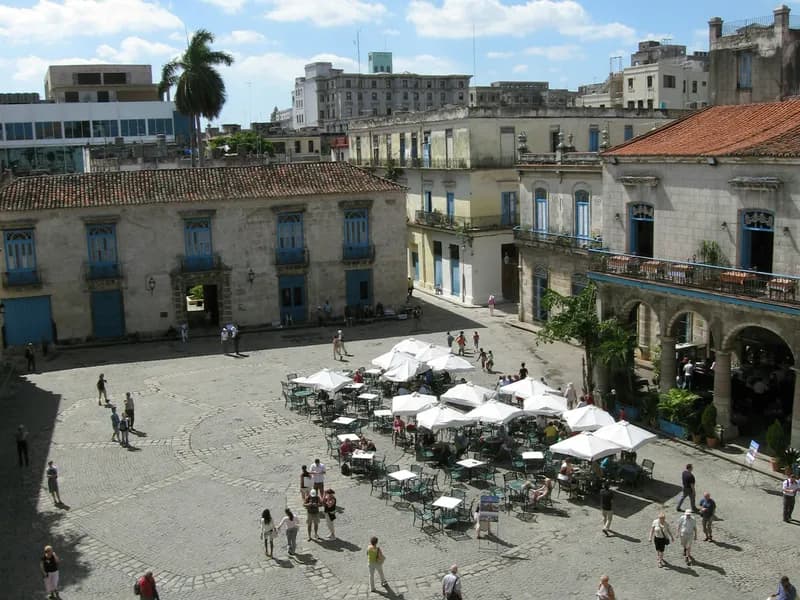
Old Havana (Habana Vieja)
UNESCO-listed colonial quarter with baroque churches, elegant plazas, and pastel-painted buildings dating to the 1500s. Free to wander. Key squares: Plaza de la Catedral, Plaza Vieja, Plaza de Armas. Allow half a day minimum. Best explored on foot — streets are narrow and pedestrian-friendly.

The Malecon
Havana's iconic 8-km seawall promenade stretching from Old Havana to Vedado. Free to walk anytime. Best at sunset when locals gather to socialize, play music, and fish. Classic car photo ops everywhere. Allow 1-2 hours for a full walk, or sit and people-watch with a rum cocktail from a nearby bar.

El Floridita Bar
Hemingway's favorite daiquiri bar since the 1930s — his bronze statue still sits at the end of the counter. Frozen daiquiri: ~6 USD. Open daily 11AM-midnight. Live music most evenings. Located at the entrance to Obispo Street in Old Havana. Touristy but historically unmissable. Allow 1 hour.

Classic Car Tour
Cruise Havana in a restored 1950s American convertible — Chevrolets, Buicks, and Fords in candy colors. 1-hour city tour: 30-50 USD per car (fits 3-4 people). Book through your casa particular or negotiate directly with drivers along Parque Central. Best route: Malecon, Revolution Square, Vedado mansions.
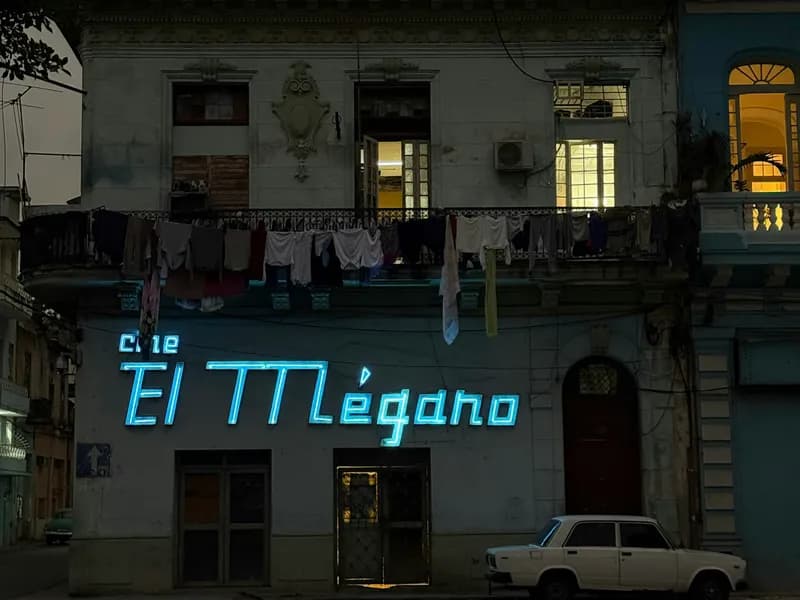
Fabrica de Arte Cubano (FAC)
Havana's coolest cultural venue in a converted cooking oil factory. Art galleries, live music, dance performances, film screenings, and bars across multiple floors. Entry: 2 USD. Open Thursday-Sunday 8PM-3AM. Dress code: smart casual. Popular with locals and visitors alike. Allow 3+ hours.
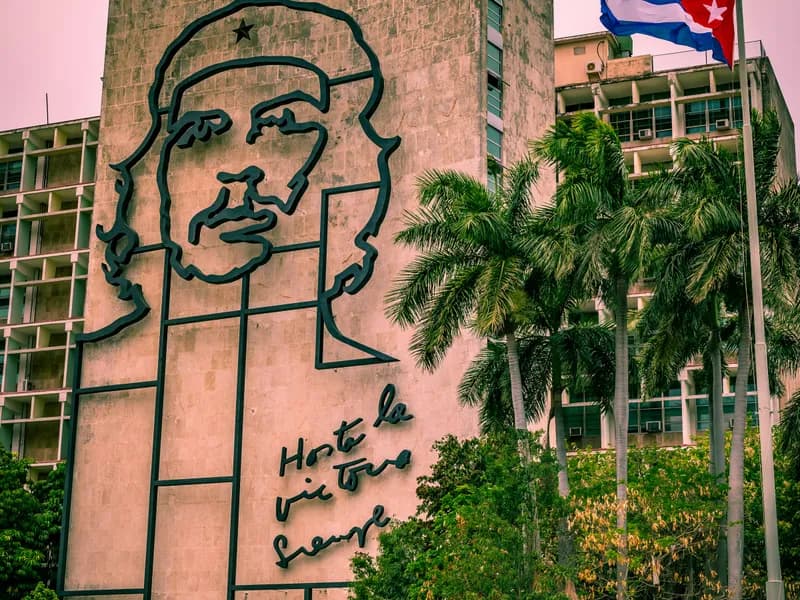
Plaza de la Revolucion
Massive open square dominated by the Jose Marti Memorial tower (109m) and the iconic Che Guevara steel mural on the Interior Ministry building. Tower entry: 5 CUP. Open 9:30AM-4:30PM (closed Sundays). The square hosted rallies of over 1 million people. 2 km from Old Havana — take a classic car or taxi.
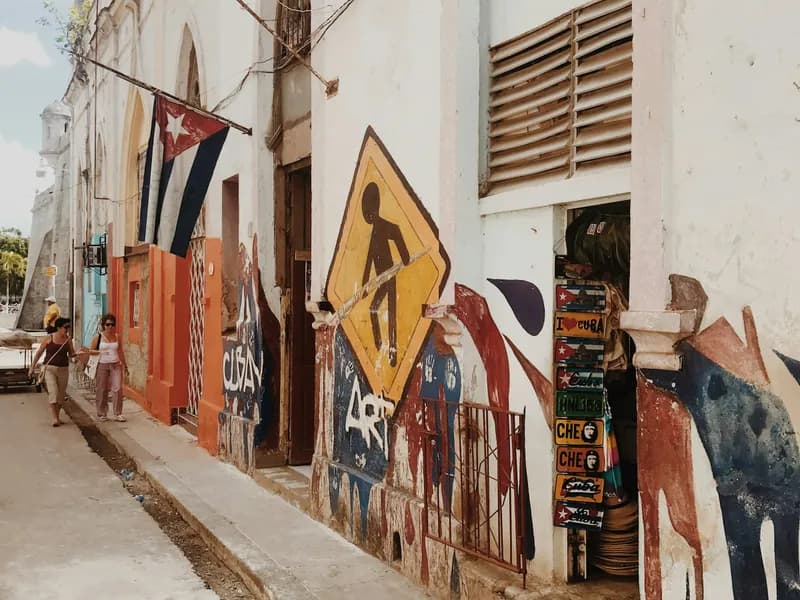
Callejon de Hamel
A graffiti-covered alleyway in Centro Havana covered in Afro-Cuban murals, sculptures, and bathtub shrines. Free to visit. On Sundays at noon, free rumba performances draw crowds — arrive by 11:30AM for a good spot. The surrounding neighborhood is authentic and lively. Allow 1-2 hours.
Planned Itinerary
7-Day Havana Itinerary
Arrival & Old Havana Orientation
Arrive at Jose Marti International Airport (HAV) and transfer to your casa particular in Habana Vieja. The drive takes 30-40 minutes. Settle in, meet your host, and take a first stroll through the colonial streets as the late afternoon light hits the pastel facades.
Airport transfer to Old Havana casa particular(40 minutes)
Arrange through your casa host (15-25 USD) or grab a classic car taxi outside arrivals — negotiate before getting in
Check-in and orientation with your casa host(1 hour)
Casa hosts are invaluable — ask about restaurant recommendations, taxi contacts, and current CADECA exchange rates
Evening walk along Calle Obispo(1.5 hours)
Havana's busiest pedestrian street stretching from Parque Central to Plaza de Armas. Live musicians on every corner, art galleries, and souvenir shops. End at El Floridita for a frozen daiquiri (6 USD) at Hemingway's old spot
Dinner at Dona Eutimia(1.5 hours)
Tucked behind the Cathedral on Plaza de la Catedral — arguably the best ropa vieja in Havana. Mains 8-12 USD. Arrive before 7PM or expect a wait
Old Havana's Plazas & Hemingway Trail
Dedicate the full day to exploring Habana Vieja's four main plazas and the literary haunts of Ernest Hemingway. Start early to beat the heat and the cruise ship crowds that arrive mid-morning.
Plaza de la Catedral and Havana Cathedral(1 hour)
Arrive by 8:30AM — the baroque cathedral facade glows golden in morning light. Entry is free. The square fills with art vendors by 10AM
Plaza de Armas and secondhand book market(1 hour)
Browse stalls selling vintage Cuban posters, old coins, and Che memorabilia. Haggling is expected — start at 50% of asking price
Plaza Vieja(45 minutes)
The most architecturally diverse square with restored 17th-century buildings. Climb the Camera Oscura tower (2 CUP) for a live 360-degree projection of the city
Lunch at La Bodeguita del Medio(1.5 hours)
Hemingway's mojito bar on Calle Empedrado — walls covered in signatures. Mojito: 6 USD. The food is decent (lamb shank 10 USD) but you're here for the atmosphere and the drink
Museo de la Revolucion(1.5 hours)
Housed in the former Presidential Palace. Entry: 8 CUP. See the Granma yacht in the glass memorial behind the building — the boat that brought Castro and Che from Mexico in 1956
Sunset at the Malecon(1.5 hours)
Walk the 2 km from Old Havana along the seawall as the sun drops. Locals gather with guitars and rum. Grab a can of Cristal beer from a street vendor (1 USD)
Classic Cars, Revolution Square & Centro Havana
Take the iconic classic car tour through Vedado and Revolution Square in the morning, then explore the raw, authentic streets of Centro Havana in the afternoon — a neighborhood most tourists rush through but where Havana's real daily life pulses.
Classic car tour of Havana(2 hours)
Negotiate a 1950s convertible from Parque Central — 30-40 USD for a 2-hour loop covering the Malecon, Vedado mansions, Plaza de la Revolucion, and the Colon Cemetery. Fits 3-4 people per car
Plaza de la Revolucion(45 minutes)
Photo stop at the massive square with the Che Guevara steel mural on the Interior Ministry and the Jose Marti Memorial tower (109m). Climb the tower for 5 CUP
Lunch at San Cristobal Paladar(1.5 hours)
The paladar that hosted Obama in 2016. Walls crammed with religious icons and vintage memorabilia. Creole dishes 8-15 USD. Located on Calle San Rafael in Centro. Reserve through your casa host
Callejon de Hamel(1.5 hours)
Afro-Cuban art alley in Centro covered in murals, sculptures, and bathtub shrines. Free to visit. If it's Sunday, arrive by 11:30AM for the free rumba performance — drums, dancing, and spiritual energy that's electrifying
Drinks at Hotel Nacional terrace(1.5 hours)
Art deco landmark on the Vedado waterfront where Winston Churchill and Frank Sinatra once stayed. Cuba libre on the garden terrace with cannon battery views: 8 USD. Live music most evenings
Vinales Valley Day Trip
Day trip to the stunning Vinales Valley, 2.5 hours west of Havana. Dramatic limestone mogotes (flat-topped hills), tobacco fields, and cave systems make this a UNESCO World Heritage landscape. Arrange through your casa host or a reputable tour agency (50-70 USD per person all-inclusive).
Drive to Vinales Valley(2.5 hours)
Depart by 7AM. The drive passes through Pinar del Rio province — Cuba's tobacco country. Classic car taxis charge 80-100 USD round trip for up to 4 people
Visit a tobacco farm (vega)(1.5 hours)
Watch a guajiro (farmer) roll cigars by hand and learn the difference between wrapper, filler, and binder leaves. You'll get to smoke a fresh-rolled cigar and buy directly — 1-2 USD per cigar vs 15+ USD in official shops
Cueva del Indio cave boat ride(45 minutes)
Underground river trip through a limestone cave. Entry: 5 CUP. Motor boat ride through illuminated caverns. Short but memorable. Can get crowded — arrive before 11AM
Lunch at a Vinales paladar(1.5 hours)
Try El Olivo or Finca Agroecologica — farm-to-table meals with roast pork, black beans, rice, and fried plantains. Full meal: 8-12 USD including a mojito
Mirador de los Jasmines viewpoint(30 minutes)
The iconic vista over the valley with mogotes rising from the tobacco fields. Free to access. The Mural de la Prehistoria (a 120m-tall painting on a mogote face) is visible from here
Return to Havana(2.5 hours)
Arrive back by early evening. Grab dinner at your casa — hosts prepare incredible lobster dinners for 8-12 USD
Rest Morning, Vedado & Fabrica de Arte
Take a slower morning to rest and recharge, then explore Vedado — Havana's residential and cultural district with leafy boulevards, faded mansions, and the city's coolest nightlife venue.
Late breakfast at your casa particular(1 hour)
Most casas include breakfast — fresh tropical fruit, eggs, toast, coffee, and fresh juice. Ask for a cafe cubano
Necropolis Cristobal Colon(1.5 hours)
One of the Americas' most important cemeteries with elaborate marble tombs, angels, and mausoleums. Entry: 5 CUP. Map available at entrance. 57 hectares of funerary art dating to 1876. Look for La Milagrosa — the most visited tomb
Walk through Vedado neighborhood(1.5 hours)
Stroll along Linea and Calle 23 past art deco apartment buildings and the University of Havana campus. The ice cream at Coppelia (the famous ice cream parlor on Calle 23, 1-2 CUP for locals' line) is worth the wait
Dinner in Vedado(1.5 hours)
Try Cafe Laurent on the penthouse floor of a faded mansion on Calle M — French-Cuban fusion, mains 10-18 USD, stunning rooftop terrace. Reserve ahead
Fabrica de Arte Cubano (FAC)(3 hours)
Havana's converted cooking oil factory turned multi-floor cultural venue. Open Thu-Sun 8PM-3AM. Entry: 2 USD. Art galleries, live bands, dance performances, film screenings, and bars on every floor. Dress smart casual. This is the best night out in Havana
Cojimar, Hemingway's Finca & Fusterlandia
Explore the outskirts of Havana — the fishing village that inspired 'The Old Man and the Sea,' Hemingway's former home, and an entire neighborhood covered in mosaic art. You'll need a taxi for the day (negotiate 40-60 USD).
Finca Vigia (Hemingway's house)(1.5 hours)
Hemingway lived here from 1939-1960. Entry: 10 CUP. You can't enter the house but peer through open windows at his writing desk, typewriter, and 9,000-book library exactly as he left them. The swimming pool and his fishing boat Pilar are in the garden. 15 km southeast of Old Havana
Cojimar fishing village(1 hour)
The small coastal village where Hemingway moored his boat and befriended fisherman Gregorio Fuentes — the inspiration for Santiago in 'The Old Man and the Sea.' See the Hemingway bust on the waterfront. Quiet and authentic
Lunch at La Terraza de Cojimar(1.5 hours)
Hemingway's favorite seafood restaurant in Cojimar, open since 1925. His corner table is preserved. Fresh fish and lobster 10-18 USD. The grilled red snapper is excellent
Fusterlandia(1.5 hours)
In the Jaimanitas neighborhood, artist Jose Fuster has transformed an entire district into a mosaic wonderland — houses, bus stops, park benches, and gates covered in Gaudi-like tilework. Free to wander. Fuster's studio is open for visits. 20 minutes west of Old Havana
Farewell dinner and live music in Old Havana(2 hours)
Dinner at Paladar Los Mercaderes on Calle Mercaderes — elegant colonial setting, Cuban-fusion cuisine, mains 10-15 USD. Then walk to Plaza Vieja for live son cubano music at Cafe Taberna — no cover, drinks 4-6 USD
Last-Minute Shopping & Departure
Final morning in Havana for souvenir shopping and one last walk through the streets before heading to Jose Marti Airport. Allow at least 3 hours before your flight for the airport transfer and check-in.
Cigar shopping at La Casa del Habano(1 hour)
The official Habanos shop at the Hotel Conde de Villanueva on Calle Mercaderes. Authentic cigars only — a box of Cohiba Robustos: 250-350 USD. Staff can advise on varieties. Never buy cigars on the street (almost always fake)
Last walk through Old Havana(1 hour)
One final loop through the plazas. Pick up rum at a shop — Havana Club Anejo 7 Anos (5-8 USD/bottle). Check US customs rules for cigar and rum limits before buying
Transfer to Jose Marti Airport(40 minutes)
Allow extra time — check-in at HAV can be slow. Keep your tourist card handy for exit immigration. Taxi or pre-arranged classic car: 20-30 USD
14-Day Havana Itinerary
Arrival & Old Havana Orientation
Arrive at Jose Marti International Airport (HAV) and transfer to your casa particular in Habana Vieja. The drive takes 30-40 minutes. Settle in, meet your host, and take a first stroll through the colonial streets as the late afternoon light hits the pastel facades.
Airport transfer to Old Havana casa particular(40 minutes)
Arrange through your casa host (15-25 USD) or grab a classic car taxi outside arrivals — negotiate before getting in
Check-in and orientation with your casa host(1 hour)
Casa hosts are invaluable — ask about restaurant recommendations, taxi contacts, and current CADECA exchange rates
Evening walk along Calle Obispo(1.5 hours)
Havana's busiest pedestrian street stretching from Parque Central to Plaza de Armas. Live musicians on every corner, art galleries, and souvenir shops. End at El Floridita for a frozen daiquiri (6 USD) at Hemingway's old spot
Dinner at Dona Eutimia(1.5 hours)
Tucked behind the Cathedral on Plaza de la Catedral — arguably the best ropa vieja in Havana. Mains 8-12 USD. Arrive before 7PM or expect a wait
Old Havana's Plazas & Hemingway Trail
Dedicate the full day to exploring Habana Vieja's four main plazas and the literary haunts of Ernest Hemingway. Start early to beat the heat and the cruise ship crowds.
Plaza de la Catedral and Havana Cathedral(1 hour)
Arrive by 8:30AM — the baroque cathedral facade glows golden in morning light. Entry is free. The square fills with art vendors by 10AM
Plaza de Armas and secondhand book market(1 hour)
Browse stalls selling vintage Cuban posters, old coins, and Che memorabilia. Haggling is expected — start at 50% of asking price
Plaza Vieja and Camera Oscura(45 minutes)
Climb the Camera Oscura tower (2 CUP) for a live 360-degree projection of the city from the rooftop
Lunch at La Bodeguita del Medio(1.5 hours)
Hemingway's mojito bar on Calle Empedrado — walls covered in signatures. Mojito: 6 USD. The lamb shank (10 USD) is surprisingly good
Museo de la Revolucion(1.5 hours)
Housed in the former Presidential Palace. Entry: 8 CUP. See the Granma yacht in the glass memorial behind the building
Sunset at the Malecon(1.5 hours)
Walk the 2 km from Old Havana along the seawall. Locals gather with guitars and rum. Grab a Cristal beer from a street vendor (1 USD)
Classic Cars, Revolution Square & Centro Havana
Take the iconic classic car tour through Vedado and Revolution Square in the morning, then explore the raw, authentic streets of Centro Havana — where daily life pulses hardest.
Classic car tour of Havana(2 hours)
Negotiate a 1950s convertible from Parque Central — 30-40 USD for a 2-hour loop covering the Malecon, Vedado mansions, Plaza de la Revolucion, and Colon Cemetery. Fits 3-4 people
Plaza de la Revolucion photo stop(45 minutes)
The Che Guevara steel mural on the Interior Ministry and the Jose Marti Memorial tower (109m, climb for 5 CUP)
Lunch at San Cristobal Paladar(1.5 hours)
The paladar that hosted Obama. Walls crammed with religious icons. Creole dishes 8-15 USD. Reserve through your casa host
Callejon de Hamel(1.5 hours)
Afro-Cuban art alley covered in murals and bathtub shrines. Free. Sunday rumba performances at noon are electrifying
Drinks at Hotel Nacional terrace(1.5 hours)
Art deco landmark where Churchill and Sinatra stayed. Cuba libre on the garden terrace: 8 USD. Live music most evenings
Vinales Valley Day Trip
Day trip to the UNESCO World Heritage Vinales Valley, 2.5 hours west. Dramatic limestone mogotes, tobacco fields, and cave systems. Book through your casa host or tour agency (50-70 USD per person all-inclusive).
Drive to Vinales Valley(2.5 hours)
Depart by 7AM. Classic car taxis charge 80-100 USD round trip for up to 4 people
Visit a tobacco farm (vega)(1.5 hours)
Watch a guajiro roll cigars by hand. Smoke a fresh-rolled cigar and buy directly — 1-2 USD per cigar vs 15+ in official shops
Cueva del Indio cave boat ride(45 minutes)
Underground river trip through a limestone cave. Entry: 5 CUP. Arrive before 11AM to beat crowds
Lunch at a Vinales paladar(1.5 hours)
El Olivo or Finca Agroecologica — farm-to-table roast pork, black beans, rice. Full meal: 8-12 USD
Mirador de los Jasmines viewpoint(30 minutes)
Iconic valley vista with mogotes rising from tobacco fields. The Mural de la Prehistoria is visible from here
Rest Morning, Vedado & Fabrica de Arte
A slower morning to rest, then explore Vedado — Havana's leafy residential and cultural district with faded mansions and the city's coolest nightlife venue.
Late breakfast at your casa particular(1 hour)
Fresh tropical fruit, eggs, toast, and cafe cubano — most casas include breakfast
Necropolis Cristobal Colon(1.5 hours)
One of the Americas' most important cemeteries. Entry: 5 CUP. 57 hectares of funerary art. Look for La Milagrosa tomb
Coppelia ice cream parlor(1 hour)
Join the locals' line at the famous ice cream cathedral on Calle 23 in Vedado. 1-2 CUP for a bowl. The tourist line is faster but less fun
Dinner at Cafe Laurent(1.5 hours)
Penthouse of a faded mansion on Calle M — French-Cuban fusion, mains 10-18 USD, stunning rooftop terrace. Reserve ahead
Fabrica de Arte Cubano (FAC)(3 hours)
Converted cooking oil factory. Open Thu-Sun 8PM-3AM. Entry: 2 USD. Art galleries, live bands, film screenings. The best night out in Havana
Cojimar & Hemingway's Finca Vigia
Visit Hemingway's former home and the fishing village that inspired 'The Old Man and the Sea.' You'll need a taxi for the day (negotiate 40-60 USD).
Finca Vigia (Hemingway's house)(1.5 hours)
Hemingway lived here 1939-1960. Entry: 10 CUP. Peer through windows at his writing desk, typewriter, and 9,000-book library. The swimming pool and boat Pilar are in the garden. 15 km southeast
Cojimar fishing village(1 hour)
Small coastal village where Hemingway moored his boat. See the Hemingway bust on the waterfront. Quiet and authentic
Lunch at La Terraza de Cojimar(1.5 hours)
Hemingway's seafood restaurant, open since 1925. His corner table preserved. Grilled red snapper: 12 USD
Afternoon at Playas del Este(3 hours)
Havana's beach strip 20 minutes east — white sand, warm Caribbean water. Santa Maria del Mar is the best stretch. Beer vendors on the sand, 1-2 USD. Locals play dominoes under palm trees
Fusterlandia & Cuban Cooking Class
Morning in Havana's most colorful neighborhood, then a hands-on Cuban cooking class to bring the flavors home with you.
Fusterlandia(1.5 hours)
In Jaimanitas, artist Jose Fuster has transformed an entire district into a mosaic wonderland — houses, bus stops, benches covered in Gaudi-like tilework. Free. Fuster's studio is open for visits. 20 minutes west of Old Havana
Cuban cooking class(3 hours)
Learn to make ropa vieja, black beans, mojo sauce, and mojitos. Several paladares offer classes — try Casa Miglis or book through AirBnb Experiences (25-40 USD). You'll eat everything you cook
Afternoon at Malecon(2 hours)
Grab a bottle of rum (Havana Club 3 Anos, 3 USD) and sit on the seawall with locals. This is Havana's living room — fishermen, lovers, musicians, and kids swimming off the rocks
Dinner at El del Frente(1.5 hours)
Rooftop paladar on Calle O'Reilly with craft cocktails and ceviche. The rooftop has the best sunset views in Old Havana. Mains 8-14 USD
Overnight in Vinales — Horseback & Caves
Return to Vinales for a deeper experience with an overnight stay. Today is horseback riding through tobacco valleys and exploring caves — the landscape is best experienced slowly.
Transfer to Vinales(2.5 hours)
Viazul bus from Havana (12 USD) or shared taxi (15-20 USD per person). Arrive by mid-morning
Check into a Vinales casa particular(30 minutes)
Casas in Vinales are excellent — 20-30 USD/night with breakfast. Many have rocking chair porches overlooking the valley
Horseback ride through tobacco valley(3 hours)
Ride through mogote-lined trails past tobacco fields, coffee plantations, and a waterfall swimming hole. 25-35 USD per person through your casa host. No experience needed — the horses know the route
Lunch at a valley farm(1 hour)
Your horseback guide will stop at a farm for fresh-cooked rice, beans, roasted pork, and fresh juice. Included in the tour or 5-8 USD
Gran Caverna de Santo Tomas(2 hours)
Cuba's largest cave system — 46 km of galleries. Guided tours only: 10 CUP. Stalactites, underground rivers, and bat colonies. Headlamps provided. 20 minutes west of Vinales town
Sunset from the valley lookout(1 hour)
Your casa host will know the best spot. The light hitting the mogotes at golden hour is extraordinary. Bring rum
Vinales Rock Climbing & Return to Havana
Morning adventure in the mogotes before heading back to Havana. Vinales has become Cuba's rock climbing hub with routes on the limestone mogotes.
Rock climbing on the mogotes(3 hours)
Cuba Climbing organizes guided climbs on the limestone cliffs — routes for beginners to advanced. 25-40 USD including gear. The views from the top of a mogote are unmatched. Book through your casa host or find them in town
Lunch in Vinales town(1 hour)
Try El Olivo for Mediterranean-Cuban fusion or Tres Jotas for traditional comida criolla. Mains 6-10 USD
Return to Havana(2.5 hours)
Afternoon transfer back. Arrive in time for evening plans
Evening at Plaza Vieja(2 hours)
Craft beer at Factoria Plaza Vieja — Cuba's first microbrewery, right on the square. Pints 2-3 USD. Live son cubano at Cafe Taberna next door — no cover
Trinidad Day Trip — Colonial Gem of Cuba
Early start for a day trip to Trinidad, Cuba's best-preserved colonial town and a UNESCO World Heritage Site. 4 hours from Havana by road, but worth every minute.
Drive to Trinidad(4 hours)
Depart by 6AM. Viazul bus (25 USD) or shared taxi (25-30 USD per person). The drive passes through sugar cane country and the Escambray Mountains
Plaza Mayor and colonial churches(1.5 hours)
Trinidad's main square surrounded by pastel-colored mansions and the Iglesia Parroquial. Climb the bell tower of the Museo de la Lucha Contra Bandidos (2 CUP) for the best town views
Lunch at Sol Ananda(1 hour)
Rooftop paladar overlooking the terracotta rooftops. Cuban-fusion cuisine, mains 8-12 USD
Explore cobblestone streets(1.5 hours)
Trinidad's streets are original cobblestone — cars can barely fit. Browse pottery workshops, lace-making demonstrations, and the local honey market
Canchanchara cocktail(45 minutes)
Trinidad's signature drink at the bar of the same name on Plaza Mayor — honey, lime, aguardiente, and ice served in a clay cup. 2-3 USD. The bar has live music all afternoon
Rest Day — Beach & Slow Living
After two big travel days, today is for rest. Head to the beach, linger over meals, and let Havana's rhythm carry you.
Sleep in and late breakfast(1.5 hours)
Ask your casa host for a full Cuban breakfast — scrambled eggs, fresh mango, toast with guava jam, and strong cafe cubano
Morning at Playas del Este(3 hours)
Take a taxi (15-20 USD) to Santa Maria del Mar beach. Rent a beach umbrella (5 USD). Crystal-clear water, white sand, and far fewer tourists than Varadero. Beach restaurants serve lobster for 8-10 USD
Afternoon siesta(2 hours)
Return to your casa and rest during the hottest part of the day — this is what Cubans do
Evening Malecon stroll(2 hours)
Walk the seawall at golden hour. This is the night to simply sit, share rum with locals, and soak in the atmosphere that makes Havana unlike any other city on Earth
Havana's Art Scene & Salsa Night
Dive deep into Havana's thriving contemporary art scene and end the night with salsa dancing — the beating heart of Cuban culture.
Museo Nacional de Bellas Artes (Cuban Art Building)(2 hours)
Two buildings — focus on the Cuban art collection on Calle Trocadero. Entry: 8 CUP. Five centuries of Cuban art from colonial to contemporary. The Wifredo Lam collection is outstanding
San Jose Artisan Market (Almacenes de San Jose)(1.5 hours)
Massive waterfront warehouse market with paintings, woodwork, leather goods, and crafts. Prices are negotiable. A great spot for unique souvenirs. Open daily 10AM-6PM
Lunch at O'Reilly 304(1 hour)
Trendy tapas bar on Calle O'Reilly in Old Havana. Cuban-fusion small plates 3-6 USD each. The octopus and the yuca fritters are standouts
Afternoon photography walk through Havana Vieja(2 hours)
The light in Havana between 3-5PM creates deep shadows and golden facades. Walk Calle Mercaderes, Calle Cuba, and the back streets behind Plaza del Cristo where tourist cameras rarely venture
Salsa dancing at 1830 Club(3 hours)
Live salsa band and open-air dance floor on the Malecon at the mouth of the Almendares River. Entry: 5-10 USD. Cubans will teach you to dance — just say yes. Drinks 3-5 USD. Goes until midnight
Regla, Guanabacoa & Afro-Cuban Culture
Cross the harbor to Regla and inland to Guanabacoa — two neighborhoods rarely visited by tourists but essential for understanding Cuba's Afro-Cuban religious traditions (Santeria, Abakua, Palo Monte).
Ferry to Regla(20 minutes)
Catch the ferry from the Old Havana terminal (1 CUP, runs every 15 minutes). The 10-minute crossing offers stunning views of the Havana skyline. Regla is a working-class town deeply rooted in Santeria
Iglesia de la Virgen de Regla(45 minutes)
This church houses the Black Madonna — a Catholic/Santeria syncretic figure (associated with Yemaya, goddess of the sea). Locals come to make offerings. Respectful visitors welcome. Free entry
Guanabacoa Afro-Cuban museum(1 hour)
Small museum dedicated to Afro-Cuban religious traditions. Entry: 2 CUP. Displays on Santeria, Abakua secret societies, and Palo Monte. Located 10 minutes from Regla by taxi
Lunch in Guanabacoa(1 hour)
Eat at a local peso restaurant — comida criolla at prices Cubans pay. Rice, beans, pork, and salad for 50-100 CUP. No English menus, point and smile
Return to Old Havana and farewell walk(2 hours)
Final evening in the streets you've come to know. Pick up last souvenirs, say goodbye to your favorite bar, and sit on the Malecon one last time
Farewell dinner at Paladar Los Mercaderes(1.5 hours)
Elegant colonial setting on Calle Mercaderes. Cuban-fusion cuisine, mains 10-15 USD. A fitting goodbye to Havana
Last-Minute Shopping & Departure
Final morning in Havana for souvenir shopping and one last cafe cubano before heading to the airport. Allow at least 3 hours before your flight.
Cigar shopping at La Casa del Habano(1 hour)
Official Habanos shop at Hotel Conde de Villanueva. Box of Cohiba Robustos: 250-350 USD. Staff can advise on varieties. Never buy street cigars
Rum shopping and last walk(1 hour)
Havana Club Anejo 7 Anos: 5-8 USD/bottle. One final loop through the plazas of Old Havana
Transfer to Jose Marti Airport(40 minutes)
Keep your tourist card for exit immigration. Taxi: 20-30 USD. Check-in at HAV can be slow — arrive early
21-Day Havana Itinerary
Arrival & Old Havana Orientation
Arrive at Jose Marti International Airport (HAV) and transfer to your casa particular in Habana Vieja. Settle in, meet your host, and take a first evening stroll.
Airport transfer to Old Havana casa particular(40 minutes)
Arrange through your casa host (15-25 USD) or grab a classic car taxi — negotiate before getting in
Check-in and orientation with your casa host(1 hour)
Ask about restaurants, taxi contacts, and current CADECA exchange rates
Evening walk along Calle Obispo(1.5 hours)
Havana's busiest pedestrian street. End at El Floridita for a frozen daiquiri (6 USD) at Hemingway's old spot
Dinner at Dona Eutimia(1.5 hours)
Behind the Cathedral — best ropa vieja in Havana. Mains 8-12 USD. Arrive before 7PM
Old Havana's Plazas & Museums
Full day exploring Habana Vieja's four main plazas and key museums. Start early to beat cruise ship crowds.
Plaza de la Catedral and Havana Cathedral(1 hour)
Baroque cathedral glows golden in morning light. Free entry
Plaza de Armas and secondhand book market(1 hour)
Vintage posters, coins, and Che memorabilia. Haggle at 50% of asking
Plaza Vieja and Camera Oscura(45 minutes)
Climb the Camera Oscura tower (2 CUP) for a live 360-degree rooftop projection
Lunch at La Bodeguita del Medio(1.5 hours)
Hemingway's mojito bar. Mojito: 6 USD. Lamb shank: 10 USD
Museo de la Revolucion(1.5 hours)
Former Presidential Palace. Entry: 8 CUP. See the Granma yacht memorial
Sunset at the Malecon(1.5 hours)
Walk along the seawall. Cristal beer from a vendor: 1 USD
Classic Cars, Revolution Square & Centro Havana
Morning classic car tour, afternoon in the raw streets of Centro Havana where daily life pulses hardest.
Classic car tour of Havana(2 hours)
1950s convertible from Parque Central — 30-40 USD for a 2-hour loop
Plaza de la Revolucion(45 minutes)
Che Guevara mural and Jose Marti tower (climb for 5 CUP)
Lunch at San Cristobal Paladar(1.5 hours)
Obama's paladar. Creole dishes 8-15 USD. Reserve through your casa
Callejon de Hamel(1.5 hours)
Afro-Cuban art alley. Free. Sunday rumba at noon is electrifying
Hotel Nacional terrace drinks(1.5 hours)
Art deco landmark. Cuba libre: 8 USD on the garden terrace
Cojimar, Hemingway's Finca & Fusterlandia
Explore Havana's outskirts — Hemingway's former home, the fishing village that inspired his masterpiece, and a mosaic-covered neighborhood.
Finca Vigia (Hemingway's house)(1.5 hours)
Entry: 10 CUP. Peer through windows at his writing desk and 9,000-book library. 15 km southeast
Cojimar fishing village(1 hour)
Inspiration for 'The Old Man and the Sea.' Hemingway bust on the waterfront
Lunch at La Terraza de Cojimar(1.5 hours)
Hemingway's seafood spot since 1925. Grilled red snapper: 12 USD
Fusterlandia(1.5 hours)
Jose Fuster's mosaic wonderland in Jaimanitas — Gaudi-like tilework covering an entire neighborhood. Free
Evening son cubano at Cafe Taberna(2 hours)
Live traditional Cuban music on Plaza Vieja. No cover, drinks 4-6 USD
Rest Day — Beach & Slow Living
First rest day. Head to the beach, linger over meals, let Havana's rhythm set the pace.
Sleep in and late breakfast(1.5 hours)
Full Cuban breakfast at your casa — eggs, mango, guava jam, cafe cubano
Morning at Playas del Este(3 hours)
Taxi (15-20 USD) to Santa Maria del Mar. White sand, clear water. Beach lobster: 8-10 USD
Evening Malecon stroll(2 hours)
Sit on the seawall, share rum with locals, and soak in the atmosphere
Vinales Day 1 — Tobacco Valley
Transfer to Vinales for a 2-night stay in Cuba's most stunning landscape. Today: tobacco farms and caves.
Transfer to Vinales(2.5 hours)
Viazul bus (12 USD) or shared taxi (15-20 USD per person). Arrive mid-morning
Check into a Vinales casa particular(30 minutes)
20-30 USD/night with breakfast. Rocking chair porches overlooking the valley
Visit a tobacco farm(1.5 hours)
Watch a guajiro roll cigars. Buy direct: 1-2 USD per cigar vs 15+ in shops
Cueva del Indio cave boat ride(45 minutes)
Underground river in a limestone cave. Entry: 5 CUP
Lunch at El Olivo(1.5 hours)
Mediterranean-Cuban fusion in Vinales town. Mains 8-12 USD
Sunset from Mirador de los Jasmines(1 hour)
The iconic valley vista with mogotes. Bring rum
Vinales Day 2 — Horseback & Caves
Deeper into Vinales on horseback through the valleys, then Cuba's largest cave system.
Horseback ride through tobacco valley(3 hours)
Ride past tobacco fields, coffee plantations, and a waterfall swimming hole. 25-35 USD. No experience needed
Farm lunch on the trail(1 hour)
Fresh-cooked rice, beans, roasted pork. Included or 5-8 USD
Gran Caverna de Santo Tomas(2 hours)
Cuba's largest cave system — 46 km of galleries. Guided tours: 10 CUP. Stalactites and bat colonies
Evening in Vinales town(2 hours)
Live music at the town square. Rum and cigars on your casa porch as the valley darkens
Vinales Climbing & Return to Havana
Morning rock climbing on the mogotes before heading back to Havana.
Rock climbing on the mogotes(3 hours)
Cuba Climbing organizes routes for all levels. 25-40 USD including gear. Views from the top are unmatched
Lunch in Vinales(1 hour)
Tres Jotas for comida criolla. Mains 6-10 USD
Dinner at El del Frente(1.5 hours)
Rooftop paladar on Calle O'Reilly. Craft cocktails and ceviche. Mains 8-14 USD
Havana Art Scene Deep Dive
Full day immersed in Havana's thriving contemporary art scene — from the national museum to street art to artisan markets.
Museo Nacional de Bellas Artes (Cuban Art)(2 hours)
Five centuries of Cuban art on Calle Trocadero. Entry: 8 CUP. The Wifredo Lam collection is outstanding
San Jose Artisan Market(1.5 hours)
Waterfront warehouse with paintings, woodwork, leather goods. Prices negotiable. Open 10AM-6PM
Lunch at O'Reilly 304(1 hour)
Tapas bar — Cuban-fusion small plates 3-6 USD. The octopus and yuca fritters are standouts
Photography walk through back streets(2 hours)
Calle Mercaderes, Calle Cuba, and behind Plaza del Cristo. The 3-5PM light creates deep shadows on golden facades
Visit independent artist studios(1.5 hours)
Several artists in Old Havana open their homes as studios. Ask your casa host for recommendations. Prints start at 20-50 USD
Transfer to Trinidad — Pearl of the South
Leave Havana for Trinidad, Cuba's best-preserved colonial town. 4-hour drive through sugar country. Stay 3 nights to really absorb this UNESCO gem.
Morning transfer to Trinidad(4 hours)
Viazul bus (25 USD) or shared taxi (25-30 USD per person). Depart by 7AM
Check into Trinidad casa particular(30 minutes)
Stay in the colonial center — casas here are gorgeous: high ceilings, interior courtyards, rocking chairs. 20-35 USD/night
Plaza Mayor exploration(1.5 hours)
Pastel mansions, the Iglesia Parroquial, and the Museo de la Lucha bell tower (2 CUP) for the best views
Canchanchara cocktail(45 minutes)
Trinidad's signature: honey, lime, aguardiente in a clay cup. 2-3 USD at the bar on Plaza Mayor. Live music all afternoon
Sunset from the Casa de la Musica steps(1.5 hours)
The grand outdoor staircase becomes Trinidad's social hub every evening. Mojitos from vendors (2 USD), live salsa bands, and the whole town shows up to dance
Trinidad — Valley de los Ingenios & Playa Ancon
Morning visit to the Valley of the Sugar Mills (another UNESCO site), afternoon on Trinidad's beautiful Caribbean beach.
Valley de los Ingenios(3 hours)
Taxi or tour to the historic sugar valley. Climb the 44m Manaca Iznaga tower (1 CUP) — a watchtower used to monitor enslaved workers on the plantations. Haunting history, stunning views. 12 km from Trinidad
Lunch at Finca Ma Dolores(1.5 hours)
Farm restaurant in the valley serving wood-fired roast pork and traditional sides. Full meal: 8-10 USD
Afternoon at Playa Ancon(3 hours)
Trinidad's beach 12 km south — white sand and warm Caribbean water. Taxi: 5-8 USD each way. Beach bar with lobster for 8 USD. Less crowded than Varadero and more beautiful
Evening salsa at Casa de la Musica(2 hours)
Live bands play on the outdoor stage from 9PM. Entry: 1-2 CUP. The dancing spills down the steps. Locals are eager to teach
Trinidad — Topes de Collantes Hike
Day hike in the Escambray Mountains above Trinidad — waterfalls, natural pools, and cloud forest. A completely different side of Cuba.
Transfer to Topes de Collantes(45 minutes)
Shared 4x4 truck from Trinidad (10-15 USD round trip). The road up is rough but scenic. Depart by 8AM
Hike to Salto del Caburni waterfall(3 hours)
Moderate trail (4 km round trip) through coffee plantations and cloud forest to a 62m waterfall with a natural swimming pool. Entry: 10 CUP. Bring swimwear and water shoes
Lunch at the park restaurant(1 hour)
Basic but decent food at the Topes visitor center. Rice, beans, chicken: 5-8 USD
Farewell dinner in Trinidad(1.5 hours)
Sol Ananda rooftop restaurant overlooking terracotta rooftops. Cuban-fusion, mains 8-12 USD. One last canchanchara for the road
Trinidad to Cienfuegos — Paris of the Caribbean
Short transfer to Cienfuegos, a French-influenced port city with neoclassical architecture unlike anywhere else in Cuba. 1.5-hour drive along the coast.
Transfer to Cienfuegos(1.5 hours)
Shared taxi: 10-15 USD per person. Scenic coastal road
Check into Cienfuegos casa particular(30 minutes)
Stay near Parque Jose Marti in the centro historico. 20-30 USD/night
Parque Jose Marti and Tomas Terry Theatre(1.5 hours)
Cienfuegos' UNESCO-listed main square with neoclassical buildings. Tour the 1890 Tomas Terry Theatre (2 CUP) with its hand-painted ceiling and Caruso-graced stage
Lunch at Villa Lagarto(1.5 hours)
Waterfront paladar on the bay — fresh seafood, the grilled lobster (12 USD) is outstanding. Ask for a bayside table
Palacio de Valle(1 hour)
Spectacular Moorish-Gothic-Venetian palace on the Punta Gorda peninsula. Entry: 3 CUP. The rooftop bar has sunset cocktails (5 USD) with views across the bay
Evening walk along the Malecon de Cienfuegos(1 hour)
Quieter and more intimate than Havana's. Locals fish and socialize. Buy a peso pizza from a window vendor (5-10 CUP)
Cienfuegos to Havana — El Nicho Waterfall Stop
Return to Havana with a detour to the El Nicho waterfalls in the Escambray Mountains. A scenic full-day transfer.
El Nicho waterfall(2.5 hours)
Stop en route at this series of cascades and natural pools in the mountains. Entry: 10 CUP. Swim in the turquoise pool below the main falls. 1 hour detour from the main highway
Lunch at a roadside paladar(1 hour)
Stop in a small town for comida criolla — rice, beans, pork. 5-8 USD
Continue to Havana(3.5 hours)
Arrive in Havana by late afternoon. Shared taxi total Cienfuegos-Havana: 25-30 USD per person
Quiet evening in Old Havana(2 hours)
Return to your original casa. Casual dinner at a familiar spot and early night after the long travel day
Rest Day — Havana at Your Own Pace
Second rest day. No agenda, no taxi negotiations, no museums. Just be in Havana.
Sleep in(2 hours)
You've earned it after 14 days. Let the sounds of Old Havana wake you naturally
Wander with no plan(3 hours)
Walk streets you haven't walked. Duck into doorways, follow music, sit in a plaza. The best moments in Havana are unplanned
Long lunch at a neighborhood paladar(2 hours)
Ask your casa host where they eat — not where tourists eat. Budget 5-8 USD for an enormous meal
Malecon sunset ritual(2 hours)
By now you have your spot on the wall. Bring rum and sit. This is Havana at its purest
Regla & Guanabacoa — Afro-Cuban Roots
Cross the harbor to explore Cuba's Afro-Cuban religious traditions in Regla and Guanabacoa — neighborhoods rarely seen by tourists.
Ferry to Regla(20 minutes)
From Old Havana terminal (1 CUP, every 15 minutes). Stunning skyline views from the water
Iglesia de la Virgen de Regla(45 minutes)
Houses the Black Madonna — syncretic Catholic/Santeria figure. Free. Locals make offerings
Guanabacoa Afro-Cuban museum(1 hour)
Displays on Santeria, Abakua, and Palo Monte traditions. Entry: 2 CUP
Lunch in Guanabacoa(1 hour)
Local peso restaurant — comida criolla at Cuban prices. 50-100 CUP for a full plate
Afternoon Cuban percussion lesson(2 hours)
Arrange through your casa host — several musicians in Havana teach congas, bongos, and claves. 15-25 USD per hour. Learn the rhythms behind son, rumba, and salsa
Cuban Cooking Class & Botanical Gardens
Morning hands-on cooking class, afternoon in the rarely-visited National Botanical Garden — 600 hectares of tropical plants on the outskirts of Havana.
Cuban cooking class(3 hours)
Learn ropa vieja, moros y cristianos, tostones, and mojitos. Book through AirBnb Experiences (25-40 USD). You eat everything you cook
Jardin Botanico Nacional(3 hours)
600-hectare botanical garden 25 km south of Havana. Entry: 2 CUP. Tractor-train tour included. The Japanese garden and Cuban palm collection are highlights. Few tourists visit. Taxi: 20 USD each way
Lunch at El Bambu in the garden(1 hour)
The garden's vegetarian restaurant — rare in Cuba. All-you-can-eat buffet of creative vegetable dishes: 12 USD. One of the best meals in Havana
Evening salsa at 1830 Club(2.5 hours)
Open-air dance floor on the Malecon. Entry: 5-10 USD. Live salsa band. Cubans will teach you
Day Trip to Las Terrazas Eco-Village
Visit Cuba's pioneering eco-community in the Sierra del Rosario Biosphere Reserve — reforested mountains, artists' studios, a waterfall, and incredible birdwatching.
Drive to Las Terrazas(1.5 hours)
70 km west of Havana. Taxi: 50-60 USD round trip for up to 4. Entry to the biosphere: 6 CUP
Walk through the eco-village(1.5 hours)
Cuba's first eco-community, built in 1971. Artists' studios, a radio station, school, and homes integrated into reforested hillsides. Population: 1,000
San Juan River and waterfall swim(1.5 hours)
Hike along the river to natural swimming pools and a small waterfall. Bring swimwear. The water is refreshingly cool after the hike
Lunch at Casa del Campesino(1.5 hours)
Farm restaurant overlooking the lake. Wood-fired roast pork, root vegetables. 8-12 USD
Birdwatching walk(1.5 hours)
Sierra del Rosario is a birdwatcher's paradise — the Cuban Trogon (national bird), tocororo, and 73 other species. Guided birdwatching: 10-15 USD
Rest Day — Beach & Neighborhood Life
Third rest day. Split between the beach and soaking in neighborhood atmospheres you've grown to love.
Morning at Playas del Este(3 hours)
One last beach morning at Santa Maria del Mar. By now you know the best spot and the best lobster vendor
Lunch at your casa particular(1.5 hours)
Ask your host to cook their specialty. The meal you share with your host family is often the most memorable of the trip
Afternoon in a Havana plaza(2 hours)
Bring a book and sit in Plaza del Cristo or Parque Central. Watch the chess players, the school kids, the classic cars rolling by. No agenda
Evening rum tasting(1.5 hours)
Museo del Ron (Havana Club Rum Museum) on Avenida del Puerto. Entry with tasting: 7 CUP. Learn the distillation process and sample aged rums
Havana by Night — Jazz, Rumba & Farewell
Your last full evening in Havana. Dedicate it to the music that makes this city unlike any other.
Morning at Museo de la Ciudad(1.5 hours)
In the Palacio de los Capitanes Generales on Plaza de Armas. Entry: 3 CUP. Traces Havana's history from indigenous Taino to the Revolution. Beautiful courtyard with a Ceiba tree
Lunch at Ivan Chef Justo(1.5 hours)
One of Havana's best paladares on Calle Aguacate. French-Cuban fine dining in a colonial mansion. Tasting menu: 25 USD. Worth the splurge for your last full day
Afternoon shopping for last souvenirs(2 hours)
San Jose market for art, Calle Obispo shops for rum and coffee. Official Habanos shops for cigars
Jazz at La Zorra y El Cuervo(2 hours)
Havana's legendary jazz club in Vedado — enter through a red British phone box. Shows at 10PM. Entry: 10 USD. Cuban jazz musicians are world-class
Final Malecon goodbye(1 hour)
Walk the seawall one last time. Let Havana say goodbye in its own way — with music drifting from somewhere, the smell of salt and old stone, and the sound of waves against the wall
Departure Day
Final morning in Havana. One last cafe cubano, one last look at the pastel facades, then transfer to Jose Marti Airport.
Breakfast at your casa(45 minutes)
Say goodbye to your hosts. Exchange contact info — you'll want to come back
Final morning walk(1 hour)
One more loop through your favorite plaza. The morning light in Old Havana is the gentlest
Transfer to Jose Marti Airport(40 minutes)
Keep your tourist card for exit immigration. Taxi: 20-30 USD. Allow 3 hours before your flight — HAV check-in is slow
Travel Tips
Visa & Entry
Tourist Card Required
All visitors need a Cuban Tourist Card (tarjeta de turista), not a visa stamp. US travelers get a pink card (~50-100 USD from airlines at check-in). Non-US travelers get a green card (~25 USD from Cuban consulates or airlines). Valid for 30 days, extendable once for another 30 days at immigration offices in Havana.
Budget
Bring Cash — Cards Often Fail
The biggest mistake tourists make: relying on credit/debit cards. US-issued cards do NOT work in Cuba at all. European cards work at some hotels but ATMs are unreliable. Bring enough EUR or USD cash for your entire trip. Exchange at official CADECA offices (never on the street). Budget 50-80 USD/day for mid-range travel.
Cigars and Rum — Buy Smart
Authentic Cuban cigars: buy only from official Habanos shops (La Casa del Habano). A box of Cohiba Robustos: ~250-350 USD. Havana Club rum: 5-15 USD per bottle at shops. You can bring back up to 100 cigars and 2 bottles of rum duty-free (US travelers: check current OFAC regulations as rules change frequently).
transport
Getting Around Havana
Old Havana is walkable. For longer distances: classic car taxis (negotiate before riding, 5-15 USD per trip), yellow coco-taxis (motorcycle rickshaws, 3-5 USD short rides), or the Havana Bus Tour hop-on-hop-off (10 USD/day). Uber and ride-sharing apps do not operate in Cuba. Agree on the fare before getting in any taxi.
Local Customs
Casa Particulares Over Hotels
Stay in casas particulares (private homestays) for an authentic experience. Rooms run 25-50 USD/night with breakfast often included. Hosts provide local tips, arrange taxis, and cook traditional meals (8-12 USD for lobster dinner). Look for the blue anchor symbol on doors. Book through Airbnb or Cuba-specific booking sites.
Internet Is Limited
Wi-Fi is available at ETECSA hotspots in parks and hotel lobbies. Buy scratch cards (ETECSA offices or hotels) for 1-2 USD/hour. Connection is slow. Some newer hotels and casas have Wi-Fi included. Mobile data works for some international carriers — check with yours before traveling. Download offline maps (Maps.me) before arrival.
Safety
Common Tourist Scams
Cuba is physically safe but scams target tourists: 'the cigar factory is closed, come to my friend's shop' (fake cigars), restaurant touts steering you to commission-paying places, and inflated taxi fares. Always negotiate taxi prices upfront, buy cigars only from official La Casa del Habano shops, and choose restaurants independently.
Related Articles
Travel Guides12 Unmissable Things to Do in Havana: The Hit List for First-Timers
Vintage convertibles on the Malecon, rooftop rum, Sunday rumba drums, and the one nightly ritual most visitors miss — here are 12 Havana experiences worth building a trip around.
StoriesSeven Days in Havana: My Unfiltered Travel Journal
Rum-soaked evenings, rumba in the streets, and getting completely lost in Centro Havana — a week in Cuba as it actually happened.
Travel GuidesThe Complete Havana Travel Guide: Everything You Actually Need to Know for 2026
A no-nonsense, street-tested guide to navigating Cuba's capital — from cash-only survival tactics to the best casa particular on Calle Obispo.
Travel GuidesHavana vs Cartagena: Where Should You Actually Go?
Two colonial Caribbean cities with crumbling facades and killer cocktails — but they're fundamentally different trips. Here's how to choose.