
Nikko

Key Facts
Best Time to Visit
Mid-October to early November (peak autumn foliage) or April-May (fresh green, fewer crowds)
Language
Japanese (limited English, shrine signage has English translations)
Currency
Japanese Yen (JPY)
Time Zone
JST (UTC+9)
Airport
Narita International Airport (NRT) — 3 hrs by train; Tokyo's airports are the closest major hubs
Population
~79,000 (Nikko city proper)
Climate
Mountain temperate, cooler than Tokyo by 5-10°C, snowy winters, avg 18-25°C summer
Safety Rating
Very Safe (Level 1)
UNESCO Status
Shrines and Temples of Nikko inscribed as UNESCO World Heritage Site in 1999
Top Highlights
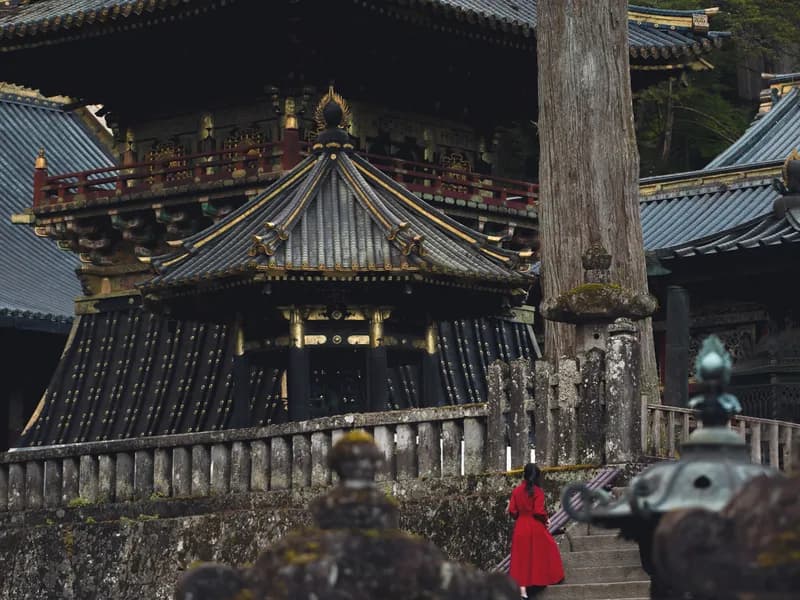
Toshogu Shrine
Japan's most lavishly decorated shrine complex — the mausoleum of Tokugawa Ieyasu (founder of the Tokugawa shogunate) with over 5,000 intricate carvings including the famous three wise monkeys and sleeping cat. JPY 1,300 adults. Open 8AM-5PM (Apr-Oct), 8AM-4PM (Nov-Mar). Allow 2 hours. The Yomeimon Gate alone has 508 carvings.
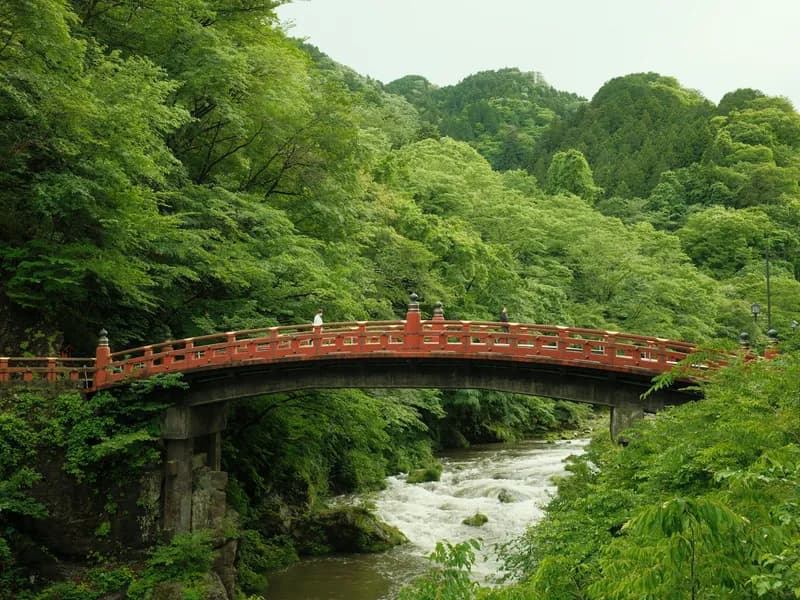
Shinkyo Bridge
A striking vermillion sacred bridge spanning the Daiya River gorge — one of Japan's three finest bridges. JPY 300 to walk across (one way only), or photograph it for free from the adjacent road bridge. Particularly photogenic with autumn foliage backdrop. 5 min walk from Nikko bus stop.
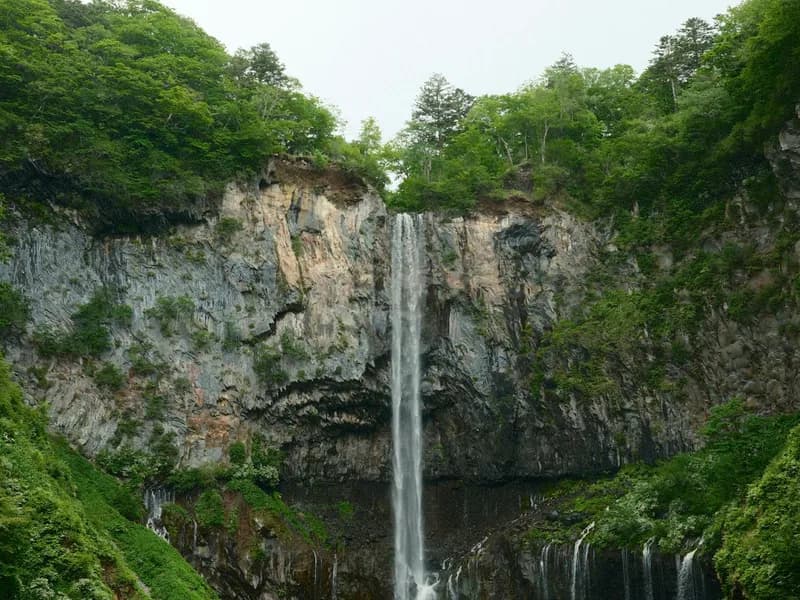
Kegon Falls
A dramatic 97-metre waterfall plunging from Lake Chuzenji, especially powerful after typhoon rains or spring snowmelt. Take the elevator (JPY 570) down 100m through the rock to the observation platform at the base for the most dramatic view. Open 8AM-5PM. 40 min bus from Nikko Station.
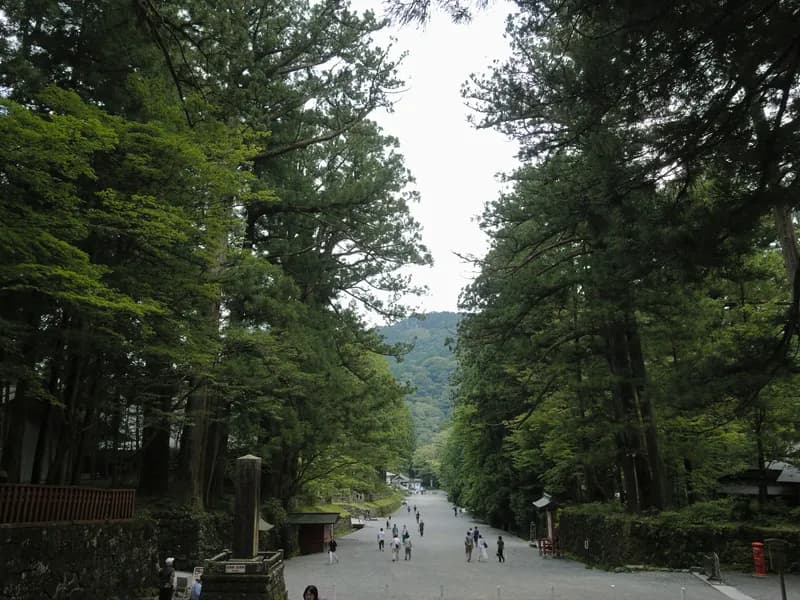
Cedar Avenue of Nikko (Sugi Namiki)
A 35km avenue of over 12,000 Japanese cedar trees planted in the 1620s-1640s — the world's longest tree-lined avenue (Guinness record). The section along the road from Imaichi to Nikko is the most atmospheric. Free. Best experienced by walking a section rather than driving through.
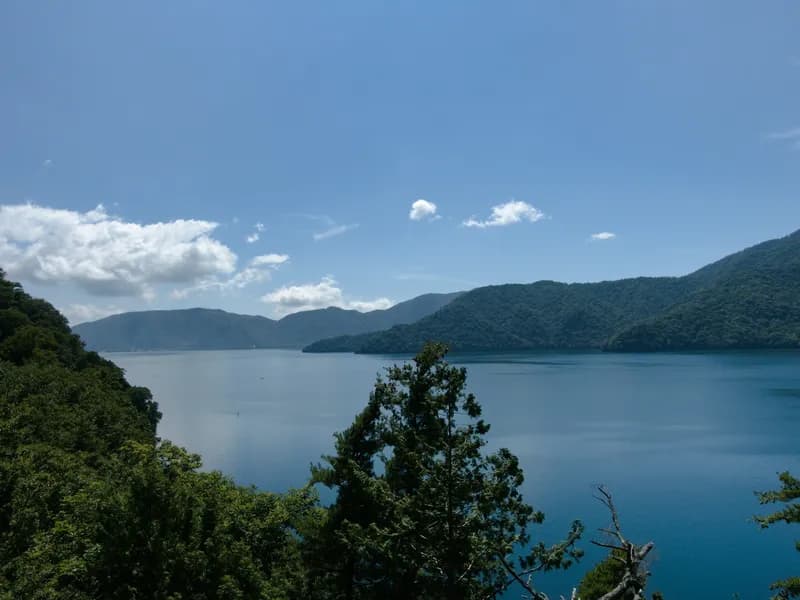
Lake Chuzenji & Autumn Foliage
A scenic lake at 1,269m elevation formed by a volcanic eruption, surrounded by mountains that blaze with autumn colour in mid-October. Sightseeing boats (JPY 1,500, 55 min) circle the lake. The Irohazaka switchback road up to the lake (48 hairpin turns) is a driving experience in itself.
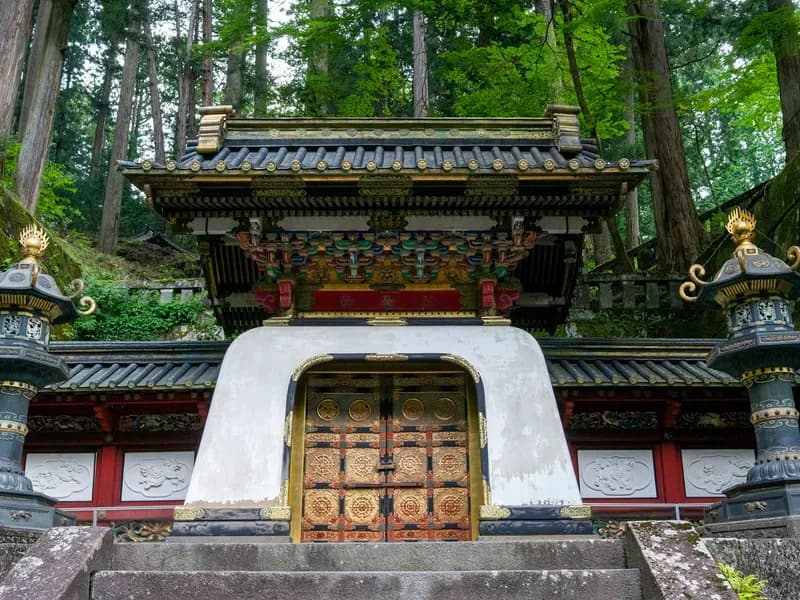
Rinno-ji Temple
Founded in 766, this Tendai Buddhist temple houses three 8-metre gilded Buddha statues in the Sanbutsudo hall. JPY 400 adults. The Shoyoen garden (JPY 300 extra) is a tranquil strolling garden. Combined with Toshogu, this forms the UNESCO World Heritage core. Allow 45 min.
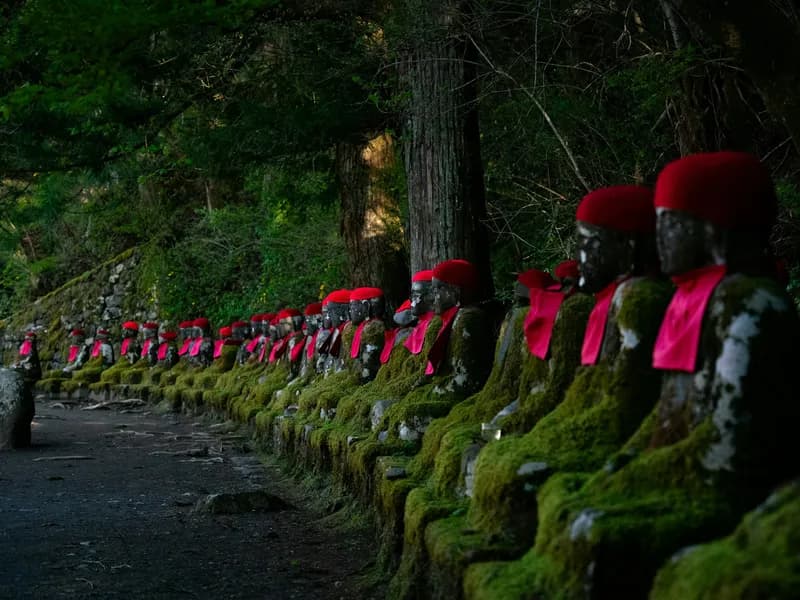
Kanmangafuchi Abyss & Jizo Statues
A serene riverside walk past dozens of moss-covered Jizo stone statues (known as 'Bake Jizo' or ghost Jizo because the count seems to change each time). Free access. 20 min walk from the shrine area along the Daiya River. Peaceful and uncrowded even in peak season. Allow 30-45 min.
Planned Itinerary
7-Day Nikko Itinerary
Arrival & Shinkyo Bridge
Arrive at Tobu-Nikko Station via Tobu Railway limited express from Asakusa, Tokyo (1 hour 50 min, JPY 2,800). The shrines and temples are a 30-minute walk or short bus ride uphill.
Arrive at Tobu-Nikko Station(30 minutes)
Buy the Tobu All Nikko Pass (JPY 4,780, 2 days) — covers the train plus unlimited buses. Or JR Nikko Line from Utsunomiya (covered by JR Pass)
Check-in at hotel or ryokan(45 minutes)
Stay near the shrine area for convenience. Nikko Kanaya Hotel (historic, from JPY 15,000) or budget guesthouses near the station (from JPY 5,000)
Shinkyo Bridge(30 minutes)
Vermillion sacred bridge over the Daiya River gorge. JPY 300 to walk across (one way). Free to photograph from the adjacent road bridge. Stunning with any backdrop
Walk the cedar avenue to shrines(30 minutes)
Part of the 35km Sugi Namiki cedar avenue (12,000+ trees, Guinness record). The section from town to the shrines is atmospheric and shaded
Dinner at Hippari Dako(1 hour)
Near Toshogu. Try yuba (tofu skin) — Nikko's signature food. Yuba soba from JPY 1,000. Simple, authentic
Toshogu Shrine & Temple Complex
Full morning at Japan's most lavishly decorated shrine complex — the mausoleum of Tokugawa Ieyasu with 5,000 intricate carvings.
Toshogu Shrine (early morning)(2 hours)
Arrive at 8AM opening to beat tour groups (they arrive 10-11AM). The Yomeimon Gate alone has 508 carvings. Three wise monkeys, sleeping cat (Nemuri-neko). JPY 1,300 combined ticket covers Toshogu, Rinno-ji, and Futarasan
Rinno-ji Temple(45 minutes)
Three 8-metre gilded Buddhas in Sanbutsudo hall. JPY 400 (or use combined ticket). Shoyoen garden (JPY 300 extra) is a peaceful stroll
Futarasan Shrine(30 minutes)
Nikko's oldest shrine (782 CE). Giant cryptomeria trees and a more serene atmosphere than Toshogu. Covered by combined ticket
Lunch at Gyoshintei(1 hour)
Yuba kaiseki in a traditional garden setting. Set lunch from JPY 2,500. The most refined yuba experience in Nikko
Kanmangafuchi Abyss & Jizo statues(1 hour)
Serene riverside walk past dozens of moss-covered Jizo statues (Bake Jizo — the count seems to change). Free. 20 min walk from shrines. Peaceful even in peak season
Lake Chuzenji & Kegon Falls
Take the dramatic Irohazaka switchback road (48 hairpin turns) up to Lake Chuzenji and the thundering 97-metre Kegon Falls.
Bus to Lake Chuzenji via Irohazaka(50 minutes)
Tobu Bus from Nikko Station (covered by All Nikko Pass). The 48 hairpin turns up to 1,269m are a driving experience in themselves
Kegon Falls(1 hour)
97-metre waterfall from Lake Chuzenji. Take the elevator (JPY 570) down 100m through the rock to the base observation platform. Most powerful after rains or spring snowmelt
Lake Chuzenji sightseeing boat(1 hour)
JPY 1,500 for a 55-min cruise around the lake. Mountain reflections on clear days. Spectacular autumn foliage mid-October
Lunch at Chuzenji lakeside restaurant(1 hour)
Try Nikko yuba with lake views. Several restaurants near the boat landing. Mains from JPY 1,200
Chuzenji Temple (Tachiki Kannon)(30 minutes)
Lakeside temple with a standing Kannon carved from a living tree by the monk Shodo. JPY 500. Peaceful garden
Rest Day — Onsen & Nature Walks
A slower day. Morning soak at an onsen, afternoon nature walk along the Daiya River.
Onsen at Nikko Yumoto(2 hours)
Bus to Yumoto Onsen (75 min from Nikko, covered by pass). Public baths from JPY 500. Sulfur-rich milky water at the source lake. Mountain setting
Lunch at Yumoto(1 hour)
Simple mountain food at one of the ryokan restaurants. Soba and tempura. JPY 1,000-1,500
Senjogahara Marshland boardwalk(1.5 hours)
If time allows on the return bus, the marshland boardwalk between Yumoto and Chuzenji is a beautiful flat walk through wetlands. 6 km, 2 hours
Quiet evening in Nikko(1.5 hours)
The shrine town empties after 4PM. Walk the cedar avenue in golden evening light
Nikko Tamozawa Imperial Villa & Edo Wonderland
The Imperial Villa's stunning architecture and gardens, then a fun afternoon at the Edo-period theme park (optional).
Tamozawa Imperial Villa(1.5 hours)
106-room villa combining Edo, Meiji, and Taisho architecture. The Emperor used it as a wartime retreat. JPY 600. Beautiful Japanese garden. Open 9AM-5PM. Allow 1.5 hours
Walk along Daiya River(45 minutes)
From the villa back toward town along the river. Quiet, shaded path. The river gorge is dramatic
Lunch in Nikko town(1 hour)
Try Nikko-style yuba donburi at a local restaurant. JPY 1,000-1,500
Edo Wonderland (Nikko Edomura)(3 hours)
Optional: A recreated Edo-period village with samurai shows, ninja performances, and period-costumed staff. JPY 5,800 adults. Fun and kitschy. 20 min by bus from Nikko. Skip if you prefer nature
Cedar Avenue Walk & Hidden Temples
Walk a section of the world's longest tree-lined avenue and discover smaller temples the tour groups miss.
Cedar Avenue walk (Sugi Namiki)(2 hours)
Walk a 3-4km section of the 35km avenue from Imaichi toward Nikko. 12,000+ trees planted in the 1620s-40s. Free. The filtered light through ancient cedars is cathedral-like
Kirifuri Falls(1 hour)
Less famous than Kegon but equally beautiful — a two-tiered 75m waterfall 30 min walk from the main road. Free. Far fewer visitors
Lunch at a local soba shop(45 minutes)
Nikko soba with mountain vegetable tempura. JPY 900-1,200
Taiyuin-byo Mausoleum(1 hour)
The mausoleum of Tokugawa Iemitsu (grandson of Ieyasu). Less famous than Toshogu but equally ornate and far less crowded. JPY 550. The Nitenmon Gate is spectacular
Farewell dinner at Nikko Kanaya Hotel(1.5 hours)
The hotel's dining room has served Western-style cuisine since 1873. Their rainbow trout and Nikko beef curry are historic dishes. Mains from JPY 3,000
Departure Day
One last morning near the shrines and departure back to Tokyo.
Early morning shrine walk(1 hour)
Walk the cedar path to Toshogu before 8AM. The shrine area is magical when empty — filtered light, birds, incense
Final yuba lunch(45 minutes)
One more Nikko yuba dish at Hippari Dako or Maruhide (yuba sashimi, JPY 800)
Depart Tobu-Nikko Station(30 minutes)
Tobu limited express to Asakusa, Tokyo (1 hr 50 min, JPY 2,800). Or JR to Utsunomiya then shinkansen to Tokyo (total 2 hours, JR Pass)
14-Day Nikko Itinerary
Arrival & Shinkyo Bridge
Arrive at Tobu-Nikko via limited express from Asakusa (1 hr 50 min, JPY 2,800). Explore the sacred bridge and cedar avenue.
Arrive at Tobu-Nikko(30 minutes)
Tobu All Nikko Pass (JPY 4,780, 2 days) covers train + buses
Shinkyo Bridge(30 minutes)
JPY 300 to walk across. Free to photograph from road bridge
Dinner at Hippari Dako(1 hour)
Yuba soba from JPY 1,000
Toshogu Shrine & Temple Complex
Japan's most lavishly decorated shrine — 5,000 carvings, three wise monkeys, sleeping cat.
Toshogu Shrine(2 hours)
Arrive 8AM. Combined ticket JPY 1,300
Rinno-ji Temple(45 minutes)
Three gilded Buddhas. Shoyoen garden
Lunch at Gyoshintei(1 hour)
Yuba kaiseki from JPY 2,500
Kanmangafuchi Jizo walk(1 hour)
Moss-covered Jizo statues. Free. Peaceful
Lake Chuzenji & Kegon Falls
48-hairpin switchback road up to the volcanic lake and 97-metre waterfall.
Bus to Chuzenji(50 minutes)
Irohazaka 48-hairpin road
Kegon Falls(1 hour)
Elevator JPY 570 to base platform. Most powerful after rain
Lake Chuzenji boat(1 hour)
JPY 1,500. 55-min cruise
Chuzenji Temple(30 minutes)
Standing Kannon. JPY 500
Rest Day — Onsen at Yumoto
Hot springs in the mountains, optional marshland boardwalk.
Yumoto public baths(2 hours)
Sulfur-rich milky water. From JPY 500
Senjogahara Marshland walk (optional)(2 hours)
6 km boardwalk through wetlands
Tamozawa Imperial Villa & Daiya River
106-room Imperial Villa and riverside nature walk.
Tamozawa Imperial Villa(1.5 hours)
Edo-Meiji-Taisho architecture. JPY 600. Beautiful garden
Taiyuin-byo Mausoleum(1 hour)
Tokugawa Iemitsu's tomb. JPY 550. Less crowded, equally ornate
Cedar Avenue & Hidden Waterfalls
Walk the world's longest tree-lined avenue and visit lesser-known falls.
Cedar Avenue walk (3-4 km section)(2 hours)
12,000+ trees. Free. Cathedral-like light
Kirifuri Falls(1 hour)
Two-tiered 75m fall. Free. Few visitors
Kinugawa Onsen & River Gorge
Day trip to the dramatic Kinugawa River gorge — onsen, boat ride through rapids, and ropeway views.
Train to Kinugawa Onsen(40 minutes)
Tobu Railway from Nikko. Covered by some passes
Kinugawa River boat ride(40 minutes)
Wooden boat through rocky rapids. JPY 3,200. Exhilarating. Apr-Nov
Kinugawa Ropeway(45 minutes)
JPY 1,100 round trip. Views of the gorge and mountains from the top. Small monkey park at the summit
Onsen at a Kinugawa ryokan(1.5 hours)
Day-use baths from JPY 1,000. Gorge-view outdoor baths at Asaya Hotel
Rest Day — Nikko Botanical Garden
A quiet day. Botanical garden, yuba lunch, and free time.
Nikko Botanical Garden(1.5 hours)
Branch of the University of Tokyo garden. JPY 500. Alpine plants, seasonal flowers. Peaceful
Lunch — yuba variety(1 hour)
Try a different yuba preparation — yuba sashimi, yuba manju, fried yuba
Okunikko — Ryuzu Falls & Senjogahara
The full Okunikko nature circuit — waterfalls, marshland, and highland lakes.
Bus to Ryuzu Falls(1 hour)
Dragon Head Falls. Free viewing. Beautiful split cascade
Senjogahara full hike(3 hours)
6 km boardwalk from Ryuzu to Yumoto through the vast marshland. Flat, easy walking. Wildflowers in summer, golden reeds in autumn
Edo Wonderland or Craft Day
Choose: Edo-period theme park or a quiet craft and culture day.
Option A: Edo Wonderland(4 hours)
Recreated Edo village with samurai and ninja shows. JPY 5,800. Fun and kitschy. 20 min by bus
Option B: Nikko carving workshop(2 hours)
Nikko-bori (carved lacquerware) workshop. Try carving a small tray. From JPY 2,000. Book through tourist info
Toshogu Revisit & Deeper Exploration
Return to Toshogu with fresh eyes — focus on the details you missed, and explore the quieter Nikko-san area.
Toshogu morning revisit(1.5 hours)
Focus on carvings you missed — the elephant that the artist never saw, the sleeping cat, and the hundreds of hidden symbols
Nikko-san Rinnoji Treasure House(45 minutes)
Buddhist artworks and scrolls. JPY 300. Rarely crowded
Gamman-ga-Fuchi stones walk(45 minutes)
Another riverside walk with stone markers. Different from Kanmangafuchi. Free
Lunch at Maruhide(1 hour)
Yuba sashimi and yuba maki. JPY 800-1,500
Rest Day — Revisit Favorites
Return to your favorite spots. The lake, a waterfall, or simply the cedar avenue.
Revisit a favorite spot(3 hours)
Lake Chuzenji in different weather, Kanmangafuchi in morning mist, or a new onsen
Souvenir shopping(1.5 hours)
Nikko-bori lacquerware, cedar crafts, yuba products, local sake
Farewell Nikko — Last Discoveries
Final morning at the shrines, last yuba, and farewell dinner.
Early morning shrine walk(1 hour)
Cedar paths before 8AM. Filtered light, birds, incense
Farewell dinner at Nikko Kanaya Hotel(1.5 hours)
Historic dining room since 1873. Rainbow trout, Nikko beef curry. From JPY 3,000
Departure Day
Final morning and return to Tokyo.
Depart Tobu-Nikko(30 minutes)
Limited express to Asakusa (1 hr 50 min, JPY 2,800)
21-Day Nikko Itinerary
Arrival & Shinkyo Bridge
Arrive at Tobu-Nikko from Tokyo. Explore the sacred bridge and cedar avenue.
Arrive Tobu-Nikko(30 minutes)
All Nikko Pass JPY 4,780
Shinkyo Bridge(30 minutes)
JPY 300 to cross
Toshogu & Temple Complex
5,000 carvings, three wise monkeys, sleeping cat.
Toshogu Shrine(2 hours)
8AM opening. Combined ticket JPY 1,300
Lunch at Gyoshintei(1 hour)
Yuba kaiseki from JPY 2,500
Lake Chuzenji & Kegon Falls
48-hairpin road, 97m waterfall, volcanic lake.
Kegon Falls(1 hour)
Elevator JPY 570 to base
Lake boat cruise(1 hour)
JPY 1,500
Rest Day — Yumoto Onsen
Mountain hot springs and optional marshland walk.
Yumoto baths(2 hours)
From JPY 500. Milky sulfur water
Tamozawa Villa & Taiyuin
Imperial Villa architecture and Tokugawa mausoleum.
Tamozawa Imperial Villa(1.5 hours)
106 rooms. JPY 600
Taiyuin-byo Mausoleum(1 hour)
JPY 550. Less crowded than Toshogu
Cedar Avenue & Kirifuri Falls
World's longest tree avenue and hidden waterfall.
Cedar Avenue walk(2 hours)
3-4 km section. 12,000 trees. Free
Kirifuri Falls(1 hour)
Two-tiered 75m. Free
Kinugawa Gorge & Onsen
River rapids boat ride, ropeway, and gorge-view onsen.
River boat ride(40 minutes)
JPY 3,200. Wooden boat through rapids
Kinugawa Ropeway(45 minutes)
JPY 1,100
Day-use onsen(1.5 hours)
From JPY 1,000
Rest Day — Botanical Garden
Quiet day with alpine plants and free time.
Nikko Botanical Garden(1.5 hours)
JPY 500
Okunikko — Ryuzu Falls & Full Hike
Complete Okunikko nature circuit.
Senjogahara full hike(3 hours)
6 km boardwalk. Marshland, wildflowers
Edo Wonderland
Recreated Edo village with samurai and ninja performances.
Edo Wonderland(4 hours)
JPY 5,800. Samurai shows, ninja performances, period costumes
Rest Day — Onsen & Reading
Another rest day for soaking and reflection.
Mashiko Pottery Day Trip
Famous pottery town 1 hour south — the home of Shoji Hamada and mingei folk craft.
Bus or train to Mashiko(1.5 hours)
Via Utsunomiya. Mashiko is Japan's most famous pottery village
Mashiko Reference Museum(1 hour)
Shoji Hamada's workshop and home. JPY 600. The father of mingei folk pottery
Pottery shopping on main street(1.5 hours)
Dozens of galleries and studios. Authentic Mashiko-yaki from JPY 500 for cups. Each potter has a distinctive style
Pottery workshop(1.5 hours)
Try wheel throwing at a local studio. From JPY 3,000. Your piece can be shipped after firing (4-6 weeks)
Lunch at a Mashiko cafe(1 hour)
Several cafes serve food on handmade Mashiko pottery. Starnet cafe is particularly beautiful
Nasu Highlands Day Trip
Highland resort area with ropeway, onsen, and the Imperial Villa grounds.
Train to Nasu(1.5 hours)
Via Utsunomiya and JR Tohoku line
Nasu Ropeway(1 hour)
JPY 1,800 return. Views of Chausu-dake volcano. Autumn foliage is spectacular
Sessho-seki (Killing Stone)(30 minutes)
A legendary volcanic stone said to kill any living creature that touches it. Free. Sulfurous area near the ropeway
Nasu onsen(1.5 hours)
Shika no Yu — one of Japan's oldest baths (7th century). JPY 400. Simple wooden bathhouse with milky water
Rest Day — Shrine Area Deep Dive
Return to the shrine area with fresh eyes. Details you missed, hidden corners.
Toshogu morning revisit(1.5 hours)
Focus on carvings — the elephant, sleeping cat, hidden symbols
Treasure House(45 minutes)
Buddhist artworks. JPY 300
Lunch at Maruhide(1 hour)
Yuba sashimi, yuba maki
Nikko Carving Workshop & Crafts
Nikko-bori lacquerware carving and deep craft exploration.
Nikko-bori carving workshop(2 hours)
Carve a small lacquerware tray. From JPY 2,000
Nikko Woodcarving Center(1 hour)
Exhibition of traditional Nikko carving techniques. Free or small fee
Souvenir shopping(1.5 hours)
Nikko-bori lacquerware, cedar crafts, yuba products
Lake Chuzenji Revisit — Different Season Feel
Return to the lake area for a longer stay — hike the Chuzenji lakeshore trail.
Chuzenji lakeshore trail(3 hours)
Walk the south shore from the boat landing to Senju-ga-hama beach. 5 km, relatively flat. Ancient trees, shrine gates, mountain views
Lunch at Italian Embassy Villa memorial park(1 hour)
The restored 1920s Italian Embassy summer villa on the lakeshore. Small museum (JPY 200) and lake views. Simple cafe
Swim or kayak on Chuzenji(1 hour)
In summer, the lake is swimmable (cold!). Kayak rental from JPY 3,000/hour at the boat landing area
Rest Day — Free Exploration
Your choice. Return to a favorite spot or discover something new.
Free exploration(4 hours)
Revisit Kanmangafuchi in morning mist, a new onsen, or simply sit in the cedar forest
Ashio Copper Mine & Watarase Railway
Scenic railway along the Watarase River to the historic copper mine that shaped Japan's industrial revolution.
Watarase Railway from Nikko area(1 hour)
Scenic single-track train through gorges. Not covered by JR Pass. JPY 1,000-1,500 depending on station
Ashio Copper Mine tour(1.5 hours)
Underground mine tour — 1.2 km of tunnels with mannequins depicting 400 years of mining. JPY 830. Fascinating industrial history and Japan's first environmental protest
Rest Day — Final Onsen Day
One last hot spring experience before departure.
Onsen at a ryokan day-use(2 hours)
Treat yourself to a premium ryokan bath. JPY 1,500-3,000 for day use with lunch
Farewell Nikko — Last Walk
Final shrine visit, last yuba, and farewell dinner.
Early shrine walk(1 hour)
Cedar paths before 8AM
Farewell dinner at Kanaya Hotel(1.5 hours)
Historic dining since 1873. From JPY 3,000
Departure Day
Final morning and return to Tokyo.
Depart Tobu-Nikko(30 minutes)
Limited express to Asakusa (1 hr 50 min)
Travel Tips
Visa & Entry
Visa-Free for Many Nationalities
US, UK, EU, Australian, and Canadian citizens can enter Japan visa-free for up to 90 days. Register on Visit Japan Web before arrival for faster customs processing.
transport
Day Trip or Overnight from Tokyo
Tobu Railway runs direct limited express from Asakusa Station to Tobu-Nikko in 1 hour 50 min (JPY 2,800). The Tobu All Nikko Pass (JPY 4,780, 2 days) covers the train plus unlimited buses in Nikko — excellent value if visiting both the shrines and Lake Chuzenji. JR Nikko Line from Utsunomiya is covered by JR Pass.
Budget
Combination Ticket Saves Money
The Nikko Shrine Combination ticket (JPY 1,300) covers Toshogu, Rinno-ji Sanbutsudo, and Futarasan Shrine — buying separately costs more. Purchase at any of the three sites. The Toshogu alone is JPY 1,300, so the combo is essentially giving you the other two for free.
Try Yuba — Nikko's Local Specialty
Yuba (tofu skin) is Nikko's signature food, served in soba, as sashimi, or in bento boxes. It's been made here since Buddhist monks popularized it centuries ago. Hippari Dako (near Toshogu, from JPY 1,000) and Gyoshintei (JPY 2,500 set lunch in a garden) are local favourites.
Local Customs
Arrive Before 10AM to Beat Tour Groups
Large tour buses from Tokyo arrive around 10-11AM and the shrine area becomes very crowded. Take the earliest Tobu express (6:20AM from Asakusa) and you'll have the cedar paths and Toshogu almost to yourself for an hour. The light through the cedars in early morning is magical.
Safety
Icy Paths in Winter
Shrine paths and steps become icy and slippery from December to March. Wear shoes with good grip. The Irohazaka road to Lake Chuzenji may require snow chains. Despite the cold, winter Nikko is hauntingly beautiful with snow-dusted shrines and far fewer visitors.
Related Articles
SeasonalNikko in Autumn: When the Shrine Town Turns to Fire
Mid-October transforms Nikko's cedar forests and lake shores into Japan's most dramatic fall color show — and the shrines look even better framed in red and gold.
StoriesWhat It's Like Living in Nikko: A Conversation with a Guesthouse Owner
Kenji left a Tokyo salary job to run a guesthouse in the cedar forests. He has opinions about tourist behavior, yuba, and why winter is the real season.
Tips19 Tips for Visiting Nikko That Will Save You Time, Money, and Sore Legs
From the combination ticket nobody realizes exists to the 6:20 AM train that gives you Toshogu Shrine in solitude.