10 Reasons Lake Malawi Should Be on Every Traveler's Radar
10 Reasons Lake Malawi Should Be on Every Traveler's Radar
Somewhere in a Dar es Salaam backpacker bar, the advice gets passed along like a rumor: skip Zanzibar, go to Lake Malawi. The better move is to do both — but be warned that the lake tends to win.
If you're coming from Kilimanjaro or Zanzibar, Lake Malawi is a natural next stop.
Here's why.
1. The Water Is Absurdly Clear
Visibility: 10-20 meters. In a freshwater lake. In Africa. You can see individual cichlid fish from the shore in Cape Maclear without getting your feet wet. The lake sits at the bottom of the Great Rift Valley and the rocky shoreline acts as a natural filter. Best visibility is August through November when the dry season has fully settled the water.
Compare it to the Maldives and the comparison mostly holds — no coral reef here, but the clarity is on par, and you're paying $5 for a half-day snorkel trip instead of $50.
2. More Fish Species Than Any Lake on Earth
Over 1,000 species of cichlid fish, most found nowhere else on the planet. The lake is a UNESCO World Heritage Site largely because of these fish — it's one of the most important sites for evolutionary biology in the world.
But forget the science for a second. What it means for you: snorkeling from the shore at Cape Maclear reveals clouds of colorful fish in every direction. Electric blues, oranges, yellows. No boat needed. No certification needed. Just walk in.
3. Cape Maclear Is Africa's Best-Kept Beach Secret
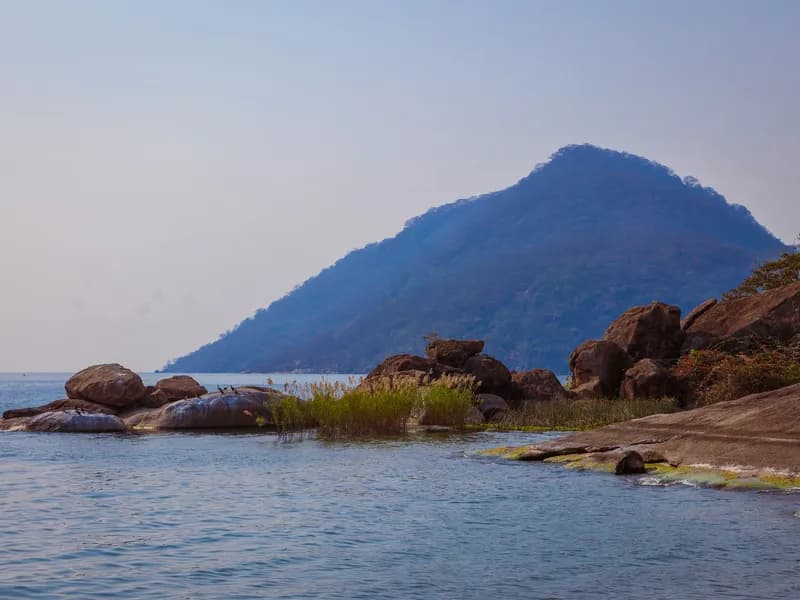
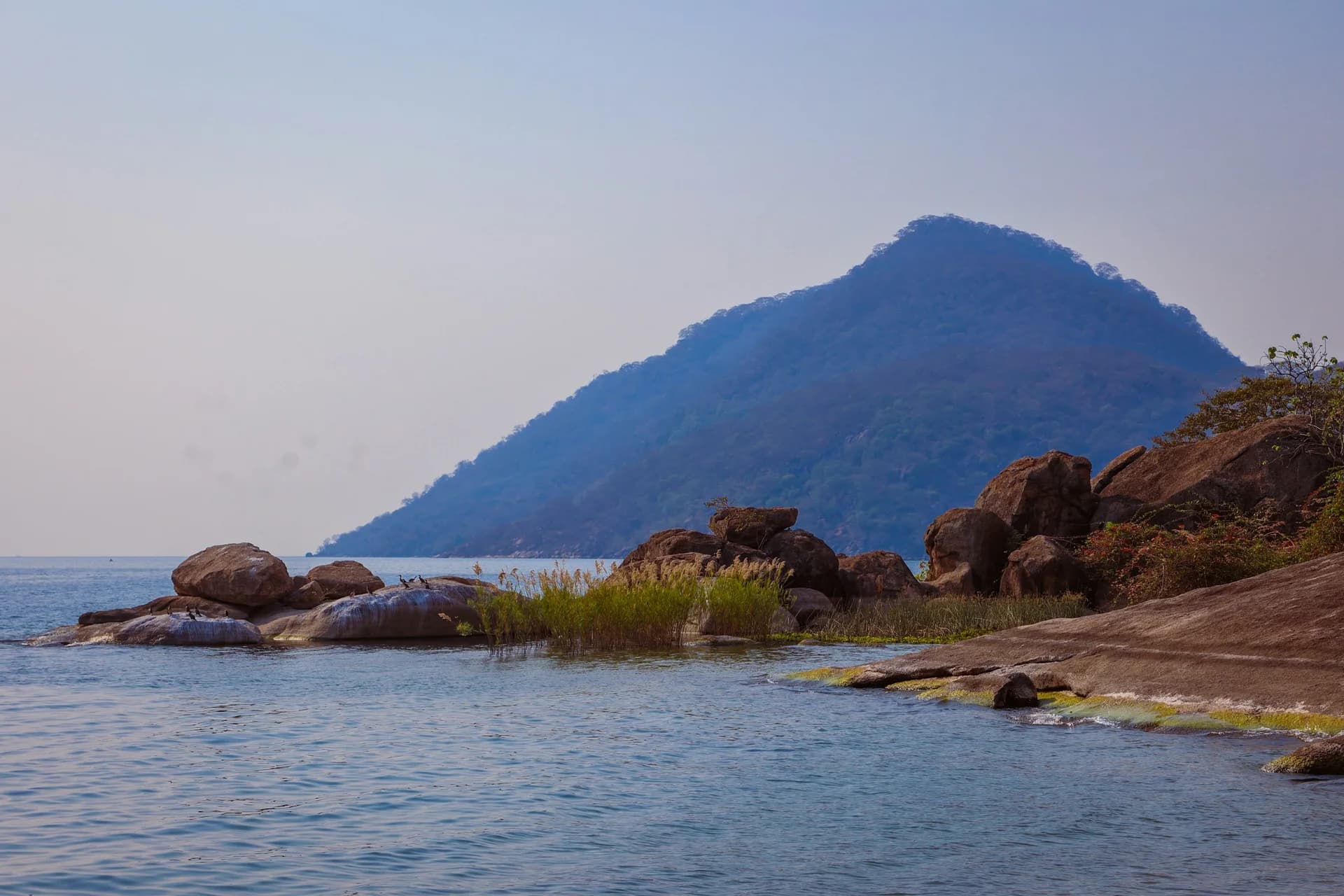
Cape Maclear (Chembe Village) is a golden-sand bay within Lake Malawi National Park. The palm trees lean over the water. Fish eagles circle overhead. Local fishermen paddle dugout canoes (bwatos) across the bay.
Park entry is $10/person/day. Beachfront rooms start at $15/night. You read that correctly. Fifteen dollars for a room on the sand with a lake view. Fat Monkeys Lodge does it for that price, and Gecko Lounge goes up to $80 for something more polished.
The vibe is pure off-the-beaten-path Africa. No jet skis. No all-inclusive resorts. No crowds. Just the lake.
4. Kayaking to Uninhabited Islands
Thumb West Island and Domwe Island sit just offshore from Cape Maclear. Both are uninhabited. Both are surrounded by pristine snorkeling reefs. Half-day guided kayak trips cost $20-30/person. Multi-day camping kayak expeditions (you camp on the islands) run $60-100/person per day.
Take the half-day to Thumbi West and the paddle runs about 45 minutes. The island is empty except for monitor lizards and fish eagles. The snorkeling on the reef ringing the island is the trip's high point, and lunch happens on a rocky beach with zero other humans in sight.
This doesn't exist in Thailand anymore. It barely exists anywhere. But it's here.
5. Likoma Island and Its Impossible Cathedral
Deep in the lake, closer to Mozambique than to the Malawian mainland, Likoma Island has about 9,000 residents, no cars, and — improbably — a cathedral the size of Winchester Cathedral.
St. Peter's Cathedral was built by Anglican missionaries between 1903 and 1911. It seats 600. On an island with 9,000 people. The stained glass was shipped from England. The whole thing is surreal and beautiful and completely unexpected.
Getting there: the MV Ilala ferry from Nkhata Bay (about 12 hours) or charter flight from Lilongwe. Stay at Kaya Mawa Lodge ($350+/night for honeymooner luxury) or basic guesthouses from $10/night.
6. The Ilala Ferry Is a Journey, Not Transport
The MV Ilala chugs between Monkey Bay and Chilumba over 3 days, stopping at lakeshore villages and islands. It's not comfortable. It's not fast. It's one of Africa's great travel experiences.
Cabin class: $40-60. Deck class: $10-15 (bring a mat and sleep on the deck with everyone else). The stops at remote villages involve small boats ferrying passengers and goods to shore. Food is available but basic — bring snacks.
Monkey Bay to Nkhata Bay takes about 18 hours, and the hours fill themselves: card games with Malawian teachers, rice and beans from the kitchen, sunset over the lake from the deck. Conversations here run long and go deep — education policy, family, football — and that's the real cargo the Ilala carries.
7. Nkhata Bay Has Backpacker Energy
If Cape Maclear is the chill beach, Nkhata Bay is the party. A natural harbor on the northern shore with rocky coves, sunset diving spots, and a concentration of backpacker lodges that creates a social vortex.
Mayoka Village: dorms $8, privates $25. The bar overlooks the lake and fills up every evening. Big Blue Star is quieter. Aqua Africa does the best diving.
Kayak to Chikale Beach. Jump off the rocks at the harbor. Drink Carlsberg Greens (Malawi's national beer, UGX equivalent ~$0.70). The vibe is young, international, and deeply relaxed.
8. It's One of the Cheapest Destinations in Africa
Malawi makes Uganda look expensive.
| Item | Cost |
|---|---|
| Budget beachfront room | $10-15/night |
| Local meal (nsima and fish) | $2-3 |
| Beer (Carlsberg Green) | $0.70-1 |
| Snorkel trip | $5/half-day |
| Kayak to island | $20-30/half-day |
| MV Ilala ferry (deck) | $10-15 |
The biggest expense is getting there. Flights to Lilongwe aren't cheap, and the 4-5 hour drive to Cape Maclear on rough roads adds time and cost. But once you're at the lake, your daily budget can be $20 and you'll live well.
9. Malawians Are the Friendliest People You'll Meet
They call it "The Warm Heart of Africa" and it's not tourism marketing — it's genuinely true. Greetings matter: always say "Muli bwanji?" (How are you?) before any interaction. Handshakes are long. Smiles are universal.
Spend five days at the lake and you'll likely find yourself invited into somebody's home. Each time, the pattern is the same: tea, conversation, genuine interest in where you're from. Nobody is selling anything. Nobody wants a tip. They just want to talk.
This is increasingly rare in well-touristed African destinations. Malawi hasn't been over-touristed. The warmth is still unguarded.
10. The Sunsets Are a Nightly Performance
Lake Malawi runs roughly north-south. The western shore — where Cape Maclear sits — faces east. Which means the sunrises are spectacular and the sunsets light up the mountains across the lake in pinks and oranges.
But Nkhata Bay, on the western shore, gets proper sunsets. The lake turns gold. The fishing boats become silhouettes. Somebody at Mayoka Village plays guitar on the deck. Nobody takes photos after the first night, because you realize the camera can't capture it.
You just sit there. And that's enough.
Getting there: Fly to Lilongwe (LLW). Drive 4-5 hours to Cape Maclear via Monkey Bay. Visa on arrival ($50-75) or e-visa at evisa.gov.mw. Antimalarials are essential. Yellow fever certificate required if arriving from an endemic country.
When to go: May-October (dry season, clearest water). August-November for the best snorkeling visibility.
Bilharzia warning: The lake carries schistosomiasis risk in shallow, weedy areas. Cape Maclear's rocky reefs are generally lower risk. Ask locals about current conditions. A single dose of Praziquantel handles it if you're concerned.
For more, see our snorkeling guide.