
Bariloche vs. Queenstown: The World's Two Best Lake-and-Mountain Towns Compared
Bariloche vs. Queenstown: The World's Two Best Lake-and-Mountain Towns Compared
Bariloche in Argentine Patagonia and Queenstown in New Zealand's South Island occupy the same niche in the travel world: small mountain towns on glacial lakes with ski resorts, adventure sports, craft beverages, and scenery that makes you question reality.
They get compared for good reason — the landscapes are eerily similar, both in the southern hemisphere, both sitting at roughly 41° south latitude. But the experiences diverge in ways worth knowing before you book. Here's the honest comparison, side by side.
The Setting
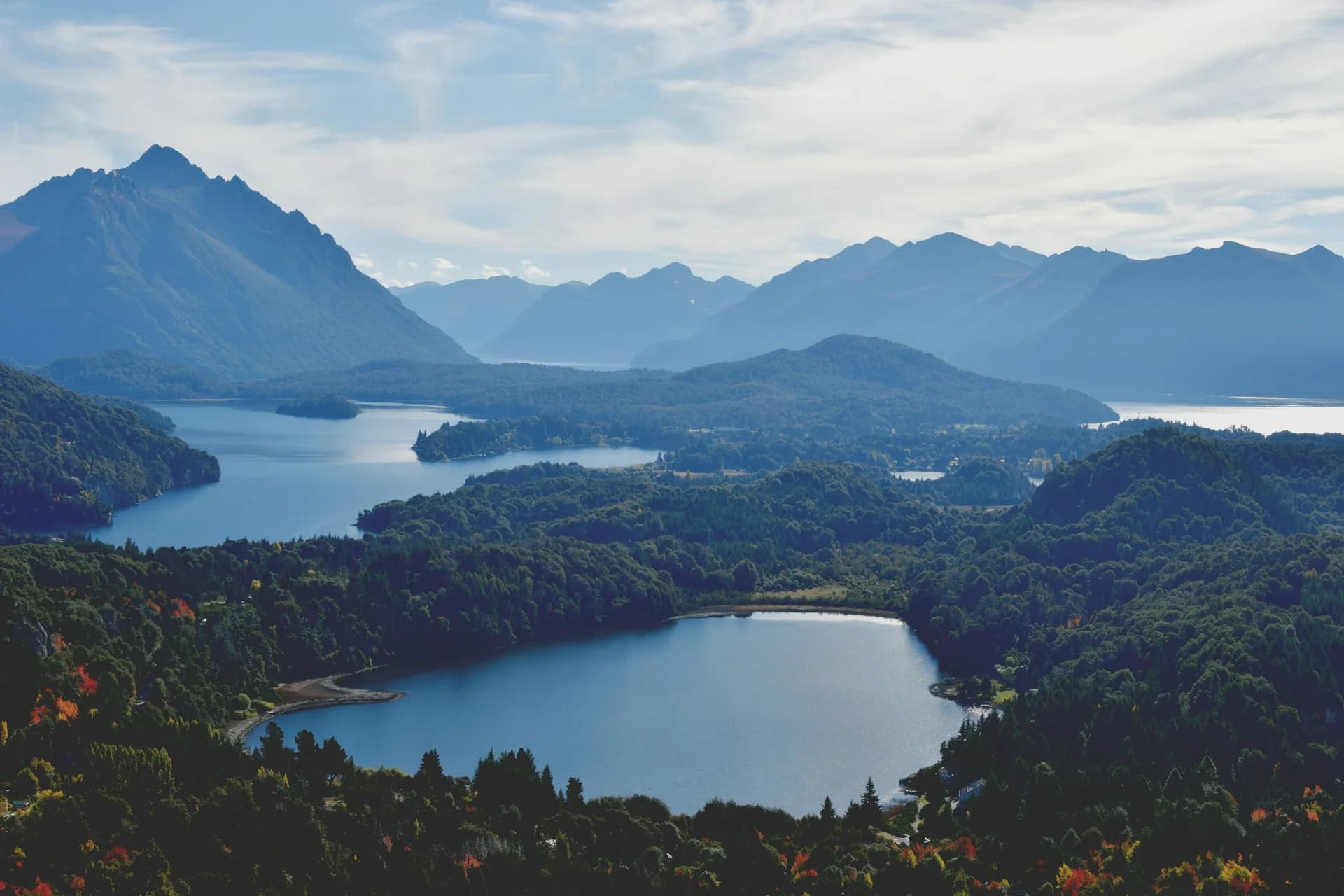
Bariloche sits on the shore of Lago Nahuel Huapi (557 sq km) surrounded by the Andes. The lake runs deep blue, ringed by dense lenga beech forests and snow-capped volcanic peaks. Isla Victoria floats in the middle. The Circuito Chico drive hands you a new lake or viewpoint every few kilometers.
Queenstown wraps around Lake Wakatipu (293 sq km), framed by the Remarkables mountain range. The water shades deep blue-green, glacier-carved and hemmed in by tawny tussock grasslands and dramatic peaks. The Skyline Gondola delivers the aerial view.
Winner: Draw. Both are jaw-droppingly beautiful. Bariloche gives you more lakes (seven on the famous route alone). Queenstown's Remarkables are more dramatic.
Adventure Activities
Bariloche offers skiing (Cerro Catedral, South America's largest resort, June-October), hiking (Refugio Frey, Cerro Lopez), kayaking, mountain biking, and the Icefields Parkway-equivalent Ruta de los Siete Lagos.
Queenstown is the self-proclaimed "Adventure Capital of the World" — bungee jumping (Kawarau Bridge, the original), skydiving, jet boating, paragliding, skiing (The Remarkables, Coronet Peak), and the Milford Sound day trip.
Winner: Queenstown for adrenaline variety. Bariloche for hiking and scenic driving.
Food and Drink
Bariloche is Argentina's chocolate capital (20+ artisan shops on Calle Mitre) and pioneered the country's craft beer movement (Blest, 1995). Patagonian lamb (cordero patagonico) and wild boar (jabali) are local specialties. Steaks are world-class. Argentine Malbec flows freely.
Queenstown has the Fergburger phenomenon (legendary burgers, permanent queue), excellent wine bars pouring Central Otago Pinot Noir, and a growing food scene. Ferg's earns its reputation, but the food culture stays thinner than Bariloche's.
Winner: Bariloche. The chocolate, craft beer, and steak culture runs deeper. Queenstown has Fergburger.
Cost Comparison
This is where the comparison gets dramatic.
| Category | Bariloche (USD) | Queenstown (USD) |
|---|---|---|
| Hotel/night (mid-range) | $50-100 | $150-350 |
| Restaurant dinner | $15-25 | $35-60 |
| Craft beer flight | $4-6 | $15-25 |
| Ski day pass | $45-65 | $120-180 |
| Adventure activity | $30-60 | $100-250 |
| Daily budget | $80-150 | $200-400 |
Winner: Bariloche, dramatically. At the blue dollar exchange rate, Bariloche costs 40-60% less than Queenstown for comparable quality.
Skiing
Cerro Catedral (Bariloche) is South America's largest ski resort: 120 km of runs, 39 lifts, 1,150 meters of vertical. Season: June-October. Day pass: $45-65 USD. The resort sits 20 km from town.
The Remarkables and Coronet Peak (Queenstown) are smaller but well-maintained. Season: June-October. Day passes: $120-180 NZD ($75-110 USD). Both sit 20-30 minutes from town.
Winner: Bariloche for size and value. Queenstown for grooming and infrastructure.
Accessibility
Bariloche: 2-hour flight from Buenos Aires. Airport 14 km from town. Direct flights on Aerolineas Argentinas and Flybondi ($80-200 USD). Also reachable by 22-hour sleeper bus from Buenos Aires.
Queenstown: 2-hour flight from Auckland, 1.5 hours from Christchurch. Direct international flights are limited — most connections route through Auckland or Christchurch. Airport 8 km from town.
Winner: Queenstown for domestic connections. Bariloche for international access (Buenos Aires is a major hub).
The Vibe
Bariloche feels like a real town that happens to sit in a stunning location. Locals (Barilochenses) work there, raise families there, and give the place a year-round authenticity. The Argentine dining culture — late dinners, long lunches, wine as a default — permeates everything. The pace stays relaxed.
Queenstown is more purpose-built for tourism. The town center packs in tour operators, souvenir shops, and restaurants catering to visitors. The adrenaline-sport culture lends it a youthful, energetic feel. It's exciting, if less authentic.
Winner: Bariloche for authenticity. Queenstown for energy.
Weather
Both sit at approximately 41° south latitude. Both have four distinct seasons. Both share similar temperature ranges:
- Summer (Dec-Feb): 15-25°C
- Winter (Jun-Aug): -2 to 8°C
- Both get 150+ days of rain/snow per year
Bariloche gets heavier snow. Queenstown gets more wind. Both bring Patagonian-style weather swings — four seasons in one day is a running joke in both locations.
Winner: Draw.
The Verdict
Choose Bariloche if: You want European-quality scenery at South American prices. You love chocolate, craft beer, and steak. You want to hike to mountain refuges and drive scenic lakeside roads. You're comfortable with some language barriers (Spanish is essential outside tourist areas).
Choose Queenstown if: You want adrenaline activities (bungee, skydiving, jet boats). You want easy English accessibility. You're combining it with a broader New Zealand trip. You don't mind paying a premium for convenience and infrastructure.
The honest truth: Bariloche delivers 80% of Queenstown's experience at 50% of the cost, with better food and more authentic culture. Queenstown counters with better adventure-sport infrastructure and easier English access.
If you can only choose one, let it be Bariloche — and pack an extra suitcase for the chocolate.


