
Chiang Mai in Cool Season: Why November to February Is Pure Magic
Chiang Mai in Cool Season: Why November to February Is Pure Magic
I've visited Chiang Mai in every season. The rainy months are lush and quiet. The hot months are... hot. But cool season — November to February — transforms this mountain city into something that feels almost European in its comfort while remaining entirely, unmistakably Thai.
If you're planning a Chiang Mai trip, here's why you should aim for these four months and exactly what to expect.
The Weather Changes Everything
Cool season mornings drop to 15-20°C — genuinely cool enough for a light jacket. Midday temperatures reach a pleasant 28-30°C. The air is clear, the mountains are visible from anywhere in the city, and the humidity that makes Bangkok feel like a sauna simply doesn't exist up here at 300 meters elevation.
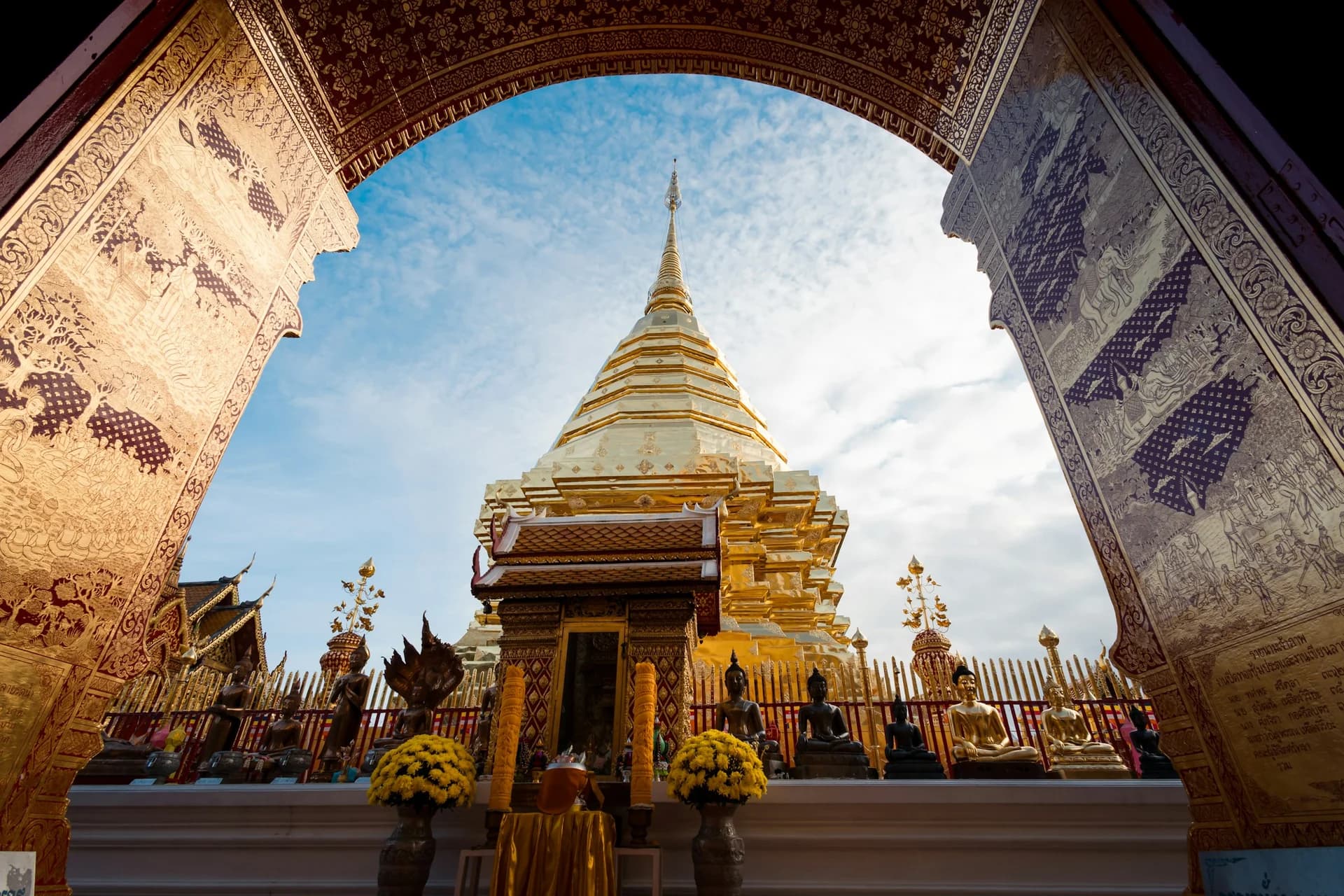
After November's rains end, the sky turns a sharp, clean blue that lasts through February. Sunset over Doi Suthep temple glows orange and gold without a cloud in the frame. Photographers go slightly mad during these months.
Yi Peng Lantern Festival (November)
The main reason to visit in November. Yi Peng falls around the same time as Loy Krathong (the floating lantern festival) and the sight of thousands of paper lanterns (khom loi) rising simultaneously into the night sky over Chiang Mai is, without hyperbole, one of the most beautiful things I've ever witnessed.
The main release event happens at Mae Jo University, about 20km north of the city. Tickets run 3,000-5,000 THB through official organizers and sell out months in advance. Smaller releases happen throughout the Old City — some temples do their own — and the overall atmosphere in the city during the festival is electric.
Practical note: the lanterns are released over a few specific nights, usually in mid-November. Exact dates follow the lunar calendar. Check before booking.
Cool Season Hiking
Chiang Mai's surrounding mountains are at their best in these months. The trails are dry, the air is cool, and the visibility extends for miles.
Doi Inthanon (Thailand's highest peak at 2,565m) gets genuinely cold at the summit — 5-10°C. The twin royal pagodas are wreathed in mist at dawn, the cloud forest trails feel like another country entirely, and the Hmong hill tribe markets sell handwoven textiles and fresh coffee from local plantations. Entry: 300 THB. Hire a driver for the day (~1,500-2,000 THB).
Doi Suthep-Pui National Park has multiple trails ranging from easy to challenging, all starting within 15km of the city. The Monk's Trail to Doi Suthep temple (about 2 hours of walking through jungle) is a sweat-free experience in cool season that would be brutal in April.
The Markets Peak
Chiang Mai's market culture hits its stride in cool season. The Sunday Walking Street on Ratchadamnoen Road (4PM-midnight) is the standout — a kilometer of handmade crafts, art, clothing, and street food. Khao soi for 50 THB, mango sticky rice for 40 THB, and handmade goods you won't find on Amazon.
The cooler temperatures mean walking for hours without wilting. In April, the same market is an endurance test.
Saturday Walking Street on Wualai Road is slightly less crowded with a focus on silverwork and textiles. The Chang Phuak Gate food stalls operate nightly and serve the best cowman chicken in the city.
What to Eat in Cool Season
Cool weather cooking in northern Thailand shifts toward warming dishes:
- Khao soi — The coconut curry noodle soup is perfect when there's a chill in the air. Best at Khao Soi Mae Sai near Chang Phuak Gate.
- Sai ua — Northern Thai sausage, herbed and grilled. The lemongrass and kaffir lime hit differently when the temperature drops.
- Kanom jeen nam ngiao — Rice noodles in a tomato-pork broth with blood cubes and pork ribs. Sounds intense, tastes incredible, and warms you from the inside.
Cool Season Activities
Thai Cooking Class
Chiang Mai's cooking classes run year-round, but cool season means the outdoor farm-based schools (Thai Farm Cooking School, ~1,500 THB) are comfortable instead of sweltering. You visit a market, pick ingredients, and cook 4-6 dishes in an open-air kitchen with mountain views.
Elephant Nature Park
The elephants are more active in cooler weather. The full-day visit (~2,500 THB) includes bathing them in the river, which in cool season means you'll get refreshingly cold rather than tepidly warm. Book 2-4 weeks ahead.
Doi Suthep at Sunset
The 306-step climb to the mountaintop temple (or take the funicular for 50 THB) rewards you with a golden-hour panorama of Chiang Mai spread below. In cool season, the air is clear enough to see the city's edges. Entry: 50 THB. Songthaew from the Old City: ~100 THB.
Packing for Cool Season
- Light jacket or hoodie for mornings and evenings
- One warmer layer for Doi Inthanon (it gets properly cold up there)
- Sunscreen — the UV is still strong at this latitude
- Comfortable walking shoes
- Layers — the temperature swing between 6AM and 2PM can be 15°C
Crowd Levels and Pricing
Cool season is peak season. Hotels in the Old City and Nimman fill up, especially during Yi Peng and Christmas/New Year. Book accommodation at least 4-6 weeks ahead for November and December.
Prices increase 20-40% compared to rainy season, but Chiang Mai is so affordable that even peak-season prices feel reasonable. A comfortable hotel room in the Old City runs 800-2,000 THB/night. A luxury boutique in Nimman might hit 3,000-5,000 THB.
Sample Cool Season Itinerary
Day 1: Arrive, Old City temple walk (Wat Chedi Luang monk chat, Wat Phra Singh), Sunday Walking Street market Day 2: Thai cooking class (full day) Day 3: Doi Suthep sunrise, afternoon at Elephant Nature Park Day 4: Doi Inthanon day trip Day 5: Nimman cafe-hopping, Saturday Walking Street
This itinerary hits every highlight and leaves room for the inevitable "I don't want to leave" extension days. For more, check out our complete Chiang Mai guide.
The Cool Season Feeling
There's a specific feeling to Chiang Mai in November through February. It's the light hoodie at breakfast. The mountain air when you step outside at 7AM. The way a bowl of khao soi tastes when there's actually a chill in the air rather than 35°C of heat.
It's a city designed for slow mornings, temple walks, and the kind of relaxed pace that most travel destinations promise but few deliver.
Cool season Chiang Mai delivers.


