Your Malta Questions, Answered: 14 Things Every First-Timer Needs to Know
Your Malta Questions, Answered: 14 Things Every First-Timer Needs to Know
Malta surprises people. They expect a small beach island and find 7,000-year-old temples, a fortress capital built by crusading knights, and a food scene anchored by a 50-cent pastry. Six years of planning Malta trips turns up the same questions again and again — here they are, answered.
The Basics
Q: How big is Malta? Can you see everything?
Malta is tiny — 27 km long and 14 km wide. You can drive from one end to the other in 45 minutes. But "seeing everything" still takes 5-7 days because the density of things to see is extraordinary. Valletta alone deserves a full day. Gozo needs at least one day, ideally two. The megalithic temples, Mdina, the Blue Grotto, and the Three Cities each need half a day.
For a first visit, five nights is the floor. A week is ideal.
Q: Do you need a car?
No. Malta's bus network (tallinja.com) connects all towns from Valletta's central hub. Single ticket: 1.50 EUR (winter), 2 EUR (summer), 3 EUR (night). A 7-day Explore card costs 21 EUR for unlimited rides. Buses reach everywhere in under an hour.
Driving in Malta is genuinely stressful — left-hand traffic (British colonial legacy), narrow roads, and driving styles that are creative at best. Bolt ride-hailing is cheap for short trips. Skip the rental car unless you're on Gozo, where buses are less frequent.
Q: What's the deal with the language?
Maltese is a Semitic language (closest relative: Arabic) written in Latin script — it sounds like Arabic with Italian mixed in. But English is an official language. Everyone speaks it. All signage, menus, and immigration are bilingual. You won't need a phrase book.
Must-See Attractions
Q: Is the Hypogeum worth 35 EUR and all that advance booking?
Absolutely. The Hal Saflieni Hypogeum is a 5,000-year-old underground temple carved into limestone — three levels deep, with rooms, altar niches, and red ochre paintings. Only 80 visitors per day are allowed, which keeps it intimate and preserved.
But here's the thing — tickets sell out 1-2 months in advance. Book at heritagemalta.mt the moment you confirm your trip. If sold out, check for last-minute releases at midnight. There is no walk-up availability. Travelers have flown to Malta specifically for the Hypogeum and found it booked out. Don't be that person.
Q: Is Valletta really worth a full day?
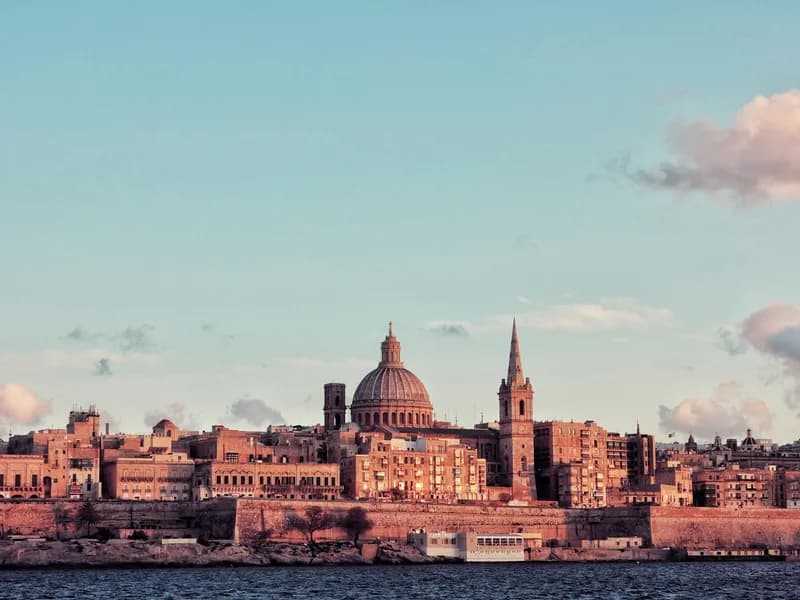
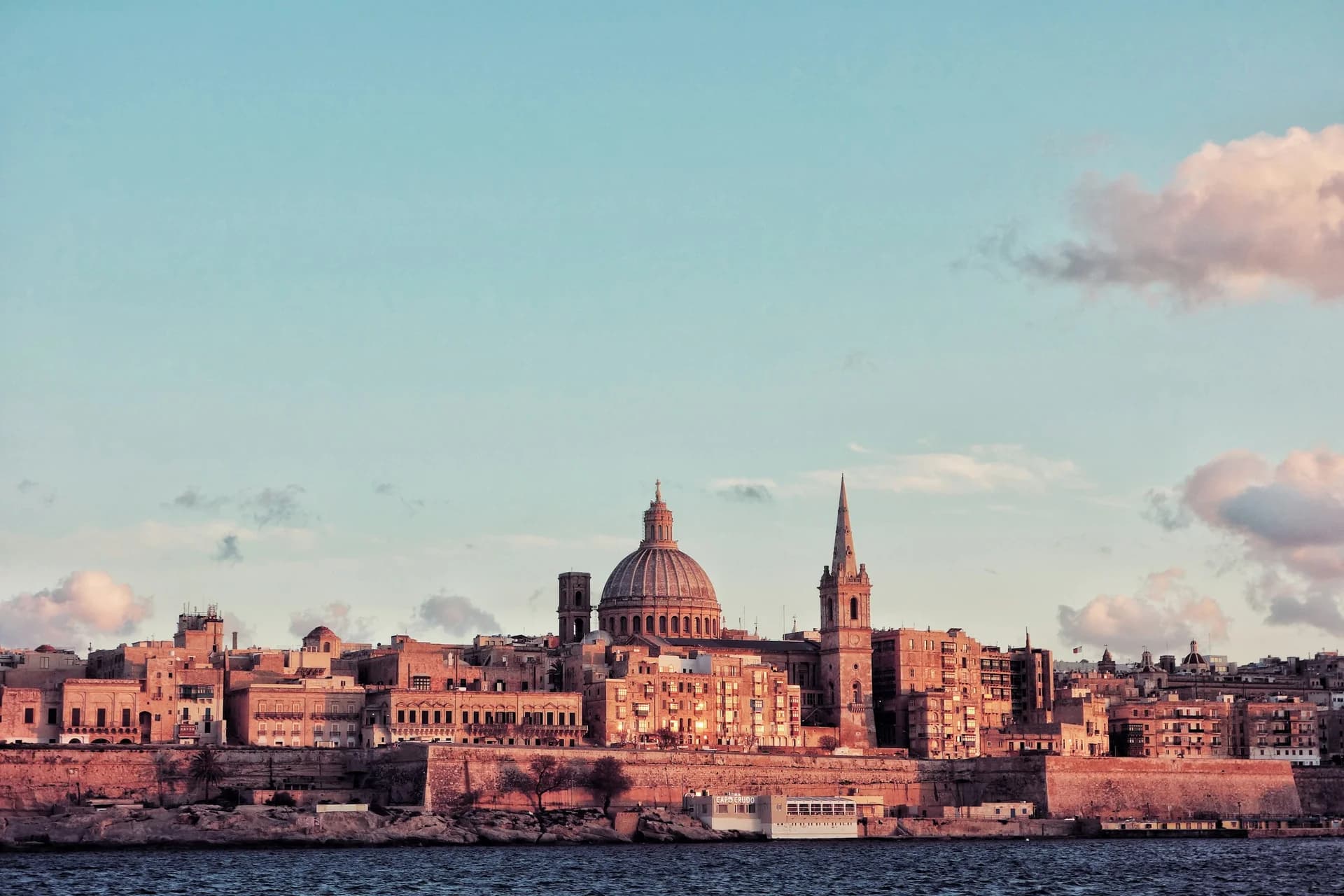
Yes. Europe's smallest capital is a UNESCO World Heritage city packed into a grid of honey-stone streets. St. John's Co-Cathedral (15 EUR) houses Caravaggio's "The Beheading of St. John the Baptist" — the only work he signed. The Upper Barrakka Gardens offer free panoramic views over the Grand Harbour, with a noon cannon salute that makes everyone jump.
Republic Street is the main pedestrian artery. Walk from the City Gate to Fort St. Elmo (10 EUR) for the full experience. The Malta Experience audiovisual show at the Mediterranean Conference Centre gives a good 45-minute history overview (16 EUR).
Q: Can you visit the Blue Lagoon without going insane?
Comino's Blue Lagoon has electric-blue water over white sand — it's stunning in photographs and overwhelming in person during peak season. Boats from Cirkewwa cost about 10 EUR return. The problem: by 10AM in summer, the lagoon is packed with hundreds of day-trippers and blasting boat sound systems.
Go in September. Or on a weekday. Or take an early morning boat (departures start at 9AM). Better yet, swim to the quieter coves beyond the main lagoon — there's excellent snorkeling away from the crowd.
Q: Are the megalithic temples interesting for non-archaeologists?
The Hagar Qim and Mnajdra temples (combined entry: 10 EUR) are the oldest free-standing structures on Earth — built 3600-3200 BC, older than Stonehenge and the Pyramids. They sit on a clifftop with Mediterranean views.
Are they visually spectacular? Honestly, they're stone walls. You need context to appreciate them. The visitor center does a good job, and the audio guide (included) helps. But if ancient history doesn't excite you, they'll feel like a pile of well-arranged rocks. If ancient history does excite you, they'll be among the most profound things you've ever seen.
Food & Budget
Q: What's a pastizz and why does everyone talk about it?
Malta's national snack: a diamond-shaped flaky pastry filled with either ricotta or mushy peas. It costs 0.50-1 EUR from pastizzerias (bakeries). Crystal Palace in Rabat is legendary — there's usually a queue, and the pastizzi come out of the oven hot every few minutes.
At 50 cents, a pastizz is possibly the best food bargain in Europe. Three or four a day is a perfectly reasonable Malta habit. No shame in it.
Q: How expensive is Malta overall?
Cheaper than you'd expect for an island destination. A restaurant meal: 12-20 EUR per person. Beer: 3-4 EUR. Espresso: 1.50 EUR. Wine: 3-4 EUR per glass (local Marsovin and Meridiana are decent). Accommodation ranges from 40 EUR/night (guesthouses) to 200+ EUR (boutique hotels in Valletta).
Avoid Paceville (the nightlife strip in St. Julian's) for eating — tourist prices for mediocre food. The Three Cities (Birgu, Senglea, Cospicua) across the harbor from Valletta have excellent restaurants at local prices.
Q: Any food worth trying beyond pastizzi?
Ftira — Maltese bread rubbed with tomato, topped with olives, capers, onion, and tuna. A complete meal for 5-8 EUR.
Rabbit stew (fenkata) — Malta's unofficial national dish, usually served at village festas or at countryside restaurants. About 15 EUR.
Kannoli — like Italian cannoli but with a distinctly Maltese ricotta filling. 2-3 EUR.
Lampuki pie — a fish pie made with dorado (lampuki) in autumn. Seasonal (September-November).
Gozo & Activities
Q: Is Gozo worth the trip?
Absolutely. Malta's smaller sister island is quieter, greener, and more rural. The 25-minute ferry from Cirkewwa (4.65 EUR per person round trip, frequent departures) is practically free.
Key sights: the Citadella fortress in Victoria (free), Ramla Bay (best sandy beach in the archipelago), Ggantija Temples (9 EUR, older than Hagar Qim), and the Inland Sea at Dwejra. Rent a quad (30 EUR/day) to explore.
Allot at least one full day. Two days with an overnight stay is better — evening Gozo, when the day-trippers leave, is peaceful and magical.
Q: Is Malta good for diving?
It's one of the Mediterranean's best diving destinations. Water visibility reaches 30-40 meters. Top sites: the Um El Faroud wreck (30m), Cirkewwa's Madonna Statue (18m), and the Blue Hole on Gozo. Two-dive packages from about 70-90 EUR with equipment. PADI certification courses from about 350 EUR.
Even snorkeling is excellent — the Blue Lagoon and the caves around Gozo's coast offer clear, warm water full of marine life.
Practical Details
Q: Best time to visit?
April to June and September to November. Summer (July-August) is 35°C+ with intense sun and cruise ship crowds. Winter (December-February) is mild (12-16°C) and good for sightseeing but too cold for swimming.
The village festas (patron saint festivals) run June through September — fireworks, processions, food stalls. Free. Fantastic atmosphere. Check the schedule at visitmalta.com.
Q: Anything about local customs worth knowing?
Malta is deeply Catholic — 360+ churches for 520,000 people. Dress modestly when visiting churches (cover shoulders and knees). Most shops close on Sundays and public holidays. Good Friday processions are elaborate and moving.
The village festas are worth planning around — each village celebrates its patron saint with a week of street decorations, band marches, fireworks, and food. It's the most authentically Maltese experience you can have.
Quick Reference
| Need | Details |
|---|---|
| Currency | Euro (EUR) |
| Language | Maltese + English (both official) |
| Airport | Malta International (MLA) |
| Getting around | Bus (tallinja.com) + Bolt |
| Budget per day | 70-120 EUR (mid-range, per person) |
| Best months | April-June, September-November |
| Must-book ahead | Hypogeum (1-2 months), Gozo overnight |
| Don't forget | Sunscreen SPF 50, water shoes, modest clothing for churches |
For more detail on Malta's attractions, the complete Malta travel guide covers Valletta, Gozo, and the megalithic temples in depth. If you're also considering other Mediterranean islands, check how Sardinia and Sicily compare.