New Caledonia vs Fiji: Which South Pacific Destination Wins?
New Caledonia vs Fiji: Which South Pacific Destination Wins?
I've spent time in both. Serious time — not the three-night resort package where you never leave the property. And the honest truth is that comparing New Caledonia and Fiji is like comparing a French art-house film to a Hollywood blockbuster. Both are good. Both deliver Pacific Island beauty. But they're playing entirely different games.
Here's the category-by-category breakdown for travelers trying to decide.
The Lagoon & Reef
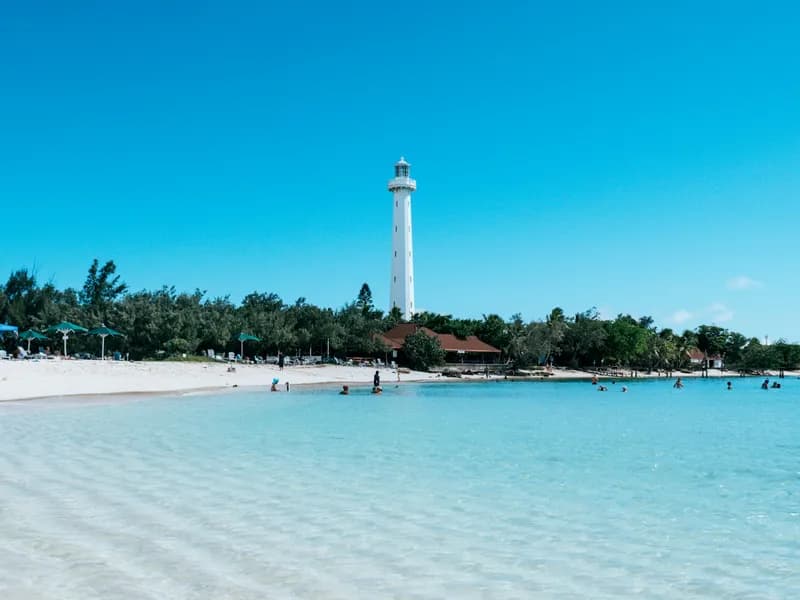
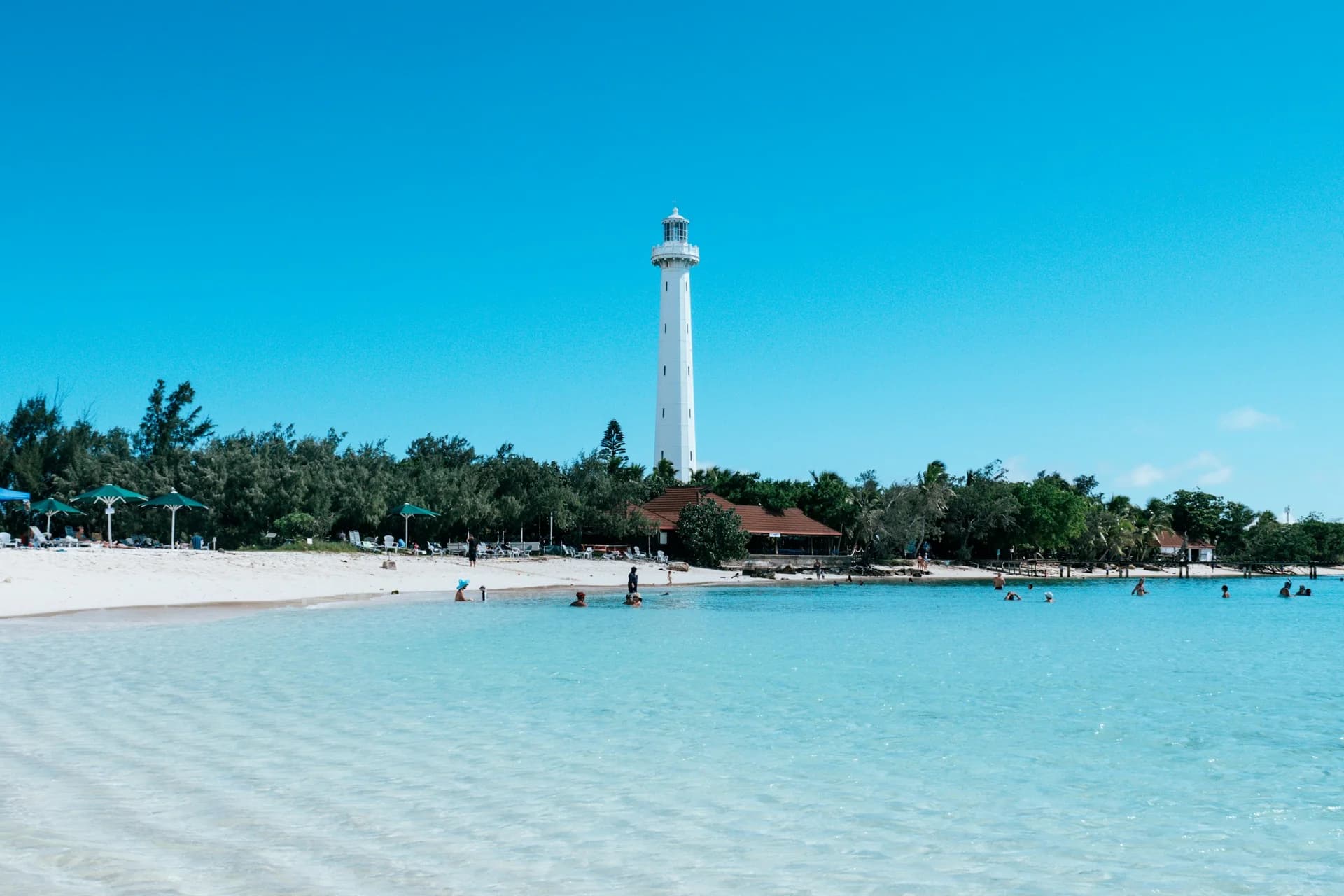
New Caledonia has the world's second-largest barrier reef after Australia's Great Barrier Reef. It's a UNESCO World Heritage Site enclosing a lagoon of 24,000 square kilometers. The biodiversity is staggering — dugongs, sea turtles, manta rays, and over 1,000 fish species. The Amedee Island day trip from Noumea (XPF 12,000-16,000, ~$103-138) puts you on a reef that feels like it hasn't been discovered yet.
Fiji has world-class diving, especially in the Somosomo Strait between Taveuni and Vanua Levu (the "Soft Coral Capital of the World"). The coral is spectacular, and visibility regularly exceeds 30 meters — for divers chasing maximum biodiversity, our 10-day Raja Ampat dive log covers what's often called the richest reef on Earth. But the most accessible reefs near the tourist hubs have seen more impact from boat traffic and bleaching events.
Winner: New Caledonia. The reef is larger, more protected, and less visited. Fiji's diving is excellent but concentrated in areas harder to reach.
Beaches
New Caledonia's Isle of Pines has Kuto Bay and Kanumera Bay — white sand, turquoise water, columnar pines framing everything like a postcard designed by a god with good taste. Ouvea in the Loyalty Islands has a 25km white sand beach backed by coconut palms that receives maybe a hundred tourists on a busy day.
Fiji has the Mamanuca and Yasawa Islands, which are the beaches you see in every South Pacific advertisement. Natadola Beach on the main island is gorgeous. The beach scene is more developed — sun loungers, beach bars, organized water sports.
Winner: Tie. New Caledonia's beaches are more pristine and empty. Fiji's are more accessible and have better infrastructure. Depends what you want.
Culture
New Caledonia is a genuinely unique cultural blend — French and Melanesian (Kanak). The Tjibaou Cultural Centre in Noumea (XPF 500, ~$4.30) is an architectural masterpiece by Renzo Piano that celebrates Kanak culture through exhibits, art, and performance spaces. On the Loyalty Islands, the coutume (customary gift exchange) when entering tribal lands is a living tradition, not a museum exhibit.
French bakeries in Noumea serve pain au chocolat while Kanak women sell yams and taro at the Port Moselle morning market. It's culturally complex in a way that rewards curiosity.
Fiji has a rich culture of its own — kava ceremonies, meke dance performances, and village visits are highlights. But much of the cultural experience is filtered through the resort system. The authentic village stays in the Yasawas are excellent. Suva's museum is underrated.
Winner: New Caledonia. The French-Kanak fusion is unlike anything else in the Pacific. Fiji's culture is wonderful but more familiar to Pacific travelers.
Food
New Caledonia has French cuisine with Pacific ingredients. Baguettes baked fresh every morning. Croissants that rival Paris. Noumea restaurants serve duck confit alongside grilled parrotfish. The outer islands have simpler fare — bougna (meat or fish cooked in banana leaves with coconut milk) is the traditional Kanak feast dish.
Fiji has solid resort food and excellent local Indian cuisine (the Indo-Fijian population has created a unique culinary tradition). Street food in Nadi and Suva is fantastic — roti and curry, kokoda (raw fish in coconut cream, similar to ceviche). But outside of resorts and towns, food options are limited.
Winner: New Caledonia. It's unfair to compare anything to French-influenced cuisine, and New Caledonia delivers it in a tropical setting. But it comes at French prices.
Cost
New Caledonia is expensive. French pricing in a remote Pacific location. Budget hotel rooms start at XPF 8,000/night ($69). Restaurant meals run XPF 1,500-3,500 ($13-30). Even a baguette costs XPF 100-200 (~$0.90-1.70). The outer islands are slightly cheaper, and gites (self-catering bungalows) offer savings. But there's no getting around it: this is a pricey destination.
Fiji has a wider range. Budget hostels from $20/night exist alongside $2,000/night luxury resorts. Mid-range is well served. Local food is cheap ($3-8 for a solid meal). You can do Fiji on a backpacker budget if you avoid the resorts.
Winner: Fiji. Significantly more affordable across all budget levels.
Accessibility
New Caledonia is reachable from Sydney (2.5 hours), Auckland (2.5 hours), and Tokyo (8 hours) via Aircalin. From North America, you're looking at connections through Auckland or Tokyo. La Tontouta Airport is 50km from Noumea — shuttle bus XPF 2,000 (~$17). Getting to the outer islands requires domestic flights with Air Caledonie (limited capacity, book early).
Fiji has far more international connections — direct flights from Los Angeles, San Francisco, Sydney, Auckland, and multiple Asian cities. Nadi Airport is a major Pacific hub. Inter-island flights and ferries are frequent and relatively affordable.
Winner: Fiji. Much easier to reach from more origins, with better inter-island transport.
Crowds
New Caledonia gets approximately 120,000 tourists per year (excluding cruise ships). The Loyalty Islands might see a few dozen tourists in a day. Even Noumea feels manageable. The Isle of Pines is popular with cruise ships on specific days — avoid those days and you'll have the beaches nearly to yourself.
Fiji gets over 900,000 tourists annually. The Mamanuca Islands can feel crowded during school holidays. The Coral Coast resort strip is busy. But get to the Yasawas or Taveuni, and the numbers thin dramatically.
Winner: New Caledonia. Dramatically fewer tourists across the board.
Unique Experiences
New Caledonia: The Heart of Voh (a natural heart-shaped clearing in mangroves, seen by helicopter or ultralight from Kone, XPF 15,000-25,000). Blue River Provincial Park (kayaking through a drowned forest over red laterite soil, XPF 500 entry). Spotting the cagou — New Caledonia's endemic national bird, found nowhere else on Earth.
Fiji: Kava ceremonies with village chiefs. Firewalking performances. Swimming with manta rays in the Yasawas. The Navua River highlands and waterfall hikes.
Winner: Tie. Both offer genuinely unique experiences you can't get elsewhere.
Safety & Stability
This is where things get nuanced for New Caledonia. The territory has experienced political unrest related to independence discussions, most recently in 2024. Check government travel advisories before booking. Tourist areas are generally unaffected, but protests can disrupt roads and flights. Travel insurance with cancellation coverage is strongly recommended.
Fiji is politically stable and tourism-friendly. Standard Pacific safety advice applies — avoid isolated areas at night, be careful with ocean conditions.
Winner: Fiji. More predictably stable.
The Comparison Table
| Category | New Caledonia | Fiji |
|---|---|---|
| Reef | World's 2nd largest, UNESCO | World-class diving, focused areas |
| Beaches | Pristine, empty | Beautiful, developed |
| Culture | French-Kanak fusion (unique) | Fijian-Indian blend (warm) |
| Food | French-Pacific cuisine | Resort + excellent local |
| Budget hotel | ~$69/night | ~$20/night |
| Restaurant meal | ~$13-30 | ~$5-15 |
| Crowds | Very low | Moderate-high |
| Flights | Limited origins | Many origins |
| Best time | Sept-Nov | May-Oct |
| Visa | French overseas rules | Visa-free most nationalities |
The Verdict by Traveler Type
Choose New Caledonia if: You prioritize cultural uniqueness over convenience, you appreciate French cuisine, you want empty beaches and world-class snorkeling without crowds, and your budget can handle European-level pricing.
Choose Fiji if: You want maximum beach time with diverse accommodation options, you're traveling on a moderate budget, you value easy air connections, and you prefer a well-established tourist infrastructure.
Choose both if: You have 2-3 weeks and can do Fiji first (more accessible, easier adjustment) then New Caledonia (the quieter, more refined follow-up) — and if you can stretch to a third island, Vanuatu sits neatly between them in both budget and pace. They complement each other perfectly.
My personal pick? New Caledonia. But I'm biased toward places that make you work a little harder to enjoy them. The payoff is proportional.