Oaxaca in October: Day of the Dead, Dry Season, and the Best Time to Visit Mexico's Soul
Oaxaca in October: Day of the Dead, Dry Season, and the Best Time to Visit Mexico's Soul
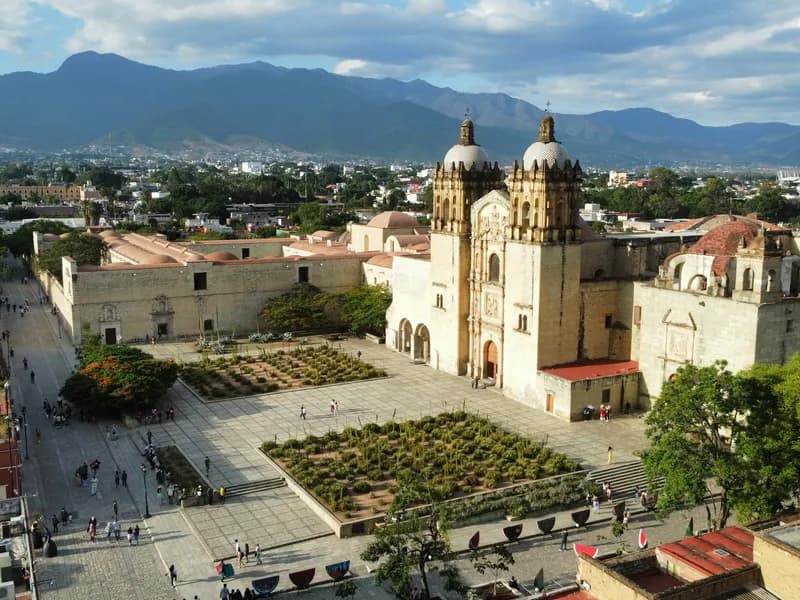
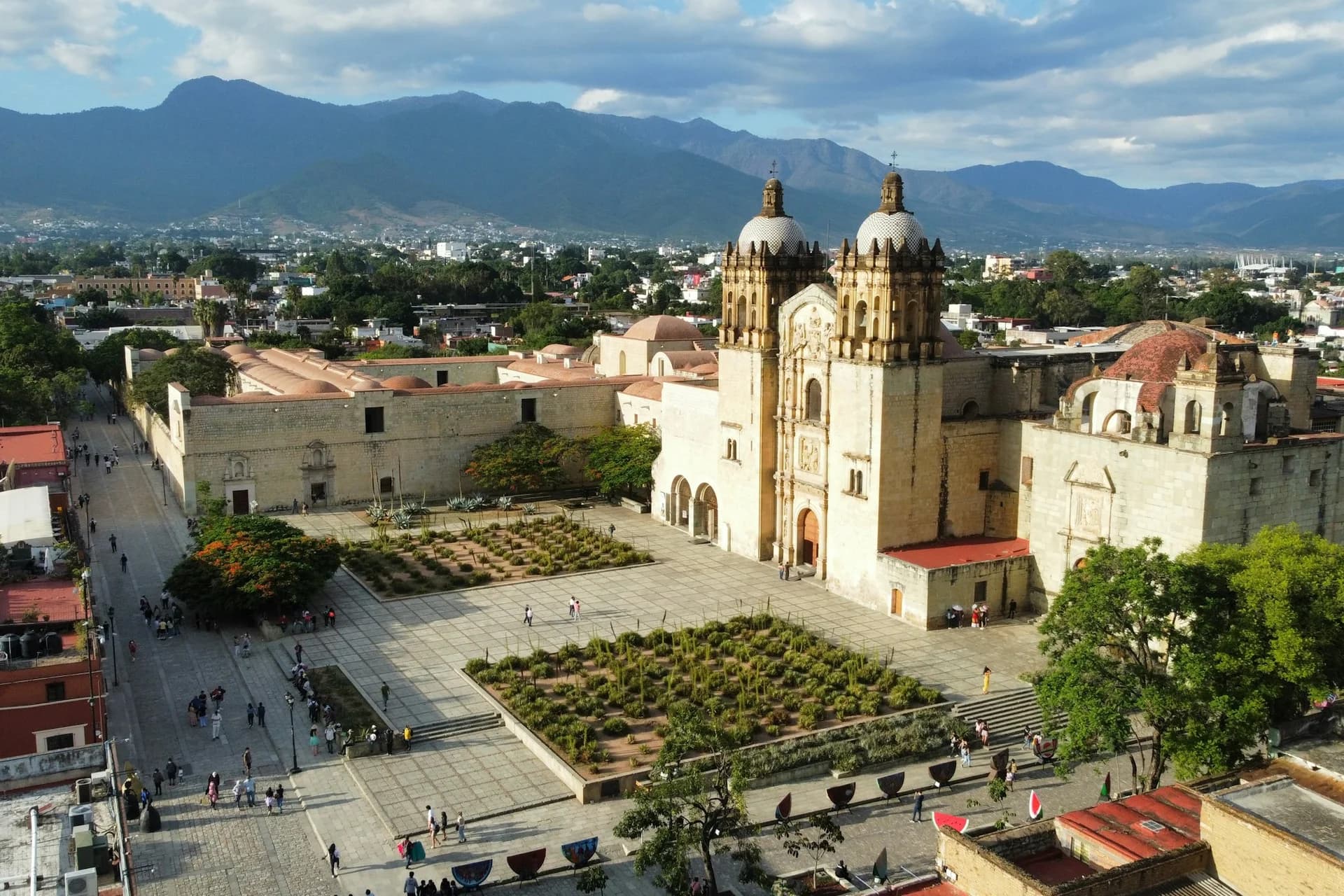
Oaxaca is where Mexico's cultural soul lives.
I'm going to make a case that October is the single best month to visit any destination in the Western Hemisphere. If you've explored Cancun or Mexico City, Oaxaca is a different Mexico entirely. Specifically, the last week of October, in Oaxaca, Mexico. And I'm going to back it up with evidence.
Why October Is Perfect
Oaxaca sits at 1,550 meters elevation in a semi-arid valley surrounded by mountains. The rainy season runs June through September — afternoon downpours that are brief but intense. By October, the rains have stopped. The landscape is green from months of moisture. The air is dry and clear. Temperatures hover between 20-28°C during the day, dropping to 10-15°C at night.
That's long-sleeve-over-a-t-shirt weather. Walking weather. Exploring-ruins-without-sunstroke weather.
But the weather isn't why you come in October.
Dia de los Muertos: Mexico's Most Spectacular Celebration
Day of the Dead runs October 31 through November 2, and Oaxaca's celebration is widely considered the most elaborate in all of Mexico.
Here's what happens:
Altars (Ofrendas): Families build altars in their homes with photos of deceased loved ones, surrounded by marigolds (cempasuchil), candles, the deceased person's favorite foods, mezcal, and personal objects. Starting in mid-October, restaurants, shops, and public buildings construct their own altars. Walking through the historic center, you'll see them in every doorway — each one different, each one personal.
Comparsas (Costume Parades): In the days leading up to November 1, groups of people in elaborate skeleton costumes, face paint, and traditional dress parade through the streets with brass bands. These aren't organized by the tourist board — they're neighborhood traditions. You'll hear the drums first, then see the painted faces turning the corner. Join the crowd. Nobody will mind.
Cemetery Celebrations: The heart of Dia de los Muertos happens in the cemeteries. Families gather at the graves of their loved ones with flowers, food, music, and candles. The Xoxocotlan cemetery (4 km south, colectivo 10 MXN) stays open all night on November 1 — thousands of candles flickering among the graves, live music playing, families sharing meals with their dead.
This isn't somber. It's joyful. The philosophy is clear: death is not an absence but a continuation, and the dead appreciate good food, good music, and company.
Book early: Hotels fill 3-6 months ahead for Day of the Dead week. Prices double. But it's worth every peso.
What Else Makes October Special
The Markets Peak
Mercado Benito Juarez and Mercado 20 de Noviembre operate year-round, but in October they're at maximum intensity. Vendors prepare massive quantities of pan de muerto (bread of the dead — orange-blossom flavored, dusted with sugar, $10-20 MXN), chocolate for drinking, and seasonal fruits.
The Pasillo de Humo (Smoke Corridor) in Mercado 20 de Noviembre — where meat is grilled over open flames and served with handmade tortillas ($5-10 per plate) — has an energy in late October that borders on theatrical. The smoke, the shouting vendors, the crowds pressing in. It's overwhelming. It's perfect.
Don't miss Chocolate Mayordomo — buy freshly ground drinking chocolate ($3/bag) and try chapulines (toasted grasshoppers, $2/bag). Yes, grasshoppers. They're crunchy, seasoned with lime and chile, and taste like savory chips. Try them on a tlayuda.
Monte Alban in Clear Weather
The 2,500-year-old Zapotec hilltop city (90 MXN entry, ~$5) is spectacular year-round, but in October the views from the summit are crystal clear. You can see the entire Oaxaca valley — green from the recent rains, with mountains framing every direction.
Arrive before 11AM to beat tour groups. Bring water and sunscreen — no shade on the site. Take the colectivo van from Hotel Rivera del Angel (20 MXN). Allow 2-3 hours.
In October, the light at Monte Alban is golden and directional, which makes the pyramids, ball courts, and observatory photograph beautifully.
Mezcal Season
Mezcal can be enjoyed anytime, but October evenings — cool enough for a jacket, dry, with wood smoke drifting from someone's kitchen — are ideal for sipping.
In Situ mezcaleria on Morelos Street has over 100 varieties ($3-10 per pour). The staff will guide you through a tasting: start with a joven (unaged) to taste the agave, then move to a reposado, then an ensamble (blend of agave varieties).
The proper method: pour a small amount, rub between your palms to release the aroma, then sip. Never shoot mezcal. Never add salt and lime. That's for bad tequila.
For a deeper experience, visit the palenques (family distilleries) in Santiago Matatlan, the "World Capital of Mezcal" (50 km southeast). See underground pit-roasting, horse-powered stone mills, and copper-pot distillation. Tours: free to $20 with tastings.
October Events Calendar
- Mid-October: Altars begin appearing in shops and restaurants
- October 28-29: Comparsas (costume parades) through the historic center, usually evenings
- October 31: Prayers and altar preparation intensify; markets sell pan de muerto and marigolds
- November 1 (Dia de los Inocentes): Celebration for deceased children; cemetery visits begin
- November 2 (Dia de los Muertos): Main celebration for deceased adults; Xoxocotlan cemetery all night
What to Pack for October
- Layers: t-shirt for daytime, light jacket or sweater for evenings (10-15°C at night)
- Comfortable walking shoes (cobblestones in the historic center, uneven terrain at ruins)
- Sunscreen and hat (the UV at 1,550m elevation is strong even when temperatures feel moderate)
- Camera with a good low-light capability (cemetery candles at night require it)
- Cash in pesos (ATMs at Banorte and HSBC have the lowest foreign fees; many vendors are cash-only)
- A swimsuit for Hierve el Agua if you're doing the day trip
Sample 5-Day October Itinerary
Day 1 (Oct 29): Arrive. Walk the historic center. Check out the early altars. Dinner at Los Pacos (mole negro, $12-18). Evening mezcal tasting at In Situ.
Day 2 (Oct 30): Monte Alban morning (colectivo, 20 MXN each way, site entry 90 MXN). Afternoon at Mercado Benito Juarez and 20 de Noviembre markets. Watch a comparsa parade in the evening.
Day 3 (Oct 31): Cooking class with Susana Trilling at Seasons of My Heart ($120, full day including market visit). Evening altar viewing in the historic center.
Day 4 (Nov 1): Day trip to Hierve el Agua petrified waterfalls (50 MXN entry) and Mitla ruins, combined with a mezcal palenque visit ($400-600 MXN for the day trip). Evening: Xoxocotlan cemetery (open all night, colectivo 10 MXN).
Day 5 (Nov 2): Morning at Santo Domingo church and the Museo de las Culturas. Afternoon browsing textile shops and artisan galleries. Last mole at Casa Oaxaca ($15-25). Departure.
Estimated budget: $50-70/day for accommodation (boutique hotels in the center: $60-120/night), $15-25/day for food, $20-40/day for activities. A full 5-day trip runs $500-700 excluding flights.
October in Oaxaca isn't just the best time to visit this city. It's one of the best travel experiences available anywhere, at any time. The dry season clarity, the Day of the Dead celebrations, the food at its seasonal peak, the mezcal in the cool evening air — it all converges into something that doesn't exist in any other place at any other time of year.
Book the flights. Book the hotel early. For more Oaxaca essentials, check our 19 tips that'll save you money and embarrassment. And hear from a 12-year local resident about what visitors get wrong. And when you're standing in Xoxocotlan cemetery at midnight, surrounded by candles and marigolds and music, with families sharing food with the people they've lost — you'll understand why.