Ana, A Oaxaca Local for 12 Years: What Tourists Get Wrong About This City
Ana, A Oaxaca Local for 12 Years: What Tourists Get Wrong About This City
Ana Torres moved from Mexico City to Oaxaca in 2014 to study textile arts. She opened a small gallery on Calle Garcia Vigil and never left. Over chapulines and mezcal at a market stall in Mercado 20 de Noviembre, she lays out what twelve years of living here have taught her — and what most visitors get wrong.
Why trade Mexico City for Oaxaca?
It was supposed to be temporary — a two-week weaving residency in Teotitlan del Valle that stretched to three months, then six, until the return bus tickets simply stopped getting bought.
Mexico City is incredible but exhausting: 22 million people, traffic that swallows hours, pollution that leaves your throat raw. Oaxaca is 300,000 people. You can walk across the entire centro in 30 minutes. The air is clean because the city sits at 1,550 meters with mountains on every side. And the creative community here — weavers, potters, painters, mezcaleros — is unlike anywhere else. These aren't people performing tradition for tourists. They're living it.
What tourists get wrong about Oaxaca
The biggest mistake is coming for three days and never leaving the city center.
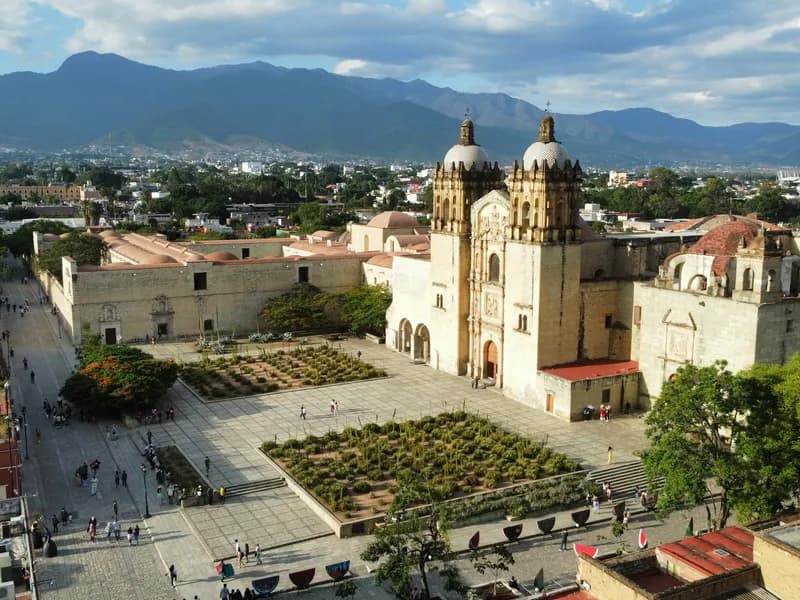
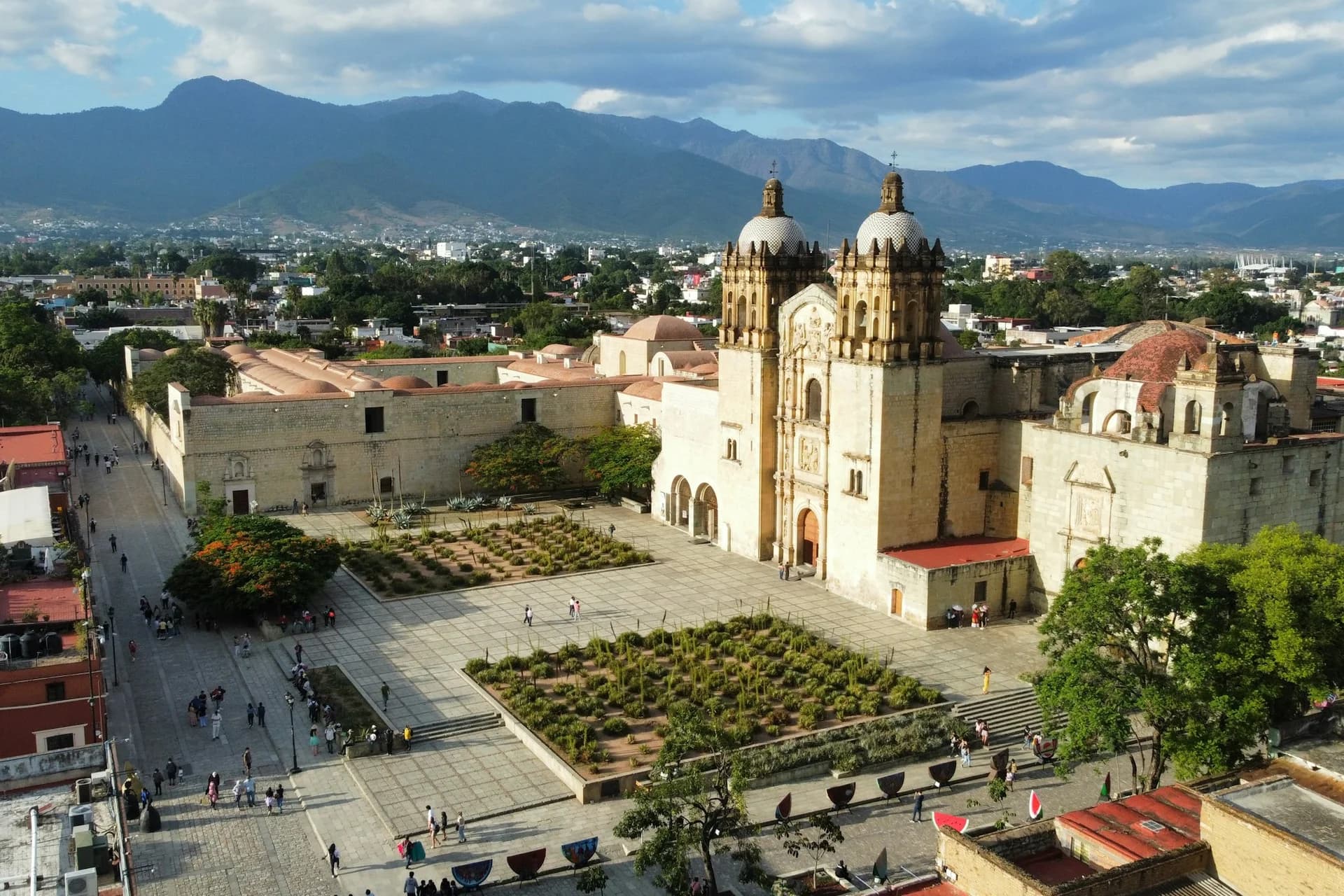
The centro is beautiful — the Santo Domingo church, the Zocalo, the markets. But Oaxaca's soul is in the valleys. Monte Alban is the obvious one — 2,500 years old, a Zapotec hilltop city of pyramids and ball courts. The villages, though, are where the living culture is.
Teotitlan del Valle: families weaving on backstrap and floor looms using techniques that predate the Spanish arrival. The natural dyes — cochineal insects for red, indigo for blue, pomegranate for yellow — haven't changed in centuries. Buy a rug there ($500-2,000 MXN depending on size) and you're buying something that took 2-4 weeks of daily work.
San Bartolo Coyotepec: black pottery made from the same clay pit Zapotecs used 2,000 years ago. Dona Rosa pioneered the technique of burnishing the clay to a mirror shine in the 1950s, and her family still runs the workshop.
These aren't tourist attractions. They're communities. Visit with respect. Ask before photographing. Buy directly from artisans. Don't haggle aggressively — the prices are already honest.
What to eat beyond mole
Mole is king, obviously. But the table goes much further:
Tlayudas. Oaxaca's answer to pizza — a giant crispy tortilla covered with black bean paste, quesillo (Oaxacan string cheese), meat, and salsa. The best come from the late-night tlayuda stands near the Zocalo after 9PM, $40-60 MXN. Eat them standing up. That's the proper way.
Tamales oaxaquenos. Wrapped in banana leaf instead of corn husk, filled with mole and chicken or pork. The women selling them from baskets near Mercado de la Merced ($15-20 MXN each) make them fresh every morning.
Tejate. A pre-Hispanic drink made from cacao, mamey seed, and corn. It looks like mud and tastes like nothing else — floral, nutty, slightly sweet, served cold in a painted gourd bowl. The women in Mercado Benito Juarez who make it ($15-20 MXN) are continuing a tradition over 1,000 years old. Don't Instagram it. Drink it.
And the chocolate. Oaxaca has drinking chocolate shops everywhere. Chocolate Mayordomo grinds it fresh — choose your cacao percentage, sugar level, and additions (cinnamon, almonds, vanilla). A bag is $3. Mix it with hot water or milk. This is how chocolate was meant to be consumed.
Day of the Dead as a tourist event
It's a complicated thing. The attention brings money into the city, and many families and businesses depend on that income — the tourism infrastructure has improved because of it.
But Xoxocotlan cemetery is a sacred space, not a photo opportunity. Families gather there to spend time with their dead, bringing food, music, candles, and prayers. It's intimate. Shoving a camera into a grieving family's altar without asking is simply wrong.
So go to the cemeteries — they're open and welcoming. But observe first. Ask permission. Skip the flash. Understand that you're a guest at something deeply personal.
The comparsas (street parades) are a different register entirely: public celebrations, loud and joyful, designed for everyone to join. Dance, put on face paint, follow the brass bands. That's the part of Day of the Dead meant to be shared.
Mezcal: what to know before you sip
First rule: never call it tequila. Tequila is one specific type of mezcal, made from blue agave in specific regions. Mezcal is the broader category — dozens of agave varieties, each with different flavors, produced all over Oaxaca by families who've done it for generations.
Second rule: sip it. The palm-rub technique is real — pour a small amount into your hands, rub, smell, then taste. You should be able to detect smokiness (from the underground pit-roasting), sweetness, minerality, and the specific agave character.
Third rule: visit a palenque. Seeing the roasted agave hearts in the pit, the horse grinding the cooked piñas on a stone wheel, the clear spirit dripping from the copper still changes your relationship with the drink completely. Santiago Matatlan ("World Capital of Mezcal," 50 km southeast) has dozens of family operations, most welcoming visitors with free tastings.
In the city, In Situ on Morelos Street is the best mezcaleria — over 100 varieties, $3-10 per pour, and a staff that actually educates rather than just pours.
Is Oaxaca safe?
The city is very safe. Walking home at midnight through the centro is routine for locals; the tourist areas are well-lit and populated. Standard precautions — don't flash expensive items, stick to well-lit streets after midnight — are plenty.
The state of Oaxaca has some areas under travel advisories, but the city and valley tourist areas are a different reality entirely. In twelve years here, Ana has never felt unsafe.
Drink bottled water. Tap water isn't safe — that's the real concern, not crime.
A perfect Oaxaca day
Morning: coffee and pan dulce at a neighborhood bakery. A walk to the Zocalo to read the energy of the day. Then through Mercado 20 de Noviembre for a late breakfast — maybe eggs with a side of chapulines from one of the market ladies who have run the same stall for years.
Midday: work at the gallery, or visit an artisan friend in a valley village.
Afternoon: the courtyard of the Santo Domingo cultural center (free, beautiful) with a book. Or the Ethnobotanical Garden (guided tours only, $50-100 MXN, reservations at the garden gate).
Evening: dinner at a simple comedor — the kind of place with four tables, a handwritten menu on a chalkboard, and a woman cooking a recipe she's made her entire life. $60-80 MXN for a full meal.
Late evening: mezcal on a rooftop with a view of Santo Domingo church lit up against the mountains. Or a walk through the Zocalo while the marimba musicians play.
Total cost for that day? Maybe $30 USD. That's the reason people stay.
For a first visit
Slow down. Oaxaca isn't a city to rush through. The markets take time. The food takes time. The mezcal definitely takes time.
Learn three Spanish phrases: "Buenos dias" (good morning), "Cuanto cuesta?" (how much?), and "Esta delicioso" (this is delicious). You'll use that last one constantly.
And try the chapulines. The hesitation is understandable. You'll be glad you did.
For practical tips on getting around, read our 19 essential Oaxaca tips. For the best timing, see why October and Day of the Dead is peak Oaxaca. And if you love artisan culture, Cusco in Peru shares a similar indigenous heritage.
Will she ever leave?
A trip back to Mexico City last year for a gallery exhibition lasted three days. By then the quiet mornings were missed — the smell of copal incense drifting from the churches, the sound of the marimba in the Zocalo — enough to move the return ticket two days earlier.
Oaxaca chooses you as much as you choose it. That's how this city works.