
Oaxaca
Key Facts
Best Time to Visit
October to April (dry season, 20-28°C) — late October for Day of the Dead, July for Guelaguetza festival
Language
Spanish (16 indigenous languages including Zapotec and Mixtec still spoken in surrounding villages)
Currency
Mexican Peso (MXN)
Time Zone
CST (UTC-6)
Airport
Oaxaca International Airport (OAX) — small airport with domestic connections via Mexico City
Population
300,000 (city proper), 600,000 (metro area)
Climate
Semi-arid highland (1,550m elevation), warm days (25-30°C), cool nights (10-15°C), rainy season June-September
Safety Rating
Generally Safe (Level 1) — Oaxaca city and tourist areas are safe; the state has some areas with travel advisories but the city/valley are well-traveled
UNESCO Sites
Historic Centre of Oaxaca and Monte Alban archaeological site (joint UNESCO World Heritage Site since 1987)
Top Highlights

Monte Alban Archaeological Site
A 2,500-year-old Zapotec hilltop city with pyramids, ball courts, and an observatory — one of Mesoamerica's first cities. Entry: 90 MXN (~$5). Open daily 10AM-5PM. 9 km from the city center (colectivo van from Hotel Rivera del Angel, 20 MXN). Allow 2-3 hours. Arrive early (before 11AM) to beat heat and tour groups. Bring water and sunscreen — no shade.
Oaxacan Mole Tasting
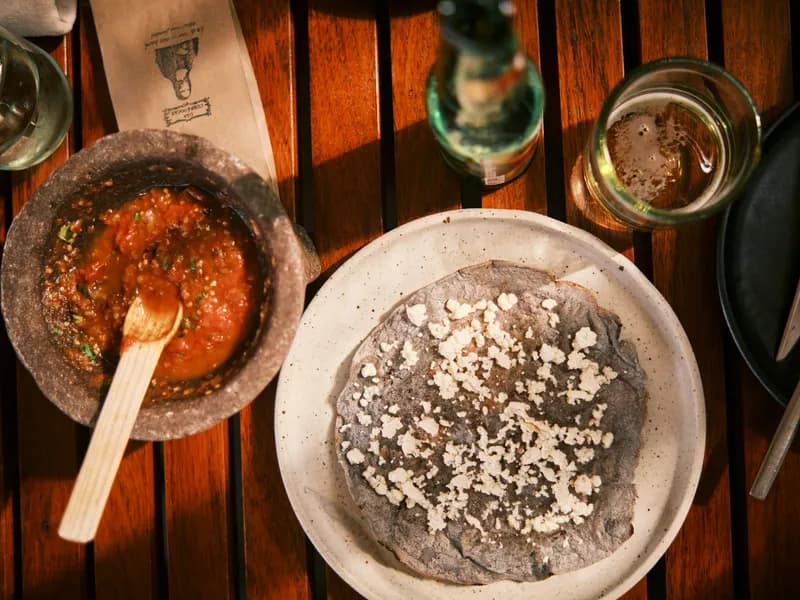
Oaxaca is the 'Land of Seven Moles' — complex sauces requiring 20+ ingredients and hours of preparation. Try mole negro (the king) at Los Pacos ($12-18), mole coloradito at Casa Oaxaca ($15-25), or all seven at Mercado 20 de Noviembre's Pasillo de Humo (smoke corridor, $5-8 per plate). Take a cooking class with Susana Trilling at Seasons of My Heart ($120, full day including market visit).
Mezcal Distillery Tour
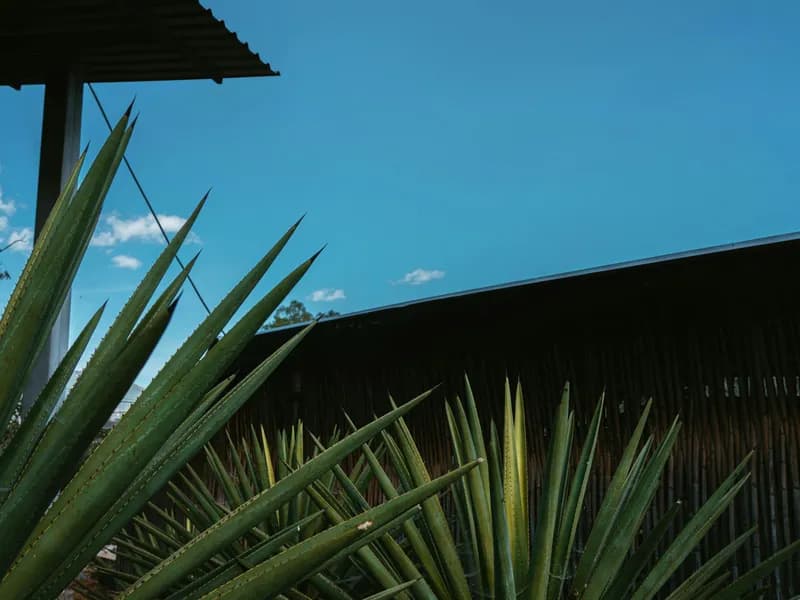
A hidden gem — visit family-run palenques (distilleries) in Santiago Matatlan, the 'World Capital of Mezcal,' 50 km southeast. See the full process: roasting agave in underground pits, horse-powered stone mills, and copper-pot distillation. Tours: free to $20 with tastings. In the city, In Situ mezcaleria on Morelos Street has 100+ varieties ($3-10 per pour). Learn to taste like a pro: the 'kiss' method, not shots.
Mercado Benito Juarez & Mercado 20 de Noviembre
Side-by-side markets in the city center — Benito Juarez for handicrafts, chocolate, and chapulines (toasted grasshoppers, $2/bag), and 20 de Noviembre for food, especially the Pasillo de Humo where meat is grilled over open flames and served with handmade tortillas ($5-10). Open daily 7AM-8PM. Don't miss Chocolate Mayordomo — buy freshly ground drinking chocolate ($3/bag).
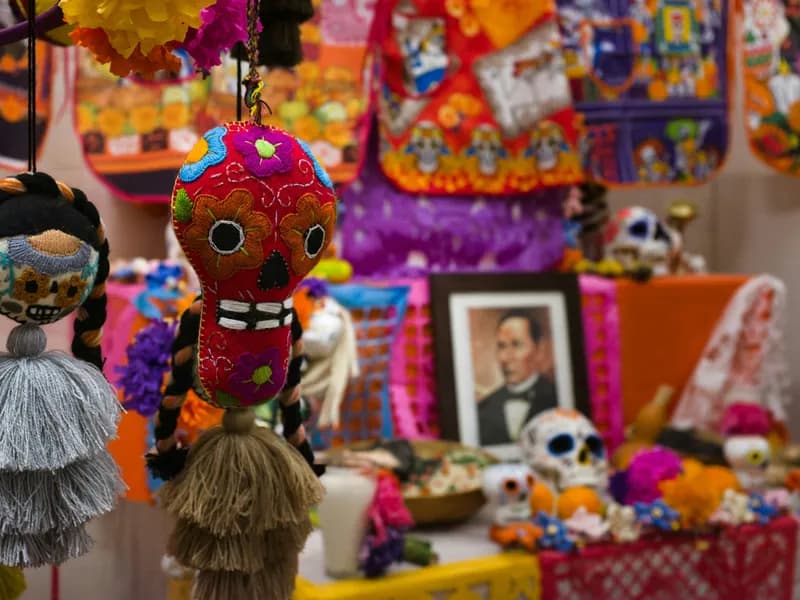
Day of the Dead Celebrations
Oaxaca's Dia de los Muertos (October 31-November 2) is Mexico's most elaborate — families build altars with marigolds and candles, cemeteries come alive with music and picnics, and comparsas (costume parades) fill the streets. Free to observe. Key cemetery: Xoxocotlan (4 km south, colectivo 10 MXN) is open all night on November 1. Book accommodation 3-6 months ahead — the city fills completely.

Hierve el Agua Petrified Waterfalls
Natural mineral-spring infinity pools perched on a cliff edge with views over the valley — the 'frozen waterfalls' are calcium carbonate formations resembling cascading water. Entry: 50 MXN (~$3). Open 7AM-6PM. Located 70 km east of the city (1.5 hours by car). No public transport — arrange a colectivo ($150-200 MXN round trip) or combine with a tour to Mitla ruins and a mezcal palenque ($400-600 MXN for the day trip). Bring a swimsuit.
Planned Itinerary
7-Day Oaxaca Itinerary
Arrival & Centro Historico Orientation
Fly into Oaxaca via Mexico City (1 hour) and transfer to your hotel in the historic center. Settle in and explore the zocalo at golden hour.
Airport transfer to centro(20 minutes)
Taxi from OAX airport to the center: 150-200 MXN (~$9-12). No Uber in Oaxaca — use local taxis, negotiate before entering
Zocalo evening walk(1.5 hours)
The main plaza surrounded by arcaded cafes, the cathedral, and street vendors selling tlayudas. Grab a table at Cafe del Jardin and order a mezcal joven ($3-5) while watching the world go by
Dinner at Los Pacos(1.5 hours)
On Calle Abasolo — try mole negro ($12-18), the king of Oaxacan moles. The complex chocolate-chile sauce requires 20+ ingredients and hours of preparation
Markets, Chocolate & Mezcal
Dive into Oaxaca's culinary soul — two legendary markets, handmade chocolate, and a mezcal education.
Mercado Benito Juarez(1.5 hours)
Handicrafts, chocolate, and chapulines (toasted grasshoppers, $2/bag). Buy freshly ground drinking chocolate at Chocolate Mayordomo ($3/bag). Open daily 7AM-8PM
Mercado 20 de Noviembre — Pasillo de Humo(1 hour)
The 'smoke corridor' where meat is grilled over open flames and served with handmade tortillas and salsa ($5-10). Point at what looks good, sit at any stall, and eat with your hands
Chocolate grinding at Mayordomo(30 minutes)
Watch cacao beans ground with sugar and cinnamon on stone metates at the Mina 100 factory location. Buy a bag to take home ($3)
Mezcal tasting at In Situ(1.5 hours)
On Morelos Street — 100+ varieties from $3-10 per pour. The bartenders are mezcal educators. Learn the 'kiss' method: pour a small amount in your palm, rub to release aroma, and sip slowly. Never shoot mezcal
Monte Alban & Santo Domingo
A 2,500-year-old Zapotec hilltop city in the morning, followed by Oaxaca's most spectacular church.
Colectivo to Monte Alban(30 minutes)
Shared van from Hotel Rivera del Angel ($20 MXN). Departs every 30 min starting 8:30AM. Return vans wait in the parking lot
Monte Alban archaeological site(2.5 hours)
Entry 90 MXN (~$5). Pyramids, ball courts, observatory, and the Danzantes stone carvings. Arrive before 11AM to beat heat and tour groups. Bring water and sunscreen — no shade. The valley views from the summit are extraordinary
Lunch at La Biznaga(1 hour)
On Garcia Vigil street — creative Oaxacan cuisine. Memela appetizers ($3-5), mole amarillo ($12), and excellent mezcal cocktails ($6-8)
Templo de Santo Domingo de Guzman(1 hour)
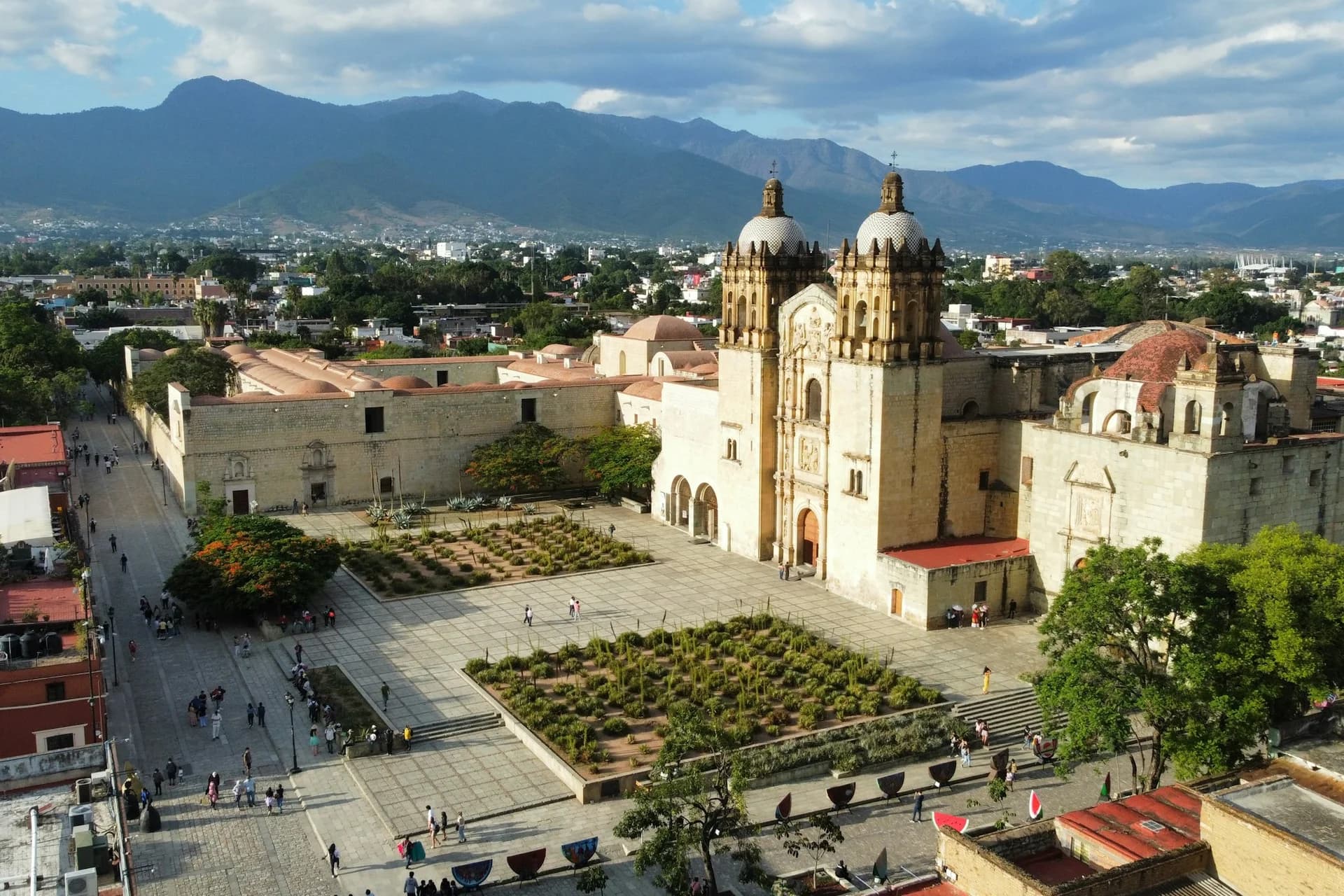
Free entry. The interior is one of Mexico's most elaborately gilded baroque churches — every surface covered in gold leaf. The adjacent ethnobotanical garden ($1, guided tours only, in Spanish) is a living museum of Oaxacan plants
Cooking Class & Textile Villages
Learn to make mole from scratch, then visit artisan communities in the valley.
Cooking class at Seasons of My Heart(5 hours)
$120 full-day with Susana Trilling. Starts with a market visit, then cooking traditional Oaxacan dishes including mole. Includes lunch of everything you cook. Book at seasonsofmyheart.com
Drive to Teotitlan del Valle(30 minutes)
Taxi or colectivo ($20-30 MXN). This Zapotec village is famous for hand-woven wool rugs using natural dyes (cochineal, indigo, pomegranate)
Artisan weaving workshop visit(1.5 hours)
Free to visit family workshops — watch the entire process from dyeing to weaving on traditional looms. Buy directly from artisans (rugs $30-300 USD depending on size). Prices are fair — don't bargain aggressively
Rest Morning & Hierve el Agua Day Trip
Sleep in, then head to the petrified waterfalls — natural infinity pools perched on a cliff edge.
Colectivo/taxi to Hierve el Agua(1.5 hours)
70 km east. Arrange a colectivo ($150-200 MXN round trip) or combine with a tour to Mitla ruins and a mezcal palenque ($400-600 MXN for the day). No public transport
Hierve el Agua petrified waterfalls(2.5 hours)
Entry 50 MXN (~$3). Natural mineral-spring infinity pools on a cliff with valley views. The 'frozen waterfalls' are calcium carbonate formations. Bring a swimsuit. The water is cold but refreshing. Open 7AM-6PM
Stop at Mitla ruins on the way back(1 hour)
Entry 90 MXN. Intricate geometric stone mosaics (no two patterns repeat) — the finest stonework in Mesoamerica. 30 minutes from Hierve el Agua on the return route
Mezcal Distillery Tour & Street Art
Visit family-run distilleries in the 'World Capital of Mezcal' and explore Oaxaca's colorful street art.
Day trip to Santiago Matatlan palenques(4 hours)
50 km southeast — taxi for the day ($600-900 MXN). Visit 2-3 family-run distilleries. Watch the full process: roasting agave in underground pits, horse-powered stone mills, copper-pot distillation. Free tastings at most. Buy bottles direct ($15-40 for excellent mezcal)
Late lunch at Tlayudas Libres(45 minutes)
Near the central market — enormous grilled tortillas (tlayudas, $5-8) with black beans, quesillo cheese, and tasajo (dried beef). The Oaxacan pizza equivalent
Street art walk in Barrio de Jalatlaco(1.5 hours)
A quiet, colorful neighborhood east of the center with murals, cobblestone streets, and artisan coffee shops. Cafe Brujula ($3-5 for excellent single-origin coffee) is a standout
Departure Day — Last Market Run
Final morning to stock up on Oaxacan treasures before your flight.
Breakfast at Boulenc(1 hour)
On Porfirio Diaz street — French-Oaxacan bakery with sourdough ($3-4), pastries ($2-3), and excellent coffee. The rooftop terrace has mountain views
Last shopping at Mercado de Artesanias(1 hour)
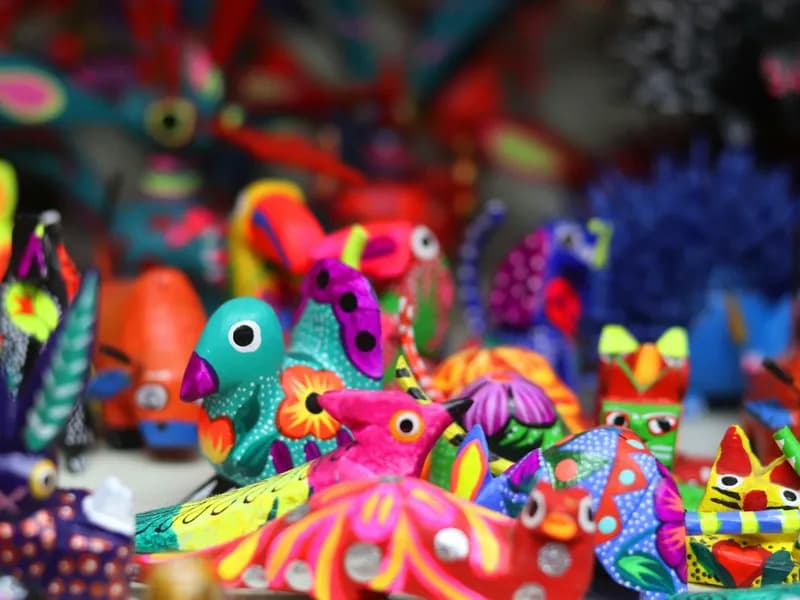
On Zaragoza street — crafts market with black pottery from San Bartolo Coyotepec ($5-30), alebrijes (painted wooden animals, $10-50), and embroidered textiles ($15-80). Prices are already reasonable — buy direct
Taxi to Oaxaca airport(20 minutes)
150-200 MXN. OAX is a small airport — arrive 1.5 hours before domestic flights, 2.5 hours for international connections through Mexico City
14-Day Oaxaca Itinerary
Arrival & Centro Historico
Fly into Oaxaca, transfer to the historic center, explore the zocalo at golden hour.
Airport transfer(20 minutes)
Taxi 150-200 MXN. No Uber in Oaxaca
Zocalo evening walk(1.5 hours)
Main plaza, cathedral, street vendors. Mezcal joven at Cafe del Jardin ($3-5)
Dinner at Los Pacos(1.5 hours)
Mole negro ($12-18), the king of seven moles
Markets, Chocolate & Mezcal
Two legendary markets, handmade chocolate, and mezcal education.
Mercado Benito Juarez(1.5 hours)
Chapulines ($2/bag), Chocolate Mayordomo ($3/bag)
Pasillo de Humo at 20 de Noviembre(1 hour)
Grilled meats with handmade tortillas ($5-10)
Mezcal at In Situ(1.5 hours)
100+ varieties, $3-10 per pour. Learn the kiss method
Monte Alban & Santo Domingo
2,500-year-old Zapotec city and Oaxaca's gold-leaf baroque church.
Colectivo to Monte Alban(30 minutes)
Shared van $20 MXN from Hotel Rivera del Angel
Monte Alban(2.5 hours)
90 MXN entry. Pyramids, ball courts. Arrive before 11AM
Lunch at La Biznaga(1 hour)
Memelas ($3-5), mole amarillo ($12)
Santo Domingo church(1 hour)
Free. Gold-leaf interior, ethnobotanical garden ($1)
Cooking Class & Textile Villages
Learn mole from scratch, then visit Zapotec weavers.
Seasons of My Heart cooking class(5 hours)
$120 full-day with market visit. Book at seasonsofmyheart.com
Teotitlan del Valle weaving(1.5 hours)
Hand-woven rugs with natural dyes. Buy direct $30-300
Rest Morning & Hierve el Agua
Sleep in, then petrified waterfalls and Mitla ruins.
Hierve el Agua(2.5 hours)
50 MXN entry. Natural infinity pools on a cliff. Bring swimsuit
Mitla ruins(1 hour)
90 MXN. Geometric stone mosaics — finest in Mesoamerica
Mezcal Distilleries & Street Art
Santiago Matatlan palenques and Barrio de Jalatlaco.
Santiago Matatlan distillery tour(4 hours)
Visit 2-3 family palenques. Free tastings. Bottles $15-40 direct
Lunch — tlayudas(45 minutes)
Giant grilled tortillas at Tlayudas Libres ($5-8)
Jalatlaco street art walk(1.5 hours)
Murals, cobblestones, Cafe Brujula coffee ($3-5)
Black Pottery & Alebrijes Villages
Visit San Bartolo Coyotepec for black pottery and San Martin Tilcajete for painted wooden creatures.
San Bartolo Coyotepec(2 hours)
30 min south. Watch artisans shape barro negro (black pottery) from the village's unique clay. Dona Rosa technique — burnishing without glaze to create the glossy black finish. Pieces $5-50
San Martin Tilcajete(2 hours)
15 min further south. Home of alebrijes — fantastical painted wooden animals carved from copal wood. Watch families paint intricate patterns. Prices $10-200 depending on size and detail
Lunch at a village comedor(45 minutes)
Simple home-style food at a family-run eatery in either village. Mole, rice, beans, tortillas ($3-5). The most authentic Oaxacan meal you'll have
Evening at Casa Oaxaca restaurant(1.5 hours)
On Garcia Vigil — upscale contemporary Oaxacan. Mole coloradito ($15-25), seasonal tasting menu ($45). Candlelit courtyard. Reservations recommended
Rest Day — Slow Oaxaca
Open day to recharge, revisit markets, or simply sit in the zocalo with a mezcal.
Late breakfast at Boulenc(1 hour)
Sourdough ($3-4), pastries ($2-3), rooftop mountain views
Free afternoon(4 hours)
Revisit your favorite market stall, take a mezcal class at Mezcaloteca ($30, 1-hour tasting of 6 varieties with education), or get a temazcal (traditional Zapotec sweat lodge ceremony, $40-60 at various locations)
Puerto Escondido Beach Trip (2 nights)
Drive or fly to Oaxaca's Pacific coast — world-class surf, fresh ceviche, and the famous bioluminescent lagoon.
Flight or drive to Puerto Escondido(1-6 hours)
Aerotucan flights (30 min, $80-120 USD) or shared van via Highway 131 (6 hours of mountain switchbacks — dramatic but intense). Book flights at aerotucan.com.mx
Check into Zicatela or Rinconada beach area(30 minutes)
Zicatela for surfers, Rinconada/Carrizalillo for calmer swimming. Budget hotels $30-50/night, boutique $80-150
Sunset ceviche at Playa Carrizalillo(2 hours)
Walk down 167 steps to this sheltered cove. Order ceviche ($5-8) and a cold Corona ($2) from the beach palapas. The sunset over the Pacific is stunning
Puerto Escondido Surf & Bioluminescence
Surf lesson, fresh seafood, and the surreal bioluminescent lagoon after dark.
Surf lesson at Playa Zicatela or La Punta(2 hours)
Beginners go to La Punta (gentle waves). Group lessons $25-35 USD. Zicatela's 'Mexican Pipeline' is for experts only — massive waves
Lunch at Mercado Benito Juarez (Puerto)(45 minutes)
The local market's seafood section — grilled whole fish with rice ($5-8), fresh ceviche ($4-6). Nothing fancy, everything fresh
Free afternoon on the beach(3 hours)
Hammock time at Playa Bacocho or Manzanillo beach. The pace here is slow
Bioluminescent lagoon tour(2 hours)
Laguna de Manialtepec — paddle or swim in water that glows electric blue with bioluminescent plankton. Tours depart 8-9PM ($20-30 USD). Best during new moon. One of the most magical natural experiences in Mexico
Return to Oaxaca City
Morning beach time, then return to the city for your final days.
Morning swim at Carrizalillo(1.5 hours)
One last swim in the sheltered turquoise cove
Brunch at Espadin(1 hour)
On Zicatela — chilaquiles ($4-6) and fresh juices ($2-3) with ocean views
Evening mezcal at Mezcaleria Los Amantes(1.5 hours)
On Allende street — artisanal mezcals in a candlelit courtyard. Flights of 3 for $12-15
Tlacolula Sunday Market & Valley Ruins
The biggest indigenous market in the valley — a sensory overload of food, crafts, and Zapotec culture.
Colectivo to Tlacolula(45 minutes)
Shared van from Oaxaca's second-class bus station ($15 MXN). Sunday market only
Tlacolula Market(3 hours)
Thousands of vendors selling everything: barbacoa de chivo (pit-roasted goat, $6-8/plate), chapulines, flowers, pottery, textiles, and mezcal. The food section is the highlight — eat your way through it. This is how Oaxaca has traded for centuries
Yagul archaeological site(1.5 hours)
30 MXN entry. A hilltop Zapotec fortress 5 km from Tlacolula with the largest ball court in the valley and panoramic views. Quieter than Monte Alban
Return to Oaxaca and dinner at Criollo(2 hours)
On Reforma street — chef Enrique Olvera-trained kitchen. Tasting menu ($35-45) showcasing hyper-local ingredients. Book ahead
Photography Walk & Farewell Mezcal
Capture the city's colors one last time and toast three great weeks.
Morning golden hour walk(2 hours)
Start at Santo Domingo, walk south through the center to Barrio de Jalatlaco. The morning light on the pastel-colored buildings and church facades is magical. Best before 9AM
Lunch at Zandunga(1.5 hours)
On Garcia Vigil — Isthmus of Tehuantepec cuisine, unique even within Oaxaca. Garnachas istmenas ($5), mole estofado ($14). Run by women from the Isthmus community
Farewell mezcal and sunset(2 hours)
Return to In Situ or Mezcaloteca for a final tasting. Watch the sunset from the rooftop of Hotel Azul or Casa de la Ciudad (ask permission, free)
Departure Day
Last morning in the land of seven moles.
Breakfast at Boulenc(1 hour)
Sourdough, coffee, rooftop one last time
Last market shopping(1 hour)
Pick up mezcal, chocolate, chapulines, and textiles for gifts
Taxi to OAX airport(20 minutes)
150-200 MXN. Arrive 1.5-2 hours early
21-Day Oaxaca Itinerary
Arrival & Centro Historico
Fly into Oaxaca, taxi to the historic center, explore the zocalo.
Airport transfer(20 minutes)
Taxi 150-200 MXN
Zocalo evening walk & mezcal(1.5 hours)
Main plaza, cathedral, mezcal joven ($3-5) at Cafe del Jardin
Dinner at Los Pacos(1.5 hours)
Mole negro ($12-18)
Markets, Chocolate & Mezcal
Two markets, chocolate grinding, mezcal education.
Mercado Benito Juarez(1.5 hours)
Chapulines $2, chocolate $3
Pasillo de Humo(1 hour)
Grilled meats with tortillas $5-10
Mezcal at In Situ(1.5 hours)
100+ varieties $3-10/pour
Monte Alban & Santo Domingo
Zapotec ruins and golden baroque church.
Monte Alban(3 hours)
90 MXN. Colectivo $20 MXN. Arrive before 11AM
Lunch at La Biznaga(1 hour)
Mole amarillo $12
Santo Domingo church & garden(1 hour)
Free. Gold-leaf interior
Cooking Class & Textile Villages
Learn mole, visit Zapotec weavers.
Seasons of My Heart cooking class(5 hours)
$120 full-day with market visit
Teotitlan del Valle(1.5 hours)
Hand-woven rugs $30-300
Rest Morning & Hierve el Agua
Sleep in, then petrified waterfalls and Mitla.
Hierve el Agua(2.5 hours)
50 MXN. Infinity pools on a cliff
Mitla ruins(1 hour)
90 MXN. Geometric stone mosaics
Mezcal Distilleries & Street Art
Santiago Matatlan palenques and Jalatlaco murals.
Santiago Matatlan tour(4 hours)
2-3 family distilleries, free tastings, bottles $15-40
Lunch — tlayudas(45 minutes)
Tlayudas Libres $5-8
Jalatlaco walk(1.5 hours)
Murals, Cafe Brujula coffee $3-5
Black Pottery & Alebrijes Villages
San Bartolo Coyotepec and San Martin Tilcajete artisan workshops.
San Bartolo Coyotepec black pottery(2 hours)
Watch barro negro shaping. Pieces $5-50
San Martin Tilcajete alebrijes(2 hours)
Painted wooden animals $10-200
Village comedor lunch(45 minutes)
Home-style mole, rice, beans $3-5
Dinner at Casa Oaxaca(1.5 hours)
Mole coloradito $15-25, tasting menu $45
Rest Day — Slow Oaxaca
Recharge with a temazcal or mezcal class.
Late breakfast at Boulenc(1 hour)
Sourdough $3-4, rooftop views
Free afternoon(4 hours)
Temazcal ceremony ($40-60), Mezcaloteca tasting ($30), or wander the zocalo
Puerto Escondido Beach Trip (3 nights)
Fly to the Pacific coast for world-class surf and bioluminescence.
Flight to Puerto Escondido(30 minutes)
Aerotucan $80-120 USD
Check into Zicatela or Rinconada(30 minutes)
Budget $30-50, boutique $80-150/night
Sunset ceviche at Carrizalillo(2 hours)
167 steps down to sheltered cove. Ceviche $5-8, Corona $2
Puerto Escondido Surf & Bioluminescence
Surf lesson, market seafood, and the glowing lagoon.
Surf lesson at La Punta(2 hours)
$25-35 group lesson for beginners
Mercado seafood lunch(45 minutes)
Grilled whole fish $5-8, fresh ceviche $4-6
Bioluminescent lagoon tour(2 hours)
Laguna de Manialtepec $20-30. Swim in electric blue water. Best at new moon
Puerto Escondido Slow Day
Full beach rest day on the Pacific coast.
Morning yoga on Zicatela beach(1 hour)
Drop-in classes at various spots ($5-8). Or simply watch the surfers from a hammock
Brunch at Espadin(1 hour)
Chilaquiles $4-6, ocean views
Snorkeling at Bahia de Puerto Angelito(2 hours)
Calm bay 10 min from Zicatela. Rent snorkel gear ($5) and explore the rocky shoreline
Seafood dinner at Almoraduz(1.5 hours)
On Rinconada — modern Oaxacan coastal cuisine. Octopus with mole ($14-18). Sunset views from the terrace
Return to Oaxaca City
Final morning on the coast, then back to the mountains.
Evening at Mezcaleria Los Amantes(1.5 hours)
Candlelit courtyard. Flights of 3 for $12-15
Tlacolula Sunday Market
The valley's biggest indigenous market — a sensory overload.
Colectivo to Tlacolula(45 minutes)
$15 MXN. Sunday only
Tlacolula Market(3 hours)
Barbacoa de chivo $6-8, chapulines, textiles, mezcal. Eat your way through
Yagul ruins(1.5 hours)
30 MXN. Hilltop fortress, largest ball court in the valley
Dinner at Criollo(2 hours)
Tasting menu $35-45. Book ahead
Rest Day — Spa & Gallery Walk
Gentle day of self-care and art browsing.
Spa or temazcal session(2 hours)
Hotel spa or traditional temazcal ($40-60)
Gallery walk on Macedonio Alcala(2 hours)
The pedestrian-only street connecting Santo Domingo to the zocalo. Contemporary art galleries, jewelry shops, and cafes
San Jose del Pacifico Side Trip
Drive into the Sierra Madre mountains to a misty cloud-forest village at 2,400 meters.
Drive to San Jose del Pacifico(3 hours)
Shared van or taxi. Highway 175 through dramatic mountain switchbacks. The scenery transitions from desert valley to pine-covered peaks
Cloud forest hike(2 hours)
Walk the forested trails around the village. The mist rolls in and out, creating an otherworldly atmosphere. Mushroom-shaped cabanas dot the hillside. The village is tiny — 500 people
Hot chocolate and rest at a cabana(2 hours)
Stay in a rustic cabana ($20-30/night) with a wood-burning fireplace. The village feels completely removed from the world below. Bring a warm layer — it's cool at altitude
Stargazing(1 hour)
Clear nights above the cloud layer reveal extraordinary stars. No light pollution for kilometers
Return from Mountains & Oaxacan Textiles Deep Dive
Morning in the clouds, then a focused afternoon on Oaxaca's textile traditions.
Morning in San Jose del Pacifico(1.5 hours)
Watch the sunrise above the cloud layer if conditions are right. Coffee and pan dulce at a village shop ($1-2)
Textile Museum of Oaxaca(1.5 hours)
Free. On Hidalgo street in a colonial building. Rotating exhibitions on indigenous textile traditions — backstrap loom weaving, natural dyes, and embroidery techniques
Dinner at Pitiona(2 hours)
On Cinco de Mayo — modern Oaxacan by a young chef. 'Chapulin' tasting menu ($40) showcasing ingredients from across the state. Rooftop views of Santo Domingo
Natural Dye Workshop & Cuilapam Monastery
Hands-on workshop learning ancestral dyeing techniques, plus a massive Dominican ruin.
Natural dye workshop in Teotitlan del Valle(3 hours)
Learn to dye wool using cochineal (red), indigo (blue), pomegranate (yellow), and moss (green). Family-run workshops $25-40 per person. You create a small woven piece to take home
Lunch in Teotitlan(1 hour)
Comedor Tlamanalli ($8-12) — Zapotec women cook traditional dishes using pre-Hispanic techniques. Tamales, memelas, and chocolate atole
Cuilapam de Guerrero monastery(1 hour)
20 MXN. A roofless 16th-century Dominican monastery — one of the largest ever built in Mexico. Where Mexican independence hero Vicente Guerrero was executed in 1831. Rarely visited, hauntingly beautiful
Rest Day — Free Exploration
Open day to revisit favorites or discover something new.
Free day(5 hours)
Options: revisit Monte Alban at sunset, explore the ethnobotanical garden guided tour (in Spanish, $1), take a language class at Oaxaca Spanish Magic ($25/hour), or simply sit in the zocalo with a book and a mezcal
Mazunte & Zipolite Beach Trip
Day trip to the laid-back Pacific beaches — sea turtles, nude beaches, and pounding surf.
Early flight to Huatulco or drive(30 min-6 hours)
Fly to Huatulco airport then taxi 1 hour west, or shared van from Oaxaca (6 hours)
National Mexican Turtle Center in Mazunte(1 hour)
30 MXN. Conservation center for sea turtles — see multiple species up close. Release events during nesting season (Jun-Dec)
Punta Cometa sunset hike(1 hour)
20-minute walk from Mazunte to the southernmost point of Oaxaca's coast. The sunset viewpoint overlooks both sides of the headland. Dolphins sometimes visible. Free
Lunch at El Cocodrilo in Mazunte(1 hour)
Fresh fish tacos ($4-6) and ceviche on a hilltop with ocean views
Zipolite beach afternoon(2 hours)
Mexico's only official nude beach (clothing optional). Strong waves — swim with caution. Laid-back hippie vibe with beach palapas serving cold beer ($2)
Final Day in Oaxaca — Photography & Farewell
Capture the city one last time and toast your journey.
Morning golden hour walk(2 hours)
Santo Domingo to Jalatlaco. Morning light on pastel buildings. Best before 9AM
Lunch at Zandunga(1.5 hours)
Isthmus of Tehuantepec cuisine. Garnachas $5, mole estofado $14
Farewell mezcal tasting(2 hours)
Return to In Situ or Mezcaloteca. Watch sunset from a rooftop
Departure Day
Final morning in the land of seven moles.
Breakfast at Boulenc(1 hour)
Sourdough, coffee, rooftop one last time
Last market shopping(1 hour)
Mezcal, chocolate, chapulines, textiles for gifts
Taxi to OAX airport(20 minutes)
150-200 MXN
Travel Tips
Visa & Entry
Mexico Entry Requirements
US, Canadian, UK, and EU citizens can enter Mexico visa-free for up to 180 days. Indian citizens need a Mexican tourist visa OR can enter visa-free with a valid US visa. Fill out the immigration form (FMM) on arrival or online at inm.gob.mx — keep the bottom half, you need it to exit. No entry fee.
transport
Getting Around Oaxaca City and the Valley
The historic center is compact and walkable (30 minutes end to end). For valley sites (Monte Alban, Hierve el Agua, mezcal palenques), use colectivo shared vans ($10-30 MXN) from designated pickup points, or hire a taxi for the day ($600-900 MXN). There's no Uber in Oaxaca — use local taxis (negotiate before entering, $30-50 MXN within the city). Domestic flights connect through Mexico City (1 hour).
Budget
Incredible Value for Food and Accommodation
Oaxaca is one of Mexico's best-value destinations. A full meal at the market: $3-5 USD. Mid-range restaurant dinner with mezcal: $15-25. Boutique hotels in the center: $60-120/night. Hostels: $12-20/night. A 5-day cooking, mezcal, and ruins trip can be done for $50-70/day including accommodation. ATMs are plentiful — Banorte and HSBC have the lowest foreign fees.
Local Customs
Try Chapulines and Mezcal Properly
The biggest tourist mistake: refusing chapulines (toasted grasshoppers) and shooting mezcal. Chapulines are crunchy, seasoned with lime and chile, and taste like savory chips — try them on a tlayuda. Mezcal should be sipped slowly: pour a small amount, rub between your palms to release aroma, and take small sips. Never shoot mezcal with salt and lime — that's for low-quality tequila. Ask for a 'mezcal joven' (unaged) to taste the agave.
Respect Indigenous Communities
Oaxaca has 16 indigenous groups with living traditions. When visiting artisan villages (Teotitlan del Valle for weaving, San Bartolo Coyotepec for black pottery), buy directly from artisans rather than resellers. Prices are already fair — bargaining aggressively is considered disrespectful. Learning a few Zapotec words (diuzhi = thank you) is deeply appreciated.
Safety
Oaxaca City Is Very Safe
The city center and tourist areas are safe to walk day and night. Use normal precautions: don't flash expensive items, stick to well-lit streets after midnight. Drink bottled water only — tap water is not safe. When visiting rural villages, ask permission before photographing indigenous community members. For valley day trips, go with a guide or in groups.
Related Articles
StoriesAna, A Oaxaca Local for 12 Years: What Tourists Get Wrong About This City
An expat artist who fell in love with Oaxaca's mole, mezcal, and creative community shares her unfiltered guide to the city she chose as home.
SeasonalOaxaca in October: Day of the Dead, Dry Season, and the Best Time to Visit Mexico's Soul
Late October in Oaxaca means marigold altars, cemetery picnics, mezcal in the cool evening air, and the most spectacular celebration of death in the Americas.
Tips19 Oaxaca Tips That Will Save You Money, Time, and One Very Embarrassing Mezcal Mistake
From the chapulines hack to the ATM that doesn't rob you — everything I learned the hard way across three Oaxaca trips.