Tel Aviv vs. Barcelona: Two Mediterranean Party Cities Compared
Tel Aviv vs. Barcelona: Two Mediterranean Party Cities Compared
Tel Aviv and Barcelona sit on opposite ends of the Mediterranean, and they're more similar than you'd expect. Both have golden beaches, obsessive food cultures, late-night energy, and the kind of walkable neighborhoods that make you want to cancel your flight home. I've spent substantial time in both Tel Aviv and Barcelona. Here's how they compare.
Why These Two Get Compared
They're the Mediterranean's two great urban beach cities. Both are secular, liberal, and LGBTQ+-friendly. Both have ancient districts (Jaffa / Gothic Quarter) adjacent to modern cities. Both have food scenes that punch far above their weight. Both stay awake past dawn. And both are cities where the beach isn't a day trip — it's the centerpiece.
Beaches
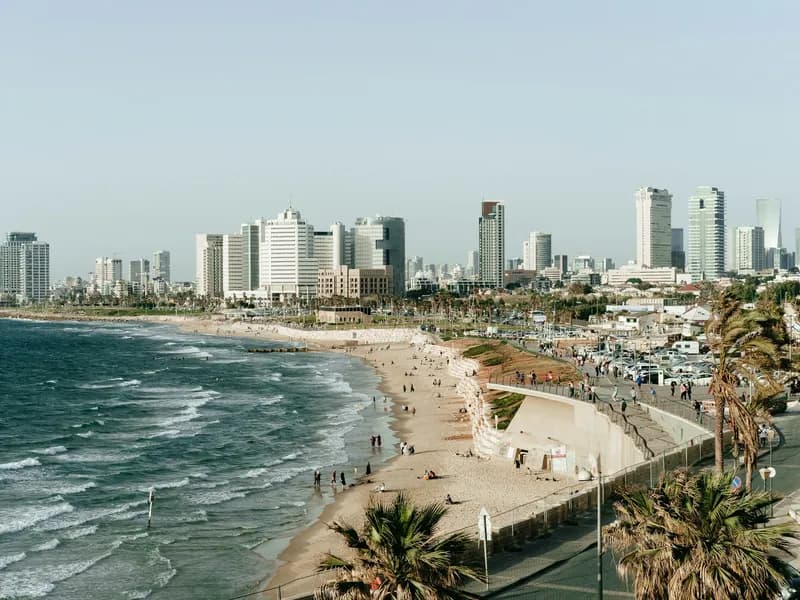
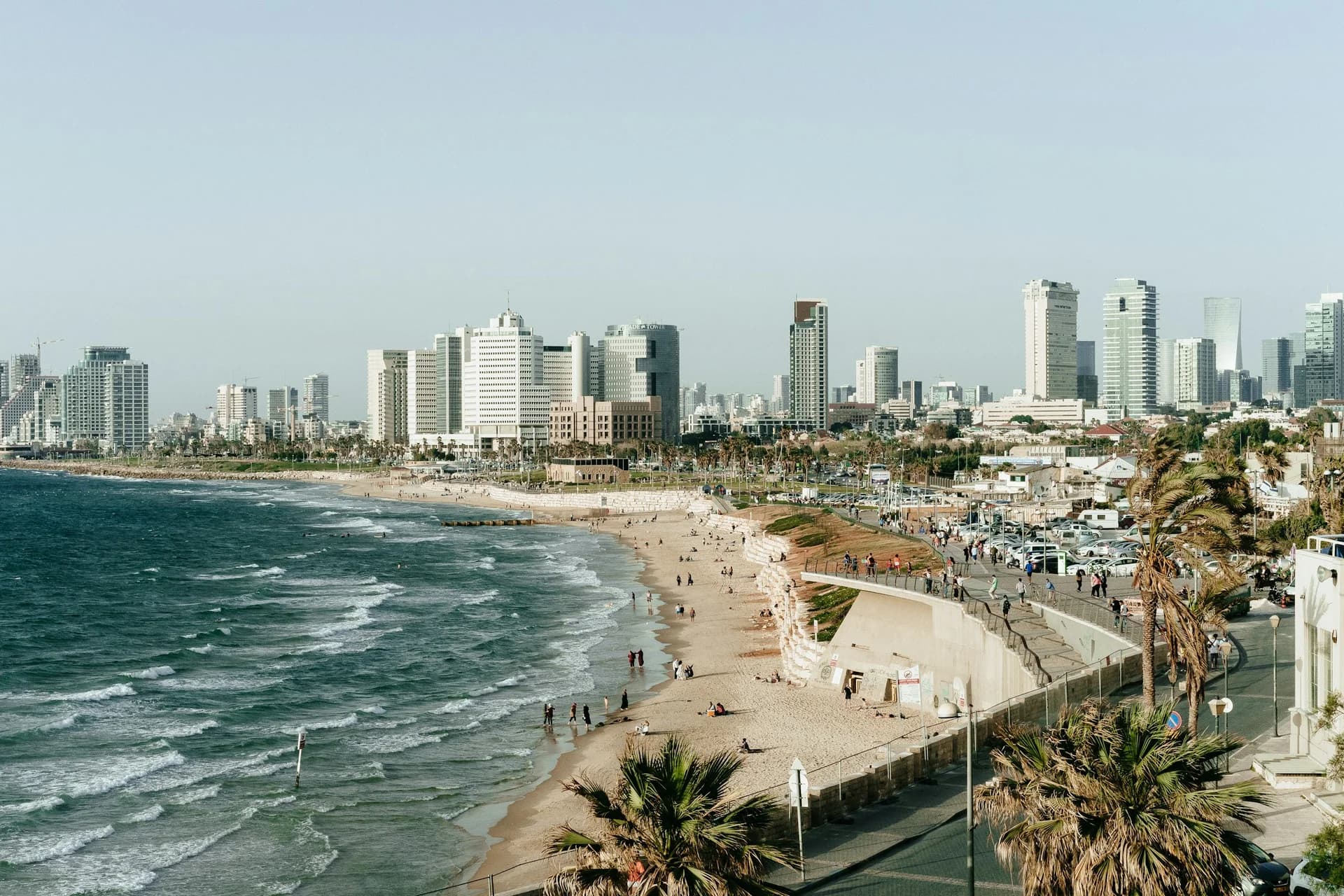
Tel Aviv has 14 km of continuous free public beaches along the Mediterranean. The water is warm (swimmable May-November), the sand is golden, and the promenade (tayelet) connects everything. No entry fees. No private sections (except some hotel areas). Lifeguards April-October.
Barcelona has Barceloneta beach (1.1 km of urban beach), plus Bogatell, Nova Icaria, and Mar Bella extending northeast. Also free and public. The water is cooler than Tel Aviv and the beaches are more crowded per meter.
Winner: Tel Aviv — 14 km versus Barcelona's 4-5 km, warmer water, and the midnight beach culture is unique.
Food
Tel Aviv runs on hummus (Abu Hassan, 25 ILS / $7), falafel (15-25 ILS / $4-7), sabich (30-35 ILS / $8-10), shakshuka, and an explosion of modern Israeli cuisine that fuses Middle Eastern, North African, and Mediterranean flavors. The city has more vegans per capita than anywhere, so plant-based food is exceptional. Street food is world-class and cheap. Fine dining (OCD, tasting menu 850 ILS / ~$235) is innovative.
Barcelona has tapas (3-8 EUR per plate), La Boqueria market (though now quite touristy), paella (insist on Valencian restaurants), pintxos in El Born, and Catalan cuisine (botifarra sausage, escalivada, crema catalana). The food scene is deeper and more varied, with 20+ Michelin-starred restaurants.
Winner: Draw. Tel Aviv for street food and Middle Eastern flavors. Barcelona for sit-down dining and tapas culture.
Nightlife
Tel Aviv doesn't start until midnight. Thursday and Friday are the big nights. Clubs (Kuli Alma, The Block) play until dawn. Bars in Florentin and Rothschild run until 3-4AM. The kiosk (kioskia) culture — outdoor drinking at boulevard stalls — is the pre-going-out ritual. Cover: 50-100 ILS ($14-28), cocktails: 45-65 ILS ($12-18).
Barcelona also runs late — dinner at 10PM, bars until 3AM, clubs until 6AM. Razzmatazz, Moog, Sala Apolo, and the chiringuitos (beach bars) drive the scene. Cover: 10-20 EUR, cocktails: 10-15 EUR.
Winner: Barcelona — marginally, for the sheer variety and lower prices. Tel Aviv's nightlife is excellent but more expensive.
Culture and History
Tel Aviv has Old Jaffa (4,000+ years old), 4,000 Bauhaus buildings (UNESCO White City), Independence Hall, and the Carmel Market. The cultural layer is thinner than Barcelona's but concentrated.
Barcelona has Gaudi (Sagrada Familia, Park Guell, Casa Batllo), the Gothic Quarter (2,000 years), the Picasso Museum, MNAC, and the Miro Foundation. The depth and variety of cultural attractions is vastly greater.
Winner: Barcelona — Gaudi alone tips the scale.
Cost Comparison
| Category | Tel Aviv (ILS / USD) | Barcelona (EUR / USD) |
|---|---|---|
| Street food meal | 25-35 ILS / $7-10 | 5-10 EUR / $5-11 |
| Restaurant dinner | 150-250 ILS / $42-70 | 25-45 EUR / $27-49 |
| Beer (bar) | 35-50 ILS / $10-14 | 5-7 EUR / $5-8 |
| Budget hotel/night | 400-600 ILS / $110-165 | 80-140 EUR / $87-152 |
| Transit day pass | 17 ILS / $5 (bike) | 11.20 EUR / $12 |
Winner: Barcelona — Tel Aviv is one of the world's most expensive cities. Barcelona is expensive by Spanish standards but significantly cheaper.
Getting Around
Tel Aviv is flat, compact, and bikeable. Tel-O-Fun bike share (17 ILS/day). Bus system works except during Shabbat (Friday afternoon to Saturday evening). No metro (the Red Line light rail opened recently). Walkable between most central attractions.
Barcelona has an excellent metro (12 lines, runs until midnight, until 2AM on weekends), buses, the FGC suburban trains, and Bicing bike share. The city is larger and more spread out — you'll use the metro more.
Winner: Barcelona — the metro system is superior, and no Shabbat shutdowns.
Unique Selling Points
Only in Tel Aviv:
- Hummus culture (Abu Hassan is a pilgrimage)
- Shabbat — the weekly car-free day is surprisingly wonderful
- 14 km of free beach with midnight swimming
- The most vegan-friendly city on Earth
- Middle East meets Mediterranean fusion cuisine
Only in Barcelona:
- Gaudi's architecture (nothing like it exists elsewhere)
- La Boqueria and the tapas bar culture
- Gothic Quarter's 2,000-year-old streets
- Wine regions within 1 hour (Penedes, Priorat)
- Montjuic and the hilltop cultural complex
Safety
Tel Aviv: Generally safe day-to-day. Check travel advisories for the broader security situation. Iron Dome defense system covers the city. Standard urban precautions.
Barcelona: Safe with standard precautions. Pickpocketing on La Rambla and in the metro is the main risk — more prevalent than in Tel Aviv.
Winner: Both are safe for tourists with awareness.
Who Should Go Where
Choose Tel Aviv if you:
- Want the world's best street food and hummus
- Love beach culture (14 km of free beach)
- Are interested in Middle Eastern culture and cuisine
- Want to experience Shabbat's car-free weekend
- Are on an LGBTQ+ trip (Tel Aviv Pride is legendary)
Choose Barcelona if you:
- Are an architecture and art lover (Gaudi is non-negotiable)
- Want more affordable dining and drinking
- Prefer a deeper cultural attraction lineup
- Want wine regions and day trip options
- Are on a tighter budget
The Verdict
Barcelona is the better all-round trip. More to see, cheaper, better transit, and Gaudi's architecture creates moments that no other city can replicate. The tapas scene and Gothic Quarter add layers of experience.
Tel Aviv is the more intense experience. The food hits harder (sabich, hummus, shakshuka), the beach is better, and the nightlife has a raw energy that Barcelona's more polished scene doesn't match. But it's expensive, and the Shabbat shutdown requires planning.
If I had to choose one for a first-timer: Barcelona. But Tel Aviv stays with you differently. The hummus at Abu Hassan, the midnight swim, the kiosk beer on Rothschild at sunset — these are memories that don't fade. They just make you want to go back.
For another stunning Mediterranean island, Crete offers incredible beaches and ancient history.
And the truth is, they're both Mediterranean cities that deserve a week each. One week, two Mediterranean coasts, two completely different ways of living by the sea. For more on each city, read our Tel Aviv diary and local insider interview.