
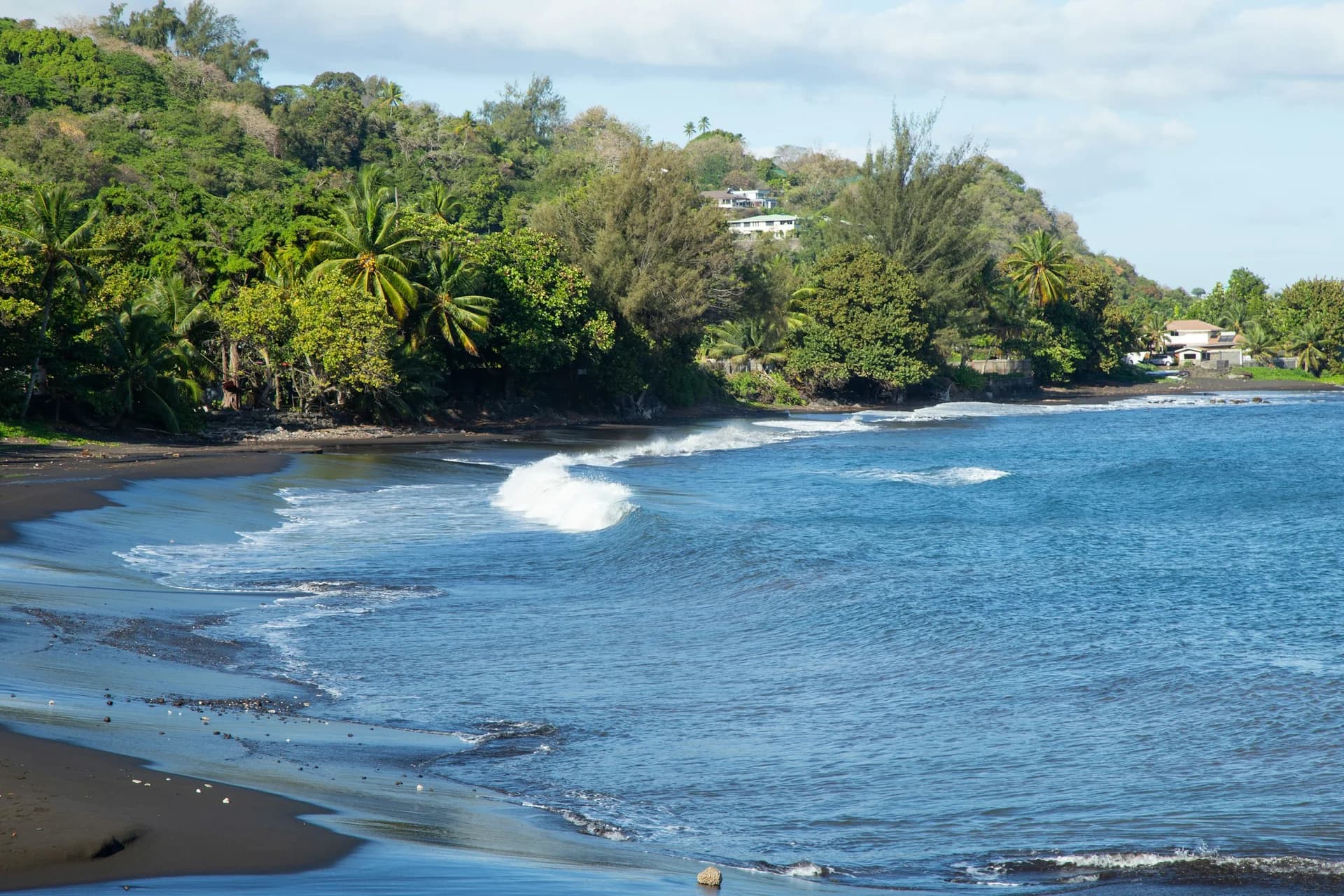
When to Visit Tahiti: Your Season-by-Season Guide to French Polynesia's Heart
When to Visit Tahiti: Your Season-by-Season Guide to French Polynesia's Heart
Tahiti sits deep in the South Pacific at 17 degrees south latitude. That means warm year-round, but the difference between dry season and wet season shapes everything from surf conditions to waterfall intensity to the price of your pension. Here's the full breakdown.
The Dry Season: May to October (Winter, Peak)
Weather
Clear skies, lower humidity, and temperatures between 24-28°C. The trade winds blow steadily, keeping things comfortable. Rain is infrequent — maybe a brief shower every few days, usually passing in 20 minutes. Nights cool to 20-22°C.
This is technically "winter" in the Southern Hemisphere, but it feels like a perfect summer day in the Mediterranean.
Why Visit Now
Whale watching. Humpback whales arrive in Tahitian waters from July through October to calve and nurse. Whale-watching boat trips from Papeete cost $80-120, and sightings are near-guaranteed from August through September. Some operators offer in-water snorkeling with whales (regulations apply — you must maintain distance and let the whale approach you).
Best surf. The reef passes fire up from May through October. Teahupo'o — one of the world's heaviest waves and the Paris 2024 Olympic surf venue — reaches peak form during this period. Even non-surfers should take a boat trip ($50-80) to watch the wave from the channel.
Festival season. Heiva i Tahiti (July) is French Polynesia's biggest cultural festival — weeks of traditional dance competitions, canoe racing, coconut husking contests, and stone-lifting. The tamure dance performances during Heiva are the most authentic you'll see anywhere. Held at the To'ata amphitheater in Papeete.
Comfortable hiking. The Fautaua Waterfall trail (133-meter fall, 4-5 hours round trip) and Papenoo Valley interior tours are drier and more manageable. River crossings are lower.
Prices
Peak season pricing. Pensions: $100-180/night. Hotels: $150-350/night. Flights from LAX are at their highest. Book 3-6 months ahead for the best rates.
Crowds
Moderate. Tahiti doesn't get crowded the way Bali or Hawaii do — the distance keeps mass tourism at bay. But popular pensions and whale-watching tours book up weeks ahead in July-August.
The Wet Season: November to April (Summer)
Weather
Warm and humid. Temperatures climb to 28-32°C with humidity above 80%. Afternoon rain is frequent — sometimes heavy tropical downpours that last 1-3 hours — but mornings are often sunny. January through March is the wettest period.
Cyclone season officially runs November through April. Cyclones are infrequent (maybe 1-2 per year in the broader region, most missing Tahiti) but travel insurance covering weather disruptions is essential.
Why Visit Now
Waterfalls at full power. The Fautaua Waterfall, Vaipahi Gardens waterfalls, and interior cascades are at their most dramatic. What's a trickle in September becomes a roaring curtain of water in February. If you came for waterfalls, come in the wet season.
Mango season. December through March brings mangoes, lychees, rambutans, and starfruit to the Papeete Market in quantities that make mainland prices feel criminal. A kilo of fresh mangoes: $3-4. The fruit juices at market stalls are transcendent.
Prices drop significantly. Pensions: $80-130/night. Hotels: $100-250/night. Flights are cheaper. Fewer tourists. The roulottes at Place Vai'ete have empty tables instead of queues.
Chinese New Year. Tahiti has a significant Chinese-Polynesian community (15-20% of the population). Chinese New Year celebrations in January-February include parades, dragon dances, and exceptional food — the fusion of Chinese and Polynesian cuisine is unique to French Polynesia.
Trade-offs
The humidity is relentless. You'll shower twice a day. Outdoor dining in the afternoon means sweating through your shirt. Some hiking trails become slippery and river crossings can be dangerous after heavy rain. Mosquitoes are more aggressive — use DEET repellent religiously.
Shoulder Months: April and November
April
The tail end of wet season. Rain is decreasing but the landscape is lush and green. Waterfalls still have good flow. Prices are dropping from peak season. Whale season hasn't started yet but the seas are calm for diving and snorkeling.
My pick for budget travelers who want good weather without peak prices.
November
The beginning of wet season. Temperatures rising, occasional afternoon storms starting. Prices are dropping as peak season ends. The last of the humpback whales are departing. Surf is still decent at Teahupo'o.
Good for travelers who want warmth and can handle occasional rain.
Best Times for Specific Activities
| Activity | Best Months | Notes |
|---|---|---|
| Whale watching | Jul-Oct | Peak: Aug-Sep. Near-guaranteed sightings |
| Surfing (Teahupo'o) | May-Sep | Biggest swells from southern storms |
| Waterfall hiking | Jan-Mar | Maximum water flow after heavy rains |
| Heiva festival | July | Book accommodation months ahead |
| Budget travel | Feb-Mar | Lowest prices, wettest months |
| Overall best | Jun-Aug | Dry, comfortable, whales, events |
| Diving | Year-round | Best visibility: Aug-Nov |
Packing by Season
Dry season (May-Oct): Light clothing, a light jacket for evenings (20°C can feel cool after tropical days), reef-safe sunscreen SPF 50+, insect repellent, comfortable walking shoes for hikes.
Wet season (Nov-Apr): Quick-dry clothing, waterproof jacket (essential), waterproof phone case, extra DEET repellent (mosquitoes are aggressive), water shoes for slippery trails, and patience with afternoon downpours.
Both seasons: Snorkel gear if you have your own. A hat. Sunglasses. And an appetite — les roulottes are year-round.
For a similar experience in a different setting, Fiji offers a compelling alternative.
For deeper Polynesian immersion without the French influence, Samoa offers authentic fa'a Samoa culture.
The Verdict
Best overall: June through August. Comfortable weather, whale season beginning, Heiva festival in July, and everything is open and operating.
Best for budget: February-March. Lowest prices across the board, spectacular waterfalls and fruit season. Bring a rain jacket.
Best for surfers: May through September. Teahupo'o and reef passes fire consistently.
Heiva festival: If you can time your trip for July, the Heiva i Tahiti festival is French Polynesia's largest cultural event. Traditional dance competitions, outrigger canoe racing, stone-lifting, coconut-husking, and fire walking. Performances at the To'ata amphitheater in Papeete are spectacular — the tamure dance at Heiva is the highest level you'll see anywhere. Tickets sell out; book early.
The mistake: Skipping Tahiti entirely to go straight to Bora Bora. However, if you're connecting, use the layover — even one night with a roulottes dinner, a market morning, and a black sand beach swim gives you more Polynesian culture than a week at a Bora Bora resort.


