
Hokkaido

Photo: topcools tee / Unsplash
Key Facts
Best Time to Visit
December to February for powder snow; July-August for lavender fields and hiking; year-round for seafood and onsen
Language
Japanese; English signage at major stations and ski resorts
Currency
Japanese Yen (JPY)
Time Zone
JST (UTC+9)
Airport
New Chitose Airport (CTS) — 40 minutes from Sapporo by rapid train
Population
~1.97 million (Sapporo city); ~5.2 million (Hokkaido prefecture)
Climate
Subarctic, -7 to -1°C winter, 17-26°C summer; up to 6m of snowfall annually in mountain areas
Safety Rating
Very Safe (Level 1)
Known For
World's best powder snow (Niseko), Sapporo Ramen, seafood markets, lavender fields, natural hot springs
Top Highlights

Sapporo
Hokkaido's capital, famous for its miso ramen (try Ramen Alley in Susukino, bowls ~800-1,000 JPY), the February Snow Festival with massive ice sculptures, and Odori Park. Sapporo Beer Museum offers tours and tastings (~500 JPY). The city is walkable with an efficient subway. Allow 2 days minimum.
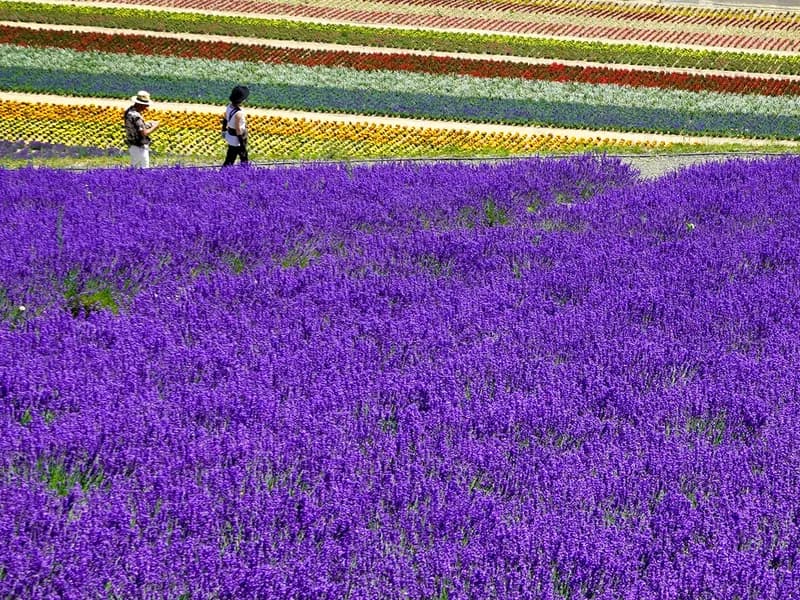
Furano & Farm Tomita Lavender Fields
Rolling hills of purple lavender peak in mid-July. Farm Tomita is free entry, open 8:30AM-5PM. Lavender soft-serve ice cream (300 JPY) is a must. Ningle Terrace in nearby Furano has charming log cabin craft shops. 2 hours from Sapporo by car or seasonal Lavender Express train.
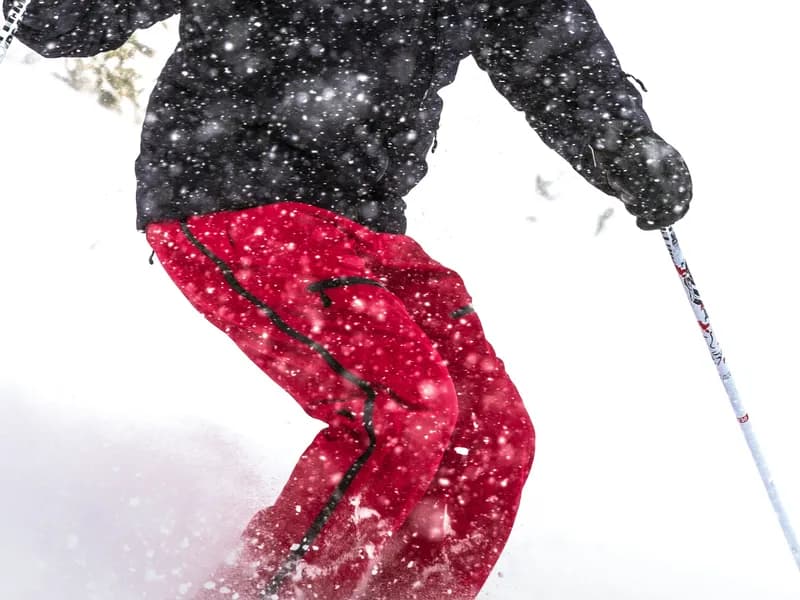
Niseko Powder Snow
Consistently ranked among the world's best ski resorts for dry, light powder — averaging 15m of annual snowfall. Four interconnected resorts on Mount Niseko-Annupuri. Lift passes ~6,500 JPY/day. Season runs December-April. The village has excellent apres-ski dining. 2.5 hours from Sapporo by bus.

Otaru Canal District
Romantic port town 30 minutes from Sapporo by train (750 JPY). The gas-lit canal warehouses now house glassblowing studios, music box shops, and sushi restaurants. Otaru's sushi is famous — Sushi Street (Sushiya-dori) has 20+ restaurants with sets from 2,000 JPY. Beautiful under snow in winter.
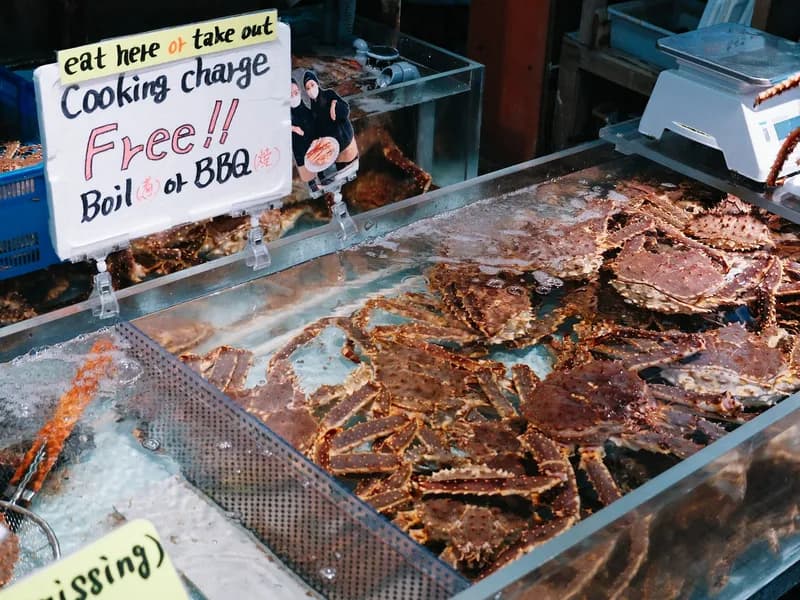
Hokkaido Seafood
Some of Japan's freshest seafood: uni (sea urchin), ikura (salmon roe), king crab, scallops, and squid. Sapporo's Nijo Market and Curb Market offer breakfast sushi bowls (kaisendon) from 1,500-3,000 JPY. In Hakodate, the morning market opens at 5AM with live squid sashimi cut tableside.
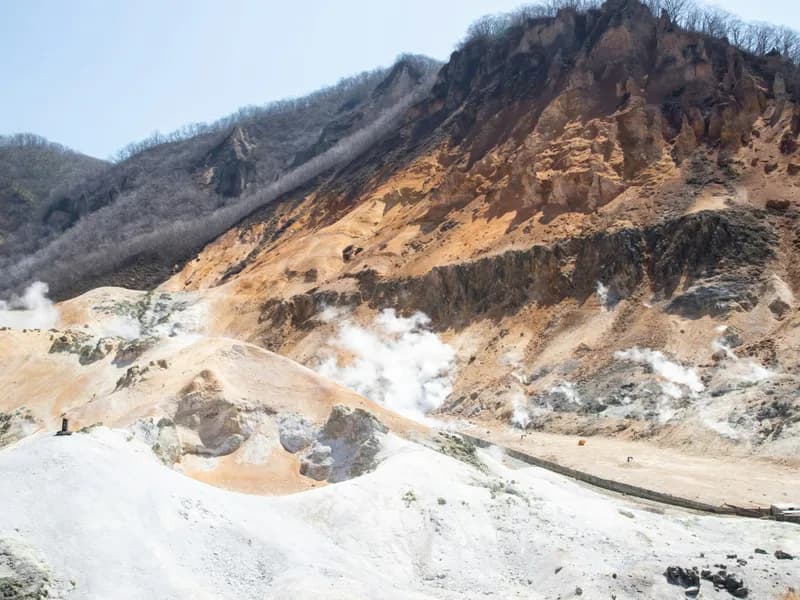
Noboribetsu Onsen
Hokkaido's most famous hot spring town, with Jigokudani (Hell Valley) — a volcanic crater spewing sulfurous steam. Free to walk through the valley. Onsen hotels from 8,000 JPY/night with multi-pool bathing complexes. Day-use onsen from 1,000-2,000 JPY. 1.5 hours from Sapporo by limited express train.
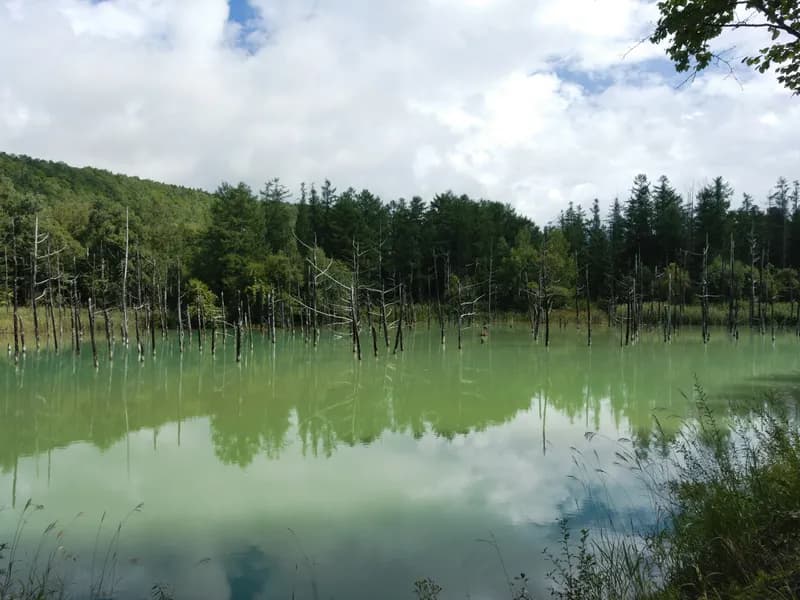
Biei Blue Pond & Shirogane Falls
An artificial pond with ghostly submerged birch trees glowing cobalt blue from natural aluminum particles. Free entry, open year-round. Night illumination in winter. The nearby Shirogane Falls flows into the Blue River (Biei River). 30 minutes from Furano — combine with the lavender fields trip.
Planned Itinerary
7-Day Hokkaido Itinerary
Arrival in Sapporo
Fly into New Chitose Airport (CTS) and take the rapid train to Sapporo. Settle in and start with the city's iconic food scene.
Rapid train to Sapporo(40 minutes)
1,150 JPY from CTS to Sapporo Station. Runs every 15 minutes. Buy a Suica/ICOCA card at the station for easy payment
Check in near Susukino or Odori(30 minutes)
Business hotels from 5,000-8,000 JPY. Both areas are central — connected by subway and walking distance to major sights
Miso ramen at Ramen Alley (Ramen Yokocho)(45 minutes)
Narrow alley in Susukino with 17 ramen shops. Try Shirakaba Sanso — their miso butter corn ramen (950 JPY) is the quintessential Sapporo bowl
Evening walk through Odori Park(1 hour)
1.5-km park strip through the city center. In February, this hosts the Snow Festival with massive ice sculptures. Year-round it's a pleasant walk with the Sapporo TV Tower (800 JPY for observation deck) at the east end
Sapporo City Exploration
Full day in Hokkaido's capital — beer history, morning markets, and the city's best seafood.
Nijo Market breakfast(1 hour)
Sapporo's premier seafood market — kaisendon (seafood rice bowls) from 1,500 JPY. Try uni (sea urchin), ikura (salmon roe), and scallops so fresh they're still moving
Sapporo Beer Museum(1.5 hours)
Free self-guided tour of Japan's oldest beer brand. Tastings ~500 JPY for a flight of 3. The red brick building is photogenic. 15 min walk from Sapporo Station
Hokkaido University campus walk(1 hour)
Beautiful campus with a poplar-lined avenue — golden in autumn, snow-covered in winter. The Clark bust memorial and Elm Forest are free to explore
Lunch at Sapporo Beer Garden(1.5 hours)
All-you-can-eat Genghis Khan (grilled lamb) from 3,480 JPY for 100 minutes. A Hokkaido institution
Tanukikoji Shopping Arcade(1 hour)
Covered 1-km shopping street with 200+ shops. Good for souvenirs — Rokkatei and Royce chocolate, melon sweets, lavender products
Otaru Canal Day Trip
Take the train to the romantic port town of Otaru — canals, glasswork, sushi, and music boxes.
Train to Otaru(30 minutes)
750 JPY from Sapporo on the JR Hakodate line. Covered by Hokkaido Rail Pass if you have one
Otaru Canal walk(1 hour)
Gas-lit stone warehouses along the canal — especially magical in winter with snow and lanterns. Former herring trade route from the 1800s
Otaru Music Box Museum(45 minutes)
Free. Three floors of music boxes from antique to modern. The steam clock outside chimes on the hour
Sushi lunch on Sushiya-dori(1.5 hours)
Otaru's Sushi Street has 20+ restaurants. Masazushi or Shikama — sets from 2,000 JPY. The uni here is sweeter than Tokyo's
Kitaichi Glass workshops(45 minutes)
Otaru is famous for glass art. Watch glassblowers at work and buy handcrafted pieces — oil lamps from 2,000 JPY
Furano, Biei & Blue Pond
Rent a car or take seasonal trains to central Hokkaido's lavender fields and the ethereal Blue Pond. Best in summer (July) but beautiful year-round.
Drive or train to Furano(2 hours)
Rental car ~6,000-8,000 JPY/day, or the seasonal Lavender Express train (summer only). The drive through rolling hills is part of the experience
Farm Tomita lavender fields(1.5 hours)
Free entry. Open 8:30AM-5PM. Rows of purple lavender (peak mid-July) with mountain backdrop. Lavender soft-serve 300 JPY is a must. Even outside bloom season the flower fields are colorful
Ningle Terrace craft village(45 minutes)
Charming log cabin workshops in the forest near New Furano Prince Hotel. Handmade candles, woodwork, and paper crafts
Biei Blue Pond(1 hour)
Ghostly submerged birch trees in cobalt-blue water — natural aluminum particles create the color. Free. Night illumination in winter. 30 min from Furano
Shirogane Falls(30 minutes)
Nearby waterfall flowing into the Blue River. Free. Quick stop from the Blue Pond parking area
Noboribetsu Onsen Day Trip
Hokkaido's most famous hot spring town — volcanic Hell Valley and multi-pool bathing complexes.
Limited express to Noboribetsu(1.5 hours)
~4,000 JPY from Sapporo or covered by Hokkaido Rail Pass. Bus from station to onsen town (340 JPY, 15 min)
Jigokudani (Hell Valley) walk(1.5 hours)
Volcanic crater spewing sulfurous steam from vents. Free boardwalk trail through the moonscape. The Oyunuma (boiling lake) at the far end reaches 130°C
Natural foot bath at Oyunuma(30 minutes)
Free foot bath fed by the river that flows from the boiling lake — the water cools to perfect temperature
Day-use onsen at Dai-ichi Takimotokan(2 hours)
1,500-2,000 JPY. 35 pools of varying temperatures and mineral compositions. Some outdoor (rotenburo) with forest views. Tattoo-friendly mixed-gender pool (swimsuits required)
Free Morning & Sapporo Food Tour
Rest morning, then a final afternoon exploring Sapporo's remaining food highlights.
Sleep in and brunch at Seicomart(45 minutes)
Hokkaido's beloved convenience store chain. Hot chef items, Hokkaido milk, and fresh onigiri from 130 JPY. Better than it sounds — locals swear by it
Curb Market (Jogai Shijo)(1.5 hours)
Adjacent to Nijo Market — more local, less tourist. King crab legs, grilled scallops, and melon slices to eat standing at stalls
Soup curry lunch at Suage(1 hour)
Sapporo's other signature dish — chunky vegetable curry soup from 1,200 JPY. Suage in Susukino is one of the originals
Sapporo TV Tower observation deck(30 minutes)
800 JPY. City views from 90m. Best at sunset when the mountains behind the city glow
Farewell dinner: Genghis Khan lamb BBQ at Daruma(1.5 hours)
Legendary lamb BBQ in Susukino — counter seating, dome grills, and premium Hokkaido lamb. Sets from 1,500 JPY. Queue expected
Departure Day
Final morning in Hokkaido. One last convenience store run and rapid train to the airport.
Breakfast at hotel or Seicomart(30 minutes)
Last Hokkaido milk and melon pan
Souvenir shopping at Sapporo Station(45 minutes)
Daimaru and Stellar Place have dedicated Hokkaido souvenir floors — Royce chocolate, Rokkatei Marusei butter sandwiches, LeTAO cheesecake. These are Japan's most prized omiyage (gifts)
Rapid train to New Chitose Airport(40 minutes)
1,150 JPY. Allow 2 hours before domestic flights. CTS has a Royce chocolate factory and onsen inside the airport if you're early
14-Day Hokkaido Itinerary
Arrival in Sapporo
Fly into New Chitose Airport and settle into Hokkaido's vibrant capital.
Rapid train to Sapporo(40 minutes)
1,150 JPY. Every 15 min
Check in Susukino area(30 minutes)
Business hotels 5,000-8,000 JPY
Miso ramen at Ramen Alley(45 minutes)
Shirakaba Sanso miso butter corn ramen 950 JPY
Odori Park and TV Tower(1 hour)
800 JPY for observation deck
Sapporo City Day
Markets, beer, university, and the city's culinary highlights.
Nijo Market kaisendon breakfast(1 hour)
Seafood bowls from 1,500 JPY
Sapporo Beer Museum(1.5 hours)
Free tour, tastings ~500 JPY
Hokkaido University campus(1 hour)
Poplar avenue and Elm Forest. Free
Genghis Khan lamb at Beer Garden(1.5 hours)
All-you-can-eat 3,480 JPY/100 min
Otaru Day Trip
Romantic canal port town 30 minutes away — sushi, glasswork, and music boxes.
Train to Otaru(30 minutes)
750 JPY
Canal walk(1 hour)
Gas-lit warehouses. Magical in winter
Music Box Museum(45 minutes)
Free. Steam clock outside
Sushi lunch on Sushiya-dori(1.5 hours)
Sets from 2,000 JPY
Kitaichi Glass(45 minutes)
Glassblowing workshops. Oil lamps from 2,000 JPY
Furano & Blue Pond
Central Hokkaido's lavender fields and the ethereal Blue Pond.
Drive to Furano(2 hours)
Car ~6,000-8,000 JPY/day
Farm Tomita(1.5 hours)
Free. Lavender soft-serve 300 JPY. Peak mid-July
Ningle Terrace(45 minutes)
Log cabin craft shops in forest
Biei Blue Pond(1 hour)
Free. Cobalt water with submerged birch trees
Noboribetsu Onsen
Hell Valley volcanic crater and multi-pool hot spring complexes.
Train to Noboribetsu(1.5 hours)
~4,000 JPY or Hokkaido Rail Pass
Jigokudani walk(1.5 hours)
Free boardwalk through volcanic craters
Oyunuma foot bath(30 minutes)
Free. Naturally heated river
Dai-ichi Takimotokan onsen(2 hours)
1,500-2,000 JPY. 35 pools
Niseko Day Trip or Ski Day
World-class powder snow in winter, hiking and rafting in summer.
Bus to Niseko(2.5 hours)
Niseko Express bus 2,600 JPY from Sapporo
Winter: Skiing/snowboarding(5 hours)
Lift pass ~6,500 JPY/day. 15m annual snowfall. Four interconnected resorts on Mt. Niseko-Annupuri
Summer: River rafting on Shiribetsu River(3 hours)
~5,500 JPY. Grade II-III rapids through mountain valley
Lunch at Niseko village(1 hour)
International dining scene — quality restaurants from 1,500 JPY
Rest Day in Sapporo
Free day. Sleep in, revisit favorites, or explore neighborhood backstreets.
Brunch at Seicomart(45 minutes)
Hokkaido convenience store cult favorite. Hot chef items
Maruyama Park walk(1.5 hours)
Peaceful city park with Hokkaido Shrine. Cherry blossoms in May, autumn colors in October
Soup curry at Suage(1 hour)
Sapporo's other iconic dish — chunky vegetable curry soup from 1,200 JPY
Susukino evening walk(1 hour)
Neon entertainment district. Nijo Market area has great evening yakitori stalls
Hakodate — Train South
Limited express to Hakodate — Japan's most beautiful night view and morning market.
Limited express to Hakodate(3.5 hours)
~8,000 JPY or Hokkaido Rail Pass. Scenic coastal route
Check in near Hakodate Station(30 minutes)
Hotels from 5,000 JPY
Goryokaku Fort(1.5 hours)
Star-shaped Western-style fort (1866). Free grounds. Tower observation deck 900 JPY — the star shape is best seen from above. Cherry blossoms in May are stunning
Mt. Hakodate ropeway for night view(1.5 hours)
Ropeway 1,500 JPY return. The night view of Hakodate's double-bay illumination is ranked Japan's #1 — arrive 30 min before sunset for the transition
Hakodate Exploration
Morning market, historic districts, and the unique blend of Japanese and Western architecture.
Hakodate Morning Market(1.5 hours)
Opens 5AM. Live squid sashimi cut tableside (~1,500 JPY) — the tentacles still move on your plate. Kaisendon from 1,500 JPY
Motomachi historic district walk(2 hours)
Sloped streets with Western-style buildings — churches, consulates, and the Old Public Hall (300 JPY). Hakodate was one of Japan's first open ports in 1859
Kanemori Red Brick Warehouse shopping(1 hour)
Converted 1909 warehouses with shops, cafes, and a beer hall. The waterfront setting is charming
Lucky Pierrot burger(45 minutes)
Hakodate's cult burger chain — Chinese Chicken Burger 350 JPY. Ranked Japan's #1 local burger chain. Each location has wild decor
Shakotan Peninsula Day Trip
Dramatic coastal scenery 2 hours northwest — azure coves, sea cliffs, and fresh uni.
Drive to Shakotan Peninsula(2 hours)
Rental car essential. Coastal road from Otaru
Shimamui Coast(1 hour)
Turquoise water so clear it's been called 'Shakotan Blue.' Walk the coastal trail above the cliffs
Cape Kamui(1 hour)
Dramatic cliff jutting into the Sea of Japan. 20-minute walk to the lighthouse. Legend says a goddess cursed ships that sail too close
Fresh uni lunch at Minshuku Uni(1 hour)
Shakotan's bafun uni (sea urchin) is harvested June-August. Uni donburi from 2,500 JPY — some of the freshest in Japan
Asahiyama Zoo & Asahikawa Ramen
Day trip to Japan's most innovative zoo and the ramen capital of Hokkaido's interior.
Train to Asahikawa(1.5 hours)
~4,500 JPY limited express or Hokkaido Rail Pass
Asahiyama Zoo(3 hours)
1,000 JPY. Japan's most visited zoo — famous for walk-through penguin tunnels, polar bear pools, and seal tubes. Winter penguin walk (December-March) is unmissable
Asahikawa Ramen Village(1 hour)
8 ramen shops under one roof. Asahikawa-style soy-based ramen with a lard layer to keep the broth hot. Bowls from 800 JPY. Different from Sapporo's miso style
Jozankei Onsen & Autumn Colors
Mountain onsen town 45 minutes from Sapporo — best in autumn (October) for fiery foliage.
Bus to Jozankei Onsen(45 minutes)
800 JPY from Sapporo Station. Autumn is peak but beautiful year-round
Futami Suspension Bridge walk(45 minutes)
Bridge over the Toyohira River gorge — surrounded by red and golden maples in October
Dam walk and nature trails(1.5 hours)
Multiple walking trails along the river and reservoir. Kappa statues hidden throughout
Day-use onsen at Jozankei Tsuruga Resort Spa Mori no Uta(2 hours)
1,500 JPY. Outdoor pools overlooking the forested gorge. Pool bar serves drinks you can sip while soaking
Free Day & Farewell
Last full day. Revisit favorites or explore what you missed.
Morning at Curb Market(1 hour)
Grilled scallops and king crab legs from stalls
Souvenir shopping at Sapporo Station(1.5 hours)
Royce, Rokkatei, LeTAO — Hokkaido omiyage floors
Farewell dinner at Daruma(1.5 hours)
Genghis Khan lamb BBQ. Counter seating, dome grills. Sets from 1,500 JPY
Departure Day
Final morning. Rapid train to New Chitose Airport.
Last Seicomart breakfast(30 minutes)
Hokkaido milk and melon pan
Rapid train to CTS(40 minutes)
1,150 JPY. CTS has Royce factory and onsen inside the airport
21-Day Hokkaido Itinerary
Arrival in Sapporo
Fly into New Chitose Airport and settle into Hokkaido's capital.
Rapid train to Sapporo(40 minutes)
1,150 JPY
Check in near Susukino(30 minutes)
Hotels 5,000-8,000 JPY
Miso ramen at Ramen Alley(45 minutes)
Shirakaba Sanso 950 JPY
Sapporo City Exploration
Markets, beer museum, university, and Genghis Khan lamb.
Nijo Market breakfast(1 hour)
Kaisendon from 1,500 JPY
Sapporo Beer Museum(1.5 hours)
Free tour, tastings 500 JPY
Beer Garden Genghis Khan(1.5 hours)
All-you-can-eat 3,480 JPY
Otaru Day Trip
Canal town, sushi street, glasswork, and music boxes.
Train to Otaru(30 minutes)
750 JPY
Sushi lunch at Sushiya-dori(1.5 hours)
From 2,000 JPY
Furano & Blue Pond
Lavender fields, craft village, and the ethereal Blue Pond.
Farm Tomita(1.5 hours)
Free. Lavender soft-serve 300 JPY
Blue Pond(1 hour)
Free. Cobalt water
Noboribetsu Onsen
Volcanic Hell Valley and hot spring complexes.
Jigokudani Hell Valley(1.5 hours)
Free
Dai-ichi Takimotokan onsen(2 hours)
1,500-2,000 JPY. 35 pools
Niseko Day
Powder skiing in winter or rafting and hiking in summer.
Bus to Niseko(2.5 hours)
2,600 JPY
Winter: Skiing(5 hours)
Lift pass 6,500 JPY. World's best powder
Summer: Rafting(3 hours)
~5,500 JPY
Rest Day
Free day. Seicomart breakfast, park walks, and neighborhood exploration.
Soup curry at Suage(1 hour)
From 1,200 JPY
Train to Hakodate
Move south to Hakodate — Japan's best night view city.
Limited express to Hakodate(3.5 hours)
~8,000 JPY or Rail Pass
Goryokaku Fort(1.5 hours)
Tower 900 JPY
Mt. Hakodate ropeway night view(1.5 hours)
1,500 JPY. Japan's #1 ranked night view
Hakodate Exploration
Morning market, historic Motomachi, and Lucky Pierrot burgers.
Morning Market — live squid sashimi(1.5 hours)
~1,500 JPY. Opens 5AM
Motomachi historic walk(2 hours)
Western-style buildings from 1859
Lucky Pierrot burger(45 minutes)
Chinese Chicken Burger 350 JPY
Onuma National Park
Day trip from Hakodate to this scenic park — cycling, canoeing, and mountain views.
Train to Onuma Koen(30 minutes)
640 JPY from Hakodate
Cycling around the lake(2 hours)
Bike rental 600 JPY/hour. 14-km loop past volcanic islands and Komagatake mountain
Canoe or paddleboat(1 hour)
Canoe 1,500 JPY/hour. Paddle between the 126 small islands
Dango (rice dumplings) from lakeside shops(30 minutes)
Onuma dango — small rice balls in sweet sauce. 350 JPY. Local specialty
Return to Sapporo & Shakotan
Train back north, then drive to the dramatic Shakotan Peninsula coast.
Shimamui Coast(1 hour)
'Shakotan Blue' turquoise water
Fresh uni lunch(1 hour)
Uni donburi from 2,500 JPY. June-August season
Asahikawa & Asahiyama Zoo
Japan's most innovative zoo and soy-based ramen capital.
Asahiyama Zoo(3 hours)
1,000 JPY. Penguin tunnels, polar bear pools
Ramen Village lunch(1 hour)
Soy-based ramen from 800 JPY
Jozankei Onsen & Nature
Mountain onsen town 45 minutes from Sapporo.
Bus to Jozankei(45 minutes)
800 JPY
Futami Suspension Bridge(45 minutes)
Gorge views. Spectacular in autumn
Day-use onsen at Mori no Uta(2 hours)
1,500 JPY. Outdoor pools over gorge
Rest Day
Second rest day. Gentle pace, revisit favorites.
Curb Market snacks(1 hour)
Grilled scallops and crab legs
Afternoon at Moerenuma Park(2 hours)
Isamu Noguchi designed park. Free. Glass pyramid, play mountain. 30 min from center by bus
Eastern Hokkaido — Drive to Tokachi
Road trip into Hokkaido's interior — wide open landscapes, dairy farms, and the Tokachi region.
Drive east to Obihiro(3 hours)
Through rolling agricultural landscape
Butadon (pork rice bowl) lunch(1 hour)
Obihiro's signature dish — caramelized pork over rice. Pancho at Obihiro Station from 900 JPY
Tokachi Millennium Forest(2 hours)
1,000 JPY. Dan Pearson-designed garden blending wild meadows and cultivated landscapes. Award-winning
Check in at onsen hotel(1 hour)
Tokachi-gawa onsen town. Hotels from 8,000 JPY with onsen bathing
Tokachi Region Exploration
Cheese, wine, and the agricultural heart of Hokkaido.
Hanabatake Bokujo (Flower Field Ranch)(1.5 hours)
Farm park with fresh dairy — camembert, raclette, and soft-serve made from farm milk. Free entry
Tokachi Hills winery(1 hour)
Hokkaido wine country — tastings from 500 JPY. The pinot noir is improving rapidly
Drive to Shikaoi town(1 hour)
Small agricultural town with farm-to-table restaurants
Naitai Highland viewpoint(45 minutes)
Panoramic views over Tokachi plain — one of Hokkaido's most photographed landscapes. Free
Akan National Park & Lake Akan
Continue east to volcanic lakes, marimo moss balls, and Ainu culture.
Drive to Lake Akan(3 hours)
Through mountain passes
Ainu Kotan cultural village(1.5 hours)
Ainu indigenous crafts and museum. Free village, museum 500 JPY. Traditional dance performances (1,000 JPY) at set times
Lake Akan boat cruise(1 hour)
1,900 JPY. See the marimo (round moss balls unique to Lake Akan) at the observation center on Churui Island
Onsen at lake hotel(1.5 hours)
Hotels from 10,000 JPY with volcanic onsen
Kushiro Wetlands
Japan's largest marshland — red-crowned cranes, canoeing, and vast wilderness.
Hosokawa observation deck(30 minutes)
Free. Panoramic wetland views
Kushiro River canoe tour(2 hours)
~10,000 JPY. Paddle through the marsh — red-crowned cranes, deer, and eagles. Morning is best for wildlife
Lunch at Kushiro Washo Market(1 hour)
Famous 'Katte Don' — buy rice, then add whatever sashimi you want from different stalls. ~1,500-2,500 JPY
Drive back toward Sapporo direction(3 hours)
Overnight en route
Return to Sapporo Area
Final drive back to Sapporo with stops along the way.
Drive to Sapporo area(3-4 hours)
Stop at roadside farmer stalls for seasonal produce
Afternoon at Mitsui Outlet Park Sapporo Kitahiroshima(2 hours)
Near CTS airport. Outdoor retail village with 170+ shops and mountain views
Final ramen dinner at Ebisoba Ichigen(1 hour)
Unique shrimp broth ramen near Sapporo Station. 850 JPY. Rich, creamy, and different from miso style
Free Day & Farewell
Last full day. Revisit favorites and stock up on Hokkaido treats.
Morning market revisit(1 hour)
One last kaisendon
Souvenir shopping at Sapporo Station(1.5 hours)
Royce, Rokkatei, LeTAO — stock up on omiyage
Farewell Genghis Khan at Daruma(1.5 hours)
Counter lamb BBQ. Sets from 1,500 JPY
Departure Day
Rapid train to New Chitose Airport.
Rapid train to CTS(40 minutes)
1,150 JPY. Royce factory and onsen inside airport
Travel Tips
Visa & Entry
Visa-Free for Many Nationalities
US, UK, EU, Australian, Canadian, and most Western passport holders get 90 days visa-free. Indian citizens need a Japan e-visa (apply at mofa.go.jp). Processing takes 5-7 business days. Visit Japan Web registration required for smooth customs clearance.
transport
Get the Hokkaido Rail Pass
The Hokkaido Rail Pass (5-day: 20,000 JPY, 7-day: 26,000 JPY) covers all JR Hokkaido trains including limited express to Asahikawa, Furano, Otaru, Noboribetsu, and Hakodate. The Japan Rail Pass also works in Hokkaido. For Niseko, take the Niseko Express bus from Sapporo (2,600 JPY one-way).
Rent a Car for Summer Countryside
Furano, Biei, and eastern Hokkaido (Shiretoko, Akan) are poorly served by trains. A rental car from Sapporo costs ~6,000-8,000 JPY/day. Reserve early for July-August lavender season. International Driving Permit required. Roads are excellent and well-signed in English. Most GPS units have English mode.
Budget
Convenience Store Meals are Excellent
7-Eleven, Lawson, and Seicomart (Hokkaido-only chain) sell fresh onigiri (130-200 JPY), bento boxes (400-700 JPY), and surprisingly good hot food. Seicomart's hot chef items and Hokkaido milk are local favorites. A full day of convenience store eating costs under 2,000 JPY.
Ski Season Niseko is Expensive
Niseko accommodation during peak season (late December-February) can hit 30,000-60,000 JPY/night. Book 3-6 months ahead. Budget alternative: stay in Kutchan town (10 minutes away by free shuttle) for 50% less. Rusutsu and Furano offer comparable powder at lower prices and fewer crowds.
Local Customs
Onsen Etiquette is Strict
Wash thoroughly at the shower stations BEFORE entering the bath. No swimsuits — onsen are nude. Tattoos are still banned at many traditional onsen (some offer private rooms or stickers). Keep towels out of the water. Most onsen are gender-separated. Noboribetsu's Dai-ichi Takimotokan has a mixed-gender pool (swimsuits required).
Safety
Winter Driving Requires Snow Tires
If renting a car in winter (December-March), snow tires are mandatory and included by rental companies. AWD is recommended. Hokkaido roads can have black ice and whiteout conditions. The expressway between Sapporo and Niseko closes occasionally. Carry emergency supplies and check road conditions at northern-road.jp.
Related Articles
Travel Guides12 Best Things to Do in Hokkaido: From Powder Snow to Lavender Fields
Japan's wild north is bigger than most trips can hold. Here are the 12 experiences — powder ski runs, purple lavender rows, steaming onsens and dawn seafood bowls — worth building your whole route around.
Travel GuidesHokkaido for Food Lovers: A Thematic Guide to Japan's Culinary Frontier
Miso ramen at midnight, sea urchin for breakfast, lavender ice cream at noon — Hokkaido isn't just Japan's best food region, it might be the world's.
SeasonalHokkaido in Winter vs Summer: Two Islands in One
Powder snow and ramen at -7°C or lavender fields at 25°C — Hokkaido transforms so completely between seasons that choosing wrong means missing half the island.
Travel GuidesEverything You Need to Know About Visiting Hokkaido (17 Questions Answered)
Rail pass logistics, onsen tattoo rules, which ski resort to pick, and why Seicomart is the best convenience store in Japan — answered by a repeat visitor.