12 Unmissable Things to Do in Charleston (Beyond Rainbow Row)
12 Unmissable Things to Do in Charleston (Beyond Rainbow Row)
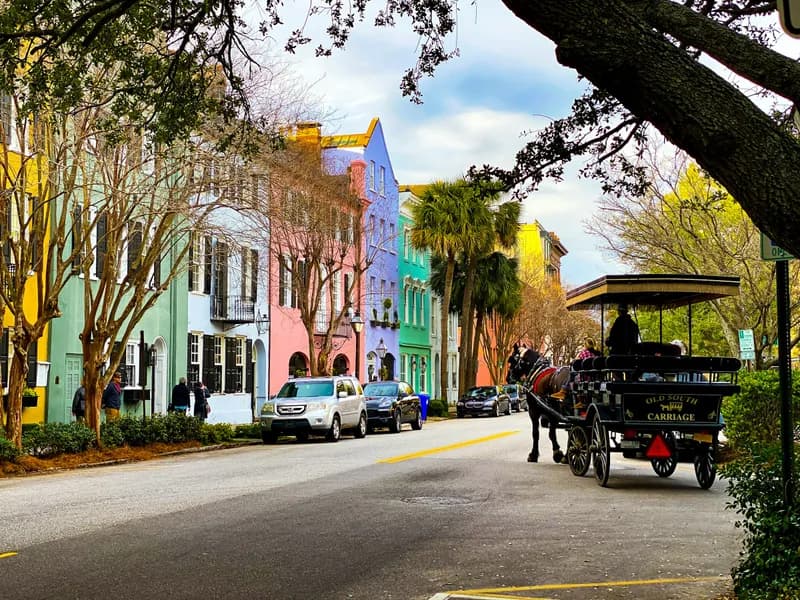
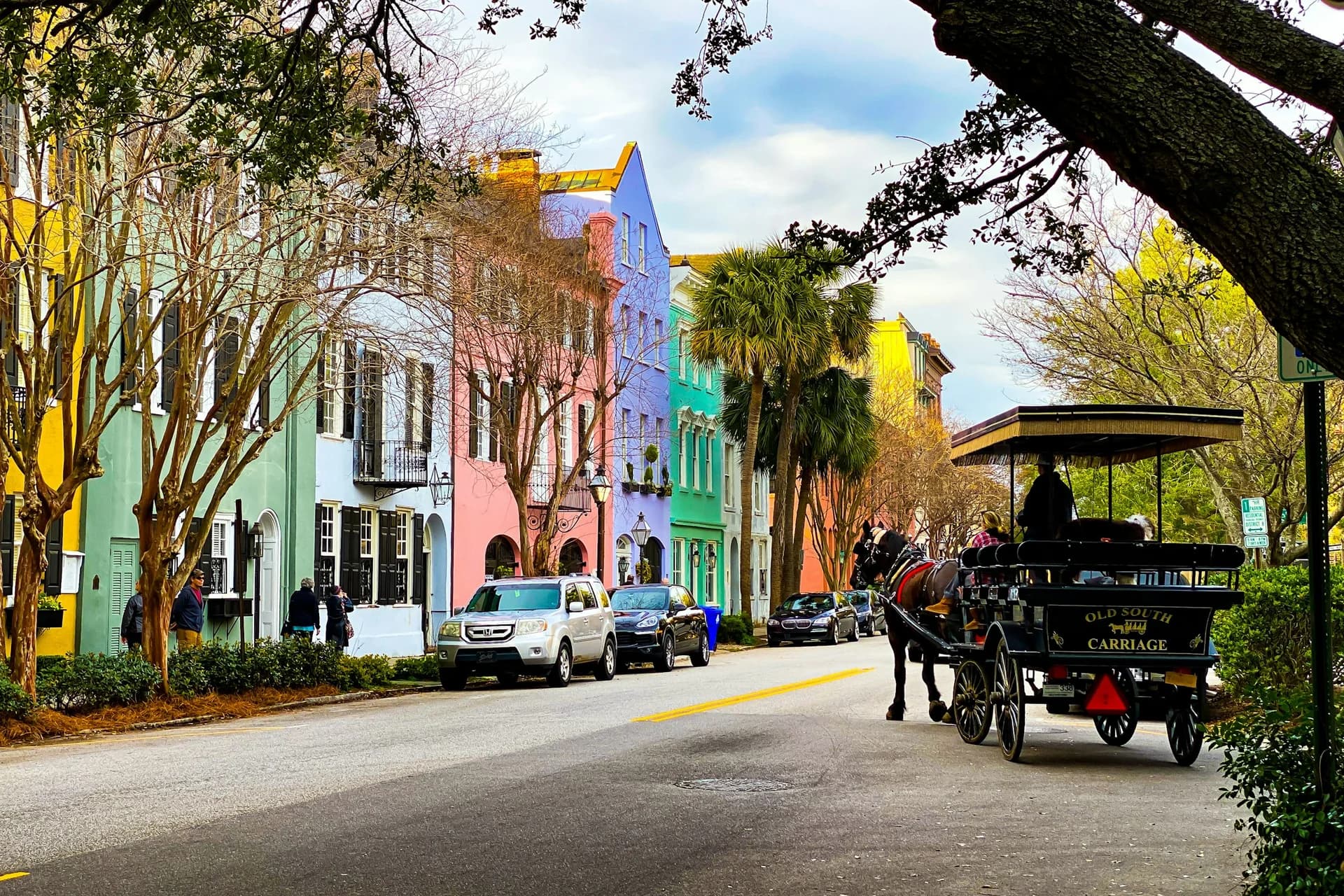
Everyone photographs Rainbow Row and calls it a day. Don't. Charleston rewards the people who keep walking — past the obvious pastel postcard and into the oyster shacks, the live-oak avenues, and the ferry decks where the real city shows up. Here's how to spend your days so you leave with more than a camera roll of the same nine houses everyone else shot.
1. Walk the Battery at Golden Hour
Start at White Point Garden, where the Ashley and Cooper rivers shake hands and the antebellum mansions of South Battery turn gold around 6 PM. The promenade is free, flat, and made for slow walking. Come at dusk, not noon — the light is softer, the heat breaks, and the porches facing the harbor light up one by one. Bring nothing but a coffee.
2. Take the Ferry to Fort Sumter
The Civil War started here, on a man-made island in the middle of the harbor, and the only way to reach it is by boat. Ferries leave from Liberty Square downtown and from Patriots Point in Mount Pleasant — tickets run about $35 for adults, and the National Park Service rangers on the island are worth the trip alone. Book ahead in spring and fall; the 9:30 AM departure beats both the heat and the crowds. If pulling on the thread of early American history is your thing, Boston's own harbor forts make a natural northern bookend to the same story.
3. Stand Under the Angel Oak
Twenty minutes southwest on Johns Island stands a single live oak somewhere between 300 and 400 years old, with limbs so heavy they rest on the ground and crawl back up again. Entry is free. There's no climbing allowed — and you won't want to once you see the scale of it — but standing under that sprawling canopy reorders your sense of how big a tree gets to be. Go early; the small parking lot fills by mid-morning.
4. Eat Your Way Down the Raw Bar at Leon's
Skip the white-tablecloth wait. Leon's Oyster Shop on upper King Street is a converted auto-body garage that serves some of the best fried chicken and chargrilled oysters in town, with a frozen rosé on tap that locals order without irony. Get the char-grilled oysters and the chicken. Expect a line on weekends — it's worth it, and there's no reservation drama.
5. Tour a Plantation That Tells the Whole Truth — McLeod
Magnolia and Middleton get the flowers, but McLeod Plantation Historic Site on James Island tells the harder, fuller story — centered on the enslaved Gullah-Geechee people who actually built this place. The preserved cabins along Transition Row and the guided talks make it the most honest plantation experience near the city. Admission runs around $20. Give it two hours and a quiet mind.
6. Shop the City Market for Sweetgrass
Running four blocks between Meeting and East Bay, the Charleston City Market has operated since the 1790s. Walk past the souvenir stalls and find the Gullah women weaving sweetgrass baskets by hand — a craft carried unbroken from West Africa for three centuries. A small basket starts around $40 and a large coiled one climbs past $300, and every dollar is earned. This is the souvenir worth the splurge.
7. Order Off the Chalkboard at Husk
Husk, in a restored 1890s mansion at 76 Queen Street, rewrote what Southern food could be — everything on the daily-changing menu is sourced from the South, and the chalkboard of suppliers changes faster than the seasons. Reservations open about a month out and vanish fast. Can't get a table? The downstairs bar pours one of the best bourbon lists in the Lowcountry and takes walk-ins. It's the same hyper-local, farm-to-table obsession now driving Austin's restaurant scene — Charleston just got there a few years earlier.
8. Get Lost on the Side Streets South of Broad
The famous houses are nice. The alleys are better. Wander Stoll's Alley, Longitude Lane, and Church Street below Broad, where cobblestones, hidden gardens, and 18th-century single houses sit with almost nobody around. This is a free, self-guided hour — no ticket, no guide, just you and the wrought iron. Look for the earthquake bolts on the facades, bolted on after the 1886 quake rattled the peninsula. If wandering hidden lanes on foot is your idea of a perfect afternoon, the storybook cottage streets of Carmel-by-the-Sea scratch the same itch out west.
9. Cross to Folly Beach for the Afternoon
Twenty minutes from downtown, Folly Beach is the scrappy surf-town antidote to all that historic polish. Park on East Ashley, walk the pier (free to stroll, small fee to fish), and end up at Bowens Island or Chico Feo for fish tacos with sand still on your feet. The Folly washout is one of the few East Coast surf breaks worth the name. Bring cash for parking.
10. Ride the Ravenel Bridge on Foot
The Arthur Ravenel Jr. Bridge has a dedicated pedestrian and cycling lane — Wonders' Way — running the full 2.5 miles across the Cooper River. The view from the cable-stayed span, roughly 200 feet over the harbor, beats any rooftop bar. It's free, it's open all day, and the climb counts as your workout. Start from the Mount Pleasant side for easier parking.
11. Catch the Pineapple Fountain at Waterfront Park
Yes, it's a fountain shaped like a pineapple — the Southern symbol of hospitality — and yes, it's one of the most photographed spots in the city for good reason. Waterfront Park stretches along the Cooper with porch swings facing the water and a long pier built for doing nothing. Free, open daily, and best at sunrise when it's just joggers and pelicans.
12. Book a Carriage Tour You'll Actually Remember
It sounds touristy. Do it anyway. The licensed guides on a Palmetto or Old South carriage tour know which house survived the fire of 1861, which church bell was melted down for cannons, and which garden hides behind which gate. Routes are assigned by lottery at the barn, so no two tours run the same streets — about $35 for roughly an hour. Sit on the shaded side.
Pro Tip: Build Your Days Around the Heat and the Tide
Charleston in summer is humid by 10 AM. The local rhythm is simple — be outside early, retreat indoors for lunch and the worst of the afternoon, then come back out for golden hour and dinner. Park once and walk; the historic peninsula is barely two miles end to end, and the garages on Cumberland and Queen beat circling for a metered spot. Wear shoes that handle cobblestones. And book your Husk table, your Fort Sumter ferry, and any carriage tour before you arrive in spring or fall — the smart move is locking those three the week you book your flight, because they're the first things to sell out.